

Major Milestone Achieved: Weijing Surgical Robot Completes Full Enrollment in Clinical Trials
On March 29, the clinical trial summary meeting for Weijing Medical’s endoscopic surgical instrument control system (SR01-100) and its surgical instruments, a subsidiary of Kangji Medical Holdings, was successfully held. Attendees included Ding Guoqing, Vice President of Sir Run Run Shaw Hospital, Zhejiang University School of Medicine; Li Gonghui, Director of the Department of Urology; Ma Liang, Deputy Director of the Department of Urology; and the urology team involved in the clinical trials.
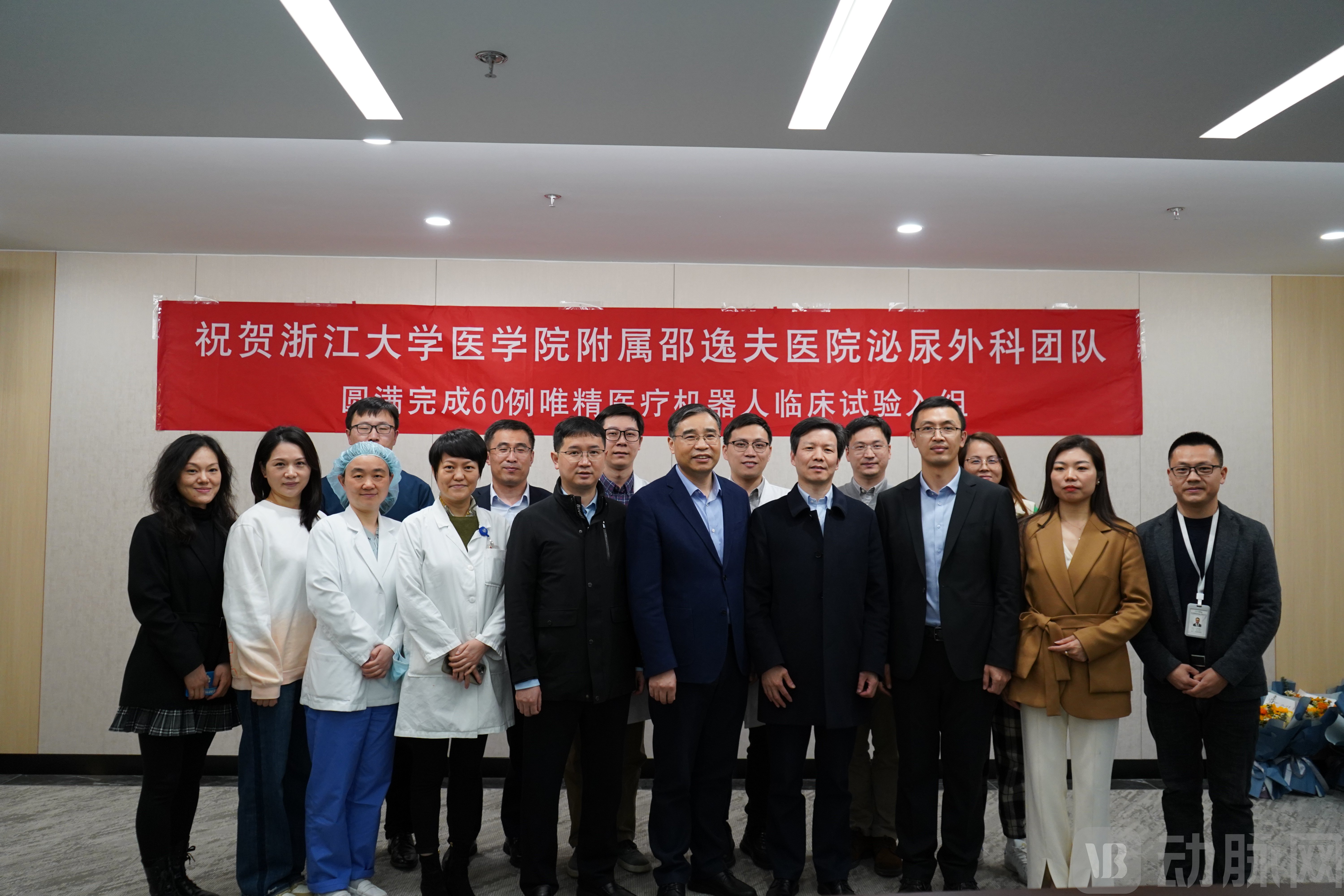

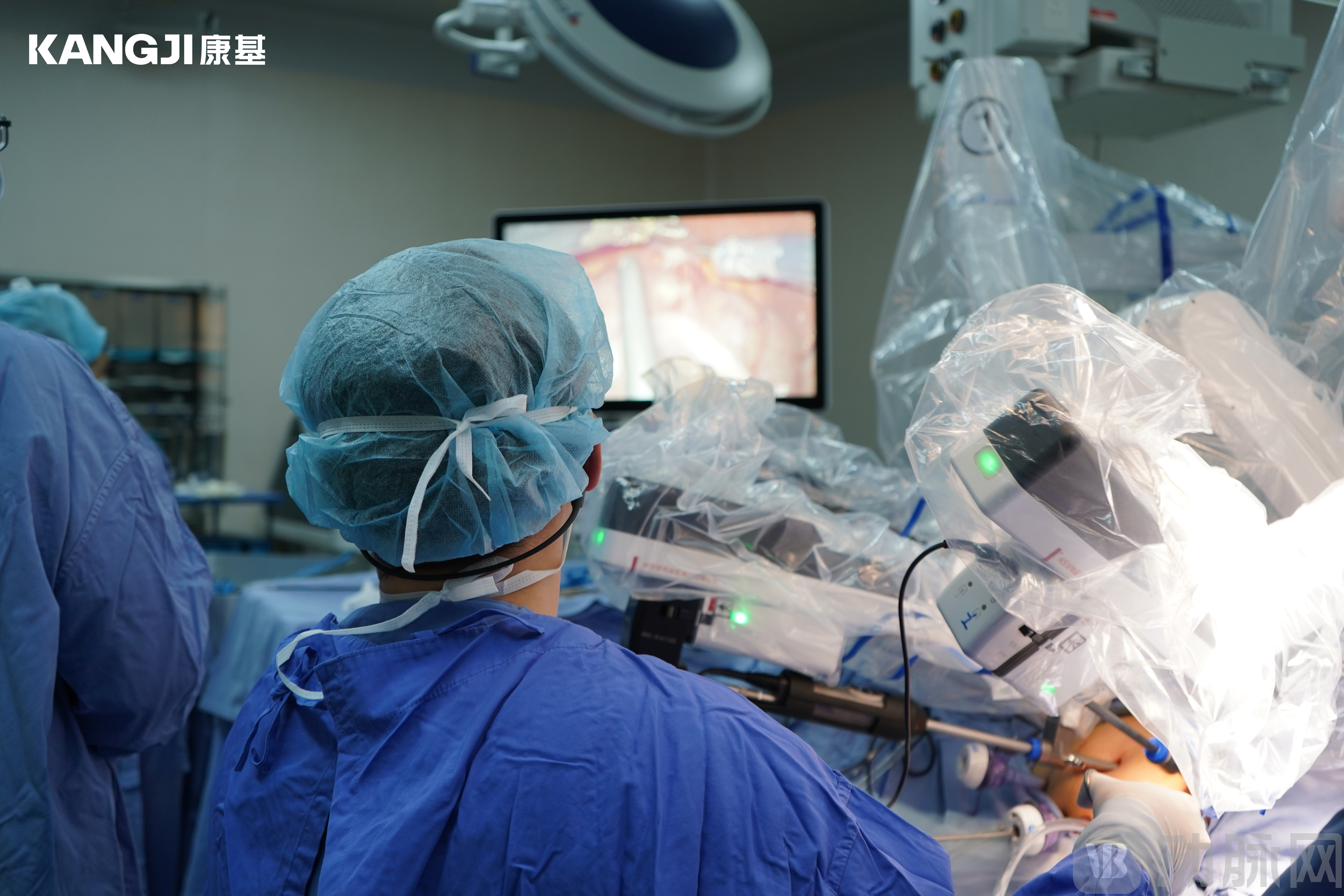
Since the clinical trial kick-off meeting in August 2022, Weijing Medical’s laparoscopic minimally invasive surgical robot hasSir Run Run Shaw Hospital, Zhejiang University School of Medicine; Zhejiang Provincial People's HospitalTwo major clinical trial centers have successfully completed all scheduled clinical validation surgeries for the planned enrollment, covering all surgical procedures in the field of urology, includingHigh-difficulty surgical procedures, including radical prostatectomy, nephrectomy, partial nephrectomy, adrenalectomy, and ureteroplasty.
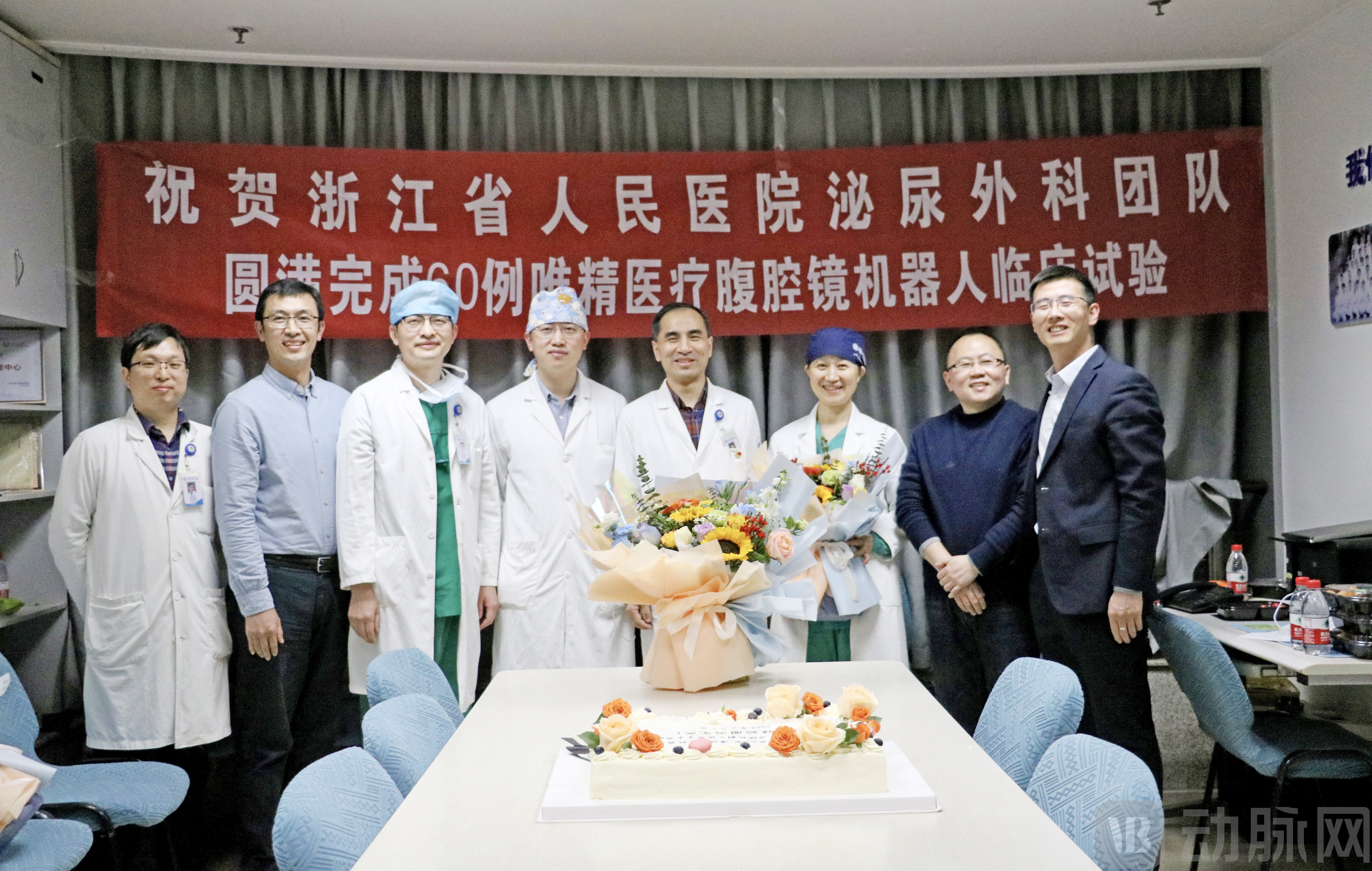
▲Zhejiang Provincial People's Hospital
Successfully Completed the Planned Clinical Trial
During the trial, the Weijing Medical Endoscopic Surgical Instrument Control System (SR01-100) demonstrated exceptional performance,Precise Master-Slave Control, with no intraoperative lag and virtually imperceptible latency;Reasonable Layout and Configuration of the Robotic Arm, minimizing the risk of intraoperative collisions and ensuring smooth surgical manipulation;Advanced control algorithms,Surgical instruments can perfectly replicate the surgeon's hand movements, offering significant advantages in delicate procedures such as suturing.



Ding Guoqing, Vice President
Affiliated with Zhejiang University School of MedicineSir Run Run Shaw Hospital
“Sir Run Run Shaw Hospital has been actively exploring the field of surgical robots in recent years. We have long anticipated that domestically produced surgical robots would replace foreign products, providing Chinese doctors with more ergonomic surgical tools and higher-quality clinical services.”
The primary objective of the clinical trial is to evaluate whether the performance and clinical outcomes of the current robotic system meet clinical requirements. During this process, we observed that clinicians were able to provide rapid feedback on their needs and offer clinical recommendations, whileAs Chinese enterprises, Kangji and Weijing have R&D teams that can respond promptly and propose optimization solutions quickly and effectively.,This is highly commendable.
“We also hope to see greater improvements in precision, haptic feedback, and ergonomics for Weijing Robotics’ future products.”
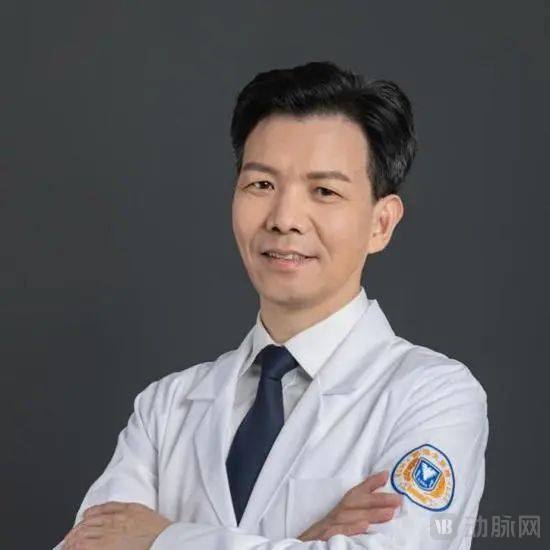
Prof. Li Gonghui
Affiliated to the School of Medicine, Zhejiang UniversityDirector, Department of Urology, Sir Run Run Shaw Hospital
“I am delighted to participate in the clinical trials of domestically produced surgical robots,This clinical trial achieved a 100% success rate., The surgical procedure went very smoothly,"No cases were converted to laparoscopic surgery, and no cases were converted to open surgery, which is quite remarkable."。
During the trial process, clinicians were afforded greater opportunities and more room to exercise their expertise. We raised clinical needs and suggestions, which were promptly addressed by the surgical robot R&D team, thereby enabling our participation in its research, design, and improvement processes. This fostered integration between medicine and industry, allowing all partiesCollaborating to Advance and Witness the R&D, Innovation, and Enhancement of Domestically Produced Surgical Robots, this is where the excitement lies!
“I am eagerly looking forward to Weijing Robotics delivering an even better next-generation product and bringing it to market soon, thereby truly benefiting clinicians and patients!”
Prof. Qi Xiaolong
Director, Department of Urology, Zhejiang Provincial People's Hospital
“Truly superior surgical instruments are designed to facilitate the surgeon’s work, rather than relying on the surgeon’s own technical prowess and extensive experience to compensate for tool deficiencies. The Weijing Medical Endoscopic Surgical Instrument Control System (SR01-100) provides low-latency, immersive 3D high-definition visualization, enabling precise access to the surgical site through minimally invasive incisions. With robotic arm assistance, it helps surgeons perform complex minimally invasive procedures such as cutting, suturing, and tissue retraction, demonstrating”Extremely High Clinical Application Value。”
In recent years, surgical robot technology has developed rapidly, with an increasing number of hospitals and physicians beginning to explore robotic-assisted surgery. Surgical robots enable clinicians to perform procedures more efficiently, alleviate intraoperative fatigue, and fundamentally extend their professional careers. For hospitals, the adoption of robotic-assisted surgery can reduce patient length of stay, improve bed turnover rates, and mitigate staffing shortages, thereby delivering healthcare services to patients with greater efficiency.
The successful completion of patient enrollment in this clinical trial has validated the superior performance and reliable clinical value of Weijing Medical’s Endoscopic Surgical Instrument Control System (SR01-100). This surgical robot system demonstrates the technical capability to perform complex procedures within confined anatomical spaces, highlighting its significant clinical application value and stability advantages. By enabling minimally invasive surgery, enhancing procedural safety, and accelerating postoperative recovery, the system effectively improves clinical outcomes for patients.Provides favorable support for the technological innovation and breakthroughs of Weijing Medical, while also markingThe development of Weijing Surgical Robot has entered a new phase.
The success of this clinical trial also marksKangji Medical Achieves Milestone in Surgical Robotics Sector.As China’s leading provider of comprehensive solutions for minimally invasive surgery, Kangji Medical will continue to explore frontier technologies in minimally invasive surgery and advance its industrial layout in surgical robotics. Kangji Medical will join hands with Weijing MedicalAccelerate the commercialization of multi-port laparoscopic surgical robots and advance the R&D of multiple pipelines, including single-port laparoscopic surgical robots.Continuously expand the clinical applications of domestically produced surgical robots, accelerate the realization of the national strategy for “domestic substitution of high-end medical devices,” break import monopolies, achieve domestic replacement, and ultimately better serve physicians and benefit patients.
About Weijing Medical

Weijing Medical is dedicated to tackling core technological challenges and developing systems for medical robots. As an R&D-driven innovation enterprise, it focuses on the research, development, manufacturing, and sales of surgical robots, artificial intelligence technologies, and medical equipment. Its core management team possesses extensive R&D experience and specialized expertise in developing multi-port and single-port surgical robot systems.
Currently, Weijing Medical has conquered and mastered core technologies such as structural design, control systems, core algorithms, intelligent control, and system integration for minimally invasive surgical robots. The company has also conducted forward-looking technical research in areas like force feedback and visual servoing, and has deployed a multi-product line of minimally invasive surgical robot systems, including three-arm and four-arm multi-port surgical robots as well as single-port surgical robots.
Weijing Medical will continue to innovate and develop in the field of medical robotics, efficiently advance the R&D and commercialization of minimally invasive surgical robots, actively support hospitals in promoting the clinical application of laparoscopic surgical robots, and effectively contribute to the new era of intelligent minimally invasive surgery, thereby benefiting more patients.