

MediSieve Submits IPO Prospectus: Pioneering Magnetic Blood Filtration Platform for Drug-Free Treatment of Blood-Borne Diseases

MediSieve
Developer of Magnetic Blood Filtration Platform
When patients are afflicted with tumors, the most direct treatment is surgical resection; so why can’t tumors in the bloodstream be cleared in the same way?
In 2015, MediSieve, a biotechnology startup headquartered in London, UK, proposed a drug-free therapy for blood disorders. This therapy aims to physically remove specific substances from patients’ blood using magnetic blood filtration devices. Reportedly, bolstered by this innovative therapy, MediSieve has raised $10.6 million across 10 funding rounds and has recently been successfully selected as a member of the UK Life Sciences Innovator program after undergoing a rigorous application process.
Life Sciences Innovator is a community organization composed of several UK-based companies, dedicated to connecting with partners worldwide to deliver innovative solutions for various diseases. It serves as a testament to the UK’s innovative achievements in the life sciences sector. The six companies selected in 2023 represent the UK’s innovations across six key areas: biopharmaceuticals and vaccines; application, product, and service design; diagnostics and precision medicine; digital solutions; medical technology; and drug development and delivery.
Currently, MediSieve has four pipelines targeting blood disorders such as excessive inflammation, sepsis, malaria, and leukemia, with the most advanced one having entered the clinical trial stage.
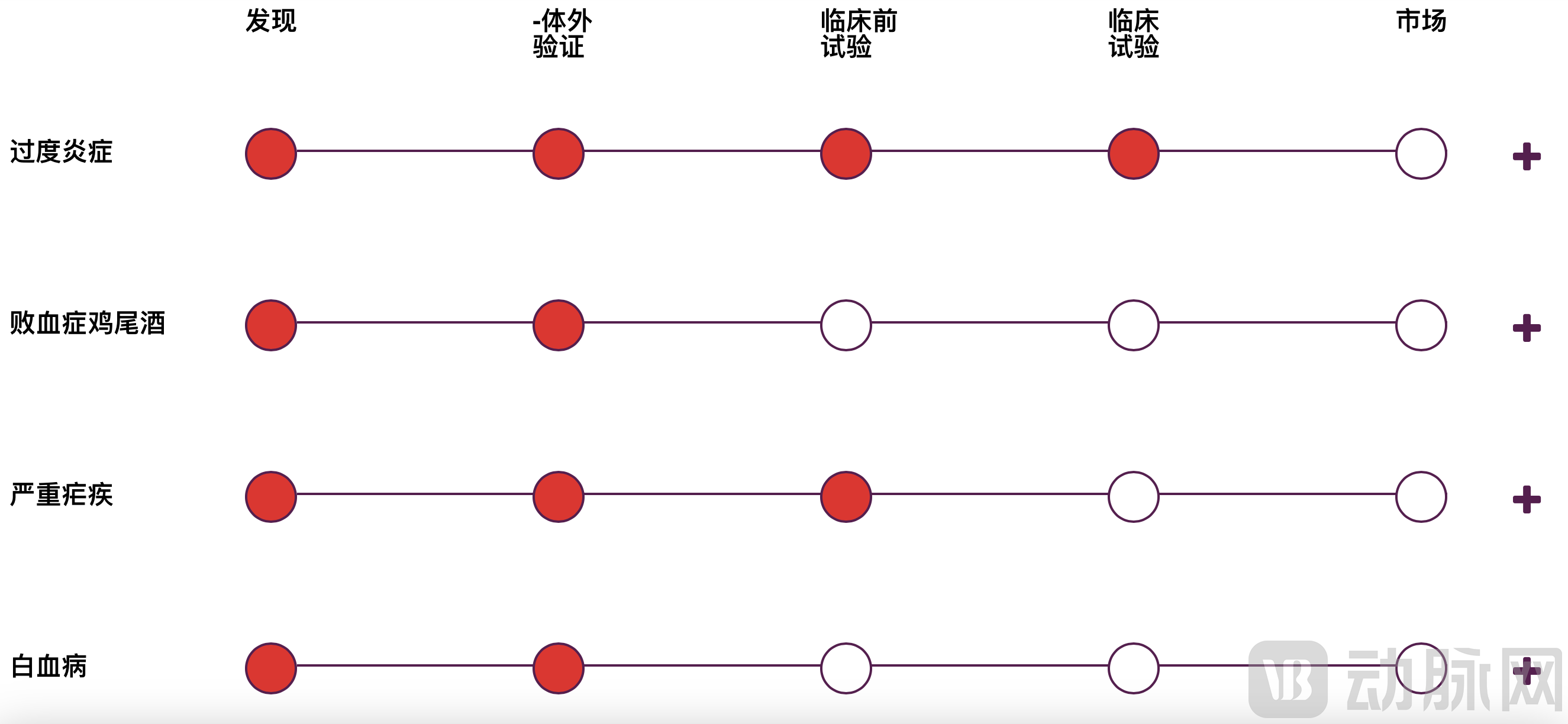
MediSieve’s Four Pipelines | Image Source: MediSieve Official Website
Borrowing a 3D Printer
UCL PhD Student Develops Malaria Treatment Device
Although malaria is nearly extinct in China today, it remains one of the epidemics with the greatest impact on developing countries.
According to World Health Organization statistics, malaria incurs annual medical costs and lost productivity exceeding $1.2 billion in Latin America, Asia, and sub-Saharan Africa. By 2020, there were approximately 241 million malaria cases worldwide, resulting in 627,000 deaths. Although current medications and vaccines can alleviate symptoms and reduce the risk of infection, significant room for improvement remains. For instance, existing malaria vaccines demonstrate limited efficacy in preventing severe disease, require multiple doses, and exhibit waning protection several months after vaccination.
In response, MediSieve, a biotechnology startup spun out of University College London (UCL), has discovered an entirely new solution.

Dr. George Frodsham, Founder of MediSieve. Image source: MediSieve official website
Dr. George Frodsham accidentally discovered in an experiment that when red blood cells are infected with malaria, the parasites destroy hemoglobin in the blood, thereby producing a substance called hemozoin. This substance is slightly magnetic. As the parasites proliferate and the cells deteriorate, the content of hemozoin continuously increases, ultimately rendering the malaria-infected cells magnetic.
Dr. Frodsham had a sudden insight: “Why not use a magnetic blood filter to screen out infected magnetic cells, allowing uninfected blood cells to pass through unimpeded?” This method of blood filtration is similar in principle to hemodialysis; when a patient’s blood passes through an extracorporeal filtration device, cells infected with malaria are separated out, while healthy cells are returned to the body. Thus, the initial concept of MediSieve’s magnetic blood filtration therapy was born.
During his doctoral studies in biochemical engineering at UCL, Dr. Frodsham was compelled to devise cost-effective strategies for design and testing due to limited research funding. At the time, an affordable RepRap-style 3D printer was his only viable option. Whether for expensive medical devices or laboratory tools, Dr. Frodsham fabricated them using the 3D printer to conduct experiments and obtain preliminary data, which also facilitated the development of early prototypes of magnetic blood filtration devices.
Not only for the magnetic filtration device for malaria, 3D printers have become an indispensable part of Dr. Frodsham’s laboratory equipment; to this day, they are still being used to manufacture clinical samples via 3D printing technology.
Although MediSieve is still in its early stages of development, its innovative approach, which breaks away from traditional solutions, has attracted a significant amount of funding. Initially, Dr. Frodsham received an entrepreneurship fellowship from the Royal Society of Edinburgh, which provided the essential capital to launch the company. Later, when the first prototype of the filtration device was designed, he was awarded another entrepreneurship fellowship by the Centre for Entrepreneurship at the Royal Academy of Engineering. Following the success of these early prototypes, MediSieve secured £350,000 in funding, enabling it to proceed with the development of subsequent clinical prototypes and conduct safety trials.
In the subsequent 10 rounds of financing, MediSieve raised an additional £8.5 million (approximately $10.6 million).
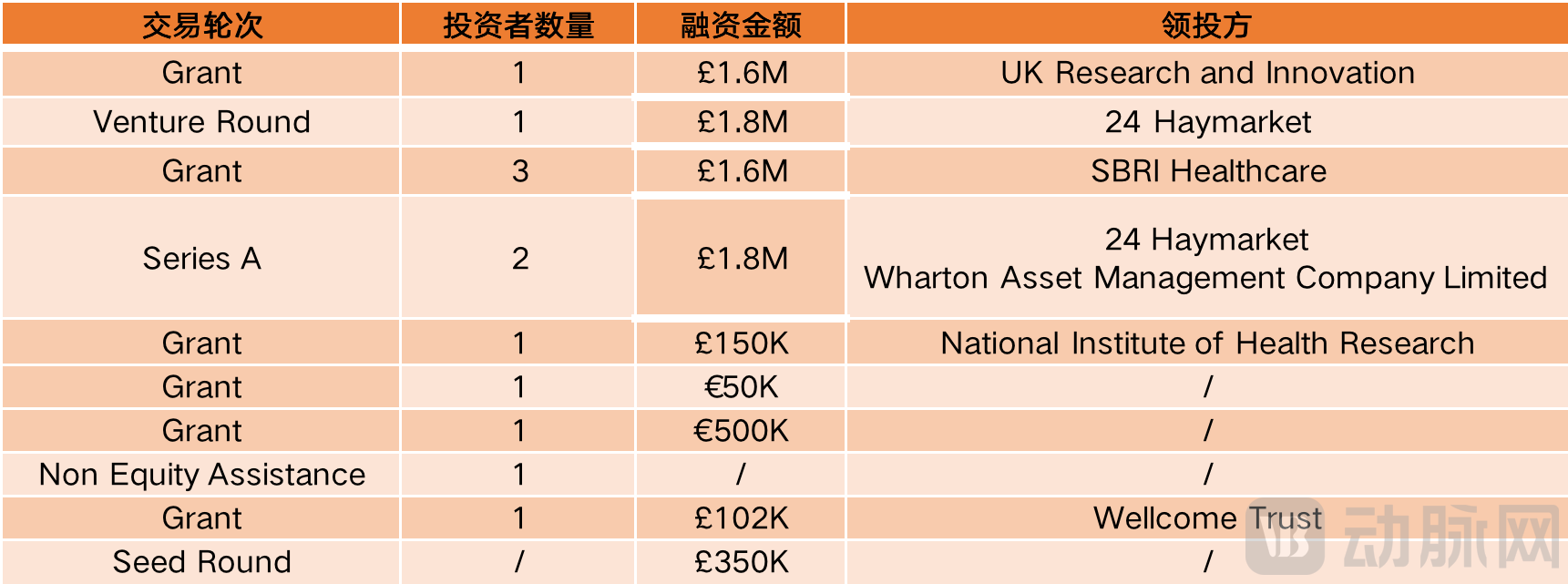
MediSieve Funding Overview | Data Source: Crunchbase
Targeted particles, filters, and magnets work in concert
Maximize the capture and removal of target substances from blood
MediSieve is designed to integrate with existing hospital blood filtration devices, enabling the precise targeting and selective removal of specific substances from the blood.
As blood flows from the inlet into the tubing of the extracorporeal filtration device, therapeutic magnetic beads are first injected into the circuit. Because infected cells, toxins, or pathogens differ in size and weight from normal cells, the engineered magnetic beads bind to these targets, thereby imparting magnetism to the substances intended for removal (this step is unnecessary for malaria-infected cells, which are inherently magnetic). As the blood continues to flow through the MediSieve magnetic filter, the magnetized target substances are captured, allowing the filtered blood to flow unimpeded from the outlet back into the body.
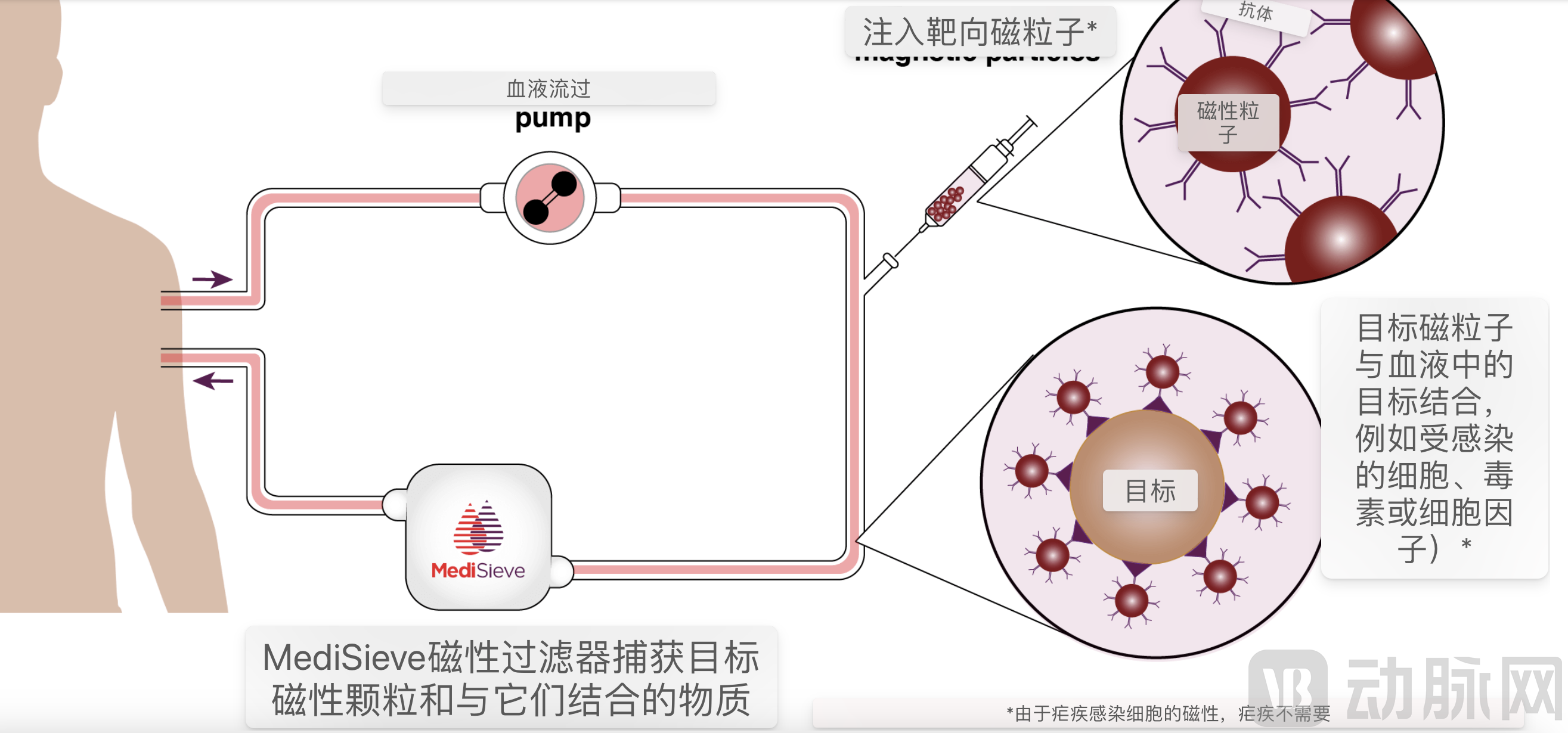
Schematic Diagram of the Working Principle of Magnetic Blood Filtration. Image Source: MediSieve Official Website
Filters and Magnets:The core of the magnetic blood filtration system consists of the MediSieve filter and magnets. The MediSieve filter is a disposable, magnetized filter designed to target and retain magnetic cells; it is universal and interchangeable across all MediSieve devices.
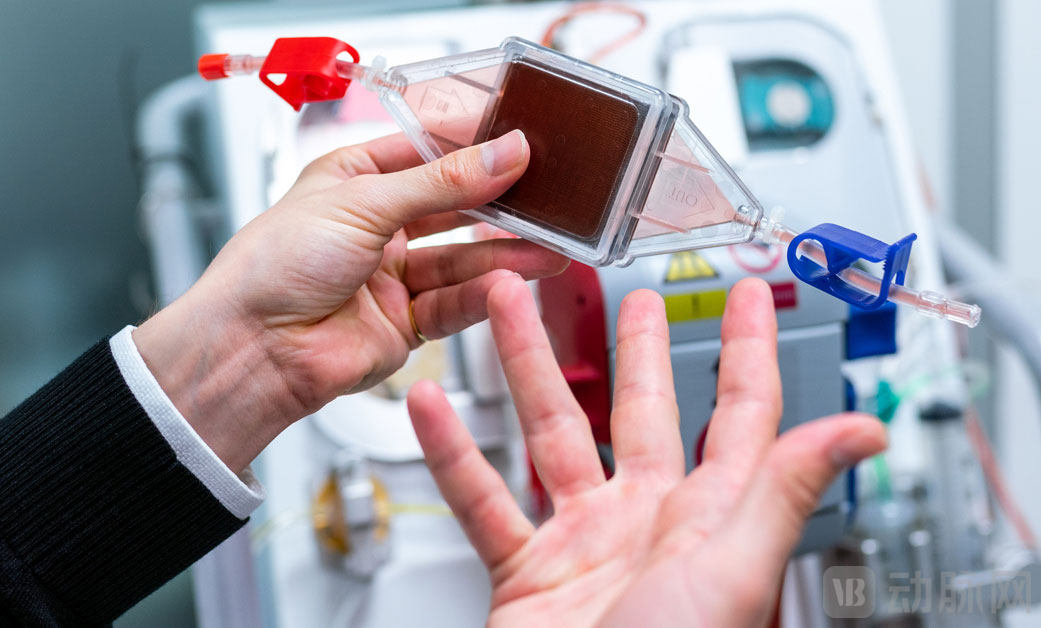
MediSieve Filter. Image source: MediSieve official website
Meanwhile, the filter and magnet are designed as an integrated unit. This design ensures that only a small volume of blood circulates outside the patient’s body during filtration, while also minimizing treatment duration. At typical blood flow rates, the patient’s total blood volume can be filtered in under one hour, with the entire treatment lasting approximately 2–3 hours. Currently, key design elements enabling maximal magnetic capture and filtration within the filter are pending patent approval.
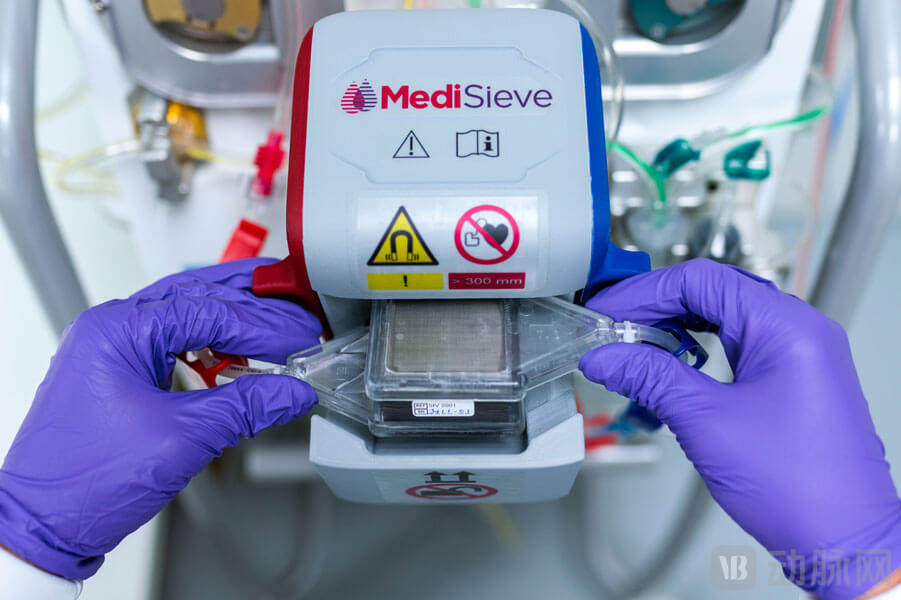
MediSieve Magnet Image Source: MediSieve Official Website
The MediSieve magnet is a permanent magnet assembly that generates a strong magnetic field in the filter insertion area and is housed within a protective casing to facilitate safe filter insertion. The filter is activated by the magnet and can be reused for multiple treatment cycles.
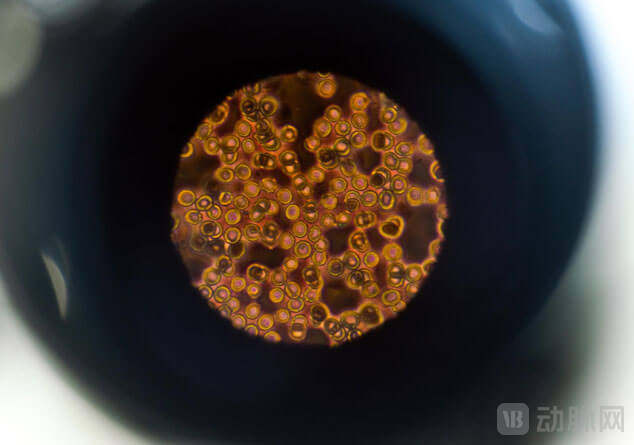
MediSieve Targeted Particles | Image source: MediSieve official website
Therapeutic Magnetic Beads: The infused therapeutic magnetic beads are biocompatible, magnetically targeted particles coated with binding agents, enabling them to attach to specific targets. Their size, magnetic properties, and the quantity of binding agents are meticulously engineered to maximize recognition and capture during filtration. From a medical perspective, these magnetic beads offer high efficacy and safety, as they do not remain in the patient’s body; instead, they are captured by a magnetic filter during extracorporeal blood circulation, eliminating concerns about their entry into the patient’s systemic circulation.
Favorable Clinical Trial Results
Actively Exploring New Opportunities in Gene Therapy and Oncology
On July 1, 2022, MediSieve tested this technology in humans for the first time.
As the first volunteer enrolled in MediSieve’s Phase I clinical study, the system demonstrated favorable safety and tolerability profiles. Subsequent clinical trials are continuing at Radboud University Medical Center in the Netherlands, under the leadership of Professor Peter Pickkers, Professor of Intensive Care Medicine, and Dr. Matthijs Kox, a trial expert.
The Phase I clinical study is a non-comparative study designed to evaluate the safety and preliminary performance of the MediSieve system. Dr. Matthijs stated, “This trial represents the first step in evaluating the use of the MediSieve magnetic blood filtration system for treating IL-6-driven hyperinflammation. The ability to selectively remove IL-6 and other targets without systemic drug exposure opens new avenues for treating various indications and provides insights for subsequent therapies for conditions such as ARDS and pancreatitis.”
Patients with elevated IL-6 levels experience high mortality and morbidity, imposing a significant burden on healthcare systems worldwide. Currently, systemic IL-6 inhibitors are the most common form of treatment. However, due to prolonged immunosuppression, patients become more susceptible to both initial and subsequent infections, making these drugs unsuitable for treating acute hyperinflammation. In this regard, MediSieve’s magnetic blood filtration system does not produce the aforementioned side effects.
On December 7, 2022, MediSieve announced the final results of its Phase I clinical trial. The study enrolled 11 adult participants, of whom 8 completed the trial. All results demonstrated that the magnetic blood filtration system used in the trial had a favorable safety and tolerability profile, with no serious adverse events reported and no differences observed between sexes.
Professor Pickkers stated, “This is the first step for the MediSieve magnetic blood filtration platform, which has the potential to benefit a broad range of patients. For instance, the ability to selectively deplete IL-6 from patients would provide a new therapeutic option for many ICU patients suffering from hyperinflammatory conditions. We are delighted to contribute to the development and validation of MediSieve’s technology.”
Dr. Cristina Blanco-Andujar, Chief Technology Officer at MediSieve, stated, “Throughout the study, no significant changes were observed in clinical chemistry parameters or platelet counts, indicating that the treatment is well-tolerated and safe. The introduction of targeted therapeutic magnetic beads marks the first step in unlocking the potential of the MediSieve technology.”
Because therapeutic magnetic beads can bind to various different agents in the blood, the MediSieve magnetic blood filtration system can be adapted to different indications, thereby unlocking new clinical and commercial opportunities for MediSieve. MediSieve is also actively exploring opportunities in acute hyperinflammation, gene therapy, oncology, and severe malaria. Currently, MediSieve has four pipelines covering conditions such as excessive inflammation, sepsis, severe malaria, and leukemia. Each pipeline addresses distinct clinical challenges and has passed preclinical validation.
For blood-borne diseases, the significance of MediSieve may extend beyond mere prevention and treatment. Over the past century, the medical community has predominantly relied on chemical pharmaceuticals for disease management. However, the widespread use of these drugs has led to increased drug resistance among parasites and viruses.
In the future development of medical technology, MediSieve’s innovative solutions based on physics and nanotechnology offer a novel approach to problem-solving, which may hold significant implications for reducing patients’ reliance on pharmacological treatments.