

April Fell Short, May Is Fully Booked: Why Medical Investors Can’t Stay in the Office This Year

Qiming Venture Partners
Healthcare Investment Institutions
Legend Capital
Early-stage venture capital and growth-stage private equity investment institutions
MPCi
Venture Capital Institutions in High-Tech Startup Fields
As the pandemic gradually recedes, China's healthcare industry is showing signs of recovery. According to incomplete statistics from the VCBeat Orange Database,China's Healthcare Sector Sees 268 Financing Deals in Q1, with Total Amount Approaching RMB 10 Billion. Meanwhile, the secondary market has finally shown signs of improvement, according to publicly available information,In the first quarter, a total of 88 healthcare companies were queued for IPOs on the Hong Kong Stock Exchange, Beijing Stock Exchange, and STAR Market.。
Beyond the intuitive data, another sign of the healthcare sector’s recovery can be found among investors. Unlike the anxiety that plagued investors in 2022 due to industry uncertainties, most investors today wear expressions of anticipation for the future. Amidst this long-awaited optimism, however, lies their non-stop, hectic pace of life.
“Since returning from the Spring Festival, I’ve been on nearly 20 business trips; I’m constantly packing my luggage.”“This is a reflection on the hectic life from an investor who has been in the industry for just two years. Unlike newcomers who are still adjusting, seasoned investors are clearly much more accustomed to it. A well-known early-stage investor revealed to VCBeat, ‘Since returning after the Chinese New Year, I’ve flown about 10 times, but that’s still relatively few compared to my peers.’”An investor friend mentioned that he hadn’t sat in his office for a long time. I was deeply moved, as the familiar rhythm of life has finally returned.”。
So, where have healthcare investors been traveling frequently this year? VCBeat has found that a significant portion of these trips were for evaluating projects, while another substantial part was for attending various industry conferences, both large and small. According to incomplete statistics, nearly 100 industry conferences have been held in the healthcare sector since the return from the Spring Festival holiday, with investors being a common presence at these events.At times, investors even have to shuttle between two or three venues in a single day.。
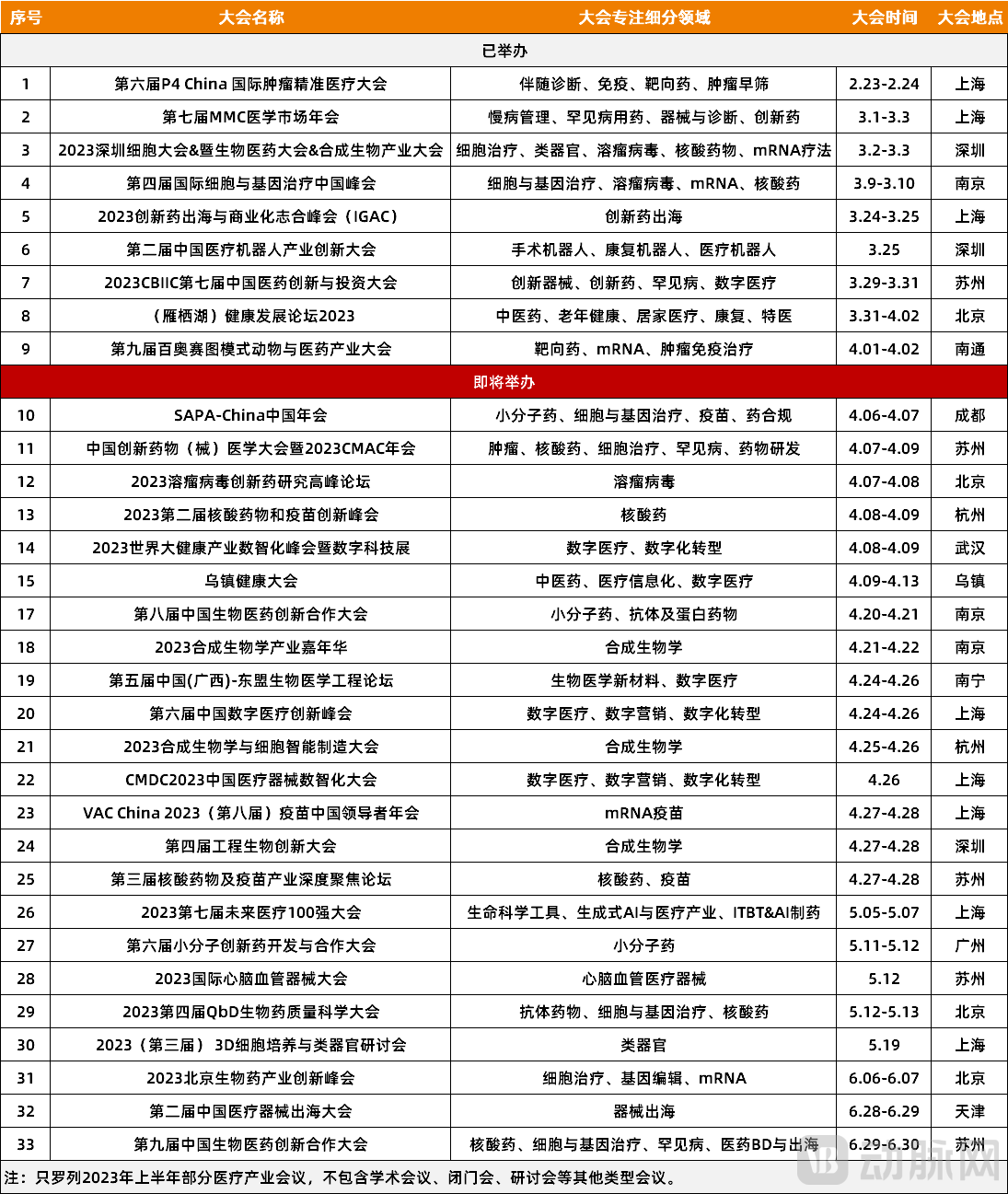 Figure 1. Selected Medical Industry Conferences in the First Half of 2023
Even so, the level of participation by healthcare investors has not yet reached its peak. According to data compiled by VCBeat,From late April to the end of May, there were as many as 60 industry conferences in the medical field.This includes the "7th Future Healthcare Top 100 Conference" held in Zhangjiang, Shanghai, from May 5 to 7. In the week following the Top 100 Conference, three other conferences will be held simultaneously, meaning investors will have their hands full again.
In fact, in the investment banking sector, which is relentlessly focused on returns, every effort is expected to yield value. So, what exactly is the purpose for healthcare investors to frequently attend these industry conferences this year?
“Revenge” Conference Attendance: Why Do Investors Prefer Venues Over Offices?
It is reported that in addition to the large-scale industry summits mentioned earlier, this year’s agenda for healthcare investors includes numerous salons and forums focused on niche sectors. Furthermore, investors must allocate part of their resources to support their own branded events, such as MPCi’s “Matrix Sci-Tech Innovation Hub,” Sequoia Capital China’s “Sequoia China TALK,” and Bohe Angel Fund’s “BTiT.” Under the dual pressure from both external engagements and internal obligations, it is no surprise that investors often need to attend three different venues in a single day.
But returning to the starting point, one cannot help but ask:What Do Healthcare Investors Actually Gain from Such High-Intensity Conference Participation?To answer this question, it is necessary to examine it in the context of the current stage of development in the healthcare industry.
Currently, China’s healthcare sector is entering a critical phase that demands “genuine innovation,” as industry bubbles gradually dissipate and the industrial structure undergoes further realignment; therefore,"Investing Early and in Hard Tech" Has Become a Key Phrase in the Healthcare Industry in Recent YearsTo invest wisely, the first thing investors must do is gain an in-depth understanding of this cutting-edge field, and the most effective and interactive way to achieve this is none other than attending industry conferences.
Take specific cases as an example. Synthetic biology has attracted significant attention from the capital market in recent years. In a survey conducted by VCBeat at the beginning of this year among numerous top-tier investors, it was found that nearly all of them have included synthetic biology as a key investment focus in the healthcare sector for the future. However, in 2020, this frontier field remained largely overlooked in China. Consequently, at the “Inaugural Engineering Biology Innovation Conference” held at the end of that year, speakers were either providing introductory explanations or speculating on potential applications of synthetic biology technologies in healthcare. With the continuous development of the industry, the “Engineering Biology Innovation Conference” has now moved beyond basic science popularization and is delving deeper into the industry, actively exploring broader possibilities for synthetic biology technologies in the medical field.
Looking at the present landscape, “generative AI” shares a similar spirit. Following the Spring Festival holiday, ChatGPT and ERNIE Bot have repeatedly topped trending search lists, sparking a new wave of reflection within the healthcare industry regarding the untapped potential of AI technologies in medical care. Therefore, at the upcoming “7th Future Healthcare Top 100 Conference,” the organizing committee has specially established“Generative AI and Healthcare”The forum aims to address the many questions currently facing the industry regarding this cutting-edge field.
Attending conferences to understand the industry is merely the first step; for investors to stay ahead of the market, they must also leverage these events to amplify their influence in the field. Taking MPCi as an example, the firm has maintained a sustained focus on the life sciences tools sector in recent years. It not only independently organizes multiple related forums but also actively participates in industry conferences. For instance, at this year’s Top 100 Conference, MPCi co-hosted the “Life Sciences Tools Forum” with the organizing committee. This initiative serves a dual purpose: promoting the rapid development of this emerging sector while continuously enhancing MPCi’s industry presence and voice in the field.
ButHow to Convert "Brand Buzz" into Tangible Investment Returns? On this issue, industry conferences also have a voice. At the “5th Future Healthcare Top 100 Conference,” Jiang Xiaodong, founding partner of Changling Capital, happened to discover Senmei Medical, which was then in its very early stages. Right at the venue, Jiang struck up a conversation with founder Zhang Jing, and within six months, Changling Capital completed the Pre-A financing round for Senmei Medical. In fact, such “chance encounters” occur frequently at many conferences; therefore, for investors, attending industry conferences is also an excellent opportunity to broadly access new projects.
However, in addition to scouting for new projects, attending industry conferences can also help investors, to some extent, manage their existing portfolio companies. In an interview with VCBeat, one investor shared that he had accidentally heard a company’s presentation at a conference. During the presentation, he realized that the company’s core product could effectively fill an upstream industrial gap for one of his portfolio companies. After the session, he quickly facilitated an introduction between the two companies, ultimately leading to a successful collaboration.
In fact, beyond merely facilitating resource matchmaking, investors can leverage conferences to gain real-time insights into frontline industry developments and closely observe competitors’ strategic layouts and shifts. This iterative enhancement of investors’ industry acumen translates into tangible support for their portfolio companies.
Therefore, from an overall perspective, industry conferences serve multiple purposes for healthcare investors.It is not only a hub for the aggregation and circulation of frontline information, but also a window for resource linkage., all of which will help investors gain a deeper understanding of the industry and seize opportunities arising from industrial transformation in a timely manner. From a broader perspective, while industry conferences support investors, they are also driving the development of the healthcare industry.
What Insights Into the Healthcare Industry Are Revealed by Summarizing Hundreds of Industry Conferences?
As previously mentioned, conferences actually serve as catalysts within the industrial ecosystem, and a key reason for this is thatThe conference offers a broad view of the industry’s evolving trajectory., and in the healthcare sector, several such conferences that chart the industry’s trajectory have also drawn significant attention from investors.
One is hosted by the Cleveland Clinic"Global Healthcare Innovation Summit", and has held nineteen sessions to date, with the “Top 10 Innovative Medical Products Worldwide” released at each session; the other isJ.P. Morgan Healthcare Conference(hereinafter referred to as the JPM Conference), as the largest industry event in the global healthcare investment sector, the 41st JPM Conference has become a bellwether for the global healthcare industry.
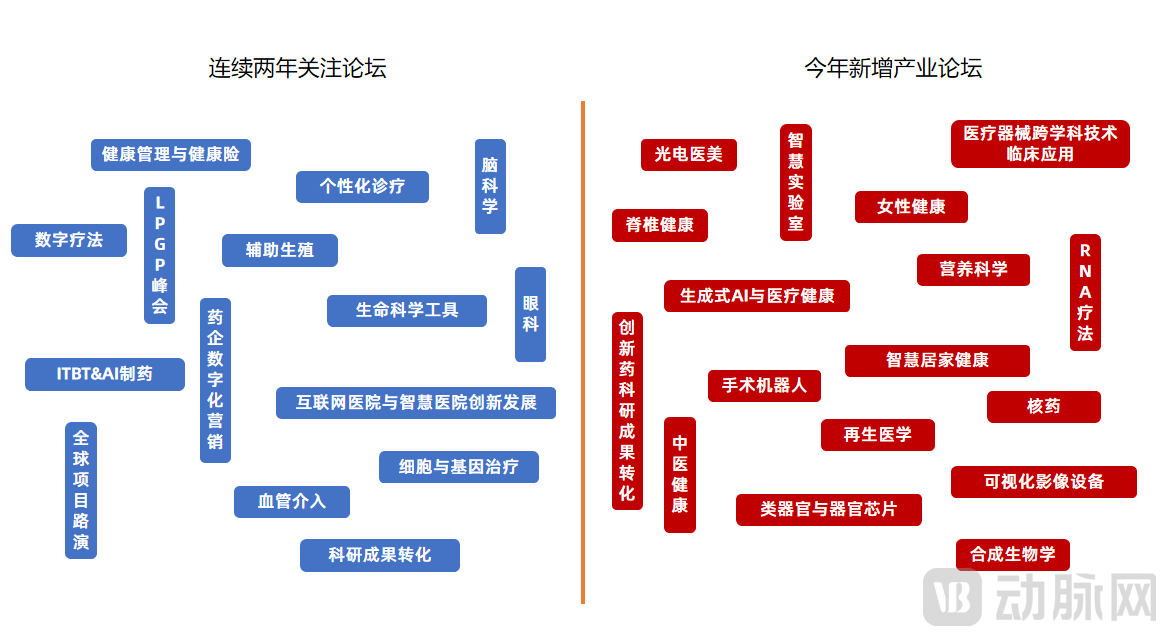 Figure 2. Sub-forums of the “7th Future Healthcare Top 100 Conference”
Turning our attention to the domestic market, the “Top 100 Future Healthcare Conference,” which positions itself with a venture capital focus, has also drawn significant industry attention. On one hand, the conference annually selects the Top 100 innovative enterprises across four major sectors—pharmaceuticals, medical devices, healthcare services, and digital health—based on their valuations in the primary market. On the other hand, it organizes sub-sector forums aligned with the year’s key market priorities; for instance, this year, the conference has specially establishedOrganoids, Radiopharmaceuticals, RNA Therapies, Commercialization of Innovative Drug R&D, Regenerative Medicine, Surgical Robots, ITBT & AI-Driven Drug Discoverysuch as cutting-edge fields that are currently experiencing high market enthusiasm.
But this is just one aspect. According to publicly available information compiled by VCBeat, hundreds of industry conferences will be held in China’s healthcare sector in the first half of this year, ranging from large-scale industry summits to smaller salons and forums. So, what changes in the healthcare field can we discern through these industry events? Has the future direction of venture capital investment been determined?
From a sectoral perspective, the most immediate impression is that traditional hot sectors remain highly “sought-after,” such asCell and Gene Therapy (CGT), mRNA, Vaccines, Innovative Drugs, Synthetic Biology...remain “high-frequency terms” at current healthcare industry conferences. Taking CGT as an example, upcoming events such as the “2023 4th QbD Biopharmaceutical Quality Science Conference,” the “2023 Beijing Biopharmaceutical Industry Innovation Summit,” and the “9th China Biopharmaceutical Innovation and Cooperation Conference” have all dedicated industry forums to it.
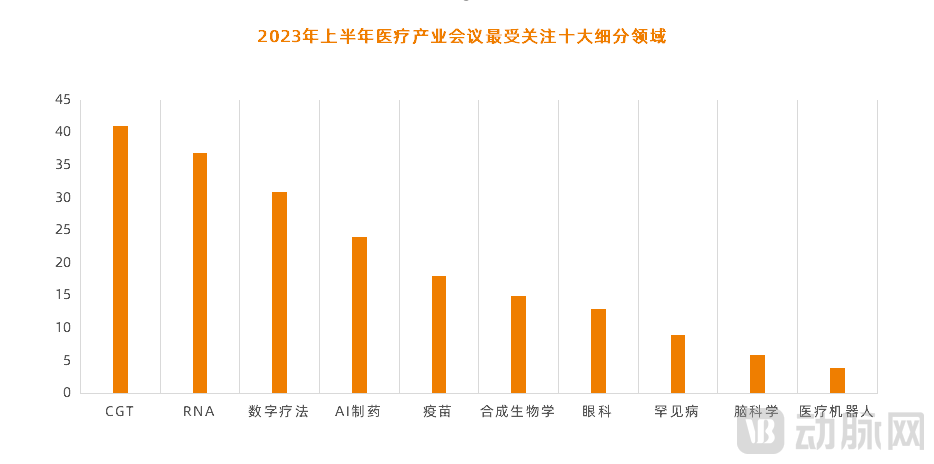
Figure 3. Top Ten Most Watched Sub-sectors in Healthcare Industry Conferences in the First Half of 2023
Of course, in addition to the traditional hotspots, some new directions are also gradually gaining momentum, such asRadiopharmaceuticals, Organoids, Life Science Tools, Rare Diseasesetc. Taking rare diseases, which have gradually entered the market in recent years, as an example, statistics show that out of nearly 100 industry conferences held in the healthcare sector during the first half of this year, as many as 35 were directly related to rare diseases. At the recently concluded “2023 CBIIC The 7th China Pharmaceutical Innovation and Investment Conference,” rare diseases sparked heated discussion within the industry.
In fact, there are reasons why certain sectors, whether traditional hotspots or emerging fields poised for explosive growth, are repeatedly highlighted at industry conferences. On one hand, these sectors serve large patient populations with substantial unmet needs, offering vast market potential. For instance, the domestic market for rare disease drugs is projected by Frost & Sullivan to reach $25.9 billion by 2030. On the other hand, many of these sectors are still in their early stages of development, aligning with the current trends in medical technology transfer and hard-tech innovation. Taking synthetic biology as an example, incomplete statistics from the VCBeat database show that China’s synthetic biology sector completed 88 financing rounds in the past two years, with 95% of them occurring at pre-Series A stages.
Beyond identifying high-potential sectors, we can also discern industry development trends from numerous industrial conferences, with typical examples being“Going Global”It has been observed that the recently concluded “2023 Innovative Drug Global Expansion and Commercialization IGAC Summit” focused on the global expansion of innovative drugs, while the “2nd China Medical Device Global Expansion Conference,” with a focus on medical devices, is set to kick off this June. In addition, topics related to global expansion were also discussed at multiple industry conferences, including the “7th Future Healthcare Top 100 Conference” and the “9th China Biopharmaceutical Innovation and Cooperation Conference.”
The reason why “going global” has become the focal point of current industry conferences is essentially due to shifts within the sector. From the perspective of enterprises themselves, this trend unfolds against the backdrop of gradual industry recovery and intensified competition in the post-volume-based procurement (VBP) and post-pandemic era.“Going Global” Has Become a New Growth Driver for Healthcare Companies, and on the other hand, as innovation in China’s healthcare sector continues to deepen, many domestically developed innovative medical products have now reached a level where they can compete with top-tier international counterparts. According to data released by the China Chamber of Commerce for Import and Export of Medicines and Health Products, China’s medical device exports totaled USD 44.045 billion in the first half of 2022, accounting for 35.19% of the country’s total healthcare-related exports.
Besides “going global,”Digital Marketing, Pharmaceutical Compliance, Technology Transfer, ApprovalThese terms are also key buzzwords at current healthcare industry conferences. Through these keywords, we can discern the future strategic focus of enterprises and investors, as well as the growth potential of the healthcare industry.
“Seeing a thousand faces online is no match for meeting once in person.”
In this interview, an investor shared a story. He mentioned that during the Shanghai lockdown in 2022, he had been communicating online with a founder but made little headway. It was not until after the lockdown ended and he traveled to Beijing to meet the founder in person that the partnership was finally finalized. Looking back, the investor believes thatThe primary reason for the slow progress in investment during the lockdown period was mutual distrust between the two parties. After all, humans are sensory-driven creatures; they are more willing to share and absorb information only through face-to-face, offline interactions.
Like investors, most industry conferences in the healthcare sector were largely stalled by the pandemic in 2022, with many events either postponed or canceled. Only a small fraction ultimately resorted to online formats out of necessity; however, in practice, virtual conferences had relatively limited impact on driving industry progress.
An early-stage investor revealed to VCBeat that in 2022, he attended nearly 20 online meetings, with two most intuitive impressions:First, individuals’ sensitivity to information reception tends to decline in online settings; second, it is difficult to reach the desired resources for collaboration in a timely manner, often requiring extended lead times.Therefore, healthcare investment professionals are more inclined to frequently attend industry conferences in the current environment, with the aim of finding the tangible, real-world experience that online interactions cannot provide.
In fact, this sense of authenticity derived from close contact with founders is extremely necessary. In an interview with VCBeat, an investor stated that the reason he is willing to spend more time attending offline industry conferences this year is twofold: on one hand, he hopes to see more enterprises; on the other hand, he aims to communicate more closely with founders. This is because when assessing the investment value of a project, it is not solely about technology—the people involved are also crucial. After all, even the best technologies require human drive to succeed. Especially against the current backdrop of the healthcare sector, where original innovation and the translation of scientific achievements into practical applications are central themes, the value of founders themselves is being increasingly amplified.
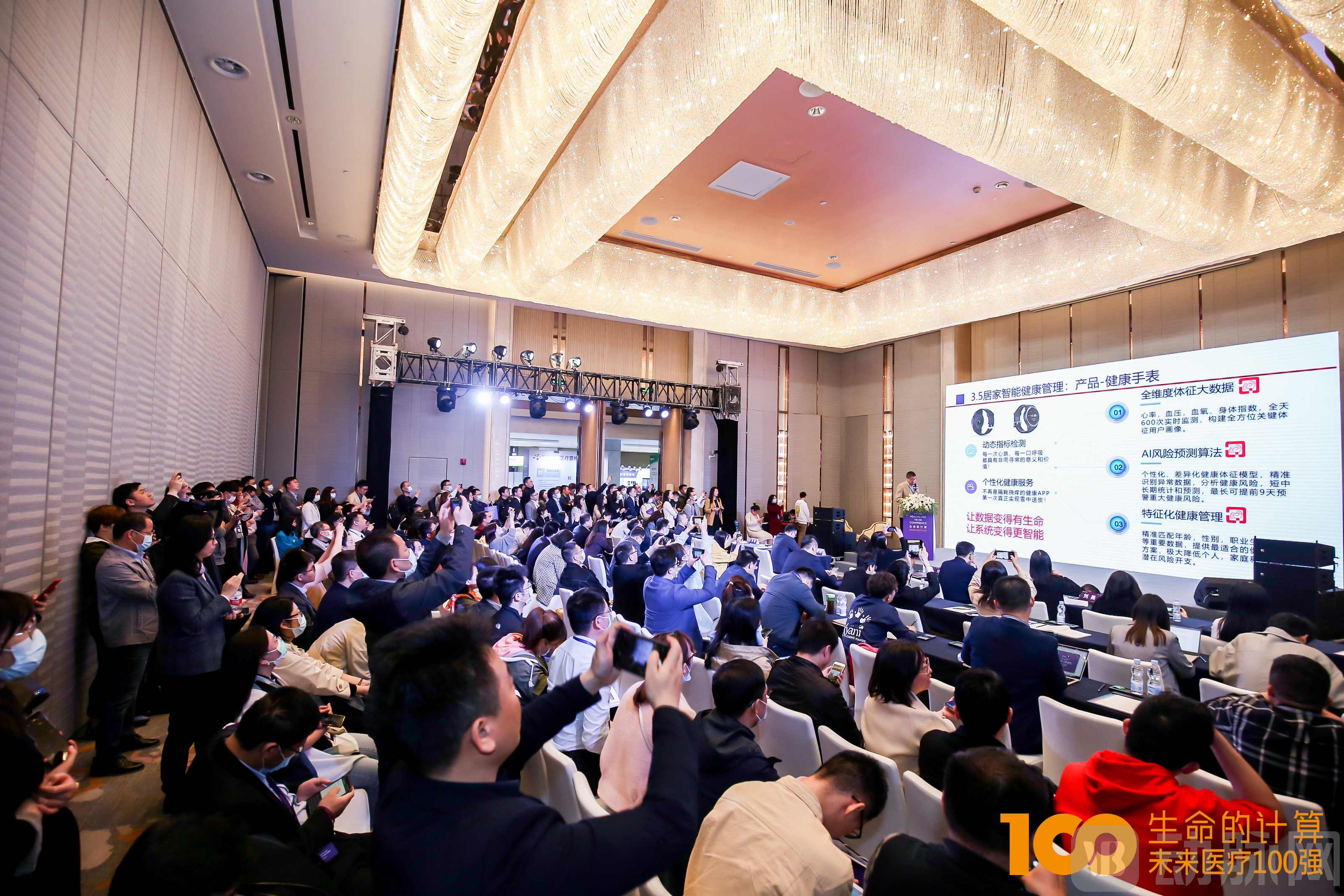 Figure 4. On-site photo of the “5th Future Healthcare Top 100 Conference” in 2021
Looking back, 2021 was undoubtedly the peak year for the healthcare industry. In both the primary and secondary markets, key metrics surged at an accelerating rate of 20% to even 50%. This fervor was vividly reflected in industry conferences held that year. Taking the “5th Future Healthcare Top 100 Conference” as a reference, nearly every sector-specific forum was packed with attendees.
However, entering 2022, the healthcare industry faced heightened uncertainty due to pandemic-related lockdowns and the gradual bursting of the sector’s bubble. This uncertainty was directly reflected in industry conferences, with many events being repeatedly postponed or even canceled.
Turning our attention to the present, many investors interviewed stated that,2023 may mark a fresh start for the healthcare industry. This “newness” refers, on one hand, to the new market landscape that has emerged in the post-pandemic era, and on the other, to the continuously uncovered development opportunities within the sector.
Therefore, for investors, it is particularly crucial to identify stable incremental growth amidst shifting market landscapes and to seize the dividends of industrial innovation. Industry conferences can, to a certain extent, help investors clarify their thinking and find ideal solutions. Thus, at the upcoming “7th Top 100 Healthcare Conference,” includingLegend Capital, Matrix Partners China, Qiming Venture Partners, CDH VGC, Proxima Venture Partners, China Renaissance, Lotus Hill VenturesTop-tier investors, among others, have participated extensively as co-organizers; additionally,To date, nearly 1,000 investors have registered to attend the conference., which clearly demonstrates investors’ confidence in the healthcare industry this year.
In fact, it is not just investors; healthcare enterprises are in the same situation. It is reported that currently, there are already includingJiangsu Hengrui Medicine, Grand Pharma, Ping An Health, Jian Shi Technology, JD HealthKang, among other listed companies, are participating in this year's Top 100 Conference. In addition, thousands of startups focusing on various cutting-edge niche sectors will also take part.
In a sense, investors and enterprises alike play the role of drivers in the development of the industry. However, their driving force becomes more pronounced only when they stand together, which is precisely the value of the various industry conferences, large and small, currently held in the healthcare sector.