

VC Annual Forum Observations: Why Is Everyone Talking About 'Entrepreneurial Spirit' Now?
After enduring a round of capital winter, China’s biopharmaceutical industry has regained momentum this year. However, the biopharma capital market is no longer as disordered and frenzied as before; it has become more calm and rational.
We have also witnessed significant new developments within the industry, with an endless stream of cross-integrations between emerging modalities and mature technologies. Business development (BD) collaborations between domestic pharmaceutical companies and foreign multinational corporations (MNCs) as well as biotech firms are continuously increasing, while products pursuing international expansion continue to emerge.
People firmly believe that the biopharmaceutical industry will remain promising after the bubble bursts.
At the BioChina 2023 China Biopharmaceutical Innovation Summit, hosted by Xingze Capital, numerous industry leaders gathered to share their insights on the future innovation, breakthroughs, and growth of China’s biopharmaceutical sector.Gaining insights into trends is only one aspect; entrepreneurship permeated the entire conference.
In "Revisiting Entrepreneurial Spirit," Zhang Weiying stated: "We live in an era of rapid change. The best way to navigate this change with ease is to master the unchanging elements hidden beneath the surface phenomena. I believe that"Entrepreneurship is that which creates change while itself remaining unchanged.
There is no clear-cut definition of entrepreneurship, but it is certain that prioritizing social value over profit as the primary objective, and making focused, sincere decisions that transcend mere business operations, are manifestations of the entrepreneurial spirit. Entrepreneurs’ perspectives go beyond logic, relying even on intuition, imagination, and judgment.
Qiang Jing, Managing Partner at Xingze Capital, stated: “"In today’s investment landscape, I place greater emphasis on whether founders possess entrepreneurial spirit, a quality that is particularly crucial in the current environment."“In our so-called high-tech industry, it is even more important for founders to speak in the most down-to-earth terms and take the most solid actions, just like entrepreneurs in other sectors across China. They should not be led by the nose by arbitrage opportunities in capital markets or industrial policies, nor should they merely dictate operations from an ivory tower.”
As Mr. Shan Guohong, Senior Vice President of Takeda Pharmaceutical Company and CEO of China, stated at the forum, China’s biopharmaceutical industry must return to a spirit of craftsmanship, solidly strengthening technological R&D and driving innovation.
Regardless of how the industry evolves, the entrepreneurial spirit remains constant, empowering enterprises with the capacity for transformative innovation and long-term strategic thinking. At the conferenceWe have witnessed the character and resolve of numerous corporate founders, whose traits and spirit have fueled the rapid growth of their enterprises.
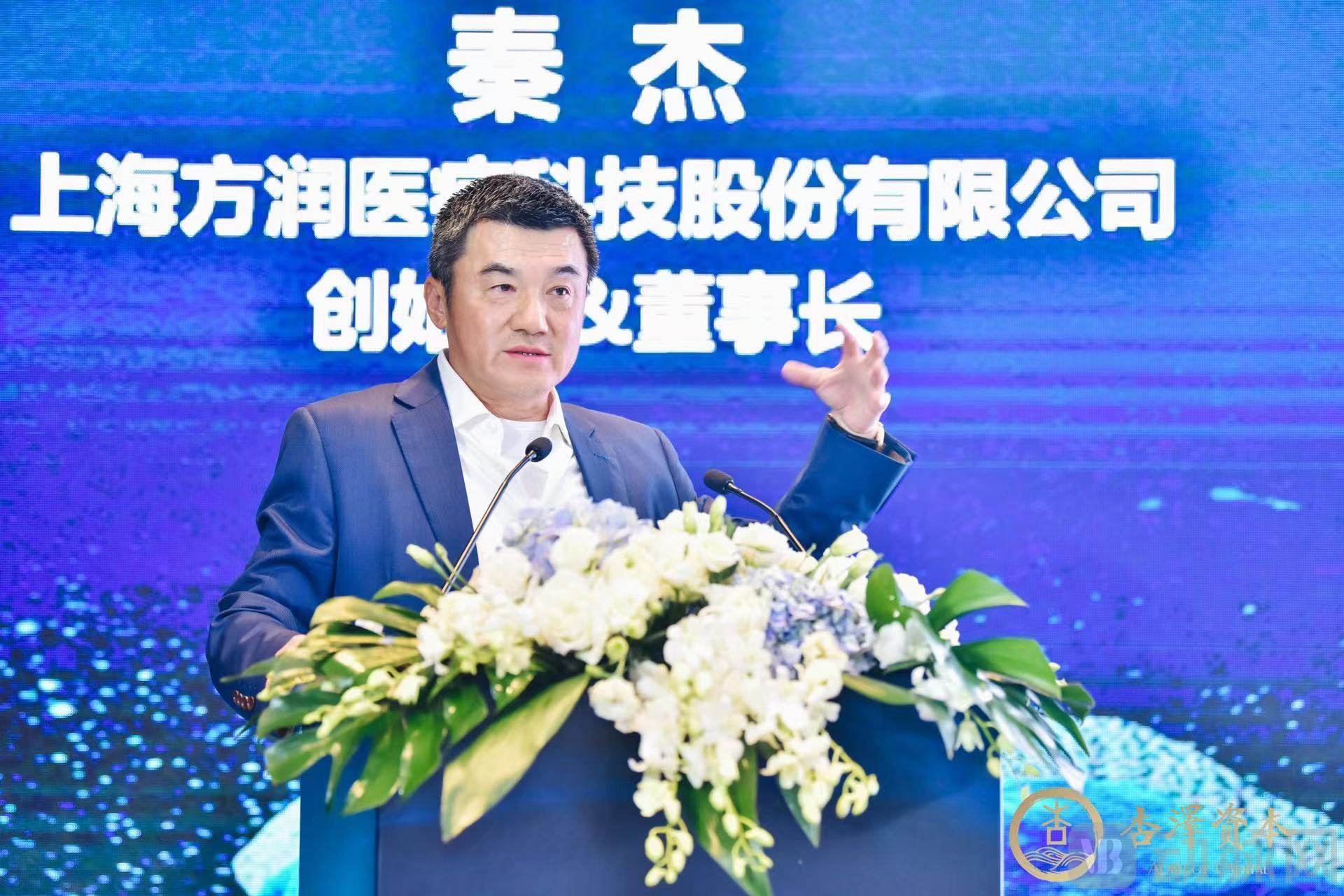
Qin Jie, Founder & Chairman of Fangrun Medical
Let’s discuss how a startup healthcare company can achieve growth from 1 to 10. This year marks my 20th anniversary of returning to China to start businesses. Taking into account the new macroeconomic environment, I would like to share my journey with Fangrun and explain how we transformed it from a startup into a platform-based company.
After establishing Fangrun, I had several paths to take as an entrepreneur. Given my background in science and engineering, I chose not to build a sales-driven company; instead, I transformed Fangrun from an R&D-focused enterprise into a platform-based company. In my view, this approach is essential for ensuring the company’s sustainable development. In China’s current business environment, starting from scratch (from 0 to 1) along this path is not overly difficult. With financial support, a talented team sharing a common vision, and venture capital firms such as Xingze Capital, a company can be established rapidly.
Scaling from 1 to 10 involves numerous challenges along the way, a critical issue that entrepreneurs in the medical device industry must address. To put it somewhat pessimistically, it is rare to develop a truly blockbuster product in the medical device sector, which may well be a defining characteristic of our industry.For medical devices, realistically speaking, the revenue of most products may only reach tens of millions. Particularly in China, where the intellectual property environment is relatively lenient, and coupled with the implementation of centralized procurement policies, it is very difficult to scale from 1 to 10 after achieving initial breakthroughs from 0 to 1.
Therefore, based on my entrepreneurial experience, Fangrun should evolve into a platform-based company. Unless a truly blockbuster product emerges—one that might appear only once in a decade—the company must continually focus on how to achieve sustained innovation.
Therefore, we have been exploring how to ultimately transform an R&D-driven company into a platform-based enterprise. In the case of Fangrun’s team, we boast a highly capable R&D team and an experienced management team. Moreover, our founding team members possess extensive experience in taking companies public and executing mergers and acquisitions. These strengths position us well to build a platform-based company.
From a product portfolio perspective, I have always adhered to the principle of having at least one product with high barriers to entry. Founded in 2009, Fangrun was established with the vision of becoming a sports medicine company, leveraging plasma technology as its key strategic anchor due to its significant technical barriers. As a drafter of the domestic industry standards for this technology, we identified it as our core advantage and extended our operations into the mid- and downstream segments of the value chain.
In 2015, Fangrun received investment from Medtronic and completed an acquisition that integrated another radiofrequency ablation company into the Fangrun system, extending its portfolio from plasma technology to radiofrequency ablation. A year later, we conducted another acquisition, incorporating a respiratory intervention company, thereby achieving horizontal expansion from sports medicine to minimally invasive spine procedures and respiratory interventions.
Therefore, Fangrun began its integration efforts at an early stage. Typically, a startup undertakes such integration only upon going public; however, Fangrun has been proactively and continuously integrating to evolve the company from a single-technology provider into a platform-oriented enterprise.
Fangrun’s development history is somewhat unique within the industry. However, I believe that against the current backdrop of centralized procurement and capital market dynamics, while many companies are pursuing comprehensive product portfolios, the market size and available funding are actually limited. Therefore, adopting a platform-based strategy through integrated internal and external expansion represents a highly viable pathway. Of course,Every entrepreneur has their own ideas; there is no right or wrong, and ultimately, each can forge their own path.
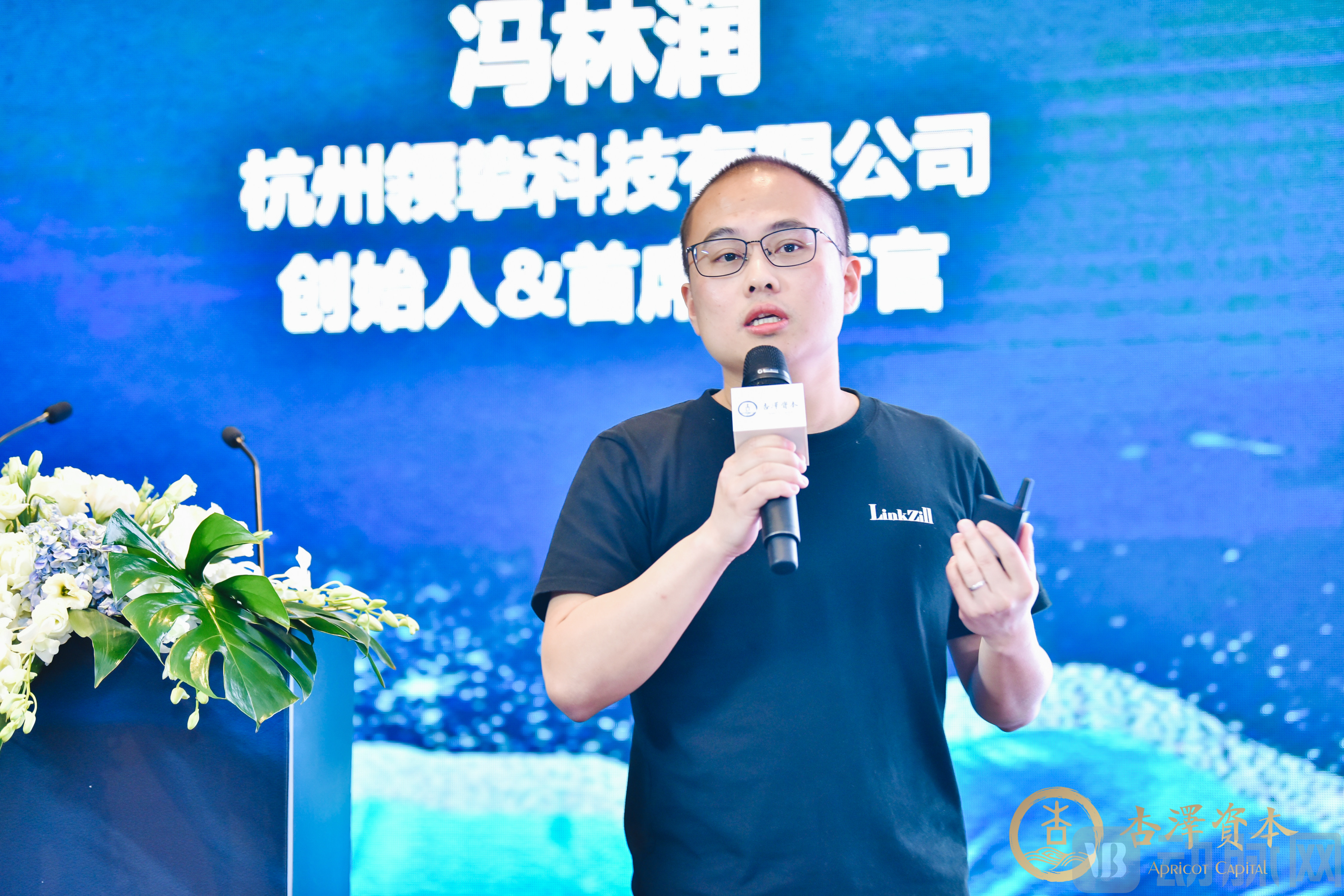
Feng Linrun, Founder & CEO of Lingzhi Technology
Lingzhi Technology is primarily engaged in the industrialization of bio-semiconductors. As this topic can be relatively dry, I would prefer to share a story centered on the “3Ps”: People, Platform, and Product. The first P—People—is the core driving force behind Lingzhi’s growth.
Lingzhi Technology leverages thin-film transistor (TFT) technology, capitalizing on its advantages of high throughput, low cost, and strong scalability, to develop a suite of novel upstream R&D and production tools that accelerate advancements in life sciences and pharmaceutical research. Founded in January 2019, the company currently employs approximately 50 people. Throughout its journey, Lingzhi has received robust support from investors whose values closely align with its own, including Shiyu Capital, ZhenFund, and Xingze Capital.
In my heart, people will always be the most important. My first partner was Dr. Liu Zhe, who has been with me on this entrepreneurial journey from day one. He has witnessed and shared in both the hardships and the joys of our growth over the years. During those difficult times when we struggled to make payroll, it was Dr. Liu who gritted his teeth and stood by my side, persevering through the challenges. His unwavering loyalty has been not only a source of pressure but, more importantly, a powerful motivation for me.
The other two partners are Dr. Yang Yixing, who joined in 2022, and Dr. X, who is set to join in 2023. In 2019, Yang Yixing was my largest client. After years of companionship and sincere communication, Yixing decided to join LinkZill in 2022 as Chief Marketing Officer. By 2023, Yixing had grown into LinkZill’s Co-CEO, taking full responsibility for the company’s technology and products. Yixing’s joining was a key decision factor in the previous round of investment by Xingze Capital, and it also posed the greatest puzzle for Xingze Capital: “Why would someone who was selected for the National Young Talent Program and whose CV clearly appeared far more impressive than yours choose to join LinkZill?” My answer was: “Because of love—because of the sentence I wrote: ‘linking zillions of hearts with love.’”
Dr. X previously worked at BGI Group. As a co-founder of his prior startup, which achieved a valuation far exceeding that of LinkZill, he has dedicated over a decade to the life sciences sector. At the outset of this narrative, we mentioned the bio-semiconductor industry; relying solely on a semiconductor team would be akin to a person missing an arm. Without Dr. X, LinkZill’s development would have encountered significant bottlenecks. His joining will accelerate LinkZill’s achievement of a closed-loop bio-semiconductor ecosystem. What ultimately persuaded Dr. X to join was none other than LinkZill’s core values, coupled with my own sincerity and dedication. His arrival has further strengthened my belief in the power of corporate culture and reinforced my resolve to stay steadfastly committed to our chosen path.
Beyond my partner team, I have been blessed with the companionship and support of many external friends over the years. I firmly believe that if you have sufficient confidence to love those around you, you will surely reap greater rewards in return.After observing the collaboration between Yihang and me, Dr. Qiang Jing of Xingze Capital decisively completed the investment during the pandemic lockdowns. Dr. Qiang would often joke with me, saying, “You’re running a pyramid scheme.” Yet his genuine affection for LinkZill and our team always shone through in his charming eyes. Le Yin, Partner at ZhenFund, commented:“Ultimate sincerity is invincible.”Several partners at Shiwu Capital—Hu Wei, Zhang Jun, and Jiang Wei—insisted on investing across two rounds despite lacking a full understanding of the business, determined to stay with LinkZill until the end to see its “bottom line.” It is precisely because so many people chose to believe that Lingzhi has made it step by step to where it is today.
It is precisely because of these individuals that Lingzhi has its second “P”—Platform. Centered on application scenarios in the life sciences, and leveraging the superior properties of thin-film transistors (TFTs), we have optimized chip design at the foundational level along with other key technologies to ultimately establish a TFT-based bio-semiconductor platform.
With People and Platform in place, the third P—Product—naturally follows. We have a portfolio of continuously developed products, including various sensing, luminescent, and portable testing systems, serving more than 20 corporate clients and over 100 academic institutions worldwide. As our bio-semiconductor platform becomes increasingly comprehensive, we launched the next phase of end-user product development in the biological field last year.
Finally, there is one more hidden “P” to share with everyone. In my view, once you have the first three Ps, Profit follows naturally. I firmly believe that organizations driven not by the pursuit of profit but by the goal of creating substantial incremental social value will ultimately generate the greatest financial returns.
Finally, I’d like to share a quote that I deeply admire: “The brave know no fear; the wise know no bounds. In this world, no one but yourself has the right to say you can’t.” I sincerely hope that everyone can find their purpose in life and then courageously persevere along their own path.
Female entrepreneurs possess a unique blend of sensitivity and perseverance. When asked about the challenges they encountered during their entrepreneurial journeys and how they turned their initial aspirations into reality, their responses conveyed a resilience marked by a willingness to embrace challenges.
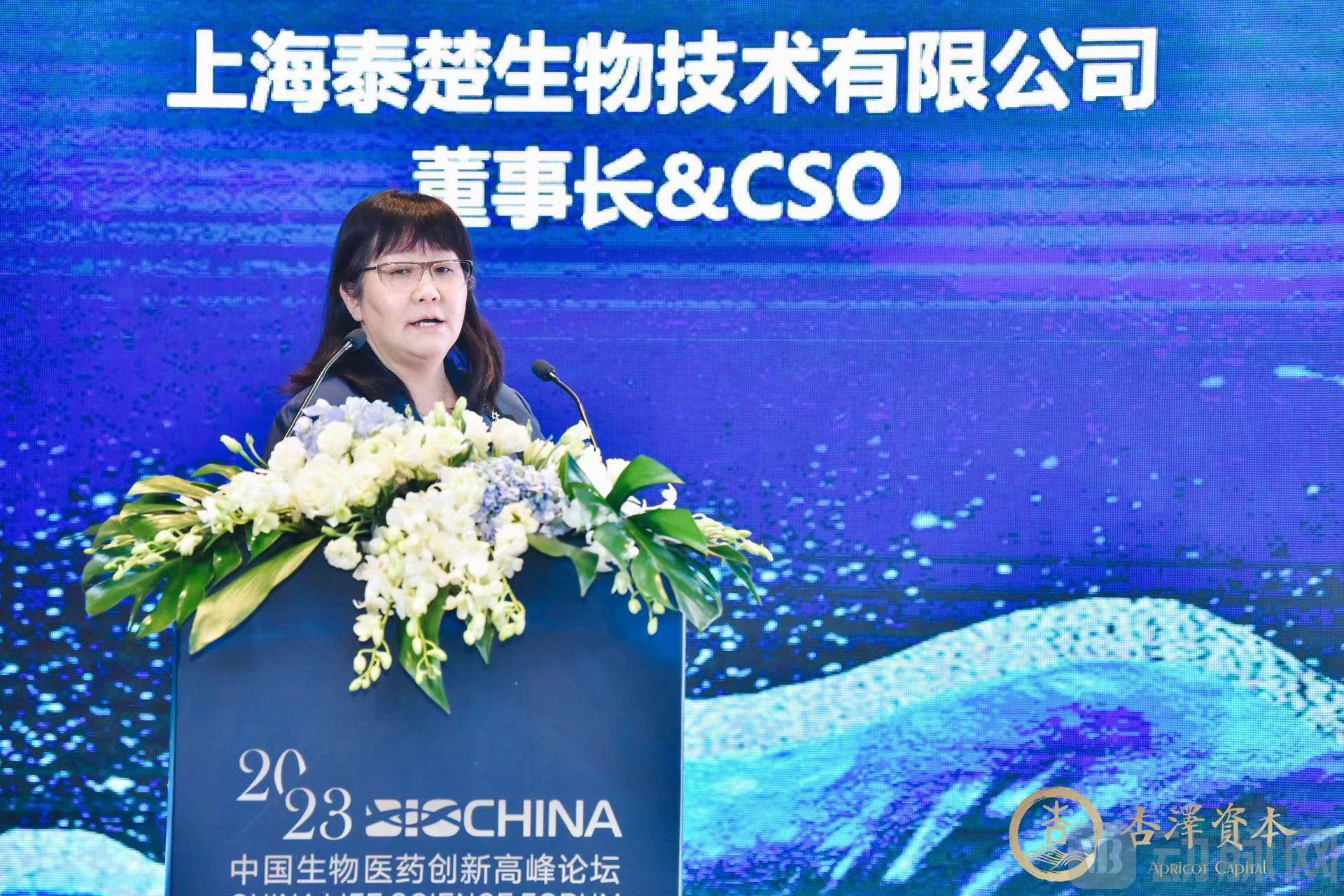
Ma Jing, Chairman & CSO of Taichu Bio
This marks the second launch of my career. Each role has been distinct, and so have the challenges I’ve faced. My first entrepreneurial venture was within a state-owned enterprise (SOE), where the greatest hurdles were breaking through institutional constraints, mobilizing team motivation, and improving operational efficiency—particularly decision-making efficiency. The shareholding restructuring alone took 19 months, causing us to miss out on certain opportunities.
Building a preclinical CRDMO with a full industry chain and high technological barriers has always been my aspiration.Currently serving as the Chairman of Taichu Group,Amid the current capital winter, having completed a Series A financing round of RMB 380 million, we have truly felt the difficulties of entrepreneurship and fundraising.Furthermore, our company is currently located in Lingang. As Lingang is a new area still under development, its municipal infrastructure remains incomplete. Consequently, the greatest challenge we face is recruitment; some candidates have dropped out midway to their interviews, and many employees endure a two-hour commute each way for their daily travel to and from work. Fortunately, we have navigated through the most difficult period, assembled a team of 245 members, and are gradually getting on track.
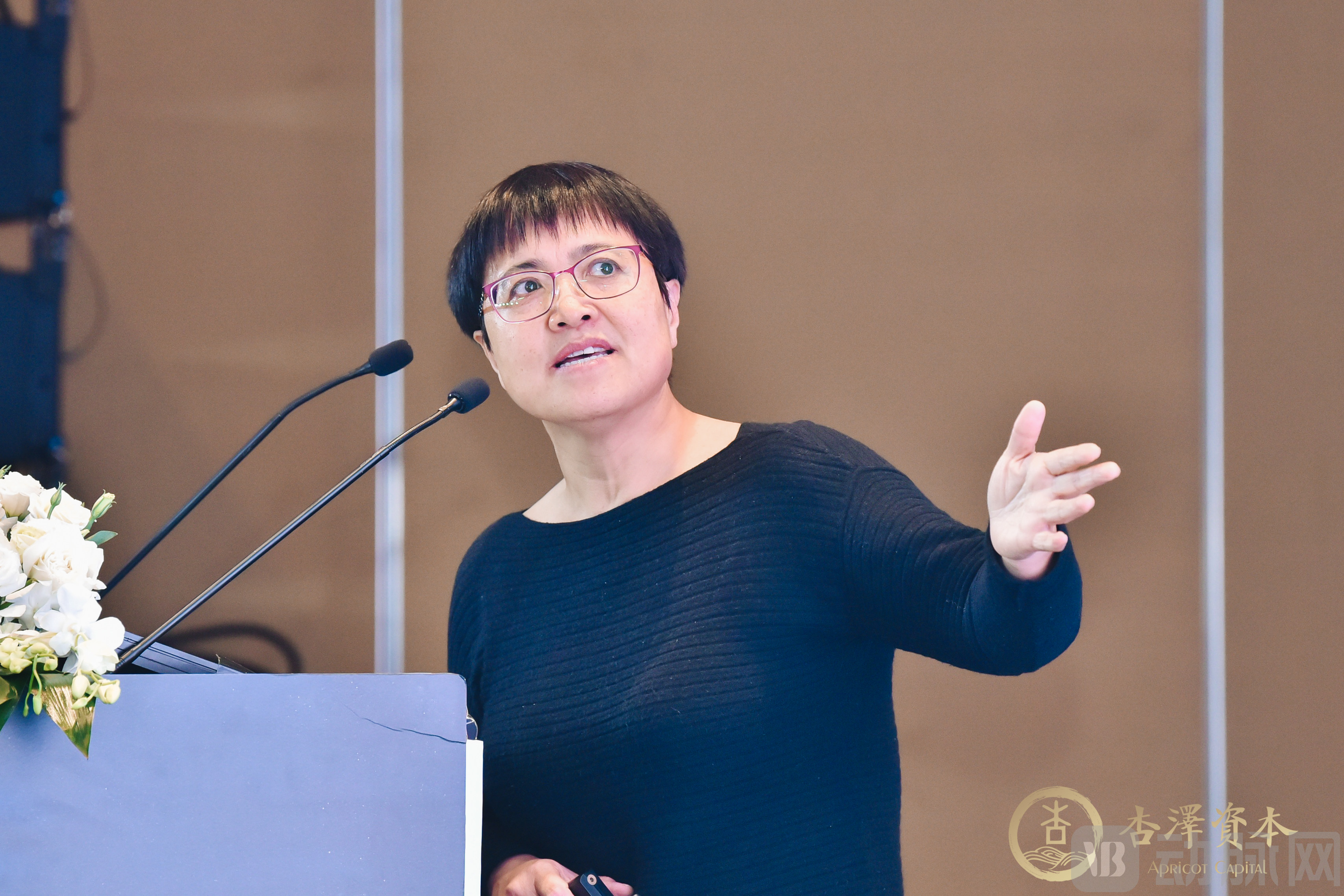
Gao Caixia, Founder of Qihe Life Sciences
The founding of Qihe Bioscience was both a coincidence and a natural progression. Over the past six years, we have closely focused on gene editing, recognizing that once the technology matures, its application becomes inevitable, with regulation potentially becoming the primary constraint on its development. Therefore, we have been dedicated to this endeavor for the last six years. In 2021, quite serendipitously, Mr. Qiang Jing approached me, and we found ourselves in immediate agreement on our vision, leading to the establishment of Qihe Bioscience.
We know that gene editing technology initially relied on proteins to recognize DNA sequences, resulting in low recognition rates and high costs. Through continuous technological iterations, the latest gene editing technologies enable efficient, precise, and programmable modifications of the genome at a more affordable cost. According to statistics, 80% to 90% of genetic diseases can be treated by editing disease-associated genes.
Gene editing technologies are now playing a significant role in agriculture. For instance, by fusing two types of base editors, we can achieve saturation mutagenesis of a specific gene or a particular sequence segment, and identify new functional targets through screening.
Furthermore, we know that many target genes contain upstream open reading frames (uORFs), and these regions are typically very short. By leveraging gene-editing technologies to purposefully modify these uORFs, we can upregulate or downregulate the expression of the target gene’s protein, thereby modulating translational efficiency via the uORFs.
We often say that biomedicine is about treating diseases, and there are striking parallels in the plant kingdom. Powdery mildew is one of the three major diseases affecting wheat, capable of reducing yields by up to 40%. In crop disease management, two primary strategies are employed: besides pesticide application, crop resistance breeding is typically achieved through genetic modification. However, due to regulatory constraints, genetically modified organisms (GMOs) require a lengthy development timeline. Therefore, we considered leveraging susceptibility genes. Susceptibility genes are endogenous to wheat; their presence enables pathogens to invade the plant. Consequently, editing these susceptibility genes via gene editing represents the most effective approach to controlling plant diseases.
In January last year, China released regulatory policies on gene-edited plants, truly opening the door to their commercialization.The past decade has been about equipping the gene-editing toolbox with more tools; the future will be about leveraging this toolbox to create infinite possibilities for the world.
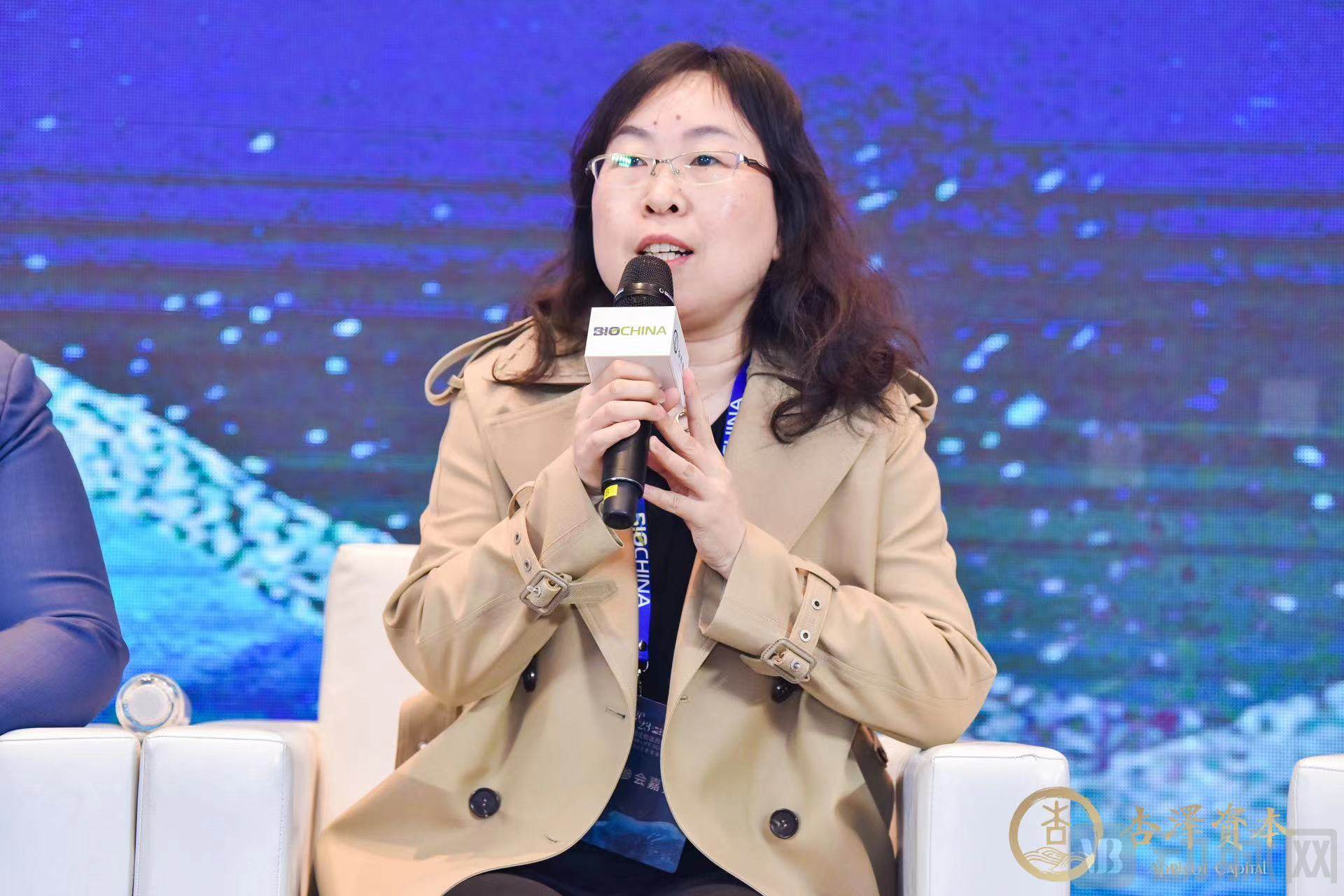
Zhao Xiaoping, Chairman of Tianze Yuntai
In my view, the establishment of Tianze Yuntai was driven by a confluence of favorable timing, geographic advantages, and human resources. The biopharmaceutical industry entered a growth phase in 2019. At that time, I recognized a distinct characteristic of gene therapy: its potential to address clinical needs that remain unmet by small-molecule drugs and antibody therapies. Therefore, I believed that despite significant challenges, gene therapy possessed inherent advantages and a promising niche. From a long-term perspective, it is undoubtedly a promising direction.
We believe that in the field of gene therapy, in addition to target discovery, scientific understanding, translational medicine research, and clinical medical support, another critical factor is technological support—specifically, how to build robust technical barriers. Currently, the gap between China and other countries has narrowed significantly across sectors ranging from small molecules to antibodies and further to the cell and gene therapy (CGT) industry. Therefore, we should focus on developing our own tools and products rather than simply following others.
From late 2019 to early 2020, I met Professor Li Wei, a person truly committed to making gene therapy a reality. Professor Li Wei holds his own patents and had previously undertaken several key national research and development programs. We have been the beneficiaries of this technological accumulation, achieving validation of our early delivery systems and innovative pipelines in small animal studies. He initially told me that the most important aspect of entrepreneurship is value creation: he creates value through technological innovation, while we create clinical value for patients. It was because of this statement that we met in Beijing and established Tianze Yuntai in early 2020.
Challenges arise every day, and there is nothing particularly noteworthy about this process, as entrepreneurship is akin to leveling up by battling monsters, with each day presenting different problems., for instance, how to build the team in the first year, how to develop the product in the second year, and how to address issues such as medical insurance reimbursement in the third year if the product is nearing market launch. Meanwhile, it is essential to continuously evaluate which projects can ultimately drive profitability or success for the enterprise. Throughout this process, one must also constantly consider what technological foundations need to be established globally, how much capital will be required, and where the funding will come from. For me, the most critical factor is ensuring that the company’s valuation aligns with its available capital, thereby enabling the company to create the greatest possible products.