

Longevity Era Has Arrived: Building a New Paradigm for the Health Industry with Fresh Perspectives
FromFrom 2015 to 2021, the average life expectancy in China increased from 76.34 years to 78.2 years; it is projected to exceed 80 years by 2035. By 2050, the number of people aged 80 and above in China will quadruple. China has truly entered the era of longevity.
In the Era of Longevity, How Can We Meet the Needs of Diverse Populations and Provide More Solutions? On April 7, the 2023 High-Level Forum on the Era of Longevity was held in Wuhan. Co-hosted by the Taikang Institute for the Era of Longevity and the Center for Healthy Aging and Development Research at Peking University, with special support from China Newsweek, the forum brought together representatives from government, industry, academia, and research institutions to discuss solutions and future trends, helping to usher in an era of greater longevity, better health, and increased prosperity.
This year marks the fourth edition of the Longevity Era Summit. The organizers aim to pool collective wisdom through this forum, adopting a forward-looking and proactive approach to discuss new demographic and social paradigms, and to explore solutions for addressing the challenges of the longevity era. As one of the key forums within the World Health Expo, the Longevity Era Summit has garnered extensive support and attention from various sectors.
Wang Qinghua, Deputy Mayor of the Wuhan Municipal People’s Government; Wang Hui, Second-level Inspector at the Department of Elderly Care Services, Ministry of Civil Affairs; academic representatives including Ning Guang, Academician of the Chinese Academy of Engineering and President of Ruijin Hospital, Shanghai Jiao Tong University School of Medicine; Song Baoliang, Academician of the Chinese Academy of Sciences, Vice President of Wuhan University, Dean of Taikang Medical School (School of Basic Medical Sciences) of Wuhan University, and Director of the Taikang Center for Life and Medical Sciences at Wuhan University; John Eu-Li Wong (Huang Yuli), Executive Director of the Centre for Population Health at the National University of Singapore, Senior Advisor to the NUS Medicine Organization, Tan Chin Tuan Centennial Professor in Medicine, and Member of the U.S. National Academy of Medicine; Liu Guoen, Dean of the Institute for Global Health and Development at Peking University, Chang Jiang Scholar Distinguished Professor appointed by the Ministry of Education, Member of the Academic Division of the Chinese Academy of Medical Sciences, and Chairman of the Professional Committee on Pharmacoeconomics of China; Zhao Yaohui, Boya Distinguished Professor at Peking University and Chang Jiang Scholar Distinguished Professor appointed by the Ministry of Education; Wu Ji, Deputy Head of the Department of Electronic Engineering at Tsinghua University, Tenured Professor, and Doctoral Supervisor; Guo Min, Executive Dean of the Dong Fureng Institute of Economic and Social Development at Wuhan University, Professor, and Deputy Dean for Teaching and Research Cooperation at the Taikang Institute for Longevity Era; corporate representatives including Zhan Yuyin, Chairman of E Fund Management Co., Ltd.; Xue Min, Chairman of United Imaging Healthcare Co., Ltd.; and Li Dun, Chairman of Wuhan United Imaging Intelligent Medical Technology Co., Ltd.; as well as host representatives including Lei Xiaoyan, Party Secretary of the National School of Development at Peking University, Chang Jiang Scholar Distinguished Professor appointed by the Ministry of Education, and Director of the Peking University Center for Healthy Aging and Development; Chen Dongsheng, Chairman and CEO of Taikang Insurance Group; and Liu Tingjun, President and Chief Operating Officer of Taikang Insurance Group, attended this forum.
At the opening ceremony, Wang Qinghua stated that since its successful inaugural edition in 2019, the Health Expo has become China’s only national-level exhibition dedicated to the broader health sector. As one of the expo’s flagship forums, the Longevity Era Summit Forum showcases cutting-edge domestic and international research and practical experience in healthy aging and pension finance during the longevity era, providing valuable insights to promote diversified investment and development in China’s elderly care sector. Looking ahead, Wuhan will leverage its initiative to build a national model city for health by strengthening the cultivation of enterprise tiers, accelerating the implementation of major projects, expediting the creation of innovation platforms, continuously optimizing the industrial development ecosystem, introducing specialized development policies, and fostering a high-quality business environment, with a focus on building a comprehensive, full-lifecycle health industry chain.
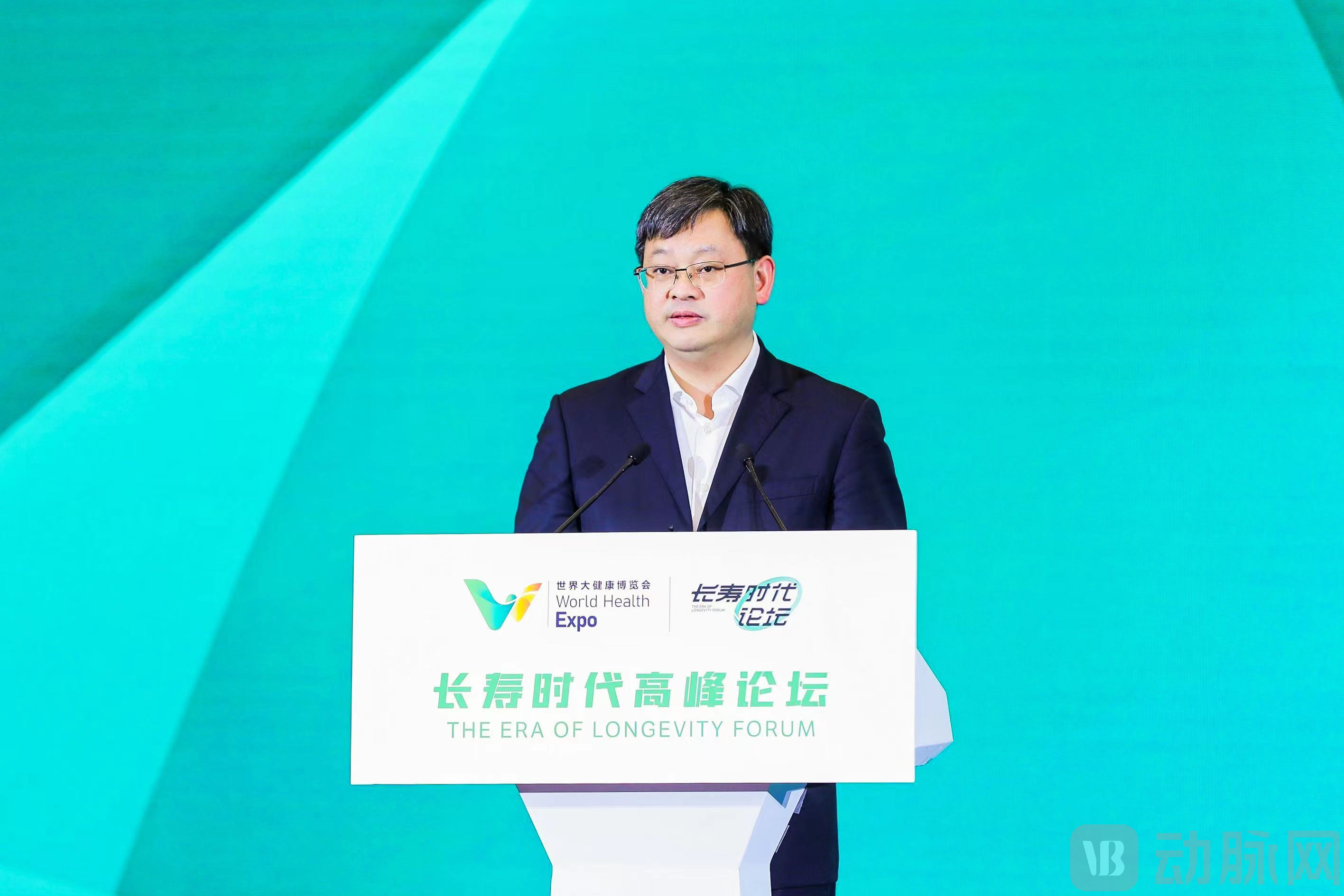 Wang Qinghua, Deputy Mayor of Wuhan Municipal People's Government
In China, over 180 million elderly individuals suffer from chronic diseases, with an average life expectancy of 9.1 years lived with illness, and chronic conditions account for 90% of all causes of death. Population aging is not only a major social issue but also a significant scientific challenge. As a researcher long engaged in lipid metabolism studies, Song Baoliang shared three key insights: first, strengthen early prevention of chronic diseases; second, increase investment in biomedical research related to chronic diseases; and third, integrate resources from the government, enterprises, hospitals, universities, and research institutions to actively respond to the era of longevity. Citing Wuhan University’s Taikang Medical School (School of Basic Medical Sciences) and Wuhan University’s Taikang Center for Life Sciences as examples, he highlighted how Wuhan University has proactively consolidated diverse stakeholders to pioneer a new model of collaboration between top-tier universities and leading enterprises in jointly building an integrated system for medical care, education, and research.
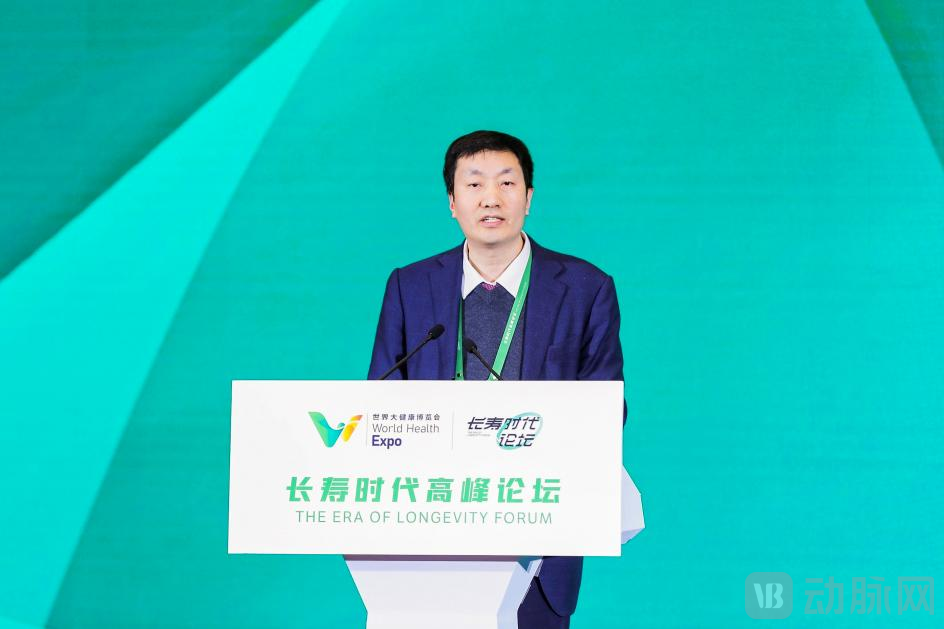
Song Baoliang, Academician of the Chinese Academy of Sciences, Vice President of Wuhan University, Dean of Taikang Medical School (School of Basic Medical Sciences) at Wuhan University, and Director of the Taikang Center for Life and Medical Sciences at Wuhan University
Wang Hui stated that in the era of longevity, we should provide greater care and concern for every senior citizen. Addressing the economic, social, and mental health challenges facing the elderly population in this new era requires sustained exploration and reflection from all sectors of society, thereby contributing to the development of elder care services.
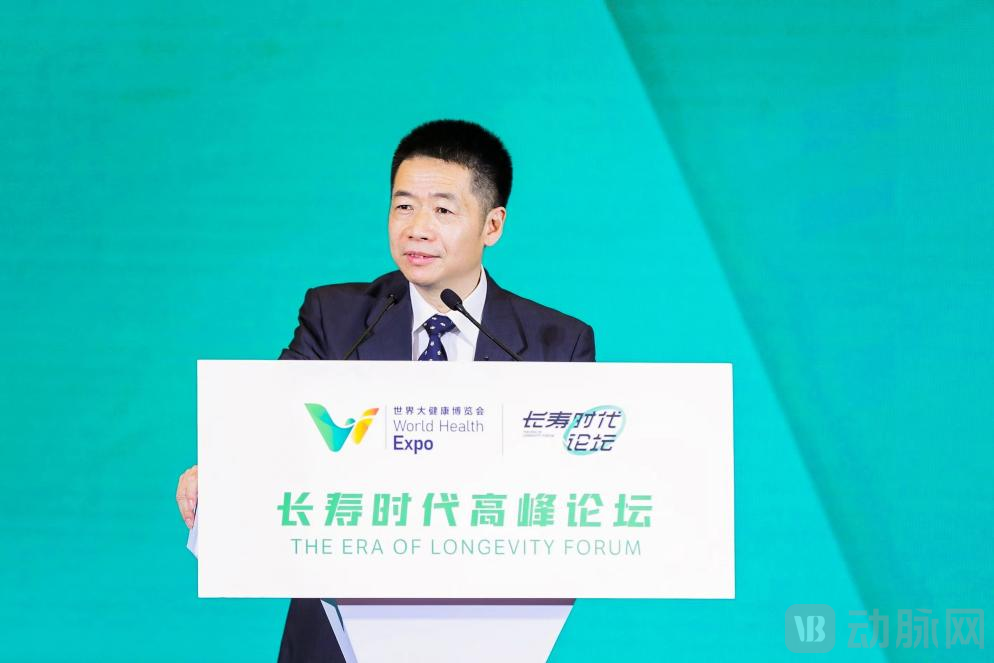
Wang Hui, Level II Inspector of the Elderly Care Service Department under the Ministry of Civil Affairs
The advent of the longevity era presents both opportunities and challenges, with profound implications for individuals and societal development alike. During the keynote session of the forum, speakers shared emerging trends and insights on the longevity era, centering on three key pillars: longevity, health, and wealth.
“Believe that one day, we will not only make plans to dine out, watch movies, and listen to music together, but also schedule visits to the hospital together. This signifies that health has become a matter of genuine concern to us.” Drawing on Ruijin Hospital’s practice in full-lifecycle health research, Ning Guang shared insights into efforts to construct 360-degree health profiles for individuals from birth to death in the era of longevity. He expressed hope that this initiative would achieve desired outcomes such as disease follow-up monitoring and health record management.
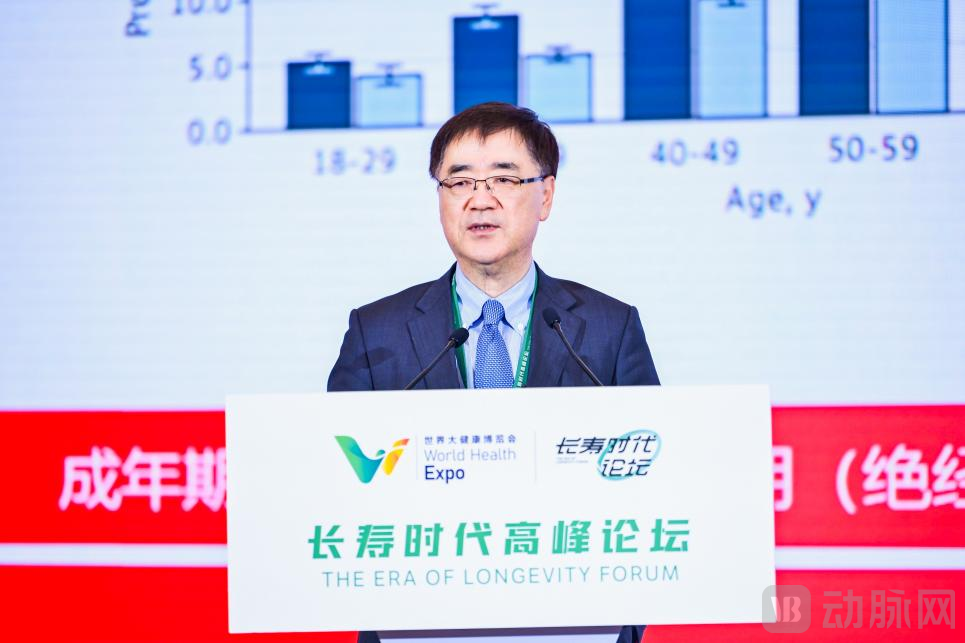 Ning Guang, Academician of the Chinese Academy of Engineering and President of Ruijin Hospital, Shanghai Jiao Tong University School of Medicine
“Population aging is not an inherent societal imperative, nor is there a fixed solution to the challenges it poses. Addressing these challenges requires collaborative changes and coordinated development across multiple social systems and organizations,” shared John Eu-Li Wong via remote connection. In his view, health is an asset; if society invests in population-wide health initiatives, it will enhance the productivity of the entire workforce, reduce healthcare expenditures, and thereby play a significant role in improving overall public well-being. In the era of longevity, individuals can achieve longer lifespans by maintaining healthier lives for extended periods.
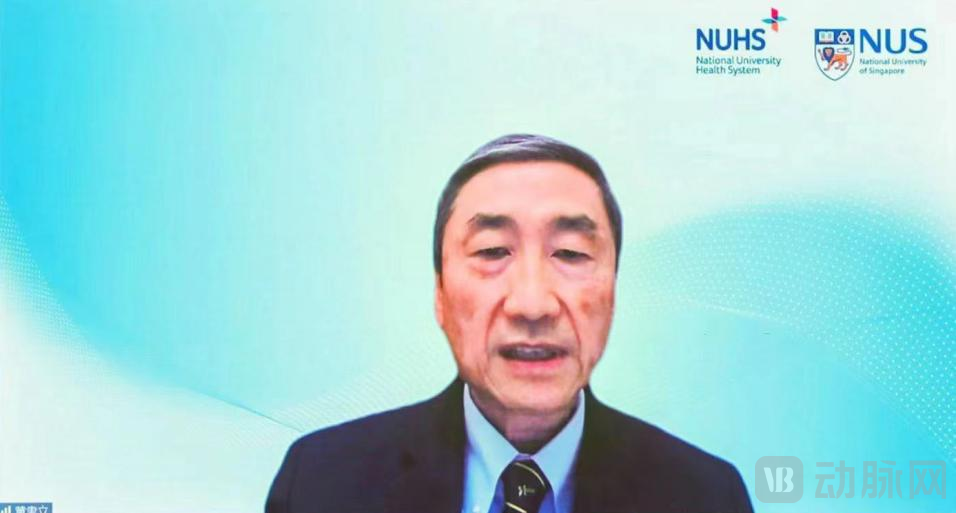 John Eu-Li Wong (Wang Yuli), Executive Director of the Centre for Population Health at the National University of Singapore, Senior Advisor to the National University Health System, Tan Chin Tuan Centennial Professor of Medical Sciences, and Member of the U.S. National Academy of Medicine
The entire world is currently facing the challenge of population aging, with life expectancy continuously rising and birth rates steadily declining. “The answer to the challenge of aging lies in ‘healthy aging,’” stated Zhao Yaohui. Healthy aging can generate new health potential while simultaneously reducing healthcare expenditures and care needs, making it a key strategy for addressing population aging. However, healthy aging alone cannot automatically resolve China’s aging problem; retirement ages must be deferred to fully utilize additional productive capacity, thereby turning the longevity dividend into reality.
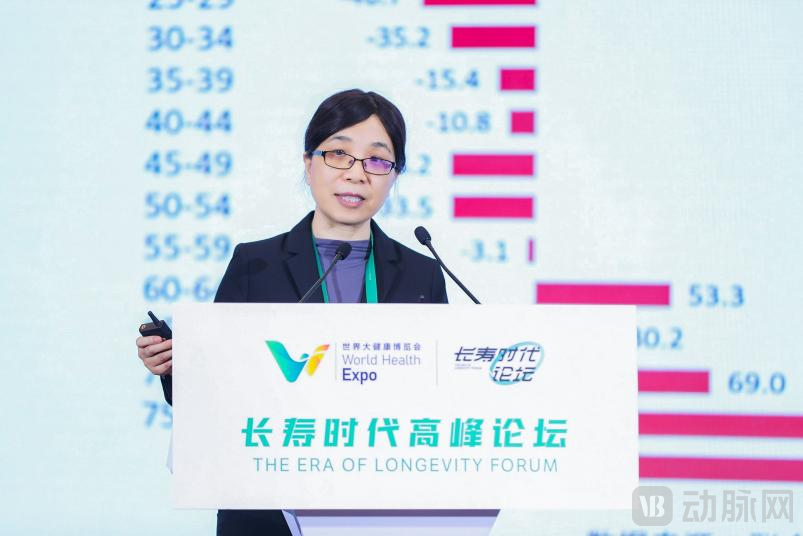
Zhao Yaohui, Boya Distinguished Professor of Peking University and Chang Jiang Scholar Distinguished Professor of the Ministry of Education
Healthy aging requires not only good health and longevity but also a solid financial foundation. Zhan Yuyin stated that the characteristics and essence of financial issues are highly consistent with those of elderly care, as their core lies in the reallocation of resources across time and space. In his view, the third pillar of personal pensions holds immense potential for future development. For asset management institutions, managing pension funds demands a strong sense of responsibility, as personal pensions represent long-term capital and serve as the essential livelihood savings for the general public.
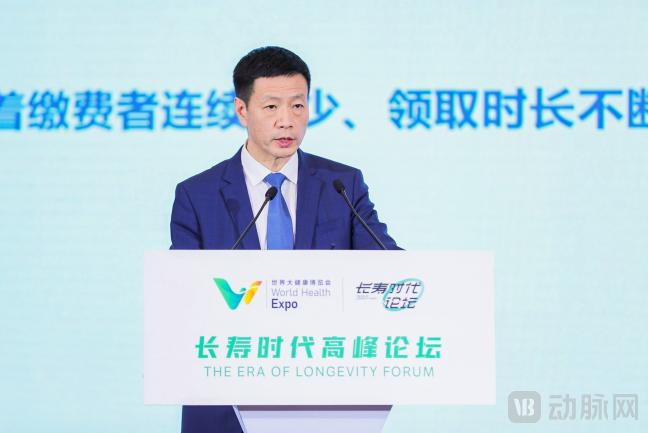
Zhan Yuyin, Chairman of E Fund Management Co., Ltd.
“Long-term survival with chronic diseases places significant pressure on the healthcare system, as the number of patients seeking medical care continues to rise. Moreover, with advancing age, the complexity of diseases varies considerably, leading to increasingly higher technical demands for medical diagnosis.” Xue Min proposed that addressing the challenges of living with chronic conditions relies on technological innovation. Advances in medical technology are driving early screening and precision diagnosis and treatment for major diseases, making healthcare more human-centered and accessible. “In the future, the vast majority of conditions currently treated in outpatient settings will be properly managed at home or in community health centers.”
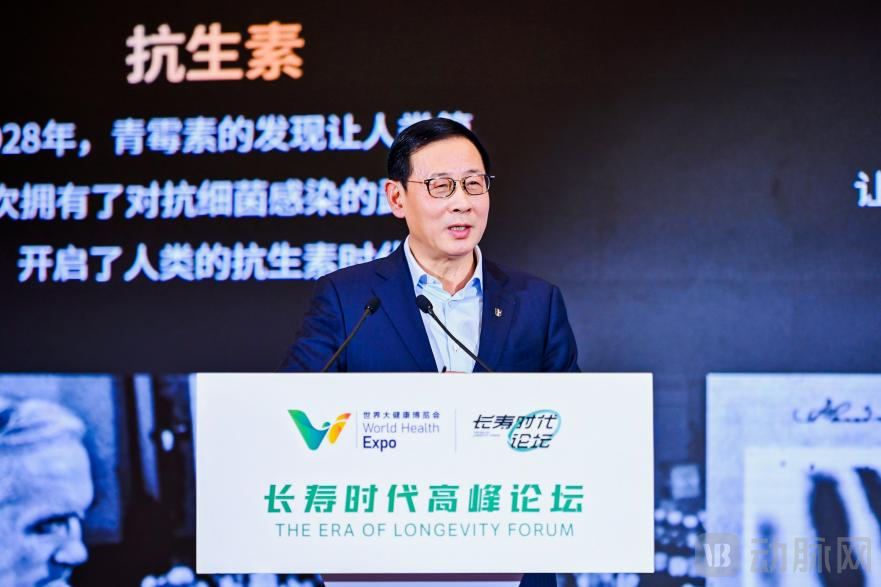
Xue Min, Chairman of United Imaging Healthcare Co., Ltd.
At the forum, a launch ceremony was held for Chen Dongsheng’s book, The Age of Longevity (International Edition). The Chinese edition of The Age of Longevity was officially published in 2021, offering insights into humanity’s future from the perspectives of longevity, health, and wealth. Within less than a year of its release, sales in China exceeded 150,000 copies. The Age of Longevity (International Edition) has now been distributed globally, providing more opportunities for international exchange and mutual learning on addressing population aging.
Following the release of The Age of Longevity (International Edition), Xiaoyan Lei hosted a “Fireside Chat” with Dongsheng Chen and Guoen Liu, focusing on “New Opportunities in the Age of Longevity from a Global Perspective.”
Chen Dongsheng believes that the "Longevity Era" is a more appropriate concept than "population aging," marking a shift from passive, negative demographic theories to proactive ones. While many currently view population aging as a burden, Chen argues that the solution lies in changing our perspective on the lifespan—for instance, recognizing that individuals still possess significant creativity after retiring at age 60. The fundamental challenge in addressing the Longevity Era is financing, and Taikang has been at the forefront of exploring solutions in this area.
“If Taikang’s contribution to the era of longevity lies in identifying a business model that leverages corporate solutions to address individual challenges, thereby forming comprehensive solutions, and generating compound interest effects through professional, long-term investment rather than stock-market-style volatile investing, then this embodies our ideal. As a commercial enterprise, we aspire to enable everyone to age with dignity and grace through this business model,” stated Chen Dongsheng.
Liu Guoen stated that, at present, an aging society indeed brings numerous practical challenges. However, the elderly population can also generate greater demographic dividend value for China by fostering the development of elder care institutions and community-based care services. On one hand, society must optimize the allocation of pension and fiscal resources, dedicating efforts to build environments, institutions, and platforms suitable for older adults, thereby creating an age-friendly society. On the other hand, greater attention should be paid to unlocking the potential value of the elderly, transforming it into a genuine demographic dividend and enabling seniors to achieve value recreation. Meanwhile, with the rapid advancement of AI technology, the information civilization is poised to provide significant momentum for society to harness the demographic dividend of the aging population.
Lei Xiaoyan believes that building an age-friendly society requires a focus on age-appropriate adaptations. On one hand, infrastructure should be adapted to better suit the needs of older adults, facilitating their mobility and daily life. On another level, age-appropriate adaptations should also be promoted from a production perspective, particularly in terms of digital accessibility. This would enable older adults to leverage their work potential within the digital economy, thereby contributing to the development of the longevity economy.
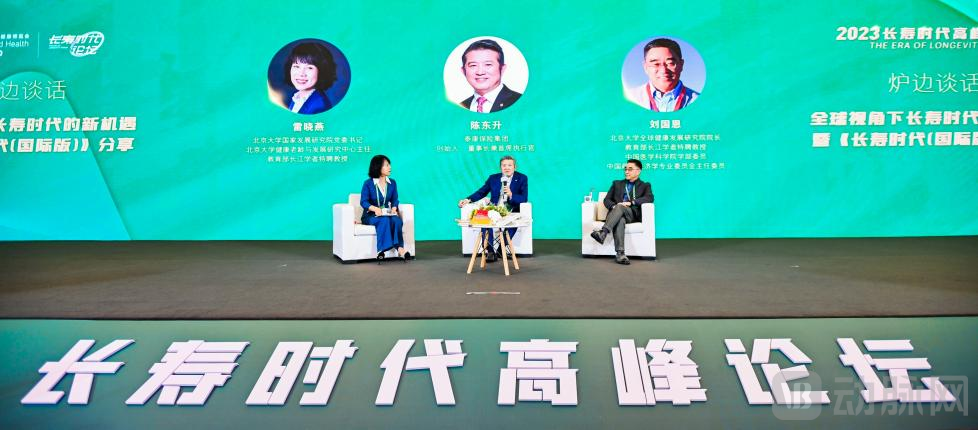 Fireside Chat
The era of longevity has given rise to new demands for technological innovation, health management, and the integration of medical care with eldercare, necessitating more innovative solutions.
At the forum, Guo Min moderated an industry-academia-research dialogue, engaging with experts Song Baoliang, Wu Ji, Liu Tingjun, and Li Dun to discuss “Innovative Solutions for the Big Health Industry in the Era of Longevity.”
Song Baoliang stated that the development of life sciences has made an increasingly prominent contribution to the era of longevity. On one hand, the advent of this era is attributable to the continuous discovery of new drugs and novel therapeutic approaches for diseases. On the other hand, a cohort of scientists is actively engaged in life medicine research, proactively investigating the causes of human aging and the determinants of lifespan. In light of this, he called on well-resourced enterprises to increase their investment in life medicine-related research, thereby exerting a more profound impact in the era of longevity.
Wu Ji stated that in the current era of rapid advancement in artificial intelligence, society can no longer rely on industrial-age stereotypes of elderly care to view the longevity society and plan for the future; the digital transformation of health and wellness has become inevitable. “I hope that as the digital transformation of the health and wellness process is gradually realized, every long-lived individual will be able to enjoy personalized, precise, and high-quality services, thereby leading a happier life in the age of longevity.” However, realizing this vision—from core technologies to prototype outcomes, and finally to industrial implementation—requires close collaboration among academia, industry, and research institutions.
Liu Tingjun stated that in the health industry, interaction among academia, research institutions, and industry serves as a crucial driver for both technological and business advancement. For instance, the collaboration between Taikang Insurance Group and Wuhan University is often described by the phrase, “Research at Wuhan University, clinical practice at Taikang.” At this year’s Health Expo, Taikang hosted a dedicated sub-forum on industry-academia-research collaboration during its Investment Partners Conference, bringing together investment funds, principal investigators (PIs), and various professionals from Taikang’s industrial sector for exchange. He believes that there is still a long journey ahead from intellectual property (IP) creation to product development and ultimately to industrialization, and that building an innovative ecosystem where academia, research, and industry can synergize is a key direction forward.
Li Dun stated that, at this stage, United Imaging is leveraging artificial intelligence technology to assist physicians in interpreting medical images, thereby enhancing both the quality and efficiency of image analysis. In the future, United Imaging aims to integrate health examination, diagnostic, and treatment data across individuals’ lifespans—from youth to old age—to create a personalized “AI Guardian” for each person, enabling them to fully enjoy life.
 Industry-Academia-Research Dialogue
“Let us proactively embrace the new social landscape and emerging industrial opportunities; there are always more solutions than problems, and the flower of the longevity economy has only just begun to bloom.” Attendees stated that everyone should prepare for the era of longevity, while government, industry, academia, and research institutions must act in concert to identify greater certainty amidst uncertainty and deliver more innovative solutions.