FDA Approval and First Global Implants: Medtronic Bolsters Bioprosthetic Valve Portfolio with Mosaic Neo Mitral Valve

Medtronic
Medical Device Manufacturer

Abbott
Provider of Health Diagnostic Products and Health Diagnostic Management Solutions

White Paper + Awards + Forum | The 2nd Global Cardiovascular Conference
Heart Future
The U.S. sees about 20,000 surgical mitral valve replacements each year, a figure that has hardly grown over the past decade—not because of shrinking demand, but because the surgery itself remains a high threshold.
April 29, 2026Medtronic(Medtronic, NYSE: MDT) announced itsNew Generation Mosaic Neo Bioprosthetic Mitral ValveObtainApproved by the U.S. Food and Drug Administration (FDA), and then immediately initiate the U.S. listing.On the same day, David H. Adams, Chief of Cardiac Surgery at Mount Sinai Hospital in New York, completedWorld's First Implant; On the same day, Vinay Badhwar from the West Virginia University Heart and Vascular Institute completedWorld's First Robot-Assisted Mosaic Neo Implantation。
The timing of Mosaic Neo's entry is quite intriguing: transcatheter mitral valve repair and replacement continue to attract significant capital and clinical attention, while Medtronic has chosen this moment to heavily invest in the surgical bioprosthetic valve market, directly targeting Edwards Lifesciences' Mitris Resilia and Abbott's Epic, both of which are already approved competitors. What is the underlying logic of this new move? And where is the access window for the Chinese market?
# From Mosaic to Mosaic Neo: Design Iterations Centered on LVOT Management
The Mosaic platform is no stranger. Medtronic's Mosaic series of porcine bioprosthetic aortic valves have over two decades of clinical application in the field of surgical structural heart disease. The original Mosaic Mitral has built a solid reputation thanks to its mature anti-calcification treatment technology. However, with the rapid popularization of minimally invasive cardiac surgery and robot-assisted surgery, surgeons' requirements for valve implants have undergone a qualitative change—no longer focusing solely on hemodynamic data.Implant compatibility and ease of operation within the surgical field have become one of the key variables in selecting surgical bioprosthetic valves.。
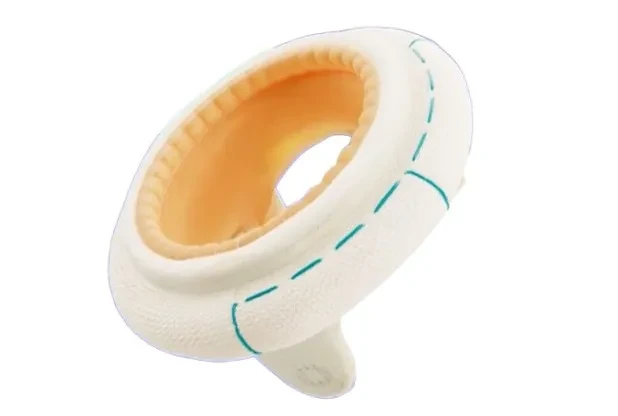
The core design upgrade of Mosaic Neo is centered around this pain point, primarily reflected in three levels.
One,Systematic Improvement in Left Ventricular Outflow Tract (LVOT) Management。Mosaic Neo adopts a shortened height of the left ventricular lateral stent post protrusion while featuring a uniquely widened anterior stent post spacing. These two modifications work together: one directly reduces the occupation of the LVOT, and the other provides operators with greater maneuverability in complex anatomical environments—such as patients with prior aortic valve interventions, bicuspid aortic valve calcification, or intra-annular embedding. Douglas R. Johnston, Chief of Cardiac Surgery at the Bluhm Cardiovascular Institute of Northwestern Medicine, pointed out in his evaluation that the anatomy of the mitral annulus and LVOT in current mitral valve replacement patients is becoming "increasingly challenging." This observation reflects the reality that, in the TAVR era, a growing number of patients with previous aortic valve interventions are entering the SMVR population—a trend that precisely underpins the design logic of Mosaic Neo.
Second,Optimization of Minimally Invasive Surgical Procedures。Mosaic Neo is equipped with a claimed "market-first" small-incision dedicated sizer and low-profile valve holder, and introduces a self-locking mechanism to achieve full deflection of the stent posts—a feature specifically designed for situations where operating space is limited in small-incision procedures. Joseph Lamelas, Director of the Center for Minimally Invasive Cardiac Surgery at NCH Rooney Heart Institute, gave a clear positive evaluation, stating, "Not all valves are MICS-friendly," and noted that Mosaic Neo impressed him in this regard.
Third,Enhancement of Visualization and Operator Guidance。Intuitive direction markers combined with improved visibility under fluoroscopy help reduce trial and error in valve orientation, shortening procedure time during robotic or MICS procedures.
Notably, the Mosaic Neo and Penditure Left Atrial Appendage Occlusion Systems were simultaneously reported with this listing.Global First Joint UseA considerably high proportion of patients undergoing SMVR also have atrial fibrillation. The application of surgical LAA occlusion during concurrent procedures can significantly reduce the risk of stroke. By bundling two of its products, Medtronic aims to strengthen the synergy of its cardiac surgery product ecosystem, rather than merely introducing a standalone new bioprosthetic valve.
# Tripartite Standoff: Comparison of Market Landscape and Technical Routes in the Bioprosthetic Mitral Valve Market
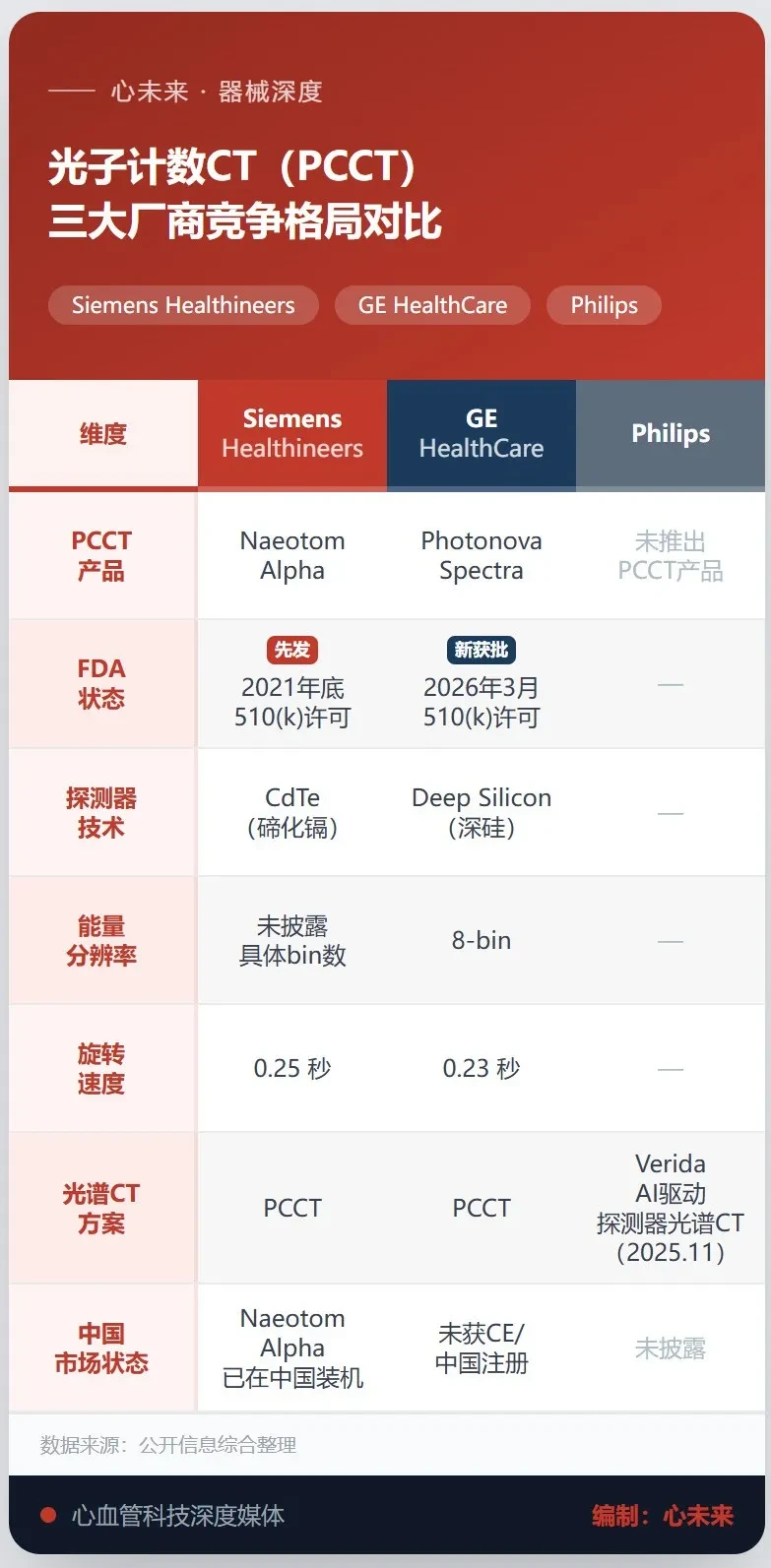
(Note: The information in the table above is based on publicly available data. For specific hemodynamic parameters, please refer to the product manuals and published clinical studies. In case of discrepancies, the latest official data shall prevail.)
From a technical perspective, the differentiated strategies of the three products are clearly discernible.The Core of Edwards Mitris Resilia Lies inRESILIA™ Tissue Processing Technology:By delaying the calcification process of tissue valves through a proprietary anti-calcification phosphate pretreatment process, this is particularly attractive for the increasingly younger patient population undergoing SMVR — in recent years, international guidelines recommending earlier surgical intervention for mitral regurgitation have significantly increased the proportion of patients aged 30–50 receiving SMVR, with the durability of bioprosthetic valves being a core concern for this group. Abbott's Epic competitiveness is more reflected in...The adaptability of the suture ring to irregular valve annuli.Mosaic Neo is clearlyBetting on the surgical operation experience, especially the operational friendliness in MICS and robotic scenarios.
Three technical routes represent three differentiated directions of surgical bioprosthetic valves:Tissue longevity, anatomical fit, operational convenience,Each has its own focus and短板. For Medtronic, when Mosaic Neo enters the market, Mitris Resilia and Epic have already accumulated several years of first-mover advantage, establishing surgeon habits and an ecosystem of device accessories in major U.S. cardiac surgery centers. Whether it can leverage improvements on the operational side to disrupt the existing格局 remains to be answered by real-world data.
# China's Coordinates: Opportunities and Challenges for Surgical Bioprosthetic Valves in a Nation with High Rheumatic Heart Disease Prevalence
China is a country with a high prevalence of rheumatic heart disease (RHD), and mitral valve involvement is the most common form of valvular damage in RHD. A large number of patients require surgical intervention at a relatively young age. According to relevant reports from the Chinese Cardiac Surgery Database, China performs over 80,000 surgeries for valvular heart disease annually. Surgical valve replacement remains the primary approach, and the average age of patients is significantly lower than that of similar populations in Europe and the U.S. — indicating higher demands for the durability of bioprosthetic valves and an equally strong demand for operational convenience as seen in the European and American markets.
However,Mosaic Neo has currently only received FDA approval, with no disclosure of registration information from the National Medical Products Administration (NMPA), and the timeline for its availability in China remains to be clarified.According to the NMPA registration pathway of Medtronic's previous products, similar surgical bioprosthetic valves typically require 1-3 years from FDA approval to obtaining NMPA approval, with the specific duration highly dependent on the registration strategy and the progress of submission material preparation.
Whether the design of the Mosaic Neo specifically adapted for robotic surgery scenarios can be transformed into a competitive advantage in the Chinese market will highly depend on the trend of this penetration curve—Whoever completes the early installation in China's high-penetration robotic cardiac surgery centers and accumulates real-world data first will gain the upper hand before the wave of domestic substitution truly arrives.。
# Heart Future·Observation
Medtronic's launch of Mosaic Neo this time appears to be a generational update of a surgical bioprosthetic valve product, but in essence, it is a repricing of a long-underestimated competitive dimension.The experience of surgical operation itself is a kind of barrier.。
But as surgical procedures continue to evolve towards minimally invasive and robotic approaches, the engineering design differences in the implantation operation of valve products are being translated into real clinical value—shortening operation time, reducing operational errors, and enhancing stability in minimally invasive procedures, each of which is directly related to patient prognosis. The product logic of Mosaic Neo is clear-headed, but"User-friendliness"Whether it can form a sufficiently wide moat needs to wait for the systematic verification of real-world data after its market launch, as the adaptation of operators to new devices also requires a learning curve.
The next competition in surgical mitral valves is not just about tissue durability, but about who can provide the most reliable option for surgeons and patients under the dual pressures of minimally invasive surgery and transcatheter alternatives. Mosaic Neo has provided its answer, and the market will make its judgment based on real-world data over the next 2-3 years.
Full Disease Solutions for Cardiovascular Devices
Structural Heart Disease → ▌Medtronic
Vascular Disease → ▌Huamaitech
Vascular Puncture and Closure → ▌KEGANG Medical
Research and Development and Clinical Trial Support → ▌HopeMed