

Zhangjiang International Medical Park: Two Decades of Innovation Driving Integrated 'Five-Med' Ecosystem for Global Life Sciences Leadership
“Twenty Years of Perseverance, Journeying Together in Medicine”: On April 10, the 20th Anniversary Thematic Conference of the Shanghai International Medical Zone (SIMZ) in Zhangjiang Science City was grandly held at the Zhangjiang Science Hall. Representatives from the government, industry regulatory bodies, research institutes, hospitals, universities, and enterprises gathered together to jointly witness the twenty-year journey of perseverance and struggle of the Shanghai International Medical Zone in Zhangjiang Science City.
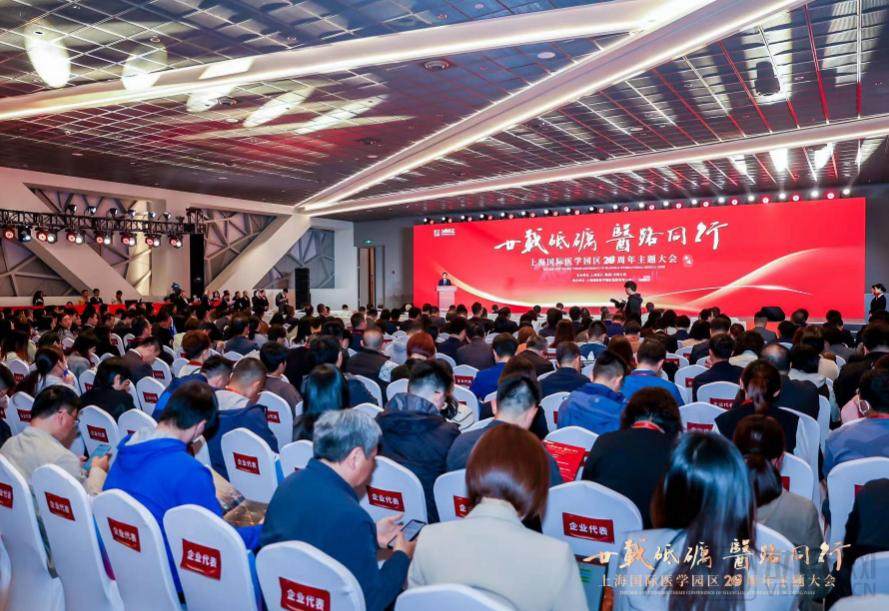
Health: Humanity's Eternal Pursuit — Committed to Becoming the Guardian of Life and Health
The pursuit of life and health has always been an enduring human aspiration. Meanwhile, the life and health industry stands out as a sunrise sector with the greatest innovation capacity and development potential. Guided by the original intention and mission of “safeguarding health and fostering industrial development,” and with strong support from the former Ministry of Health of China as well as the Shanghai Municipal Party Committee and Municipal People’s Government, the pioneers of the Medical Park initiated its construction in 2003. Closely aligning with the intrinsic logic of the life and health medical industry chain, the Medical Park scientifically formulated a “Five-Med” strategic plan encompassing medicine, medical care, pharmaceuticals, medical devices, and medical-nursing integration. It adopted the master plan designed by Perkins Eastman, which was inspired by the concept of “tree rings.” In accordance with the principle of “Five-Med synergy,” the park has been harmoniously divided into multiple functional zones, including a medical school campus, a high-end medical services district, a medical research and development zone, a biopharmaceutical industrial zone, a medical device industrial zone, and a medical rehabilitation zone.
As the “Five-Medicine Plan” continues to be implemented, the Medical Park, with strong support from relevant government departments, has joined hands with industry organizations and enterprises to continuously accelerate its development. In 2011, the Shanghai Municipal Government officially approved the inclusion of the Medical Park within the core area of the Zhangjiang National Independent Innovation Demonstration Zone. In 2012, multiple Shanghai municipal departments jointly issued the “Several Opinions on Promoting the Construction and Development of Medical Institutions in the City’s International Medical Park,” further supporting the park’s growth. In 2016, in accordance with the development plan for Zhangjiang Science City, the Medical Park became a sub-center of Zhangjiang Science City, serving as a key hub in building an industrial innovation ecosystem characterized by “innovation sources, industrial cores, and collaborative corridors.”
Deepening the Five-Medical Synergy to Build a Highland for the Life and Health Industry
After two decades of development, the Medical Park has evolved into a unique ecological professional medical park in China, featuring a highly integrated ecosystem for life and health that combines industry, academia, research, and application through its distinctive “Five-Medicine Linkage” model.
As the southern innovation hub of Zhangjiang Science City and a key carrier zone for Zhangjiang’s biopharmaceutical industry, the Medical Park has, to date, attracted more than 1,000 renowned industry institutions and enterprises, including Siemens Healthineers, Dräger, MicroPort Medical, Intuitive Fosun Pharma, Kangfeng Bio, Simcere Pharmaceutical, CSPC Pharmaceutical Group, 3D Medicines, Otsuka Pharmaceutical, Obio Technology, AllCells, Shanghai Model Organisms Center, National Children’s Medical Center, Shanghai Proton and Heavy Ion Center, East Branch of Fudan University Shanghai Cancer Center, Shanghai International Medical Center, Shanghai Jiao Tong University School of Medicine, and Shanghai University of Medicine & Health Sciences. Meanwhile, it has formed China’s largest third-party medical testing cluster, comprising BGI Genomics, KingMed Diagnostics, and ChipBio, among others. The park has also given rise to numerous pioneering scientific and technological achievements, such as Envafolimab, the world’s first subcutaneously injected PD-L1 antibody drug; Byetta (Yishengtai), the world’s first GLP-1 class drug with an amino acid sequence fully identical to that of humans; the world’s first multi-source static CT; the world’s first branched intraoperative stent; the world’s first cryoablation device for treating hypertension; the world’s only non-surgically implanted bone-conduction hearing system; total hip arthroplasty surgical robots; the world’s first single-use high-definition electronic hysteroscope; and China’s first cochlear implant product.
As a specialized “Medical Park,” the campus closely aligns with the development trends of the frontier biomedical industry. In June 2019, the Shanghai Municipal Science and Technology Commission officially approved the establishment of the Zhangjiang Cell Industrial Park. In October 2021, the park further expanded its scope, and the “Zhangjiang Cell and Gene Industrial Park” was officially unveiled. As a distinctive hub coordinating the development of cell and gene industries within Zhangjiang Science City, the Zhangjiang Cell and Gene Industrial Park has grown into a vibrant cluster for cell and gene innovation in China and is the only cell and gene industrial park in the country to achieve the “integration of five medical sectors.” According to incomplete statistics, as of January 2023, Zhangjiang accounted for three-fifths of Shanghai’s and one-quarter of China’s approved registrational clinical trials for cell and gene therapies. It spearheaded the market launch of China’s first and second CAR-T cell therapies and gave rise to Origin Biosciences, the first gene CDMO company listed on the STAR Market. Meanwhile, numerous enterprises are strengthening their exploration in the fields of solid tumors, rare diseases, and autoimmune disorders within cell and gene therapy. In 2023, Zhangjiang Gene Island, with a total gross floor area of 160,000 square meters, will also make its grand debut, attracting more innovative cell and gene technologies and enterprises to settle in the park.
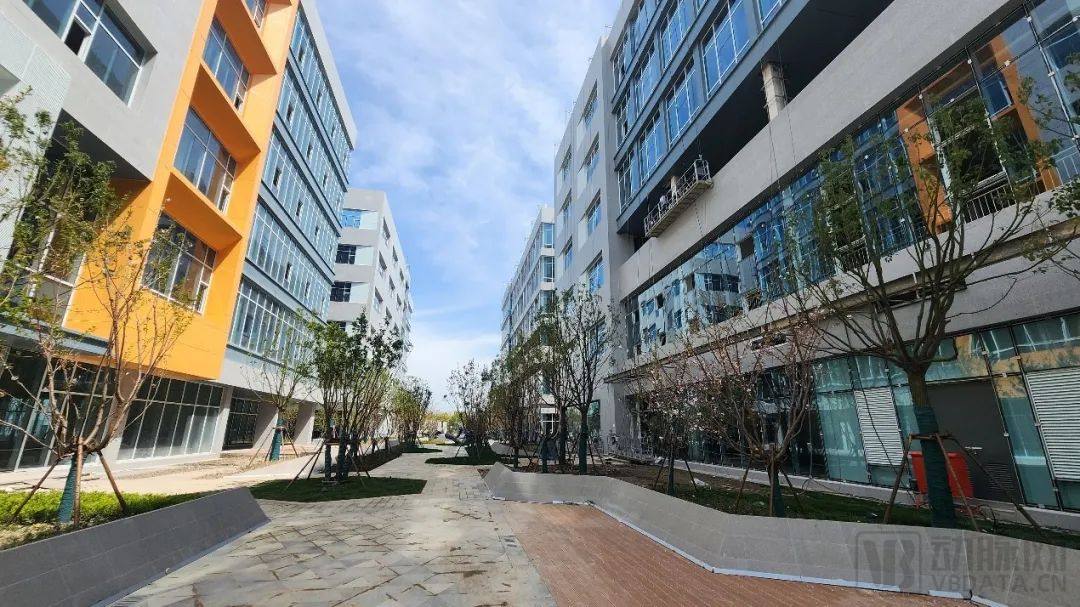
Photo of Zhangjiang Gene Island
Meanwhile, the intensifying aging of China’s population is galvanizing market vitality in the elderly health industry. To promote integrated and systematic practical exploration of medical care, health management, and eldercare within the senior services sector, the Shanghai Rehabilitation Assistive Devices Industrial Park (Pudong New Area • Zhangjiang Park) and the Shanghai Pudong New Area Smart Elderly Care Industrial Park were unveiled in the Medical Park in January 2022. Leveraging Shanghai, Pudong, and Zhangjiang’s leading advantages and substantial accumulation in next-generation information technology and biomedical life sciences, these industrial parks will drive cross-disciplinary innovation and deep integration in the elderly care industry, fostering new models of production, lifestyle, and commerce.
Strengthen Core Capabilities, Leverage the Agglomeration Effect of Innovation to Achieve Leapfrog Development
Twenty Years On, Embarking on a New Journey: Standing at a new starting point for development, the Medical Park will, in the future, follow the strategic guidelines set by the national government, Shanghai Municipality, and Pudong New Area for the development of the health industry and the biopharmaceutical sector. First, it will further strengthen the core construction of “five-medical integration” and innovation origination, attracting more high-level hospitals and top-tier universities to settle in the Medical Park. Leveraging the industrial advantages already established within the Medical Park, it will collaborate with various innovation entities and platform institutions to build higher-capacity platforms for innovation origination and translation. It will actively support the coordinated development of upstream and downstream enterprises across the industrial chain—both in series and in parallel—by forming innovation consortia, thereby accelerating the commercialization of more medical science and technology innovations and driving the development of the biopharmaceutical industry through source innovation. Currently, the construction of the Shanghai Jiao Tong University School of Medicine’s Pudong Campus, located within the Medical Park, is underway and is expected to be completed in 2024.
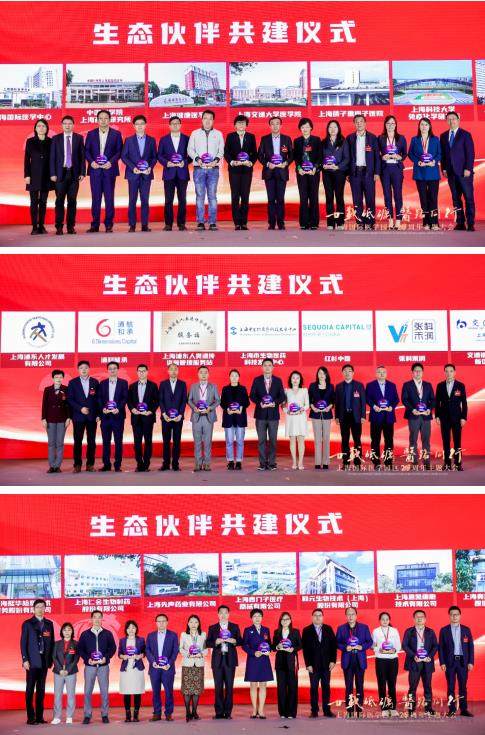
Ceremony for the Joint Development of Ecosystem Partners in the Industrial Park
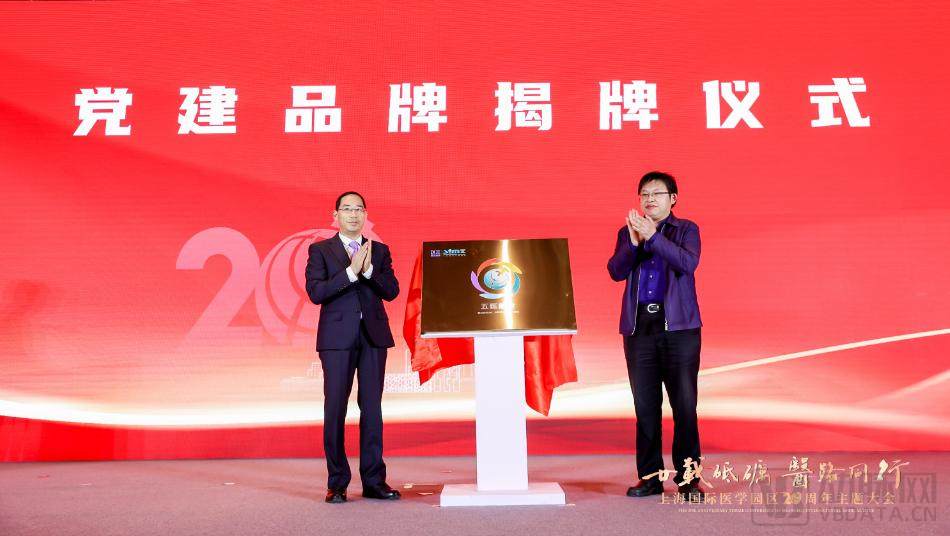
Unveiling of the “Five-Medical Integration” Party Building Brand at the Medical Park
Meanwhile, the Medical Park will strengthen its layout in frontier fields, focusing on significant unmet needs in clinical applications. On one hand, it will continue to enhance the development of the Zhangjiang Cell and Gene Therapy Industrial Park, promoting the establishment of an innovation-driven system characterized by “technological breakthroughs, source innovation, and industrial foundations.” On the other hand, the Medical Park will also bolster its presence in emerging sectors such as synthetic biology, artificial intelligence, and brain science, striving for new breakthroughs in industrial and park development. It will further explore pathways for the origination and translation of international biomedical innovations, achieving “resonance” with global advancements in the biopharmaceutical industry.
The medical park will further strengthen the construction of its platform and service systems, addressing bottlenecks and pain points in R&D and clinical application. By aligning with the intrinsic logic of enterprise development at different stages, it will build a full-lifecycle service system that integrates innovation incubation platforms, acceleration platforms, hospitals, clinical trial centers, the Yangtze River Delta Review Center, the Pudong Human Genetic Resources Office, the Shanghai Institute for Medical Device Testing, CRO/CDMOs, and other industry enterprises, industrial entities, and regulatory and testing agencies. This will effectively promote the translation and implementation of scientific research concepts and patent achievements from the laboratory to practical applications.
Accelerating the creation of a talent hub and transforming intellectual support into endogenous growth drivers is another key priority for the future development of the medical park. By leveraging existing advantages to attract industry-specific talent and tailoring platforms to local conditions for talent development, and by progressively improving basic supporting facilities such as talent apartments, the park will provide a favorable business environment to ensure the stable growth of enterprises.
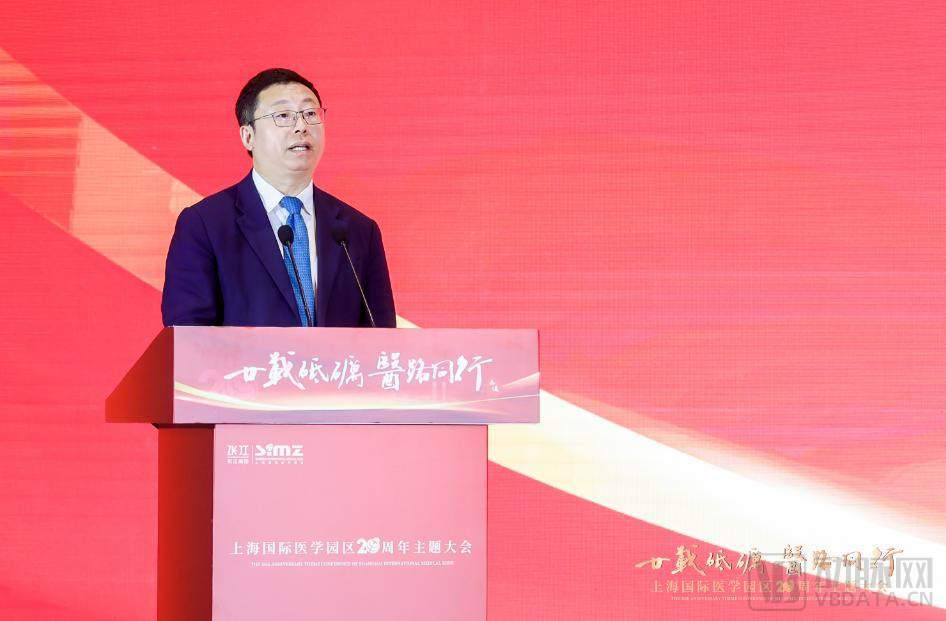
Address by Yuan Tao, Party Secretary and Chairman of Shanghai Zhangjiang (Group) Co., Ltd.
Yuan Tao, Secretary of the Party Committee and Chairman of Shanghai Zhangjiang (Group) Co., Ltd., stated, “We hope that the Medical Park will seize the new starting point of its 20th anniversary to strive for excellence and serve as a benchmark. By deeply cultivating the distinctive characteristics of the integrated ‘five-medicine’ industries, we aim to significantly enhance the park’s technological sophistication, industrial density, and value depth. At this new stage, we will break new ground and fully support the creation of a world-class biomedical industry cluster, demonstrating Zhangjiang’s new contributions in Pudong’s new journey to become a leading area for socialist modernization.”