

Kechuang Medical and Central South University Forge Strategic Collaboration to Advance Next-Generation Biodegradable Magnesium Alloy Implants
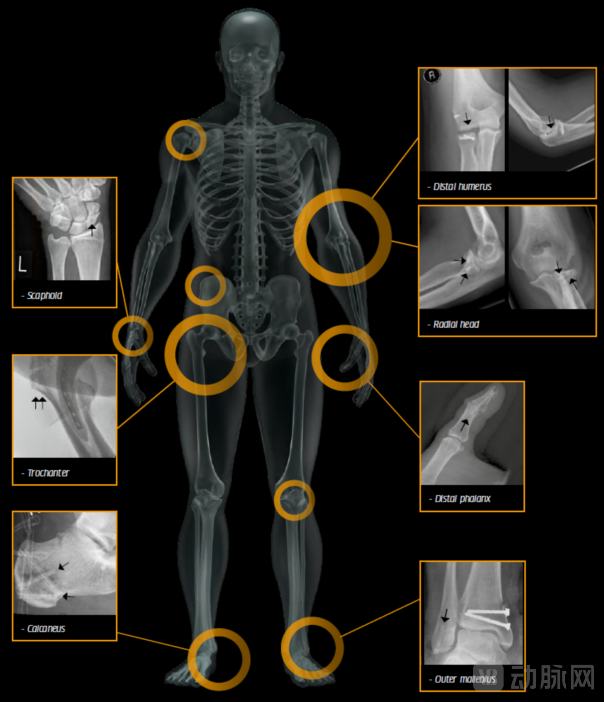
Currently, there is significant waste of medical resources in orthopedic internal fixation removal surgeries: it is estimated that hospital bed occupancy for such procedures in China accounts for approximately2500,000 sheets/year, Surgical duration exceeding2 million hours/year, medical expenses exceeding18 billion/year, in addition to family caregiving and post-operative recovery following device removalVarious Hidden Costsetc. Meanwhile, removal surgery is often associated with complications such as refracture, forced destructive extraction following screw breakage, bone loss, soft tissue injury, and delayed wound healing or even infection.
In response to the aforementioned clinical pain points, stakeholders across society are eagerly anticipating innovative materials and related products that can truly address clinical challenges. The "14th Five-Year Plan for Bioeconomy Development," released by the National Development and Reform Commission on May 10, 2022, explicitly states:“Adhere to Innovation-Driven Development“, to build national strategic scientific and technological capabilities in biotechnology.” “Oriented toward the life and health of the people,”Ensure that life sciences and biotechnology benefit the people, to better meet the people's growing needs for a better life." Provide support in terms of various resources and policies to further encourage biotechnological innovation.
Innovation is held in even higher regard in orthopedics, and the application of innovative materials has long been regarded by the industry as a key aspect of the orthopedic field.Breakthrough. High-quality products that align with actual clinical needs are not only effective tools for physicians but also a crucial guarantee for improving patients' postoperative quality of life.

Image source: Pexels
In the field of orthopedics, magnesium alloys—a novel type of medical implant—hold promise for replacing traditional internal fixation materials such as stainless steel and titanium alloy plates and screws. Because they can be degraded and absorbed by the human body after fulfilling their function in vivo, they not only spare patients the psychological fear and physical pain associated with secondary surgeries but also significantly reduce anesthesia and surgical risks, as well as the financial burden. Therefore, they are referred to as“Revolutionary Metallic Biomaterials”。
Under this premise, Kechuang Medical has partnered with the expert team from the School of Materials Science and Engineering at Central South University to explore new materials—Mg alloys.
Absorbable magnesium alloys offer advantages such as excellent biocompatibility, complete degradability within the human body, the ability to promote osteoblast formation, and density and elastic modulus closely matching those of human bone. These attributes effectively address critical clinical challenges, positioning absorbable magnesium alloys as the future direction for orthopedic internal fixation materials, with substantial market potential.
● Biodegradability:Mg degradation products can be metabolized and absorbed by surrounding tissues and the body, eliminating the need for secondary surgery; their in vivo metabolic performance is superior to that of currently available absorbable materials.
● Excellent mechanical properties:The elastic modulus is close to that of human cortical bone, which can avoid the stress shielding effect; meanwhile, its high strength can meet the mechanical requirements for most fixation or support applications.
● Excellent biocompatibility:Magnesium is the fourth most abundant cation in the human body. It can be effectively excreted from the body through the kidneys via urine, without causing adverse effects on organs.
Minimally invasive techniques, increasingly widely adopted in modern orthopedic trauma surgery, can alleviate patient pain and promote functional recovery. Among these,Cannulated ScrewIt is a widely used minimally invasive fixation method; however, existing products require a second surgery for removal and are difficult to extract, often leading to incomplete removal and residual implants in the body, which causes certain harm to patients.
Therefore, absorbable materials are receiving increasing clinical attention, butThe high failure rate of fixation caused by the limited strength of domestically produced PLA absorbable screws remains an unresolved issue.Internationally, magnesium alloy screws have been developed and clinically applied in 23 countries, with thousands of surgeries performed. The product has received numerous innovation awards, such as the IMA Excellence Award and the German Innovation “Quantum Leap” Gold Award, and has been featured as a trend-setting topic in presentations at various academic conferences. However, due to various reasons, this product cannot be introduced into the domestic market to serve Chinese patients.
Looking at the global market, taking 2021 as an example, the global revenue from trauma orthopedics was$7.294 billion, with a potential addressable market size of$5.11 billion, in the Chinese market, driven by factors such as accelerating population aging, improvements in medical reimbursement policies, and heightened public awareness of treatment, the trauma orthopedics sector has maintained12% High Growth Rate, the market potential for absorbable internal fixation devices is very considerable.
Health is an eternal topic for humanity, and innovation is the key to realizing the dream of human health. In response to clinical expectations, Kechuang has always adhered to the mission of "making surgery simpler and life better," focusing on research and development to create products that truly address clinical pain points. The newly developed biodegradable hollow screws made from novel magnesium alloy materials are currentlyOfficialEntering the Clinical Trial Phase, it will soon enter the orthopedic internal fixation market. We are confident that our innovative products will bring about a revolutionary change to traditional trauma orthopedic internal fixation solutions, enhance the quality and standards of clinical orthopedic care in China, and bring significant benefits to a vast number of patients. In the near future, we will also represent China’s advanced medical technologies as we expand into the global healthcare market, contributing to human health.
About Kechuang Medical
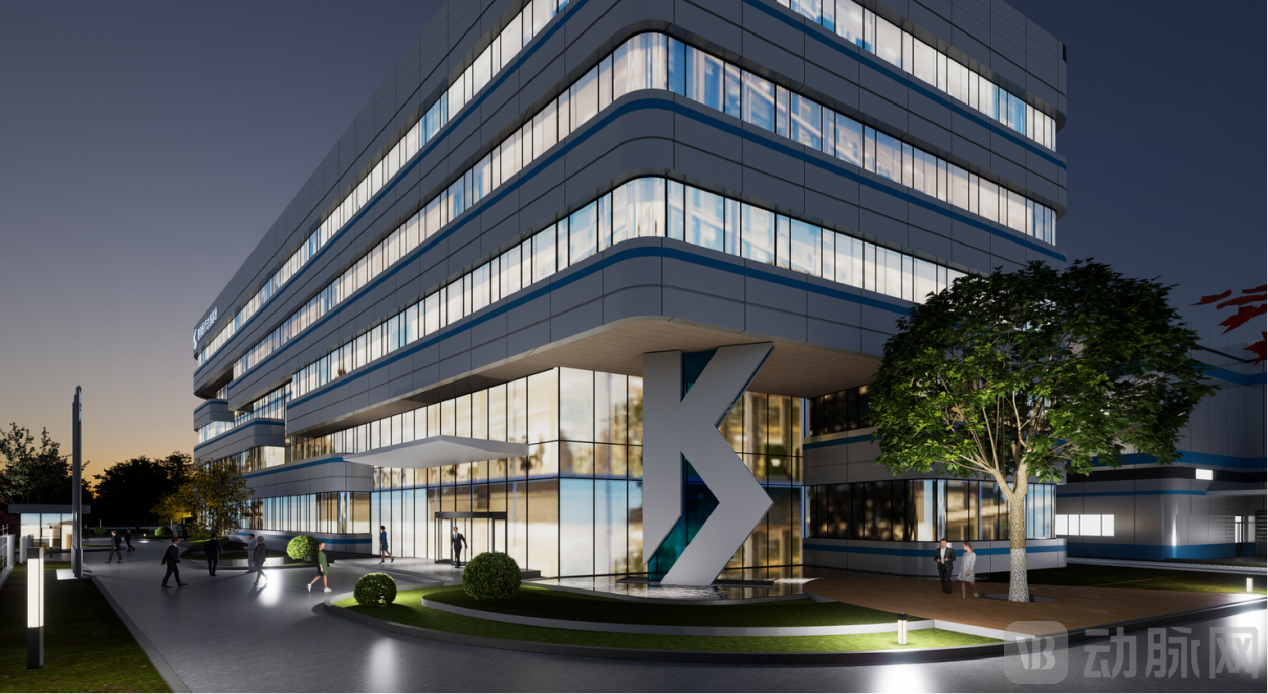
Kechuang Medical Group was established in 2006. Guided by the mission of “Making Surgery Simpler, Making Life Better,” and committed to its long-term corporate goal of “Professionalism as the Foundation, Innovation as the Driving Force, Becoming a Global Leader in Niche Medical Sectors,” the group has evolved over 17 years into a high-tech medical enterprise integrating research, development, production, and sales. Since its inception, the group has positioned itself with the strategy of “Import Substitution and Global Originality.” Focusing on the research and development of innovative technologies and materials, it is oriented toward resolving clinical pain points and meeting patient needs. With microsurgery and orthopedics as its core research fields, and supported by advancements in design and material innovation, the group has implemented systematic industrial layouts in these two areas, overcoming critical technological bottlenecks and achieving significant breakthroughs. Over the years, the company has been honored with numerous titles by the government, including “National High-Tech Enterprise,” “Science and Technology Innovation Achievement Award under the Science and Technology Powerhouse Innovation Enterprise Cultivation Project,” “Specialized, Refined, Differential, and Innovative (SRDI) Enterprise,” “Leading Enterprise in Tianjin’s Strategic Emerging Industries,” and “Tianjin Gazelle Enterprise.”
For product inquiries: market@kingsungmedical.com