

Yishi Nutrition: The Low-Allergen Food Pioneer Backed by Academicians and Setting Industry Standards
When it comes to allergies, what is the first thing that comes to mind? Is it widespread redness, swelling, and itching, or incessant sneezing, a runny nose, and an endless supply of tissues?
For adults, allergies may cause discomfort or significant inconvenience in daily life; however, for vulnerable infants and young children, certain allergic reactions can be fatal. In addition to various distressing symptoms such as diarrhea, constipation, vomiting, runny nose, and eczema, severe allergies can lead to malnutrition, respiratory tract infections, shock, and even irreversible organ damage in infants and young children.Lay the groundwork for lifelong health risks.
So, what can we do for infants and toddlers with allergies?
Born Amidst the Cries of Allergic Infants and Toddlers
Allergies in Infants and Toddlers Are No Longer Rare Events.
According to statistical data from the “Epidemiological Survey of Allergies in Infants and Young Children in Chinese Cities,” initiated by the Maternal and Child Health Center of the Chinese Center for Disease Control and Prevention,1 in 8 Infants and Toddlers Have Allergies, the proportion of infants and toddlers under 2 years of age whose parents self-reported having experienced or currently experiencing symptoms of allergic diseases was as high as 40.9%, while the overall prevalence of allergic diseases in infants and toddlers under 2 years of age was 12.3%.
Desensitization therapy is a protracted and arduous process, particularly challenging for young children. Infants and toddlers who are just beginning to speak cannot yet accurately express their feelings,They can only express their physical discomfort through bouts of crying.
Currently, the best and only way to alleviate food allergies in infants and young children is to avoid consuming allergenic foods. However, for individuals allergic to milk protein, wheat, gluten, and other substances, merely avoiding allergens such as eggs, wheat, and milk may lead to an incomplete dietary structure and unbalanced nutritional intake in infants and toddlers due to the lack of high-quality proteins and complete amino acids.
How to Ensure Adequate Daily Nutritional Intake for Children While Avoiding Food Allergies?Hypoallergenic complementary foods have become the key to breaking the deadlock.
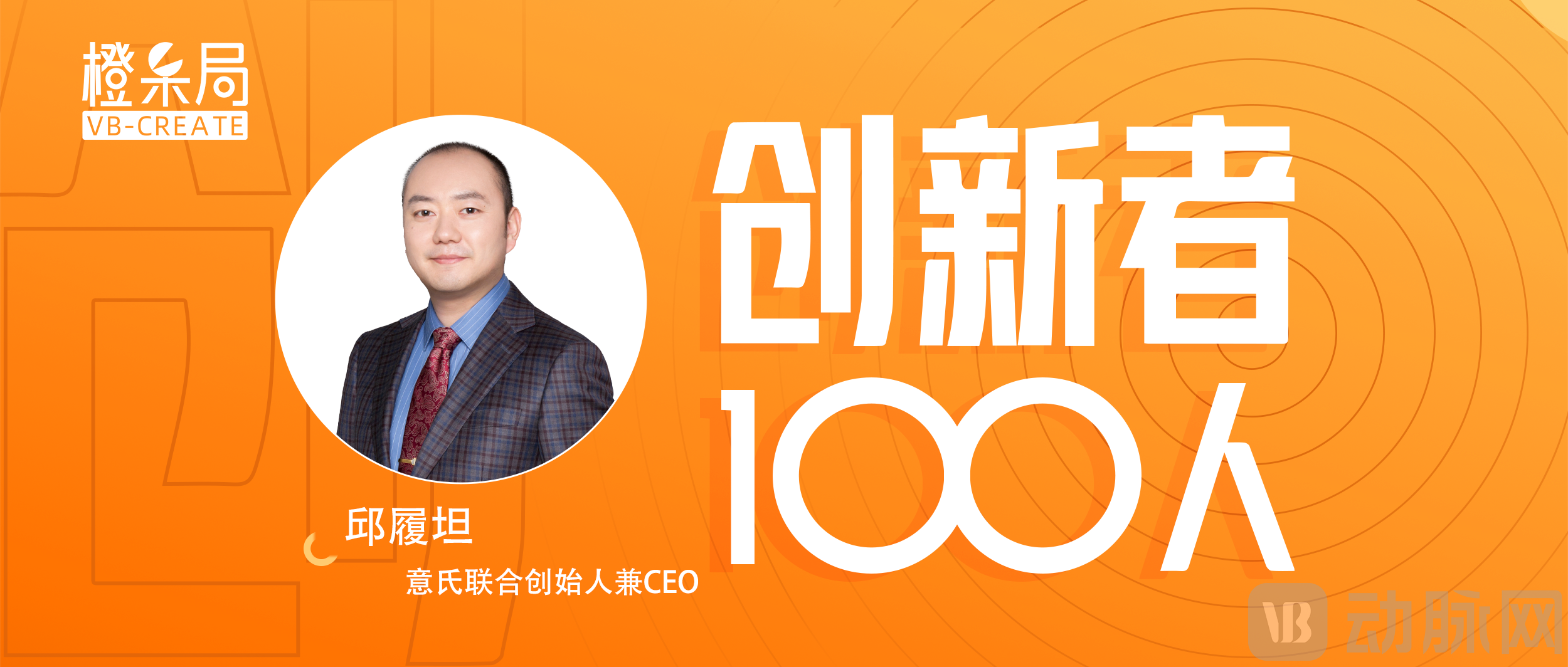
Qiu Lvtan, co-founder and CEO of Yishi, told VCBeat’s Orange Fruit Bureau: “In 2020, there were very few hypoallergenic complementary food snacks on the Chinese market that professionally addressed allergies to common allergens such as wheat, peanuts, and eggs, yet the demand for such products was substantial.”We recognize that food allergies constitute a serious societal issue, and addressing such issues is part of corporate social responsibility. It was in this context that Yishi was founded.”
According to Yi Shi’s data on hospital visits and user community surveys, many pediatric patients and their parents suffer greatly from food allergy disorders.However, given the extensive supply chain in the food industry, it is difficult to ensure that the final product is safe and hypoallergenic solely based on the absence of allergens in the raw materials.Consequently, families of affected children often endure the dual burden of the food allergy condition itself and the distress of being unable to source reliable hypoallergenic foods.
As a brand under Kelubao specializing in hypoallergenic nutritional foods for infants and young children, Yishi has been committed to scientifically addressing food allergy issues among Chinese infants and toddlers. In addition to the targeted development of hypoallergenic complementary foods, the company has also developed hypoallergenic snacks, condiments, and nutritional supplements based on the growth and developmental characteristics of allergy-prone children, aiming to provide comprehensive and professional nutritional support for Chinese infants and toddlers prone to allergies.
From Formulation and Raw Materials to Technology: Pioneering a Path of Innovation
At the 5th “Natural New Force” Innovative Product Competition in 2022, the joint product launched by Yishi and Beingmate“Chickpea Probiotic Nutritional Organic Rice Powder”Standing out from over one hundred projects, it was honored with the “Annual New Product Leadership Award.”
When discussing “Chickpea Probiotic Nutritional Organic Rice Cereal,” Qiu Lutan proudly stated that they had been searching for the key to hypoallergenic nutrition, and this innovative product represents a breakthrough. Through this product, we may gain insight into the R&D philosophy behind Yi’s hypoallergenic foods.
One of the keys isRaw MaterialsScreening. Yishi has established a high-standard raw material screening system, which not only requires hypoallergenic properties but also seeks hypoallergenic and nutritionally appropriate alternatives suitable for different age groups.
Take “Chickpea Probiotic Nutritional Organic Rice Cereal” as an example. In the 2019 report “The Future 50 Foods,” jointly released by Knorr and the World Wildlife Fund, chickpeas were included due to the advantages of their isolated protein, such as high yield, well-balanced essential amino acid profile, high bioavailability, and non-allergenic properties.
In addition to raw materials,FormulaIt also determines the product’s performance. Thanks to its numerous nutritional advantages, chickpeas have successfully been included in the list of candidate raw materials for Yi’s hypoallergenic foods. However, conventional powder processing without specialized treatment may lead to nutrient loss in chickpeas; therefore, chickpeas on the market are predominantly used to produce plant-based protein beverages, while their application in rice noodle production remains rare. A “legume-cereal combination formula,” with chickpeas blended into rice noodles at an appropriate ratio, not only enables diversified intake of dual native proteins but also complies with infant and young child food standards.
Finally,Process. To maximize the nutritional value of chickpeas, Yishi has innovatively developed a dual enzymatic hydrolysis process that breaks down chickpea nutrients into small molecules more readily absorbed by the human body. This proprietary technology has become a “technical barrier” that prevents Yishi from being replaced by homogeneous products. Currently, Yishi is applying for a patent for its dual enzymatic hydrolysis process.
HoweverDual Enzymatic Hydrolysis ProcessThis is just one of Yishi’s many innovative achievements. To provide higher-quality hypoallergenic foods for infants and young children, Yishi has also introduced innovations in its equipment. In 2023, Yishi developed“A Low-Temperature Spray Drying Equipment for High Retention of Probiotic Viability”Patented. This drying equipment not only preserves probiotics in food ingredients with high quality but also incorporates dual-protein components, providing more nutritious and healthy food for allergy-prone infants and young children.
Moreover, to maintain control over every aspect—from formula design and raw material selection to processing technology, production, and storage conditions—and thereby achieve the ultimate goal of “hypoallergenic nutrition,” Yishi has pioneered the proposal“Italy-Specific Hypoallergenic Standard”Serving as the baseline for internal product R&D, manufacturing, and allergen testing. Implementing the hypoallergenic philosophy from raw materials to finished products ultimately becomes the company's competitive moat.
Academician Joins, Research Strength Upgraded Again
Innovation is the primary driver of development. In addition to independent research and development, scientific research collaborations have also provided additional momentum for Yishi’s growth. In 2022,Yi'sandAcademician Chen Jian’s Team at Jiangnan UniversityThe established Yixing Institute of Food and Biotechnology jointly established"Hypoallergenic Complementary Food Collaborative Innovation Laboratory"。
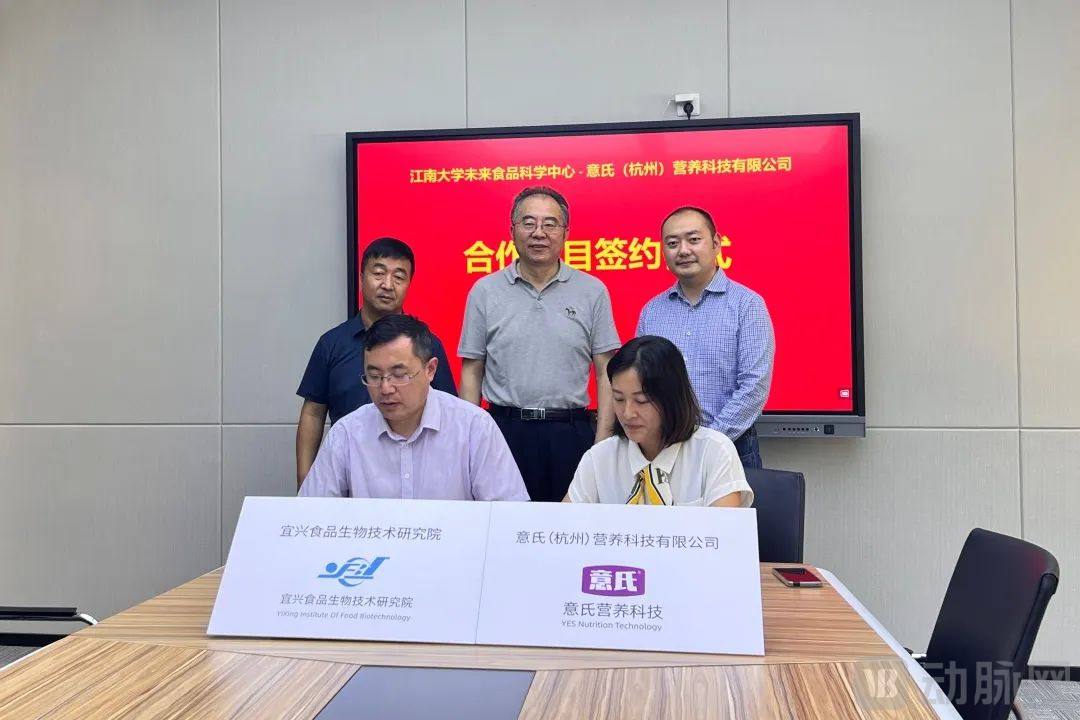
▲Signing Ceremony of the “Hypoallergenic Complementary Food Collaborative Innovation Laboratory”
Academician Chen Jian has long been engaged in research in the fields of fermentation engineering and food biotechnology, with his team’s scientific prowess providing significant support to the product development at Yishi. However, collaboration between enterprises and research institutes is an art in itself. This is particularly true for the research, development, and commercialization of hypoallergenic foods, where domestic experience remains limited. For enterprises, “survival” is a fundamental necessity, whereas researchers tend to prioritize technical excellence and refinement.Just as two teams form a single pioneering force, their goals and pace must be aligned, requiring greater coordination and adjustment.
To this end, Yishi allocates a fixed amount of funding annually forProspective, Long-TermIn project research, researchers are primarily guided by enterprise development, helping companies complete research projects that align with their development goals, pace, and market demands.
In Qiu Lvtan’s words, strong and enduring partnerships are built on shared goals. This approach to collaboration not only ensures the practical implementation of projects but also enables companies to look toward the future and explore greater possibilities.
Postscript
With its continuous development, Yi's has established a certain authoritative position in the industry.
Effective January 22, 2023"General Rules for Children's Snacks"Group Standards: Yishi, as a primary drafting entity, was fully involved in the standard-drafting process. Regarding participation in establishing industry standards, Qiu Lutan believes this is both an obligation and a responsibility for Yishi: “Upgrading children’s snack standards is an urgent need for industry development. This not only requires enterprises to raise their own standards but also signifies that the industry can usher in more orderly growth.”
Looking back on the three-year development journey since its establishment, Yi Shi has designed a range of excellent hypoallergenic foods for infants and young children, whether through independent research and development or by facilitating the commercialization of scientific research achievements for research institutions. In the future, Yi Shi will continue to deepen its expertise in the field of hypoallergenic foods, providing for China’s allergy-prone population