

Tsinghua Changgung Hospital Successfully Completes World’s First Local-Anesthesia 'Micro-Nano Knife' Liver Cancer Ablation
Recently, the world's first case under local anesthesia“Micro-Nano Knife” Liver Cancer Ablation Successfully Performed at Tsinghua Changgung Hospital; the procedure was carried out by a team led by Professor Dong Jiahong, Academician of the Chinese Academy of Engineering and Director of Tsinghua Changgung Hospital.

This case involves a 57-year-old male patient clinically diagnosed with intrahepatic cholangiocarcinoma with local metastasis, invading the hepatic hilum and causing obstructive jaundice. The primary lesion measured 45 mm × 36 mm, and bilateral percutaneous transhepatic biliary drainage (PTBD) had been performed for jaundice relief. Due to the lesion’s location at the hepatic hilum, in close proximity to the left portal vein and gallbladder, surgical resection and various thermal or cryoablation therapies were not feasible. Following multidisciplinary team (MDT) discussion at our Hepatobiliary and Pancreatic Center, it was decided to treat the patient with “Nano-Knife” ablation, which offers the unique advantage of non-thermal selective ablation.
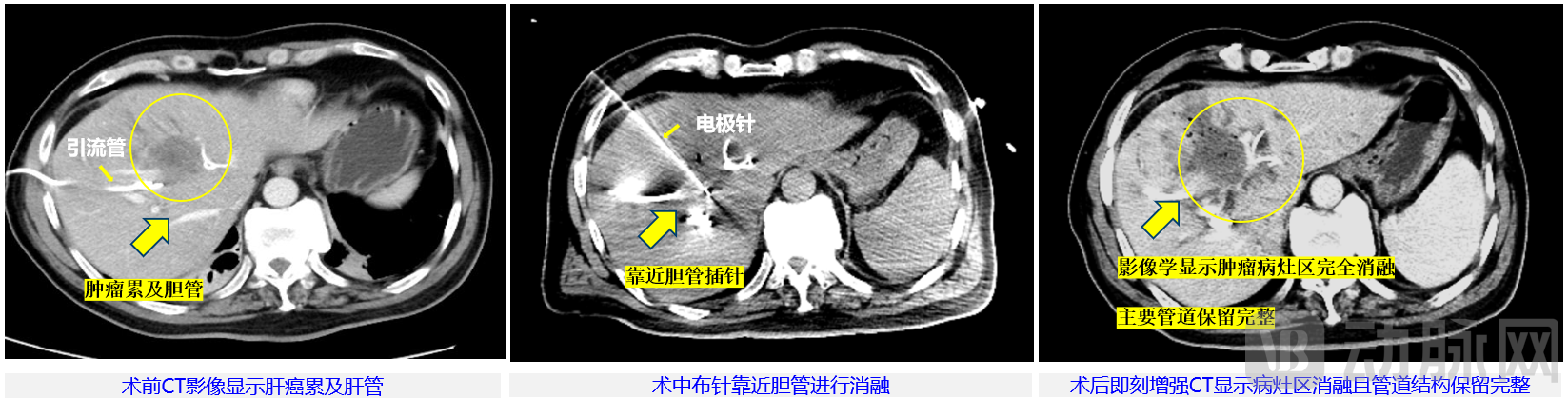
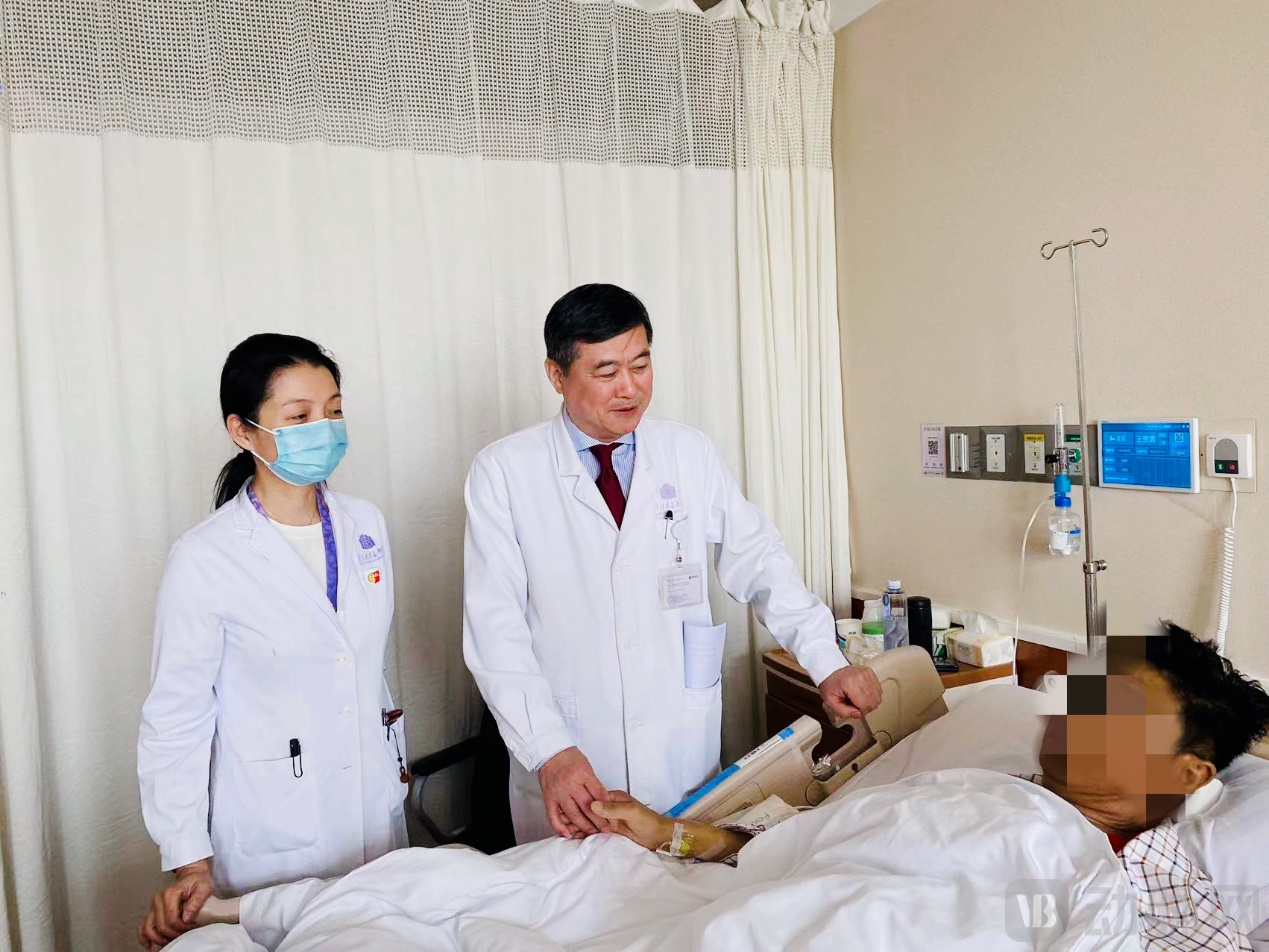
Throughout the procedure, the patient underwent local anesthesia. Under ultrasound/CT guidance, a single-needle ablation of the lesion was performed using the "Micro-Nano Knife." The ablation process lasted 15 minutes. No muscle relaxants were administered, and no endotracheal intubation was performed; the patient remained fully conscious and able to converse with the medical team throughout the procedure. No significant muscle contractions were observed during pulse delivery, and the patient reported no significant pain. Immediate postoperative contrast-enhanced CT re-examination confirmed complete radiological ablation of the tumor lesion, with no injury to adjacent bile ducts or blood vessels. The patient was then safely returned to the ward. Vital signs remained stable intraoperatively and postoperatively, with no adverse reactions observed.
Irreversible Electroporation Ablation (IRE) induces irreversible cell membrane perforation through transient high-power pulsed electric fields, leading to apoptosis. This technique achieves tumor ablation while preserving the integrity of critical peritumoral structures (blood vessels, bile ducts, and nerves), and is free from the heat-sink effect, thereby preventing residual tumor cells around blood vessels in the ablation zone. It is hailed as the next-generation ablation technology. The "Nano-Knife" technology represents the latest generation of IRE technology.
During this procedure, the team led by Academician Dong Jiahong of Tsinghua University employed a micro-nano knife and a newly developed single-needle ablation technique to achieve, for the first time globally, a transition in irreversible electroporation (IRE) technology from general anesthesia to local anesthesia. This breakthrough significantly reduced the complexity of the surgical procedure and shortened the overall treatment time, making IRE tumor ablation more efficient, safe, and convenient, thereby maximizing benefits for patients undergoing local ablation for liver cancer.
The successful execution of this surgery perfectly embodies Academician Dong Jiahong’s precision surgical philosophy for liver cancer treatment, which centers on “lesion clearance, liver protection, and injury control.” It also confirms that the “Micro-Nano Knife” is a safer and more efficient ablation technology for solid tumors. This milestone signifies that Academician Dong Jiahong’s team at Beijing Tsinghua Changgung Hospital, having already become the leading domestic team in Yttrium-90 (Y-90) locoregional therapy for hypervascular liver cancer, now possesses a powerful locoregional treatment modality for hypovascular liver cancer as well. It further demonstrates that China’s minimally invasive precision treatment technologies for liver cancer have reached the global forefront.
The “Micro-Nano Knife” technology was developed by Professor Yao Chenguo’s team at Chongqing University. Since 2000, Professor Yao has been dedicated to research on electroporation of tumor cells. In 2004, he published the first international academic paper in this field, sparking a surge of interest among scientists both domestically and abroad in studying pulsed electric fields for tumor treatment. Over the subsequent two decades, Professor Yao’s team has remained committed to advancing the development of pulsed electric field tumor treatment systems, successively launching two generations of irreversible electroporation (IRE) technologies: microsecond pulsed electroporation (traditional IRE) and high-frequency composite pulsed electric field electroporation (HF-IRE). However, these first two generations of IRE technology induce strong muscle contractions in patients, necessitating the administration of substantial doses of muscle relaxants and tracheal anesthesia during treatment. Additionally, all electrodes used in the procedure require multi-needle parallel insertion, making clinical operation extremely challenging for physicians. These factors have significantly hindered the clinical application and widespread adoption of IRE technology.

Building on the foundation of two previous generations of technology, Professor Yao’s team has developed the internationally leading third-generation irreversible electroporation (IRE) technology—the “Micro-Nano Knife.” This innovation addresses key limitations of existing IRE techniques, such as stringent anesthesia requirements, pronounced muscle contractions, challenging electrode placement, and limited treatment coverage, thereby enhancing patient safety during IRE tumor ablation and simplifying procedural operations for clinicians.
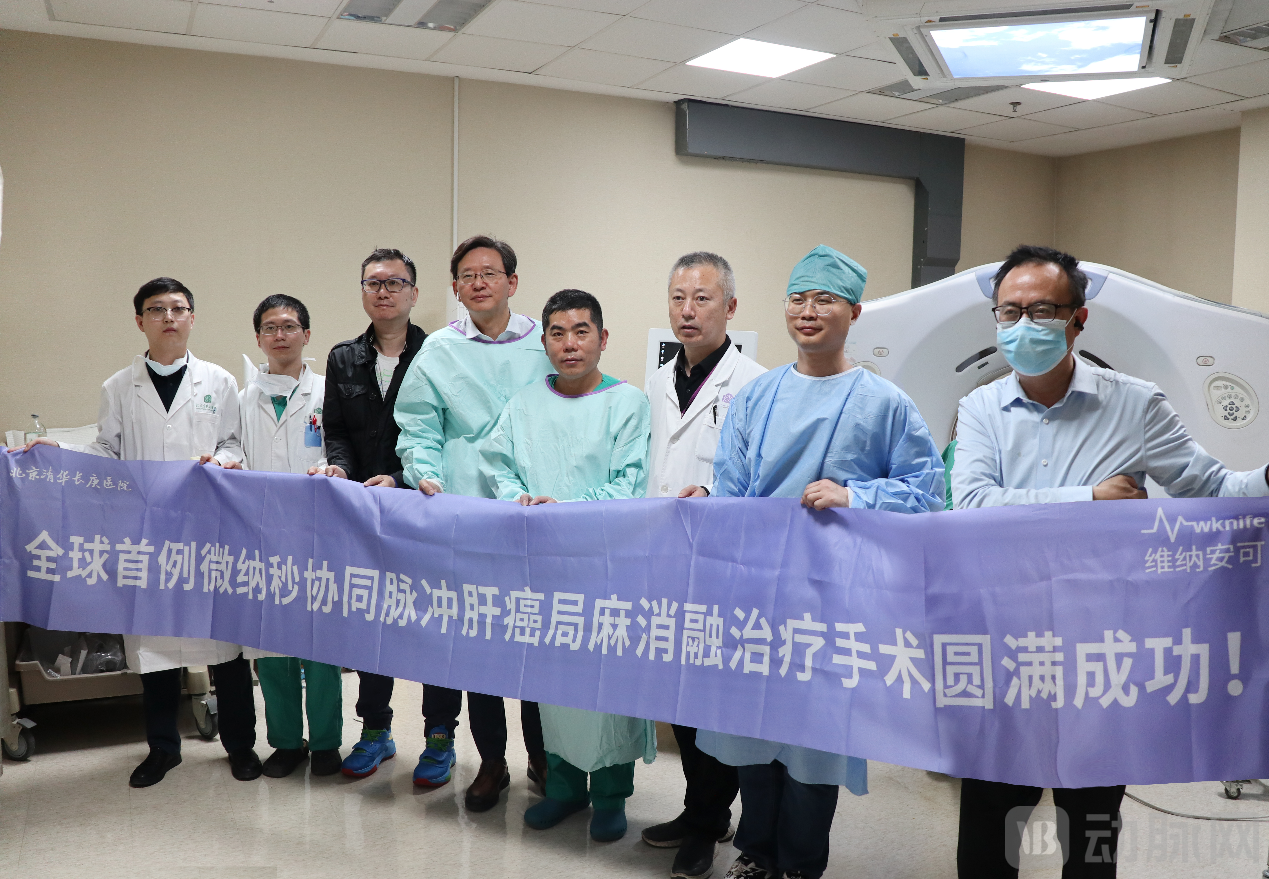
The commercialization of the “Micro-Nano Knife” technology is undertaken by Hangzhou Weinai Anke Medical Technology Co., Ltd. The company has completed the development of its series of pulsed electric field medical devices, which have now fully entered the clinical trial phase. More importantly, Weinai Anke has established a comprehensive portfolio of core patents in irreversible electroporation (IRE) technology, thoroughly breaking the previous predicament where domestically produced IRE devices lacked foundational core patents. This achievement lays a solid foundation for the technology to expand globally and benefit more patients worldwide.