

Rongchong Medical Files IPO Prospectus: Breaking Through National Reimbursement Pressure with a Blockbuster Product Previously Acquired for $1.1 Billion
The pan-vascular intervention market is experiencing rapid development. As centralized procurement becomes normalized and institutionalized, vascular interventional devices will be progressively included in these programs.However, a vast market with substantial unmet clinical needs still holds the potential to nurture companies with ultra-large market capitalizations.
RongChong Medical Core Founding TeamBased on its 20 years of industry experience and profound insights into clinical needs, positioning the company in the R&D of innovative devices for pan-vascular intervention, leveraging its ownExtensive experience in drug-device combination interventional products, end-to-end successful operational expertise in the high-value interventional consumables sector, and top-tier innovative R&D capabilities, with simultaneous deployment ofCardiovascular Intervention, Neurointervention, Peripheral Intervention, and Access DevicesFour Major Sub-sectors.
Core products include the coronary sirolimus-coated drug balloon catheter in the cardiovascular intervention field; intracranial sirolimus drug balloon catheters, balloon aspiration catheters, thrombectomy stents, and intracranial covered stents in the neurointervention field; peripheral sirolimus drug balloon catheters and scoring balloon dilation catheters in the peripheral intervention field; as well as a series of access products such as guiding catheters and angiographic catheters.
Pan-vascular intervention encompasses cardiovascular intervention, neurointervention, peripheral intervention, and vascular access solutions. The cardiovascular intervention market is linked to cardiovascular diseases, with 330 million affected patients in China. The neurointervention market primarily addresses stroke, affecting 13 million patients. Peripheral intervention covers a broader range of conditions with a similarly large patient population, including approximately 40 million patients with lower extremity arterial disease and 100 million patients with varicose veins. Furthermore, vascular access products are essential consumables that provide auxiliary support in every interventional procedure, resulting in higher utilization frequency.
From the perspective of disease burden, cardiovascular disease is the leading cause of death globally, with an estimated 17.9 million deaths annually, accounting for 32% of all global deaths. Of these, 85% are due to heart attacks and strokes (cerebrovascular accidents). In China, the incidence and mortality rates of cardiovascular disease remain the highest among all diseases. In 2019, cardiovascular diseases accounted for 46.74% and 44.26% of all deaths in rural and urban areas, respectively, meaning that two out of every five deaths were caused by cardiovascular disease.
In the interventional treatment of coronary artery stenosis, coronary stents and drug-coated balloons (DCBs) are currently the most commonly used clinical devices. However, from a clinical technical perspective, the role of drug-eluting stents ends after target vessel repair (typically 3–6 months post-PCI), and the lifelong retention of the stent in the body does more harm than good. Substantial clinical evidence has demonstrated that coronary stents may lead to complications such as in-stent restenosis, thrombosis, and infection. Furthermore, patients are required to take antiplatelet medications long-term, which often results in poor compliance and increases the postoperative financial burden on patients. With the growing adoption of the “intervention without implantation” treatment concept, the application of DCBs has become increasingly widespread. The drugs released by DCBs can effectively reduce intimal hyperplasia and prevent restenosis, while avoiding stent implantation and preserving opportunities for future interventional procedures.
Although drug-coated balloons have resolved the issues of thrombosis and long-term prognosis associated with stents remaining in the body for extended periods, most drug-coated balloons currently on the market utilize paclitaxel coatings. Paclitaxel, a lipophilic drug, exhibits certain biological toxicities and may cause complications such as distal embolization. In December 2018, Professor Katsanos from Greece published a meta-analysis indicating that paclitaxel-coated devices increased long-term (2-, 4-, and 5-year) patient mortality compared to non-drug-eluting products. Multiple long-term studies on drug-eluting stents have demonstrated that paclitaxel has significantly inferior safety and efficacy profiles compared to sirolimus-based drugs.
From a pharmacological mechanism perspective, paclitaxel effectively kills cells by disrupting microtubule structures and interfering with cell division, thereby inhibiting cell proliferation. In contrast, rapamycin is a safer antiproliferative agent. The historical use of drug-eluting coronary stents has demonstrated the safety and efficacy of rapamycin-based therapies. Consequently, rapamycin has completely replaced paclitaxel and other drugs in drug-eluting coronary stents.
Previously, the market lacked sirolimus-coated drug-eluting balloons because sirolimus, due to its hydrophilic nature, is prone to detachment during balloon delivery and cannot be rapidly absorbed by blood vessels within a short timeframe. Furthermore, owing to its safer and more effective cytostatic mechanism—which differs from that of paclitaxel—sirolimus-based drugs impose extremely stringent requirements on intravascular drug metabolism kinetics, thereby presenting a significantly high technical barrier.
Rapamycin-coated drug-eluting balloons have previously gained recognition from global medical device giants and the international market. In October 2022, Cordis, a leading company in cardiovascular interventional devices, announced that it would acquire$1.135 billionAcquisition of Med Alliance, a developer of sirolimus-coated drug-eluting balloons, including an initial investment of $35 million, an upfront closing payment of $200 million, regulatory milestone payments of up to $125 million, and performance milestone payments of up to $775 million.
Med Alliance is a Swiss developer of pharmaceuticals for the treatment of arterial diseases, specializing in drug-device combination products for coronary and peripheral artery diseases. Its core product is the “Sirolimus Drug-Eluting Balloon.” It can be said that the sirolimus drug-eluting balloon underpins Med Alliance’s high valuation.
To date, few rapamycin-coated drug-eluting balloons have been approved in the global market. Conventional rapamycin-coated drug-eluting balloons currently under development typically maintain their therapeutic efficacy within the vasculature for only 30–60 days. However, the vascular proliferative process leading to post-procedural restenosis spans up to three months, with a peak period at 4–6 weeks. Therefore, a prolonged drug coverage duration would offer greater clinical applicability and yield more favorable outcomes.
RongChong Medical has developed the Crystal-Pylon drug-coating and balloon surface treatment technologies, which possess core independent intellectual property rights. These innovations address the global challenge of sirolimus’s poor lipophilicity and short pharmacokinetic half-life, which previously prevented sustained long-term efficacy.Innovatively launched the coronary sirolimus-coated balloon catheter。
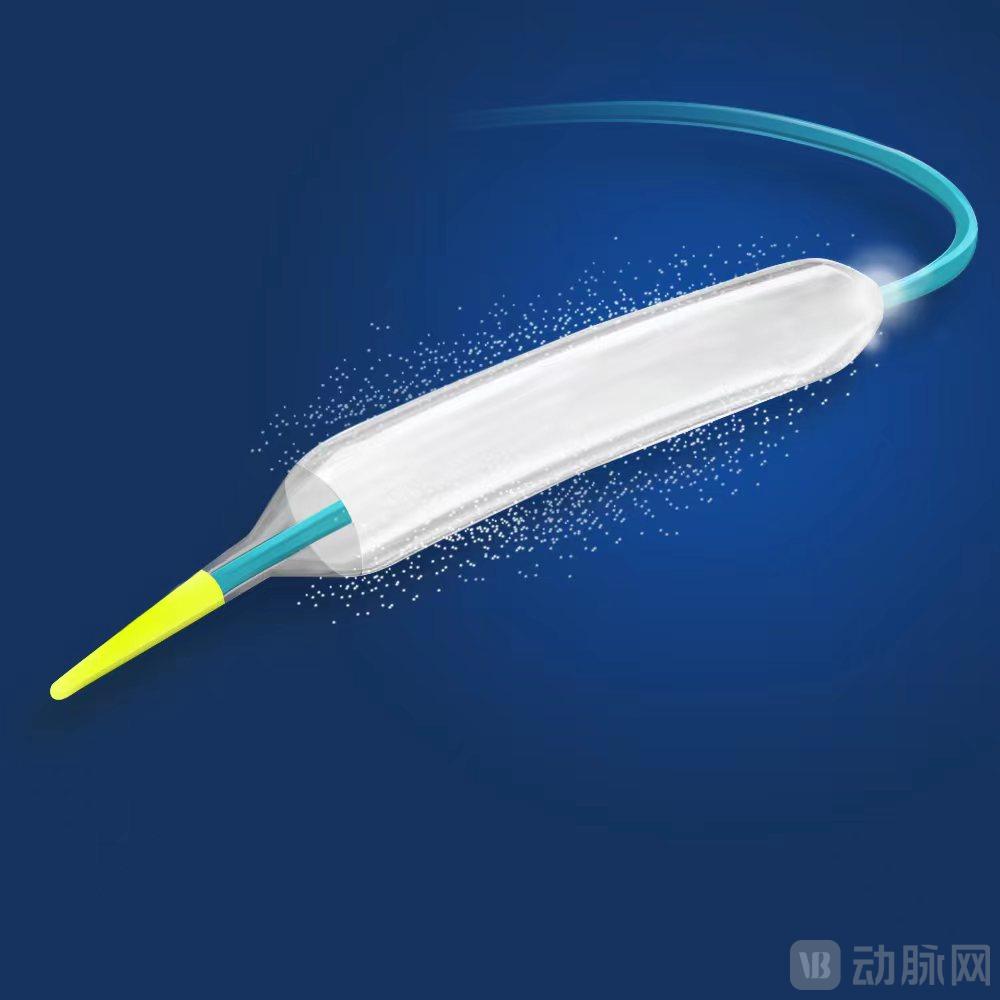
Technically, an array of pores is constructed on the balloon surface to create micro- and nano-scale structures, which enhances drug adsorption and adhesion. This reduces drug loss during treatment and improves immediate drug release capabilities. The proprietary Crstal-Pylon drug-coating technology controls drug retention duration by regulating particle size through a composite manufacturing process. This converts the drug into a specific state with controlled particle sizes, thereby extending its half-life and increasing its retention time within vascular tissue.
Compared with traditional products, RongChong Medical's developedSirolimus-coated drug-eluting balloons have thoroughly resolved the adverse effects associated with long-term stent implantation, as well as the unresolved issues concerning the safety and efficacy of paclitaxel.The drug’s efficacy is maintained within the vasculature for 60–90 days, essentially covering the vascular proliferation cycle and representing a world-leading level.
RongChong Medical’s coronary sirolimus-coated drug balloon catheter has entered the clinical trial phase and is expected to receive market approval next year, securing a first-mover advantage.
Leveraging world-class innovation and R&D capabilities, along with proven end-to-end operational expertise in high-value interventional consumables, RongChong Medical has filed 16 patents based on its drug-coated balloon technology, including three invention patents, and expects to maintain an annual output of more than 10 patents in the future.
Overall, RongChong Medical’s portfolio of next-generation products, including sirolimus-coated drug-eluting balloons, offers superior clinical advantages over conventional devices. Leveraging innovative R&D and high-quality products, RongChong Medical has firmly secured a competitive edge in the market.。
The core team members of RongChong Medical possess extensive experience in the research and development, as well as the market launch, of interventional medical devices. The team has successfully completed the full lifecycle—including development, regulatory registration, and commercial operation—of a domestically pioneered product.Possesses proven end-to-end operational expertise in the field of high-value interventional consumables.
Cao Bo, Founder and CEO of RongChong Medical, brings over two decades of experience in the medical device industry. Having previously served as the Head of Technology and Operations at a leading domestic medical device enterprise, he possesses extensive expertise in industrial operations, particularly in product development and operational management for both passive and active medical devices. He stated, “Our achievements stem from RongChong Medical’s commitment to avoiding mere imitation. Since our inception, we have focused on addressing clinical pain points through original innovation. Our innovative medical device designed to treat acute aortic dissection is currently under development. This product will completely resolve the final challenge in achieving ‘implant-free’ percutaneous coronary intervention (PCI). It is expected to synergize effectively with our other products, ultimately delivering a comprehensive clinical solution for fully implant-free interventional procedures, thereby bringing significant benefits to patients with cardiovascular diseases.”
Yin Bo, Co-founder and CTO of RongChong Medical, has presided over three projects funded by the National Natural Science Foundation of China, as well as five other initiatives, including Sichuan Provincial International Cooperation Projects, independent research projects of the State Key Laboratory, and Sichuan University’s Excellent Young Scholars Fund and Youth Fund. He possesses robust R&D capabilities and extensive experience. Furthermore, the R&D team led by Professor Yin Bo demonstrates exceptional innovation and development prowess.
In terms of R&D, RongChong Medical has established close collaborations with leading domestic hospitals and engaged in interactive partnerships with top-tier experts since the early stages of product development. For instance, during the development of its sirolimus-coated coronary balloon catheter, RongChong Medical collaborated with renowned Grade 3A hospitals, including Beijing Anzhen Hospital, West China Hospital, and Peking University Third Hospital, achieving productive synergy through bidirectional feedback.
RongChong Medical secured tens of millions of yuan in Pre-A round financing from Zhongnan Venture Capital, Shenglong Venture Capital, and individual investors in September 2022, and is currently raising its Series A round.
Dr. Zhao Kai, Investment Director at Zhongnan Venture CapitalIt stated that the concept of “intervention without implantation” aligns with clinical needs and patient benefits, and its market space will continue to expand against the backdrop of tightening payment policies. In the field of drug-coated balloons, sirolimus, as a drug offering both safety and efficacy, is poised to replace paclitaxel once breakthroughs in coating technology are achieved. Based on industry development logic, Zhongnan Capital focuses on product portfolio capabilities that meet genuine clinical demands and on flagship products capable of driving broader market penetration. Adhering to the philosophy of “empowering technology with capital and benefiting humanity through technology,” it bets on the direction of industry upgrading. The execution capability and ability to achieve localized breakthroughs demonstrated by the RongChong Medical team have left a deep impression on us. We believe that RongChong Medical will steadily advance product R&D and deliver high-quality products to patients at an early date.
Feng Qian, Managing Partner of Shenglong Venture CapitalIt was stated that the advent of the “no-implant era” has raised higher demands for innovative R&D in interventional medical devices. For many years, RongChong Medical has adhered to the path of original research and development of high-end devices. Its proprietary coating technology has provided a feasible pathway for the launch of sirolimus-coated drug balloons. We are firmly confident in the R&D capabilities and market prowess of the RongChong Medical team and are committed to supporting the company’s steady and long-term growth. We look forward to seeing RongChong Medical leverage its superior coating technology to accelerate its layout and build a robust pipeline in fields such as neurovascular and peripheral interventions, thereby benefiting more patients.