

Huake Medical's SinoLITT System: China's First MR-Guided Laser Ablation Platform for Neurosurgery Gains NMPA Approval

Sinovation
Neurosurgical Surgical Robot Developer
Recently, the “MRI-Guided Semiconductor Laser Therapy System” and the “Disposable Laser Fiber Optic Kit,” independently developed by Sinovation (Beijing) Medical Technology Co., Ltd. (hereinafter referred to as “Sinovation”), have received marketing approval from the National Medical Products Administration (NMPA). These products are indicated for laser ablation of focal lesions in patients with drug-resistant epilepsy who have clearly identified epileptogenic zones or well-defined epileptic conduction pathways.
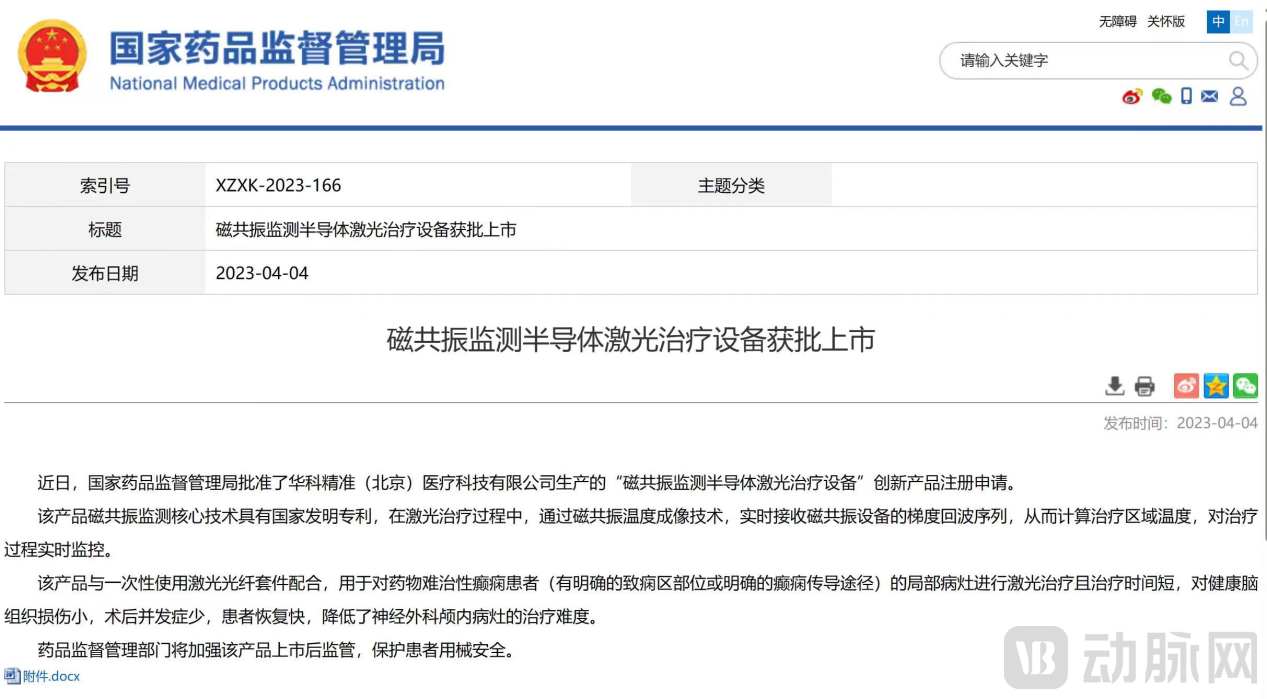
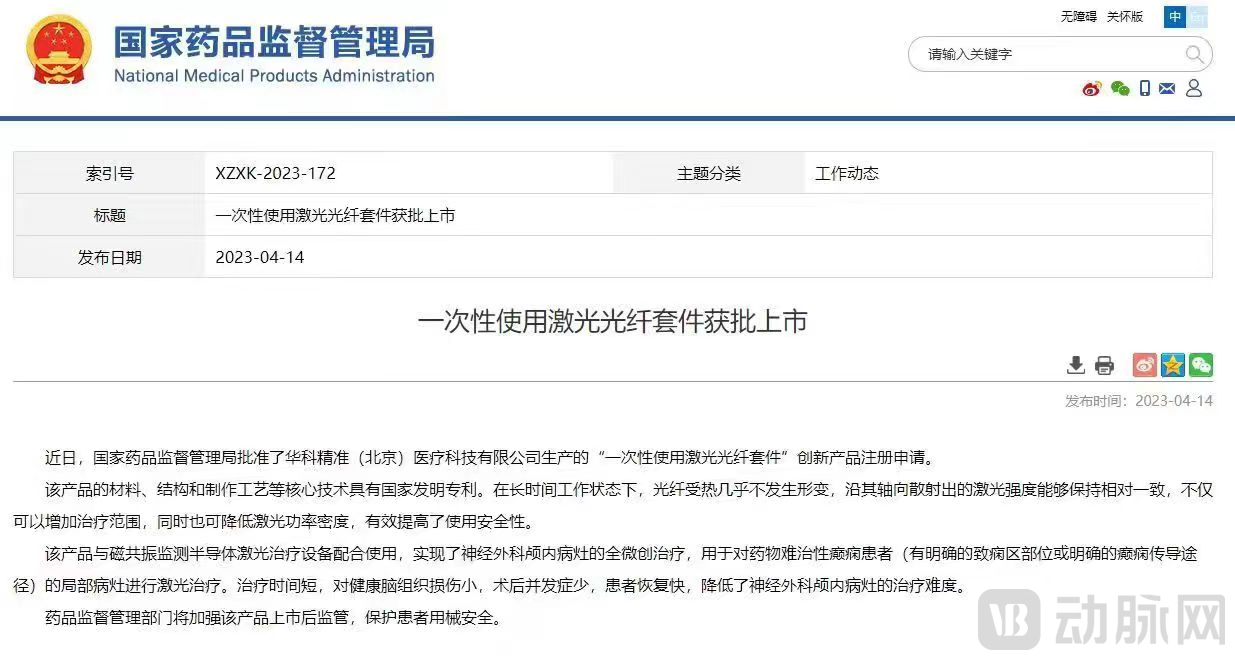
It is worth mentioning that the product approved for Sinovation this time——MRI-Guided Intracranial Laser Ablation Device(hereinafter referred to as the "SinoLITT System")ResolvedOver the past few decades,Issues with minimally invasive ablation technology in clinical applications, including small ablation volume, unclear and uncontrollable ablation range, severe edema, and damage to normal brain tissue,Achieved minimally invasive, visualized, and precise ablation, is an innovative solution in the field of minimally invasive neurosurgical treatment.
The NMPA certification obtained by the company this time isChina's FirstRegarding relevant certifications, Sinovation isThe World's ThirdA company capable of independently developing, manufacturing, and commercializing MRI-guided intracranial laser ablation devices.
To date, Sinovation has established a comprehensive solution covering the entire neurosurgical diagnosis and treatment workflow, from diagnosis, preoperative planning, intraoperative navigation and positioning, and intraoperative treatment to postoperative real-time monitoring. A total of four of its products have entered the National Medical Products Administration’s Special Approval Channel for Innovative Medical Devices, and the company holds multiple Class III medical device registration certificates. The recent product approval not only affirms the correctness of Sinovation’s strategic direction in building a full-process neurosurgical diagnosis and treatment solution but also exemplifies China’s innovative strength.
In the treatment of neurosurgical conditions such as refractory epilepsy, brain tumors, and radiation-induced brain necrosis, a significant proportion of lesions are located in deep intracranial regions or eloquent areas. Due to objective constraints imposed by anatomical structures, conventional craniotomy approaches may sometimes fail to adequately access these lesions, and surgical outcomes heavily depend on the surgeon’s experience and technical expertise. For certain small, deep-seated lesions, less experienced surgeons may struggle with accurate localization and achieving complete, safe resection. Consequently, only high-level neurosurgical centers possess the capability to perform such complex procedures. Furthermore, craniotomy is time-consuming and associated with relatively numerous contraindications and complications, causing many patients to miss therapeutic opportunities due to intolerance.
In recent years, the rapid development of technologies such as microwaves, radiofrequency, ultrasound, and electromagnetic waves has brought breakthroughs in related clinical treatment methods. Thermal ablation, characterized by concentrated energy, ease of control, and high precision, has rapidly emerged. Among them,MRI-Guided Laser Interstitial Thermal Therapy (MRgLiTT)As a therapeutic approach that utilizes the thermal effects of lasers to ablate target tissue, it offers a larger and more precise, reliable ablation zone compared to other minimally invasive treatments for intracranial lesions (such as stereotactic radiosurgery, focused ultrasound, and radiofrequency thermocoagulation), while simultaneously reducing the incidence of complications.
As a novel minimally invasive therapeutic technique, MRgLiTT enables precise ablation of pathological tissue. Under real-time MRI guidance and monitoring, physicians implant a slender laser optical fiber directly into the intracranial lesion. Infrared laser energy is then uniformly scattered and delivered through the fiber to heat the brain tissue, thereby achieving targeted ablation.
Currently, not only have multiple early studies demonstrated the safety and efficacy of MRgLiTT technology in patients with intracranial lesions, but the AANS and CNS also jointly published an expert consensus on the application of MRgLiTT in 2021, supporting its use.With the advancement of related technologies and the validation of the efficacy of MRgLiTT in clinical trials across various countries, the application of MRgLiTT in neurosurgery has become increasingly widespread.
However, it is regrettable that despite the maturity of the technology, there has been a nearly 16-year absence of relevant domestically produced equipment in China since the U.S. FDA approved MRgLiTT for the treatment of intracranial diseases in 2007.Currently, only two MRgLiTT treatment systems have received FDA approval for the treatment of brain lesions: Medtronic’s Visualase system in the United States and Monteris’ NeuroBlate system in Canada. Neither technology has been introduced or adopted for clinical use in China.
To address the aforementioned pain points,Sinovation strategically positioned itself in this field at an early stage, developing the domestically produced MRgLiTT system—SinoLITT—in 2020. The company initiated pre-market clinical trials in the same year, submitted its registration application in 2022, and ultimately received market approval in 2023.After years of R&D practice, Sinovation has finally established a comprehensive solution covering the entire workflow from neurosurgical diagnosis, preoperative planning, and intraoperative navigation and positioning to real-time monitoring of treatment.
The approval of the SinoLITT system and the disposable laser fiber optic kit marks a significant milestone in Sinovation’s realization of a comprehensive solution for neurosurgical diagnosis and treatment. It introduces a transformative innovation—“fully visualized, precise ablative minimally invasive surgery”—to neurosurgical procedures, effectively filling a gap in the domestic market and delivering tangible benefits to patients.
According to data from the World Health Organization (WHO), approximately 50 million people worldwide suffer from epilepsy, with nearly 5 million new cases diagnosed annually, resulting in a substantial patient population. Although anti-seizure medications (ASMs) are currently the first-line treatment for epilepsy, nearly one-third of patients do not respond to pharmacological therapy. MRgLiTT is an important therapeutic approach for drug-resistant epilepsy.
Following FDA approval of MRgLiTT for the treatment of intracranial diseases, its application in epilepsy has also rapidly advanced.
Statistical data from the literature indicate that thousands of patients with epilepsy worldwide have undergone MRgLiTT procedures, for pathologies including hypothalamic hamartomas, mesial temporal sclerosis, focal cortical dysplasia, various developmental tumors, and cavernous vascular malformations. According to numerous published reports, the efficacy of MRgLiTT in treating epilepsy caused by these diverse pathologies is non-inferior to that of traditional open craniotomy resective surgery.
Beyond refractory epilepsy, MRgLiTT can also be used to treat neurosurgical conditions such as brain tumors and radiation-induced brain necrosis, pointing to an even broader market potential.
According to data from the "Report on the Development of Oncology Disciplines in China (2021)," the annual incidence of gliomas has reached 3–6.4 per 100,000 population, accounting for approximately 23.3% of all central nervous system tumors and 78.3% of malignant tumors, indicating a substantial patient population. Furthermore, due to factors such as the high malignancy and propensity for recurrence of gliomas, limited clinical treatment options, and poor disease prognosis, the 5-year survival rates for anaplastic glioma and glioblastoma are only 29.7% and 5.5%, respectively. Consequently, unmet clinical needs continue to rise.
Currently, the company’s SinoLITT system has been successively implemented in multiple top-tier Grade 3A hospitals across China for minimally invasive ablative treatment of intracranial diseases. Multicenter trials have demonstrated that treatment with this system yields significant predictable benefits, including minimal trauma, high safety, shorter hospital stays, and fewer complications. Leveraging these advantages, MRgLiTT is poised to further transform surgical paradigms for brain conditions within its indications and achieve widespread clinical adoption in the future.
The SinoLITT system was independently developed by Sinovation in collaboration with Tsinghua University and multiple hospitals. Sinovation holds full intellectual property rights and invention patents for the system.
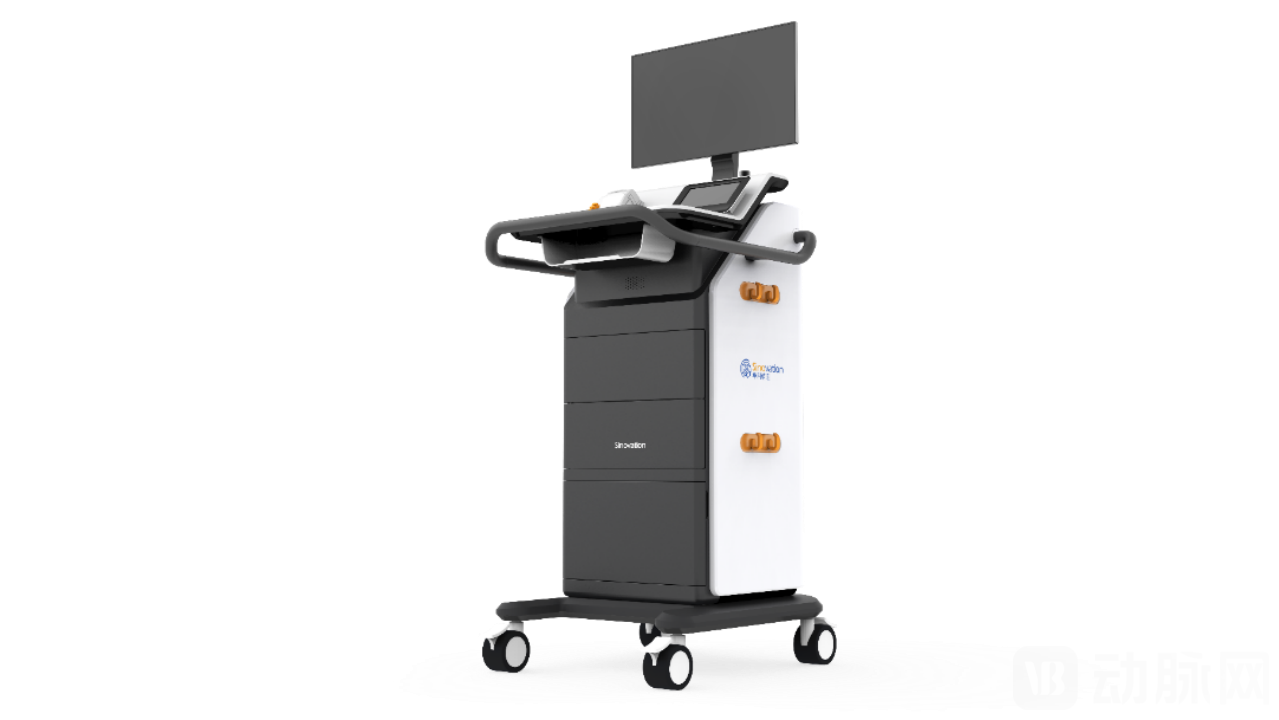
It is reported that,The SinoLITT system consists of the main device unit, accessories, surgical planning software, and a single-use MRI-compatible laser fiber optic kit. The system employs an optimized magnetic resonance thermometry algorithm and advanced tissue ablation assessment algorithms., simultaneously"Intelligent surgery featuring preoperative planning of insertion paths and ablation zones, real-time intraoperative monitoring of intracranial temperature, and computational assessment of tissue ablation areas", thereby achieving ablation of the lesion without damaging the surrounding normal brain tissue.
Moreover, after accumulating data at specific temperatures and over time, the SinoLITT system can calculate the ablation zone,Achieves temperature accuracy within 1°C, with ablation temperature refresh rate reduced to 4 seconds per update, nearly doubling the refresh speed compared to international products.
“These seemingly simple metrics are, in fact, highly groundbreaking. Even marginal improvements in temperature accuracy and the refresh rate of ablation temperatures can significantly enhance surgical precision. This achievement is the result of the company’s persistent efforts in mastering foundational technologies, as well as optimizing and iterating its algorithms. This outcome has also instilled great confidence in Sinovation. Although domestically produced equipment in this field was absent for nearly 16 years, we still believe that the SinoLITT system is highly competitive.”Liu Wenbo, Co-founder and CTO of Sinovation, told VCBeat.
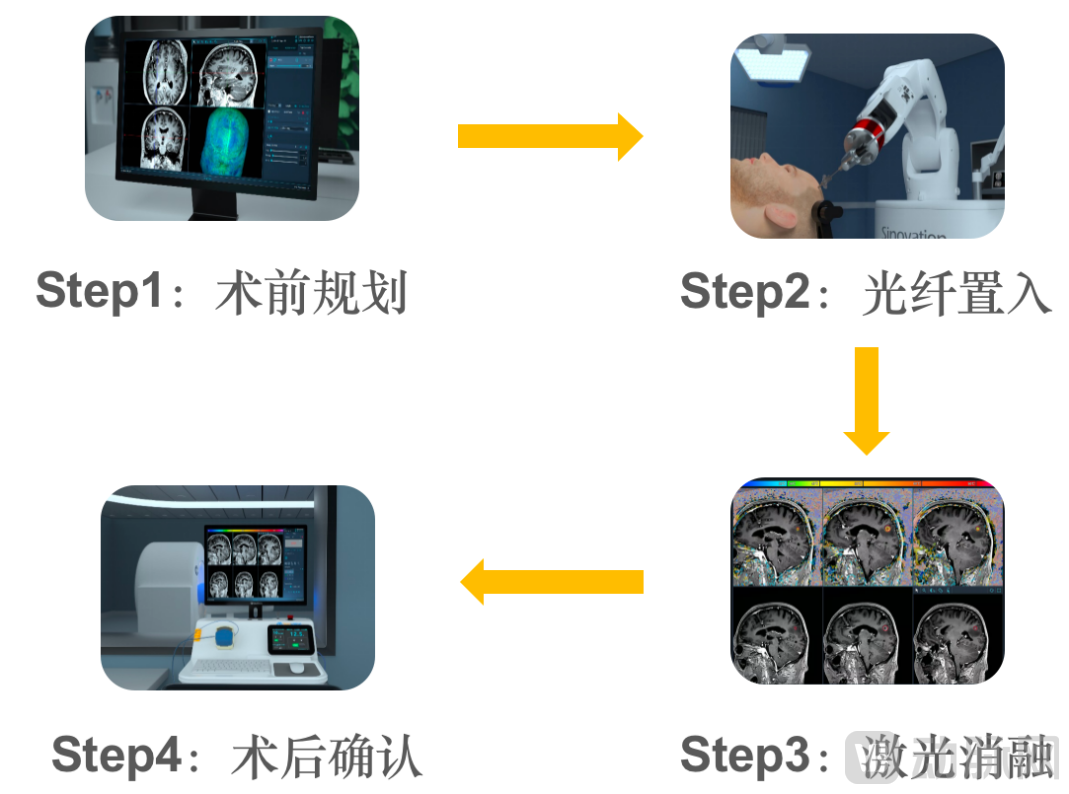
Specifically, on the eve of disease treatment, the SinoLITT system can analyze and post-process patients' preoperative medical images (such as CT, MRI, PET, etc.), allowing doctors to observe the three-dimensional morphology of the lesion and the distribution of surrounding tissues, confirm the relationship between surrounding nerves and blood vessels and the lesion, thereby formulating a safe and precise ablation plan to ensure that patients are not injured. After routinely fixing the patient's head, under the auxiliary positioning guidance of the robot, doctors only need to create a small incision of 3mm to establish a safe surgical pathway. Subsequently, locking a cooling sleeve with a diameter of only 1.8mm onto the skull and placing a scattering optical fiber inside the sleeve completes the treatment. The device is removed immediately after the surgery, and the patient only needs one stitch.
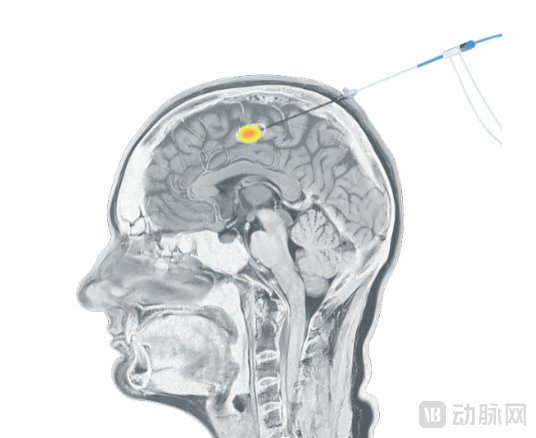
In summary, the SinoLITT system effectively enables visualized ablation, minimally invasive and precise surgery, minimal tissue damage, and efficient ablation, thereby further optimizing the neurosurgical workflow.
As the third company globally and the first in China to complete the research and development of an MRI-monitored semiconductor laser treatment device, obtaining approval for the SinoLITT system was no easy feat.
Since its inception in 2018, Sinovation has focused on addressing technical challenges related to precise monitoring, uniformity of laser ablation, and manufacturing processes and materials. After overcoming these technical hurdles, the company successively initiated animal studies and clinical trials to validate the safety and efficacy of its products. Subsequently, Sinovation not only identified a path for innovative breakthroughs by introducing MRgLiTT therapy to China—achieving a milestone from scratch—but also gradually refined its comprehensive end-to-end solutions for neurosurgery through sustained independent research and development.
“The SinoLITT system is a comprehensive platform, with R&D and design encompassing the main unit equipment, MRI monitoring systems, consumables, material processing techniques, image post-processing, fiber optic scattering issues, and medical device stability, among others. The complexity of its product development is self-evident. It can be said that our successful development of this product has been made possible by Sinovation’s years of experience in the R&D and manufacturing of consumables, its background in image processing and image-guided surgical R&D, as well as the company’s ongoing collaborations with hospitals and research institutions,” said Liu Wenbo.
In fact, as early as the company’s inception, the three co-founders of Sinovation established intelligent neurosurgical surgery as their core strategic direction. In the subsequent development process, they achieved breakthroughs in key underlying technologies, including electrode localization, image reconstruction, registration technology, spatial positioning, software interaction, mechanical control, system integration, laser energy control, ablation model construction, and MRI compatibility. Following the regulatory approval of their intracranial electrodes and neurosurgical navigation robots, both products secured significant market share.
With the approval and market launch of its flagship product, the SinoLITT system, Sinovation’s product portfolio has essentially taken shape. On one hand, this will enable Sinovation to deepen its relationships with medical institutions and gradually establish its position as a platform company providing comprehensive solutions in the field of intelligent neurosurgical surgery in China. On the other hand, the accessible market size held by Sinovation is poised for further significant growth.
However, this is not the endpoint for Sinovation.
At the conclusion of the discussion, Liu Wenbo stated, “Sinovation will have a batch of neurosurgical operating room equipment and consumables successively approved for market launch. We will continue to drive product innovation and iteration, develop comprehensive solutions covering the entire neurosurgery workflow, and explore new business models, with the aim of developing products that truly address clinical pain points.”
Reference Article:
1. Operational Guidelines for Magnetic Resonance Imaging-Guided Laser Interstitial Thermal Therapy in the Treatment of Drug-Resistant Epilepsy
2. A Review of Research on Temperature Field Simulation Techniques for Laser Interstitial Thermal Therapy of Brain Tumors
3. Current Status of Laser Interstitial Thermal Therapy in the Treatment of Brain Diseases
4. New International Therapies for Malignant Gliomas: A Detailed Explanation of Laser Interstitial Thermal Therapy