

Qihe Biotech Secures Over RMB 100 Million in Pre-A Financing to Accelerate Gene Editing Technology Development and Applications
QI Biodesign
Developer of New Gene Editing Technology
VCBeat has learned that Suzhou QI Biodesign Biotechnology Co., Ltd. (hereinafter referred to as“QI Biodesign” has completed a Pre-A financing round of over RMB 100 million, led by Chende Capital, with participation from Source Code Capital, Gaorong Capital, China-Singapore Capital, and Xinshang Capital. The funds raised in this round will be primarily used for the development of next-generation, independently controlled, precise gene-editing tools and the expansion of its gene-editing product pipeline. This financing will further empower QI Biodesign to maintain its pioneering innovation advantage in the research and development of foundational plant gene-editing technologies and accelerate the commercialization of gene-edited biological breeding.
QI Biodesign, established in 2021 by renowned international gene-editing scientist Dr. Caixia Gao and Dr. Kevin Zhao, is a high-tech biotechnology enterprise dedicated to developing novel, independently controllable gene-editing technologies. The company has achieved significant progress in discovering new foundational gene-editing tools, optimizing proprietary gene-editing platforms with independent intellectual property rights, developing safe and efficient delivery systems, and creating breakthrough germplasm resources, thereby forming a high-tech industrial chain centered on its SEEDIT™ platform. Previously, QI Biodesign completed a seed funding round exceeding RMB 100 million, led by Xingze Capital, an investment firm specializing in the life sciences sector.
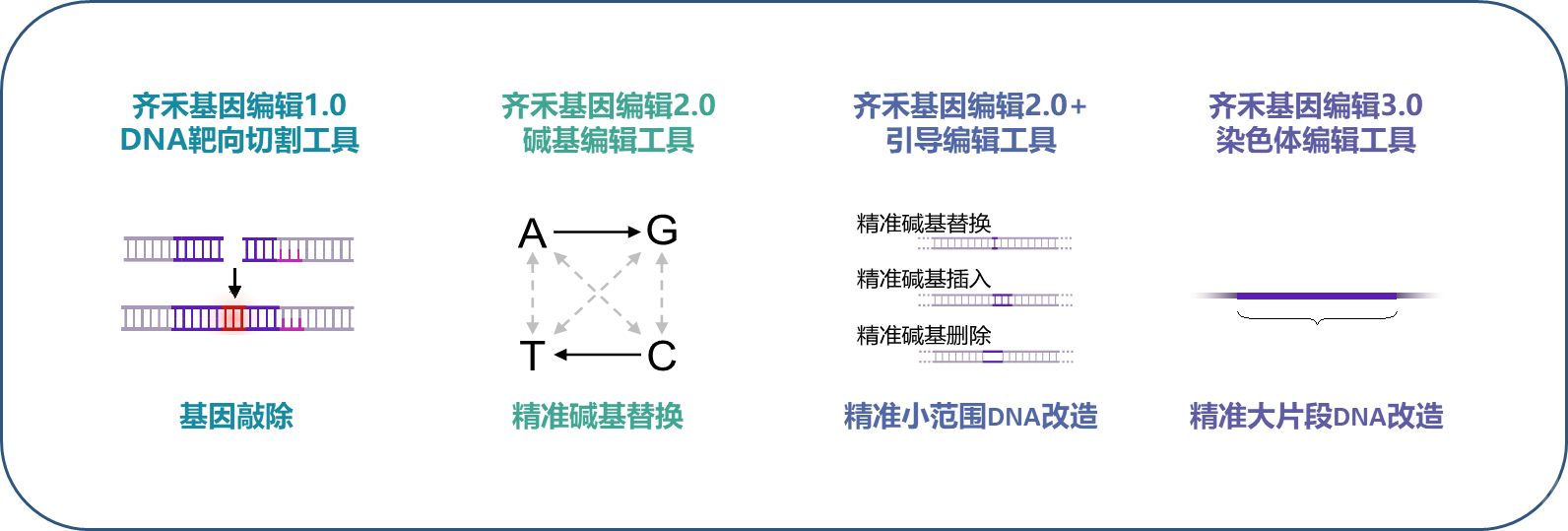
Pursuing original innovation has always been the core element enabling QI Biodesign to establish itself and thrive in the rapidly evolving industry. Leveraging years of R&D accumulation in plant gene editing technologies, the company has mastered a series of core gene editing technologies based on the CRISPR-Cas system. These capabilities enable complex gene/genome operations in plants, including gene knockout, precise base substitution, precise deletion of DNA fragments, fine-tuned regulation of gene expression, and precise knock-in of long DNA fragments. Currently, scientists across various fields worldwide are exploring multifaceted strategies to develop tools capable of achieving precise, efficient, and targetable large-fragment gene insertion. QI Biodesign has fully initiated the layout and R&D of next-generation, precise, efficient, and independently controllable chromosome editing tools. By designing and developing systems for precise, site-specific insertion of large gene fragments, the company aims to achieve the site-specific insertion of multiple target genes across various plant species. This approach facilitates the rapid and precise stacking of new traits while ensuring that exogenous genes do not disrupt plant growth.
Advancing the industrialization of gene-edited breeding has always been the driving force behind QI Biodesign’s steadfast commitment to national strategic priorities. The company has established a comprehensive crop development system that meets the R&D needs for delivery technologies across diverse plant species. To date, it has developed transient in vivo editing efficiency assessment systems for over 30 plant species, utilizing protoplasts or Agrobacterium rhizogenes-mediated transformation. Notably, QI Biodesign has achieved autonomous delivery capabilities not only for major global food crops such as rice, wheat, soybean, and maize, but also for plants widely recognized as difficult to transform, including sugar beet, mung bean, and Chinese cabbage. Leveraging its “advanced tools + precise delivery” product development framework, QI Biodesign has successfully achieved precise improvements in yield and quality traits of multiple food and economic crops, examples of which include powdery mildew-resistant wheat, herbicide-resistant rice, high-sweetness strawberries, and high-vitamin C lettuce.

Dr. Kevin, Co-founder and Chief Technology Officer of the CompanyIt stated: “Since CRISPR-Cas9 was first applied to gene editing in 2012, gene editing technologies have undergone several iterations. The first-generation CRISPR technology has been rapidly adopted across multiple fields of life sciences research; however, its editing exhibits a certain degree of randomness, resulting in uncontrollable mutation types and making it difficult to achieve precise improvement of agronomic traits in crops. The second generation of gene editing technologies, primarily represented by base editing and prime editing, has advanced to enable arbitrary substitution of the four nucleotide bases and precise insertion or deletion of short DNA fragments, marking a leap from imprecise to precise editing. Currently, global gene editing technology has entered the third phase of research and development. A major challenge in the field of genome editing is how to achieve efficient manipulation of large DNA fragments or even at the chromosomal level. This technical hurdle holds immense significance for both gene therapy and agricultural breeding. This financing round will further accelerate QI Biodesign’s R&D efforts in next-generation precise and efficient gene editing technologies. The company will focus intensively on developing technologies for targeted insertion of large DNA fragments, thereby broadening and diversifying its gene editing product pipeline, and contributing to the industrial application of biological breeding in China.”
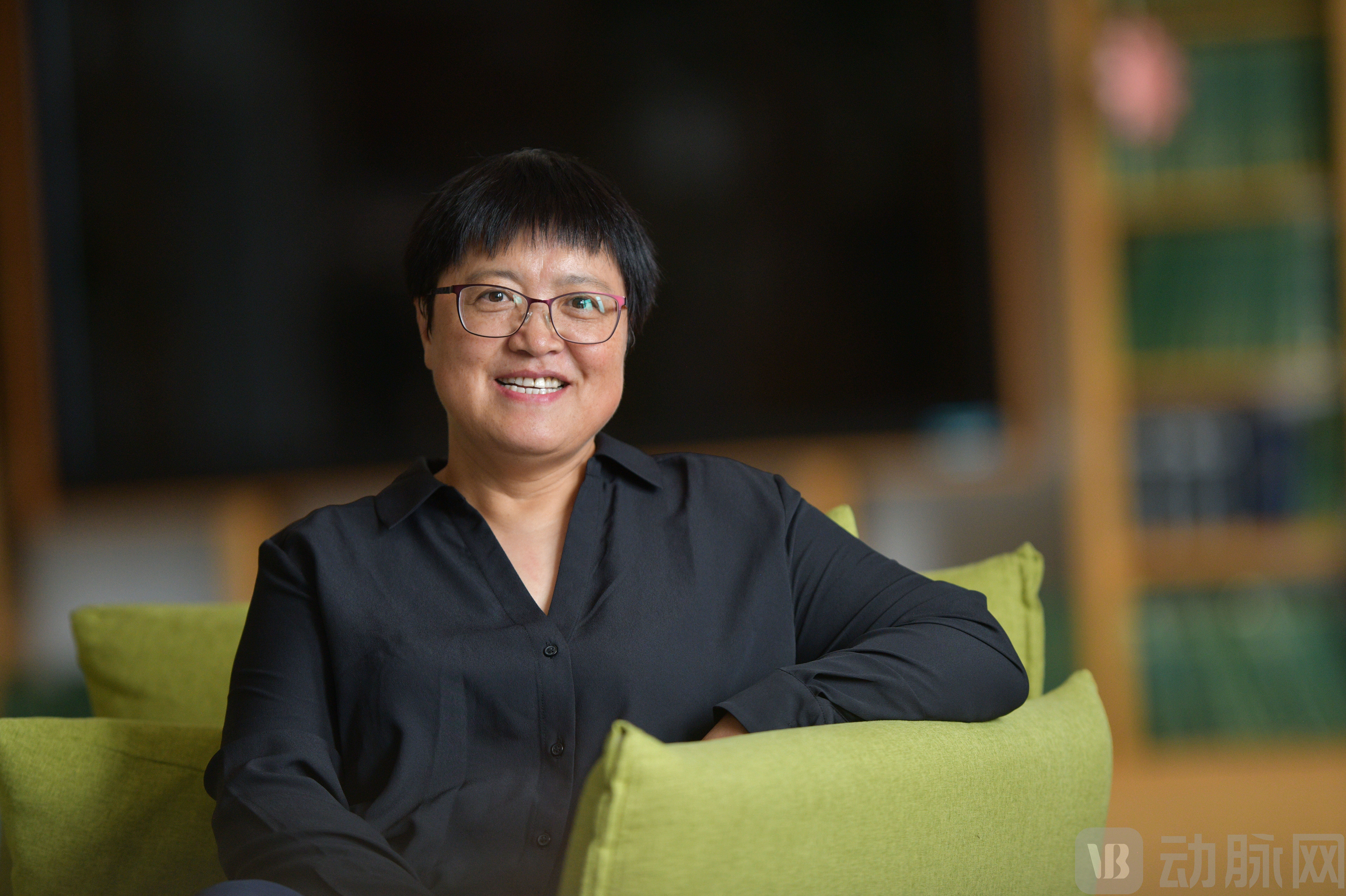
Gao Caixia, Co-founder and Chief ScientistHe stated, “We extend our sincere gratitude to Chende Capital and all new and existing shareholders for their trust and support, and we thank our team for their hard work and dedication. This financing round holds significant importance for the development of QI Biodesign, further strengthening our strategic resolve in advancing core gene-editing technology R&D and implementing the industrialization strategy for bio-breeding. It has substantially enhanced QI Biodesign’s comprehensive competitive advantages for future growth. Moving forward, QI Biodesign will seize the opportunity presented by the national revitalization of the seed industry, address the critical needs of public health and national priorities, remain at the forefront of gene-editing technology development, and strive to develop more gene-edited products that benefit farmers’ cultivation practices and consumers’ dietary needs.”
Chende CapitalChende Capital stated: “We are optimistic about the immense potential of gene editing technology for future development, as well as its prospects for commercial application in the field of biological breeding. As a new entrant in China’s gene editing sector, QI Biodesign has established strong first-mover advantages and resource reserves in plant gene editing technology, leveraging its specialized R&D team. Chende Capital is pleased to have the opportunity to lead QI Biodesign’s Pre-A financing round. We look forward to QI Biodesign developing highly promising gene editing products and bringing them to market swiftly, thereby contributing to national food security and meeting consumers’ aspirations for a better quality of life. We believe that QI Biodesign will usher in a new wave of transformation in China’s gene editing industry.”