

GenoMatrix Bio Announces China's First Breast Organoid Consortium Standard to Advance Industry Standardization and Clinical Translation
Over the past decade, organoid technology has been regarded as one of the most exciting breakthroughs in disease model research serving fields such as precision medicine and new drug development.
Since the first successful cultivation of intestinal organoids by Hans Clevers’ laboratory in 2009, organoid technology has advanced rapidly. In recent years, China has continuously strengthened its expertise and resources in organoid research, with the application prospects of organoid technology also being highlighted in the National Key Research and Development Program during the 14th Five-Year Plan period.
As an emerging technology in the life sciences, organoids have been rapidly applied to basic research, clinical translation, and industrial production. However, the industry as a whole remains in its early developmental stage. In China, there are significant gaps in the operational protocols for organoid disease models, particularly in process control during culture, testing parameters, and evaluation metrics. These deficiencies will hinder efficient organoid research and their translation into clinical studies.
To promote and guide research on the construction of breast organoids, standardize practices, and steer the healthy development of the industry, the Disease Model Professional Committee of the Chinese Medicine Biotechnology Association led the drafting of China’s first group standard, “Guidelines for the Preparation, Cryopreservation, Thawing, and Identification of Human Breast and Breast Cancer Organoids” (hereinafter referred to as the “Group Standard”), which was recently approved and released.
On April 16, 2023, the Chinese Association of Medical Biotechnology, as the host organizer, joined hands with Jingke Biotechnology to hold the “Launch Conference of China’s First Group Standard for Breast Organoids and the Summit Forum on Breast Organoids” in Futian District, Shenzhen. The conference released the first group standard for breast organoids in China, providing standardized procedures and recommended methods for the preparation, subculturing, cryopreservation, thawing, and identification of human normal breast and breast cancer tissue organoids. This initiative is conducive to promoting and guiding research related to organoid construction, assisting clinical professionals in applications such as elucidating the pathogenic mechanisms of breast cancer, drug screening, and tumor therapy, thereby regulating and fostering the healthy development of the industry.
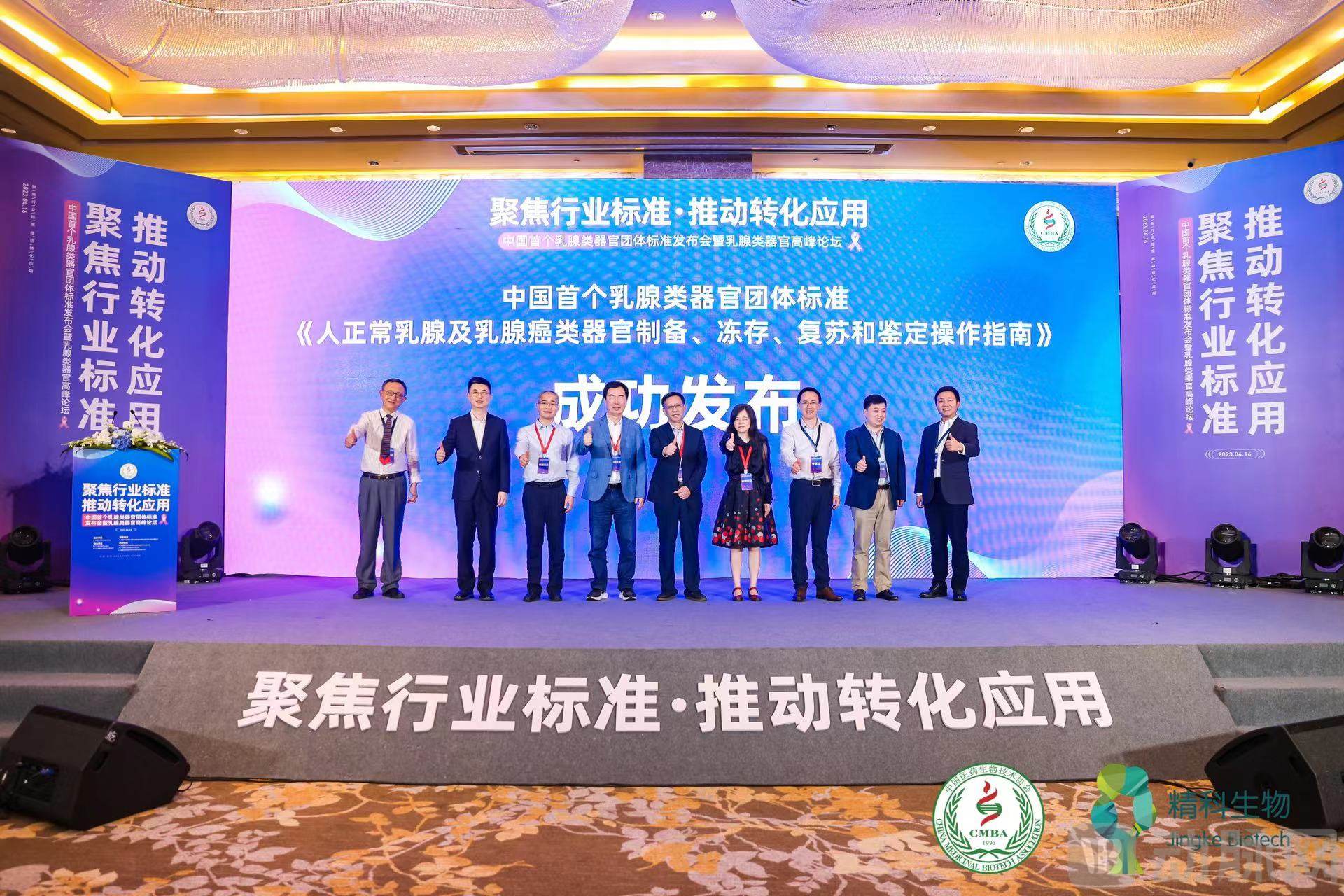
China’s First Group Standard for Breast Organoids Officially Released
How Far Has Organoid Technology Advanced? Why Do We Need Standardization? What Can Standardization Bring to the Development of the Organoid Industry? VCBeat interviewed participating experts, aiming to provide references for the advancement of organoid technology and industry development.
Standardization is a major challenge in driving organoids toward the broad clinical market
Organoids represent a cutting-edge technology of significant innovation that has emerged in recent years. They not only facilitate a deeper understanding of biological development and the pathogenesis and progression of diseases but also hold immense potential for application in biomedical translational research, including drug screening, assessment of drug toxicity and toxicological responses, and gene and cell therapies. This technology was recognized by *Science* as one of the Top 10 Scientific and Technological Advances of the Year.
Organoids, derived from stem cells, can largely recapitulate the genetic and epigenetic characteristics of target tissues or organs, offering advantages such as short culture cycles, high throughput, and strong clinical relevance. This has also spurred broad prospects for their clinical applications.
Organoids can serve as in vitro models for a variety of diseases, enabling in-depth exploration of the nature of human diseases and the development of effective interventions. They hold broad application prospects in multiple areas, including new drug development, drug sensitivity testing, exploration of novel diagnostic and therapeutic strategies, discovery of new targets, elucidation of disease pathogenesis, and regenerative medicine.
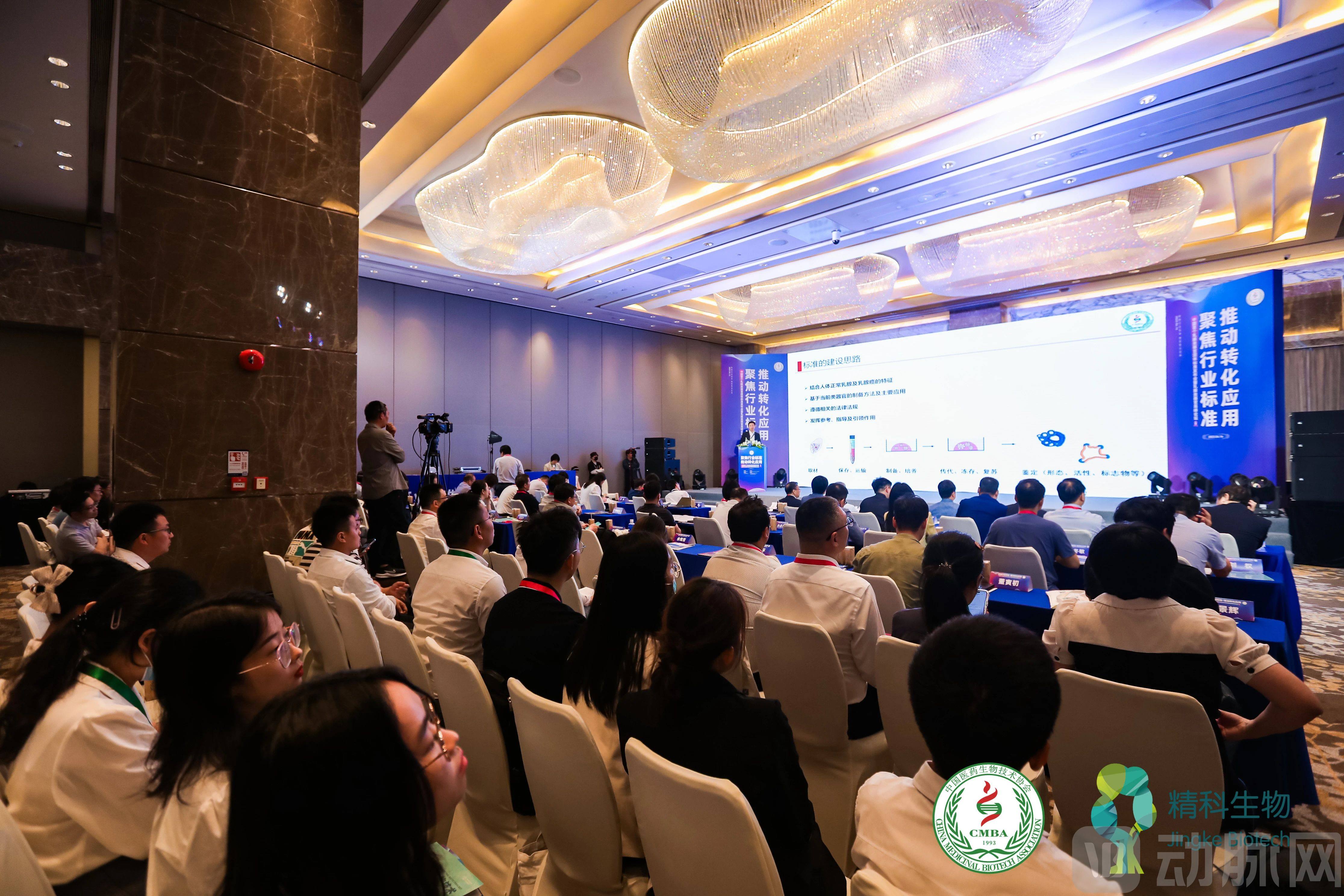
Conference Venue
Professor Li Hong, Guangzhou Jingke Institute of Life SciencesIt was stated that, taking breast cancer as an example, breast cancer organoids are well-suited for drug screening aimed at personalized precision therapy, as they faithfully retain the cellular and molecular biological characteristics of their tissue of origin. The principle of this drug screening involves isolating breast cancer cells from patient tumor tissues, generating organoids through three-dimensional culture, and treating these organoids with various anticancer agents to identify those with superior cytotoxic efficacy against the breast cancer organoids. Organoid-based drug sensitivity testing enables patients to receive effective treatment while avoiding unnecessary toxic side effects, thereby significantly improving quality of life and prognosis, and fully embodying the concept of personalized medicine. Furthermore, organoid technology can be applied to new drug development as well as to evaluating drug efficacy, safety, and anticancer spectra.
Organoid models bring immense vitality to scientific research and clinical applications, yet their translation from the research stage to industrialization faces significant challenges.Professor Gao Dong, Center for Excellence in Molecular Cell Science, Chinese Academy of SciencesIt is believed that, first, the high cost of organoids—requiring whole-genome sequencing and various pathological molecular assays—is a significant factor limiting their large-scale application in industrial translation. Second, the construction of tumor organoids is technically challenging, and the lack of standardized culture protocols results in suboptimal efficiency and success rates.
Despite its broad application prospects, organoids, as an emerging technology, urgently require the improvement of their standardization system, which also constrains the translation and industrialization of organoid technology.
In this regard,Professor Gou Maling, State Key Laboratory of Biotherapy, West China Hospital, Sichuan UniversityIt was stated that conducting research and product development on normal human breast and breast cancer organoids is of great significance, serving scientific research, drug development, and clinical treatment. As the related work involves the processing of human tissue samples and multiple technical procedures, there is an urgent need to establish corresponding operational standards. This will provide support and reference for related research and product development, thereby facilitating high-quality development in the field of normal human breast and breast cancer organoids.
From this perspective, the release of the group standards for breast organoids is of paramount importance to the standardization of the entire industry and the translational application of this emerging technology. Professor Gao Dong also stated that the released group standards represent version 1.0, with versions 2.0 and 3.0 to follow.
China’s First Group Standard for Breast Organoids Provides a New Window for Basic Research and Clinical Treatment
Breast cancer is the most common malignant tumor in women, with its incidence ranking first among female malignancies. There are more than 20 subtypes of breast cancer, which differ in genetic, histological, and clinical characteristics. Furthermore, potential variations exist among different subtypes as the patient population grows.
Given the heterogeneity of breast cancer, leveraging organoid technology to conduct basic research and clinical therapeutic studies on breast cancer holds significant academic value. Organoids can effectively recapitulate in vivo tumor characteristics in vitro, providing novel technical approaches for basic research, precision medicine, and new drug development in breast cancer. However, it is essential to establish a comprehensive system of technical standards to standardize research on normal breast and breast tumor organoids, thereby promoting the rational and compliant industrialization of organoid technology.
The group standard “Guidelines for the Preparation, Cryopreservation, Thawing, and Identification of Human Normal Breast and Breast Cancer Organoids” was jointly drafted by 14 professional institutions, led by the Chinese Association of Biopharmaceutical Technology, including Guangzhou Jingke Biotechnology Co., Ltd., Chengdu Nuoyide, the State Key Laboratory of Biotherapy, and West China Hospital of Sichuan University. To ensure its authority and accuracy, the content of this group standard solicited opinions from multiple academicians, clinical experts, and research scholars in the industry, and it took 15 months to finalize and release.
This marks the first release of group standards for breast organoids in China, which will significantly advance research on breast organoid construction. It will guide and assist medical professionals in conducting studies on the pathogenesis of breast cancer, drug screening, and tumor therapy, while standardizing and steering the healthy development of breast cancer diagnosis, treatment, and organoid research in China. This represents a pivotal moment in the field of breast and breast cancer organoids.
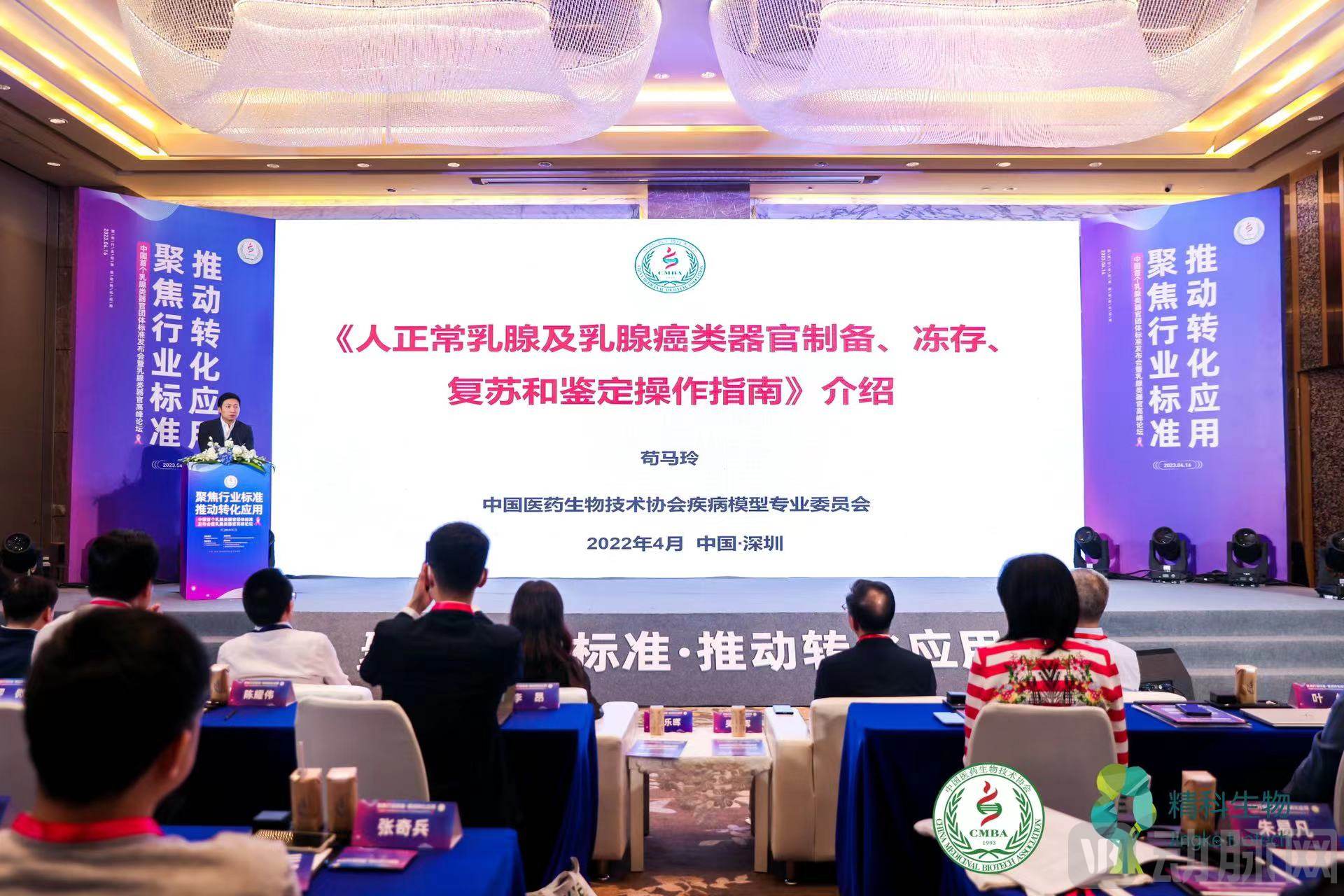
Professor Gou Maling Interprets Group Standards
At the conference venue,Professor Gou Maling, State Key Laboratory of Biotherapy, West China Hospital, Sichuan UniversityAs one of the primary drafters of the group standard, Professor Gou provided a comprehensive interpretation covering the development process, conceptual framework, technical architecture, and specific content. Professor Gou stated that the formulation of this group standard integrates the fundamental characteristics of normal human breast tissue and breast cancer, builds upon current methods for organoid preparation and their main applications, and adheres to relevant laws and regulations. Through the establishment of this group standard, the aim is to deepen the scientific understanding of organoid technology and industry development, provide reference and support for research and product development in the field of normal human breast and breast cancer organoids, drive new advancements in organoid technology, and gradually promote its clinical application.
As a key participating organization in the development of this group standard, Guangzhou Jingke Biotechnology Co., Ltd. has been committed to advancing the research, development, and translation of cutting-edge medical technologies both domestically and internationally, leveraging innovative life sciences to support the Healthy China initiative.
Participation in the formulation of group standards for breast organoids not only marks a solid step forward by Guangzhou Jingke Biotechnology Co., Ltd. in leading technological innovation in organoids, but also signifies strong recognition within China’s organoid industry of its capabilities in organoid technology development and translation of achievements.
Professor Wang Kun, Cancer Hospital of Guangdong Provincial People's HospitalIt was stated that the clinical prospects for organoids are highly promising, provided that culture success rates and consistency are ensured. The release of group standards marks the first step by establishing operational procedures and standards for organoid culture; however, there is still a considerable journey ahead before clinical application. The next step involves conducting organoid-guided clinical studies to demonstrate patient survival benefits, extending research to different tumor types, and ultimately improving patient survival rates.
From Research to Industrial Translation: There Is Still a Gap, but Standardization Is a Positive Signal
Over the past year, frequent actions by the U.S. Food and Drug Administration (FDA) have continued to fuel market enthusiasm in the organoid sector. In January this year, an article published in Science announced that the FDA would no longer require animal testing prior to clinical trials of new drugs, reigniting vigorous industry discussions on “de-animalization.”
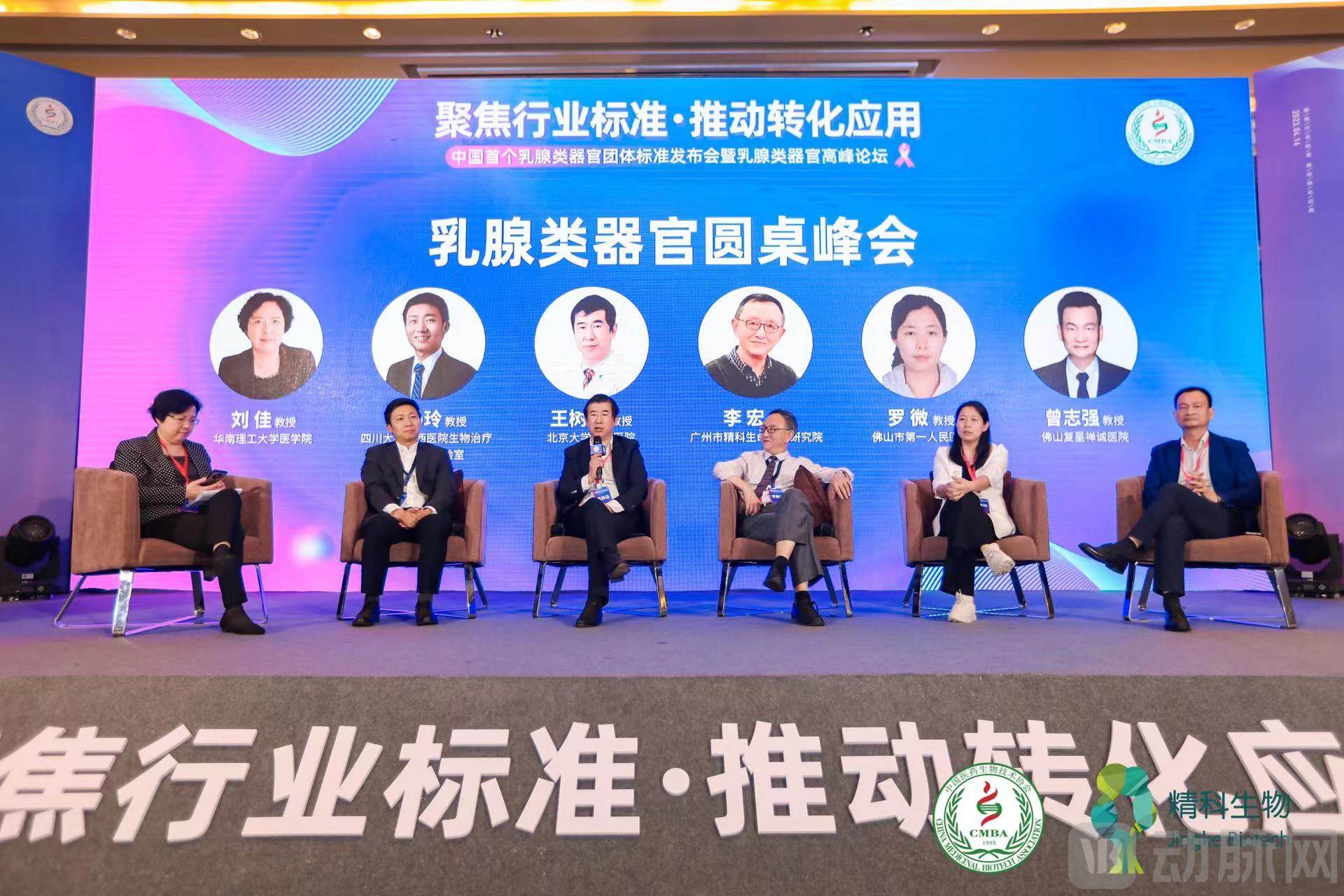
On-site Roundtable Discussion
In this regard,Professor Chen Chong, State Key Laboratory of Biotherapy, West China Hospital, Sichuan UniversityProfessor Chen Chong stated, “The legislation approved by the FDA is not only aimed at reducing the use of animal models but also driven by scientific rigor, which further propels the continuous advancement of organoid technology. The drugs we develop are intended for patient use; however, due to interspecies differences, it remains questionable whether results from animal experiments can accurately reflect the true clinical conditions in patients. As organoids more closely mimic human biological characteristics, they partially address the challenges posed by these interspecies discrepancies.”
Meanwhile, the high efficiency of drug sensitivity testing in organoids and their strong concordance with clinical efficacy have brought new hope to patients in later lines of treatment who are in urgent need of medication or have exhausted all available therapeutic options. In this regard,Professor Zeng Zhiqiang, Foshan Fosun Chancheng HospitalOrganoids are considered to provide a valuable option for clinical treatment decision-making, particularly for patients in later lines of therapy. However, as an emerging technology, organoids inevitably face skepticism regarding issues such as culture success rates, concordance between in vitro and in vivo drug sensitivity, operational standardization, authority, and cost. “As clinicians, we are indeed eager to actively embrace new technologies and methods. However, before embarking on novel applications, our primary concern is the availability of higher-level evidence-based data that can offer precise pre-treatment guidance.”
This also means that the criteria for determining organoids still need to be continuously optimized, which is an urgent issue to be addressed for their clinical application.
In fact, the introduction of relevant policies in China in recent years has also been easing restrictions on the widespread application of organoids. In 2021, the Ministry of Science and Technology issued the “Guidelines for Project Declaration of Six Key Special Projects under the National Key R&D Program for 2021 during the 14th Five-Year Plan Period,” listing “Malignant Tumor Disease Models Based on Organoids” as one of the first batch of key special tasks launched under the National Key R&D Program during the 14th Five-Year Plan period. This signifies the government’s emphasis on the research and application of organoid technology.
Although the domestic organoid industry is still in its infancy, it is poised for rapid growth in the future, driven by the formulation of national policies and the promotion of relevant standards.
Professor Luo Wei, The First People's Hospital of FoshanIt was stated that there is still a long way to go before organoids are truly applied in clinical practice, with the establishment of standards being the most critical issue. How to implement a quality control system for organoids, ensure their stability and reproducibility, and guarantee that they provide genuine guidance and significance for clinical practice require joint efforts from the entire industry. In this regard, Guangzhou Jingke Biotechnology Co., Ltd. has played a significant role in driving progress, and the recent release of the group standard for breast cancer organoids marks an excellent beginning.
In the future, continuous breakthroughs in organoid technology and the ongoing accumulation of clinical data, driven by cross-sector collaboration among industry, academia, research institutions, and healthcare providers, will continually propel the advancement of organoid technology. Guangzhou Jingke Biotechnology Co., Ltd. is also committed to deepening its engagement in the organoid sector and promoting the establishment of standard systems across a broader range of disease areas.
There may still be a long way to go for organoid technology to advance from scientific research to large-scale clinical application, but the formulation and release of group standards represent a positive signal. Just asAs stated by Wu Chaohui, Vice Chairman of the Chinese Medical Biotechnology Association, the release of the standard is not the end point, but a new starting point.