

China's Digital Therapeutics Pioneer Shines at National Cognitive Disorders Conference: Brain Aurora Advances with 'Liuliu Nao' Platform

BrainAurora
Cognitive Rehabilitation Cloud Platform Provider
On April 22, 2023, at the inaugural National Conference on Building Specialized Capacity for Cognitive Disorders, China’s first “China Brain Cognitive Health Index” was officially released. This Index provides the first comprehensive and systematic characterization of the distribution of indicators related to brain cognitive health in China, offering guidance for further advancing the prevention and control of cognitive disorders across all provinces.
The Index was jointly initiated by three institutions: Xuanwu Hospital of Capital Medical University (National Clinical Research Center for Neurological Diseases), the National Center for Chronic and Noncommunicable Disease Control and Prevention of the Chinese Center for Disease Control and Prevention, and the Capacity Building and Continuing Education Center of the National Health Commission. BrainAurora, a leading enterprise deeply engaged in digital therapeutics for brain health, is the sole corporate supporting entity.
This marks another critical step for BrainAurora in leading digital therapeutics technology, integrating the medical-industry-academia-research ecosystem, implementing industry standards, and advancing the development of the brain health sector.

As of the end of 2022, China’s population aged 60 and above had reached 280 million, accounting for approximately 19.8% of the national total. The rapid onset of an aging society is reflected in the medical field by the accelerated arrival of the era of chronic diseases. Among these, cognitive disorders, regarded as “a chronic disease affecting the entire family,” have shown a trend of increasing prevalence and accelerated growth in recent years, imposing a growing disease burden.
Currently, there are over 53 million individuals aged 60 and above in China with cognitive impairment, accounting for approximately one-fifth of the total population in this age group. Among them, the annual per-patient cost for Alzheimer’s disease exceeds RMB 120,000, resulting in a total socioeconomic burden surpassing RMB 1 trillion.
A more pressing issue is that cognitive disorders are characterized by the “three lows”: low awareness, low diagnosis rates, and low treatment rates. Approximately 70% of patients with dementia have never sought medical attention for cognitive-related issues. This situation highlights prominent challenges in the prevention and management of cognitive disorders, including a shortage of specialized professionals, uneven distribution of resources, inefficiency, and a lack of standardized guidelines.
China has only 2,000 dementia specialists, the vast majority of whom are concentrated in tertiary hospitals in first-tier cities, and screening efforts rely heavily on manual processes. Furthermore, most hospitals lack dedicated clinics for cognitive disorders, as well as standardized diagnostic and treatment protocols and specialized talent training systems.
Therefore, the brain cognitive health industry urgently needs to establish standards, leverage technological tools, and foster collaborative synergy among academia, industry, research institutions, and medical practitioners. This integrated approach aims to widely implement cognitive function screening, assessment, prevention, and management for at-risk populations, effectively preventing or delaying the onset of dementia and reducing the burden on families and society.
Notably, there are already positive signals in the response to cognitive impairment disorders.
At the policy level, the “Healthy China 2030” plan proposes a dual 80% target (80% awareness rate and 80% screening rate) for the National Health Commission’s specialized services in dementia prevention and control. In September 2021,The National Center for Capacity Building and Continuing Education, in collaboration with Xuanwu Hospital of Capital Medical University, the Project Expert Group, and BrainAurora, has launched the Specialized Capacity Building for Cognitive Disorders and the Cognitive Center Construction Project.
This project aims to establish and improve China’s specialized rehabilitation system and talent development framework for cognitive disorders; enhance the standardized diagnosis and treatment system for cognitive disorders in China; provide an informatized, networked platform for clinical research, quality control, and public science education on cognitive disorders; and collect data on prevention, diagnosis, and scientific research from medical institutions at various levels through cognitive centers, thereby laying a data foundation for government policy formulation and the development of related products.
Under the leadership of Professor Tang Yi, head of the project’s expert panel, the Center has successively established training standards for specialists in cognitive disorders, cognitive rehabilitation therapists, and neuropsychological assessors. It has completed the selection of the first batch of Core Advanced Cognitive Centers, Advanced Cognitive Centers, and Memory Disorder Prevention and Treatment Centers, and has initially explored and established a multidisciplinary, integrated, and efficiently operating diagnosis and treatment model that combines geriatrics, rehabilitation, and neurology. As of August 2022, the project had confirmed 196 cognitive disorder diagnosis and treatment centers and construction units, covering 30 provinces, municipalities, and autonomous regions across China.
Among these, we found thatThe value of digital therapeutics products, represented by BrainAurora’s self-developed Brain Cognitive Function Assessment and Training System (66Brain), has been widely recognized by experts in clinical applications.
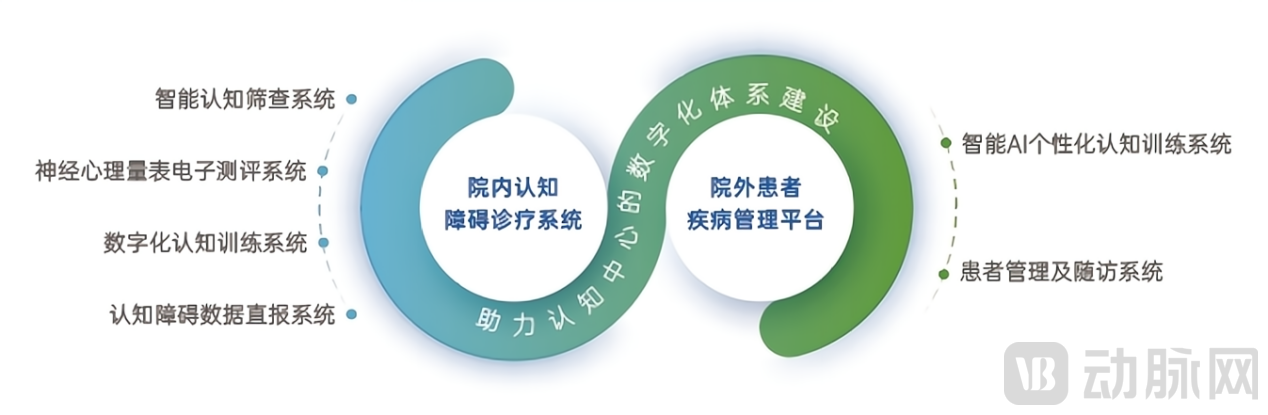 Introduction to 66 Brain Cognitive Digital Therapeutics
Professor Tang Yi, Executive Deputy Director of the National Center for Neurological Disorders, Secretary of the Commission for Discipline Inspection at Xuanwu Hospital of Capital Medical University, and Director of the Department of NeurologyIt told VCBeat: “Cognitive digital therapeutics, based on the theory of neuroplasticity, enhance the overall diagnostic and treatment efficiency for cognitive impairment disorders. They can be used in combination with pharmacological and other non-pharmacological therapies. Evidence-based medical support is particularly robust in the field of mild cognitive impairment (MCI), demonstrating significant intervention effects. Furthermore, digital therapeutics help expand the reach of high-quality medical resources to remote and underdeveloped regions, thereby reducing the socioeconomic burden of cognitive impairment and national health insurance expenditures.”
Professor Li Yang, Chief Physician, Department of Neurology, The First Hospital of Shanxi Medical University“It stated: ‘The emergence of digital therapeutics has filled the gap in the treatment of mild cognitive impairment. It is not only applicable to the treatment of neurodegenerative and vascular cognitive disorders, but also holds intervention value for cognitive impairments caused by heart disease, diabetes, epilepsy, and multiple sclerosis, thereby broadening the indications for cognitive interventions and enabling more patients to benefit.’”
Professor Ma Xiaowei, Director of the Department of Neurology, The First Affiliated Hospital of Hebei Medical UniversityIt was also stated that “digital therapeutics have elevated the existing diagnosis and treatment system to new heights, serving as a new ‘weapon’ for clinicians in managing cognitive disorders. Digital intelligence permeates the entire patient care continuum—from screening, diagnosis, and treatment to home-based rehabilitation and follow-up—facilitating standardized disease management and unlocking the potential of patient management.”
Although digital therapeutics is an emerging industry, BrainAurora has been deeply engaged in this field for over a decade.
In 2012, when digital therapeutics garnered little attention globally, the newly established BrainAurora had already begun product development. As early as September 2018, BrainAurora’s “66Brain – Brain Function Information Management Platform” obtained the Internet Cloud Platform Medical Device Registration Certificate from the National Medical Products Administration (NMPA). It was not until 2021 that digital therapeutics attracted widespread industry attention.
As an increasing number of enterprises enter the field of digital therapeutics, creating a landscape that is “dazzlingly chaotic,” BrainAurora has already participated in the drafting of eight expert consensus statements and industry guidelines, as well as conducted research for 15 major projects under the 13th Five-Year Plan, the 14th Five-Year Plan, the China Brain Project, the National Natural Science Foundation of China, and provincial/ministerial-level initiatives.
As news of the bankruptcy of Pear, the “first stock of prescription digital therapeutics,” sent shockwaves through the industry, we found that BrainAurora has already carved out its own commercialization path.
BrainAurora CEO and Chief Scientist Wang XiaoyiHe candidly stated, “At least in the field of cognitive impairment, since digital therapeutics are defined as medical-grade products in China, they must be deeply integrated with national policies and hospital needs, follow the path of evidence-based medicine, and necessarily consider inclusion in the medical insurance system. Only by first establishing a solid foothold within hospitals can they extend to non-hospital settings and achieve greater long-term success.”
“Therefore, for the first decade, the company was dedicated to laying the groundwork through product R&D, clinical validation, standard setting, academic publications, and grant applications. However, our collaboration with hospitals does not follow the traditional medical device sales model. The core of digital therapeutics is to provide continuous digital services centered on patients to hospitals, patients, insurance institutions, and other stakeholders. This requires a high-computing-power backend and ongoing R&D iterations for rolling support. Only commercialization that truly meets the actual needs of customers can ensure sustainable development,” added Wang Xiaoyi.
From their words, we can clearly sense the heartfelt reflections born out of BrainAurora’s arduous journey in commercialization over the past decade. Currently, leveraging a B2B2C business model, BrainAurora is vigorously advancing its initiatives to build specialized capabilities for cognitive disorder diseases and establish cognitive centers. It is projected that, over the next five years, more than 30 training bases will be established annually, cultivating over 5,000 professionals specializing in cognitive disorders, promoting the accreditation and construction of more than 2,100 cognitive disorder diagnosis and treatment centers, and enabling cognitive function screening, assessment, prevention, and management for hundreds of millions of people.
Therefore, now is not the darkest hour for digital therapeutics, but the dawn of China’s digital therapeutics.