

Genotes Biotech Launches Comprehensive Clinical Whole Genome Sequencing Solution for Rare Disease Diagnosis
Twenty years ago, six countries—China, the United States, the United Kingdom, Japan, Germany, and France—jointly announced the completion of the working draft of the Human Genome Project. Hailed alongside the Manhattan Project and the Apollo Moon Landing Program as one of the three great scientific endeavors of the 20th century, it achieved milestone results.With the advancement of high-throughput sequencing technologies and the continuous decline in genomic sequencing costs, the application of Whole Genome Sequencing (WGS) has gradually shifted from scientific research to clinical practice. The use of WGS in preconception care, prenatal testing, and assisted diagnosis of genetic disorders is also becoming increasingly prevalent.
Building upon the “Expert Consensus on the Clinical Application of Whole-Genome Sequencing in Genetic Disease Testing,” Jixin Yuanke has further advanced the application of high-depth whole-genome sequencing technology in the auxiliary diagnosis of rare diseases. By conducting comprehensive testing and analysis of various genetic disorders—including chromosomal disorders, mitochondrial diseases, and monogenic diseases—the company provides a complete solution for the genetic diagnosis of rare diseases.
In recent decades, molecular diagnostic technologies have witnessed robust development, evolving from early karyotyping techniques to current large-scale, high-throughput parallel sequencing. The application of these technologies has deepened our understanding of human health, disease, and the relationship between genes and diseases, particularly in the diagnosis of genetic disorders.
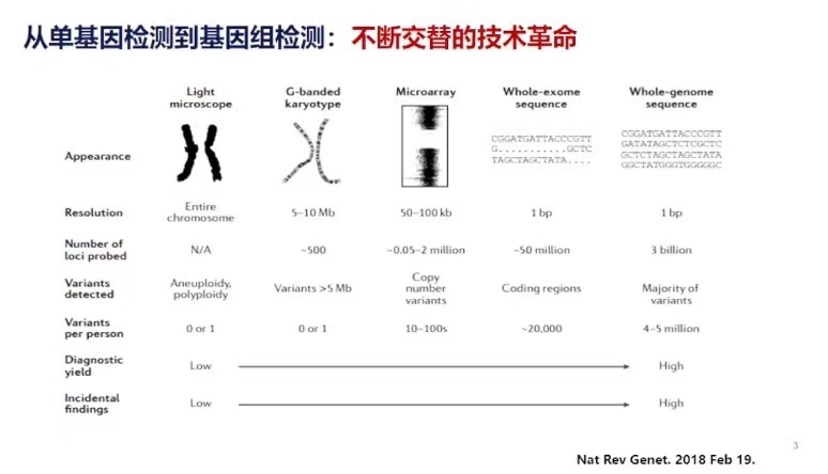
Figure 1: The Technological Revolution from Single-Gene Testing to Genomic Testing
Genetic disorders are highly diverse, with varying etiologies. Pathogenic variants include single nucleotide variants (SNVs) and small insertions/deletions (InDels), copy number variations (CNVs), structural variations (SVs), and mitochondrial variants, among others. Currently mainstream genetic testing technologies—such as Sanger sequencing, microarray technology, clinical gene panels, and whole-exome sequencing—each have their own advantages and limitations, but none can achieve comprehensive coverage of all types of pathogenic variants.
Whole-genome sequencing offers comprehensive coverage and superior integrated detection capabilities for various types of genetic variants.
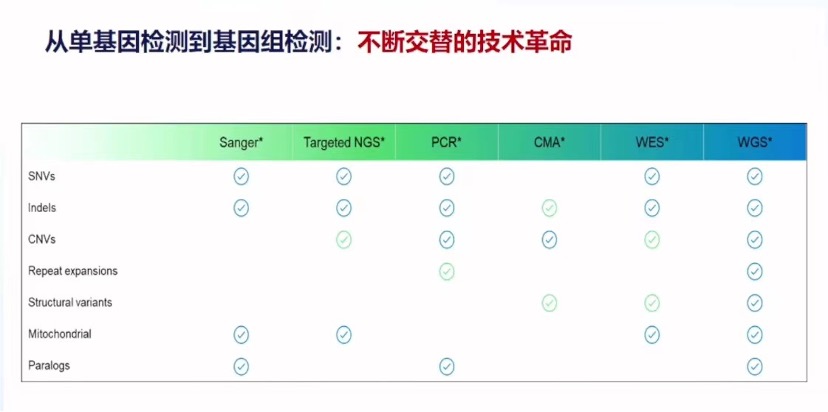
Figure 2: The Technological Revolution from Single-Gene Testing to Genomic Testing
With the continuous advancement of sequencing technologies, the cost of gene sequencing has been declining at a pace surpassing Moore’s Law. According to data from the National Human Genome Research Institute, the cost of sequencing the human genome was as high as $95.263 million in 2001. In recent years, the cost has stabilized at around $1,000. In 2022, Ultima Genomics, a gene sequencer manufacturer, emerged on the scene, theoretically reducing the cost of whole-genome sequencing from $1,000 to $100.
Advances in sequencing technologies and the decline in costs have established the fundamental conditions for the widespread clinical application of whole-genome sequencing (WGS). In recent years, numerous scientific achievements have been made using WGS; however, its broader clinical implementation still faces significant challenges, including prolonged turnaround times (typically exceeding 20 working days), low efficiency in detection and analysis, complexities in data computation and storage, and high costs (often surpassing RMB 10,000).
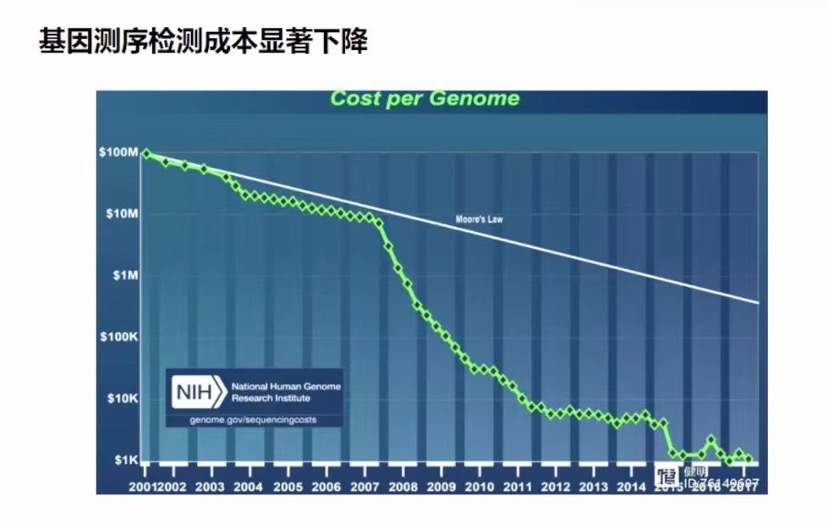
Figure 3: Significant Decline in the Cost of Genetic Sequencing Tests
Whole-genome testing has become a commonly used technical method in current scientific research. The number of relevant research articles published using whole-genome sequencing (WGS) technology has exceeded 50,797, equivalent to an average of more than 2,309 WGS-related articles published annually since the release of the human genome draft in 2001.

Figure 4: Annual Publication of Articles Related to Whole-Genome Sequencing (WGS)
On February 4, 2019, Baylor College of Medicine in the United States launched a clinical whole-genome sequencing product capable of detecting single nucleotide variants (SNVs), copy number variations (CNVs), and structural variants (SVs); mitochondrial gene testing is not currently included.

Figure 5: Baylor College of Medicine in the United States Launches Clinical Whole-Genome Sequencing Product
In June 2019, the “Expert Consensus on the Clinical Application of Whole-Genome Sequencing in Genetic Disease Testing” was published in the Chinese Journal of Pediatrics, clearly outlining the importance and technical specifications of whole-genome sequencing in clinical practice ([1]).

Figure 6: Expert Consensus on the Clinical Application of Whole-Genome Sequencing in Genetic Disease Testing
JiXin Yuanke & JuDao Tech Unveil Comprehensive Clinical Whole-Genome Sequencing Solution for Rare Diseases, Launching on May 7, 2023. This product will provide a complete solution for genetic diagnosis of rare diseases, benefiting millions of patients.
At that time, experts in rare disease research, chief scientists of the National Key R&D Program, and founders of related enterprises will be invited to attend, jointly interpreting the value of clinical whole-genome service systems and future industry development trends.

References:
1. Expert Consensus on the Clinical Application of Whole-Genome Sequencing in Genetic Disease Testing. Chin J Pediatr, June 2019, Vol. 57, No. 6.
2. Standardization of Clinical Genetic Testing Reports and Discussion on Industry Consensus for Genetic Testing. Chinese Journal of Medical Genetics, February 2018, Vol. 35, No. 1