

Tianjin's Health Principal Responsibility System: Building Trust in 'Neighborhood Hospitals'
“Mr. Qian, your postprandial blood glucose level is 8.6 mmol/L, which is well controlled.” At the Wanghailou Community Health Service Center in Hebei District, Tianjin, when 62-year-old Mr. Qian, a patient with diabetes, came as scheduled to pick up his medication, the health manager proactively measured his blood glucose level again.
“For the past six months or so, my blood sugar has been well controlled. Through healthy eating, I’ve lost more than 20 kilograms, and I feel much lighter overall.” Mr. Qian is particularly satisfied with the “proactive management” provided by his health manager, a sentiment shared by many patients with diabetes.
In June last year, Tianjin began to implement the "Health Manager Responsibility System" for outpatients with special chronic diseases (diabetes) across the city. Under the guidance of the municipal and district health commissions and medical security bureaus, the Wanghailou Community Health Service Center in Hebei District, Tianjin, actively upgraded and improved its services, becoming one of the grassroots-based health manager responsibility institutions.
This has brought about a qualitative change in the healthcare experience for patients with diabetes. Previously, patients proactively sought medical consultations and prescriptions from doctors; now, family doctor teams composed of physicians and health managers proactively provide contracted patients with regular services such as health guidance, disease monitoring, and complication screening.
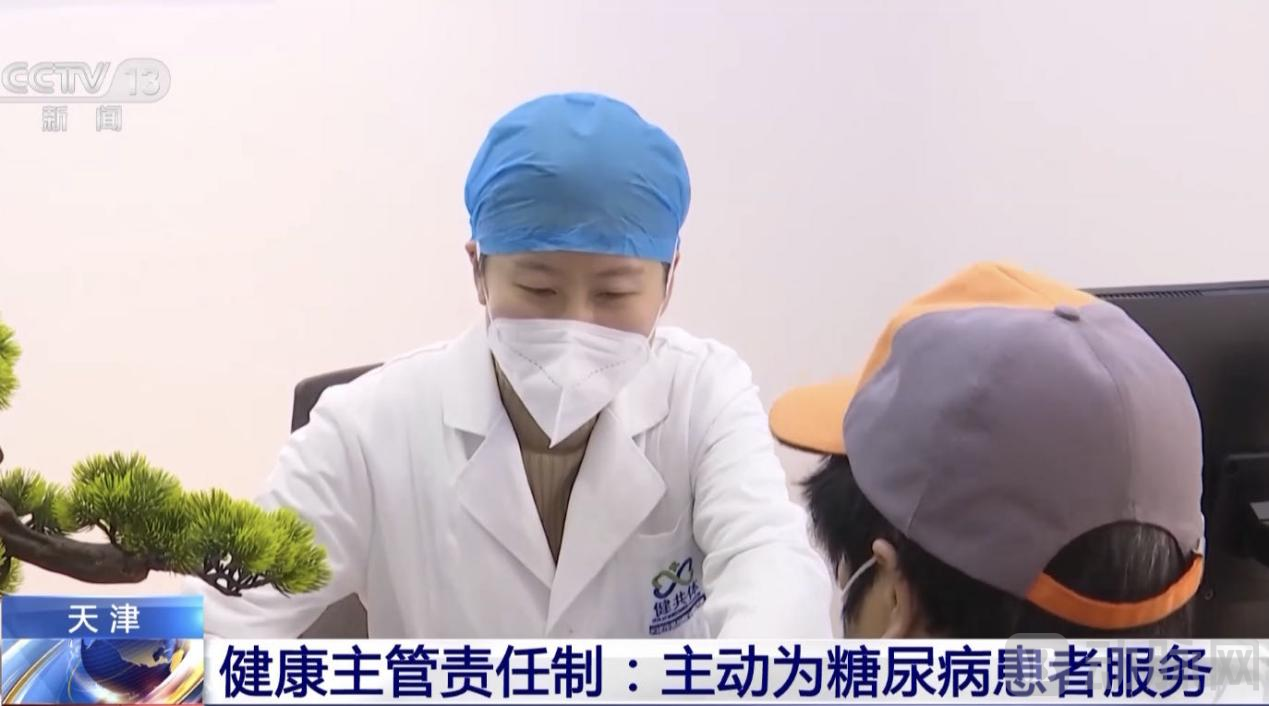
Following the implementation of the health executive responsibility system, medical insurance has shifted from “paying for treatment” to “paying for health,” adopting diagnosis-related group (DRG) and capitation payment models. This has mobilized primary care physicians to proactively provide comprehensive health management services to patients.
Previously, patients with diabetes would visit community hospitals primarily to pick up medications. Now, health managers also provide personalized health management coaching based on physicians’ orders and individual patient conditions. In addition to offline management by contracted community physicians, patients receive comprehensive online services from dedicated health managers, who remind them to monitor blood glucose and blood pressure and record the data, and guide them in adhering to standardized dietary plans and engaging in appropriate physical activity at the right times and doses.
During the interview, health manager Wang Jinbo’s phone kept beeping. VCBeat observed that he managed three WeChat groups for diabetes patients, with a total of over 500 enrolled patients under contract.
“Sometimes elderly patients forget how to take their medications and consult us online. We respond promptly and share relevant health education materials,” said Wang Jinbo, who works at the Chronic Disease Management Center of the Wanghailou Community Health Service Center. He told VCBeat, “Some patients usually have stable blood glucose levels but reach out to us when they experience sudden spikes. We first inquire about their dietary intake and physical activity on that day to identify the cause, and then provide tailored recommendations.”
It is under the proactive health management services provided by family doctor teams that key indicators, such as blood glucose levels, have been better controlled among contracted diabetes patients, leading to significant improvements in their mental and daily living conditions. Meanwhile, the overall chronic disease management capacity of primary healthcare institutions in Tianjin has been substantially enhanced. The establishment of chronic disease management centers within these primary healthcare institutions has also played an indispensable role in this progress.
“Establishing a Demonstration-Level Chronic Disease Management Center” was one of the livelihood projects undertaken by Tianjin in 2022. Under the guidance of the municipal and district health commissions, the Wanghailou Community Health Service Center, as a member unit of Tianjin’s Primary Care Digital Health Consortium, rapidly established a demonstration-level chronic disease management center. It was approved as the “Health Stewardship Institution” for Tianjin’s outpatients with diabetes covered under special disease insurance, thereby initiating comprehensive health management services for diabetic patients within its jurisdiction who are enrolled in the special outpatient insurance program.
“Health managers stationed at the Chronic Disease Management Center by Tianjin’s Primary Care Digital Health Consortium have assisted primary care physicians with numerous tasks. After physicians assess patients’ conditions and medication regimens, they engage health managers to establish patient records, complete registrations, and facilitate enrollment in family doctor contracts. Follow-up services, such as pushing health management information and reminding patients to monitor their blood glucose levels, can also be handled by health managers.”
Zhang Yuming, a general practitioner at the Wanghailou Community Health Service Center, has gained profound insights into the construction and operation of demonstration-level chronic disease management centers.
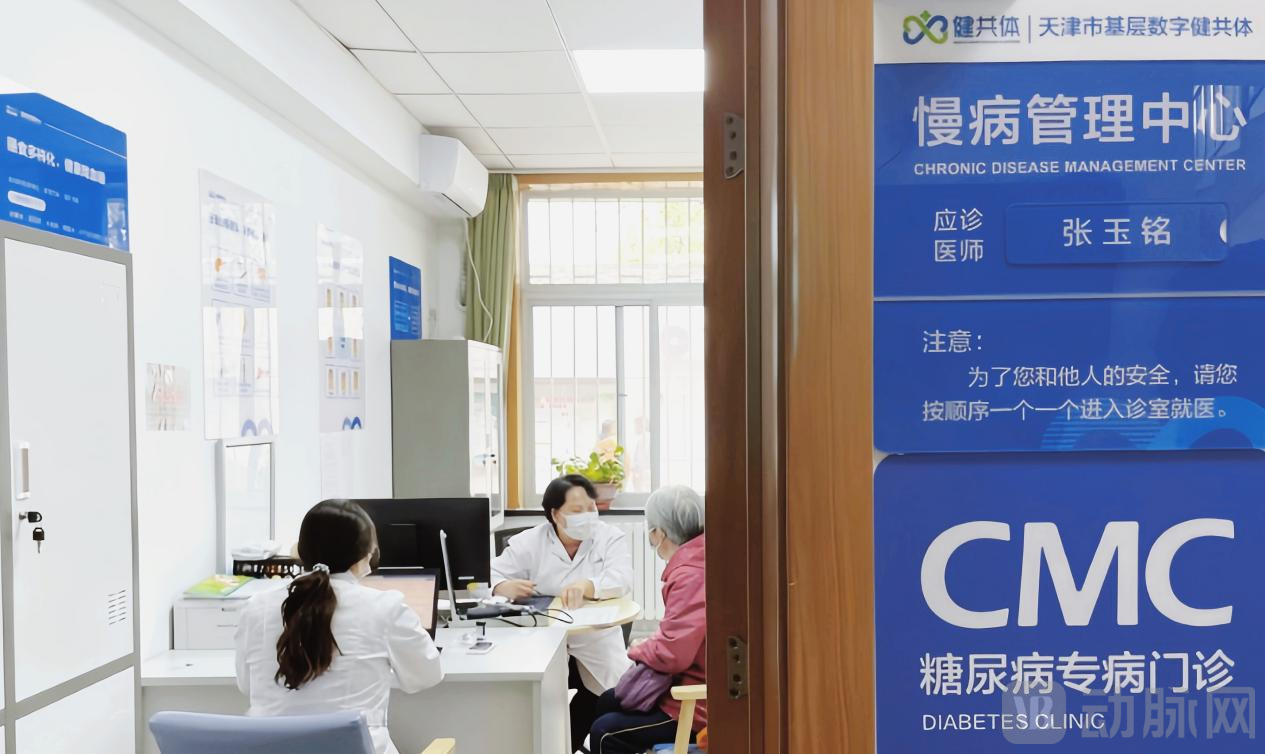
“Sometimes, our work is particularly busy, and we don’t have enough time to provide detailed explanations to each patient. Health managers can assist us in carrying out these tasks,” introduced Zhang Yuming. Previously, community health service centers could only offer four free blood glucose tests per patient annually; now, they can provide two free blood glucose tests per week for each enrolled patient. “This not only increases the frequency of communication, greatly aiding patients’ health management, but also enhances patient satisfaction with our services, thereby boosting our motivation at work.”
VCBeat has learned that, under the guidance of the Tianjin Municipal Health Commission and the Tianjin Municipal Healthcare Security Administration, Tianjin WeDoctor Internet Hospital has taken the lead in collaborating with 266 primary healthcare institutions across the city to establish a tightly integrated digital medical consortium—the Tianjin Primary Digital Health Community. Furthermore, in assistance with district-level health commissions and leveraging primary healthcare service providers, the initiative has currently established 26 demonstration-level chronic disease management centers and 214 standard-level chronic disease management centers.
Wang Xin, Executive Vice President of WeDoctor Tianjin, told VCBeat: “As the lead organization of the Health Community, we have trained and deployed a large number of professional health managers and family doctor assistants to provide chronic disease patients receiving care at community health service institutions with a comprehensive suite of whole-process health management services, including disease prevention, diagnosis and treatment, health guidance, and rehabilitation.”
It is understood that the establishment of chronic disease management centers within Tianjin’s primary healthcare institutions primarily relies on the foundational “Four Clouds” platform of the Digital Health Consortium, namely “Cloud Pharmacy,” “Cloud Management,” “Cloud Services,” and “Cloud Laboratory.” Thanks to the empowerment provided by this digital platform, the service capabilities of primary healthcare institutions have been significantly enhanced.
“Taking the ‘Cloud Pharmacy’ as an example, community healthcare institutions have limited pharmacy space, which restricts the range of medications available to residents. Through the development of the ‘Cloud Pharmacy,’ we have made over 2,000 medications available online, enabling patients to obtain prescription drugs at primary care facilities that previously required visits to tertiary hospitals. This not only reduces the need for travel but also allows patients to benefit from higher reimbursement rates. For patients who find it inconvenient to visit the hospital in person, online consultations are available, allowing them to purchase follow-up prescription medications using medical insurance and enjoy free home delivery.”
Wang Xin explained that through “cloud management,” physicians can access patients’ historical medical records from other hospitals in the backend, thereby enabling more accurate and targeted diagnosis, treatment, and medication. Meanwhile, with the establishment and improvement of digital health records, a single physician can manage hundreds of patients and monitor in real time which patients require follow-up visits, significantly enhancing physicians’ work efficiency.
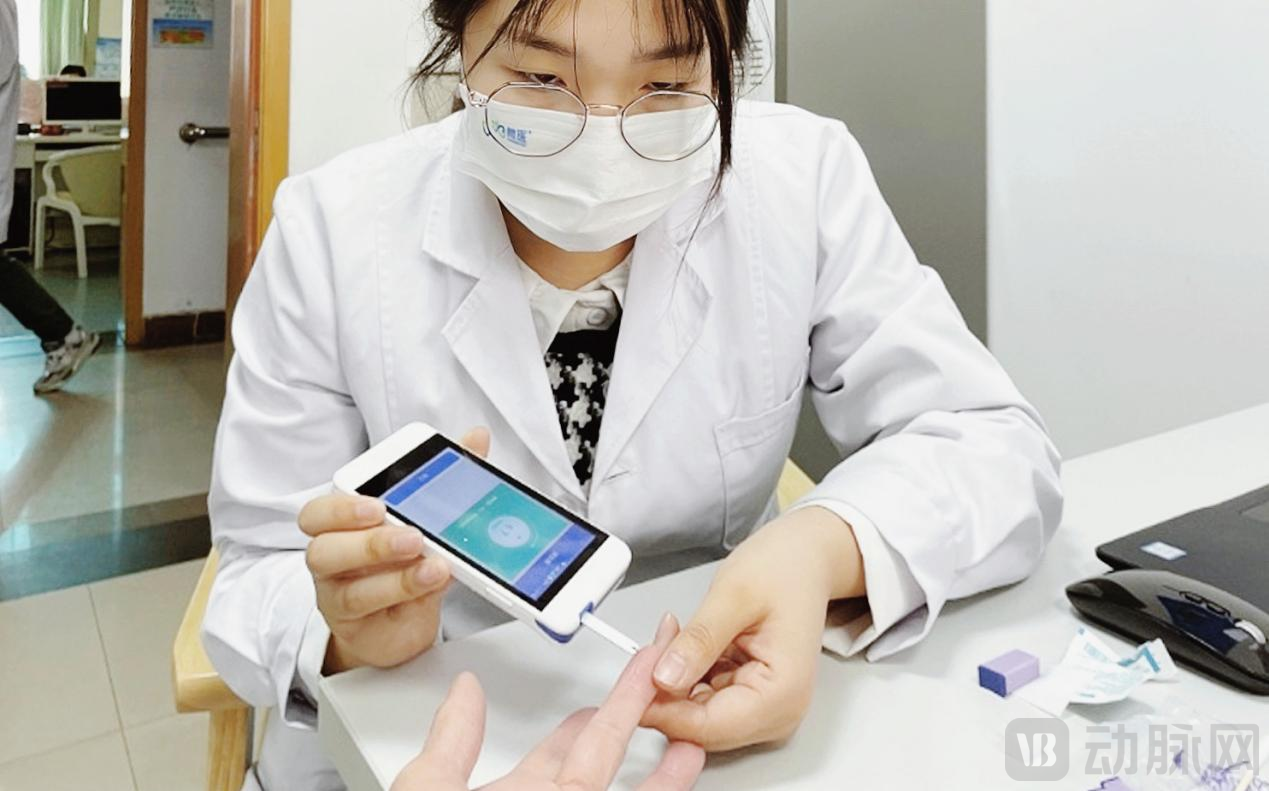
As of now, the Tianjin Primary-Level Digital Health Community has deployed more than 100 health managers to serve chronic disease management centers at primary healthcare institutions, conducting chronic disease screening and providing health guidance for patients.
Furthermore, the Tianjin Primary Care Digital Health Consortium has deployed more than 120 family physician assistants in primary care hospitals. These assistants help family physicians manage enrolled patients, use system-based screening alerts to remind physicians to provide regular patient management, and assist patients with appointment scheduling. This initiative addresses the shortage of non-clinical support staff in primary care hospitals and has significantly improved patient satisfaction with medical services.
The practices of the Tianjin Primary-Level Digital Health Community Chronic Disease Management Center have bolstered confidence in Tianjin’s comprehensive rollout of capitated global budgeting for outpatient special care services for diabetes, as well as in establishing a health stewardship responsibility system for patients with diabetes under such outpatient special care. Since last December, Tianjin has accelerated the implementation of the health stewardship responsibility system for diabetic patients, allowing them to voluntarily select one health stewardship institution to assume full responsibility for their health management, diagnosis and treatment, medication, and referral services.
It is reported that 220,000 patients with diabetes enrolled in the special outpatient program in Tianjin have currently signed up with health management institutions. Among them, member units of the Tianjin Primary Care Digital Health Consortium have collectively enrolled 110,000 patients, and the health indicators of these enrolled patients are steadily improving.
Meanwhile, with the continuous advancement in the construction and operation of Tianjin’s grassroots digital health consortium “Four Clouds” platform and its chronic disease management centers, patients with chronic conditions—who previously frequently visited large tertiary hospitals—are increasingly placing their trust in “hospitals close to home,” resulting in a significant shift back to primary care institutions for treatment. This trend has greatly facilitated Tianjin’s implementation of the tiered diagnosis and treatment system, promoting the expansion, decentralization, and balanced distribution of high-quality medical resources.