

Ceramides Emerge as Superior Predictors of Cardiovascular Risk: Zora Biosciences Advances Precision Diagnostics and Therapeutics
On March 16, 2023, Science magazine published an article titled “Straight from the heart,” which proposed that “ceramides may be better predictors of cardiovascular events than cholesterol, and doctors and pharmaceutical companies are recognizing their potential.” This article sparked intense discussion within the global cardiovascular community and was widely republished and interpreted by numerous Chinese media outlets. As cholesterol, a traditional biomarker, has long dominated this market, its limitations have become increasingly apparent. There is a pressing need for novel biomarkers in this field to deliver greater clinical benefits to patients.

An article published in Science highlights the case of Ms. Blendermann, who benefited from the Ceramide CERT (Cardiovascular Event Risk Test) at the Mayo Clinic in the United States. Ms. B has a strong family history of severe cardiovascular disease: three of her sisters died of heart disease between the ages of 40 and 50, and her father underwent coronary artery bypass grafting. Additionally, she suffers from an autoimmune disorder, all of which are risk factors for cardiovascular disease. Although traditional cardiovascular assessments indicated no significant risk—with her low-density lipoprotein (LDL) cholesterol within the normal range (100 mg/dL)—her physicians remained highly suspicious of her underlying cardiovascular risk and referred her to Dr. Vlad Vasile, a cardiovascular specialist at the Mayo Clinic. Dr. Vasile recommended that she undergo the Ceramide CERT immediately. Her test result was “moderately high,” indicating that her risk of experiencing a cardiovascular event was more than twice that of individuals in the low-risk category. Guided by these results, Dr. Vasile initiated a treatment plan involving medication, dietary modifications, and exercise. After one year, her CERT score improved from “moderately high” to “low,” bringing her considerable relief. This case serves as compelling evidence for the value of the Ceramide CERT in enabling early detection and intervention, thereby providing peace of mind.
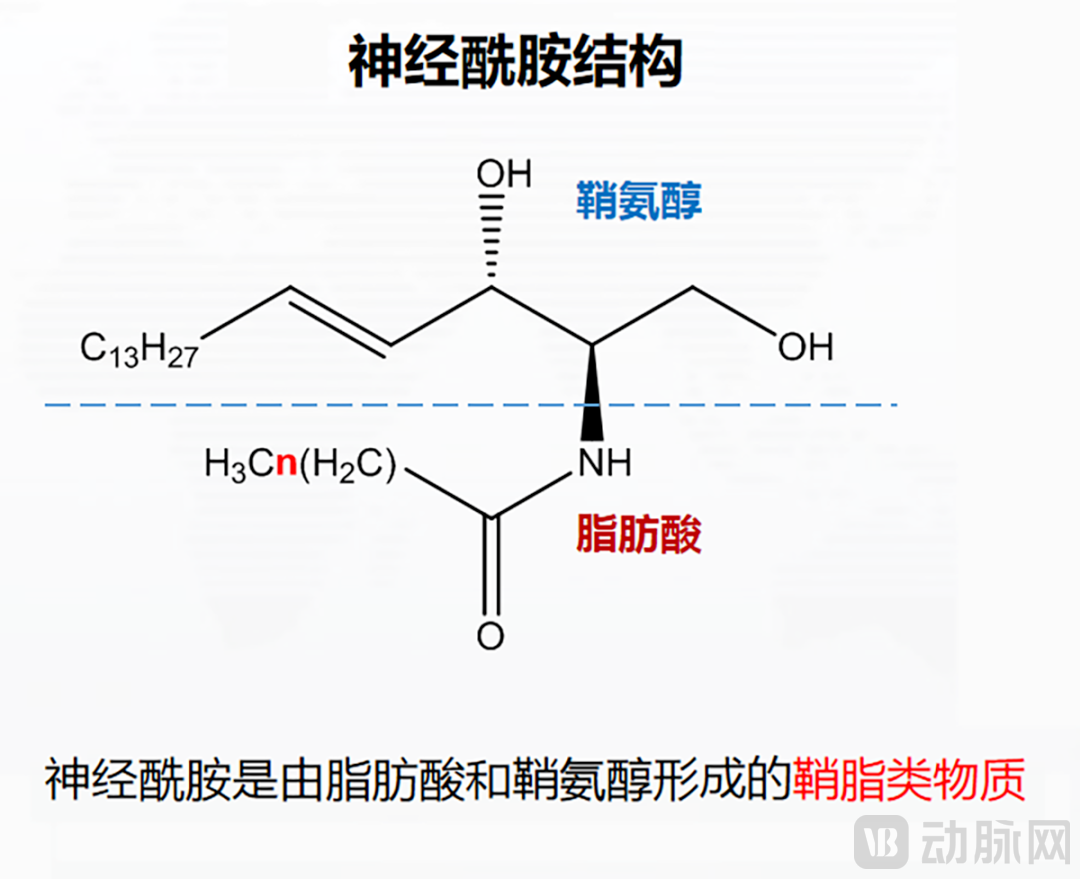
Over the past three decades, patients have benefited from cholesterol lowering due to the widespread use of lipid-lowering drugs such as statins. However, among patients hospitalized for cardiovascular events, 50% still have LDL-C levels within the normal range, yet up to 70% remain at high risk for further cardiovascular events. This indicates that although these patients have traditional lipid profiles within normal limits, they are still at risk for cardiovascular disease. Professor Philipp Scherer from UT Southwestern Medical Center states, “There is already substantial evidence indicating that ceramides are key drivers of metabolic disorders.” Compared with cholesterol, ceramides are more directly involved in the progression of atherosclerosis, and as a novel cardiovascular risk marker, they have attracted significant attention from researchers. Ceramide levels in human plasma are extremely low, accounting for less than 1% of all lipid molecules. It is only thanks to advances in precise detection technologies—specifically mass spectrometry—that accurate measurement of this trace endogenous substance has become possible.
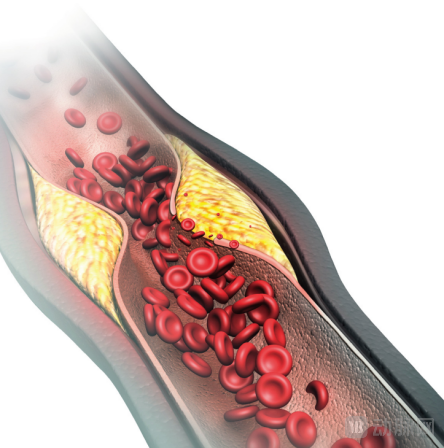
Ceramides, a type of phospholipid, serve as a central hub in lipid metabolism and as key molecules in cellular signaling pathways. They are involved in cell growth, differentiation, proliferation, and apoptosis, playing a critical regulatory role in intercellular interactions and intracellular signal transduction. Often referred to as “active molecules,” ceramides stand in contrast to low-density lipoprotein (LDL), which is considered an “inert molecule.” Extensive basic and clinical research has confirmed that ceramides act as “glue,” stimulating the aggregation of LDL cholesterol (LDL-C), promoting the infiltration of lipoproteins into the vascular wall, increasing the rate of lipoprotein transendothelial migration, and inducing plaque formation. Additionally, ceramides function as second messengers to stimulate cytokines, recruiting inflammatory immune cells to plaque sites. This process can lead to plaque rupture, subsequently triggering cardiovascular diseases such as heart failure, myocardial infarction, and acute coronary syndrome.
In 2016, Reijo Laaksonen, a professor at the University of Tampere in Finland and scientist at Zora Biosciences, a globally renowned company specializing in precision cardiovascular medicine, along with his team, discovered for the first time that plasma ceramides could accurately predict cardiovascular death events, independently of LDL. This study was published in the prestigious cardiovascular journal *European Heart Journal*, which boasts an impact factor as high as 40. The research has been highly cited and has become a landmark study on ceramides. “Ceramides are excellent predictors of cardiovascular risk,” affirmed Jeff Meeusen, Director of the Cardiovascular Laboratory at Mayo Clinic.
Based on research data from over 100,000 individuals, the Zora team has developed the Ceramide Cardiovascular Event Risk Score, known as the CERT test. This algorithm enables clinicians to interpret test results more intuitively and clearly, with a greater focus on patient risk. Additionally, the scoring system eliminates testing noise, thereby enhancing the precision of risk prediction. The CERT test has been validated in multiple renowned large-scale study cohorts and can predict the risk of cardiovascular events earlier and more accurately than LDL-C. Recognized by the industry as the standard for ceramide testing, the CERT format was also used for Ms. B’s results mentioned earlier; consequently, Zora holds the global patent for the CERT test. Professor Dr. Laaksonen pointed out, “Ceramides are the optimal lipid biomarkers for predicting cardiovascular event risk, and the CERT test is being incorporated into clinical guidelines for blood lipids. All private hospitals and 50% of public hospitals in Finland have already implemented the CERT test. In the United States, Zora has licensed the CERT test to the Mayo Clinic and Quest Diagnostics, the largest third-party testing laboratory in the country. The test has also been included in the commercial insurance coverage of the prominent insurer BUPA. I believe this is just the beginning… This means that more people, particularly ‘apparently healthy’ individuals like Ms. B, will benefit from the CERT test.”
In 2019, Academician Ge Junbo’s team published a study on ceramides in the Chinese population, marking the first research in China on the use of ceramides as an adjunctive diagnostic tool for acute coronary syndrome (ACS). The study, which enrolled 2,773 patients with chest pain across four centers, is regarded as one of the most significant cardiovascular research achievements in China in 2019. Academician Ge stated, “The ceramide score can accurately predict cardiovascular events and serve as an adjunctive diagnostic tool. It is an independent predictor of ACS, and data from China and abroad are converging. We believe that with further research, the ceramide score will find broader applications in the field of cardiovascular medicine.”
“Science” notes that drugs specifically designed to lower ceramide levels are imminent, with at least two companies expected to initiate clinical trials next year. Consequently, the diagnostic-therapeutic closed loop anchored by ceramide CERT testing will be strengthened, promoting early detection and treatment to safeguard cardiovascular health. As Professor Dr. Laaksonen, a scientist at Zora, stated, “We anticipate that more people will become interested in ceramides.”
References
[1] Lipids called ceramides may be better predictors of cardiovascular problems than cholesterol. Doctors and pharma are waking up to their potential
[2] Hilvo M, Meikle PJ, Pedersen ER, et al. Development and validation of a ceramide- and phospholipid-based cardiovascular risk estimation score for coronary artery disease patients. Eur Heart J. 2020;41(3):371-380. doi:10.1093/eurheartj/ehz387
[3] Havulinna AS, Sysi-Aho M, Hilvo M, et al. Circulating Ceramides Predict Cardiovascular Outcomes in the Population-Based FINRISK 2002 Cohort. Arterioscler Thromb Vasc Biol. 2016;36(12):2424-2430. doi:10.1161/ATVBAHA.116.307497
[4] Laaksonen R,Ekroos K,Sysi-Aho M,et al. Plasma ceramides predict cardiovascular death in patients with stable coronary artery disease and acute coronary syndromes beyond LDL-cholesterol [J]. Eur Heart J,2016,37( 25) : 1967-1976. DOI: 10. 1093 /eurheartj / ehw148.