

The Next Breakthrough in Brain Science Entrepreneurship and Investment: Insights from the Brain Science and Brain Health Forum
Brain science is a field of paramount importance, representing the “final frontier” for understanding both nature and humanity itself, as well as the most challenging domain to decipher. Major countries around the world are vigorously advancing brain science research initiatives, marking the advent of a golden age in the development of this discipline.
Recently, Danlu Capital, in collaboration with Beijing Digital Valley and Qingsong Club, hosted the Forum on Brain Science and Health. The forum aimed to share cutting-edge research findings and new technologies, thereby promoting the development and innovation of brain science.The keynote speakers include Professor Hong Bo, Deputy Dean of the Institute for Artificial Intelligence at Tsinghua University; Professor Han Hongbin, Dean of the Institute of Medical Technology at Peking University Health Science Center and Corresponding Member of the International Academy of Astronautics; and Professor Fan Dongsheng, Director of the Department of Neurology at Peking University Third Hospital and Chairperson of the Neurology Branch of the Beijing Medical Association.Nearly 100 attendees from Peking University Health Science Center, Tsinghua University School of Medicine, Beijing Academy of Brain Science and Brain-Inspired Intelligence, brain science startups, investment institutions, and medical media were also present.
At the forum, Xu Qian, Managing Partner of Danlu Capital, and Liu Li, President of Beijing Digital Valley Group, delivered opening remarks on behalf of the event organizers. Mr. Liu also introduced the office solutions and specialized industrial services offered by the Beijing Digital Valley Park to the attendees, aiming to deeply empower enterprise development and facilitate rapid growth.and Cao Yi, General Manager of the Corporate Banking Department at the Zhongguancun Branch, shared exclusive financial service solutions for enterprises.
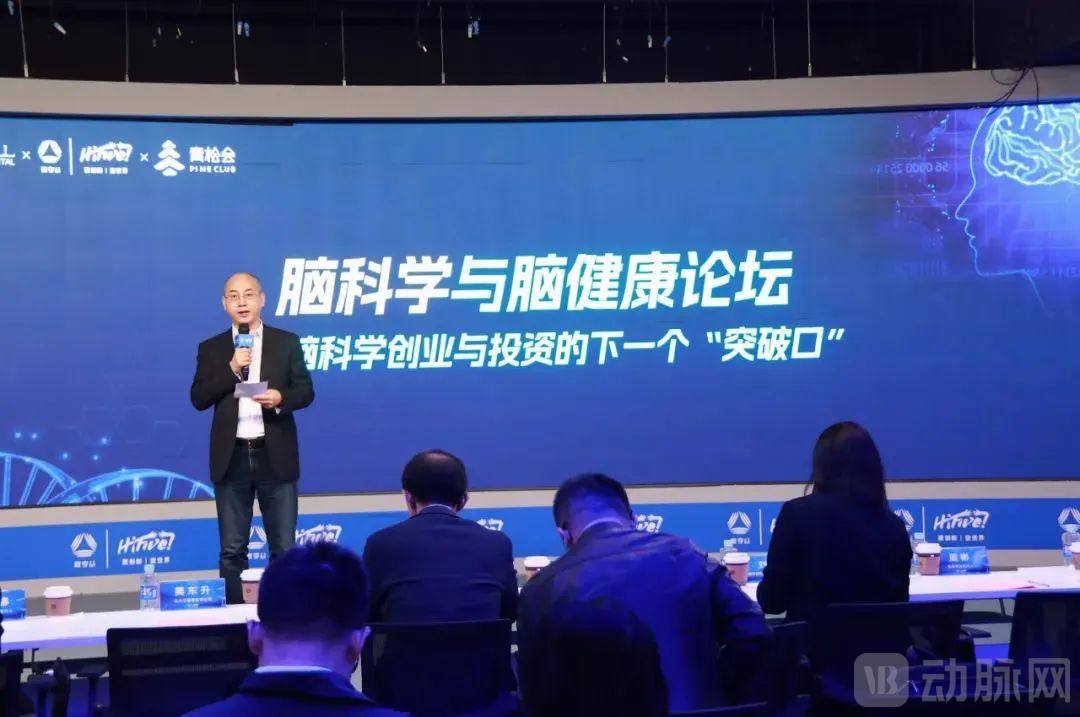
Xu Qian, Managing Partner at Danlu Capital
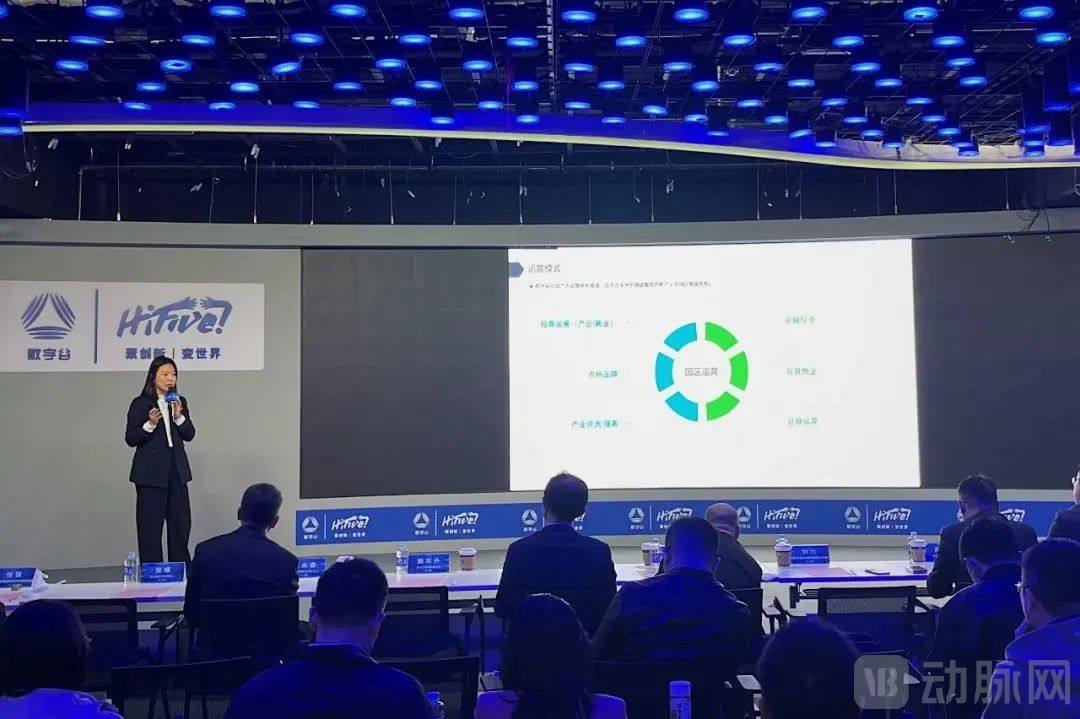
Liu Li, President of Beijing Digital Valley Group
Topic Sharing
Professor Hong Bo from Tsinghua University presented on the current state of development and challenges facing the industry in his talk titled “Frontiers and Challenges in Brain-Computer Interfaces.”The term “brain-computer interface” was coined by the Tsinghua University team, which began practicing EEG-controlled robotics in 2006. The team has developed high-speed brain-computer interface technologies and systems, accumulating substantial expertise in this field. Professor Hong Bo also introduced the latest advances from leading international BCI teams, including BrainGate, Synchron, and UCSF, as well as the wireless, minimally invasive implanted BCI system recently developed by the Tsinghua team. Preliminary clinical studies have already enabled patients with implanted electrodes to perform BCI-based typing. Going forward, the Tsinghua team will continue to develop wireless, minimally invasive BCIs and promote the realization and clinical application of mature BCI medical devices. Professor Hong noted that while BCI technology still faces many challenges, persistent efforts will ultimately make it a transformative technology and product for humanity, akin to the smartphone.
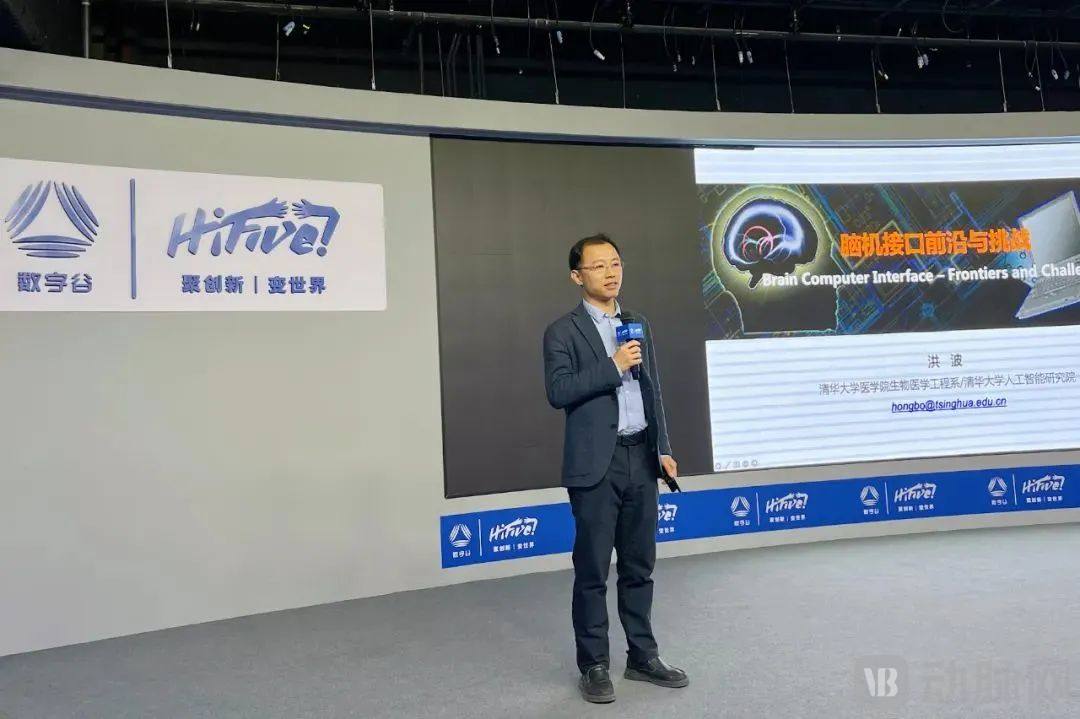 Hong Bo
Professor, School of Medicine, Tsinghua University
Deputy Director of the Institute for Artificial Intelligence, Tsinghua University
President Han Hongbin shared the video “Advances in Research on Brain Extracellular Space.”The brain’s extracellular space, occupying 15%–20% of the living brain volume, represents the final frontier in neuroscience. It offers a direct route to bypass the blood-brain barrier and holds significant implications for drug transport and distribution within the brain. Dean Han’s team has conducted in-depth exploration of in vivo imaging methods for the brain’s extracellular space, establishing novel neuromodulation techniques and theoretical frameworks, thereby pioneering new directions for brain and neurological disease therapies via entirely new pathways.
Director Fan Dongsheng of Peking University Third Hospital shared “Innovative Practices in the Integration of Medicine and Engineering for the Diagnosis and Treatment of ALS.”By optimizing diagnostic methods and workflows, early diagnosis and subsequent treatment of ALS can be significantly improved. Peking University Third Hospital has established the world’s largest ALS patient cohort and integrated various digital technologies, including neuroelectrical stimulation, genetic testing, and AI-driven drug selection, into ALS diagnosis and treatment. Director Fan also shared case studies on the application of cutting-edge technologies such as brain-computer interfaces in ALS management and discussed future possibilities for clinical treatment of amyotrophic lateral sclerosis.
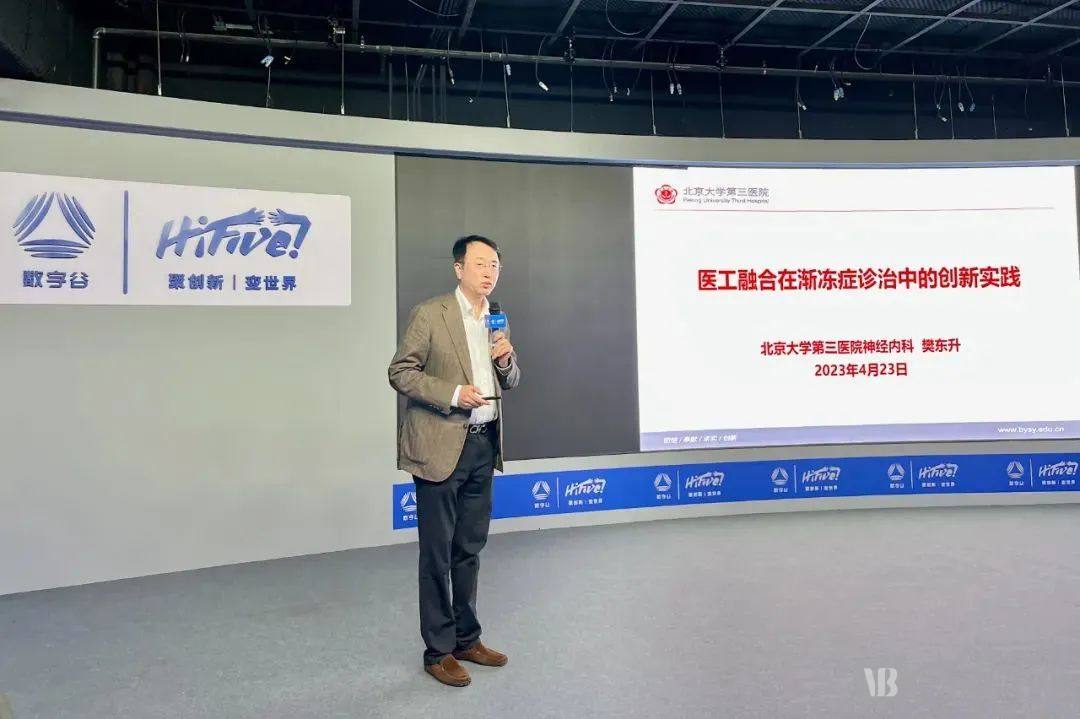
Fan Dongsheng
Director, Department of Neurology, Peking University Third Hospital
Chairman of the Neurology Branch, Beijing Medical Association
Project Pitch
During the project pitch session, four outstanding entrepreneurs shared their startup ventures.
Dr. Yan Yuxiang, CEO of Lingxi Cloud, delivered a project presentation on the topic of “Application of Digital Brain Modeling in the Diagnosis and Treatment of Brain Disorders.”Lingxi Cloud Technology was founded in 2019, with its core team hailing from the Neuroengineering Laboratory of Tsinghua University School of Medicine. The company has established the world’s largest brain function database, comprising one million EEG cases. Leveraging computational neural models trained on this ultra-large-scale dataset, it enables precise diagnosis and interventional treatment for common neurological disorders such as epilepsy, depression, and Alzheimer’s disease (AD), with a commitment to realizing the digital human brain.
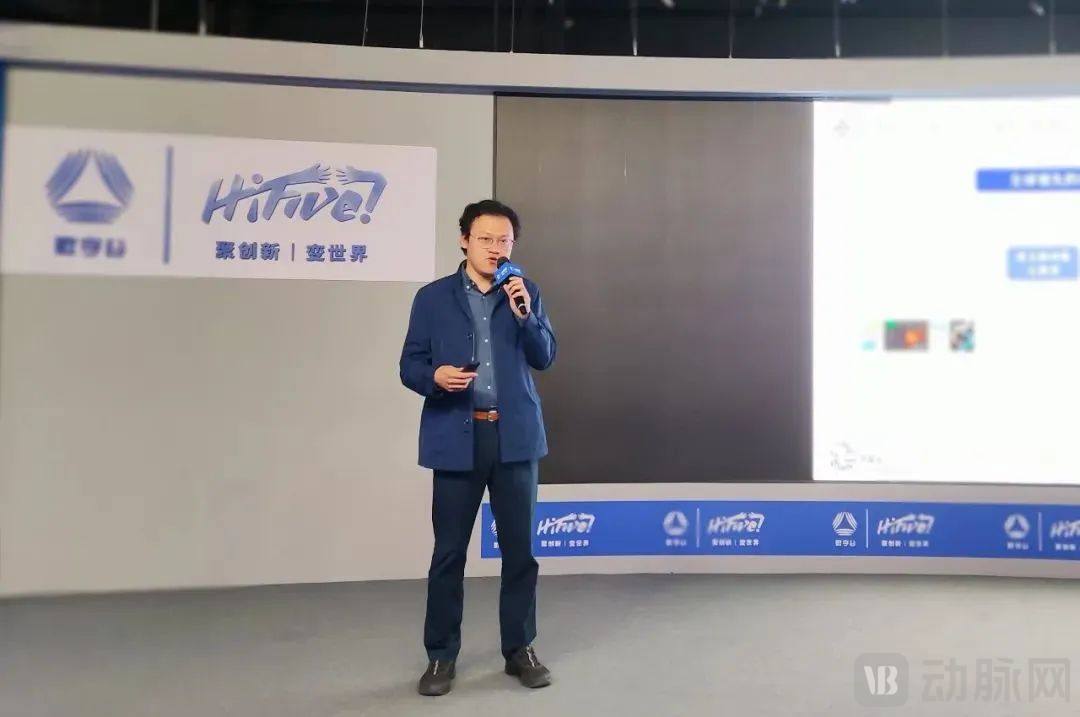
Yan Yuxiang, Founder and CEO of Lingxi Cloud
Jingcai Intelligence CEO Li Yao delivered a project pitch on the topic of “AI-Based Ultra-Early Screening for Cerebral Palsy in Children.”Currently, Jingcai Intelligence has established an ultra-early assessment platform for child development. By leveraging computer vision and artificial intelligence technologies, it has developed an integrated intelligent screening and analysis system for the ultra-early detection of cerebral palsy in children, encompassing data acquisition, analysis, and evaluation.
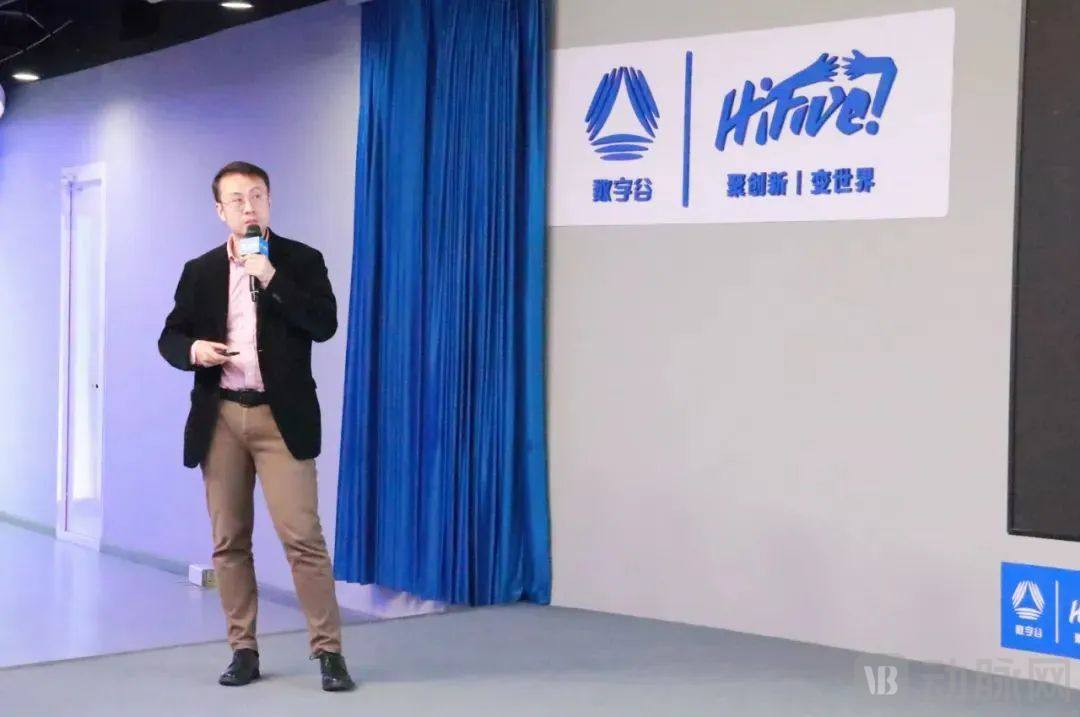
Li Yao, Founder and CEO of Jingcai Intelligence
Dr. Guo Ying, CEO of Xiatong Biotech, delivered a roadshow presentation on the topic of “Cell Therapy for Demyelinating Diseases.”Xiatong Biologics, established in June 2022 by Dr. Guo Ying and Professor Deng Wenbin, Dean of the School of Pharmaceutical Sciences at Sun Yat-sen University’s Shenzhen Campus, is dedicated to cell therapy for neurological disorders. The company has mastered induced pluripotent stem cell (iPSC) technology and world-leading oligodendrocyte differentiation techniques. As the only cell therapy company in China focused on demyelinating diseases of the nervous system, Xiatong Biologics aims to rapidly advance multiple pipeline candidates into clinical trials.
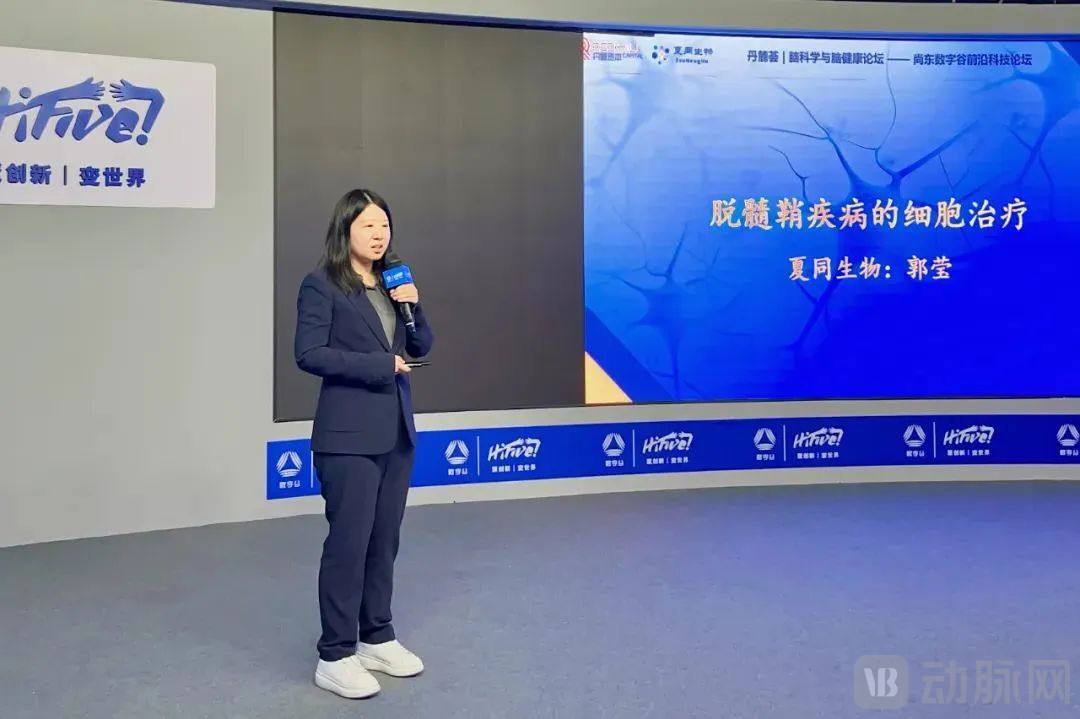
Guo Ying, Founder and CEO of Xiatong Biology
Xiong Wei, a principal investigator at the Beijing Institute for Brain Disorders and Brain-like Intelligence, introduced his pioneering gene therapy project for deafness.A comprehensive cell development platform for deafness gene therapy has been established.
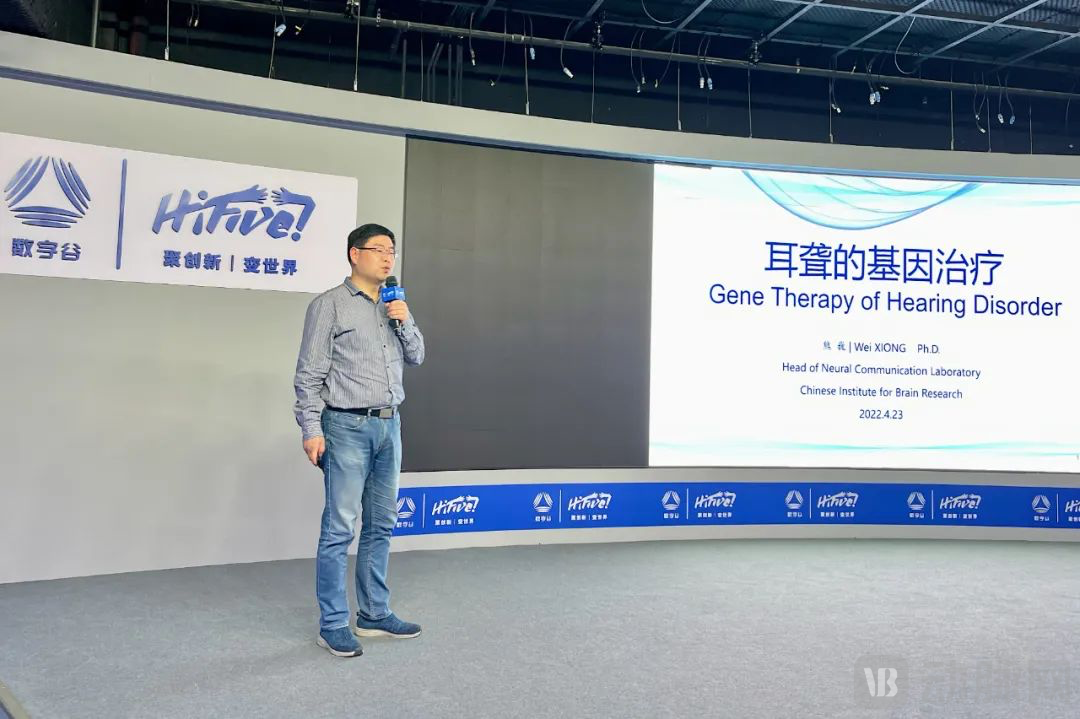
Xiong Wei, Researcher at the Beijing Institute for Brain Disorders and Brain-like Intelligence
Roundtable Discussion
The roundtable discussion featured Xu Meng, Assistant to the Dean of the Institute of Medical Technology at Peking University Health Science Center; Zhang Rong, Associate Professor at Peking University Health Science Center and Founder of Beishan Medical; Zhu Yongchun, Partner at Zhong Lun Law Firm and expert in legal aspects of technology transfer; Guo Ying, CEO of Xiatong Biology; and Yan Yuxiang, CEO of Lingxi Cloud. The session was moderated by Xu Qian, Managing Partner at Danlu Capital.Guests shared, exchanged views on, and discussed the laws, policies, procedures, and practical implementation strategies related to the commercialization of academic research achievements. Drawing from their practical experience, they also offered insights into translating cutting-edge scientific and technological advances into market-ready applications. Overall, the regulatory and policy framework for the transfer and commercialization of research outcomes is well-defined, with clear support from competent authorities and departments. The methods and processes for commercialization are becoming increasingly mature, facilitating the translation of a growing number of technologies into practical applications. We are currently in an era rich with opportunities and dividends from the commercialization of scientific and technological achievements.
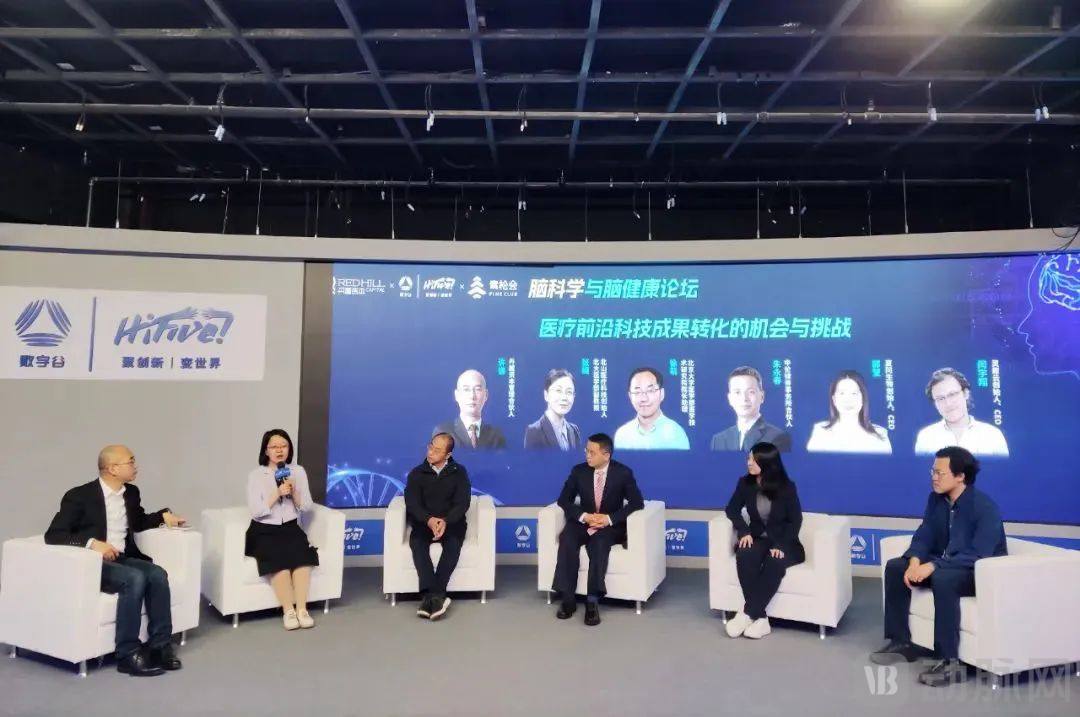
From left to right:
Host:
Xu Qian, Managing Partner at Danlu Capital
Guest:
Zhang Rong, Associate Professor at Peking University Health Science Center, Founder of Beishan Medical Technology
Xu Meng, Assistant to the Dean, Institute of Medical Technology, Peking University Health Science Center
Zhu Yongchun, Legal Expert in Technology Transfer and Partner at Zhong Lun Law Firm
Guo Ying, Founder and CEO of Xiatong Bio
Yan Yuxiang, Founder and CEO of Lingxi Cloud
At this forum, guests from diverse fields—including scientific research, clinical practice, industry, and investment—engaged in extensive exchanges, jointly exploring the future development of frontier brain science research, medical-engineering integration, and the translation of cutting-edge medical achievements. We look forward to further exchange of perspectives and collaboration in the future!