

First Seminar on Medical Imaging Interpretation and Research Successfully Held in Beijing
To promote the high-quality development of medical imaging research, foster close integration between imaging and clinical studies, and advance the construction of medical imaging disciplines, the inaugural closed-door symposium themed on medical imaging interpretation standards and related scientific research was successfully held in Beijing recently.
This conference invited Hong Nan, Vice President of Peking University People's Hospital, along with numerous leading experts in radiology from Peking Union Medical College Hospital, China-Japan Friendship Hospital, Beijing Tongren Hospital (Capital Medical University), Peking University Cancer Hospital, Beijing Tiantan Hospital (Capital Medical University), Beijing Chaoyang Hospital (Capital Medical University), and Beijing Shijingshan Hospital. Representatives from Beijing Hutao Health Technology Co., Ltd. were also invited to join the experts in discussing practical applications of medical image interpretation, including how it supports clinical research and enhances interpretation quality.
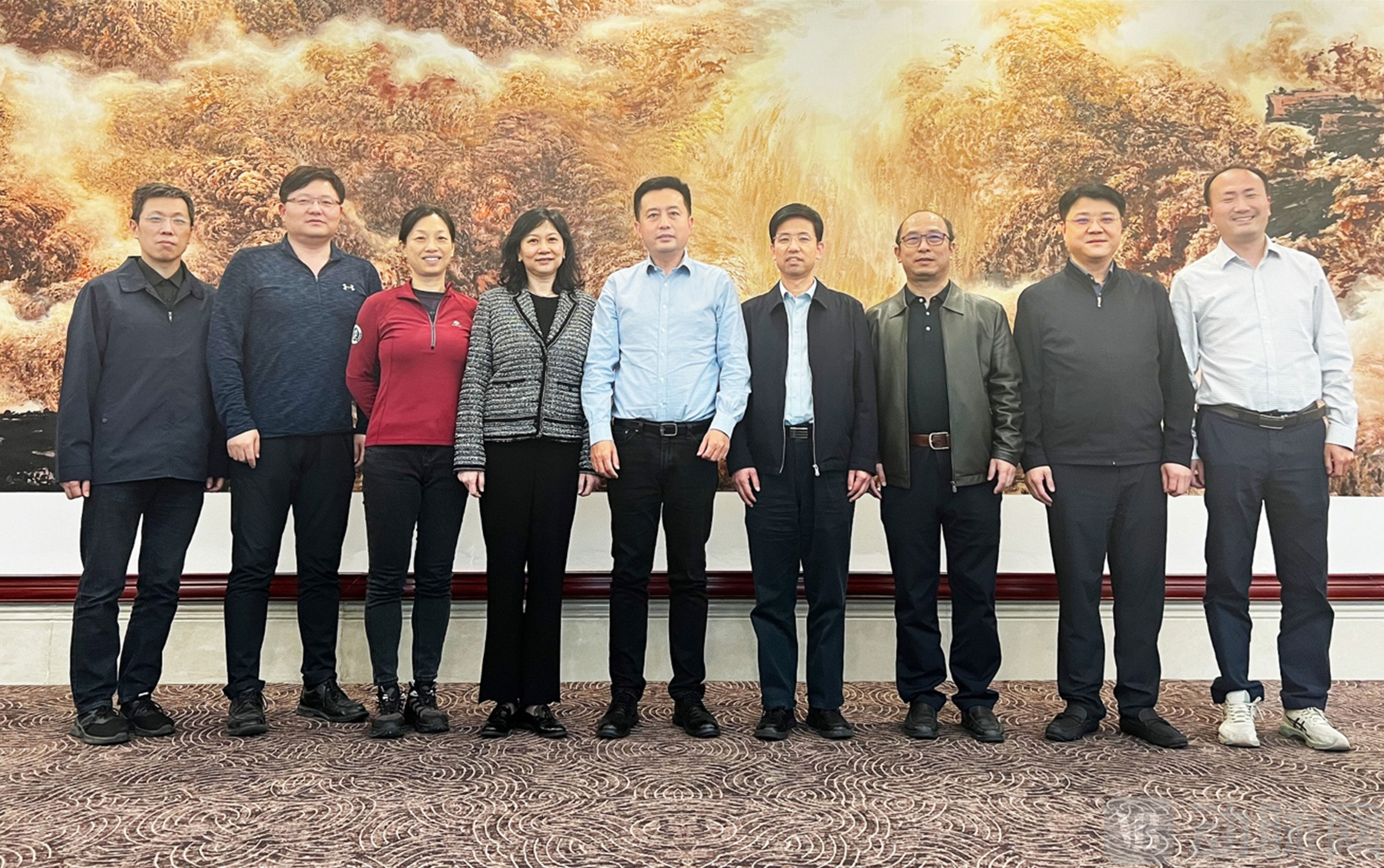
Dean Hong Nan stated that as the primary venue for conducting clinical trials, hospitals have higher requirements for the outcomes of medical translation, and the support provided by medical imaging to clinical research is becoming increasingly prominent. However, although certain standards have been established within the industry, many deficiencies remain, including qualifications for independent readers, correct interpretation of assessment criteria, standardization of reading processes, and the rationality of contingency plans. Dean Hong emphasized that improving imaging research work is a significant task and mission for professionals in the field of medical imaging. It also represents a lifelong commitment for healthcare providers to thoroughly implement the General Secretary’s philosophy, uphold patient-centered care, and prioritize patients’ lives and health.

The attendees also emphasized the need for deep integration of imaging research with clinical practice, highlighting that high-quality image interpretation is indispensable. However, even with international “gold standards” in place, the interpretation and implementation of these standards by radiologists in China remain inconsistent. Variations in operational practices across different hospitals and physicians have prevented the establishment of a unified measurement framework, leading to biases in the validity of clinical trial data and certain deviations in trial outcomes. To address discrepancies arising from differing interpretation methods, Dean Hong Nan and the other participants agreed on the following approach: establish an organizational system with fixed standards, implement rigorous quality control management, and develop high-standard norms grounded in practical experience through the analysis and study of classic clinical research cases from major hospitals. This effort aims to gradually form unified industry-wide operational guidelines, comprehensively enhance the interpretive capabilities of radiologists, and ensure that only qualified professionals engage in image interpretation. This will not only maximize patient safety but also guarantee that the discipline of medical imaging provides more orderly, effective, and high-quality stable support throughout clinical and research processes, thereby promoting the high-quality development of medical imaging.

Beijing Hutao Health Technology Co., Ltd. (hereinafter referred to as “Hutao Health Tech”), serving as a research partner for hospitals, has been actively deploying clinical medical resources and bridging the gap between medical institutions and pharmaceutical companies. It leverages digital solutions to enhance the quality and efficiency of clinical trials. Hutao Health Tech’s proprietary pre-quality control imaging interpretation system is a digital platform specifically developed for imaging assessment in radiology clinical trials. This system addresses the limitations of Picture Archiving and Communication Systems (PACS) in acquiring and evaluating imaging data according to clinical trial standards. It comprehensively covers current medical imaging standards (such as RECIST 1.1, Lugano 2014, and RANO), enabling an end-to-end electronic workflow that includes image data upload, pre-upload quality control, process quality control, standardized reading and assessment, and data export. This significantly improves physicians’ work efficiency, ensures the security of clinical trial data, and effectively controls bias and variability in image interpretation.
Experts at the conference also pointed out that, in addition to the continuous practice and refinement by in-house physicians, the development of medical imaging relies heavily on industry support. How to achieve deep integration of medicine and technology, further improve the quality and accessibility of image interpretation, and provide more proactive, stable, and rapid support for clinical research are topics being actively explored by the entire radiology community.
Meanwhile, medical imaging is moving from the background to the forefront. The interpretation of medical images plays a pivotal role in clinical drug research. However, due to flaws in past clinical trial processes, image interpretation has remained a relatively behind-the-scenes function, and radiologists in most hospitals in China have not been fully motivated to participate in clinical trials. Over the years, the significant role of medical imaging in specialized fields has become fully evident, and researchers’ attention to imaging has reached an unprecedented level. Medical imaging is also crucial for study design in the early stages of clinical trials. It is expected that medical imaging will gradually become involved in the medical design of clinical trials, playing a key and decisive role.
President Hong Nan stated that collective efforts yield greater results, emphasizing that the integration of hospitals and industry is essential. By working together, medical institutions and enterprises can promote the standardization and normalization of medical imaging, drive high-quality industry advancement, and improve the success rate of drug research, ultimately benefiting patients.