

Seventh Future Healthcare 100 Summit Grandly Opens with the Theme 'Daring to Pursue, Unbound by East or West'
On May 5, 2023, the “7th Future Healthcare Top 100 Conference,” hosted by VB100, VCBeat, and Eggshell Research Institute, with strategic cooperative support from Shanghai Zhangjiang Group, grandly opened at the Shanghai Zhangjiang Science Hall.
As the largest and most information-rich ecosystem conference integrating industry and capital in China’s healthcare innovation sector, the Future Healthcare Top 100 Conference has always centered on “connecting global wisdom, sharing cutting-edge technologies, inspiring the technological future, and focusing on venture capital interaction,” thereby leading the trends in innovation and investment within China’s healthcare field.
Themed “Beyond East and West,” this three-day conference features three main forums and over 30 sub-forums, focusing on cutting-edge scientific achievements, world-class medical challenges, strategies of leading enterprises, hot niche sectors, and emerging trends in venture capital and investment. It attracts top domestic and international experts in life sciences and healthcare research, as well as professionals from listed companies, innovative enterprises, financial institutions, and healthcare organizations.
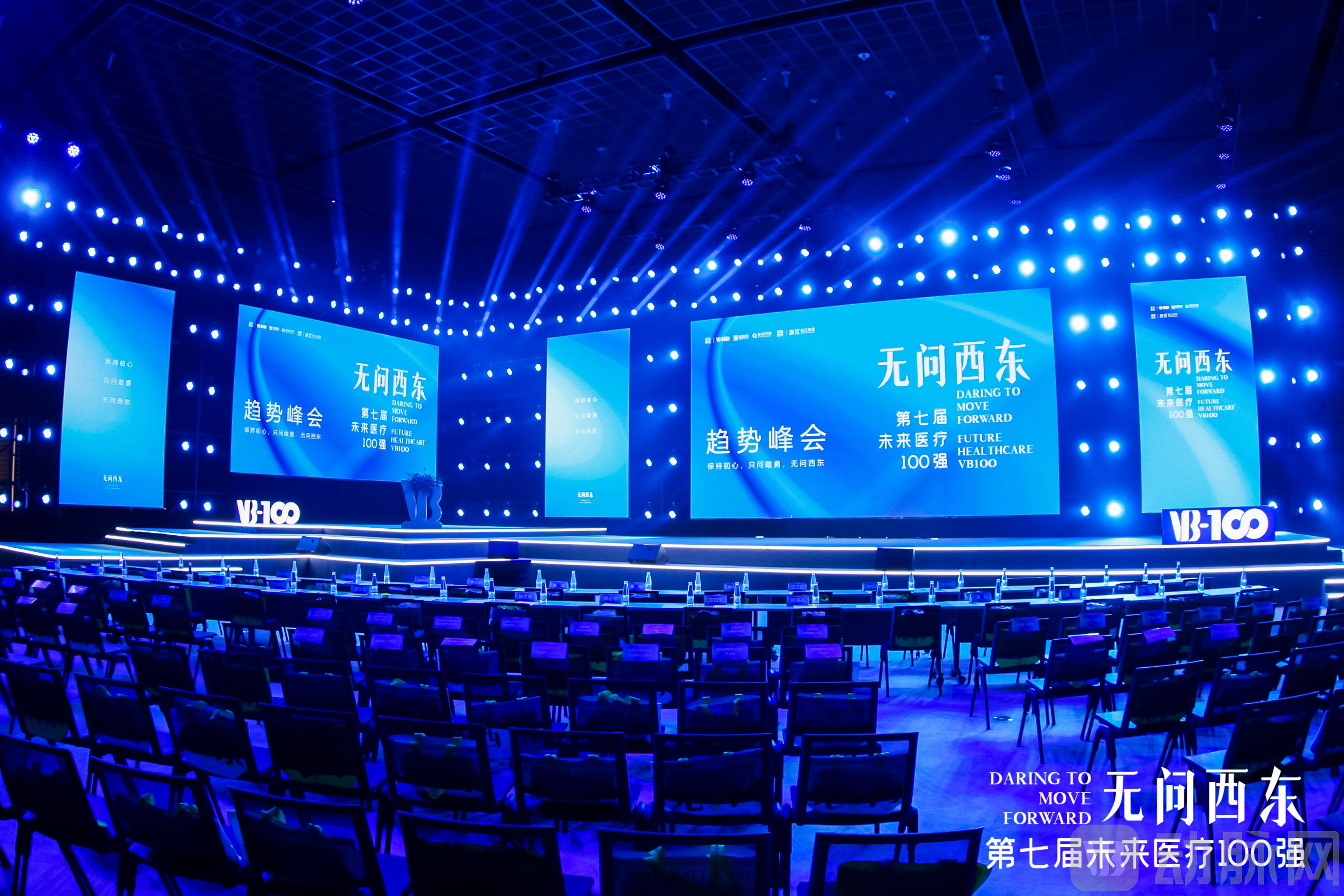
All forums include: Trend Summit, Leadership Summit, Top 100 Summit, LPGP Summit, Visual Imaging Equipment Forum, Interdisciplinary Clinical Application of Medical Device Technology Forum, Smart Laboratory Forum, ITBT & AI Drug Discovery Forum, Brain Science Industry Trend Development Forum, Innovative Drug R&D Achievement Transformation Platform Forum, Digital Therapeutics Industry Innovation Practice Forum, Regenerative Medicine Innovation and Development Forum, Primary Healthcare Integration and Health Insurance Payment Forum, Personalized Diagnosis and Treatment Forum, Life Science Tools Forum, Internet Hospital and Smart Hospital Innovation and Development Forum, RNA Therapy Forum, Nutritional Science Innovation and Development Forum, Photoelectric Aesthetic Medicine Innovation and Development Forum, Pharmaceutical Company Digital Marketing Forum, Generative AI and Healthcare Forum, Vascular Intervention Frontier Innovation Forum, Radiopharmaceuticals Forum, Spinal Health Innovation and Development Forum, Synthetic Biology Industry Innovation and Development Forum, Ophthalmology Industry Innovation Forum, Traditional Chinese Medicine Health Innovation and Development Forum, Surgical Robot Innovation and Development Forum, Health Management and Insurance Payment Innovation and Development Forum, Women's Digital Health Management Forum, Assisted Reproductive Technology Industry Development Forum, Organoids and Organ-on-a-Chip Forum, Smart Home Health Innovation and Development Forum, Cell and Gene Therapy Forum.
Below are the highlights from guest speeches and roundtable discussions at the opening day’s main forum, “Trend Summit,” as compiled by VCBeat:
Robert Langer, Professor at the David H. Koch Institute for Integrative Cancer Research at MITThe “Trends Summit” kicked off with a keynote address titled “From a 1976 Paper in Nature to mRNA Vaccines in 2020,” in which he shared his journey of overcoming skepticism and obstacles, his approaches to developing novel therapies for cancer and heart disease, and his strategies for addressing global health challenges.
Professor Langer first outlined the common challenges associated with macromolecular drugs in oncology—namely, their inability to diffuse slowly within solid materials and the denaturation of peptides, proteins, or nucleic acids caused by organic solvents—and reviewed advances and innovations in molecular biology techniques. He then used microneedle patches for vaccination as an example to detail their practical applications in scenarios such as artificial hearts, dialysis circuits, vascular grafts, and breast implants.
Finally, he responded to a question from the audience regarding the ultimate form of delivery systems: “I believe that future delivery systems will undoubtedly be diversified. For instance, lipid nanoparticles (LNPs) will continue to improve, while other delivery platforms will continually emerge, enabling us to administer drugs through various approaches.”
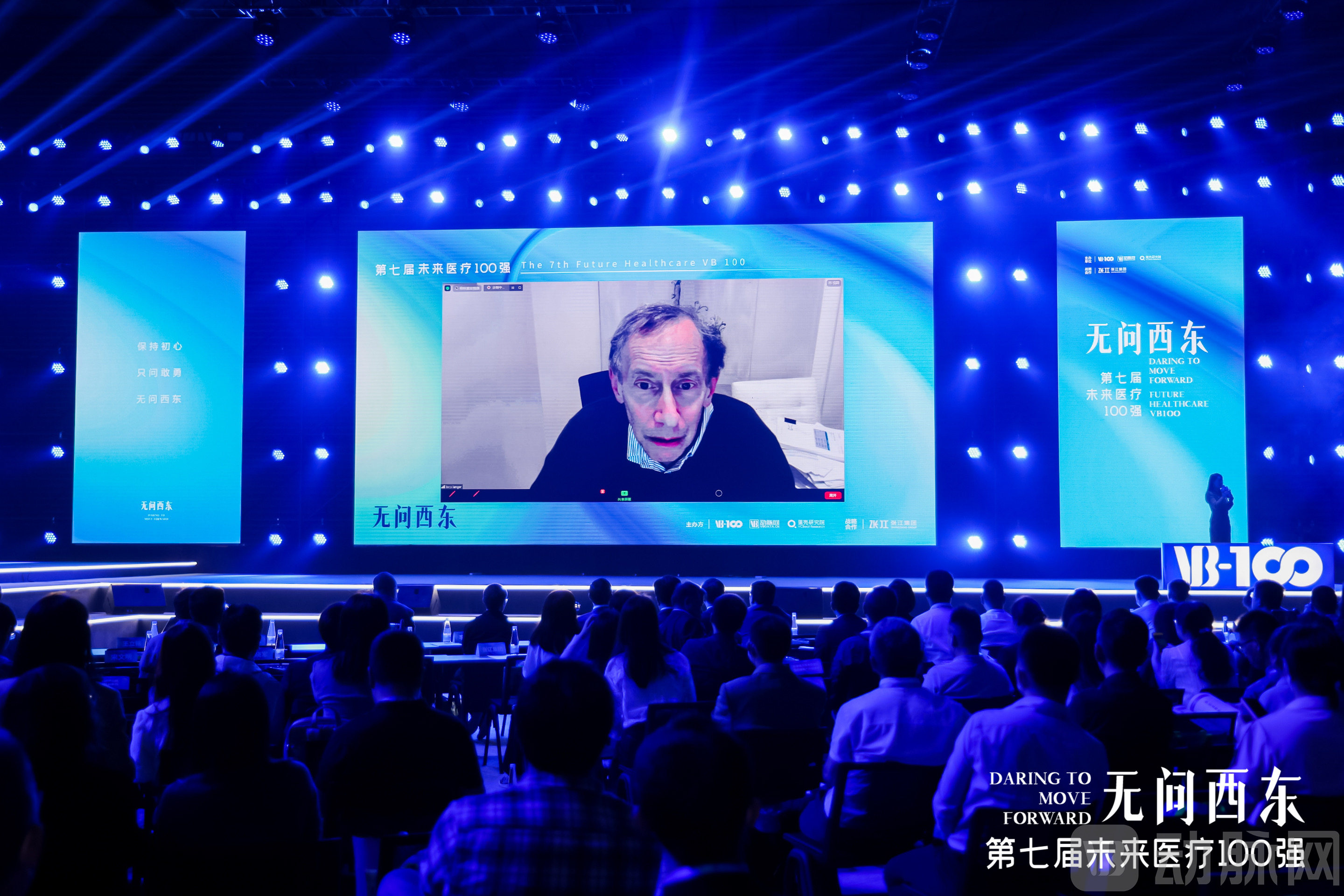
Robert Langer, Professor at the David H. Koch Institute for Integrative Cancer Research at MIT
Wu Qiang, Deputy District Mayor of Pudong New Area, ShanghaiIn his address, he pointed out that biomedicine is one of the six “hard-core” industries prioritized for development in Pudong. After 33 years of growth, Pudong has accumulated certain advantages in the biomedical sector and is building a world-class biomedical industry cluster, serving as a key engine for the construction of the Pudong Leading Area and the high-quality development of its industries. “Supporting high-level industry forums is an essential component of Pudong’s efforts to cultivate a robust industrial ecosystem. This year, the Top 100 Future Healthcare Conference is being held at the Zhangjiang Science Hall, leveraging the release of the ‘Top 100 Future’ list to attract more than 1,000 innovative enterprises, investors, and professionals, jointly shaping the trends of innovation and investment in China’s healthcare sector. Pudong’s support for the establishment of the Zhangjiang Science Hall aims to gather more scientists, technology practitioners, and entrepreneurs to share sparks of scientific innovation and their achievements. I am delighted to see the Zhangjiang Science Hall filled with distinguished guests. Looking ahead, Pudong will continue to welcome all guests to visit for exchanges, invest and establish businesses, and achieve win-win cooperation, jointly promoting the innovative and healthy development of China’s healthcare industry and making new contributions to the cause of human health.”
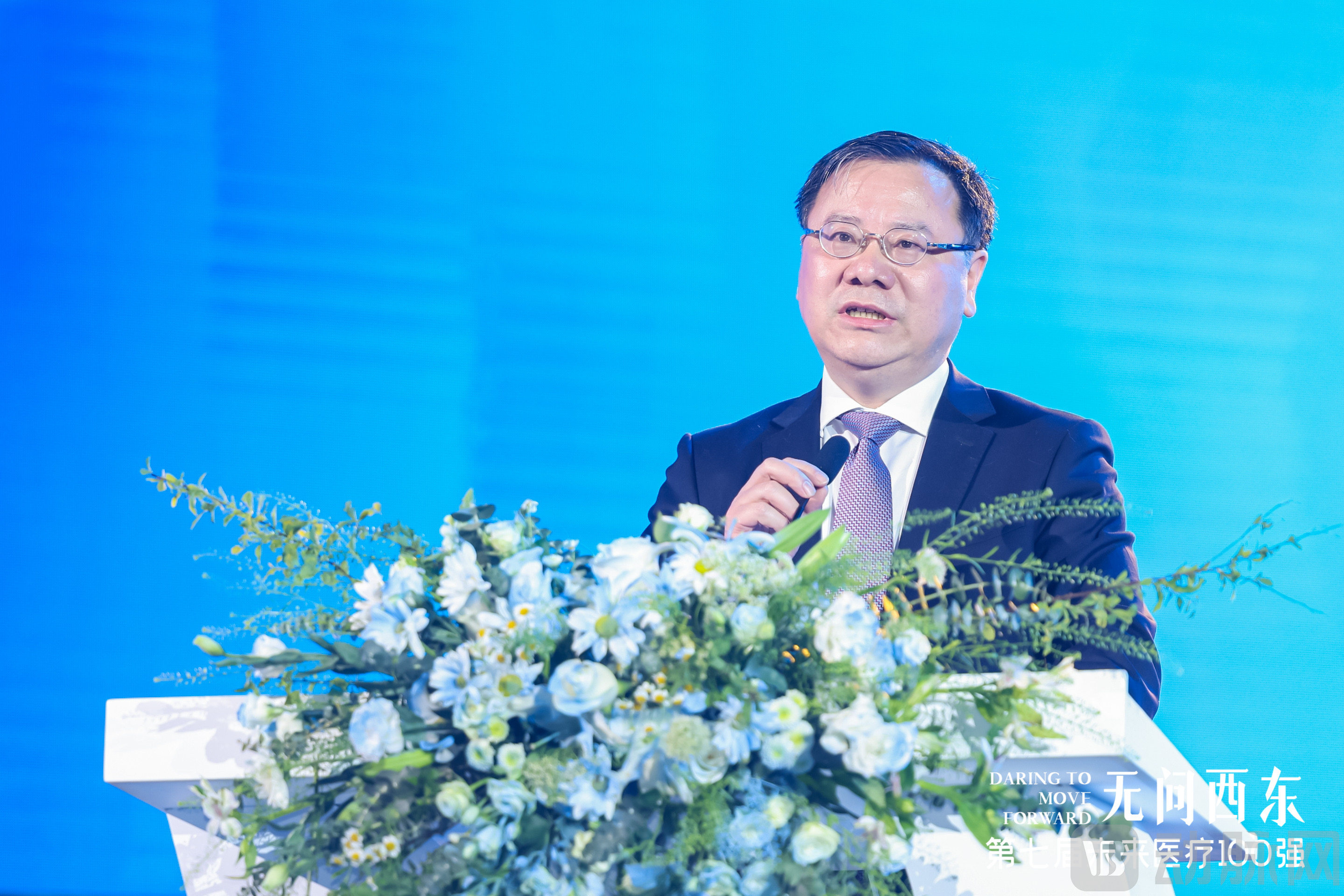
Wu Qiang, Deputy District Mayor of Pudong New Area, Shanghai
Yuan Tao, Party Secretary and Chairman of Zhangjiang GroupIn his address, he stated that in recent years, Zhangjiang Group has firmly focused on global frontier trends in science and technology, actively cultivating and expanding its layout in future-oriented sectors to attract innovative and entrepreneurial talent from around the world. In specialized fields such as cell and gene therapy, AI-driven pharmaceuticals, synthetic biology, modern traditional Chinese medicine, pharmaceutical robotics, healthy aging, and advanced diagnostics, the Group has continuously built and promoted the transformation and optimization of the industrial ecosystem by establishing open innovation centers, forming translation platforms, launching industry alliances, creating spatial carriers, and developing specialized parks, striving to create a “nuclear explosion point” for scientific and technological innovation. “The ‘Top 100 Future Healthcare’ Conference is an ecological gathering for industrial innovation and capital in China’s healthcare sector, focusing on sci-tech investment, technological innovation, and cooperation along the healthcare industry chain. It pays close attention to niche sectors and explores trends in innovation and investment. We look forward to inspiring innovators through a rich exchange of ideas, ushering in a new future. Zhangjiang, characterized by open innovation and vibrant energy, welcomes scientists, entrepreneurs, and providers of capital and services in the life sciences to cluster and develop here. We anticipate further deepening cooperation to jointly accelerate the pace of mass entrepreneurship and innovation, making Zhangjiang a hub for innovative thinking, a platform for exchanging high-quality resources, and the premier destination for innovation and entrepreneurship, thereby driving the high-quality future development of the life and health industry!”
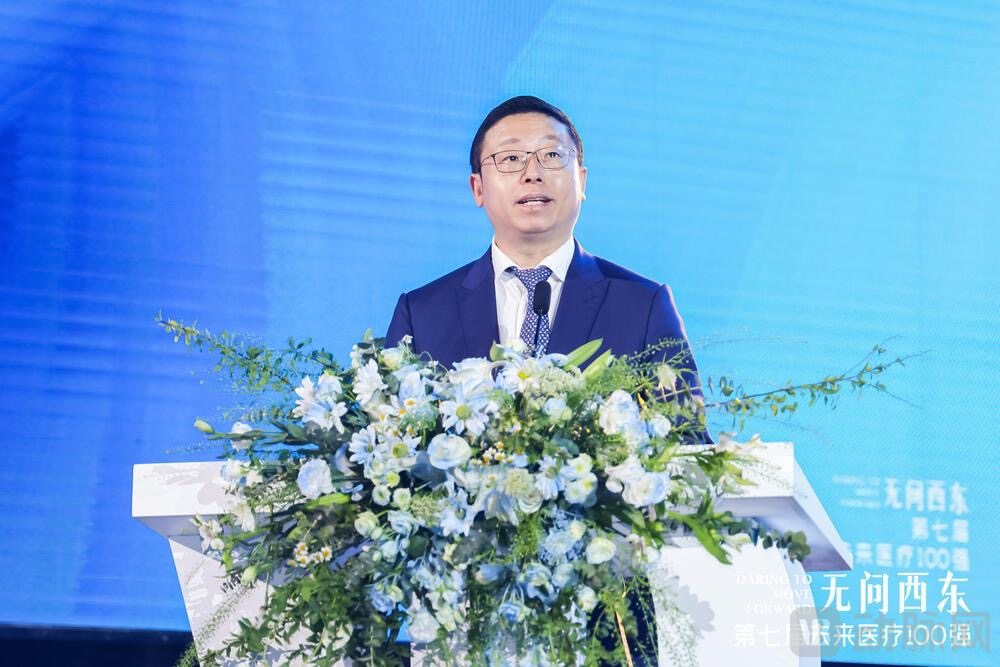
Yuan Tao, Secretary of the Party Committee and Chairman of Zhangjiang Group
Li Datao, Founder of Danhuang TechnologyDuring his address, he shared VCBeat’s self-conception, mission, methodology, and action roadmap. He noted that transformation and innovation inherently entail negation and challenge, and the life and health sector is precisely cultivating such a new ecosystem. VCBeat aims to build a comprehensive, future-indexable repository of facts, enabling written records to offer us the possibility of returning to historical moments. Building on its continuous and systematic coverage of innovation, VCBeat seeks to foster certain consensuses—that innovation cases emerging from China’s vast market can, to some extent, provide Chinese solutions to global challenges; and that China will inevitably produce world-class innovative entrepreneurs with distinct local characteristics. We look forward to joining more innovators in constructing a new commercial civilization through writing, jointly exploring the profound and beautiful themes of life.
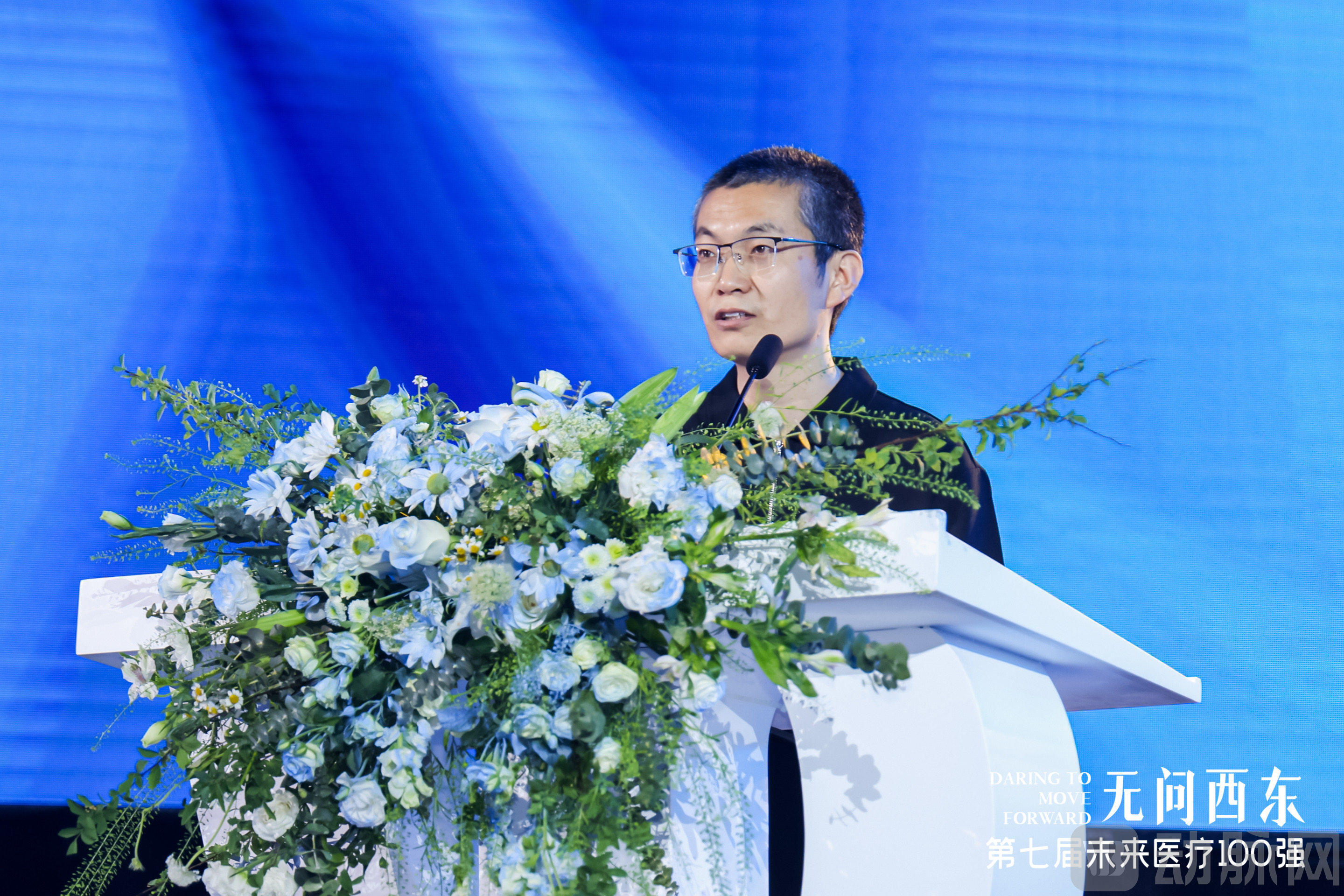 Li Datao, Founder of Danhuang Technology
Academician of the Chinese Academy of Sciences, microbiologist, and Dean of the School of Life Sciences and Biotechnology at Shanghai Jiao Tong University, Deng ZixinHe delivered a keynote speech titled “Leveraging Synthetic Biology to Drive Disruptive Innovation in General Health Technology.” He elaborated on four key areas: “natural product discovery driven by natural selection,” “natural product modification driven by pathway engineering,” “natural product creation driven by interdisciplinary integration,” and “the urgent need for source innovation and alternative approaches in the general health industry.” Furthermore, he proposed “utilizing metabolic engineering, combinatorial biosynthesis, and synthetic biology technologies to transform or disrupt the traditional R&D pathways for general health products,” thereby illustrating how synthetic biology can serve as a lever for disruptive innovation in general health technology.
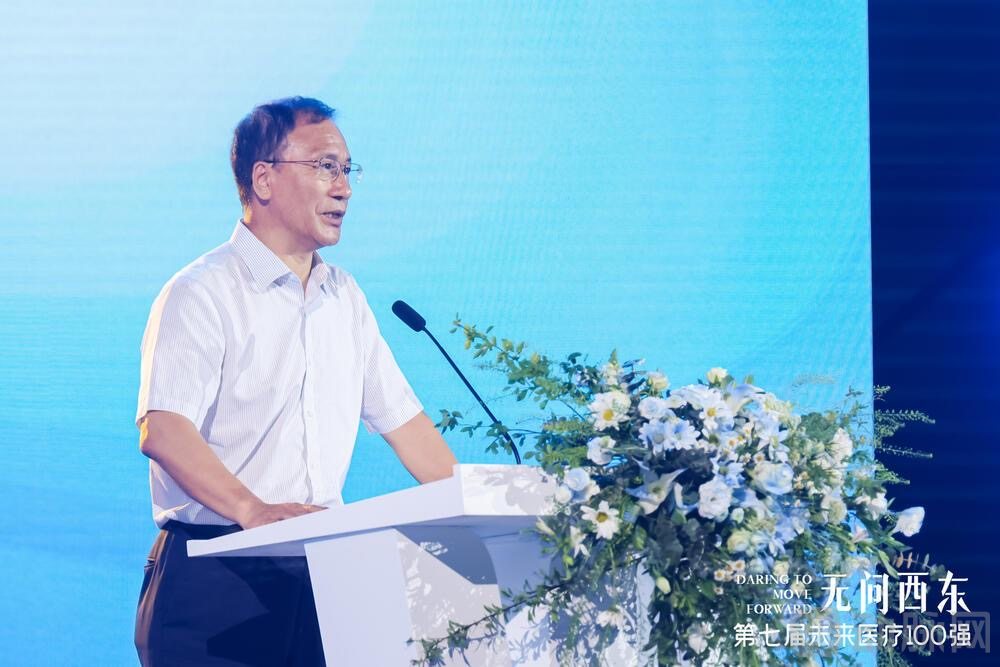
Academician of the Chinese Academy of Sciences, microbiologist, and Dean of the School of Life Sciences and Biotechnology at Shanghai Jiao Tong University, Deng Zixin
Academician of the Chinese Academy of Engineering, Dean of Peking University International Cancer Research Institute, Zhan QiminShared insights on “Innovative Development of Biopharmaceuticals under the Healthy China Initiative.” The essence of holistic health in the new era is to safeguard people’s health through comprehensive, full-lifecycle care. However, there are still many shortcomings in the development of China’s health sector, such as the need for further improvement in independent innovation capabilities, a relatively small scale of the biotechnology industry, an urgent need for breakthroughs in key industrialization technologies, a disconnect between technological innovation and market/social benefits, and inadequate industrial investment and financing channels. Against the backdrop of three prominent trends in global frontier biotechnology—cross-sector integration, non-linear innovation, and data- and intelligence-driven development—Chinese pharmaceutical companies should gradually transform into health-focused enterprises centered on pharmaceuticals, innovation-driven enterprises focused on innovative drugs, multinational corporations, and market-oriented modern enterprises.
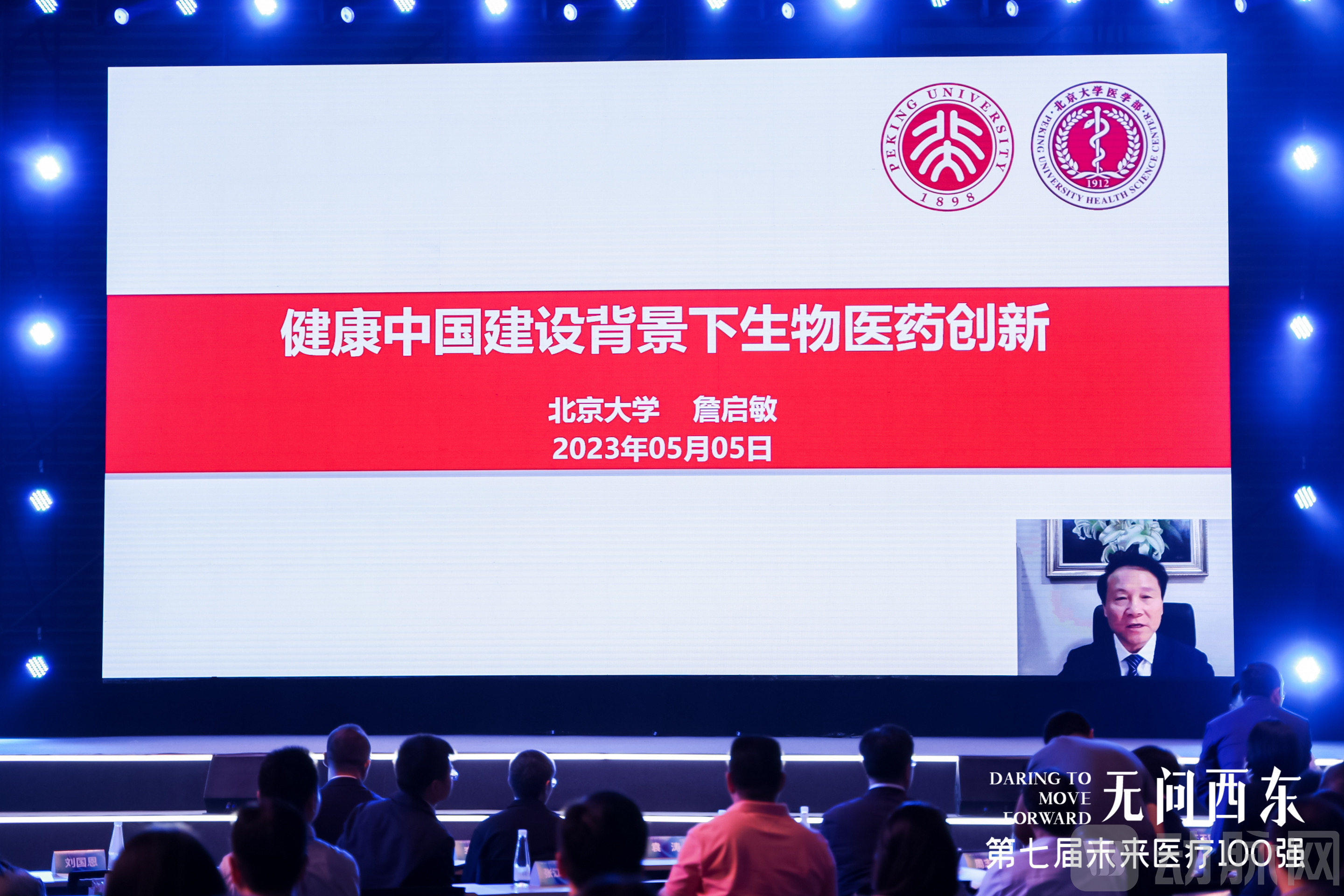
Academician of the Chinese Academy of Engineering and Dean of the Peking University International Cancer Research Institute, Zhan Qimin
Ma Weiying, Chief Scientist at the Institute for AI Industry Research (AIR) of Tsinghua University and IEEE FellowHe delivered a keynote presentation titled “New Science and Intelligent New Drug R&D.” He introduced five key areas where AI empowers biopharmaceutical innovation: Generative AI, Ultra-Large Models, Multi-Modal Pre-training, Closed Dry-Lab and Wet-Lab Loop, and Autonomous AI. He emphasized that the vast value of multi-modal data in the biopharmaceutical field urgently needs to be unlocked. Science is an endless frontier, and everything is just beginning.
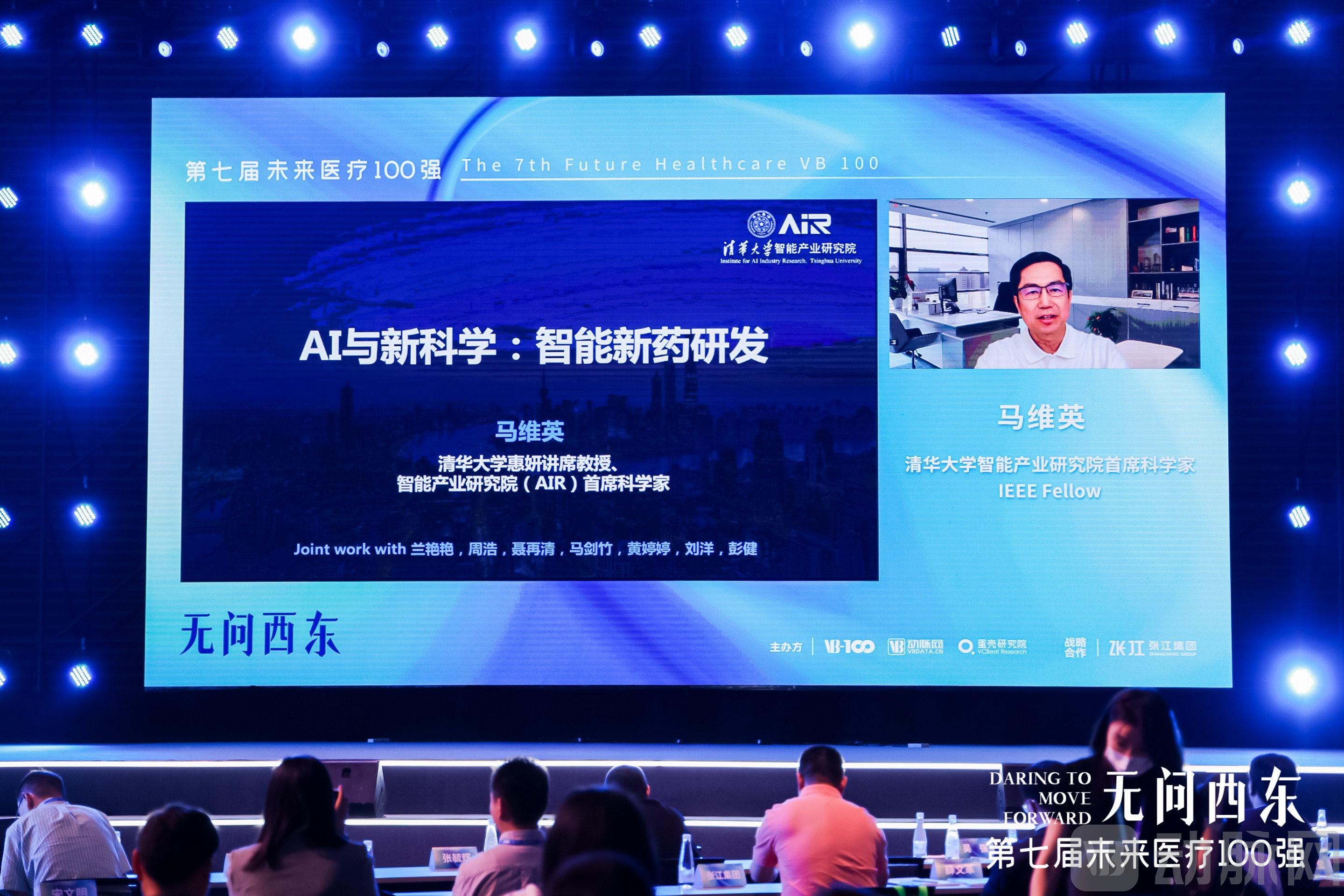
Ma Weiying, Chief Scientist at the Institute for AI Industry Research (AIR) of Tsinghua University and IEEE Fellow
Yu Yutian, Fellow of the Royal Society of Canada and Dean of the School of Life Sciences, Shenzhen University of Advanced Technology (in preparation)"Application of Peptide-Mediated Degradation of Endogenous Proteins in Drug Development for Brain Diseases" was introduced. He stated that central nervous system disorders impose a severe medical, social, and economic burden, making innovative drug research in the neurological field an urgent and critical medical and societal need. Abnormal aggregation and misfolding of proteins in the brain are closely linked to the onset and progression of various neurodegenerative diseases. Specifically reducing the accumulation of these toxic pathological proteins or blocking their signaling pathways would enable etiology-targeted treatment for such neurodegenerative conditions. He then discussed the challenges, concepts, and feasibility of developing technologies for rapid and reversible targeted knockdown of intracellular pathogenic proteins. He believes that peptide technology offers significant advantages, including rapid action, controllability, high druggability, and greater suitability for clinical application. This approach holds promise for developing a new class of effective, etiology-targeted therapeutics for diseases such as Parkinson’s disease (PD), Huntington’s disease (HD), amyotrophic lateral sclerosis (ALS), Alzheimer’s disease (AD), and even cancer.
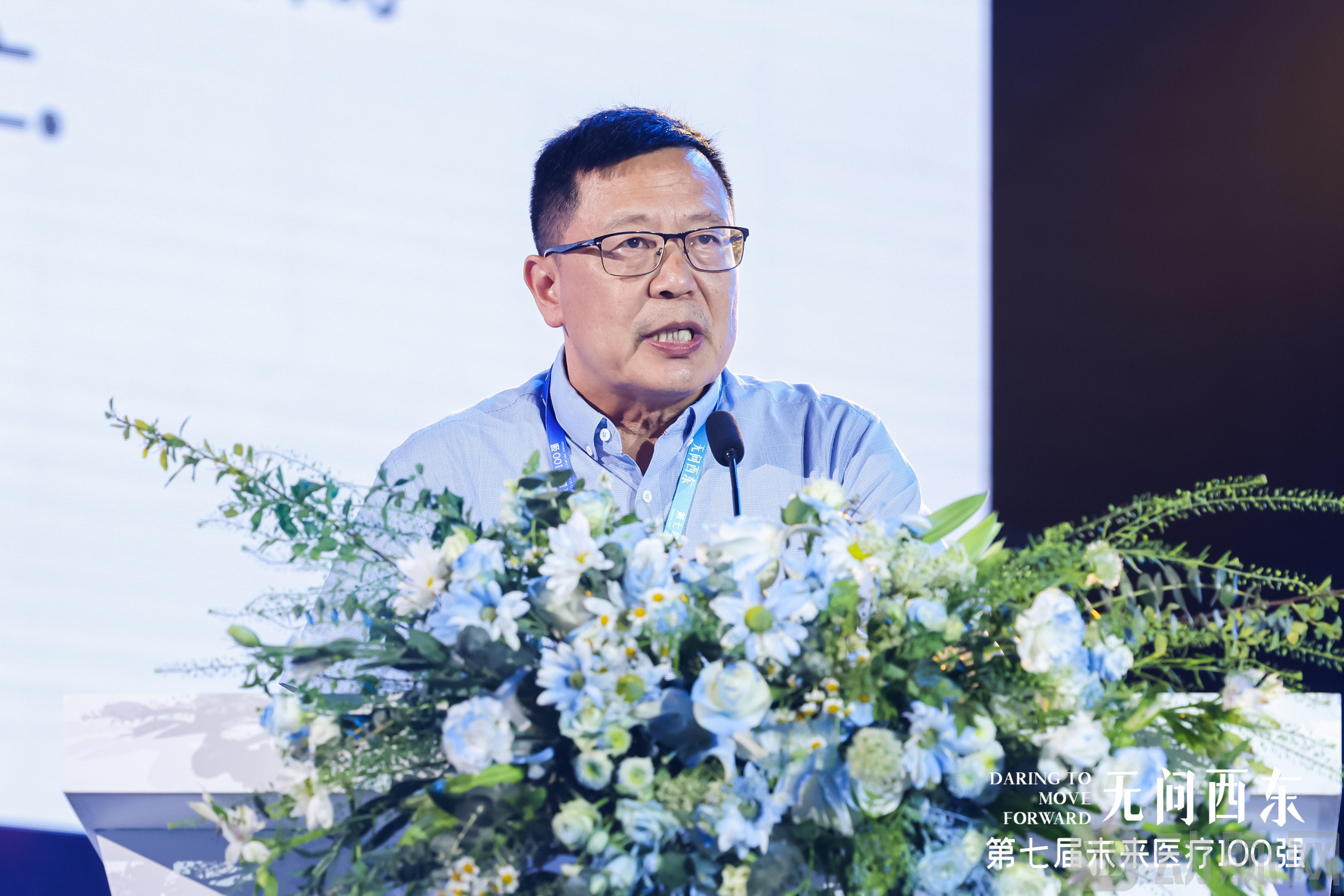
Yutian Wang, Fellow of the Royal Society of Canada and Dean of the School of Life Sciences at Shenzhen University of Advanced Technology (in preparation)
Jia Weiping, Academician of the Chinese Academy of Engineering, Director of the National Office for Prevention and Control Management of Diabetes at the Primary Care Level, and Director of the Shanghai Institute of DiabetesShe shared insights on “Building an Integrated Medical and Preventive Care System for Diabetes Based on Digital Health.” She discussed changes in healthcare service models and the development of digital medicine, indicating that a series of policies promoting collaborative chronic disease management and advancing digital medicine can effectively improve the quality of chronic disease prevention and control. She presented application cases of digital medicine in chronic disease management and recommended using novel biomarkers, such as adiponectin, for early screening of diabetes. Finally, she introduced new trends in diabetes management, namely the application of digital medicine, which enhances treatment efficacy, strengthens prevention and education, controls costs, improves doctor-patient interaction, increases patient autonomy, and enhances healthcare accessibility (particularly for patients in remote areas).
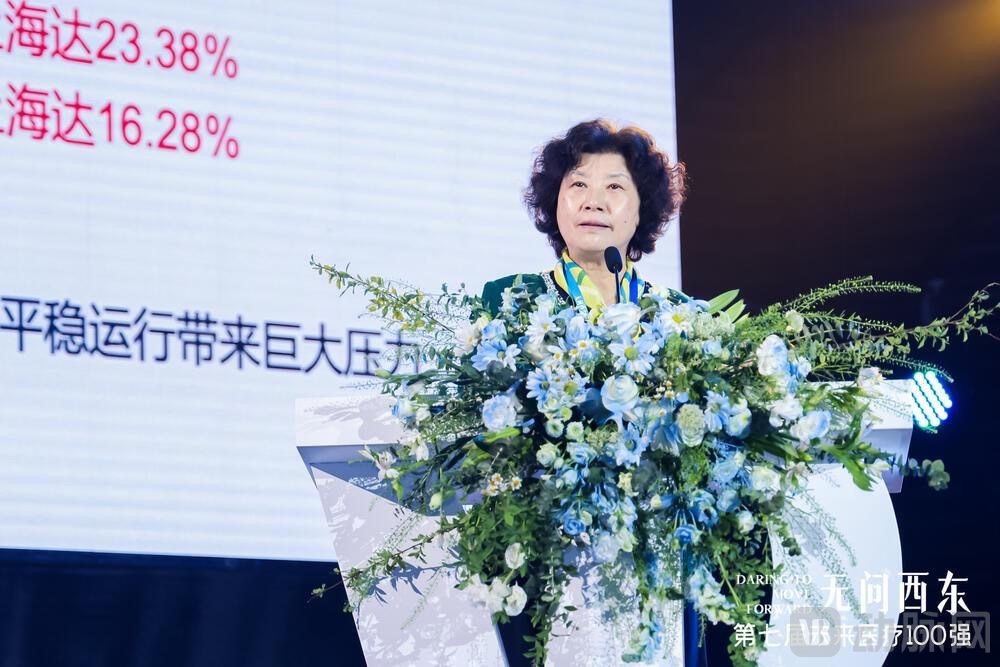
Jia Weiping, Academician of the Chinese Academy of Engineering, Director of the National Office for Prevention and Control Management of Diabetes at the Primary Care Level, and Director of the Shanghai Institute of Diabetes
Zhang Yuhui, Member of the Party Committee and Deputy Director of the Hainan Provincial Health Commission; Member of the Party Committee and Deputy Director of the Health Development Research Center of the National Health CommissionDelivered a keynote speech titled “Technological Innovation and Policy Innovation in Healthcare System Reform: The Development of Digital Therapeutics in Hainan,” sharing the background, strategic approach, and latest progress in promoting the digital therapeutics industry in Hainan. The speaker provided a systematic interpretation of the “Several Measures for Accelerating the Development of the Digital Therapeutics Industry in Hainan Province” and stated that Hainan would focus on two key priorities moving forward: first, to better leverage technological innovations in digital therapeutics to address long-standing challenges constraining healthcare development, thereby supporting and contributing to the deepening of healthcare reform and the Healthy China initiative; second, to accelerate the research, development, and widespread application of innovative digital therapeutics technologies by capitalizing on the momentum of healthcare reform and the Healthy China strategy.
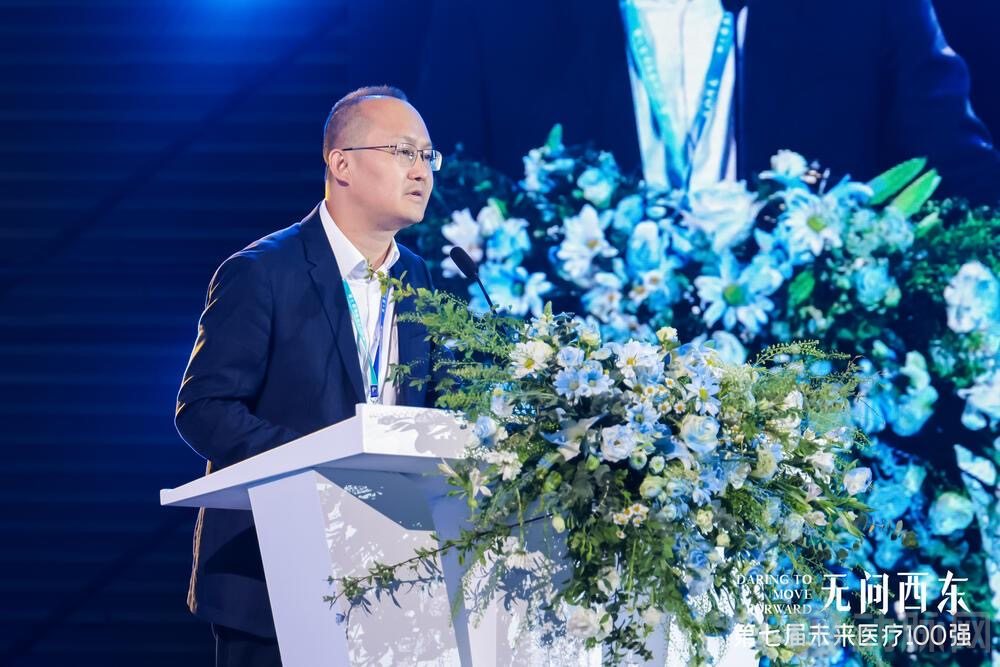
Zhang Yuhui, Member of the Party Committee and Deputy Director of the Hainan Provincial Health Commission; Member of the Party Committee and Deputy Director of the Health Development Research Center of the National Health Commission
Liu Guoen, Dean of the Institute for Global Health Development at Peking University and Member of the Academic Division of the Chinese Academy of Medical SciencesHe shared insights from “Prospects for a Healthy China in the Context of Population Aging.” He first introduced the issue of the “optimal share” of health expenditure in the macroeconomy, discussing long-term trends (healthcare as a luxury good) and the “optimal” proportion of health spending. He then addressed the division of labor in healthcare services, such as “tiered diagnosis and treatment” under the backdrop of national healthcare reform, and clarified the structure of modern medicine and its service system (characterized by specialized division of labor): primary care services (led by community outpatient clinics) and specialized medical services (primarily provided through hospital-based diagnosis and treatment). Finally, he offered economic perspectives, emphasizing the need to further promote the transition of physicians from “multi-site practice” to “free practice,” transforming their professional identity from “institution-affiliated individuals” to “independent social professionals,” while establishing a community-rooted service ecosystem and career incentives for general practitioners.
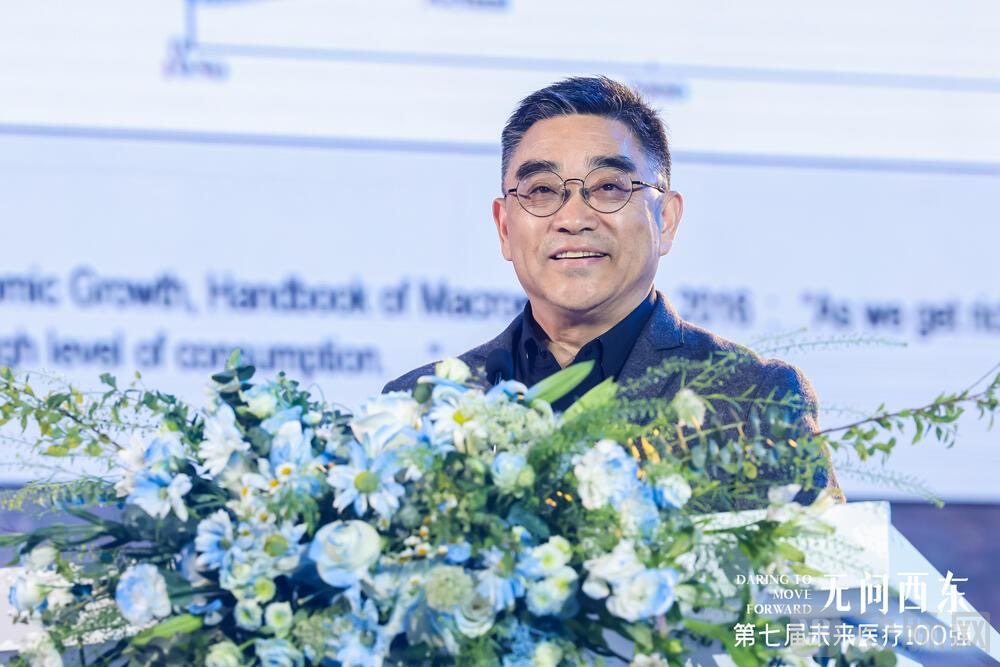
Liu Guoen, Dean of the Institute for Global Health Development at Peking University and Member of the Academic Division of the Chinese Academy of Medical Sciences
The policy and regulatory panel session, themed “Why Is It Difficult for Chinese Innovative Drugs to Go Global? What Lies Ahead?”, was moderated by Du Tao, former senior FDA reviewer and Chairman of Shenzhen Aegle Pharmaceuticals. The panelists included Bob Ai, Founder and Managing Partner of Goby Global; Li Jinsong, Co-founder of Yousen Jianheng Biopharmaceuticals; Lu Jinhua, Chief Scientific Officer of Shanghai Stardust Biotherapeutics; Shao Hui, CEO of ImmuneOnco; and Wen Hong, former FDA approval officer and Partner at Shanghai Biomedical Fund.
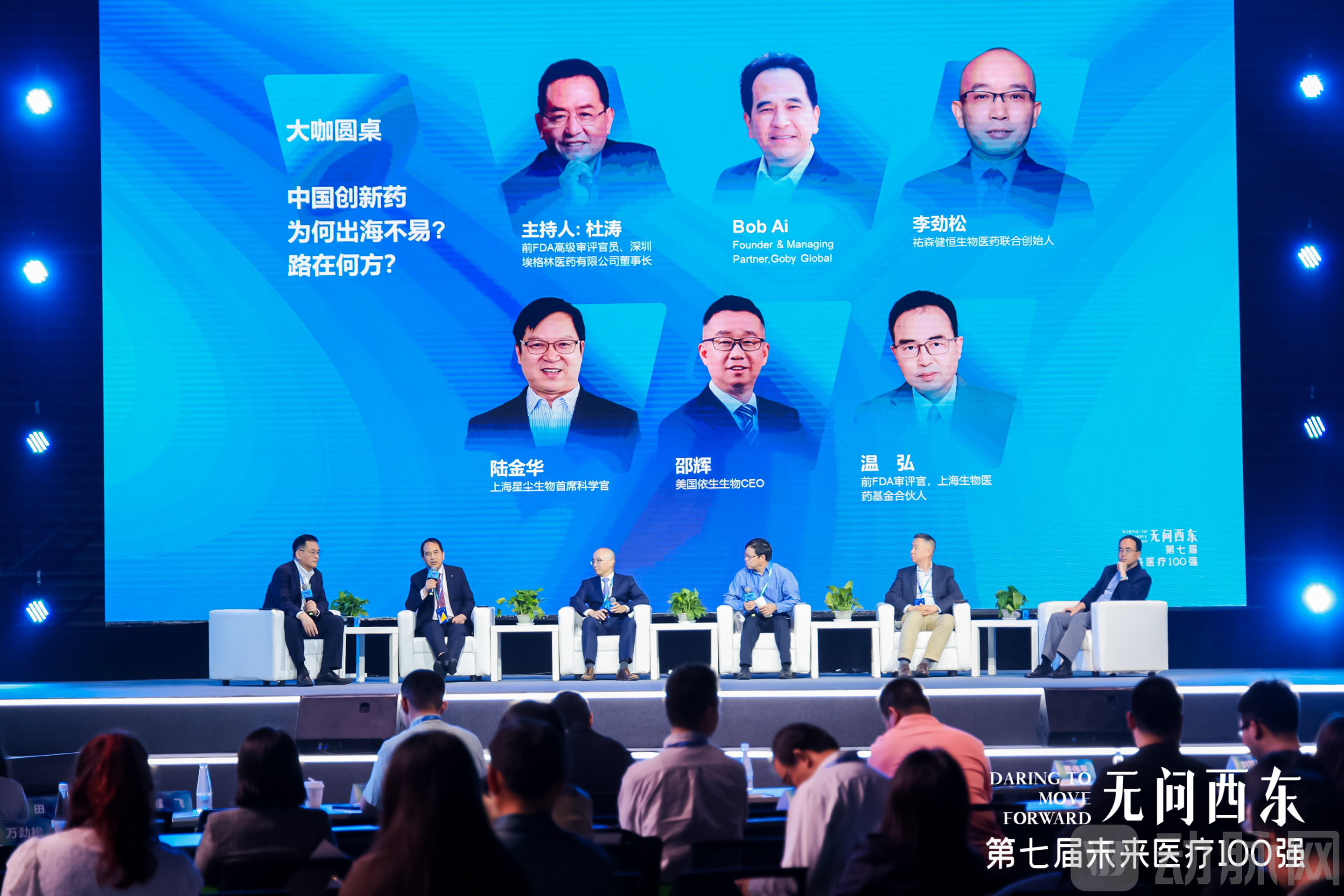
Regarding the necessity of global expansion, although markets are not divided by domestic or international boundaries and demand is the sole determinant, China’s innovative drug market is significantly smaller than the global market. Just as a large body of water supports larger fish, going global is an inevitable step for enterprises; success in this endeavor can naturally lead to capital infusion and external recognition. In terms of selecting destinations for overseas expansion, from the perspective of capital markets, the United States offers the largest market capacity, particularly in the biopharmaceutical sector, characterized by a diverse investor base, abundant capital allocation, low difficulty in post-IPO refinancing, and high stock trading activity. From a product standpoint, many vaccine products in the Chinese market meet essential needs in numerous other developing countries. For instance, penetration rates for rabies vaccines, shingles vaccines, and cervical cancer (HPV) vaccines remain low in many developing nations, indicating vast market potential.
From a technical perspective on successful global expansion, biotech companies often struggle to conduct large-scale clinical trials independently and need to secure reliable partners. Additionally, the therapeutic area determines the likelihood of successful out-licensing deals. Historically, China’s innovative drug candidates have been heavily concentrated in oncology, with relatively less R&D investment directed toward therapies that improve quality of life. In fact, the four major segments of autoimmune diseases, oncology, weight management, and neurodegenerative disorders are experiencing rapid growth and will serve as key drivers for future market breakthroughs. While gene therapy in China is advancing rapidly, the cell therapy sector must strive to expand CAR-T indications; however, product characteristics and application scenarios must align with the selected indications. For instance, using CAR-T products for autoimmune diseases demands significantly higher safety standards than those required for cancer treatments. In the vaccine field, the development of COVID-19 vaccines has cultivated a pool of talented researchers and spurred advancements in technology platforms and the industrial supply chain. Going forward, greater attention should be paid to exploring the therapeutic potential of vaccines.
To garner greater attention and serious consideration for their products, companies must also refine the details of their external communications, such as polishing English emails, establishing an English-language corporate website, and issuing timely press releases in English. Furthermore, maintaining data integrity and completeness, along with securing endorsements from major regulatory authorities (e.g., obtaining FDA/EMA Breakthrough Therapy and Fast Track designations), is equally critical.
Overall, China’s innovative pharmaceutical industry is still in its infancy. Despite its large population, the total market size remains limited in terms of consumer spending. If companies rely solely on the domestic market, it is difficult to recoup R&D costs; therefore, out-licensing of candidate drugs has naturally become one of the most important strategies and drivers for China’s innovative pharmaceutical industry today. The pharmaceutical industry differs from other industries. If a building is only 30%–50% completed, it is considered an unfinished project and cannot be sold. However, candidate drugs that have completed only part of their clinical trials or even just preclinical studies can still generate revenue through technology transfer. This is a viable path already proven by many developed countries with advanced innovative pharmaceutical sectors, such as Japan, South Korea, and Israel.
Hu Xubo, Managing Partner at Qiming Venture PartnersDelivered a keynote speech titled “Technological Change Drives New Opportunities for Innovation in Medical Devices.” He stated that the development of any industry relies on three key elements: technological advancement, cost structure, and operational efficiency. Specifically, the spark of progress in combinatorial chemistry technology illuminated WuXi AppTec’s ambition to become a CRO giant. In the past, China has consistently enjoyed cost advantages in labor, clinical resources, and data, while the dedication of Chinese workers is rare on a global scale. Therefore, with technological breakthroughs combined with cost advantages and operational efficiency, China is bound to become a crucial link in the global pharmaceutical R&D industry chain. In the future, major technological transformations related to medicine are highly likely to stem from artificial intelligence, a trend already preliminarily validated in the field of AI-driven drug discovery. Additionally, globalization capabilities enabled by technological progress will become an important strategic direction for Chinese companies over the next decade.
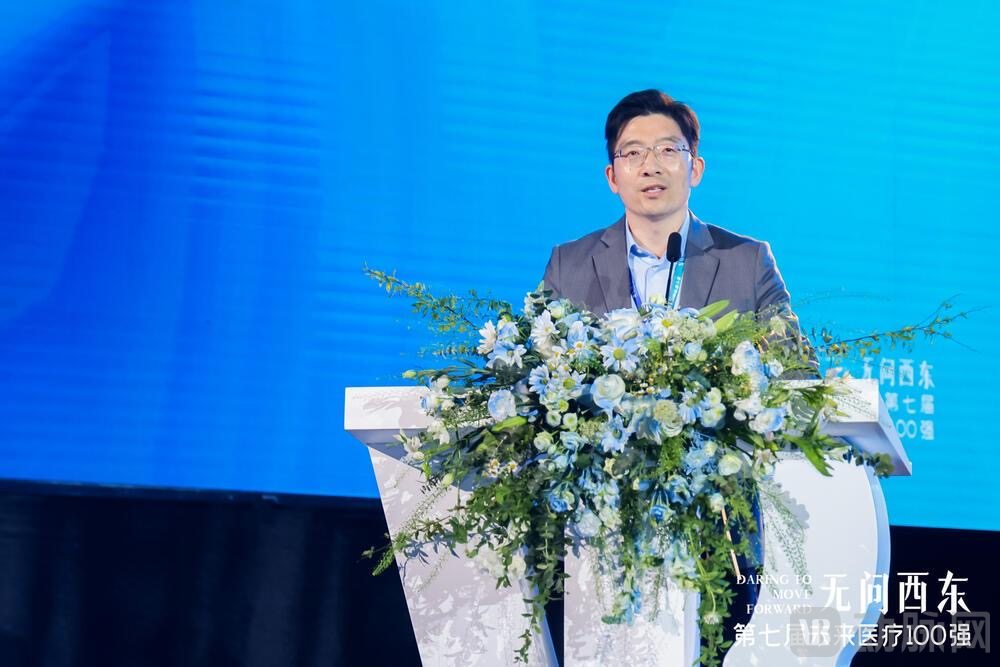
Hu Xubo, Managing Partner of Qiming Venture Partners
The venture capital panel session, themed “‘Healthcare + Hard Tech’: Where Lies the Next Disruptive Innovation Track in Life Sciences?”, was moderated by Li Yingjie, Executive Director of Inno Angel Fund. Panelists included Miao Yiqing, Executive Director at F-Prime Capital; Tian Min, Partner at Yuanjing Capital; Qi Fei, Executive Director at Legend Capital; Lin Zhencheng, Managing Director at DaoTong Investment; and Wang Yi, Partner at Legend Star.
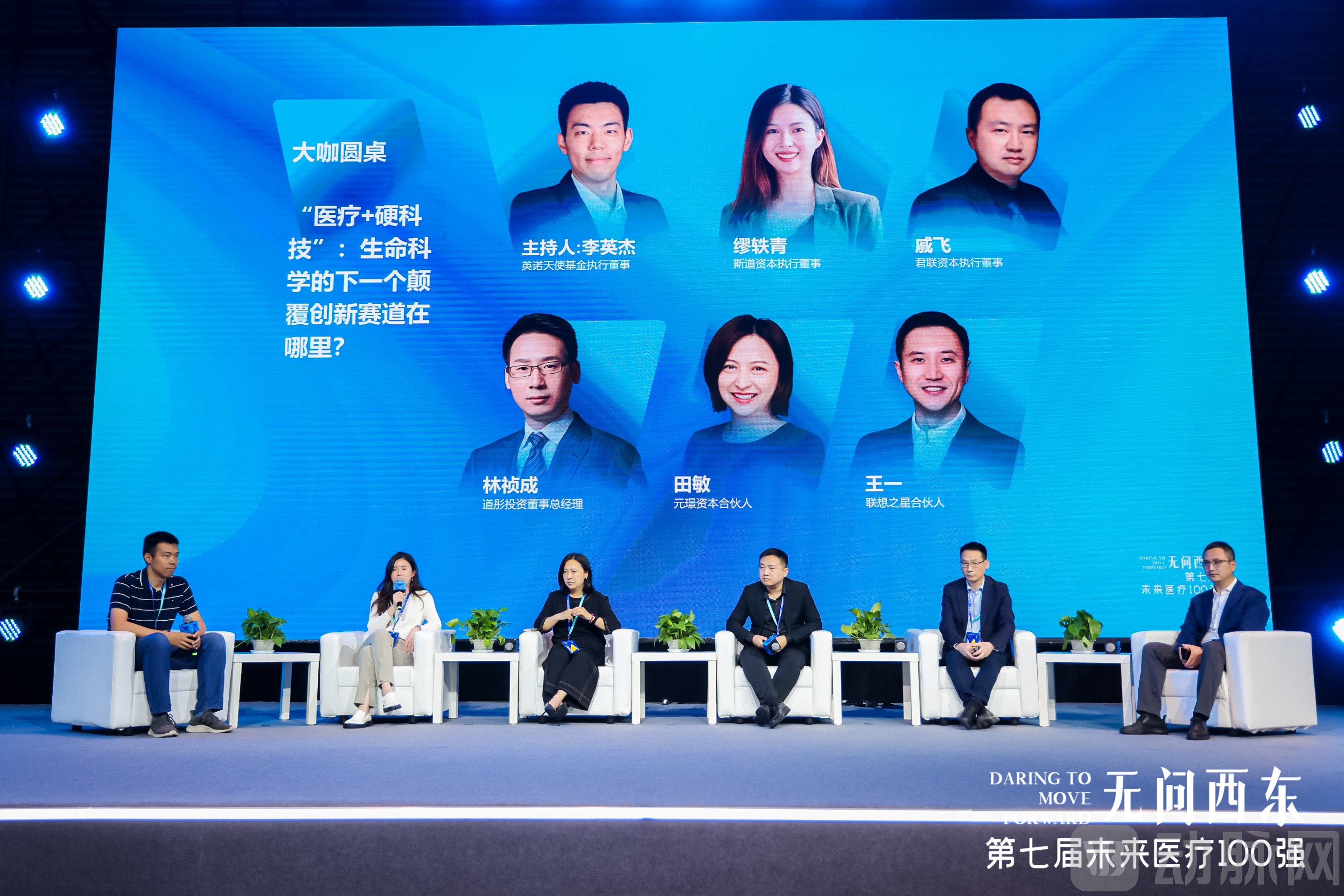
In the commercialization of innovative scientific achievements, two types of individuals are more likely to succeed: natural-born entrepreneurs who have entered the scientific community, and founders with extensive experience in technology transfer. In reality, most scientists retain an R&D mindset and require support in productization and commercialization; they also need to give greater consideration to team building and capital strategy. Over the next 5–10 years, investing in original innovation will become imperative, carrying significant long-term meaning and value. The translation of scientific achievements into marketable products requires not only attention to universities but also deep collaboration and interaction among industry players, investors, and other stakeholders to jointly build China’s innovation ecosystem. Furthermore, scientist-entrepreneurs should possess a broad vision and willingness to delegate, allowing professionals to handle their respective areas of expertise, which will better position their enterprises for long-term success.
In biopharmaceutical investment, as the benefits derived from heightened industry awareness diminish, investment institutions are raising their standards for companies’ technological capabilities, commercial viability, and team quality. During an economic downturn, a significant number of enterprises must navigate capital cycles by carefully managing cash flow and burn rates, with survival being the top priority. Once this cycle is weathered, high-quality companies will naturally emerge and consolidate their positions. Additionally, over the past two years, exit channels for investment institutions have been gradually narrowing, particularly due to restrictions on listing venues, which in turn is driving shifts in industrial strategies.
In the consumer healthcare and medical services sectors, although the pandemic has heightened public health awareness, the industry as a whole still needs to address the disruptions caused by Diagnosis-Related Groups (DRG) and centralized volume-based procurement. Taking medical services as an example, specialized hospitals inherently constrained by national health insurance reimbursement policies must promptly adjust their market strategies, pricing models, and cost structures. Institutions with autonomous pricing authority need to strengthen their differentiated capabilities, ensuring that customers tangibly perceive the exceptional value of their services. Meanwhile, emerging service providers in areas such as autism rehabilitation and elderly care nursing, which are subject to relatively lighter medical regulation and limited involvement from the public healthcare system, enjoy greater operational flexibility and autonomy. Currently, key investment subsectors within this domain include dentistry, ophthalmology, medical aesthetics, hearing aids, and assisted reproductive technologies. Regarding the next disruptive direction in life sciences, participants highlighted various areas, including medical services, cross-disciplinary technological integration in healthcare, the Southeast Asian market, sectors aligned with national policy initiatives, AI-powered robotics, commercial health insurance, and the transformative guidance exerted by DRGs on certain fields.
Wang Liming, Senior Researcher at Shenzhen Bay Laboratory, Science Writer, and Investment Partner at Kaifeng Venture CapitalDelivered a keynote speech titled “Can China Become the New Engine of Global Pharmaceutical Innovation?” He stated that, unlike many industries with long-established fundamental theories, revolutionary opportunities in the biopharmaceutical sector often stem directly from breakthroughs in foundational science. Such scientific breakthroughs require talent, capital, and time—three elements that are increasingly well-established in China. In the future, China will be able to export medical products to the global market that are grounded in original scientific innovation and demonstrate genuine clinical value. He further noted that excellent scientific discoveries alone do not necessarily lead to the rise of the biopharmaceutical industry; it remains essential to have a thorough understanding and grasp of the unique attributes of biopharmaceutical products, as well as the strengths and weaknesses of China’s pharmaceutical ecosystem.
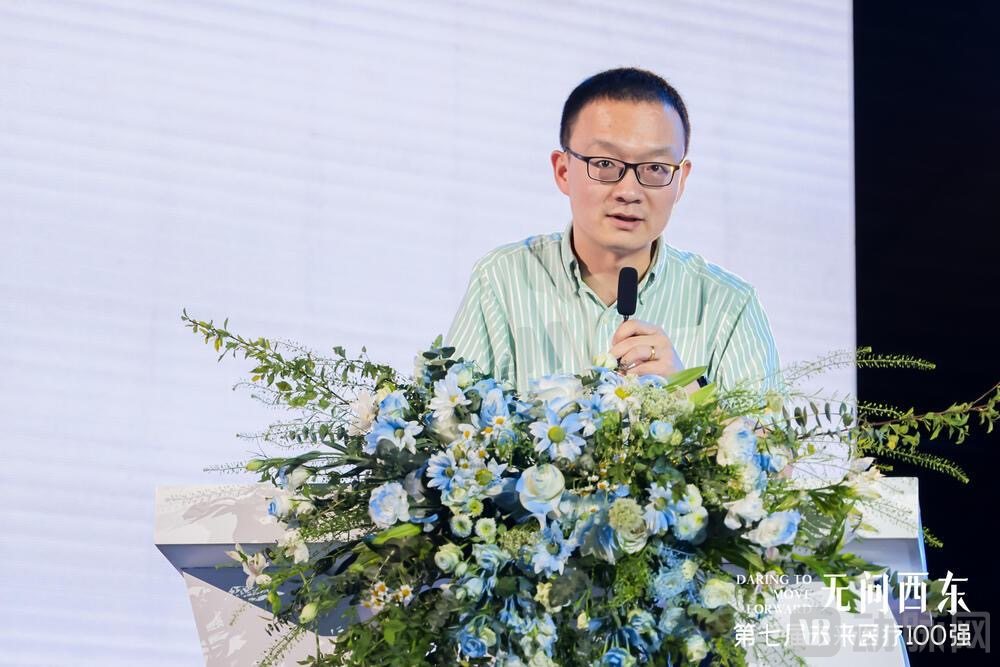
Wang Liming, Senior Researcher at Shenzhen Bay Laboratory, Science Writer, and Investment Partner at Kaifeng Venture Capital
Shen Huahao, Director of the Institute of Respiratory Diseases at Zhejiang University, expert in respiratory medicine, and former Vice Dean of the School of Medicine at Zhejiang UniversityDelivered a presentation themed “Discovering New Disease Entities and Exploring Novel Therapeutics.” He outlined the current landscape of typical and atypical asthma, along with various asthma phenotypes identified during his decades of clinical practice. Driven by his continuous investigation into disease mechanisms in clinical settings, Professor Shen Haohao’s team has filed more than 20 patent applications to date, collaborated with industry partners to develop two disease targets, and is committed to creating safe and effective novel therapeutics. Notably, their team made the first discovery of a novel positive feedback mechanism by which eosinophils regulate the asthmatic inflammatory circuit via the CCL6–CCR1 signaling axis. In vitro experiments further demonstrated that targeting the CCL6–CCR1 axis represents a new therapeutic intervention point for the clinical treatment of asthma.
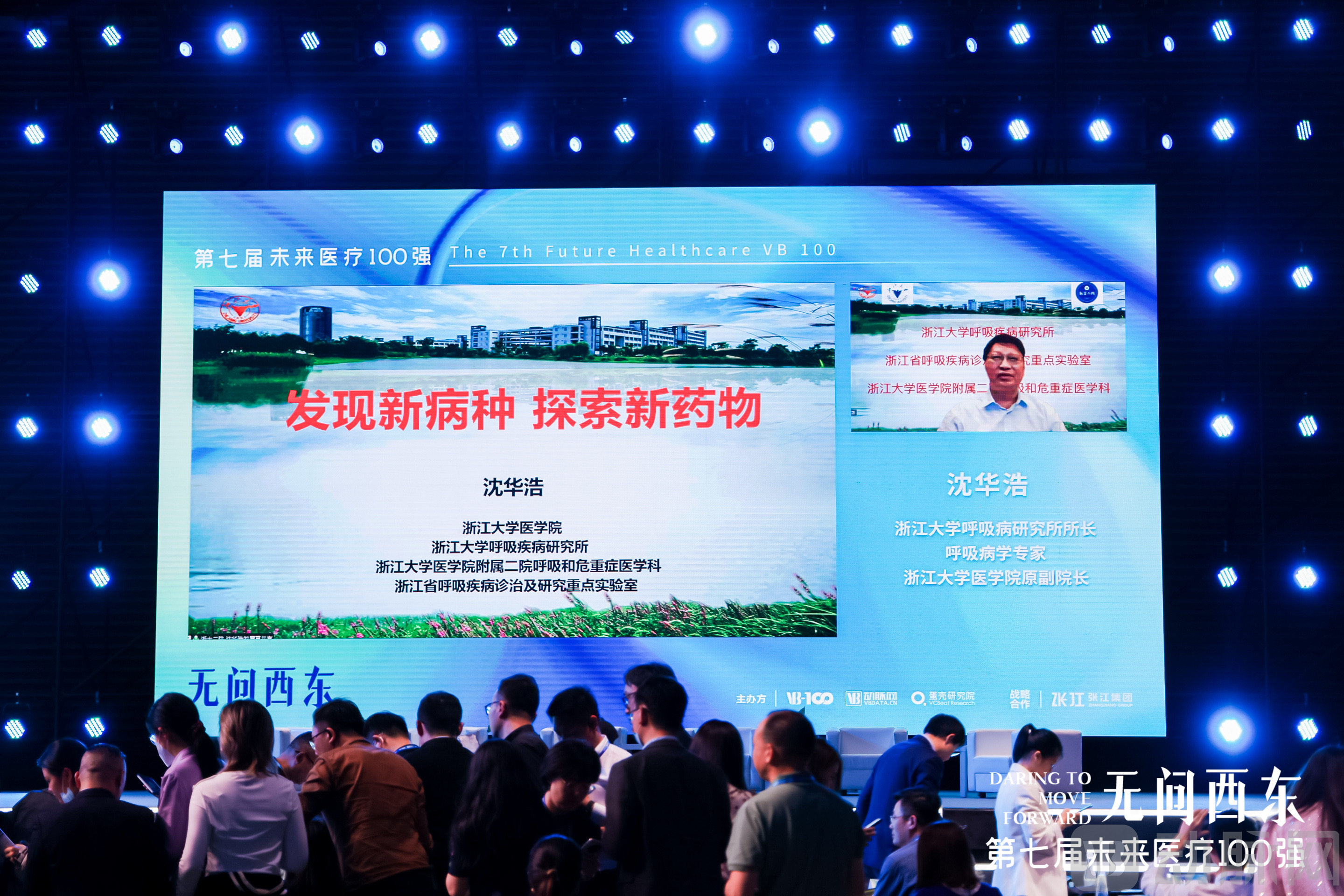
Shen Huahao, Director of the Institute of Respiratory Diseases at Zhejiang University, Expert in Respiratory Medicine, and Former Vice Dean of the School of Medicine, Zhejiang University
Cai Lei, a fighter against ALS and former vice president of JD.comConnecting with everyone to share insights on “The Power of Belief: The Innovative Path in Drug Development for ALS, One of the World’s Five Most Incurable Diseases.” He introduced that amyotrophic lateral sclerosis (ALS) currently ranks as the most severe among the world’s five major incurable diseases, facing therapeutic dilemmas such as unknown etiology, rapid and irreversible progression, limited drug efficacy, and heavy reliance on nursing care. The fundamental challenge lies in the absence of life-saving medications. Currently, the new drug development cycle typically spans 10–15 years, with costs from research and development to market approval ranging from $1 billion to $3 billion. However, for ALS patients, time is life. To address this, Cai Lei launched an initiative to combat ALS, mobilizing resources to conduct animal experiments through scientific research teams, recruit participants for clinical trials, and establish the world’s largest biospecimen platform for ALS research along with foundational case studies. Furthermore, his team has built a patient-centered, 360-degree full-cycle big data monitoring and management platform and assembled an academic research team. They also established a charitable foundation to support scientists’ research efforts and advance multiple drug development pipelines for ALS.
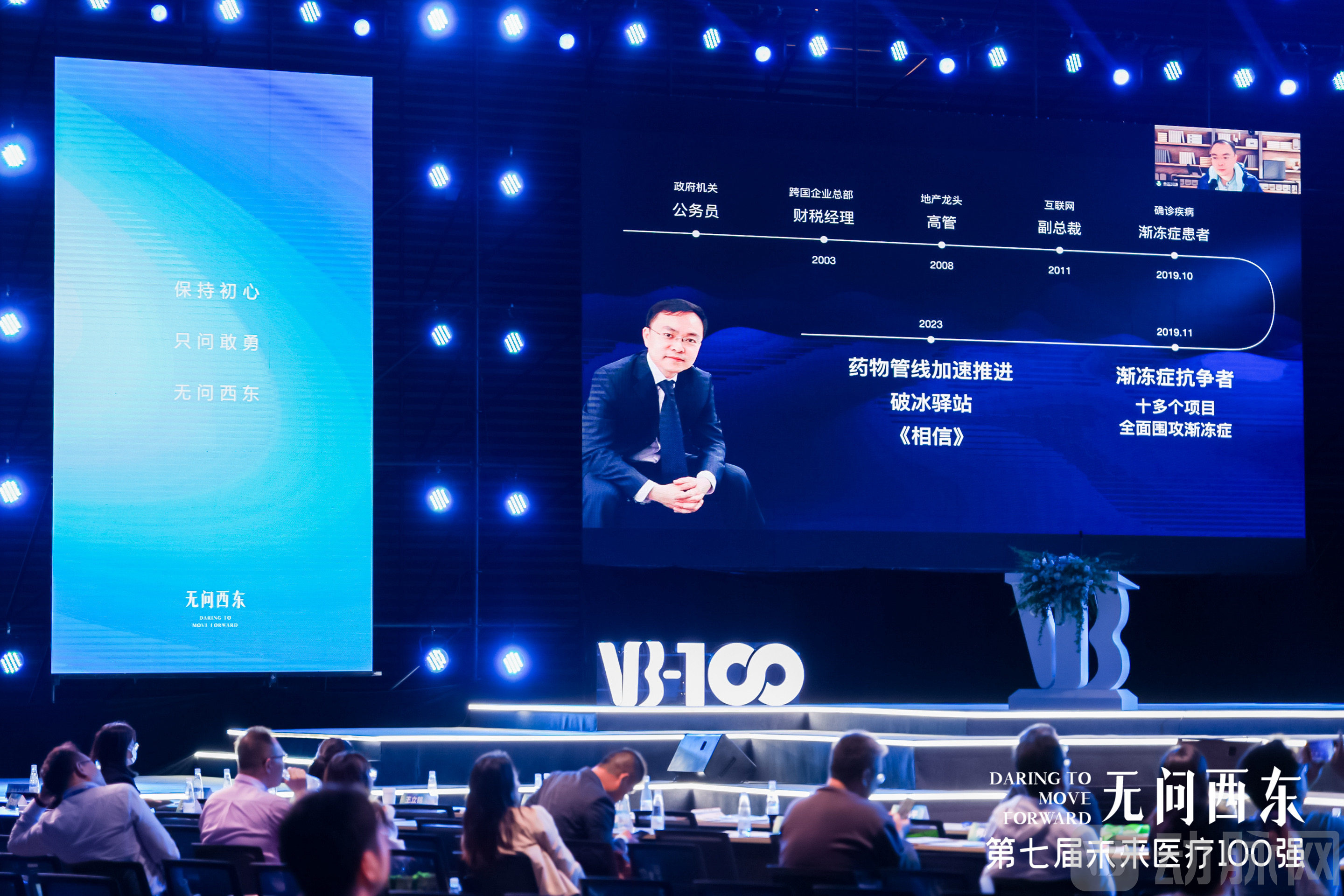
Cai Lei, ALS Fighter and Former Vice President of JD.com, Connects Remotely