

2023 Future Healthcare 100 List Unveiled: Insights from Industry Leaders and Innovators
From May 5 to 7, 2023, the "7th Future Healthcare Top 100 Conference," hosted by VB100, VCBeat, and Eggshell Research Institute, with strategic cooperative support from Shanghai Zhangjiang Group, was grandly held at the Shanghai Zhangjiang Science Hall.
As the largest and most information-rich ecosystem conference integrating industry and capital within China’s healthcare innovation sector, the Future Healthcare Top 100 Conference has always centered on “connecting global wisdom, sharing cutting-edge technologies, inspiring the technological future, and focusing on venture capital interaction,” thereby leading the trends in innovation and investment across China’s healthcare field.
Themed “Beyond Boundaries,” this year’s conference spans three days, featuring three main forums and more than 30 sub-forums. It focuses on cutting-edge scientific and technological achievements, world-class medical challenges, strategies of leading enterprises, hot niche sectors, and emerging trends in venture capital and investment. The event attracts top domestic and international experts in life sciences and healthcare research, as well as professionals from listed companies, innovative enterprises, financial institutions, and healthcare organizations.
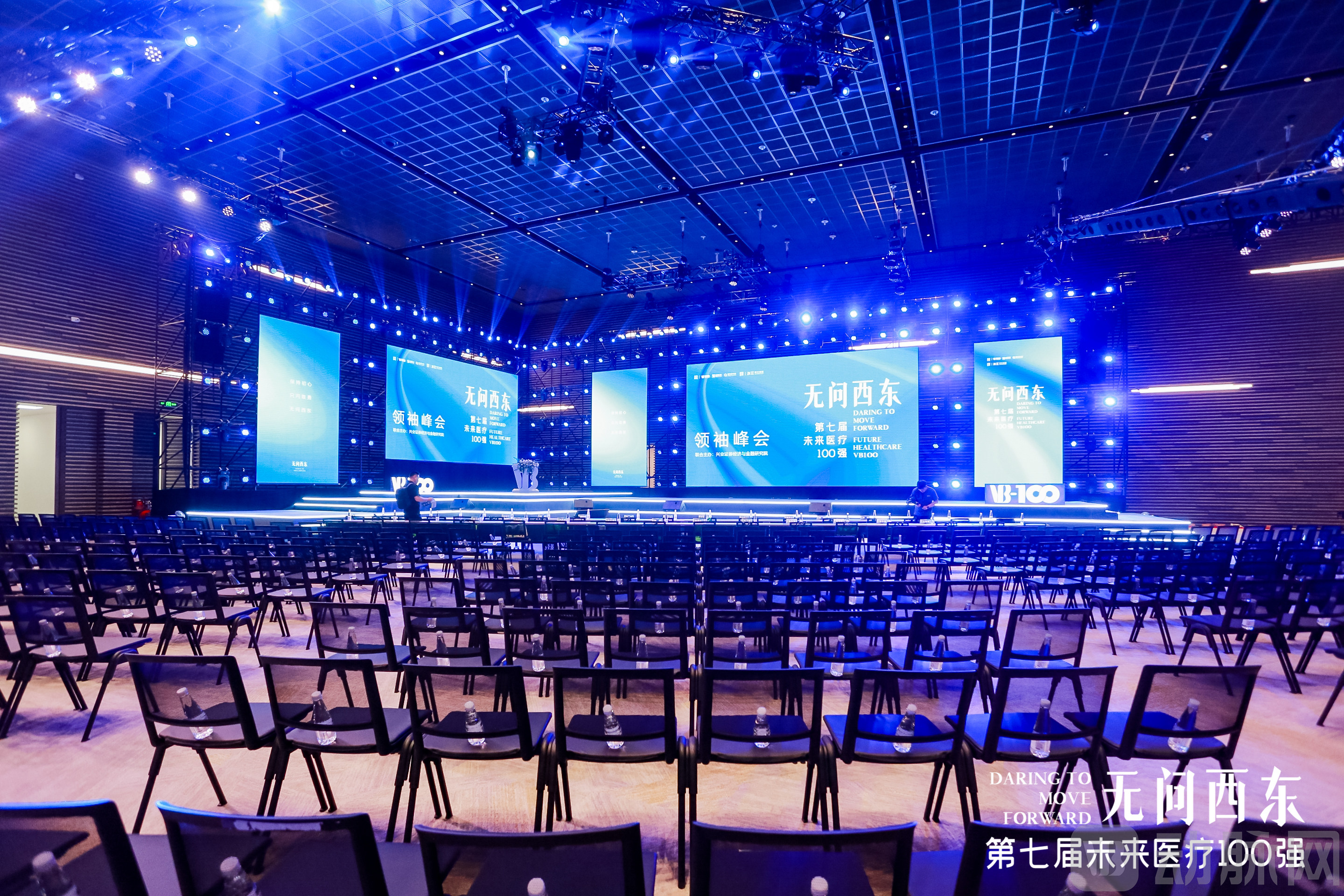
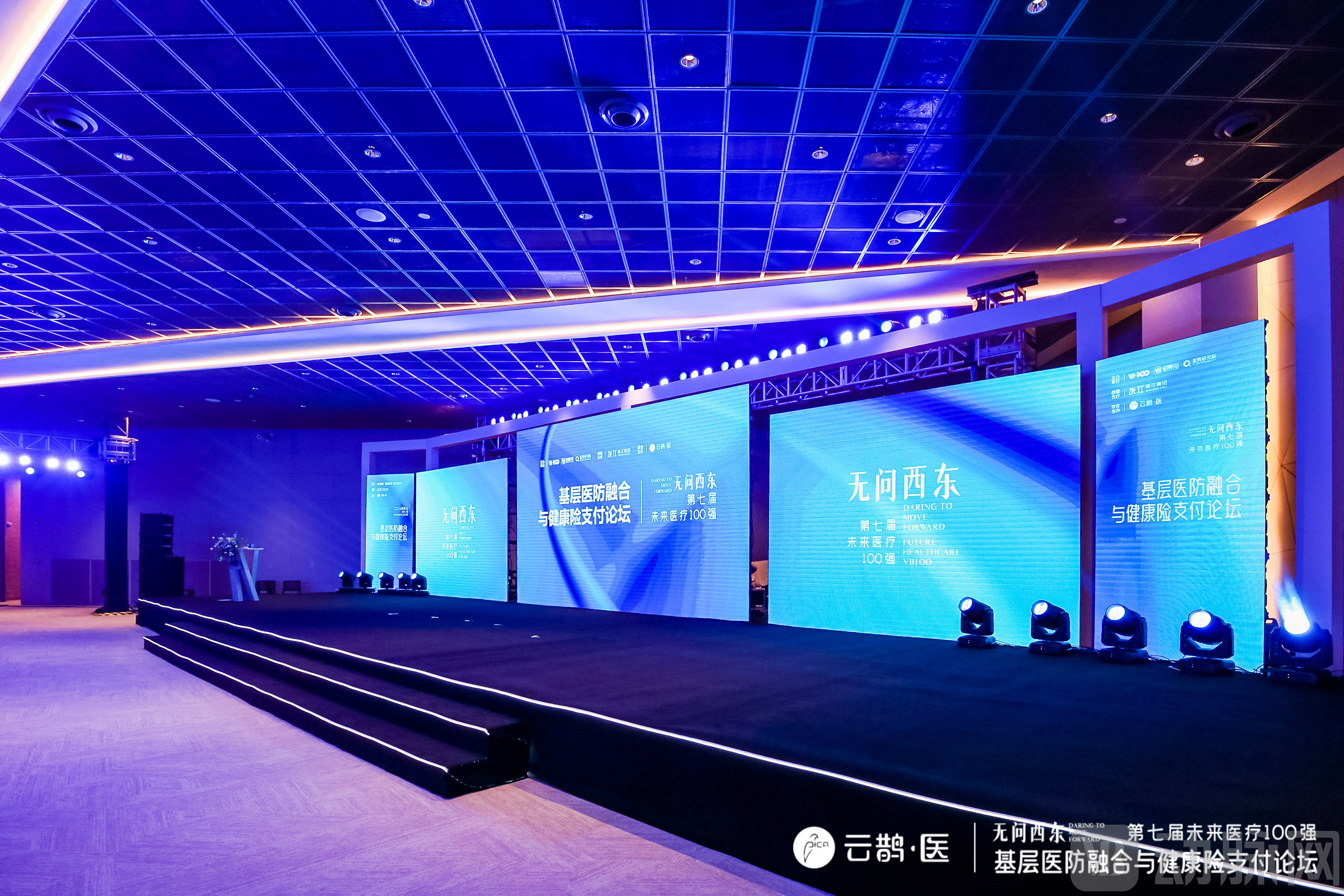
On May 6, the main forum held “Leader Summit”, meanwhile, the Personalized Diagnosis and Treatment Forum, the Primary Care Integration and Health Insurance Payment Forum, the Life Science Tools Forum, the Internet Hospital and Smart Hospital Innovation Development Forum, the RNA Therapy Forum, the Nutritional Science Innovation Development Forum, the Photoelectric Medical Aesthetics Innovation Development Forum and the Release of the White Paper on Energy-Based Devices in Medical Aesthetics, the Pharmaceutical Company Digital Marketing Forum, the Generative AI and Healthcare Forum, the Frontier Innovation Forum on Vascular Intervention, and the Nuclear Medicine Forum were also held concurrently, drawing unprecedented enthusiasm from attendees.
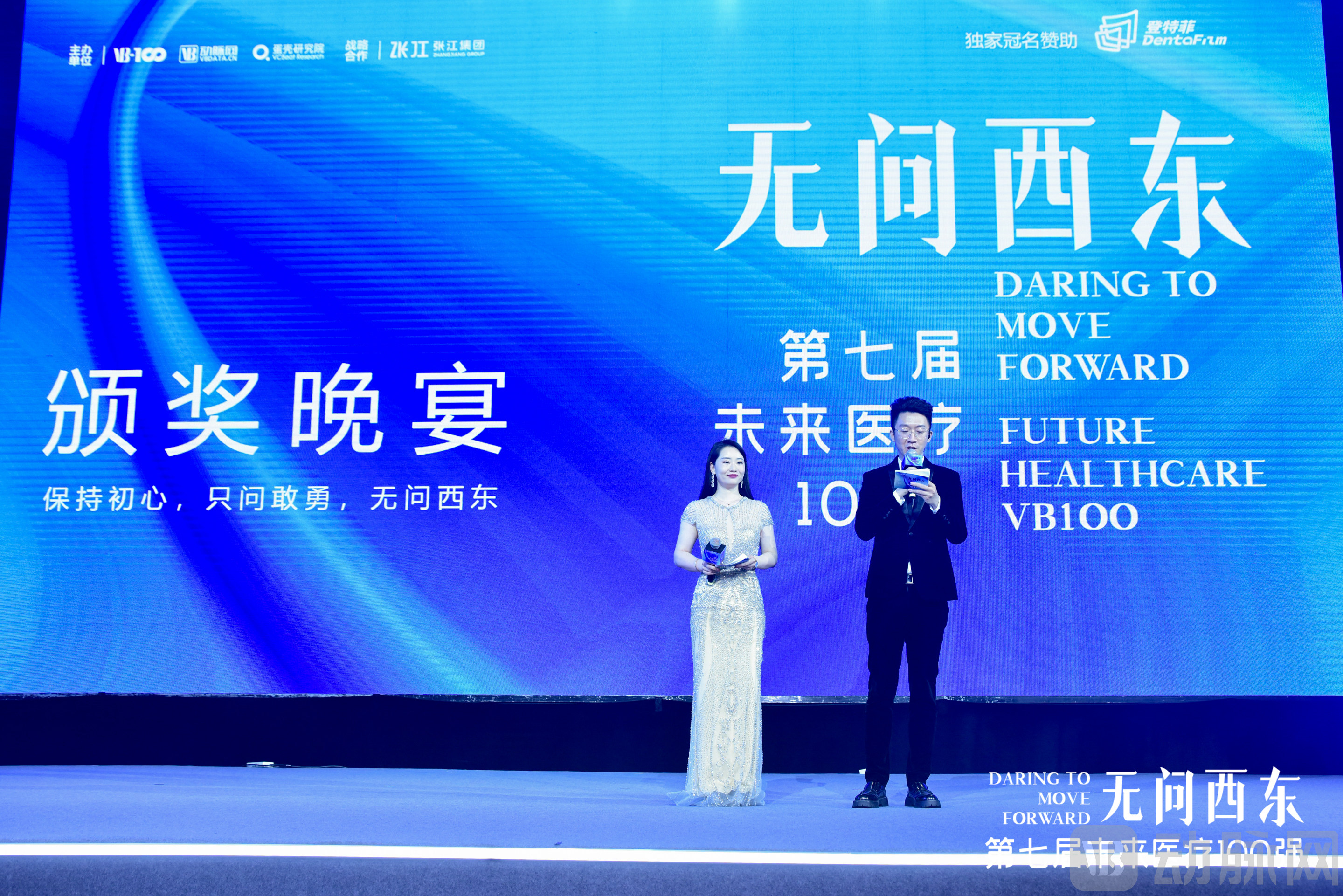
That evening, at the Top 100 Gala, “2023 Future Healthcare 100 List" and“2023 Future Healthcare Top 100 Companies Growth Analysis Report”Officially Released. The 2023 Future Healthcare Top 100 series includes the following rankings and awards: Future Healthcare Top 100 Main List (Medical Devices/Biopharmaceuticals/Digital Health/Medical Services/Commercial & Supply Chain Services), Future Healthcare Top 100 Listed Companies Innovation Ranking, Future Healthcare Top 100 Pengcheng Awards, Future Healthcare Top 100 Weilan Awards, and Future Healthcare Top 100 Value Sector Awards.
Below are the key highlights from the guest speeches and panel discussions at the day’s main forum, the “Leaders’ Summit,” as compiled by VCBeat:
Jiang Tianjiao, Dean of VCBeat Research InstituteThe sharing session centered on “focus,” revealing through long-term research into *Lessons from the Growth of the Top 100 Medical Technology Giants* that the key to becoming a medical technology giant lies in “non-focus.” Professional and successful “non-focus” is an inevitable path to achieving giant status. For Chinese medical technology enterprises, it is essential to consider whether they possess the environment and capabilities for First-in-Class (FIC) innovation, ample financial strength and resources, and “antifragility” amidst trends such as declining birth rates, population aging, public health emergencies, and complex international relations. The future path for China’s medical technology giants will require focusing on “non-focus,” expanding from industrial, user, and clinical perspectives, and transitioning from single-industry to multi-industry layouts, as well as from single-link operations to comprehensive value chain deployments.
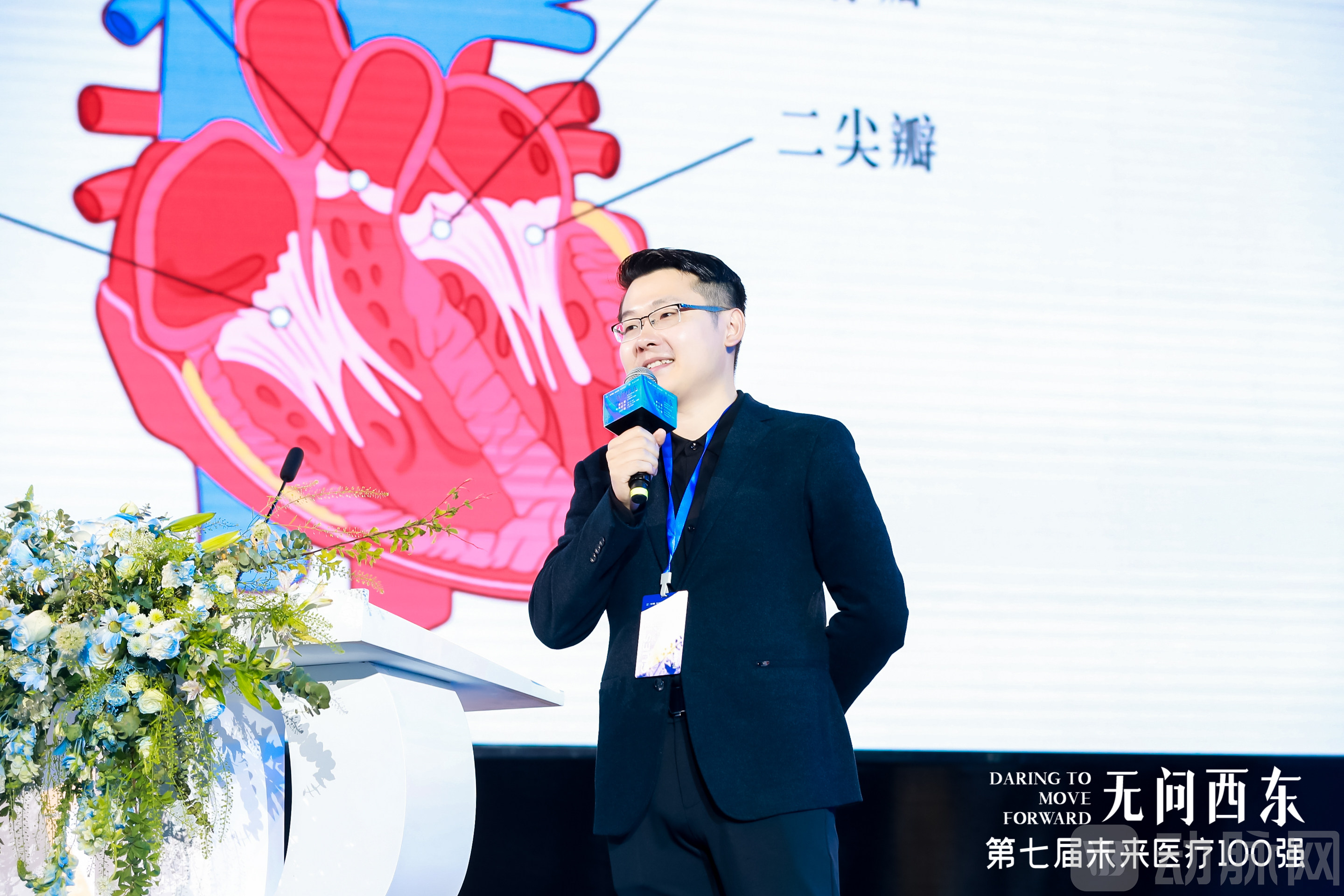 Jiang Tianjiao, Dean of VCBeat
Huang Hanyang, Chief Healthcare Industry Analyst at Industrial SecuritiesSharing on “New Opportunities for Innovation and Upgrading in the Pharmaceutical Industry.” Currently, China’s volume-based procurement (VBP) policies are gradually becoming more moderate, with the overall trend stabilizing into a new normal. More than half of generic drugs have already been included in VBP, and the expansion of VBP to medical consumables has become an overarching trend. In terms of innovative drugs, the past year witnessed significant progress in China’s clinical pipeline. Domestic innovative drugs have now reached a critical juncture for internationalization, and Chinese pharmaceutical companies still have substantial room for expansion in new technologies, new therapies, and new fields. Meanwhile, the medical device sector has embarked on the process of import substitution, and VBP for high-value consumables will continue to expand further. Companies with high technical barriers, strong innovation capabilities, robust commercialization abilities, and cross-sector platform-based models are poised to stand out. Driven by consumption upgrading in healthcare services, private medical institutions continue to achieve rapid growth, benefiting enterprises with strong product iteration capabilities and scaled, networked medical service operations.
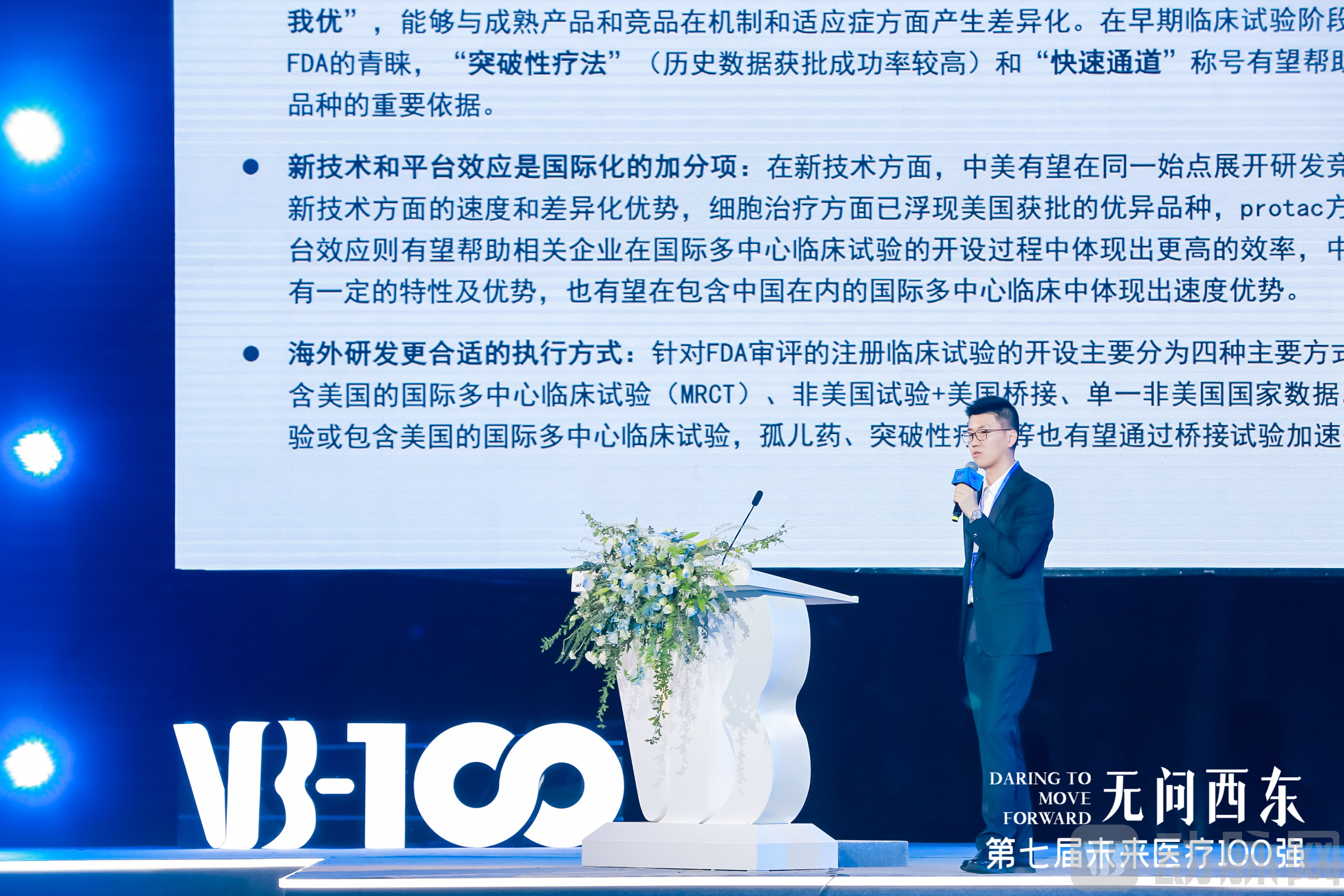 Huang Hanyang, Chief Analyst for the Healthcare Industry at Industrial Securities
Sun Yuanyuan, Chief Analyst of the Pharmaceutical Industry at Industrial SecuritiesA dialogue on “How to Effectively Conduct International Research and Strategic Layout for New Chinese Drugs”Zhang Lianshan, Director and Deputy General Manager of Hengrui MedicineZhang Lianshan stated that China possesses abundant clinical resources. In terms of internationalization, there is significant room for breakthroughs in specificity, drug resistance, and therapeutic efficacy. New application scenarios, such as oncology, autoimmune diseases, and neurological disorders, remain to be further explored. Meanwhile, the optimization and expansion of technological platforms will bring hope for enterprises’ international development. “Involution” is an inevitable stage in industry development; ultimately, success depends on passing the test of “clinical practice.” By leveraging their own platform capabilities, industry insights, and financial budgets, and by relying on research into China’s disease spectrum to continuously expand into new disease areas, companies can develop superior products and gain the opportunity to compete in the global landscape.
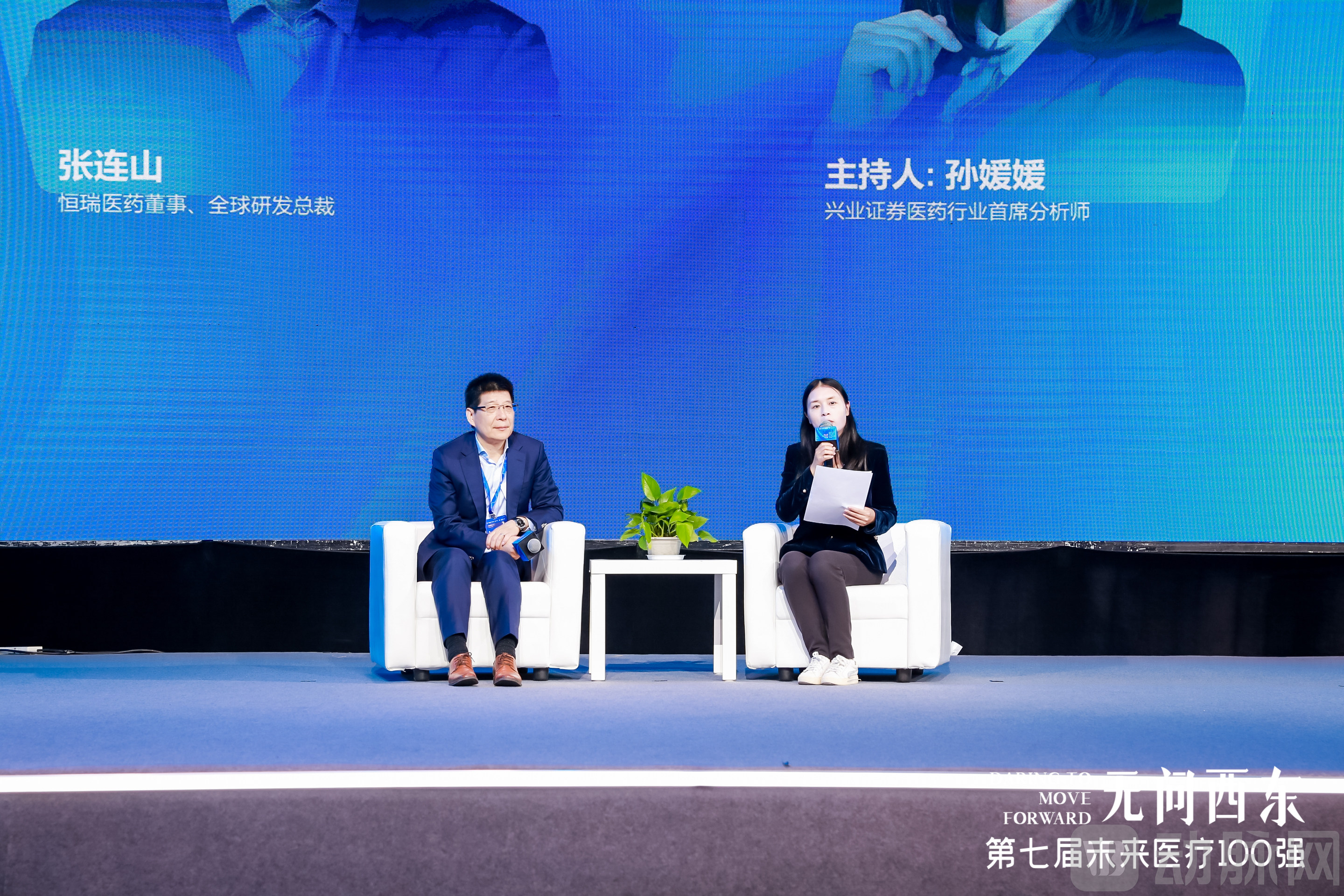 Hengrui Medicine Director and Deputy General Manager Zhang Lianshan & Industrial Securities Chief Pharmaceutical Industry Analyst Sun Yuanyuan
Zhang Qiang, Chairman of United Imaging HealthcareAs mentioned: From relying on imports for 90% of high-end medical equipment to achieving independent research and development (R&D) across the entire range of high-end medical devices and core components, China’s high-end medical equipment industry has undergone rapid development, realizing a profound transformation from zero to one and from nothing to something. At its inception, United Imaging Healthcare clearly adopted a “high-ambition, high-standard” strategy, adhering to “three imperatives”: comprehensive coverage through independent R&D, mastery of all core technologies, and benchmarking against top international standards. Over the past 12 years, United Imaging Healthcare has pursued multi-dimensional continuous innovation to overcome critical technological bottlenecks, creating world-class high-end medical equipment. Meanwhile, it provides solutions such as specialized disease diagnosis and treatment, regional intelligent connectivity, and smart public health, thereby facilitating the expansion of high-quality medical resources. Furthermore, by collaborating with leading hospitals, universities, and research institutes, United Imaging Healthcare promotes integrated innovation across government, industry, academia, research, and clinical practice. This approach explores the frontiers of science and technology, drives breakthroughs in tackling major diseases, and jointly builds world-class peaks in medical excellence.
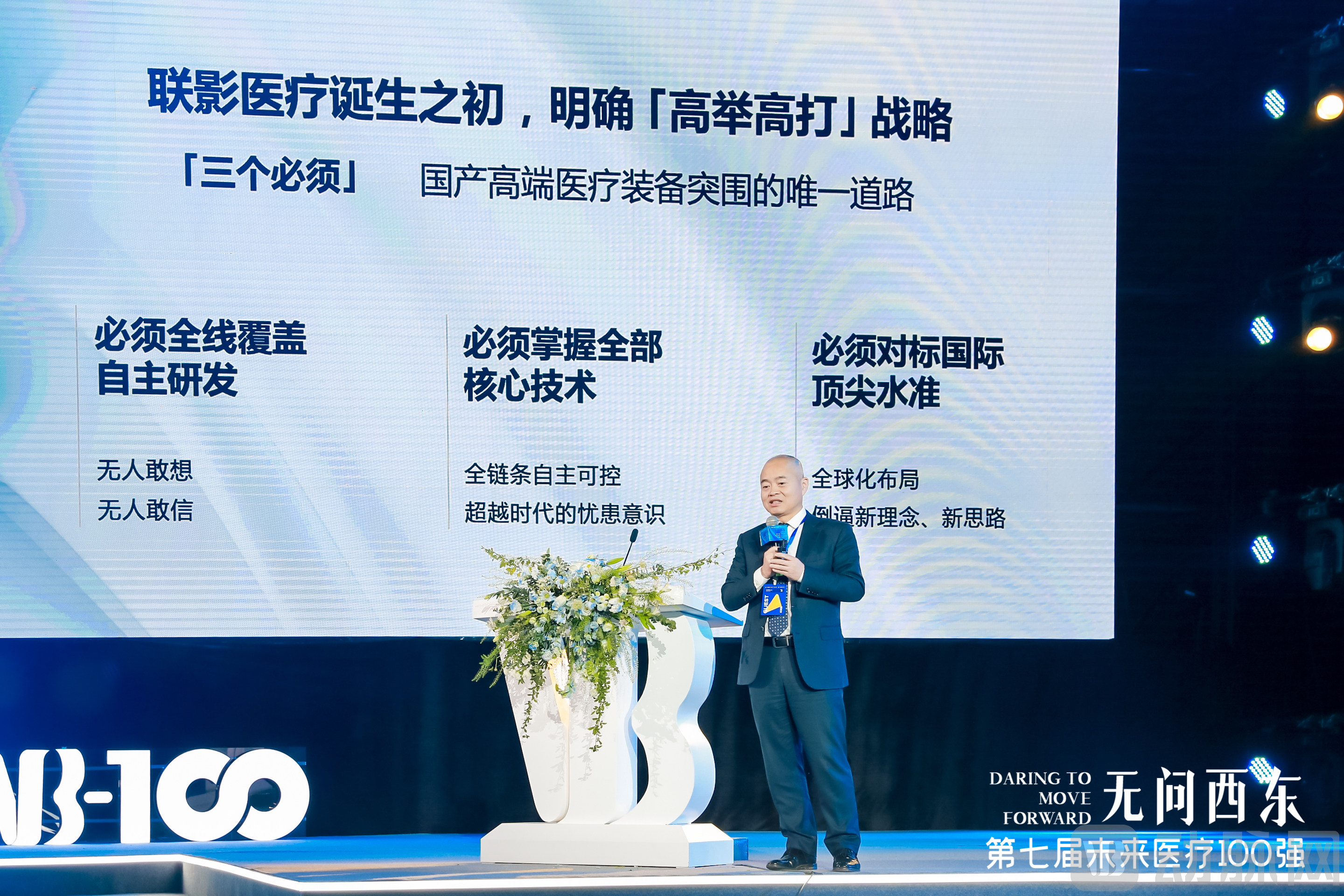 Zhang Qiang, Chairman of United Imaging Healthcare
Xie Xin, Executive Director and Senior Vice President of Sino BiopharmaceuticalEmphasis: In the current landscape where generic drugs participate in centralized volume-based procurement and innovative drugs engage in national reimbursement negotiations, maintaining growth requires a robust pipeline of marketed products. China Biopharmaceutical has established a comprehensive industry chain layout with a sales network covering the entire country. It launched 57 products over the past three years and plans to launch 104 products in the next three years. Innovative drugs scheduled for launch in 2023 include maproprost, ensitrelvir (a 3CL protease inhibitor), and efbemalenograstim alfa (long-acting G-CSF). By 2025, it is expected that more than 12 innovative drug products will be launched. China Biopharmaceutical is driving comprehensive innovation across four major therapeutic areas: oncology, hepatology, surgery/analgesia, and respiratory diseases, strengthening its core sectors through both independent R&D and external in-licensing. Going forward, China Biopharmaceutical will continue to prioritize innovative drugs, gradually increasing their contribution to total revenue.
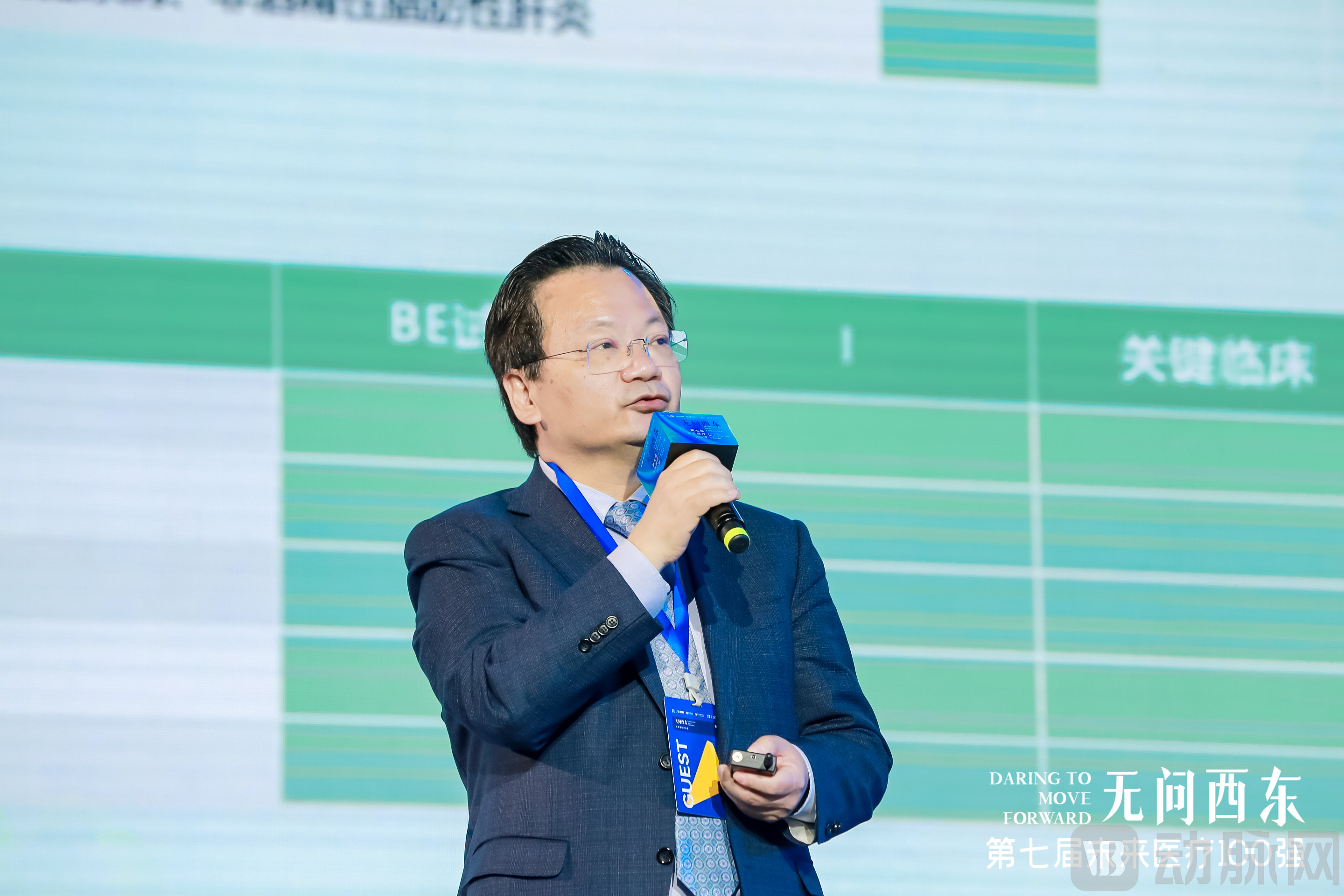 Xie Xin, Executive Director and Senior Vice President of Sino Biopharmaceutical
Pu Zhengrong, Vice President of Siemens Healthineers Greater ChinaEmphasizing that “innovation” has been Siemens’ core strategy for 130 years, we boast a vast array of innovative technologies across our four core business areas, including clinical therapy. In terms of local innovation, Siemens Healthineers has established the Shanghai Innovation Center, one of its four global innovation hubs. This platform accelerates the incubation and implementation of innovations, fostering a win-win ecosystem. Siemens Healthineers is also actively promoting co-development of the industrial chain and local intelligent manufacturing; collaborating with clinical practices to enhance diagnostic and treatment precision; partnering with professional societies to build smart platforms; and supporting system-wide collaboration to facilitate the decentralization of healthcare resources. From initially “landing in China” to now being “rooted in China,” Siemens Healthineers will continue to firmly engage as a “local enterprise” in the deep development of Healthy China.
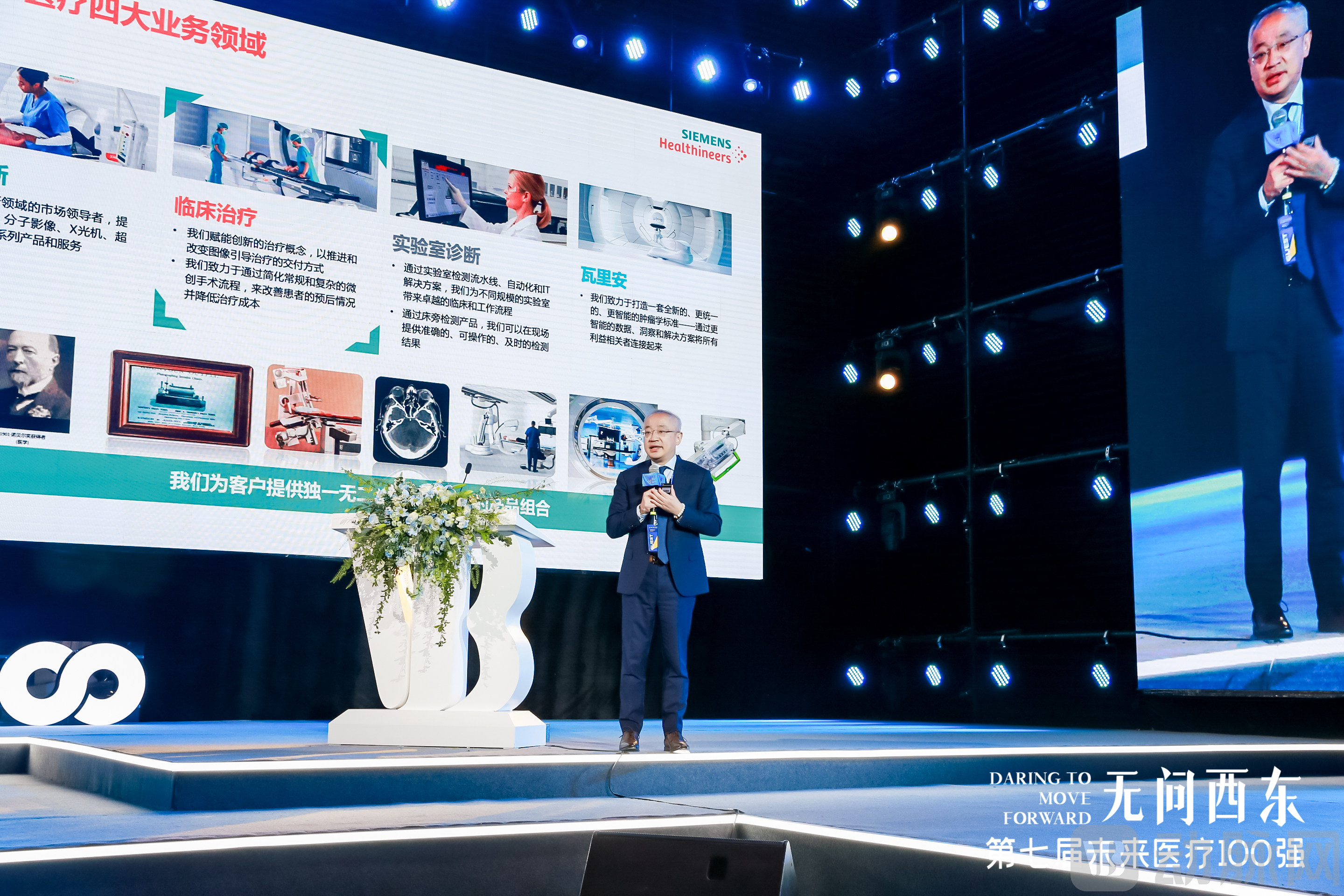 Siemens Healthineers Vice President for Greater China, Pu Zhengrong
Jianshi Technology Vice General Manager Zhang RuinianThe presentation primarily focuses on the "Development of Transcatheter Heart Valve Technology." The product life cycle of medical devices comprises four stages: introduction, rapid growth, maturity, and decline. Percutaneous coronary intervention (PCI) has reached the maturity stage; thoracic and abdominal aortic interventions are in the rapid growth stage; while valve interventions, neurointerventions, and peripheral vascular interventions remain in the introduction stage.Jenscare Scientific is a company dedicated to building an interventional platform for structural heart disease. Its core product, the "Transcatheter Tricuspid Valve Replacement System," is expected to receive regulatory approval for commercial launch this year, potentially becoming the world’s first approved transcatheter tricuspid valve intervention product. Meanwhile, the company is focused on addressing the full spectrum of treatment needs for valvular heart disease and heart failure, with a pipeline that includes products for aortic regurgitation replacement, heart failure therapy, and partial mitral valve replacement. It is anticipated that new products will be launched annually over the next five years.
 Jianshi Technology’s Deputy General Manager, Zhang Ruinian
Jiang Hui, COO of MGI TechIt is mentioned that since the "Human Genome Project" more than two decades ago, BGI Group has witnessed and been deeply involved in China’s journey of building its gene sequencing capabilities from the ground up. With independent control over core tools and continuous advancements in core technologies, the throughput and cost of gene sequencing have evolved at a pace surpassing Moore’s Law. MGI Tech has become one of only two companies worldwide capable of independently developing and mass-producing clinical-grade gene sequencers with varying throughput levels, ranging from gigabase (Gb) to terabase (Tb) scales. Committed to improving human health by providing core life science tools, MGI Tech has focused on the independent research and development of gene sequencing technologies, establishing and continuously refining a product matrix structured around three major segments: gene sequencers, laboratory automation, and emerging business areas. Leveraging intelligent manufacturing and prioritizing innovations in equipment standardization, data integrity, and scenario-based automation, MGI Tech empowers scientific research, clinical medicine, and the expansion of applications in emerging fields with its core tools, leading Chinese life science and technology to unleash boundless potential on the global stage.
 Jiang Hui, COO of MGI Tech
Zhu Shunyan, Partner of Alibaba Group, Chairman and Chief Executive Officer of AliHealthCentered on the core philosophy of “Life First,” he shared Alibaba Health’s insights into its development in digital health management. He stated that “digitalization” is the only effective approach to health management, leveraging “human body digitalization” and “multi-touchpoint internet connectivity” to engage users, identify needs, and achieve early prevention, detection, and intervention for diseases. Furthermore, he outlined the core triangle of digital health management: data collection and analysis, health risk assessment, and health intervention and management. Anchored by “Life First” as its highest value orientation, Alibaba Health is committed to doing the difficult yet right things for special moments, vulnerable populations, and underserved regions, collaborating with the industry to drive the upward development of the life and health ecosystem.
 Zhu Shunyan, Partner of Alibaba Group and Chairman and Chief Executive Officer of AliHealth
Zeng Zijing, President of OPPO HealthIt was mentioned that consumer electronics hold great promise in sensing hardware—data acquisition, data pipeline construction, cognitive establishment, formation of healthy habits, and clinical insights—and are poised to become a bridge for medical support and care. Mr. Zeng Zijing stated that OPPO Sense®It integrates cardiovascular health assessment, an exercise algorithm engine, and a sleep health algorithm system. Meanwhile, its ECG analysis prompt software has obtained a Class II medical device registration certificate from the National Medical Products Administration. As a consumer electronics company more focused on lifestyle management, OPPO aims to leverage sensors and user lifestyle data to provide assistance to its users.
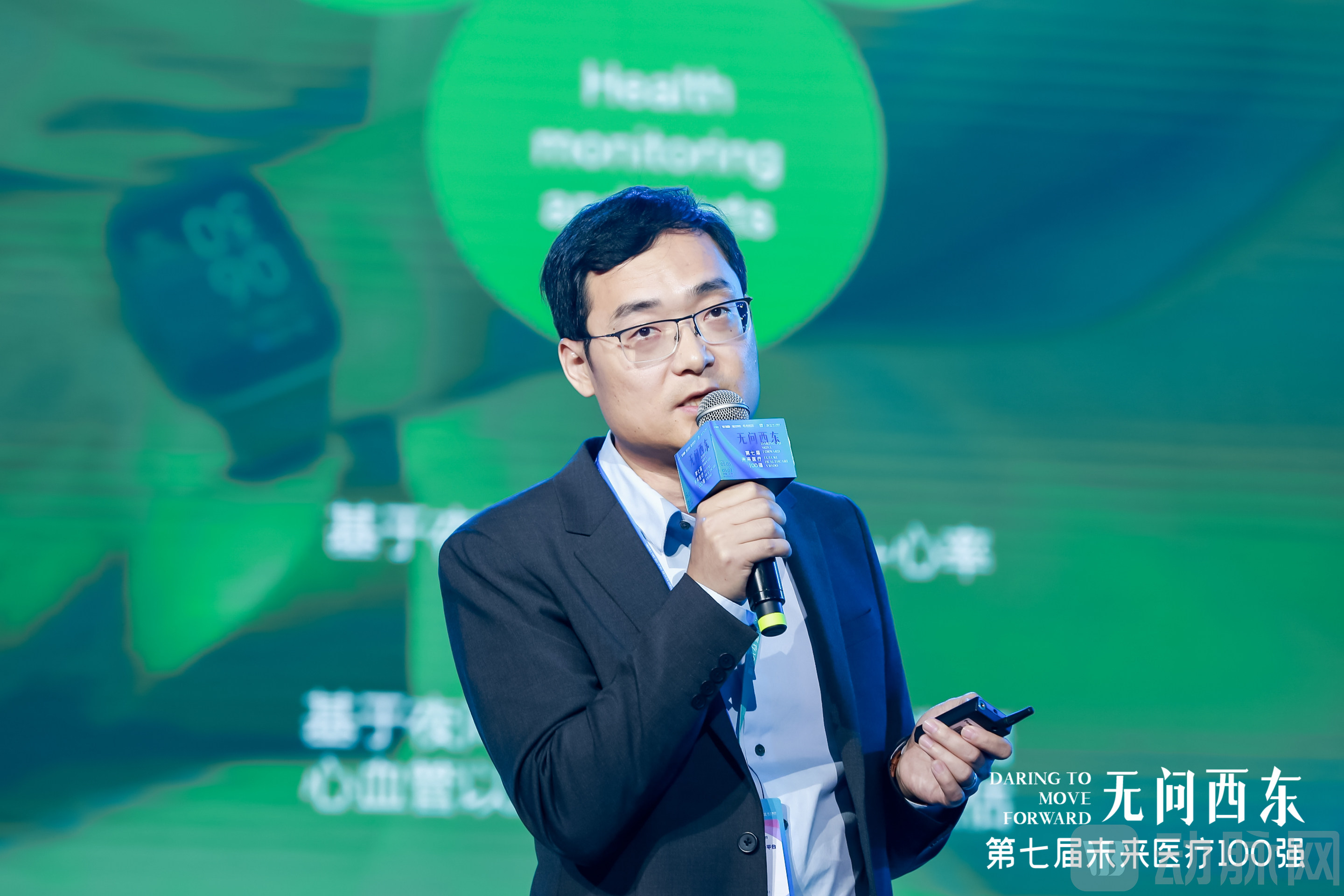 Zeng Zijing, President of OPPO Health Business
Xu Tao, President of Meinian Onehealth GroupDelivering a speech titled “Technological Innovation Leading Meinian’s New Journey,” he stated that four major technological transformations—general-purpose technologies represented by large AI models, biotechnologies represented by gene technology, health management represented by wearable devices, and early screening technologies centered on new biomarkers—have created new opportunities for the development of preventive medicine. In recent years, Meinian Health has been committed to extensively applying AI technology in the research and development of innovative tech products, successively launching innovative offerings such as AI-assisted diagnosis for pulmonary nodules, stroke, cognitive disorders, and coronary arteries, thereby continuously leading innovation in the health checkup industry. Over the past three years, guided by its core strategy of “medical orientation, quality-driven growth, service support, and innovation leadership,” Meinian Health has built a cluster of professional medical technology platforms, established a leading medical operations platform, and actively pursued digital transformation across all business areas and processes, constructing China’s largest personal health data center. Currently, Meinian Health is collaborating with relevant research institutes and artificial intelligence enterprises to initiate applied research on AIGC (AI-Generated Content) technology in the health examination industry, leveraging Meinian Health’s data advantages to achieve product commercialization at the earliest possible stage. In the future, Meinian Health will continue to rely on “innovation + technology” as its core driver, drawing on disciplinary development and artificial intelligence technologies to constantly launch specialized, refined, distinctive, and novel (“SRDN”) innovative products covering “screening, diagnosis, treatment, and management.” This will further meet the public’s demand for high-quality healthcare, leverage Meinian Health’s data strengths, and build a digital health management platform spanning the entire lifecycle. Meinian Health strives to transform from a leading enterprise in the preventive healthcare sector into a pioneer in full-lifecycle digital health management.
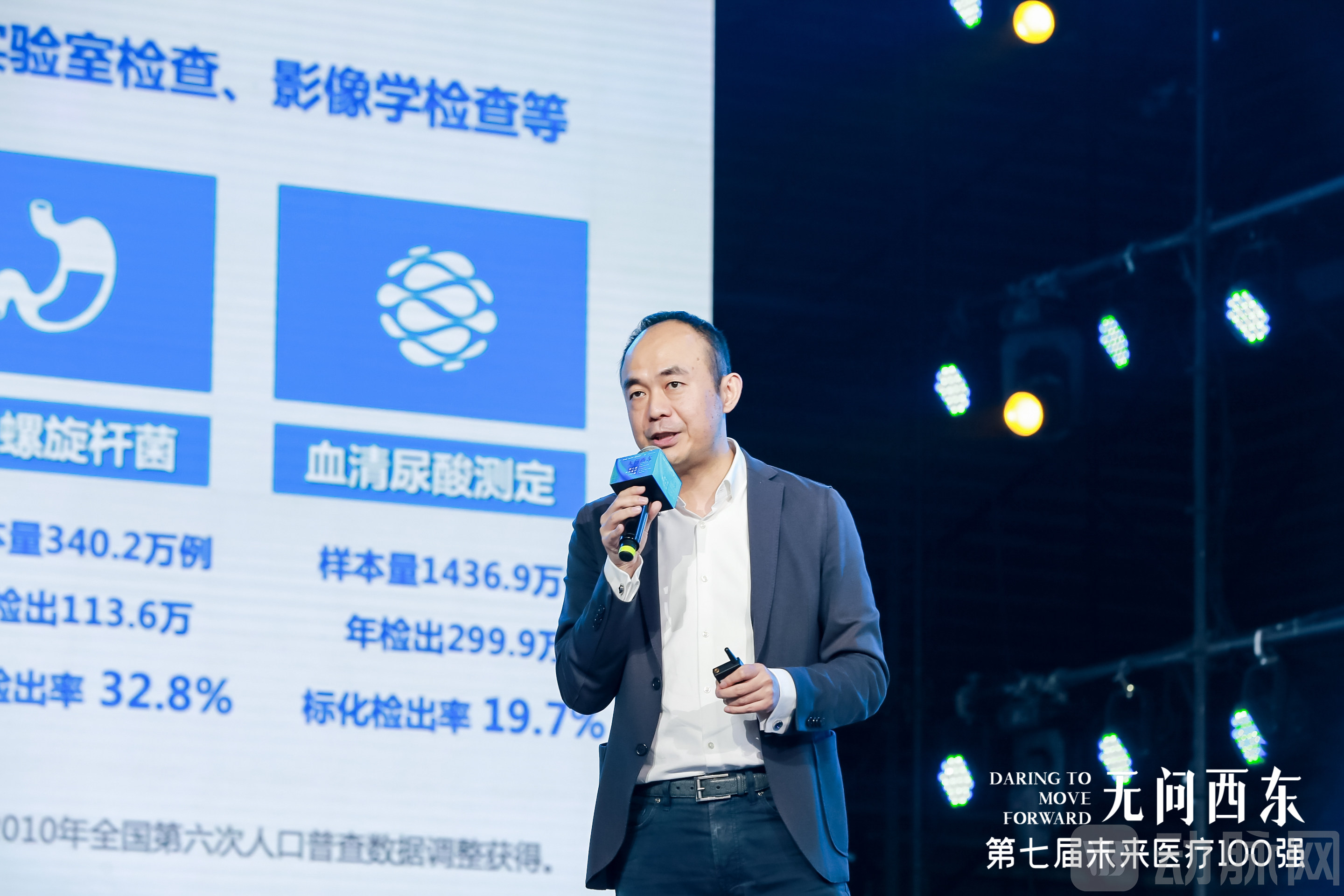 Xu Tao, Group CFO of Meinian Onehealth
Zhang Dongsheng, Vice President of Huawei Cloud China RegionThis article outlines Huawei Cloud’s key capabilities in empowering digital transformation across industries. Transitioning from “software” to “cloud,” the pharmaceutical industry is actively leveraging digital capabilities to create new value, and it has become an industry consensus that digital technologies are essential for addressing uncertainty. Huawei Cloud has strategically positioned itself to serve the entire lifecycle of the life sciences industry, driving enterprises’ digital transformation and intelligent upgrades. By leveraging eight core competencies—digital transformation expertise, intelligent manufacturing capabilities, global experience, security and compliance solutions, foundational technological innovation, comprehensive AI technologies, cloud-cloud synergy, and an open ecosystem—Huawei Cloud focuses on five major solution areas: digital transformation consulting, digital R&D, digital industrial operations, digital distribution, and cloud-native infrastructure. With its “Everything as a Service” approach, Huawei Cloud helps the life sciences industry achieve “acceleration on the cloud.”
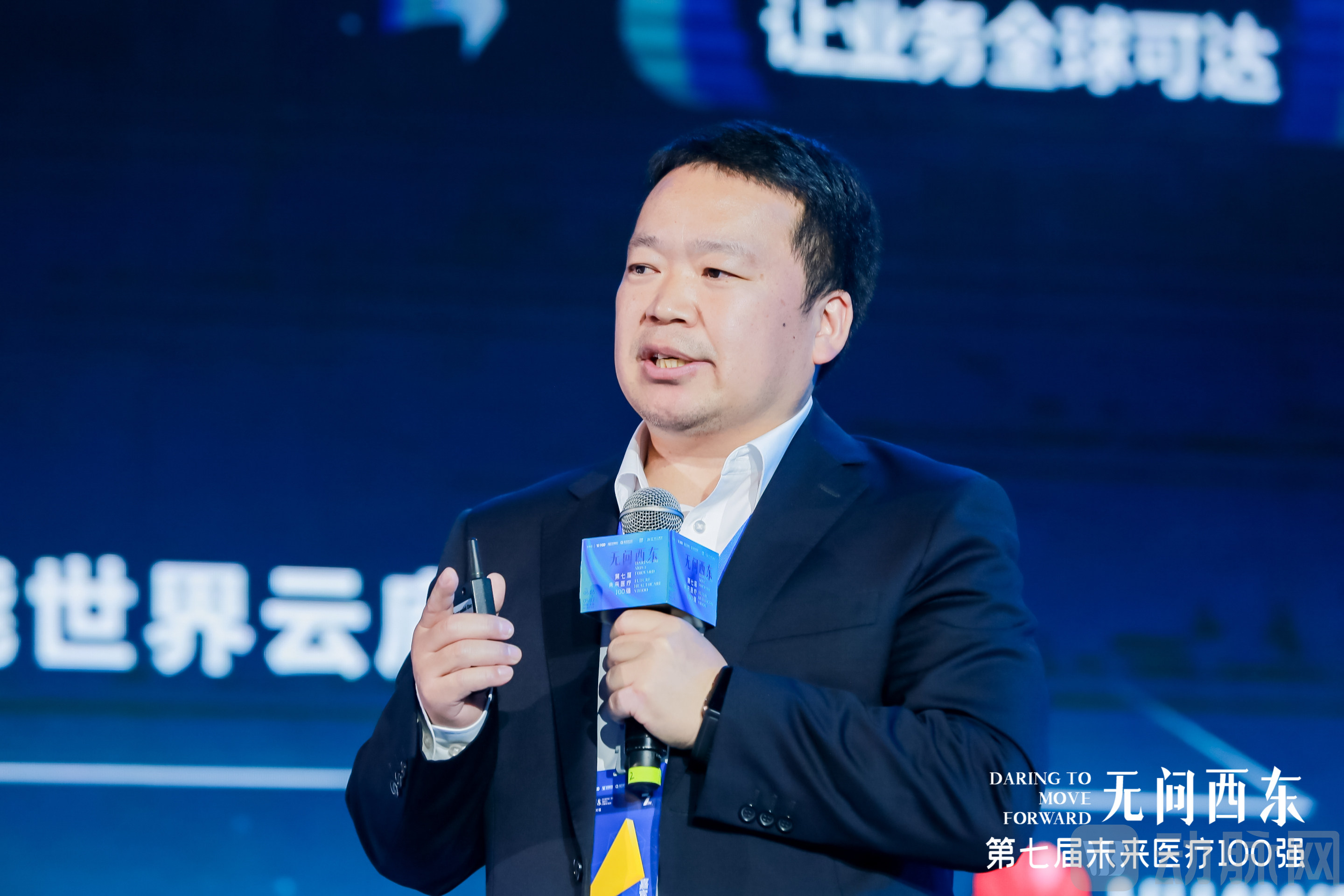 Zhang Dongsheng, Vice President of Huawei Cloud China Region
Wu Kuan, Head of Healthcare Industry Solutions at FeishuIt is noted that “going global” has become one of the key strategies for leading enterprises in China’s healthcare industry. Globalization is a significant manifestation of corporate strategic wisdom, with organizational development at its core and talent as the critical factor. Lark was born in an environment where the complexity of global organizations was rapidly increasing. It currently provides services to healthcare companies in China across various sectors, including pharmaceuticals, medical devices and equipment, software/AI+, healthcare services, biotechnology, internet healthcare, and general health and wellness. Lark is committed to enabling every intelligent individual to become part of the strategy. By bridging barriers of language, time zones, and geography, it facilitates work progression, aligns management practices and values, promotes the accumulation and inheritance of knowledge and experience, overcomes cultural adaptation challenges, ensures successful implementation and security for healthcare enterprises, and propels Chinese healthcare companies toward global expansion.
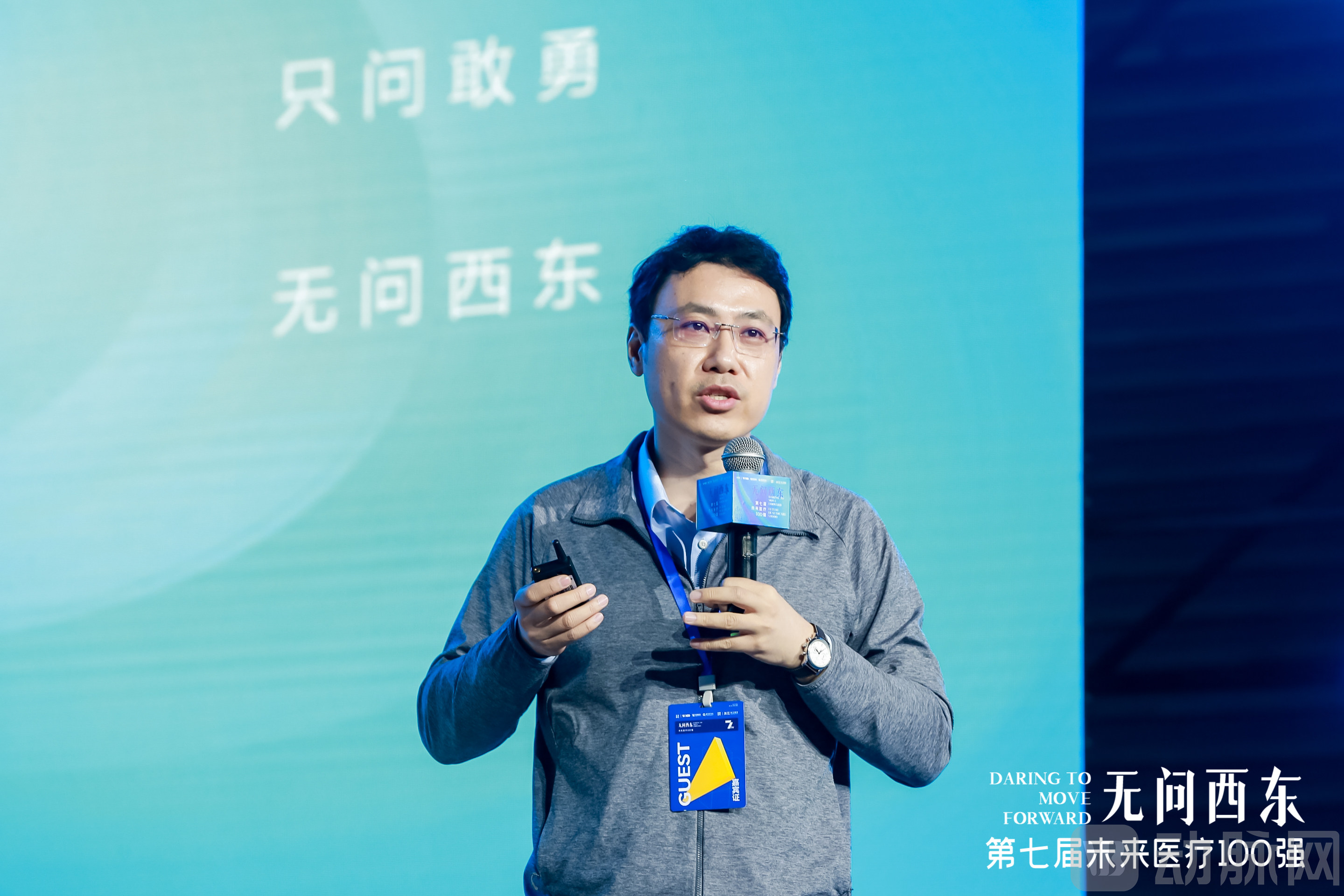 Wu Kuan, Head of Healthcare Industry Solutions at Lark
Zhang Qingsong, Vice President of Jointown Pharmaceutical Group and Chairman of Jointown LogisticsHe shared Jointown’s digital transformation strategy and development plan, emphasizing that digitalization is not merely about installing software and hardware; rather, it requires comprehensive analysis and holistic judgment based on the needs of both the company and its customers. The core value of digital transformation lies in enhancing user experience, reducing costs and improving efficiency, boosting quality and expanding capacity, enabling precise decision-making, and driving business model innovation. Based on this, Jointown has refined its digital transformation into specific scenarios such as procurement, sales, and logistics, building a “Digital Jointown” to improve customer satisfaction and enhance operational efficiency and profitability. In the future, the company will continue to explore the comprehensive advancement of its digital initiatives.
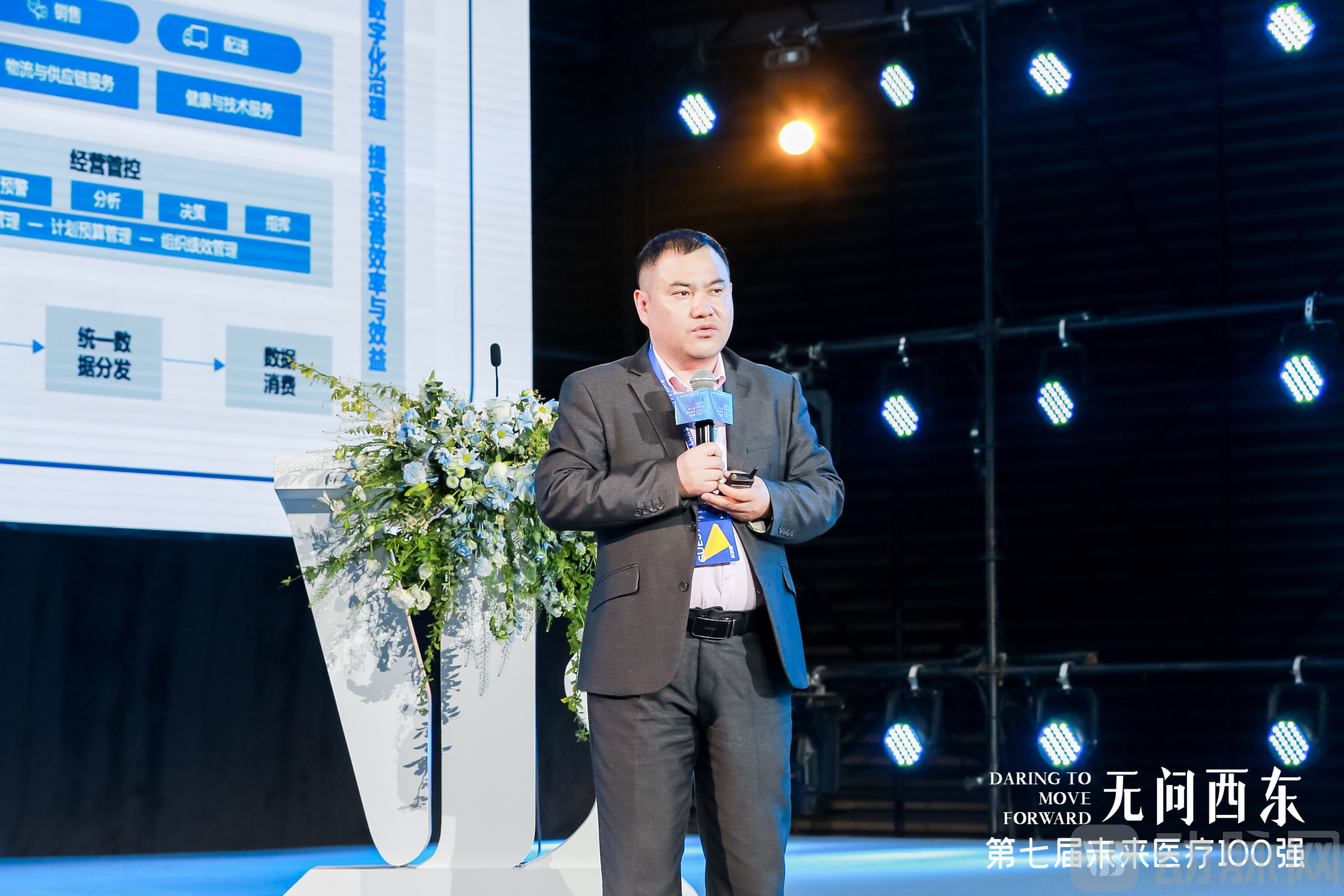 Zhang Qingsong, Vice President of Jointown Pharmaceutical Group and Chairman of Jointown Logistics
with “Global Innovation and Strategic Layout” as the topic of the roundtable forum, hosted bySun Yuanyuan, Chief Analyst of the Pharmaceutical Industry at Industrial Securities、Lv Binhua, Deputy General Manager and Executive Vice President of Chemistry at Zelixir Pharmaceuticals、Yang Jianxin, CEO and Executive Director of CStone Pharmaceuticals、Zhang Yanrong, CFO of Keymed BiosciencesandZeng Lingwu, Executive Director of the Strategy/IR Department at Simcere Pharmaceutical GroupParticipating in the seminar. The panelists shared insights on differentiated innovation and global layout of China’s pharmaceutical industry, emphasizing that “unmet clinical needs” should always be the starting point for pipeline selection. Meanwhile, aspects such as focused disease areas, platform scalability potential, clinical trial design, overseas CRO collaboration, multi-center trials, and balancing speed with quality are all worthy of in-depth consideration and learning by domestic pharmaceutical companies. Strengthening capabilities and conducting thorough analyses constitute the “inevitable path” for Chinese innovative drug companies to achieve long-term and broad development.