

VB100, Vb Insight, and Danke Institute Successfully Conclude the 7th Future Healthcare 100 Summit
On May 7, the third day of agenda kicked off for the “7th Future Healthcare 100 Conference,” co-hosted by VB100, VCBeat, and Eggshell Research Institute, with strategic partnership support from Shanghai Zhangjiang Group.
As the conference drew to a close, enthusiasm remained undiminished. The third day featured the all-day Top 100 Summit. The morning sessions included the Forum on Innovative Development in Spinal Health and the “Backbone of the Nation” Guardian Project Strategic Cooperation Launch Ceremony, the Forum on Innovative Development in the Synthetic Biology Industry, the Ophthalmology Industry Innovation Forum, the Forum on Innovative Development in Traditional Chinese Medicine Health, the Surgical Robot Innovation Development Forum, and Global Project Roadshow B. The afternoon sessions comprised the Forum on Innovative Development in Health Management and Insurance Payment, the Forum on the Development of Digital Health Management for Women, the Forum on the Development of the Assisted Reproductive Technology Industry, the Organoids and Organs-on-Chips Forum, the Forum on Innovative Development in Smart Home Health, and the Cell and Gene Therapy Forum.

Below are the highlights from the speeches and roundtable discussions by guests at the 7-day main forum “Top 100 Summit,” compiled by VCBeat:
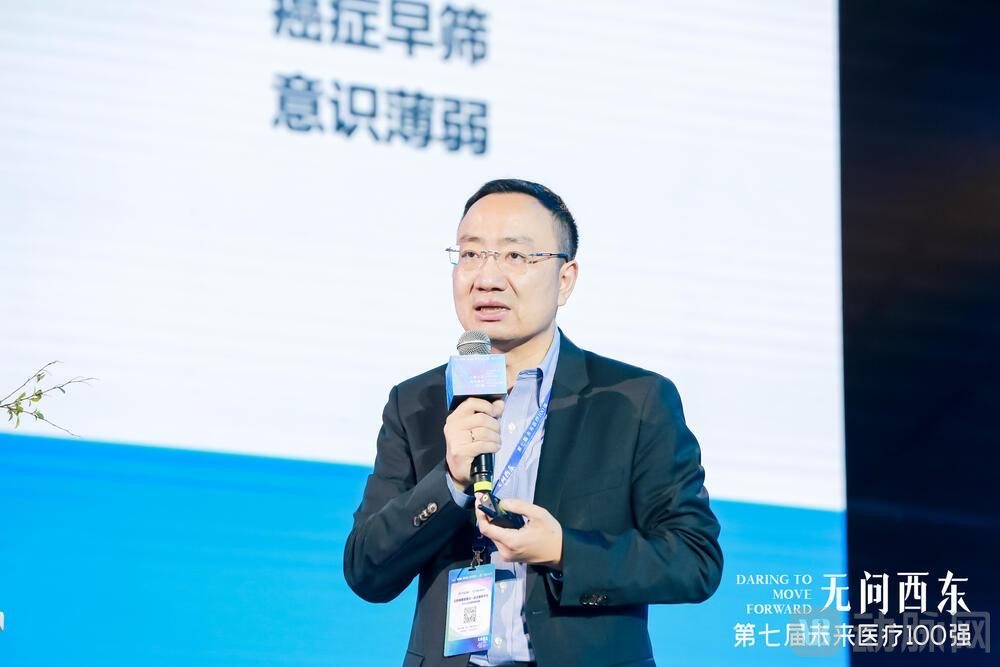
Zhang Jiangli, Co-founder and CEO of Kunyuan BioShared insights on “Development Trends in Cancer Screening in the Post-Pandemic Era.” Mr. Zhang Jiangli noted that cancer has become a major public health issue seriously threatening the health of the Chinese population. The combined effects of population aging and urbanization will further drive up cancer incidence rates. The weakest link in China’s cancer prevention and control system lies at the primary care level, making early screening and early diagnosis key to effective cancer prevention and control. In the post-pandemic era, national attention to cancer prevention and control has increased further, public awareness of self-health management and cancer screening has risen significantly, and molecular diagnostic capabilities at the primary care level have been strengthened. Mr. Zhang Jiangli also outlined future trends in cancer screening: integrating single-cancer screening with pan-cancer screening; combining community-based screening, health check-up screening, and home-based self-screening; deeply integrating insurance with cancer screening; implementing whole-process management covering screening, diagnosis, and continuous monitoring; substantially expanding cancer screening coverage at the primary care level; and leveraging AI and big data to provide new, integrated health management solutions.
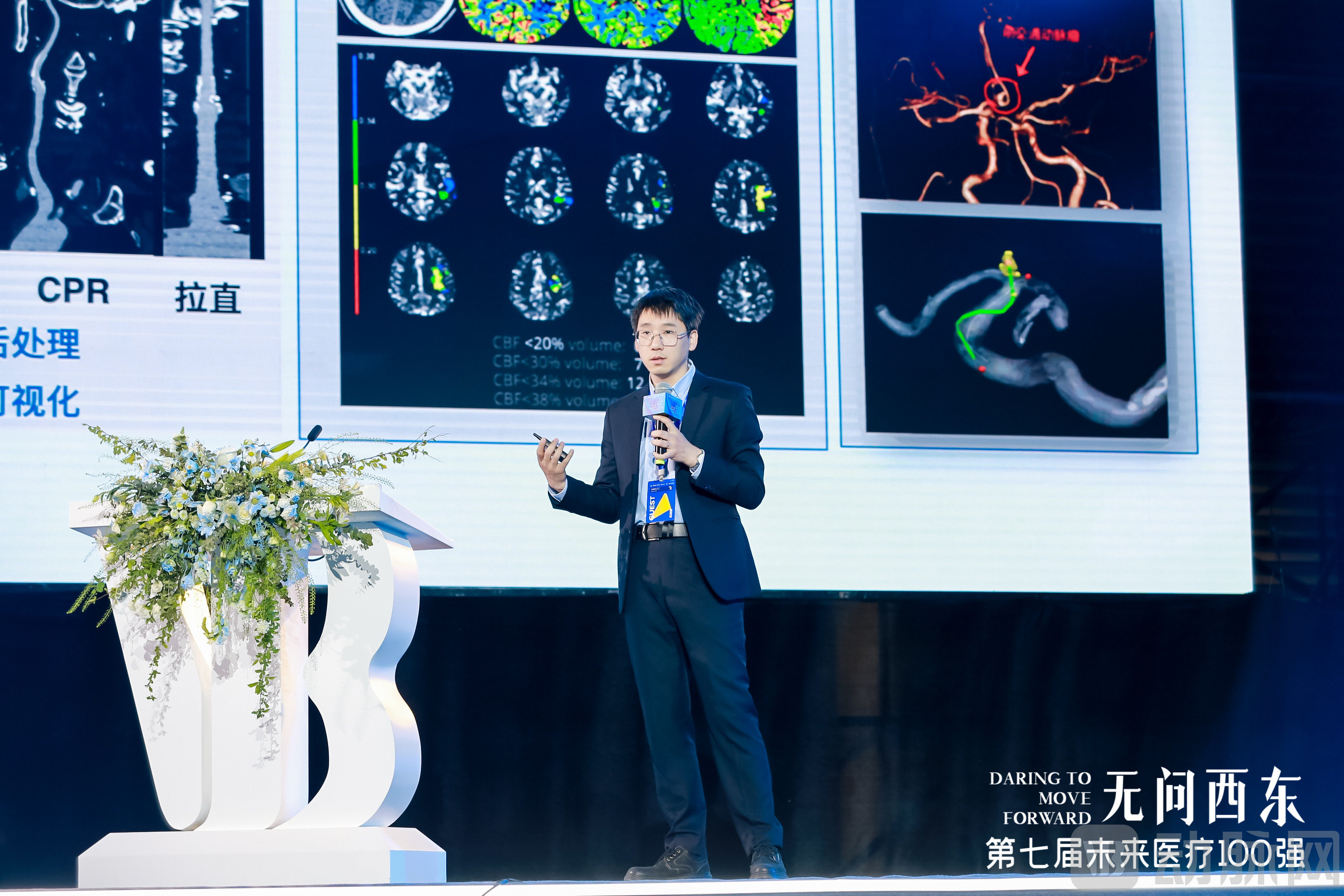
Shukun Technology CTO Zheng ChaoHe delivered a keynote presentation titled “Applications and Future Prospects of AI in Medicine.” Zheng Chao noted that AI combined with computer vision is at the forefront of industrial application, with the “Digital Human” concept leading transformative changes in the medical imaging industry. AI has expanded from single-scenario applications to comprehensive integration across the entire medical imaging workflow, and its capabilities in assisted diagnosis have been clinically validated. The development trends of AI in medical imaging include: shifting from single-disease detection to multi-disease analysis, from single-modality to multi-modal integration, and from assisted diagnosis to support for precision treatment. AI products are already being implemented in screening, diagnostic, and therapeutic scenarios. Finally, Mr. Zheng Chao remarked that the rapid rise of ChatGPT is ushering in a new wave of productivity enhancement. Its development highlights the immense potential of artificial intelligence, underscoring digitalization and intelligence as prevailing trends, with an increasing number of software solutions driven by digital technologies.
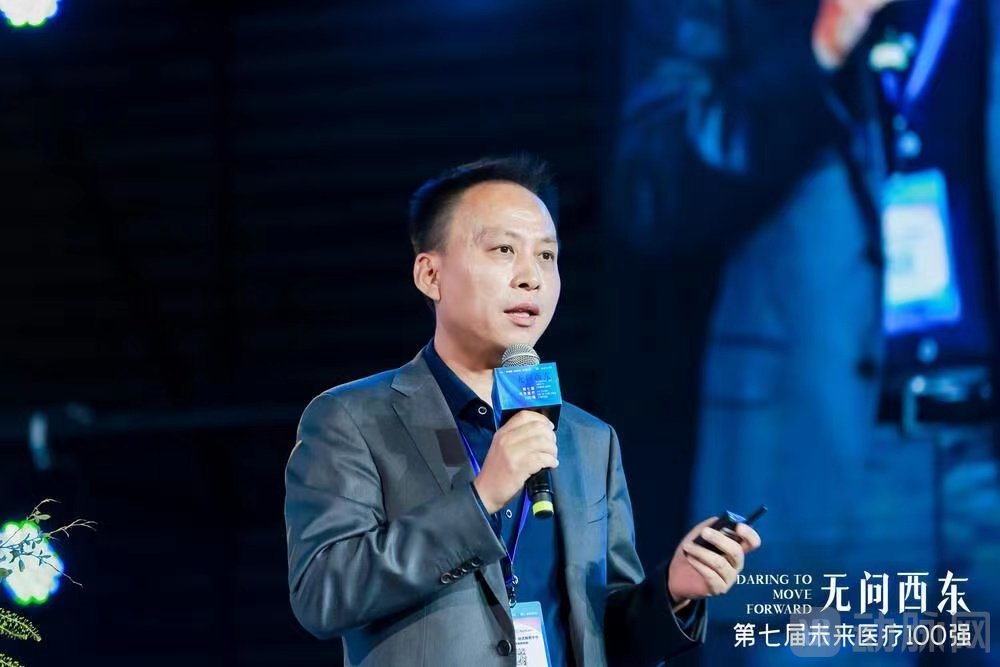
Yang Xiaohua, Chief Financial Officer of Hua Tang Da ChangDelivered a keynote speech titled “Unlocking the ‘Central Nervous System’ of Medical Devices: The Path for Device Distribution in the Post-Centralized Procurement Era.”Yang Xiaohua, Chief Financial Officer of Huatang Dachang, stated: “China’s medical device market has surged to become the second-largest globally, with substantial growth potential in high-value consumables. Foreign companies lead the high-end medical device segment. Currently, China’s imports and exports of medical devices are growing rapidly, standing in sharp contrast to the general sluggishness observed in other global healthcare markets. The domestic healthcare market is flourishing, and the distribution sector—the ‘central nervous system’ of the medical device industry—is moving towards greater scale, consolidation, and digitalization. As the leading private platform by market share in this ‘central nervous system,’ Huatang Dachang has, after years of rapid development, become a leading commercial solutions provider in China, dedicated to serving global brands of high-value medical devices. In the future, Huatang Dachang will empower manufacturers to enhance market expansion efficiency and reduce distribution costs, fully advancing the accessibility of medical innovations.”
Meng Zhu, Chairman of PureDiagnosticsShe shared insights on the topic “AI Empowerment: Helping Chinese Medical Device Companies Ride the Wave Overseas.” She noted that the COVID-19 pandemic served as a catalyst reshaping the global medical device industry landscape. Coupled with the impact of centralized procurement and intense domestic competition (“involution”) in China’s medical device sector, expanding overseas has become a key breakthrough for unlocking the second growth curve for domestic companies. Furthermore, regulatory requirements are not mutually recognized across different countries, each with its own regulatory authorities for medical products. Information asymmetry and mismatches in overseas clinical resources have emerged as major obstacles for Chinese enterprises going global. In response, PureCert leverages international resources and digital platforms to enhance the efficiency of clinical trials and overseas regulatory approvals for medical devices and IVD products, empowering Chinese medical device companies to rapidly enter international markets. Currently, PureCert has grown into a globally leading SaaS+Data-enabled intelligent CRO platform for overseas medical devices.

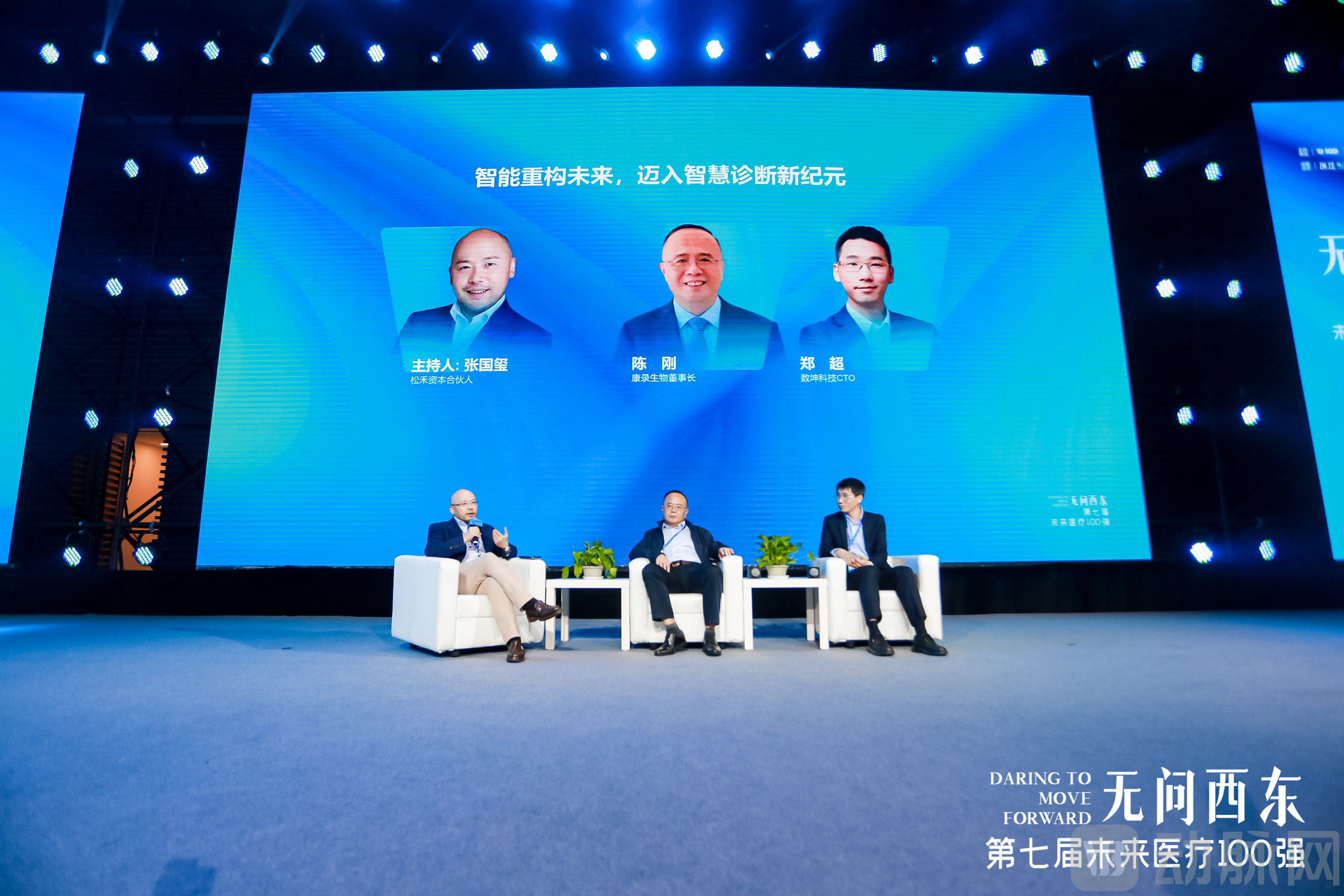
The roundtable session, themed “Intelligence Reshaping the Future: Entering a New Era of Smart Diagnosis,” was hosted byModerated by Zhang Guoxi, Partner at Songhe Capital; Chen Gang, Chairman of Kanglu Bio; and Zheng Chao, CTO of Shukun TechnologyParticipate in the seminar.
The value of AI-based imaging diagnosis was significantly demonstrated during the pandemic. In the post-pandemic era, AI imaging diagnosis is poised for broader and deeper development across diverse clinical scenarios and indications, including cardiovascular, cerebrovascular, and oncological conditions. Meanwhile, the advent of AI will enable intelligent diagnosis through process automation, operational smartification, and precise result analysis. This will directly benefit hospitals at all levels and physicians by facilitating rapid, automated analysis for clinicians, reducing diagnostic time, improving efficiency, and ultimately buying valuable time for patients. Against the backdrop of accelerating globalization, panelists discussed how Chinese enterprises can respond to global competition and build national brands. Their discussions centered on corporate value positioning, the persistent determination of business leaders, the team’s global vision and resource accumulation, as well as core technological innovation capabilities and strategies for overseas market expansion.
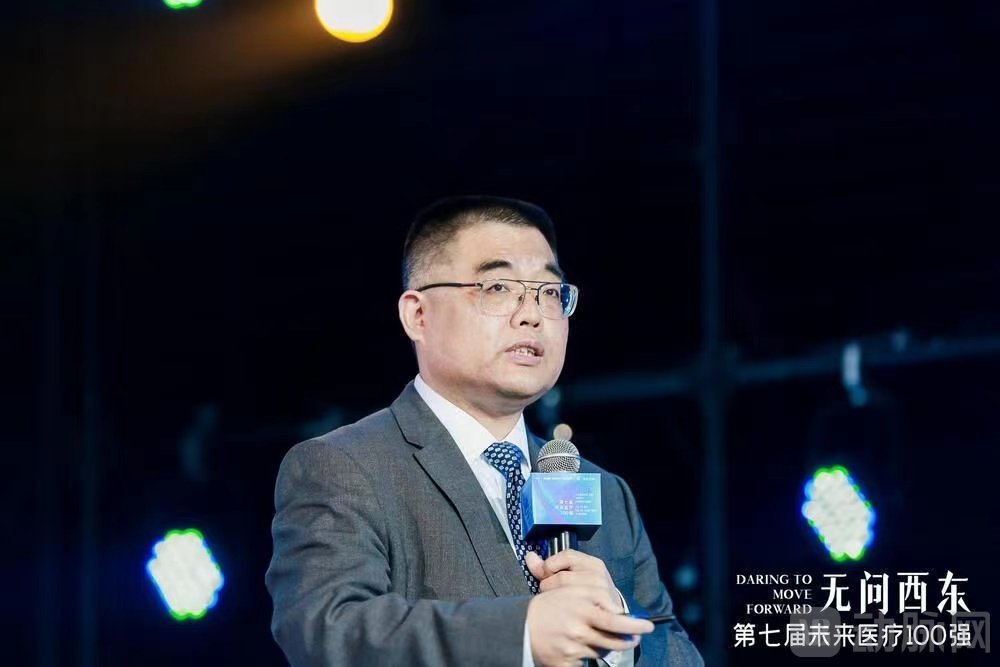
Yuan Huijun, Dean of the Institute for Rare Diseases at West China Hospital, recipient of the National Science Fund for Distinguished Young Scholars, and Vice President of the Phenomics Branch of the Chinese Society for BiophysicsDelivered the keynote speech titled “West China Hospital’s Big Data Strategy for Rare Diseases and Capacity Building for the Clinical Application of Whole-Genome Sequencing.” Yuan Huijun centered her discussion on “The Rise of Data-Driven Physicians,” pointing out that nearly three-quarters of medical students and almost half of practicing physicians are planning to pursue data-oriented education, such as advanced statistics and data science. She clarified the foundational elements for building capacity in the clinical application of WGS, including: accumulation of core data, reference genomes, complex variants in coding regions, interpretation of non-coding region variants, database construction, knowledge base development, algorithm and model development, guidelines and consensus statements, and data management and sharing.
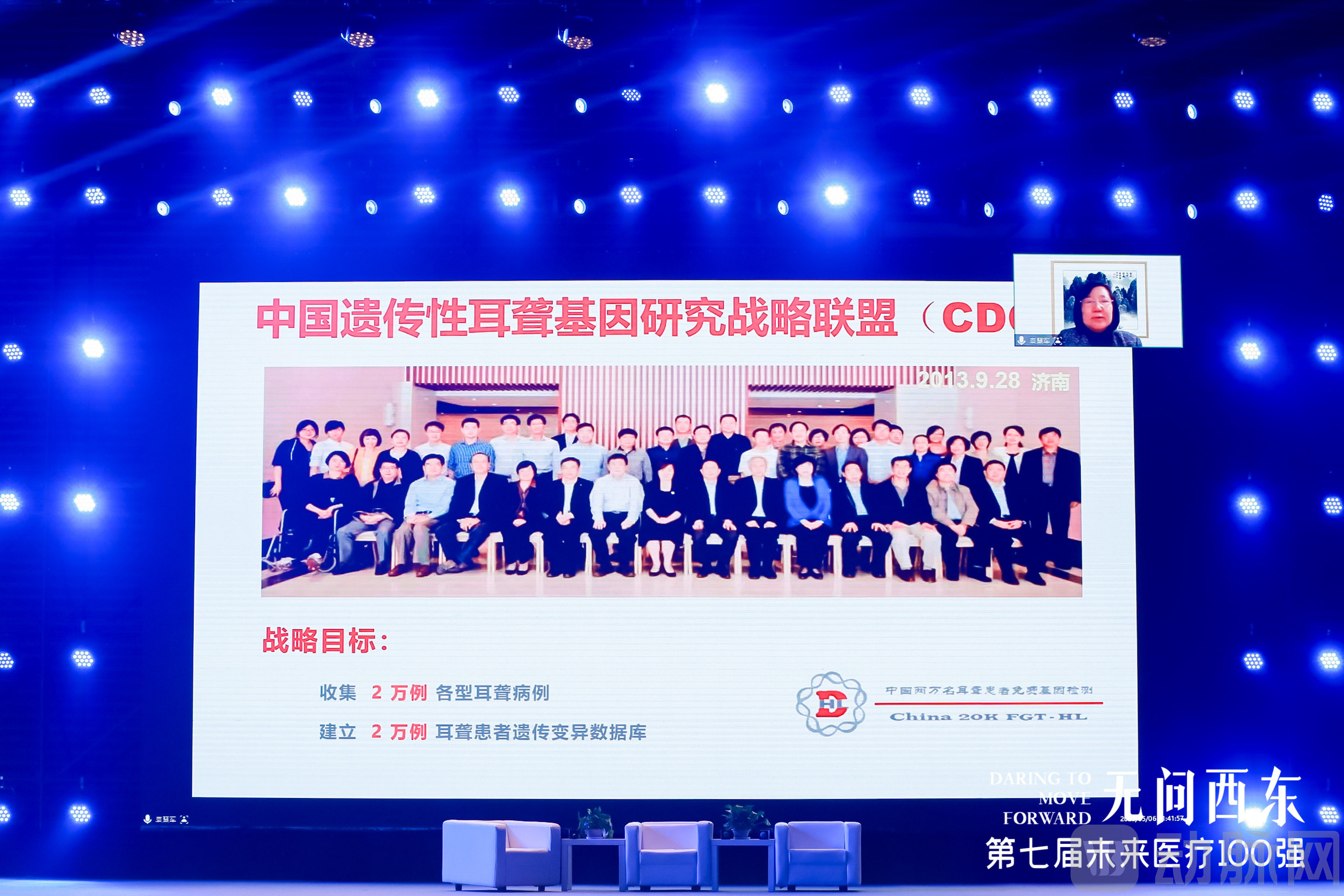
Yu Yongguo, Executive Director of the Clinical Genetics Center at Xinhua Hospital Affiliated to Shanghai Jiao Tong University School of Medicine, and Chief Scientist of the National Key R&D Program Special ProjectAn overview was presented on the “Expert Consensus on Whole-Genome Sequencing in the Diagnosis of Pediatric Genetic Diseases and Large-Scale Clinical Efficacy Study Cohorts.” Dr. Yu Yongguo elaborated on this topic, addressing four key areas: current clinical diagnostic and therapeutic challenges and needs for rare diseases; exploration of the diagnostic efficacy of clinical whole-genome sequencing (CWGS) through small-sample prospective studies; the expert consensus on whole-genome sequencing in diagnosing pediatric genetic diseases; and the OCGP Alliance’s large-scale cohort study involving 10,000 genomes. He cited Xinhua Hospital’s prospective clinical research design and protocols for diagnosing pediatric rare diseases as an example, demonstrating that whole-genome sequencing can improve the clinical diagnostic yield of genetic disorders, and discussed future strategies for clinical application.
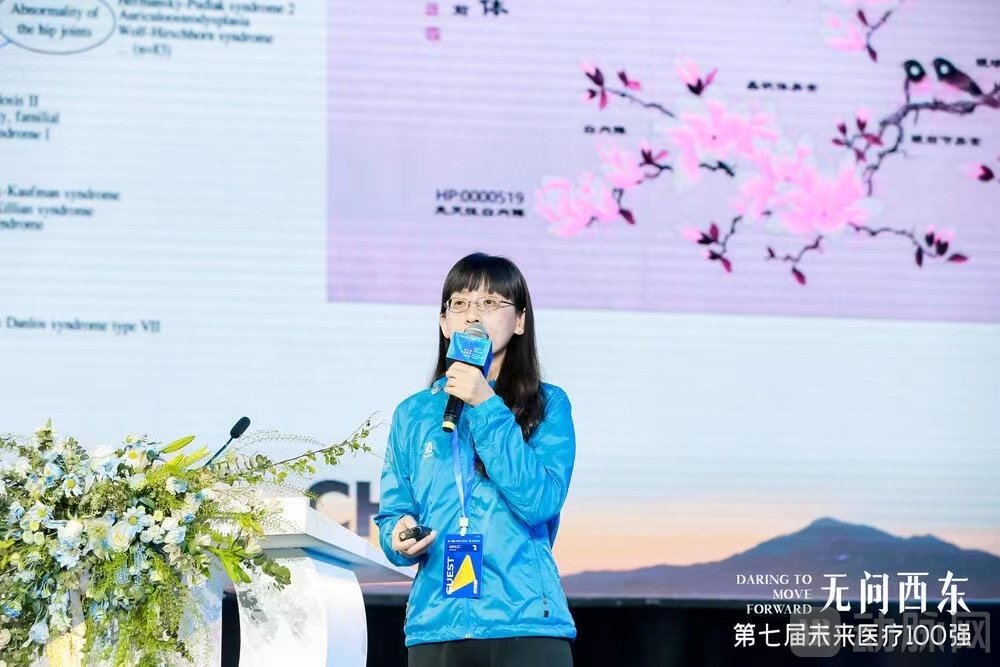
Gu Weihong, Researcher; Neurologist/Clinical Geneticist, Department of Neurology, China-Japan Friendship Hospital; Chief Coordinator, Working Group on Chinese Human Phenotype Ontology (CHPO) Standardized TerminologyShared insights on “The Application Value of HPO/CHPO in Linking Clinical Phenotypes with Genetic Data.” Gu Weihong elaborated on the significance of rare disease initiatives from both medical and social perspectives, emphasizing the need for continuous strengthening and optimization of four key aspects: clinical phenotyping, disease classification and inheritance patterns, genetic defects, and genetic testing/data analysis. Ms. Gu also noted that in real-world clinical settings, numerous barriers hinder the linkage between phenotype information of rare/genetic diseases and genetic data. With the rapid advancement of gene sequencing technologies, acquiring genetic data has become increasingly convenient, whereas the efficiency of collecting corresponding phenotypic information lags significantly behind. Adopting a common language to establish connections facilitates orderly linkage and collaboration, thereby improving efficiency. By introducing the concepts, hierarchical structure, and development of the Human Phenotype Ontology (HPO) and the Chinese Human Phenotype Ontology (CHPO), she highlighted the importance of HPO and indicated that efforts will continue to advance the development of CHPO in the future.
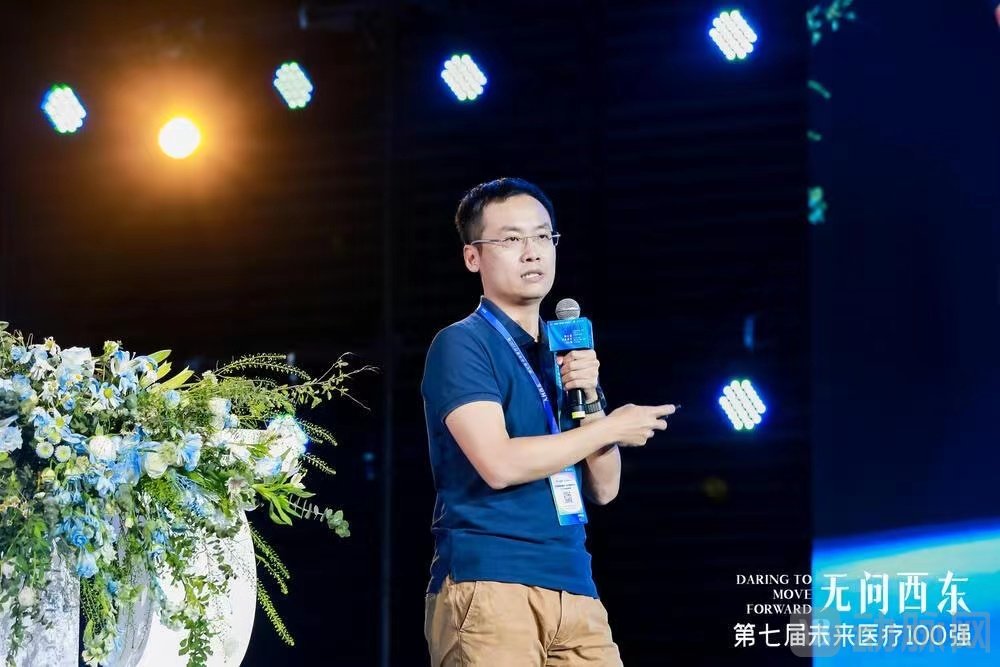
Li Hourong, Founder and CEO of Judao TechnologyAn in-depth interpretation of the "Spring Bamboo Project," a clinical whole-genome application system for rare diseases. He noted that many patients with rare diseases face diagnostic challenges; improving diagnostic rates and efficiency would facilitate advancements in rare disease healthcare and drug development. Whole-genome sequencing can help overcome bottlenecks in rare disease diagnostic performance, as it covers nearly all clinical scenarios and disease types, provides high-quality standard data and algorithmic interfaces, achieves the highest dimensionality of genomic data, and enables comprehensive analysis of complex variants and multi-omics. Leveraging experience from 50,000 whole-genome cases, Judo Technology has established a high-performance data system to create an autonomous and controllable intelligent genomic medicine data system. Furthermore, addressing deep clinical needs, it has developed industry-standard solutions and built the "Spring Bamboo" whole-genome co-evolution system. In the future, whole-genome data will lead the industry into a new era of intelligence.
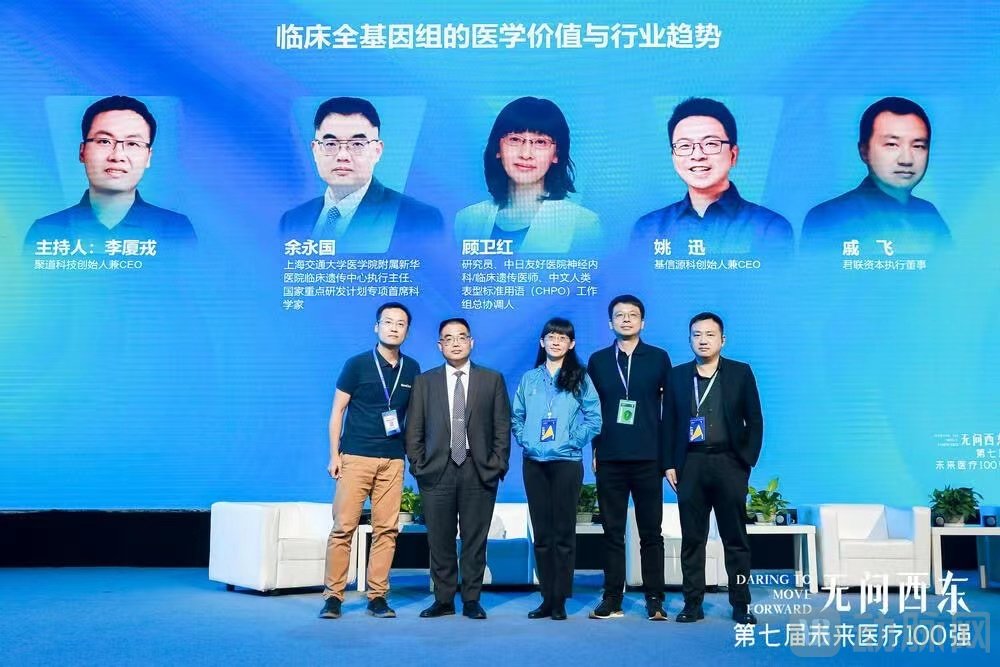
The roundtable discussion centered on “Clinical Value and Industry Trends of Whole-Genome Sequencing,” moderated byModerated by Li Xiarong, Founder and CEO of Judao Technology, the panel featured Yu Yongguo, Executive Director of the Clinical Genetics Center at Xinhua Hospital Affiliated to Shanghai Jiao Tong University School of Medicine; Gu Weihong, Neurologist and Clinical Geneticist at the Department of Neurology, China-Japan Friendship Hospital; Yao Xun, Founder and CEO of Jixinyuan Ke; and Qi Fei, Executive Director at Legend Capital.Participated in the discussion.
Rare diseases are severe chronic conditions characterized by early onset, rapid disease progression, and high mortality rates. However, for patients with rare diseases, obtaining an accurate diagnosis is a complex and protracted process. Current diagnostic approaches, including gene chips and whole-exome sequencing, still suffer from significant rates of misdiagnosis and missed diagnoses. There is an urgent need in clinical diagnostics for rare diseases to adopt a more standardized method with higher detection rates—whole-genome sequencing (WGS). Nevertheless, the widespread adoption of WGS in China faces challenges due to physicians’ lack of systematic education in genetic counseling, the steep learning curve associated with interpreting genomic data, and the heavy burden of clinical workload. Addressing this issue, experts believe that integrating artificial intelligence (AI) technologies can facilitate the application of whole-genome sequencing in diagnosing rare diseases across diverse clinical scenarios, thereby benefiting more patients and advancing the clinical implementation of WGS in China.
The Path to the Top 100
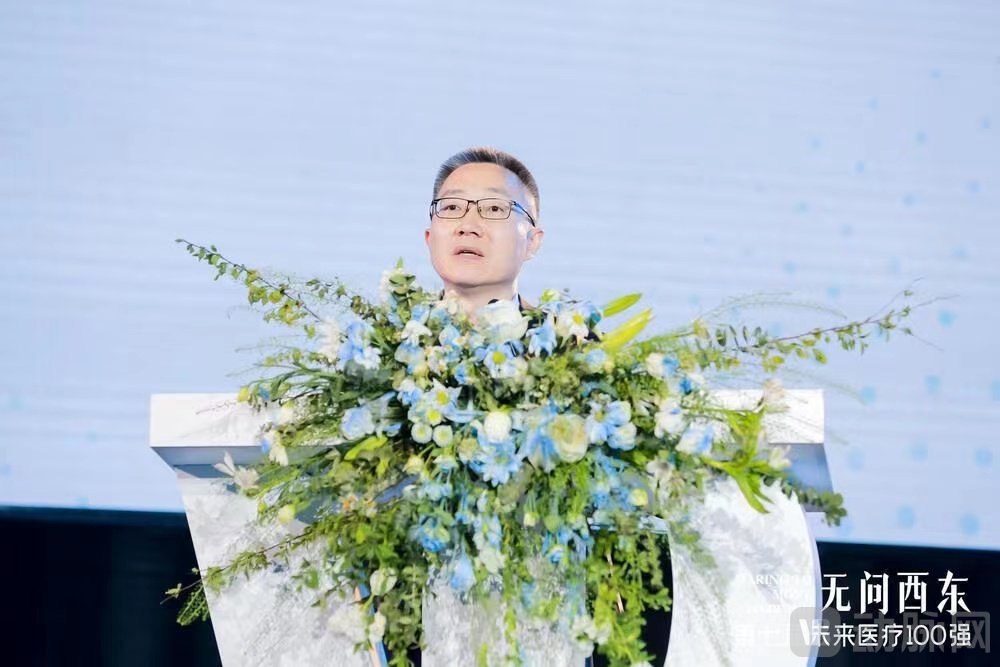
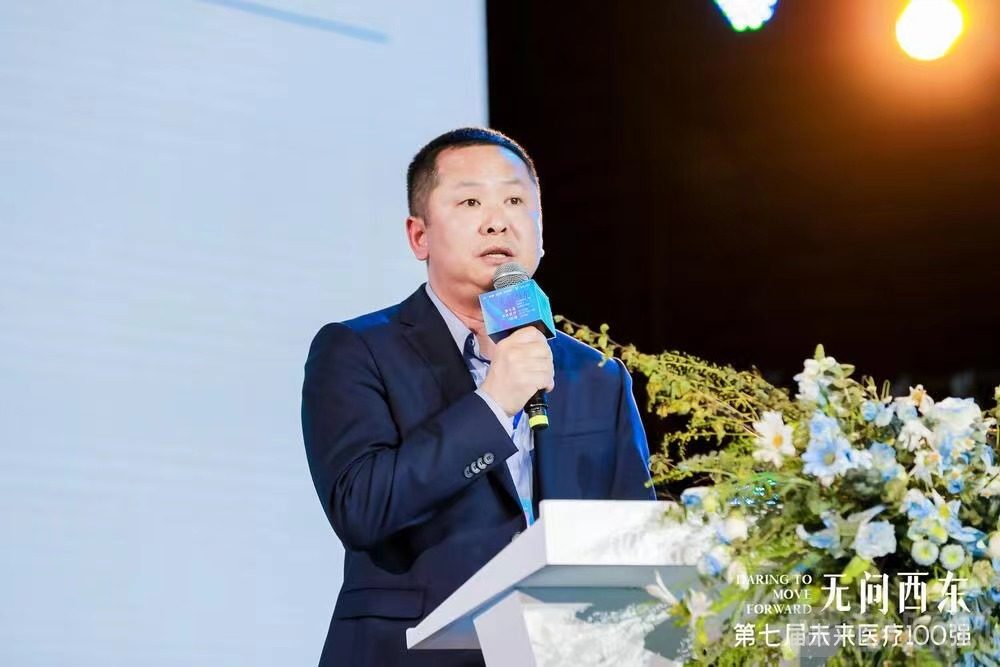
Wang Hang, Founder and CEO of Haodf.comShared insights on “New Practices for the High-Quality Development of Internet Healthcare Innovation.” Wang Hang reviewed the key trends in internet healthcare over the past year, prompting reflection on its future direction. He outlined the sector’s landscape as encompassing: medical education and science popularization services, family doctor contract services, public health services, artificial intelligence applications, clinical care services, health insurance settlement services, and pharmaceutical supply assurance services. By comparing physicians affiliated with public hospital-based internet hospitals to those on third-party platforms, he emphasized that true service commercialization is realized through internists’ practices. He proposed that every physician can establish their own supply chain, leveraging prescription outflow and open platforms to drive the commercialization of healthcare services.
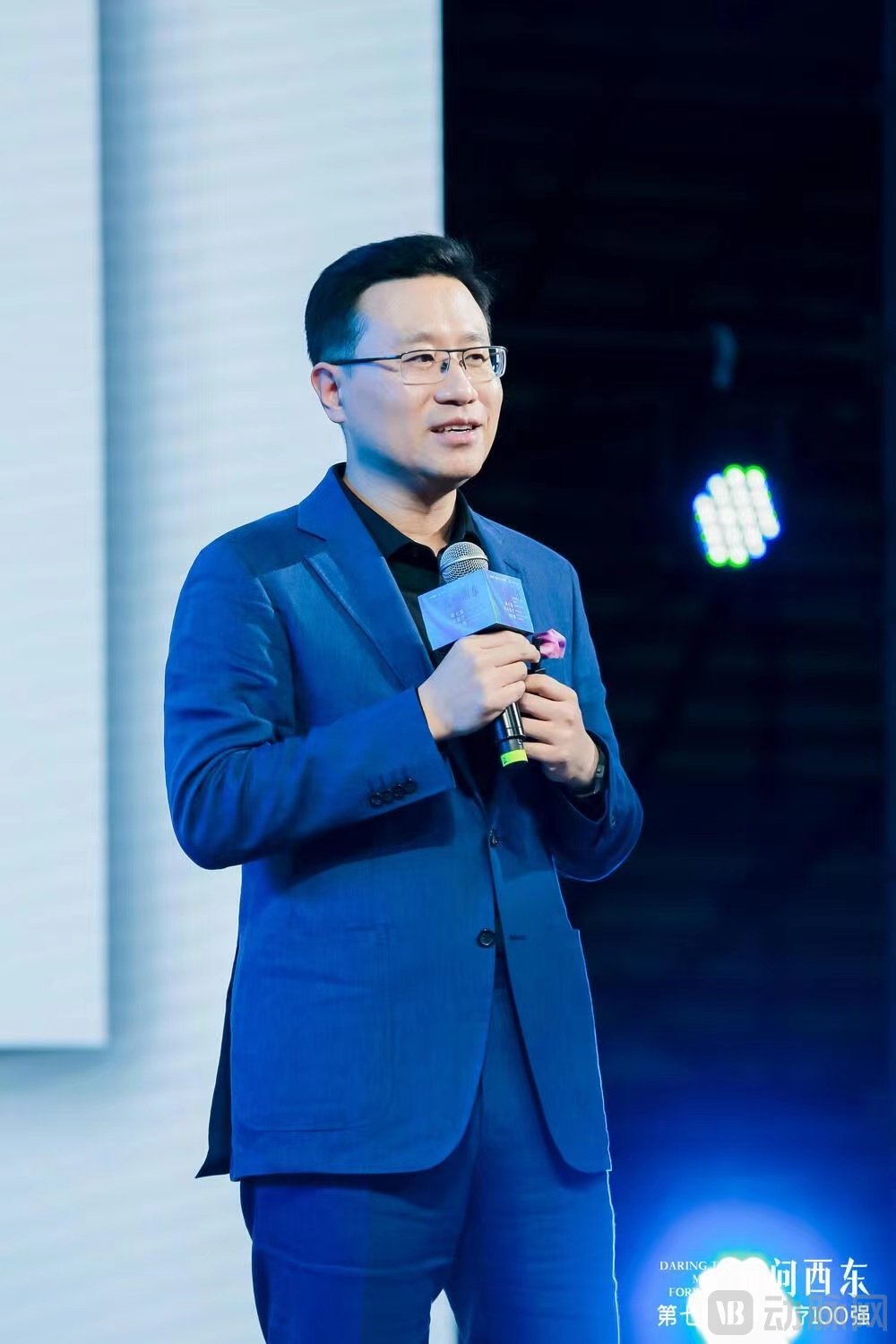
Li Tiantian, Founder and Chairman of DXY“Future Development of Digital Healthcare in China” was introduced, emphasizing that public health and medical care concern the common well-being of humanity and should not be influenced by other factors. China can contribute to the development of the global digital health industry and establish new competitive advantages. By interpreting the 2021 “Action Outline for Improving National Digital Literacy and Skills,” it is clarified that DXY occupies an upstream position characterized by prevention-oriented approaches, the establishment of healthy lifestyles, and relatively low resource investment. With the vision of “More Health, Better Life,” DXY focuses on its “D+C” strategy to serve as a guide for healthy lifestyles and support the professional growth of Chinese physicians. Achieving nationwide improvement in digital health literacy is built upon the foundations of digital literacy among physicians, patients/the general public, and government/enterprises.
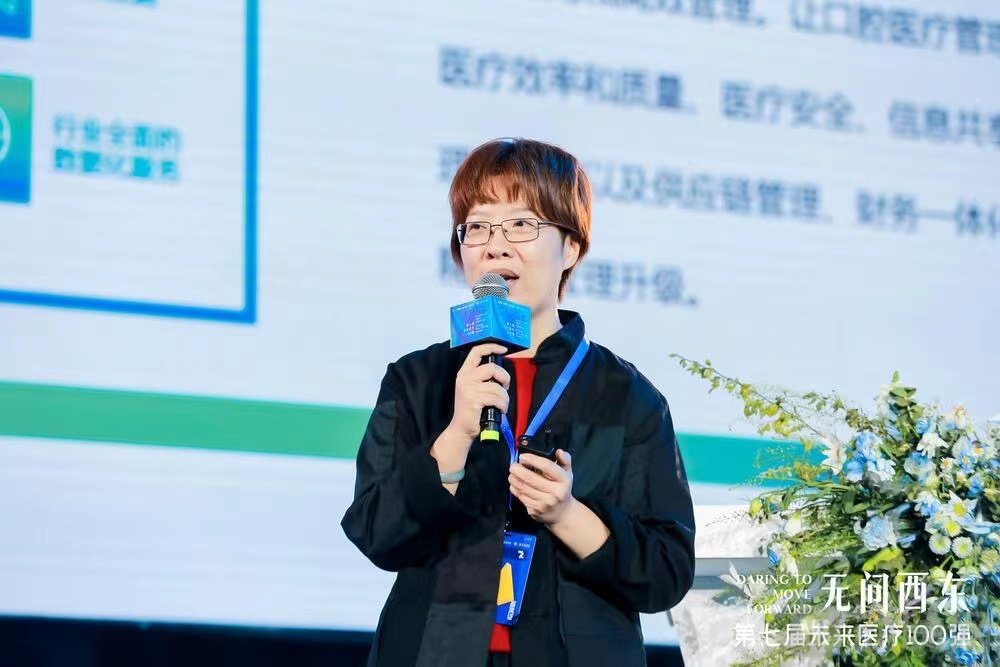
Zhu Liya, Founding Partner and CEO of Meiwei Dental Medical GroupDelivered a keynote presentation titled “Empowering Healthcare with Technology: Building a New Ecosystem for Smart Medicine.” Zhu Liya introduced that Meoway Dental is China’s first dental healthcare enterprise to develop under the DSO (Dental Support Organization) model, achieving personalized growth through platform empowerment, standardization output, talent aggregation, capital acceleration, and collaborative evolution. Meoway’s informatization strategy is driven by dual cores—patient-centricity and care-centricity—providing data-driven support for strategic decision-making. The Meoway SaaS management platform empowers the refined upgrading of dental practice management and leverages technology to enable full-lifecycle dental care management. Meoway Dental Group will continue to explore the future of technology-enabled healthcare.
Jiang Lin, General Manager of Qinglan Biologics, shared“Pharmaceutical Research, Clinical Development, and Commercialization Strategies for Dissolving Microneedle Drugs.” By reviewing the historical development of microneedle technology and summarizing literature on microneedle classification, Jiang Lin introduces a detailed explanation of the principles underlying dissolving microneedles. Citing the failed study “DNA Vaccine Microneedle Animal Immunization” and the successful case “Microneedle Delivery of DNA Vaccines (No Injections, No Oral Medication),” he demonstrates that the microneedle group achieved higher antibody titers with more sustained durability, and that microneedle-delivered vaccines provided superior protective efficacy compared to the injection group. Mr. Jiang Lin also provides an overview of animal studies involving dissolving microneedle drugs, sterile large patches for human use and specialized patches for mouse experiments, Class A+C sterile manufacturing facilities offering CDMO services to pharmaceutical companies, and the world’s first GMP-like sterile microneedle manufacturing plant.
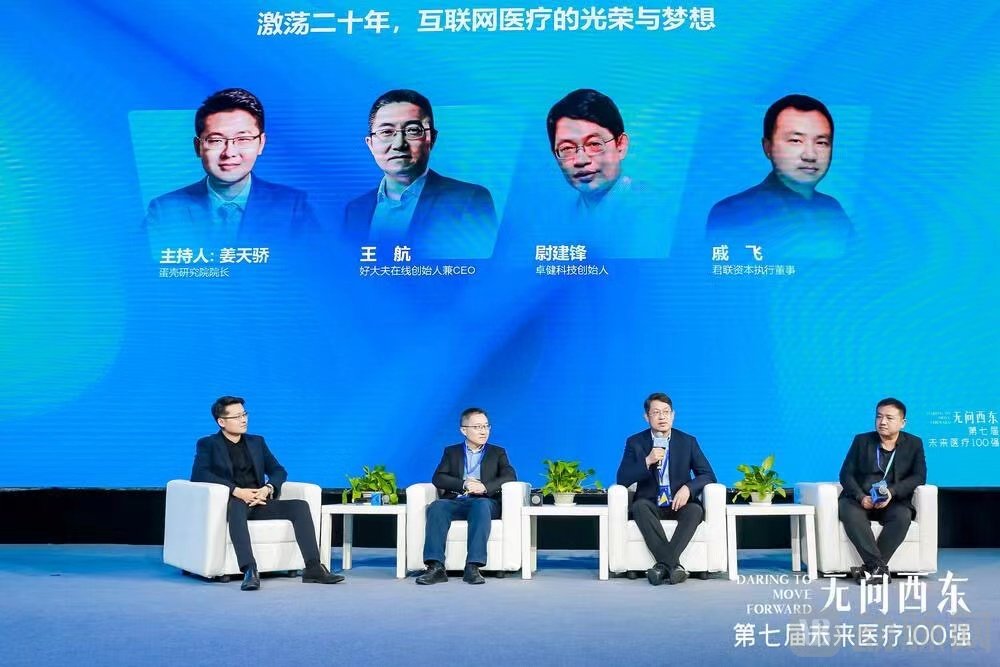
The roundtable session, themed “Twenty Years of Turbulence: The Glory and Dreams of Internet Healthcare,” was hosted byModerated by Jiang Tianjiao, Dean of VCBeat Research Institute and Partner at VCBeat; featuring Wang Hang, Founder and CEO of Haodf Online; Wei Jianfeng, Founder of Zhuojian Technology; and Qi Fei, Executive Director at Legend CapitalParticipated in the seminar.
As the internet healthcare sector transitions from a period of exuberant hype to one of rationality, panelists directly address the challenge of balancing value creation with commercial returns. At its core, internet healthcare is a connectivity model that leverages the internet, data, and hardware to link hospitals with each other and integrate all medical services within them, thereby forming a comprehensive service ecosystem spanning the entire industry chain—from prevention and diagnosis to health management and pharmaceutical services. As various stakeholders, including diverse medical data sources and different care scenarios, become interconnected via the internet, standardization of medical services becomes feasible, positioning internet healthcare as another key driver for promoting high-quality care. Finally, what is the idealized vision of internet healthcare held by observers and practitioners deeply engaged in this field? Comprehensive coverage across the patient’s entire lifecycle, significantly improved accessibility to medical services, deep integration of digital technologies with healthcare delivery, and further development of medical payment systems—the answers lie in practice.
The conclusion of the “Top 100 Summit” also marks the closing of the “7th Future Healthcare Top 100 Conference,” a three-day event featuring three main forums and over 30 sub-forums. Although the guests and attendees came from diverse sectors within the healthcare industry, they shared a common original aspiration: to seek optimal solutions in healthcare. We firmly believe that the efforts of all innovators in the healthcare industry today,It will pave new paths for more and better medical solutions, thereby changing the life trajectory of every individual.