

Weimai Partner Zhou Li Advocates Reconstructing the Relationship Among People, Products, and Scenarios to Build a New Ecosystem for Women's Full-Lifecycle Health Services
On May 6, the 7th Future Healthcare Top 100 Conference was held in Shanghai. Zhou Li, Partner and General Manager of the Strategic Development Center at Weimai, was invited to attend and delivered a keynote presentation titled “A Full-Cycle Women’s Health Service System in the Era of New Consumer Trends.”
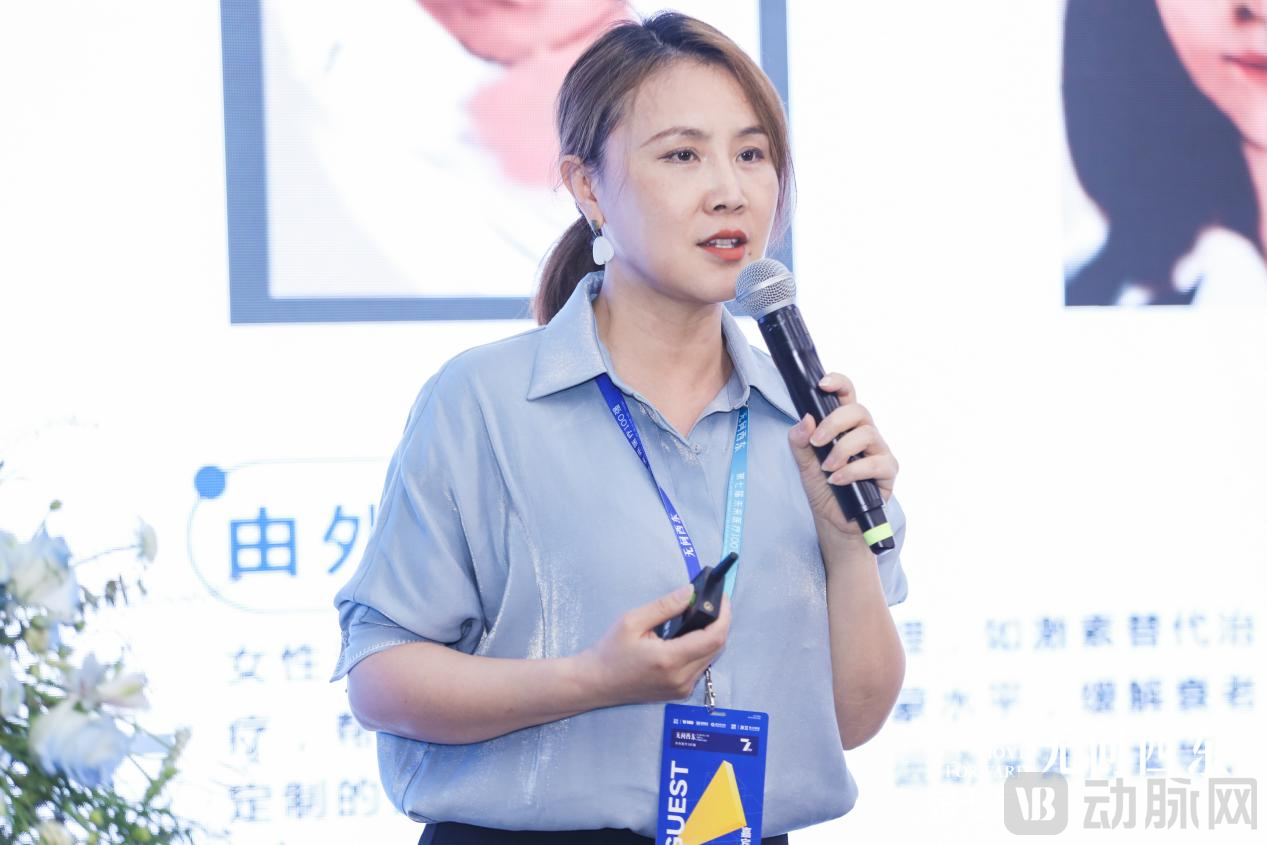 Zhou Li, Partner and General Manager of the Strategic Development Center at Weimai
As times change and medical technology advances, women’s healthcare needs are gradually evolving. Women’s attention to health is continuously rising, and they are putting forward more new demands for specialized healthcare services. Zhou Li believes that both public medical institutions and healthcare ecosystem enterprises should make corresponding adjustments in their strategies and positioning.
In recent years, with the rise in women’s social status and shifts in societal attitudes, there has been an awakening of self-awareness among women and a transformation in their consumption concepts. Modern women increasingly prioritize self-actualization and self-improvement, emphasizing that consumption is for “self-gratification” rather than to please others. Consequently, a refined trend of “self-gratifying” consumption has emerged, driving the female consumer market to evolve from traditional “needs-based” and “family-oriented” consumption structures toward greater diversification. “Contemporary women are more independent than ever before, place greater emphasis on their inner feelings, and actively seek products, services, and brands that align with their values,” pointed out Zhou Li.
On the other hand, the proportion of service-oriented consumption among women is increasing year by year. For more consumers, services have become a significant factor in assessing product value and making purchasing decisions. Meanwhile, with rising female incomes, growing social and self-actualization needs, greater attention to external appearance, the drive behind self-gratification consumption, and an advanced understanding of health concepts, there is a strengthening trend toward personalized and holistic anti-aging awareness that nurtures both inner and outer well-being. This has led to a qualitative leap in the demand for “health and beauty.”
In Zhou Li’s view, the traditional female health consumer market has primarily centered on beauty products, dietary supplements, and weight-loss solutions, with an emphasis on external appearance and body shape. However, modern women are increasingly prioritizing holistic well-being that integrates both internal and external health. They seek multi-layered, diverse, and personalized health consumption experiences, such as prevention and screening for breast and cervical cancers, Traditional Chinese Medicine (TCM) constitutional regulation, remote data monitoring during pregnancy, postpartum rehabilitation, psychological counseling, and genetic testing. Consequently, creating refined, personalized, professional, scientific, and efficient experiential consumption scenarios will become the focal point for the future development of healthcare institutions.
“Lying-flat” childbirth and “hands-off” parenting are two terms that have gained popularity in recent years. The concept of “trading money for time” is increasingly accepted by female consumers, with high efficiency becoming a key factor in achieving happiness. From pregnancy to child-rearing, more women hope to receive personalized medical and health services tailored to their own and their baby’s specific needs. These services include, but are not limited to, care teams, dietary plans, diagnostic and treatment protocols, and parenting strategies. Consequently, emerging professions such as postpartum recovery specialists, infant care specialists, physiotherapists, senior confinement nannies, private chefs, health managers, case managers, and meditation instructors are gradually entering the public eye.
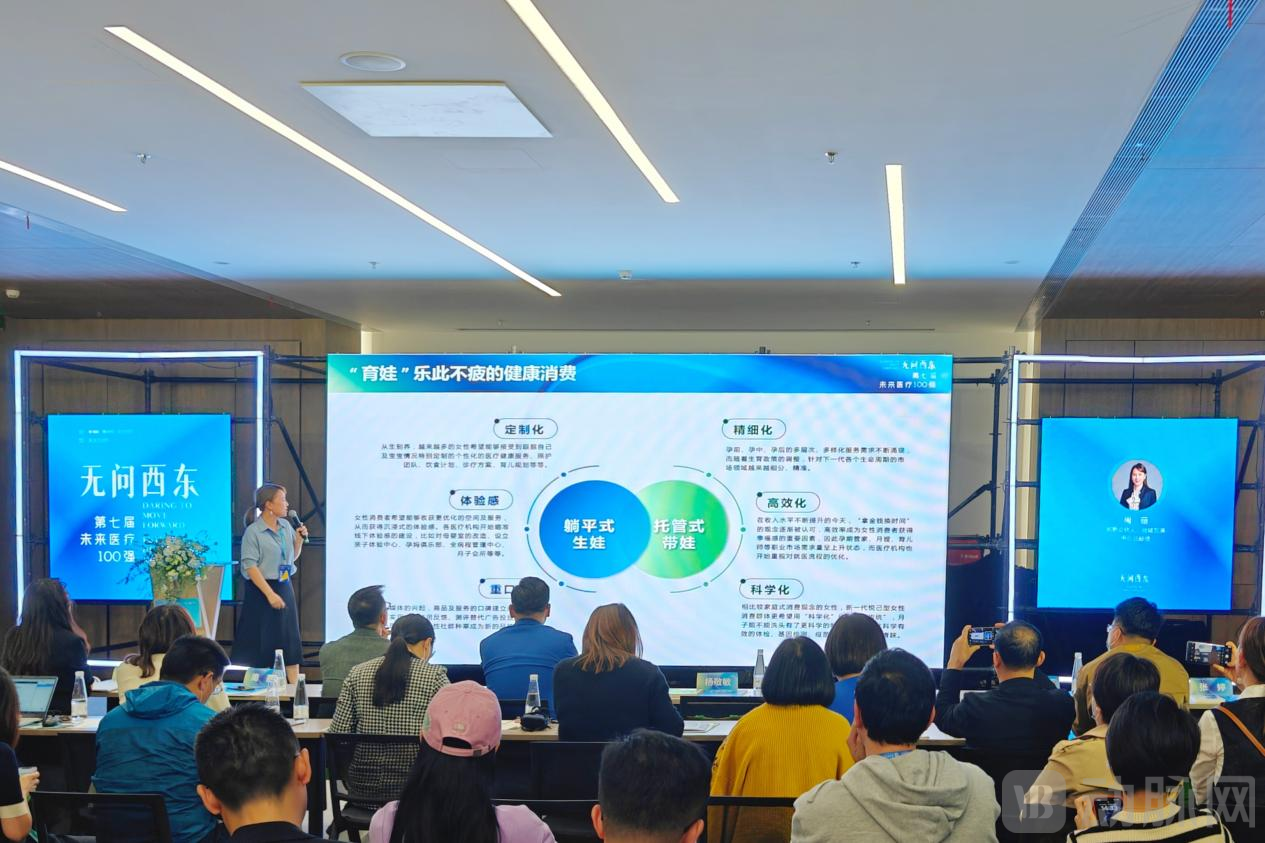 Zhou Li Shares New Consumer Demands Among Women of Childbearing Age On-Site
It is encouraging to note that it is not only market-driven enterprises and institutions that have detected this shift in consumer trends; relatively more agile public healthcare service providers have also begun to transform, focusing on upgrading their services into a patient-centered, full-cycle medical and health care system. From improving the in-hospital clinical environment and streamlining care processes to extending care beyond hospital walls into home-based health management, the public healthcare service system is undergoing a transition from a treatment-centered model to a health-centered one.
“Of course, it is insufficient to rely solely on public healthcare institutions; support from relevant social industries is essential to jointly drive the iteration and upgrading of new consumption patterns among women.” According to Zhou Li, there are now an increasing number of successful examples of “medical-enterprise integration” serving public health, and the public is increasingly willing to pay for high-quality, professional medical and health services.
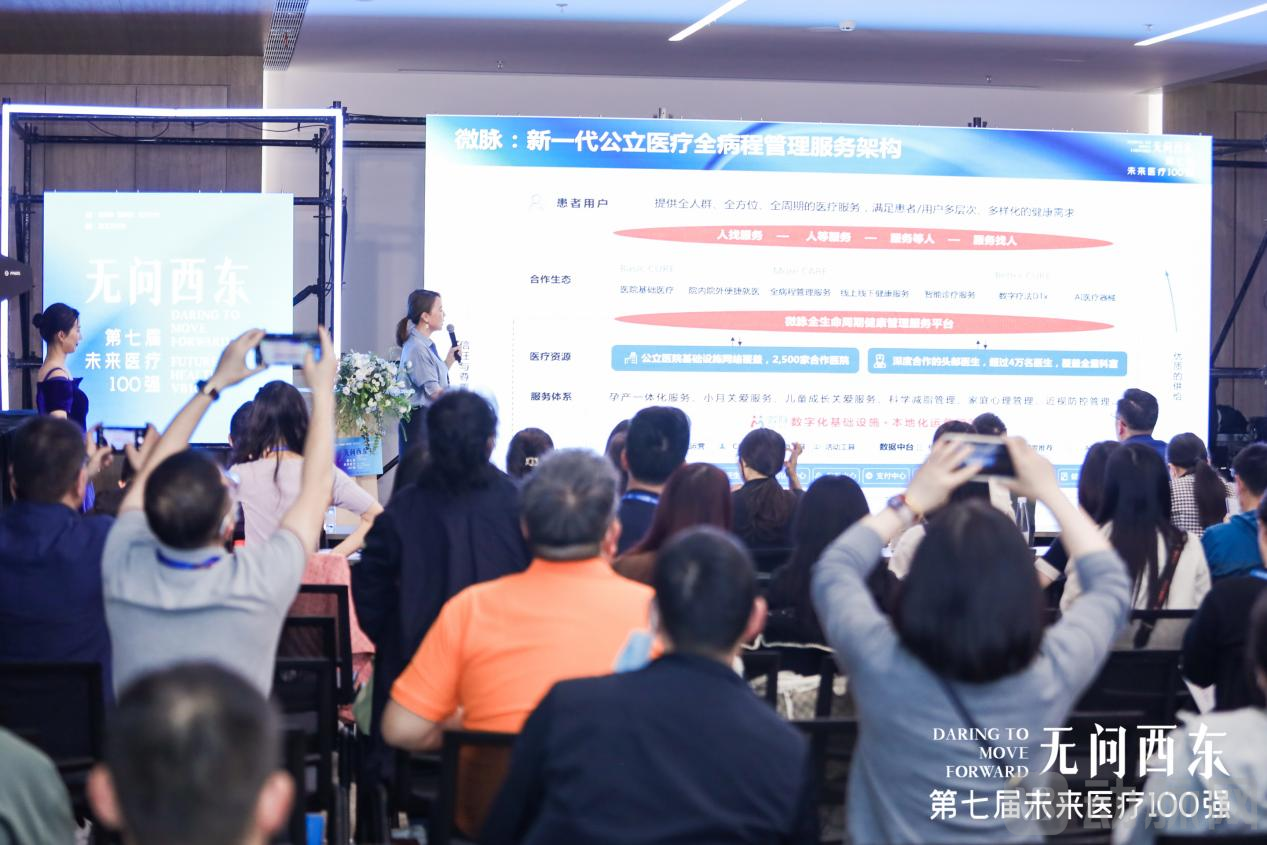 Zhou Li Shares Weimai’s Full-Course Disease Management Service System On-Site
At the event, Zhou Li cited the comprehensive healthcare service system for women’s entire life cycle, built by Weimai in collaboration with nearly 500 public hospitals across China, as an example. She highlighted how hospitals and enterprises can leverage their respective resources and harness new technologies such as the internet and artificial intelligence to provide women with one-stop services that integrate online and offline care, in-hospital and out-of-hospital support, single-visit and cyclical management, ad-hoc and personalized assistance, as well as manual and intelligent solutions. Under this transformation, high-quality medical resources in public hospitals have been effectively utilized, fostering strong, trust-based connections between doctors and patients. As a result, a growing number of women are benefiting from services such as “effortless” childbirth and “managed” childcare.
After more than seven years of development, Weimai has connected with over 2,500 public hospitals across China, with nearly 200,000 licensed physicians providing services to patients through the Weimai platform. As the pioneer of whole-disease-course management services in China, Weimai has now established comprehensive, full-cycle healthcare management capabilities covering the pre-hospital, in-hospital, and post-hospital phases for more than 1,000 diseases across 32 key specialties. In Zhou Li’s view, this undoubtedly provides the strongest service foundation for building a highly interconnected, open ecosystem cooperation platform. With new consumer demands becoming increasingly diverse, she hopes to attract more ecosystem partners to join forces, integrating innovative technologies with medical resources to jointly address the “super essential” market of full-cycle healthcare services under the new consumption model.
According to reports, Weimai has spent seven years accumulating experience and practical insights, aiming to upgrade the relationships among people, services, and settings within the healthcare service system. Specifically, by collaborating with public hospitals to provide full-cycle medical health management, Weimai offers online and offline, as well as in-hospital and out-of-hospital, scenarios for display and promotion to the industry ecosystem. Through comprehensive operations and refined management of patients, it enables patients and users to have an immersive experience with its products and services, thereby improving their quality of life. Meanwhile, as patients enjoy end-to-end services, they provide positive word-of-mouth and constructive feedback, which in turn drives the iterative upgrades of products, scenarios, and services.

After a decade of development and transformation, internet healthcare has largely resolved the issue of accessibility for the general public in seeking medical care. In response to the multi-level and diverse demands for healthcare services—not only from women but across broader populations—it is imperative to collaborate with public hospitals to deliver patient-centered, whole-course disease management services. Zhou Li stated that, in the long run, innovative enterprises within the industry will inevitably move toward “integrated innovation,” leveraging their respective strengths to address critical bottlenecks and challenges across the entire continuum of care—from prevention and treatment to rehabilitation—for various specialized diseases. Ultimately, this will lead to the establishment of a comprehensive healthcare service system that provides all-around, full-cycle health support to the entire population, thereby building Managed Care Organizations with Chinese characteristics (C-MCO).