

Lingxi Medical Builds Digital Brain Platform with Million-Hour EEG Data and Expert-Backed Neurodynamics Models
The human brain is one of the most mysterious and magnificent works of art in the universe, with neural circuits forming a complex network teeming with vitality and intelligence. Through the interweaving of tens of billions of neurons and the connection of hundreds of trillions of synapses, the human brain has formed a precise and coordinated information processing network system. Only by gaining a deep understanding of this vast network structure and its collective dynamic behaviors can we fully comprehend the brain’s functions and activities, and uncover the pathogenic mechanisms and developmental processes of brain diseases. In this mysterious and awe-inspiring field, scientists’ journey of exploration has only just begun.
With the rapid development of bioelectrical sensing, signal processing, and machine learning technologies in recent years,EEG analysis has become one of the important tools for brain cognition research and diagnosis of brain diseases.Electroencephalography (EEG) is currently the gold standard for epilepsy diagnosis and serves as a crucial diagnostic tool for numerous neurological conditions and clinical applications, including mood disorders, developmental disorders in children, Alzheimer’s disease, attention-deficit/hyperactivity disorder (ADHD), sleep disorders, preoperative planning, intraoperative anesthesia monitoring, and intensive care unit (ICU) monitoring. Statistics indicate that over 30 million people in China require regular and standardized EEG testing annually. These tests not only facilitate early detection and treatment of brain disorders but also contribute to improving individuals’ quality of life and overall health.
However, in the diagnosis and application of brain diseases, electroencephalography (EEG) presents challenges that cannot be overlooked.Two Major Pain Points Demand Urgent Resolution.
First, there is a severe shortage of physicians skilled in medical image interpretation, which limits adoption at the primary care level.Interpreting and diagnosing electroencephalograms (EEGs) require extensive clinical experience and specialized reading skills. Currently, only a few hundred clinicians across China possess advanced EEG diagnostic capabilities, and they are predominantly concentrated in top-tier tertiary hospitals located in major cities. This distribution has resulted in a severe shortage of medical resources at the primary care level. Furthermore, due to the operational complexity of traditional EEG procedures and the challenges associated with data interpretation, physicians may spend 1–2 hours on the diagnostic assessment of each EEG. This significantly limits hospital patient throughput, causing the EEG consultation process for each patient to take several days and involve considerable time and effort. Consequently, this greatly reduces the willingness of patients with neurological disorders to undergo standardized examinations and medication adjustments.
Second, there is a lack of objective indicators, and the scope of application needs to be expanded.Unlike electrocardiograms (ECGs), electroencephalograms (EEGs) exhibit complex waveforms that are difficult to quantify. Many brain disorders, such as depression, Alzheimer’s disease, autism spectrum disorder, and sleep disorders, still lack simple and effective objective diagnostic markers, which significantly hinders early diagnosis and precision treatment for patients with these conditions. In recent years, academic research has revealed the substantial potential of EEG in the diagnosis, subtyping, and prediction of therapeutic response for these diseases. However, due to the complexity of data analysis methods, EEG has not yet been integrated into routine clinical diagnostic and treatment workflows.
As one of the earliest laboratories in China to conduct research on electroencephalography (EEG) and neural engineering, the Neural Engineering Laboratory at Tsinghua University is dedicated to advancing brain-computer interfaces, neural modeling, cognitive mechanisms of the brain, and the pathological mechanisms of neurological disorders. Since its establishment, the laboratory has accumulated over 20 years of technical expertise and experience, maintaining long-term scientific collaborations with world-renowned research institutions such as Harvard University, Stanford University, and Johns Hopkins University.
To address the highly challenging issues in EEG signal processing, the Neuroengineering Laboratory at Tsinghua University has gradually developed a method to abstract the complex functional activities of the human brain into mathematical and physical models, thereby overcoming the bottlenecks in EEG signal processing.However,This approach not only requires the accumulation of large-scale data but also demands that technical developers possess extensive experience in model design for electroencephalogram (EEG) signals.
In 2019, leveraging the robust EEG algorithm modeling technologies of Tsinghua University’s Neural Engineering Laboratory, it is committed to building a new ecosystem for the diagnosis and treatment of brain disorders.Dr. Yan Yuxiang, together with Professor Hong Bo, a brain-computer interface expert from the Department of Biomedical Engineering at Tsinghua University; Academician Zhang Hongjiang of the U.S. National Academy of Engineering and a leading expert in artificial intelligence; and Professor Lu Bai, a renowned neurobiologist from the School of Pharmaceutical Sciences at Tsinghua University, co-founded Lingxi Medical Technology (Beijing) Co., Ltd. (hereinafter referred to as “Lingxi Medical”)., aiming to develop neurodynamic models trained on ultra-large-scale datasets to achieve precise diagnosis and personalized intervention for common brain disorders such as epilepsy, depression, Alzheimer’s disease, and developmental disorders in children, while exploring the representation of higher-order brain functions in mathematical models to construct a digital human brain.

“The Digital Brain” is a highly complex systems engineering endeavor that requires the use of ultra-large-scale human brain data to construct models reflecting individual characteristics and pathological mechanisms of the human brain. Traditional digital brain modeling techniques, constrained by limited data volumes, struggle to build complex brain models. As a result, diagnostic and therapeutic technologies for brain functions largely remain confined to research settings due to a lack of individualized accuracy and stability in complex scenarios, hindering their clinical application. Furthermore, the elucidation of complex neurological disorders such as depression, Alzheimer’s disease, and autism spectrum disorder demands more precise digital brain models, which also poses a significant challenge to existing technologies.
To achieve this goal, Lingxi Medicine has assembled a founding team of top experts from the fields of neuroscience and artificial intelligence.
Dr. Yan Yuxiang, the team’s founder and CEO, graduated from the Neuroengineering Laboratory at Tsinghua University and conducted visiting research at Harvard Medical School in the United States and the University Medical Center Hamburg-Eppendorf in Germany. He has over 10 years of experience in clinical collaboration in neurosurgery and research on brain function analysis algorithms.
Professor Hong Bo, Co-Founder and Chief Scientist, is among the earliest researchers in China to conduct studies on clinical diagnosis of brain disorders and brain neural dynamics modeling. He led Lingxi Medical’s core algorithm team in establishing the foundational model of the brain’s neural dynamic system, developed a methodological framework for the digital analysis of brain function and brain diseases, and laid a solid foundation for the research and development of the Digital Brain.
Co-founder Academician Zhang Hongjiang is a leading figure in the field of international artificial intelligence and one of the scientists with the highest paper citation impact in the global computer science community. Together with Li Ke, CTO of Lingxi Medical and former system architect at a top-tier internet company, he built a generative pre-trained model and model optimization framework for ultra-large-scale human brain functional data. The application of this technology provides robust support for the construction of digital brains and the realization of precision medicine.
Co-founder Professor Lu Bai is a world-renowned neurobiologist who has long been dedicated to researching the neural mechanisms of neurodegenerative diseases and developing new drugs. Under Professor Lu’s leadership, Lingxi Medicine has applied EEG technology to the clinical diagnosis, assessment, treatment, and new drug development for various brain disorders, including depression, bipolar disorder, sleep disorders, Alzheimer’s disease, and amyotrophic lateral sclerosis (ALS). The technical expertise accumulated by the founding team supports Lingxi Medicine’s innovative research, positioning the company at the forefront of the brain science healthcare sector.
Since 2019, Lingxi Medicine has launched multiple research projects on brain function databases and intelligent technologies.Covering departments such as Neurology, Neurosurgery, Psychiatry, Pediatrics, Respiratory and Sleep Medicine, and Intensive Care Units in hundreds of large general hospitals across China, with a cumulative collection of over 1 million hours of brain function data., including information such as the subjects’ brain structures, medical histories, diagnostic medications, behavioral videos, and genetics. The scale and quality of these data support Lingxi Medicine in conducting refined modeling of the brain and gaining deeper insights into the pathogenic mechanisms of brain disorders, while also laying the foundation for future applications in precision medicine and artificial intelligence.

By accumulating ultra-large-scale brain function data and integrating a series of model training and optimization methods for large models in the field of artificial intelligence, Lingxi Medicine has successfully built a generative digital brain based on the neurodynamics framework.The model architecture of Lingxi Medical’s Digital Brain is built upon the foundational research in systems and computational neuroscience accumulated by the Neuroengineering Laboratory at Tsinghua University. It employs dynamical modeling to simulate neural activities across various brain regions responsible for cognition, emotion, language, motor function, and vision, while integrating T1-weighted structural MRI and Diffusion Tensor Imaging (DTI) techniques to construct the brain’s baseline network connectivity structure.
During the model training process for the Digital Brain, Lingxi Medicine utilized petabyte-scale ultra-large brain function datasets, including EEG video-electroencephalography data, SEEG/ECoG intracranial electrode electroencephalography data, and fMRI functional brain imaging data. In addition to brain function data from healthy individuals, the training dataset encompassed dozens of common brain function disorders, such as depression, Alzheimer’s disease, sleep disorders, epilepsy, autism spectrum disorder, attention-deficit/hyperactivity disorder (ADHD), tic disorders, developmental delay in children, schizophrenia, bipolar disorder, and anxiety disorders, covering individuals across all age groups from 0 to 80 years. These data not only provide support for precise modeling and elucidating the pathogenic mechanisms of brain diseases but also enhance the accuracy and reliability of clinical treatment.
Lingxi Medicine: Applying Ultra-Large-Scale Brain Function DataDigital brain models can characterize the dynamic neural system activity of an individual’s brain. Specifically, they are capable of reflecting individual-specific patterns of brain activity, representing brain activity features across various behavioral tasks as well as during wakefulness and sleep stages, and identifying pathological brain functional characteristics in patients with neurological and psychiatric disorders, as well as during brain development and aging. This provides a novel approach for establishing objective quantitative metrics in the study of these conditions.
Epilepsy is a key application scenario for electroencephalography (EEG). There are currently 10 million epilepsy patients in China, generating an annual demand of approximately 40 million EEG examinations. However, due to the cumbersome EEG testing process and the complexity of EEG interpretation—which requires interpreting physicians to possess extensive clinical experience—the number of patients who can undergo testing each day is limited. As a result, the actual number of examinations performed reaches only 10% of the demand.
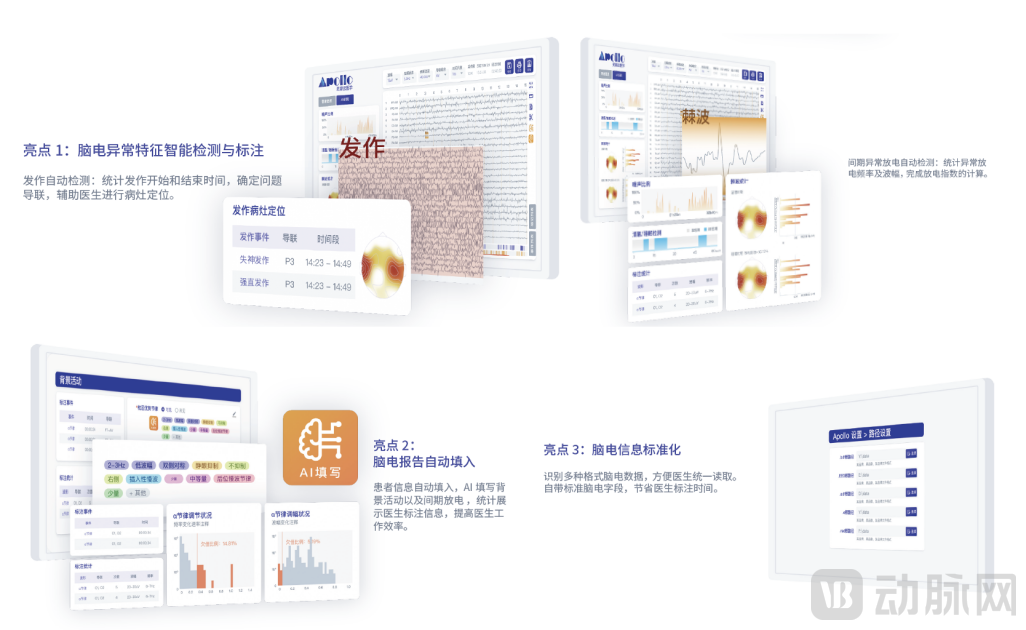
In this context,Based on its proprietary digital brain model, Lingxi Medical independently developed the “Apollo EEG Data Processing Software,” which successfully obtained a Class II medical device registration certificate in 2022.This product can read EEG files in various formats,By leveraging artificial intelligence algorithms to characteristically extract abnormal EEG segments, the system reduces physicians’ interpretation time and rapidly generates statistical results, thereby providing effective support for EEG analysis. The product is currently deployed in the neurology, neurosurgery, and pediatrics departments of large general hospitals across 20 provinces in China, offering substantial assistance to clinicians in diagnosis.
Lingxi Medical’s independently developed AI-assisted EEG evaluation software for epilepsy can localize the location, type, and severity of abnormal brain functional activity through a digital brain model, automatically generate customized EEG reports, and provide significant reference value for clinicians. This technology enhances physicians’ efficiency in interpreting EEGs and improves diagnostic accuracy, while also increasing the volume of EEG examinations for epilepsy patients in outpatient settings. For patients, it enables diagnosis and follow-up care at local hospitals, thereby streamlining the medical consultation process.Lingxi Medicine is currently pursuing China’s first Class III medical device registration application and clinical trials for an AI-assisted EEG diagnostic system.The product has completed preclinical studies involving over 2,000 cases across 12 hospitals. The AI-based EEG diagnostic technology for epilepsy, powered by the Lingxi Medical Digital Brain, has achieved both sensitivity and specificity rates of 90%, sufficiently demonstrating its capability to assist clinicians in diagnosis. The product is expected to complete clinical trials and submit registration applications by the end of 2023.
The Lingxi Medical Digital Brain Model integrates multiple diagnostic modalities, including EEG, SEEG, MRI, CT, and PET, to assist physicians in planning epilepsy surgery, guiding lesion resection, and precisely localizing surrounding critical functional brain areas. By conducting simulated resection procedures, it provides optimal preoperative solutions for patients with drug-resistant epilepsy.
Beyond its application in epilepsy diagnosis, electroencephalography (EEG) is also extensively utilized in the field of psychiatric and psychological disorders. Currently, China has nearly 100 million individuals at high risk for mental illnesses such as depression and anxiety, with the incidence rate among adolescents exceeding 10%. Despite this substantial patient population, achieving precise diagnoses for various mental disorders has long been a persistent challenge for mental health institutions. Traditional diagnostic methods primarily rely on subjective assessments, such as expert clinical interviews and rating scales, making it difficult for physicians to derive accurate diagnoses based on patients' conditions and placing heavy demands on clinical experience. With the rapid increase in the number of patients with mental disorders and the lack of effective biomarkers, issues such as misdiagnosis and inappropriate medication have become critical bottlenecks in clinical practice. Notably, the accuracy of differential diagnosis for psychiatric and psychological conditions, including depression and bipolar disorder, remains below 70%.
To address the issue of precise diagnosis of mental and psychological disorders,Lingxi Medicine collaborates with multiple leading domestic mental health centers, including Beijing Anding Hospital affiliated with Capital Medical University, to conduct scientific research on psychiatric and psychological disorders.
By applying the Lingxi Medical Digital Brain model, each examinee can beProvide digital biomarkers that reflect abnormalities in the brain’s neuropsychiatric system, enabling objective screening for the risk of psychiatric and psychological disorders and quantitative assessment of disease progression in patients.. In the differential diagnosis of psychiatric and psychological disorders,The Lingxi Medical Digital Brain Model achieves a classification accuracy of over 85% for depression and bipolar disorder, providing psychiatrists with robust diagnostic assessment indicators and significantly enhancing clinical diagnostic accuracy.
Currently, Lingxi Medicine is conducting the registration application and clinical trials for China's first Class III medical device utilizing artificial intelligence for the differential diagnosis of depression, with completion expected in early 2024.This product is poised to disrupt the traditional disease diagnosis and treatment models in China’s mental health institutions by providing objective and effective EEG biomarkers, thereby ushering in a new era of intelligent diagnosis and treatment for psychiatric and psychological disorders.
Challenges in Drug Development for Brain Diseases: Traditional Animal Experiment Platforms Fail to Meet R&D Needs, While Patient Stratification Difficulties and Prolonged Efficacy Assessment Periods in Clinical Trials Pose Significant Hurdles, Resulting in High Costs, High Failure Rates, and a Success Rate of Less Than 1%
To address these challenges, the Lingxi Medical Digital Brain Platform provides novel approaches for target identification in new drug development for brain diseases by elucidating the pathological mechanisms underlying different types of abnormal brain activity.In clinical trials, the Digital Brain can screen eligible patient populations by analyzing simulated individual EEG brain activity of enrolled patients, and rapidly assess therapeutic efficacy through changes in EEG-based brain function following drug administration during the trial, thereby accelerating the new drug development process.
This technology has been applied in the clinical research of a drug for amyotrophic lateral sclerosis (ALS) developed by a leading Chinese pharmaceutical company specializing in novel drugs for brain disorders, making it a pioneer in China in leveraging EEG as a digital biomarker to empower new drug development. By selecting patients who are likely to respond to the drug prior to clinical trials and rapidly evaluating treatment efficacy through EEG activity, this technology enhances the success rate of clinical trials, shortens their duration, and significantly reduces the cost of new drug development, thereby providing an unprecedentedly efficient solution for the industry.
Furthermore, Lingxi Medicine’s Digital Brain Model provides professional-grade brain activity analysis services for multiple medical scenarios. For instance, in respiratory and sleep medicine departments, it offers automated sleep EEG staging and auxiliary diagnosis of sleep disorders for electroencephalographers; in intensive care units (ICUs), it utilizes stereo-electroencephalography (SEEG) and EEG to monitor seizures in comatose patients and automatically alert clinicians to abnormal brain function; in pediatric neurology, it delivers individualized assessments of the development of various functional brain regions; in geriatric neurology, it employs EEG to predict amyloid-beta (Aβ) protein concentrations in the brains of patients with cognitive impairment and assess their risk of cognitive decline; and in collaboration with leading domestic medical device companies, it has jointly developed EEG-based rapid stroke detection and classification devices for out-of-hospital emergency settings. Meanwhile, Lingxi Medicine is collaborating with numerous universities and research hospitals both domestically and internationally to develop various types of dynamic, closed-loop neuromodulation technologies. These technologies aim to provide precise individualized interventions and clinical improvement for refractory brain disorders such as depression, Alzheimer’s disease, and autism spectrum disorder, with clinical trials anticipated to commence in 2024.
Lingxi Medical has newly designed and developed a portable EEG acquisition device for use in medical and healthcare institutions at all levels, addressing current challenges such as cumbersome EEG data collection and recording, low analysis efficiency, limited application scenarios, and difficulties in patient access to care. This innovation aims to resolve the pain points of traditional EEG equipment, including its bulky size, complex operation, and lengthy preparation time for data acquisition.
This portable EEG device features customized electrode configurations tailored to each patient, reducing the number of electrodes required. Its simple and user-friendly operation ensures that EEG acquisition preparation takes no more than five minutes. Utilizing novel hydrogel electrode materials, the device avoids common issues associated with traditional conductive pastes, such as difficult cleanup and poor conductivity, thereby ensuring high-quality and stable signal acquisition. With moisture retention lasting up to 10 hours, the system makes wearing the EEG cap both comfortable and rapid for patients.
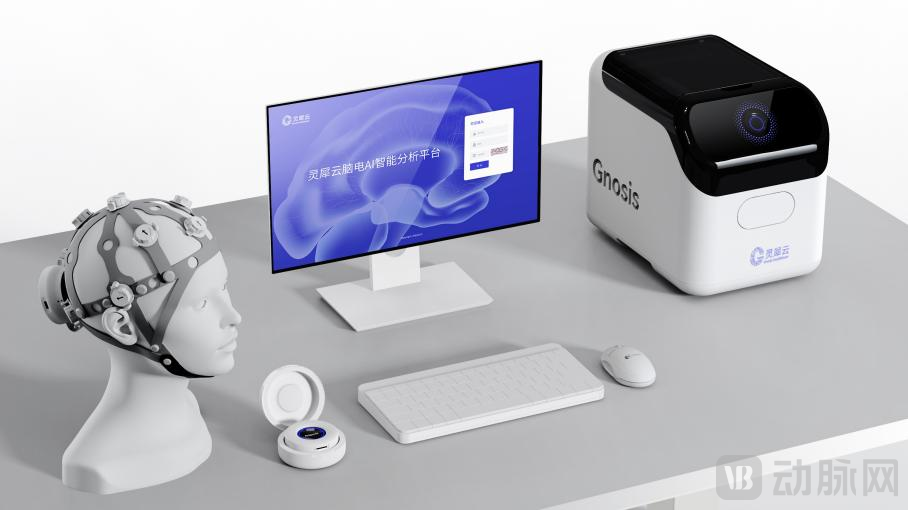
Leveraging the Lingxi Medical Digital Brain Modeling technology for rapid, quantitative assessment of brain function, this device not only mitigates historical issues such as poor consistency in brain function analysis and high rates of missed or misdiagnoses, but also reduces data recording time from the previous 2–4 hours to just 10 minutes, significantly enhancing examination efficiency. By integrating intelligent hardware with AI-based EEG analysis, the system generates assessment reports within one minute, enabling rapid patient screening and swift EEG data interpretation. Furthermore, it fully automates the EEG reporting process, delivering accurate, convenient, and efficient results for neurological baseline assessments in healthy individuals, detection of epileptiform discharges, evaluation of child development, emotional health assessments, and cognitive assessments in the elderly. This solution empowers hospital outpatient departments, health check-up centers, and chronic disease management institutions, facilitating early detection and intervention for comprehensive brain health management, supporting precise screening for brain disorders, and addressing existing gaps in the market.
As brain function monitoring devices evolve toward miniaturization and intelligence, Lingxi Medical aims to collaborate with the brain-computer interface industry to cover home-based scenarios such as chronic disease management, companion diagnostics, and health monitoring for brain health. Leveraging increasingly diverse data sources, the company continuously optimizes its digital brain modeling technologies. By integrating existing neural modeling technologies into clinical diagnosis and treatment processes, Lingxi Medical is expanding digital diagnostic and therapeutic solutions for brain disorders, enabling broader access to high-quality brain function assessment and treatment services. This approach also facilitates continuous data accumulation, creating a closed-loop cycle for research on the diagnosis and treatment of brain diseases. Ultimately, this strategy promotes the widespread adoption of low-cost, high-efficiency diagnostic services for brain disorders across more healthcare institutions, thereby advancing the ecosystem for brain health monitoring and the diagnosis and treatment of brain diseases.
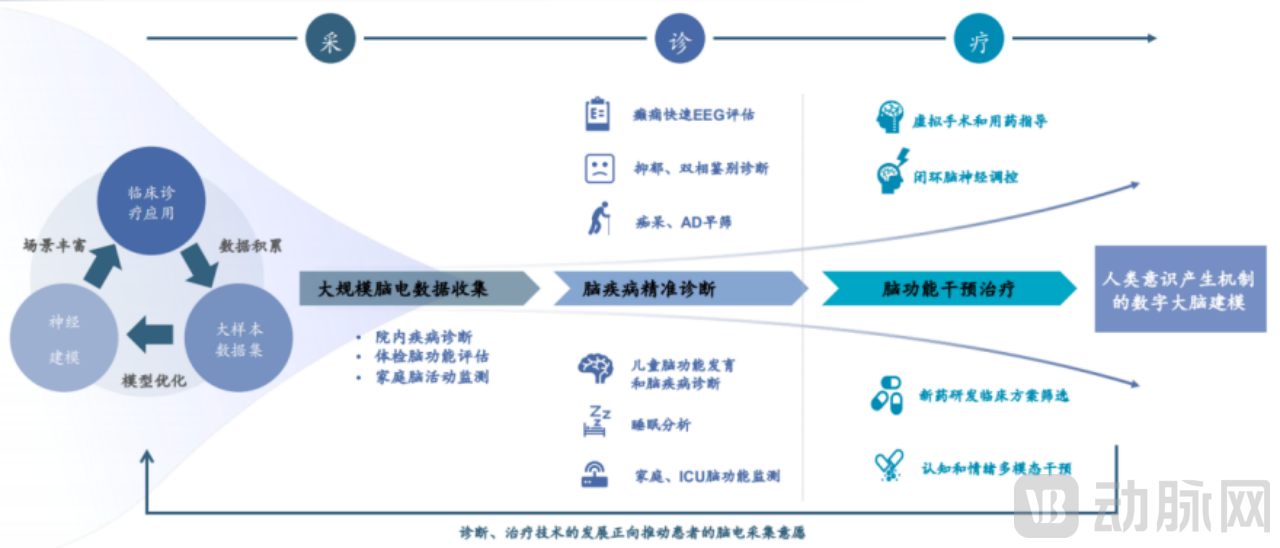
To truly achieve precision intervention and treatment for brain diseases, the solution lies in continuously collecting high-quality, comprehensive brain function data, constructing digital brain models to meticulously decipher the brain’s operational mechanisms, and progressively enhancing algorithms’ diagnostic capabilities for brain disorders, thereby providing clinicians with more precise and effective therapeutic strategies.
Lingxi Medicine’s accumulated experience and technical expertise in the field of brain science have provided it with certain advantages in developing EEG data modeling and digital diagnosis and treatment technologies for brain disorders. On one hand, Lingxi Medicine’s core products address the pain points in the diagnosis and treatment of brain disorders comprehensively through an integrated “acquisition–diagnosis–treatment” model. This approach holds significant social value by bridging the gap between the severe shortage of diagnostic resources for brain disorders in China and the growing clinical needs of patients suffering from conditions such as insomnia, depression, and Alzheimer’s disease. On the other hand, Lingxi Medicine possesses an ultra-large-scale accumulation of brain function data, enabling more in-depth and comprehensive data analysis and algorithm optimization. This capability not only breaks down the technical barriers associated with existing “acquisition–diagnosis–treatment” products for brain disorders but also delivers substantial value across a wide range of scientific research and clinical scenarios.
Lingxi Medicine is dedicated to acquiring more precise and massive amounts of signals, providing efficient and convenient solutions for the diagnosis and treatment of brain diseases. This is expected to facilitate advancements in early screening, differential assessment, companion diagnostics, and digital therapeutics for brain disorders. The explorations undertaken by Lingxi Medicine will, to a certain extent, drive progress in the field of diagnosis and treatment of brain diseases. We believe that with the continuous advancement and refinement of medical technologies, these efforts will contribute to exploring computer-based modeling and simulation of human consciousness and the mechanisms of human-computer information interaction related to brain function, thereby making contributions to the cause of human health.