

Why the UK Is the Ideal Hub for Cell and Gene Therapy Development, Manufacturing, and Commercialization
The United Kingdom is a global powerhouse in the pharmaceutical industry, ranking alongside the United States and Japan as one of the world’s three major centers for drug research and development. It is home to more than 2,000 pharmaceutical companies and employs over 120,000 people. According to the official website of the Association of the British Pharmaceutical Industry (ABPI), the UK not only hosts two pharmaceutical giants—GlaxoSmithKline and AstraZeneca—which have developed nearly 20% of the world’s best-selling drugs, but also conducts approximately one-tenth of all clinical trials globally.
Building on its robust foundation in chemical pharmaceuticals, the United Kingdom is also accelerating the development of its biopharmaceutical technologies, which have emerged as a new highlight of its comprehensive strength. This progress has spurred a series of epoch-making research achievements at institutions such as the MRC Laboratory of Molecular Biology in Cambridge, including the elucidation of the double-helix structure of DNA, advances in antibody engineering, and the development of monoclonal antibody construction.

In recent years, with breakthrough advances in technologies such as molecular biology, cell and gene therapy (hereinafter referred to as CGT) has become a hot sector in the global biopharmaceutical market. CGT is a therapeutic approach that utilizes gene therapy vectors to transduce exogenous therapeutic genes into cells, thereby altering the cells’ original gene expression through transcription and translation of the exogenous genes to treat diseases.
The United Kingdom has consistently remained at the forefront of global innovation. Leveraging sustained government support, a strong foundation in basic research, an open innovative ecosystem, and abundant talent resources, it has become one of the world’s premier destinations for the development, manufacturing, and commercialization of cell and gene therapies.
According to a 2019 McKinsey report, 35% of new biotechnology startups established in Europe since 2012 have been located in the United Kingdom. These companies focus on immunotherapy, cell and gene therapies, and are concentrated in therapeutic areas such as oncology, central nervous system disorders, metabolic diseases, rare diseases, and ophthalmic conditions.
Building on Scientific Research Strength to Accelerate CGT Manufacturing and Commercialization from Multiple Dimensions
According to Frost & Sullivan’s projections, the global market size for cell and gene therapy (CGT) is expected to reach nearly $30.54 billion by 2025. Correspondingly, the CGT sector encompasses a broad range of technical disciplines. Due to the wide variety of products and relatively small production scales, many companies possess only partial technological capabilities. Coupled with complex regulatory requirements, the R&D costs, risks, and complexities involved in taking products from development through to manufacturing and commercial launch are continually increasing. As a result, companies may face challenges in sustaining growth and difficulties in achieving the commercialization of their innovations.
To address this challenge, the UK government has implemented a series of measures, including regulatory approaches, R&D investment plans, and tax incentives, to stimulate innovation and growth and provide funding for research and development and manufacturing.
At the regulatory level, the MHRA has issued a series of guidelines on new drug approval and regulatory pathways, aiming to accelerate the evaluation of new drugs, particularly advanced therapies such as cell and gene therapy (CGT). The MHRA operates the Innovative Licensing and Access Pathway (ILAP) in conjunction with the Early Access to Medicines Scheme (EAMS). ILAP has a broader scope and is open to all innovative products, while EAMS supports early patient access to medicines that address unmet medical needs and are nearing the end of their development cycle.
The UK attaches great importance to the research and development of innovative drugs and has significantly increased investment in this area. In its ten-year strategic plan released by the Association of the British Pharmaceutical Industry (ABPI), the UK committed to increasing public expenditure by £22 billion by 2025, with R&D spending reaching 2.4% of GDP by 2027. This will further help the UK remain at the forefront of global scientific exploration, invention, and innovation.
The UK is also continuously strengthening its support for biopharmaceutical companies, particularly small and medium-sized enterprises (SMEs), by expanding tax reliefs under the Enterprise Investment Scheme (EIS) and Venture Capital Trusts (VCTs), implementing R&D expenditure credit schemes, and maintaining enhanced R&D tax relief policies for SMEs as well as additional deduction policies for large enterprises.

CBC Clinical Biotechnology Center (Image from the NHSBT official website)
To further enhance the UK’s cell and gene therapy (CGT) manufacturing capabilities, NHS Blood and Transplant (NHSBT) has established a Clinical Biotechnology Centre (CBC). Funded with nearly £10 million from the UK government, the centre supports early-stage clinical trials and preclinical work, including the development of potential cures for refractory diseases such as sickle cell disease, cystic fibrosis, and certain cancers. It also provides a pathway toward eventual commercial-scale production to address current challenges in short-term manufacturing capacity.
The UK’s rapid progress in the field of cell and gene therapy (CGT) has also benefited from its accumulated expertise in genomic research. In 2012, the UK launched the 100,000 Genomes Project, an ambitious initiative costing over $500 million that was declared complete in 2018, helping scientists and healthcare professionals gain a more comprehensive understanding of disease onset and progression. Subsequently, the UK proposed the 5 Million Genomes Programme, currently the largest population genomics project worldwide. Since 2019, whole-genome sequencing has been incorporated into standard clinical pathways to support the treatment of critically ill children and adult patients with hard-to-treat or rare diseases.
The UK’s cell and gene therapy (CGT) industry has thus entered a golden age, with the number of advanced therapy companies doubling in recent years. Relevant data show that nearly one-third of the more than 400 small and medium-sized enterprises active in the field of advanced therapy medicinal products (ATMPs) in Europe are based in the UK.
Enhance the Innovation Ecosystem to Make CGT Safer, More Effective, and More Mature
In the UK’s CGT innovation ecosystem, the uniquely positioned Cell and Gene Therapy Catapult (CGT Catapult) has played a significant supporting role.
CGT Catapult, funded by the UK government, aims to bridge the gap between scientific research and commercialization, thereby driving the growth of the UK’s cell and gene therapy (CGT) industry. CGT Catapult is collaborating with industry, academia, and healthcare professionals to accelerate the maturation of CGT projects in development, facilitating the delivery of safer, more effective, and affordably priced CGT products.
The unique role of CGT Catapult in empowering the industry has also received support from the UK government. In 2018, with over £60 million in funding from the UK Government’s Industrial Strategy Challenge Fund, the CGT Catapult production facility was officially inaugurated at the Stevenage BioScience Catalyst. Operating in accordance with Good Manufacturing Practice (GMP) standards, the facility will significantly enhance manufacturing capacity for cell and gene therapy (CGT) clinical research and accelerate its commercialization.

CGT Catapult’s production facility is located at the Stevenage Bioscience Catalyst (Image source: CGT Catapult official website)
Meanwhile, the UK government has also provided substantial support for the research and development and clinical implementation of cell and gene therapy (CGT) products. The NHS and industry are working to provide off-the-shelf systems and solutions to accelerate the review and approval process for advanced therapies, supporting their adoption as the standard of care within the NHS system. The NHS will assume responsibility for the clinical reimbursement of advanced therapies and provide clinical support through Advanced Therapy Treatment Centres (ATTCs).
It is understood that ATTC is the world’s first advanced therapy programme operating within the framework of the National Health Service (NHS), and is operated by the Cell and Gene Therapy Catapult across the UK.
Established in 2018 with funding from UK Research and Innovation’s (UKRI) Industrial Strategy Challenge Fund, the Advanced Therapy Treatment Centre (ATTC) brings together industry, the NHS, and academic organizations. By addressing challenges in the clinical translation of advanced therapies, the ATTC accelerates patient access to advanced therapy medicinal products already approved in the UK, thereby driving the faster and more efficient development of the UK’s life sciences sector.
Innovative Enterprises Continuously Emerge, Propelling the Industry to New Heights
According to the 2022 UK Advanced Therapy Medicinal Products (ATMP) Clinical Trials Database Report published by CGT Catapult, the UK accounted for 14% of global Phase I–III ATMP clinical trials and 8% of clinical trials across all phases in 2022. In 2022, the UK conducted 178 ATMP clinical trials, an increase from 168 in the previous year. The primary therapeutic areas were oncology (38%), hematological disorders (11%), metabolic diseases (10%), and ophthalmology (9%).
The report shows that in 2022, over 80% of ATMP clinical trials in the UK were sponsored by commercial organizations, representing a significant increase from 25% in 2013 and highlighting the attractiveness of the UK’s innovation ecosystem.
A favorable regulatory environment, an innovative ecosystem, sustained R&D investment and tax policies, as well as support and collaboration from social organizations, have created advantageous conditions for technological innovation and industrialization of cell and gene therapy (CGT) in the UK. These factors have incubated a cohort of highly innovative CGT enterprises, unleashing immense vitality and driving British CGT to new heights.
Taking ImmTune Therapies as an example, the company is developing in vivo delivery vectors for cell and gene therapies to enhance the safety, tolerability, and efficacy of complex cell therapies. Its core team comprises experts from prestigious institutions such as the University of Cambridge, Imperial College London, University College London, Stanford University, and King’s College London, bringing extensive experience in molecular biology, chemistry, nanotechnology, and cell and gene therapy (CGT).
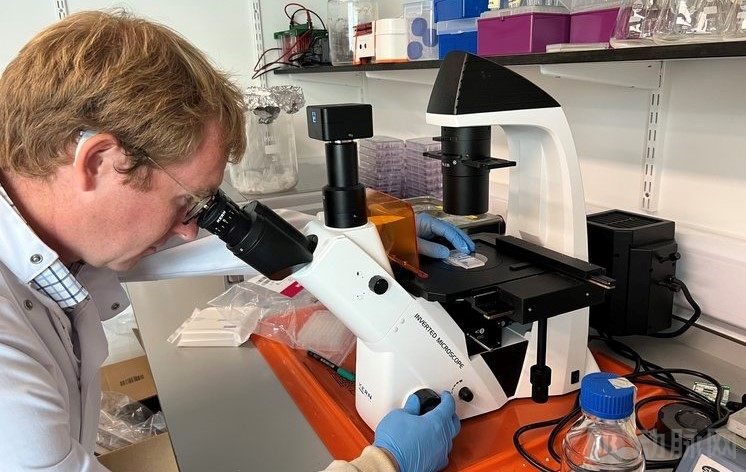
ImmTune Therapies Develops Cell and Gene Therapy Vectors (Image from Official Website)
Achilles Therapeutics is a developer of personalized cancer immunotherapies, creating novel T-cell therapies that target “trunk mutations.” Grounded in the science of tumor evolution, this approach targets clonal neoantigens, with the potential to precisely eliminate cancer cells while sparing healthy tissue.
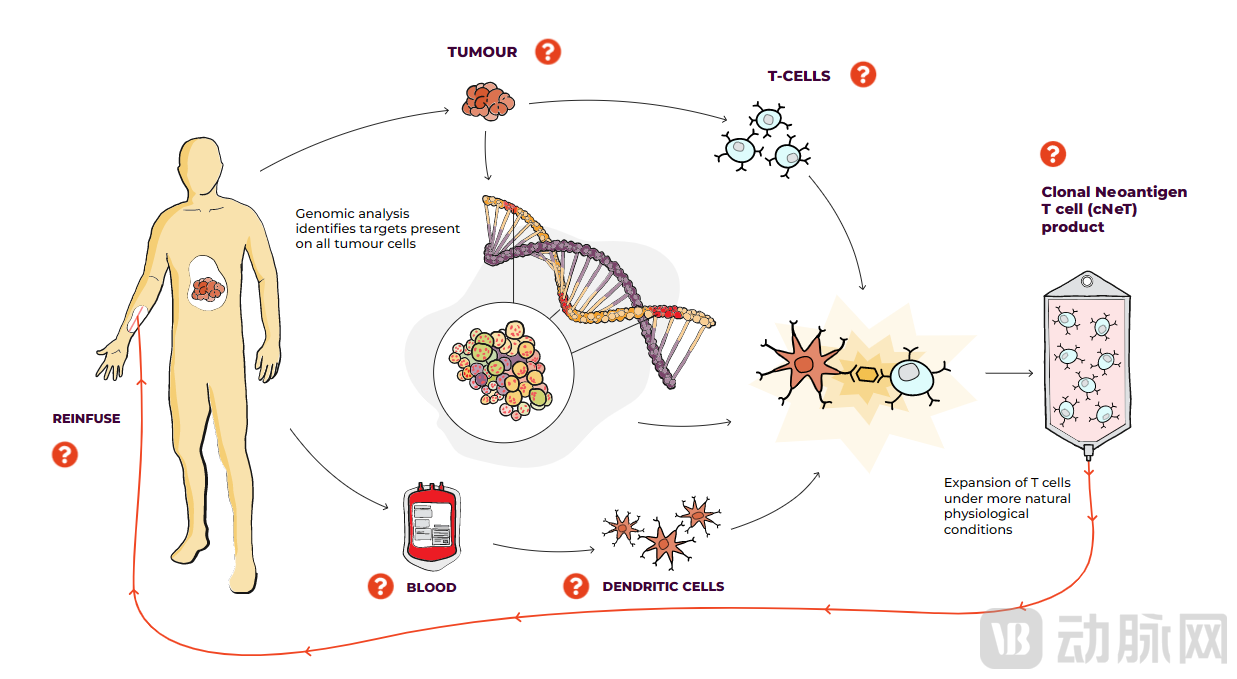
Achilles Therapeutics’ Novel T-Cell Therapy (Image from Official Website)
Autifony Therapeutics, a biotechnology company formerly affiliated with GlaxoSmithKline, is developing drugs for the treatment of central nervous system genetic disorders and hearing impairments. Currently, its drug candidates are in clinical trials for the treatment of schizophrenia and fragile X syndrome.
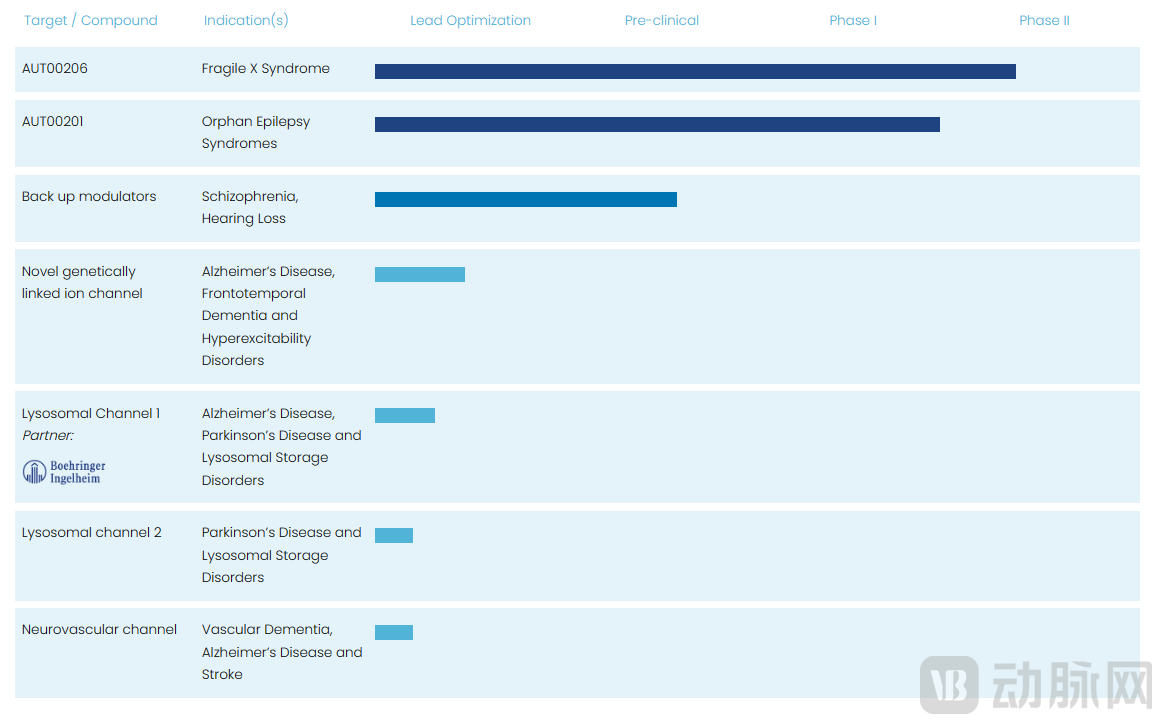
Autifony Therapeutics: Key Product Pipeline and Progress (Image from Official Website)
Autolus is a biotechnology company spun out of University College London, dedicated to developing next-generation engineered T-cell therapies for hematologic malignancies and solid tumors. The company employs its proprietary and modular T-cell programming technology to design precisely targeted, controllable, and highly potent T-cell therapies, aiming to better identify cancer cells, overcome their defense mechanisms, and eliminate them.
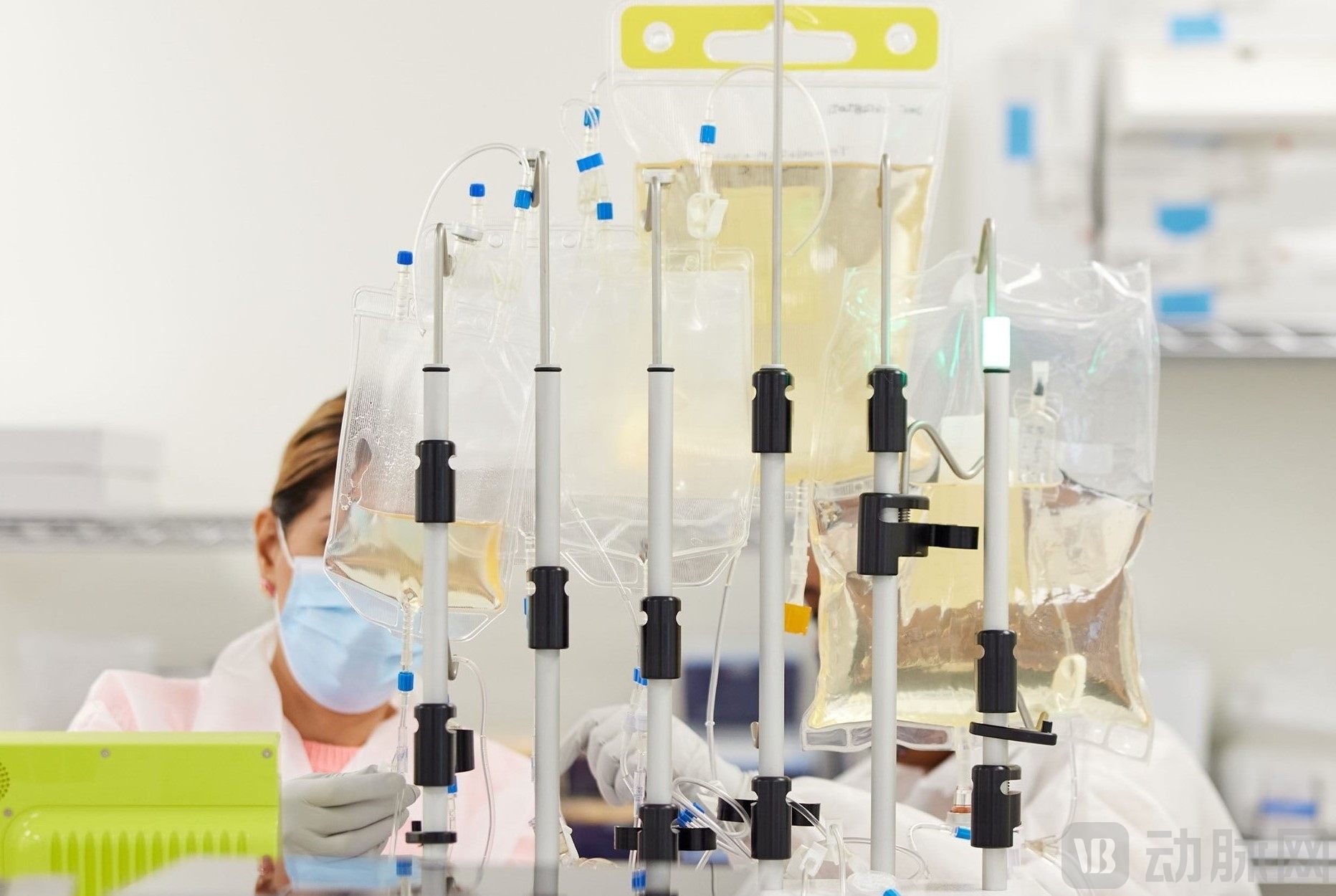
Autolus Develops Next-Generation Engineered T Cell Therapies (Image Source: Official Website)
Freeline Therapeutics, a pharmaceutical company, is dedicated to developing gene therapies for the treatment of hemophilia and other disorders. Leveraging its next-generation proprietary AAV vector platform, the company aims to transform the lives of patients suffering from inherited systemic debilitating diseases. Its goal is to deliver one-time gene therapies that offer functional cures by achieving sustained physiological protein levels through the high expression enabled by its proprietary gene therapy platform.
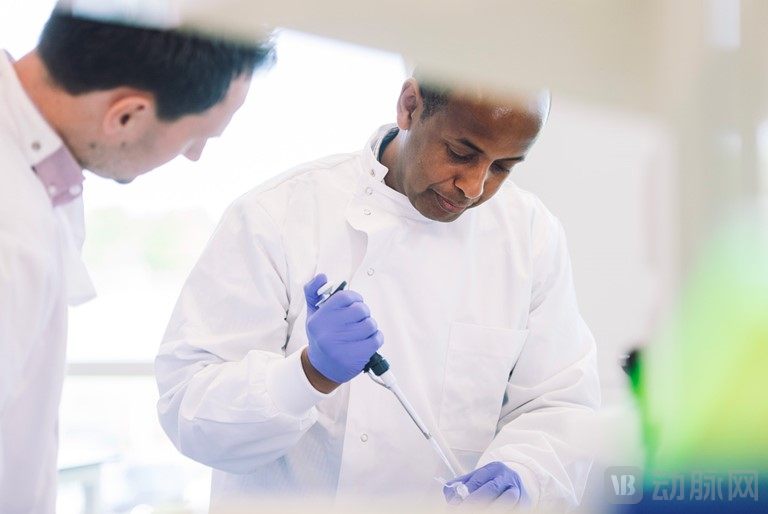
Freeline Therapeutics Develops Gene Therapies Based on AAV Vector Platform (Image from Official Website)
Contact Us
The UK Department for Business and Trade is committed to promoting cooperation and exchange between Chinese and British enterprises, helping them establish connections. If you are looking to further explore opportunities in the UK’s biopharmaceutical sector or seeking overseas partners, please contact us. Our professional team is ready to provide you with support and guidance.
Contact: China.DBTHealth@fcdo.gov.uk
For more details, please visit our official website:Home | UK-China Business Matchmaking Online Platform | Department for Business and Trade (DBT) (ukbusinessinchina.com)