Comprehensive Profiling of Tumor Immune Microenvironment: Pioneering the Future of Pathological Diagnosis
At the beginning of 2022, Professor Bian Xiuwu, an academician of the Chinese Academy of Sciences, first proposed in the Chinese Journal of Pathology“Next-Generation Diagnostic Pathology(next-generation diagnostic pathology)” concept and provided a detailed elaboration.
Next-generation diagnostic pathology is grounded in pathological morphology and clinical information. It is characterized by innovative, cutting-edge interdisciplinary technologies, including molecular testing and bioinformatics analysis, intelligent sample preparation and process quality control, AI-assisted diagnosis and remote consultation, as well as in vivo lesion visualization and “non-invasive” pathological diagnosis. By incorporating multi-omics and cross-scale integrated diagnostics into pathology reports, it aims to deliver the “definitive diagnosis” of diseases, predict disease progression and outcomes, recommend treatment regimens, and assess therapeutic responses, thereby establishing a new “gold standard” for disease diagnosis. The industry widely recognizes that next-generation pathological technologies, represented by multiplex fluorescence immunohistochemistry, constitute the next growth point for applied technologies in pathology departments. These advancements can significantly propel the development of tumor pathological diagnosis and effectively support clinical decision-making regarding treatment options.
In recent years, immunotherapy has emerged as a focal point in precision oncology, gradually evolving into a novel paradigm for cancer treatment following surgery, chemotherapy, radiotherapy, and targeted therapy. Among these advancements, immune checkpoint inhibitors (ICIs) represent the most prominent area of interest. To date, dozens of related drugs have been approved for marketing by the National Medical Products Administration (NMPA). It is widely recognized within the industry that immunotherapy, particularly ICI-based regimens, offers significant advantages—including high efficacy, reduced toxicity and side effects, and broad applicability across various cancer types—positioning it to become a cornerstone of cancer treatment.
Currently, immune checkpoint inhibitors do not benefit all target patients. In clinical practice, when these agents are used as first-line therapy, companion or complementary diagnostics are required to detect biomarkers for predicting therapeutic efficacy, thereby avoiding ineffective treatment as much as possible. Commonly used diagnostic biomarkers include mismatch repair deficiency (dMMR), PD-L1 protein expression, and tumor mutational burden (TMB). However, these markers have their own limitations; studies have shown that even when these markers are positive, approximately half of the patients still fail to derive benefit. With the growing demand for precision medicine, there is an urgent clinical need for more effective biomarkers. The tumor immune microenvironment has emerged as a prominent focus of research. If advanced technical approaches can be leveraged to elucidate the composition and dynamic characteristics of the tumor immune microenvironment, it will undoubtedly represent a significant advance in immunotherapy.
In fact, the clinical field has long lacked mature technologies for detecting the tumor immune microenvironment. While conventional techniques such as immunohistochemistry, flow cytometry, and gene expression profiling can assess the tumor immune microenvironment to some extent, these methods remain immature and fail to fully recapitulate the in situ growth environment of tumors. For instance, they struggle to effectively interpret the in situ status of immune cells within tumor tissues and their spatial relationships with tumor cells. In contrast, multiplex fluorescent immunohistochemistry is widely favored by the industry and is poised to become the “gold standard” for the detection and diagnosis of the tumor immune microenvironment.
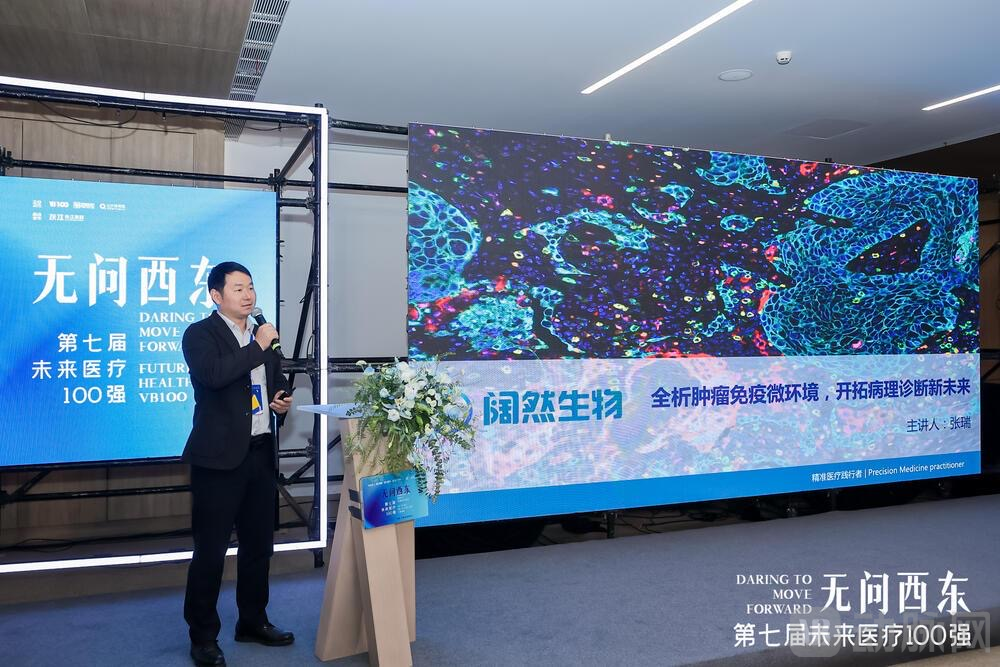
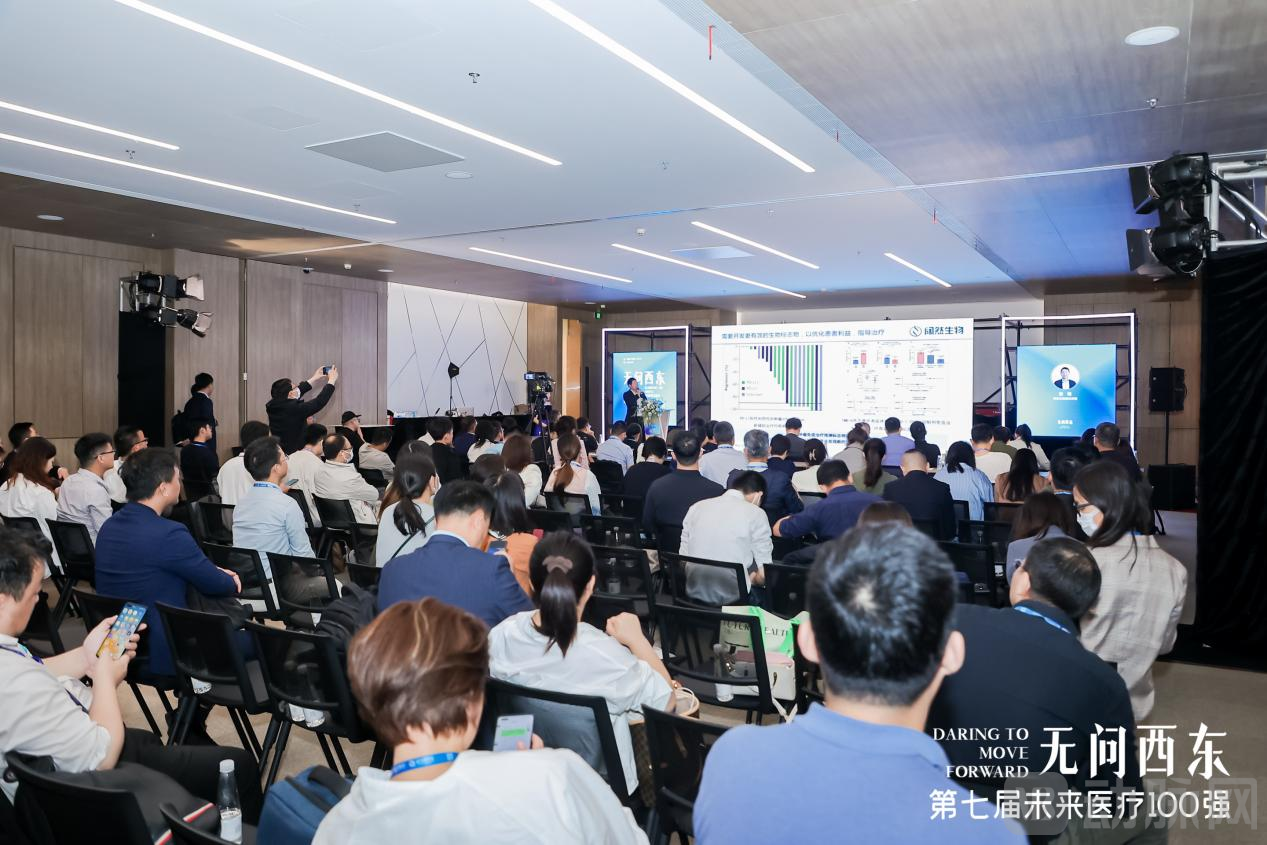
On May 6, at the Personalized Diagnosis and Treatment Forum of the [2023 7th Future Healthcare Top 100], jointly launched by VCBeat, VB100, and Eggshell Research Institute, Zhang Rui, Executive Deputy General Manager of Kuoran BioMr. [Name] delivered a keynote address titled “Comprehensive Analysis of the Tumor Immune Microenvironment: Pioneering a New Future for Pathological Diagnosis,” in which he analyzed the current state of the pathological diagnosis industry and elucidated the importance of pathological diagnosis and tumor immunotherapy.

Pathological diagnosis, which involves obtaining human tissue or cells through surgical resection, endoscopic biopsy, fine-needle aspiration, and other methods, and then processing and observing the samples using tools such as microscopes, is considered the “gold standard” for diagnosing the vast majority of diseases, particularly tumors. In recent years, driven by policy support and advancements in medical technology, the pathological diagnosis industry has entered a phase of rapid growth. Beyond traditional morphological histopathology and cytopathology, pathology has evolved to include immunohistochemistry and molecular pathology, which detect abnormalities at the protein and molecular levels. Although these advanced modalities currently account for 21% of the total pathological diagnosis market share, immunohistochemical and molecular pathology are poised for explosive growth, fueled by rising market demand and policy incentives. Taking the immunotherapy market as an example, its size is projected to reach RMB 90 billion by 2025, while the market for immunotherapy-related diagnostic testing is expected to exceed RMB 3 billion.
As the concept of precision medicine gains widespread acceptance, and given the recognized limitations of biomarkers such as PD-L1 and TMB in guiding clinical treatment, the focus of oncology diagnosis and therapy has shifted from tumor cells themselves to the tumor microenvironment (TME), and from merely killing tumor cells to modulating the TME. This shift aims to more accurately identify patient populations likely to benefit from immunotherapy through precise biomarkers. For instance, the "Expert Consensus on Postoperative Recurrence Prediction in Non-Small Cell Lung Cancer Based on Molecular Markers," released last year, highlighted the need for research related to the TME. Multiplex fluorescent immunohistochemistry has become one of the important tools for studying the TME, and immune cells within the TME may be associated with postoperative recurrence in NSCLC patients. In the future, it remains essential to leverage multiplex fluorescent immunohistochemistry to conduct in-depth investigations into the tumor immune microenvironment, explore its relationships with tumorigenesis, progression, recurrence, metastasis, and drug resistance, discover predictive biomarkers associated with cancer, and thereby advance the field of pathological diagnosis in oncology.
Zhang Rui pointed out that multiplex immunohistochemistry (mIHC) is a representative technology of Next-Generation Pathology (NGP). Based on the principle of tyramide signal amplification, this technique enables the staining of multiple markers on a single FFPE tissue section. By analyzing the single or co-expression of these markers at the cellular level, it identifies distinct cell subsets. When combined with artificial intelligence software, it transforms the pathologist’s localized interpretation into objective algorithms, extending to quantitative analysis across the entire slide. This allows for the statistical assessment of cell types, density, and spatial relationships within various tissue regions. A study published in JAMA Oncology involving 8,000 patients evaluated the efficacy of immune checkpoint inhibitors using different biomarkers, including PD-L1, tumor mutational burden (TMB), gene expression profiling (GEP), and the tumor microenvironment. The results demonstrated that mIHC-based analysis of the tumor immune microenvironment had the highest predictive value, even surpassing the combined predictive power of the other three biomarkers. Consequently, in his commentary article “Next-Generation Diagnostic Pathology” published in the Chinese Journal of Pathology, Academician Bian Xiuwu urged pathologists to incorporate the diagnosis of the tumor microenvironment alongside routine diagnostic practices to better guide clinical treatment.
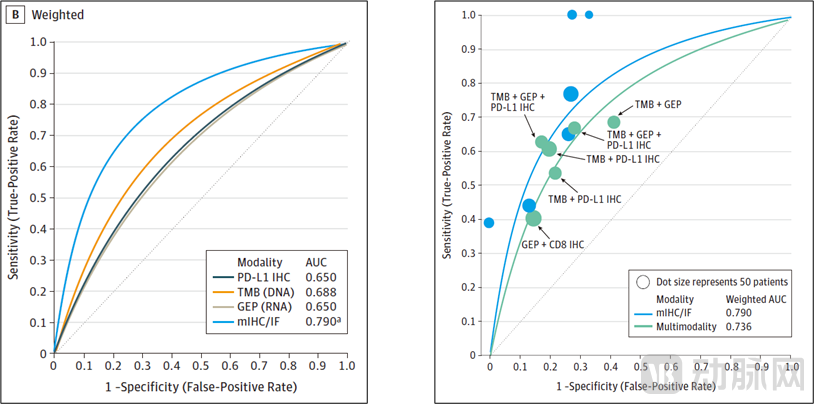
JAMA Oncol. 2019; 5(8):1195-1204.
Not only have leading domestic experts paid attention, but the global pathology industry has also focused on spatial phenotyping technologies represented by multiplex fluorescent immunohistochemistry. For instance, AKOYA launched the first commercialized single-target marker antibody panel and previously collaborated with Precision Oncology Bio and Agilent to develop applications of multiplex fluorescent immunohistochemistry in tumor companion diagnostics. Leica’s acquisition of Cell IDx has accelerated the transition from research to commercialization. These industry developments indicate that the application of this technology has entered a stage ready for commercial implementation.
Forward-thinking enterprises are already driving the further maturation and clinical translation of next-generation diagnostic pathology. As a proponent of next-generation pathology technologies, Kuoran Biology has established a comprehensive multiplex immunohistochemistry (mIHC) platform, encompassing the Kreep staining kit, Krast automated stainer, KR-HT5 high-throughput fluorescent pathology slide scanner, and KRIAS medical pathology image analysis software. This integrated system enables fully automated output from sample to result. Complementing its multi-target immunofluorescence assay kits, Kuoran Biology provides end-to-end solutions spanning products to services.
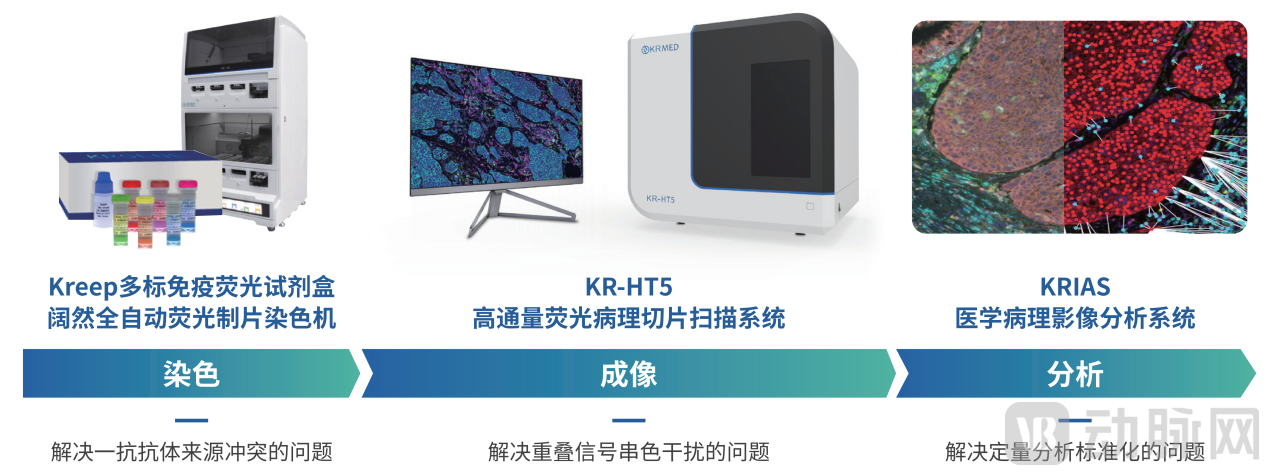
Kuoran Bio is dedicated to providing comprehensive solutions for tumor microenvironment (TME) testing. The company pursues medical device registration for the entire workflow of its solutions in accordance with the standards for in vitro diagnostic (IVD) reagents, covering staining reagents, automated staining platforms, and pathology imaging systems. Notably, dozens of antibody reagents have already been filed, while registrations for the automated staining platform and pathology imaging system have been submitted. The company is expected to obtain China’s first medical device registration certificate for this platform within the year, enabling commercial sales. Meanwhile, Kuoran Bio has completed performance validation and stability studies for its Laboratory Developed Tests (LDTs) according to IVD reagent standards, thereby delivering central laboratory services under more stringent criteria. Leveraging this platform, Kuoran has designed and developed six TME analysis products, including assays for tertiary lymphoid structures (TLS), 5-color and 7-color panels, as well as detections for macrophages, cytotoxic T cells, and exhausted T cells. Customized analysis solutions are also available to comprehensively meet clinical needs. Among these, TLS assessment can more effectively predict the efficacy of immune checkpoint inhibitors, demonstrating significant superiority over PD-L1 biomarkers, thus enabling more patients to benefit from immunotherapy.
Commercialization requires robust infrastructure support. Kuoran Biology has established an R&D laboratory in Shanghai based on next-generation pathology technologies, and has put into operation an IVD manufacturing plant and a medical device intelligent manufacturing center in Xuzhou. Three central laboratories are dedicated to the implementation of mIHC projects, with marketing coverage extending across most regions of China. Additionally, Kuoran Biology is constructing the 50-mu Qiangang Smart Medical Park in Xuzhou, which is expected to be operational next year and will serve as a critical pillar for the next-generation pathology industry. The commercial deployment of next-generation pathology technologies, represented by multiplex fluorescence immunohistochemistry (mIHC), requires collaborative efforts from all stakeholders across the value chain, including upstream raw material/component suppliers, processors, and third-party service providers, as well as medical testing laboratories, pathology centers, healthcare institutions, and research organizations, to jointly promote the clinical commercialization of next-generation pathology technologies.
Established in 2015 in Zhangjiang Hi-Tech Park, Shanghai, the company has experienced rapid growth over the past seven years. Subsidiaries under the group have successively received numerous honors, including the “Most Investment-Worthy Award” presented by the Medical Laboratory Industry Branch of the China Association for Health Industry Enterprise Management (CAIVD); the “Most Academic Value Award” and “Most Investment Potential Award” at the 2nd Oncology Diagnosis and Treatment Black Tech Conference; a spot on the “Top 100 Future Healthcare Companies 2022” list [China Innovative Medical Services List]; and the title of “Influential Enterprise in the Gene Testing Industry 2022.”
On May 6, 2023, VCBeat released the “2023 Top 100 Future Healthcare Companies” list.Kuoran BioBy virtue ofExceptional Innovative Product Technology and One-Stop Molecular Diagnostics Solution Service CapabilitiesAcquisition“Pengcheng Award · Innovative Enterprise of the Year”of honor, has been listed for two consecutive years onFuture Healthcare Top 100 · China Innovative Medical Services Listlist.
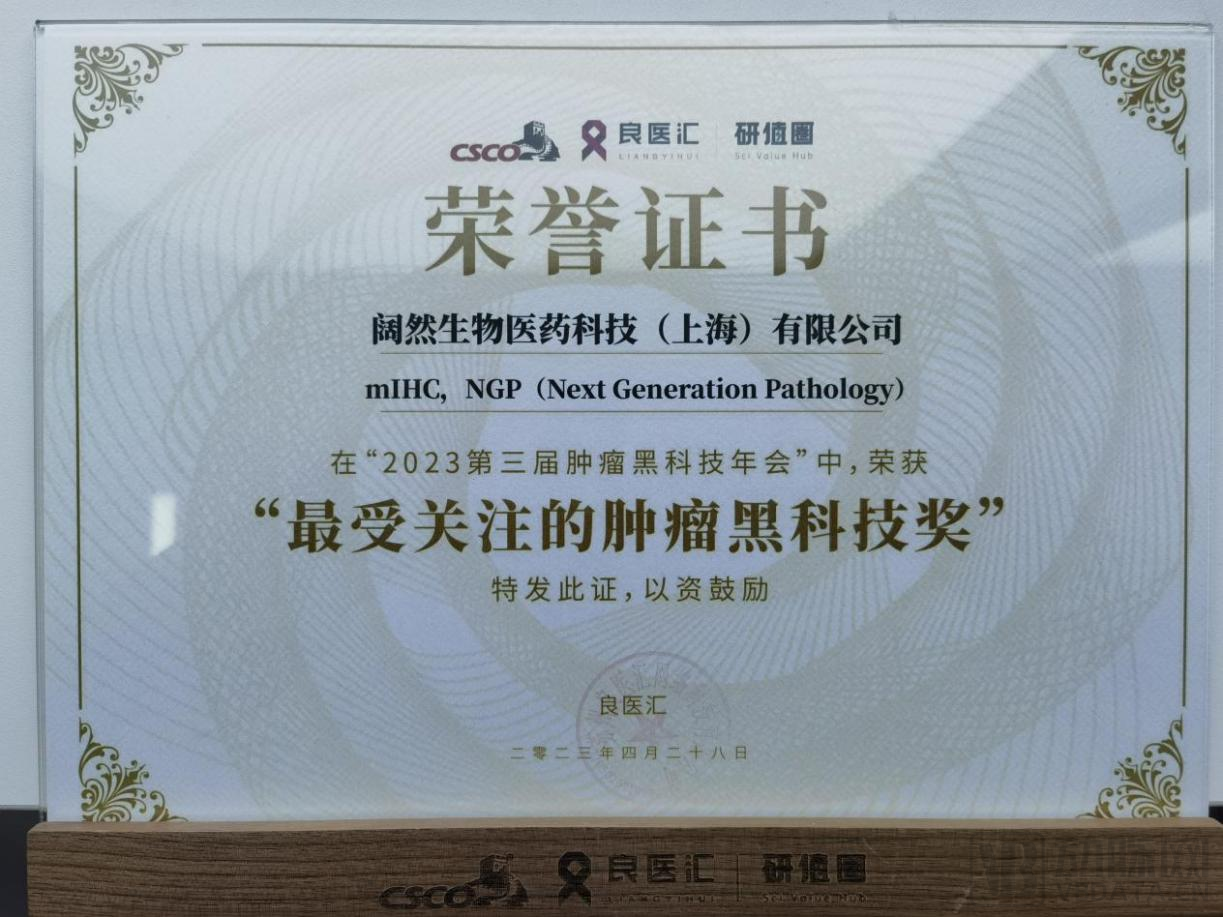
MeanwhileKuoran BioHonored with the Next-Generation Pathology (NGP) Award at the 3rd Annual Cool Techs for Oncology (CTO) Conference, jointly organized by the Beijing CSCO Clinical Oncology Research Foundation, Good Doctor Alliance, and Yan Zhi Quan“Most Anticipated Oncology Black Tech Award”。