

Forum on Photonic Aesthetic Medicine Innovation and Release of White Paper on Energy-Based Aesthetic Devices Successfully Held, Industry Leaders Discuss Emerging Trends
From May 5 to 7, 2023, the “7th Future Healthcare Top 100 Conference,” hosted by VB100, VCBeat, and Eggshell Research Institute, with strategic partnership support from Shanghai Zhangjiang Group, was successfully held at the Zhangjiang Science Hall in Shanghai.
On the second day of the conference, the “Forum on Innovative Development of Photoelectric Medical Aesthetics and Launch of the White Paper on Energy-Based Device (EBD) Equipment for Medical Aesthetics,” co-hosted by VCBeat VB100 and Fumilai, attracted numerous industry professionals. Focusing on the high-growth segment of high-end medical devices—photoelectric medical aesthetic equipment—the forum brought together many leading experts and industry luminaries. Leveraging their keen insights into the industry and continuous innovative practices, they jointly created a premier platform for industrial exchange.
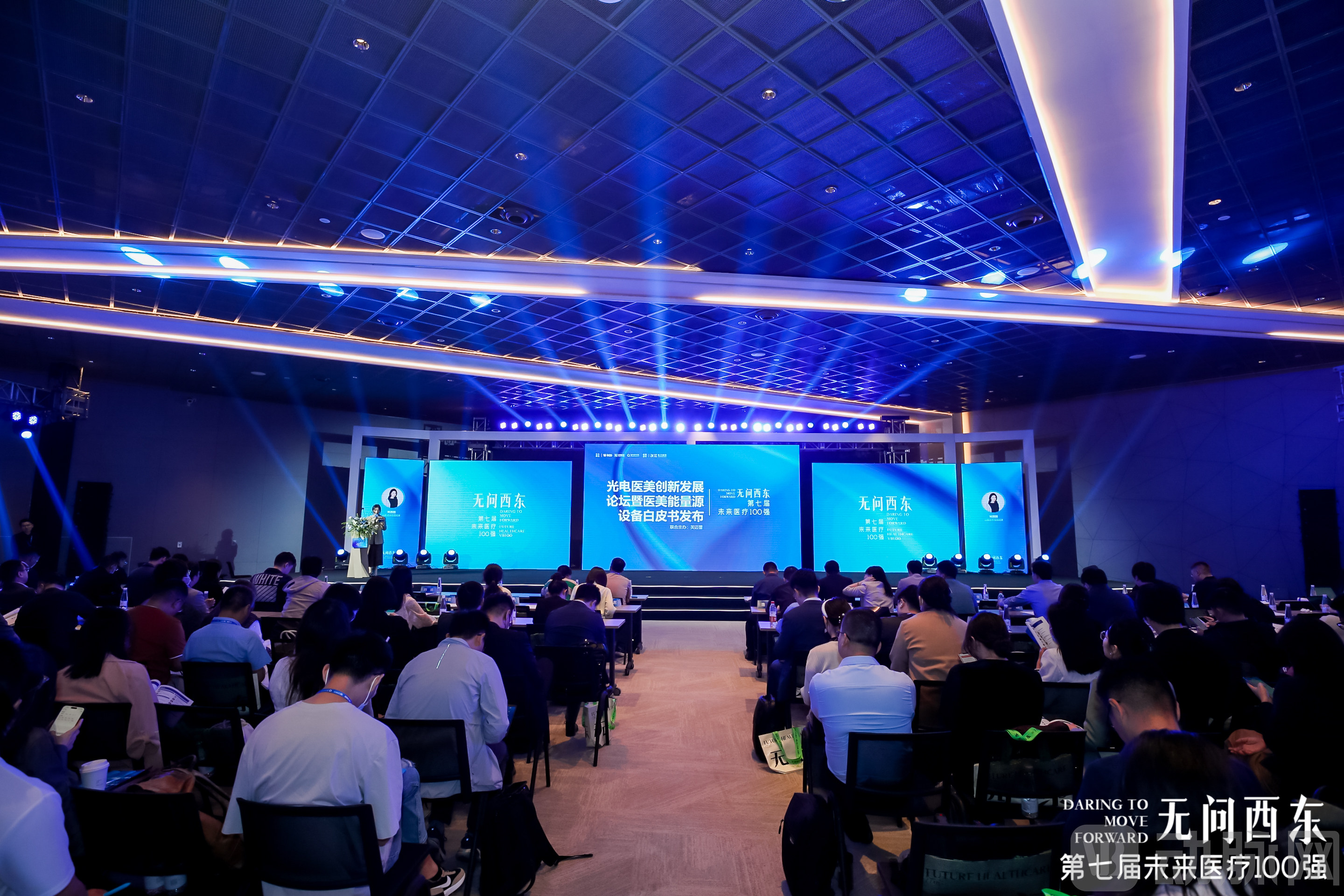
(Photo from the forum)
At the opening of the forum, Jiang Tianjiao, Dean of VCBeat Research Institute, officially released the White Paper on Energy-Based Devices in Medical Aesthetics (hereinafter referred to as the “White Paper”). He stated that the White Paper, compiled over six months through extensive interviews with enterprises and experts, is not only comprehensive and information-dense but also places particular emphasis on the latest clinical and academic frontier literature. In terms of content, the White Paper examines the industry from multiple dimensions—including demand, supply, regulation, technology, business models, and talent—providing a detailed overview of the industry landscape, identifying key variables within the sector, and outlining current challenges as well as future possibilities.

(Jiang Tianjiao, Dean of VCBeat Research Institute, released the White Paper on Energy-Based Devices in Medical Aesthetics at the event)
Subsequently, Li Changhui, Deputy Director of the Department of Biomedical Engineering at Peking University, delivered a presentation titled “Principles and Discussion of New Technologies in Photoacoustic Skin Imaging.” He provided a detailed introduction to the principles and advantages of photoacoustic imaging and expressed his hope to collaborate with colleagues in the clinical and industrial sectors for further exploration in the future.
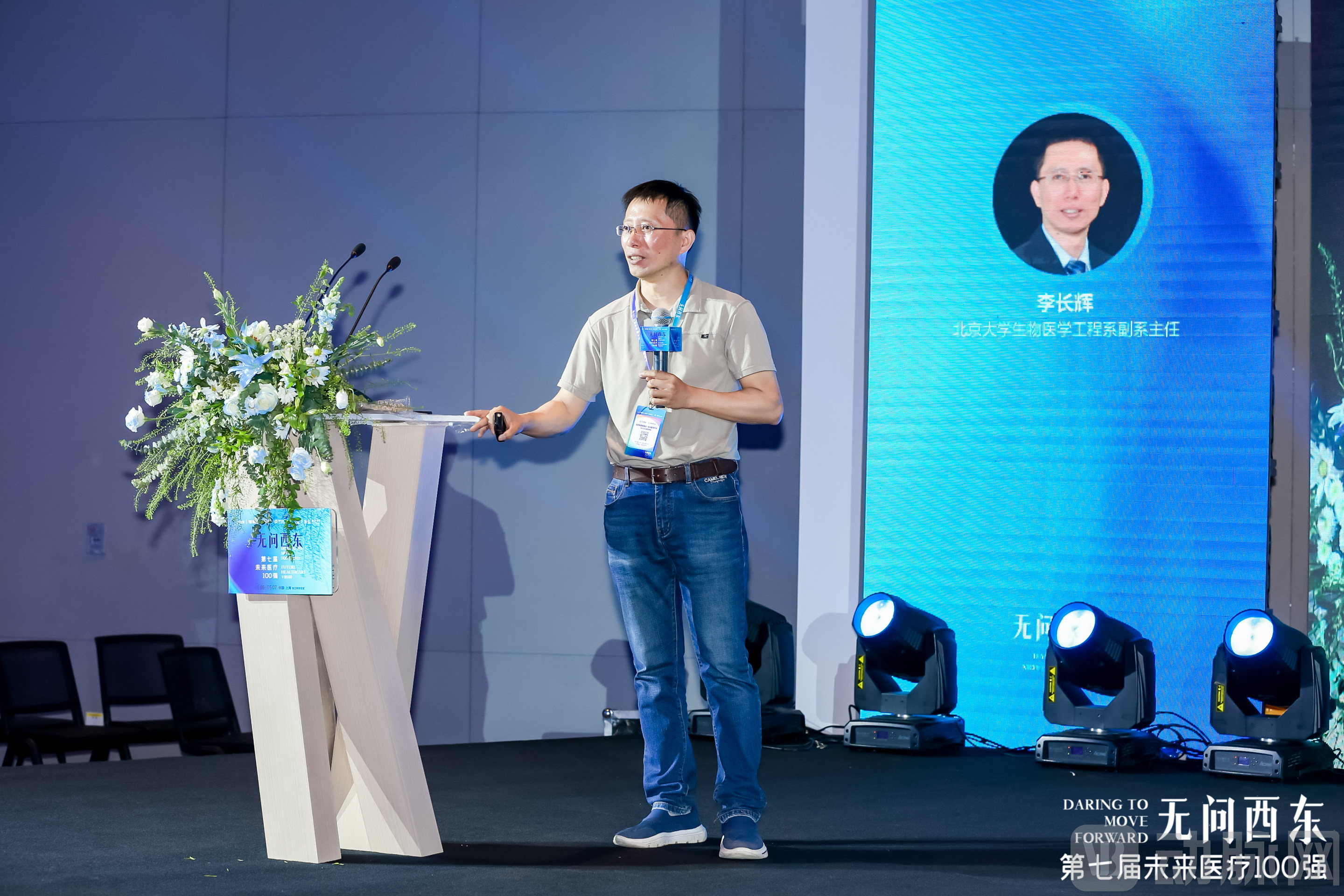
(Li Changhui, Deputy Director of the Department of Biomedical Engineering, Peking University)
In his keynote address on “New Medical Laser Technologies,” Dr. Zhang Huanian, Professor at Shandong University of Technology and Founder of Linkang Medical, shared Linkang Medical’s initiatives and strategic layout. He expressed strong optimism about the development of China’s optoelectronic medical aesthetics industry and voiced his expectation for the emergence of more source-innovative products.

(Dr. Zhang Huanian, Professor at Shandong University of Technology and Founder of Lingkang Medical)
Xia Yuqing, founder of Fumailai, shared her insights in “Fumailai’s Reflections and Explorations on the Integration of Diagnosis and Treatment in Dermatology” and introduced for the first time the “Two Highs and Two Lows” development trend in the medical aesthetics industry: “high technical barriers,” “high treatment precision,” “low safety risks,” and “low operational thresholds.”
Specifically, “high technological barriers” refer to establishing a scientific system for the entire process of optoelectronic therapy, forming clinical gold-standard systems represented by integrated diagnosis and treatment and optoelectronic-drug combination therapies; “high treatment precision” refers to exploring the “precision medicine” paradigm in the field of optoelectronic therapy, leveraging advanced technological achievements from interdisciplinary fields to achieve substantial improvements in clinical outcomes; “low safety risks” aims to reduce the safety risks of optoelectronic therapy through multi-dimensional technical means, lowering the risk profile to a level comparable to that of consumer-grade products; “low operational threshold” refers to utilizing medical robotic systems to transform most steps of dermatological optoelectronic treatments into standardized procedures, thereby reducing irregularities and errors caused by human factors.
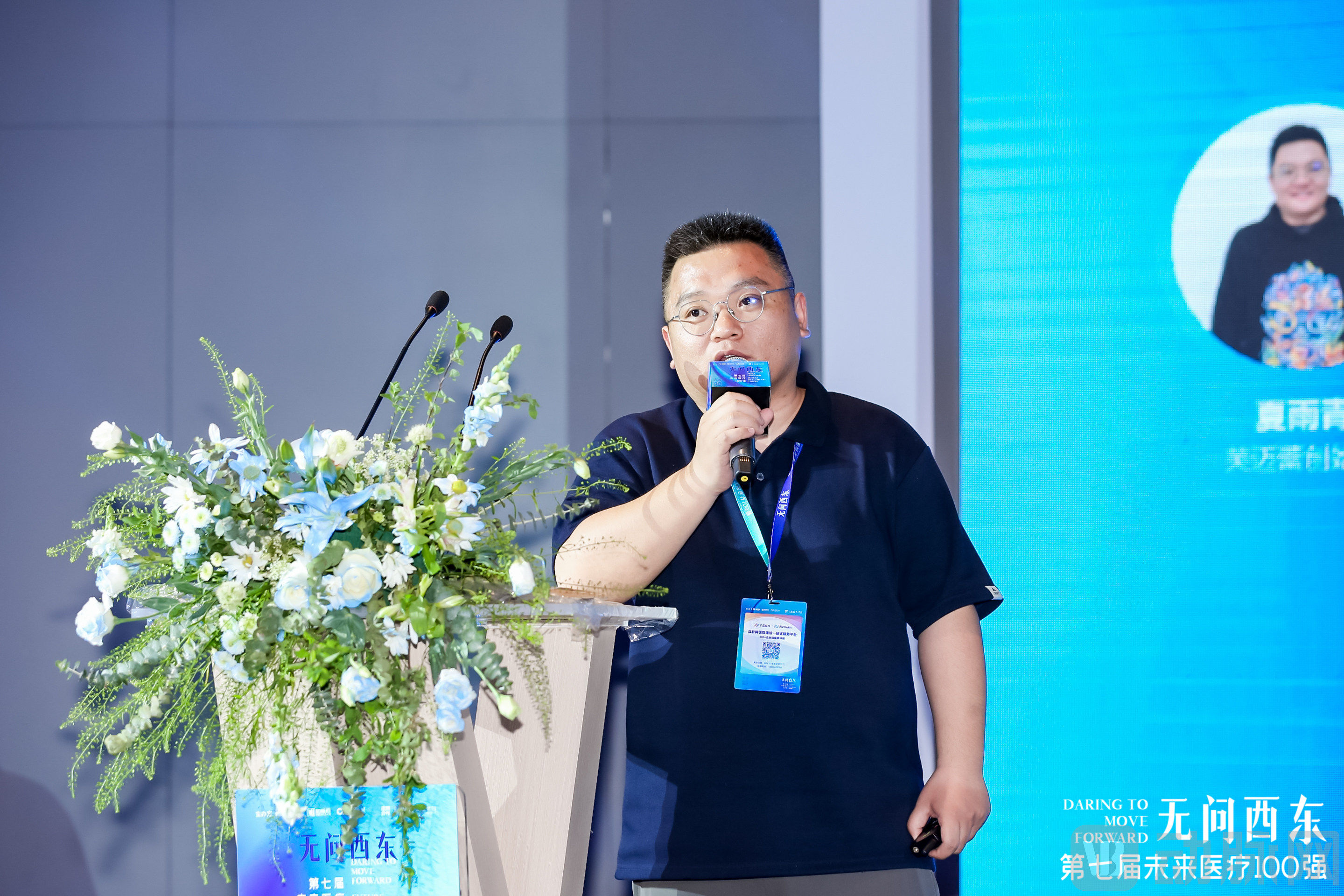
(Xia Yuqing, Founder of Fumilei)
Subsequently, Liu Fei, Founder and General Manager of Minuwei, delivered a presentation titled “The Past and Present of Photoaging.” He elaborated on various aspects, including the mechanisms of photoaging, preventive measures, and clinical criteria for diagnosis, while also outlining Minuwei’s strategic initiatives and insights in this field.
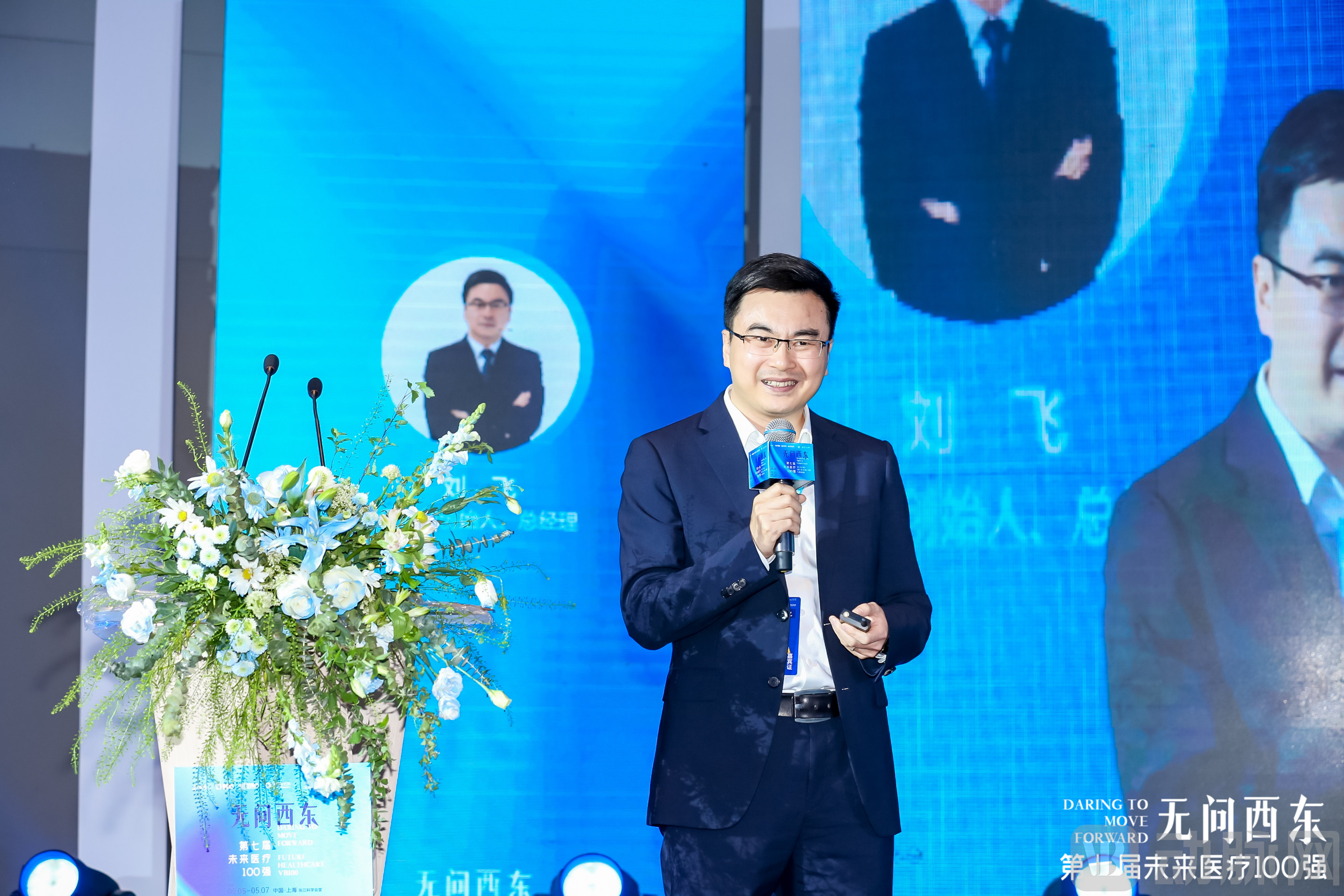
(Liu Fei, Founder and General Manager of Minov)
In the development of the photoelectric medical aesthetics industry, how can obscure and complex medical knowledge be conveyed to the audience in a clearer and more engaging manner while ensuring professionalism? Addressing this question, Zhou Shuyang, CEO and brand founder of Yimu Visual, delivered a presentation titled “Making Beauty Visible: Applications and Prospects of Medical Visualization in Plastic and Aesthetic Surgery,” elaborating in detail on Yimu Visual’s strategic layout and achievements in the field of medical visualization.
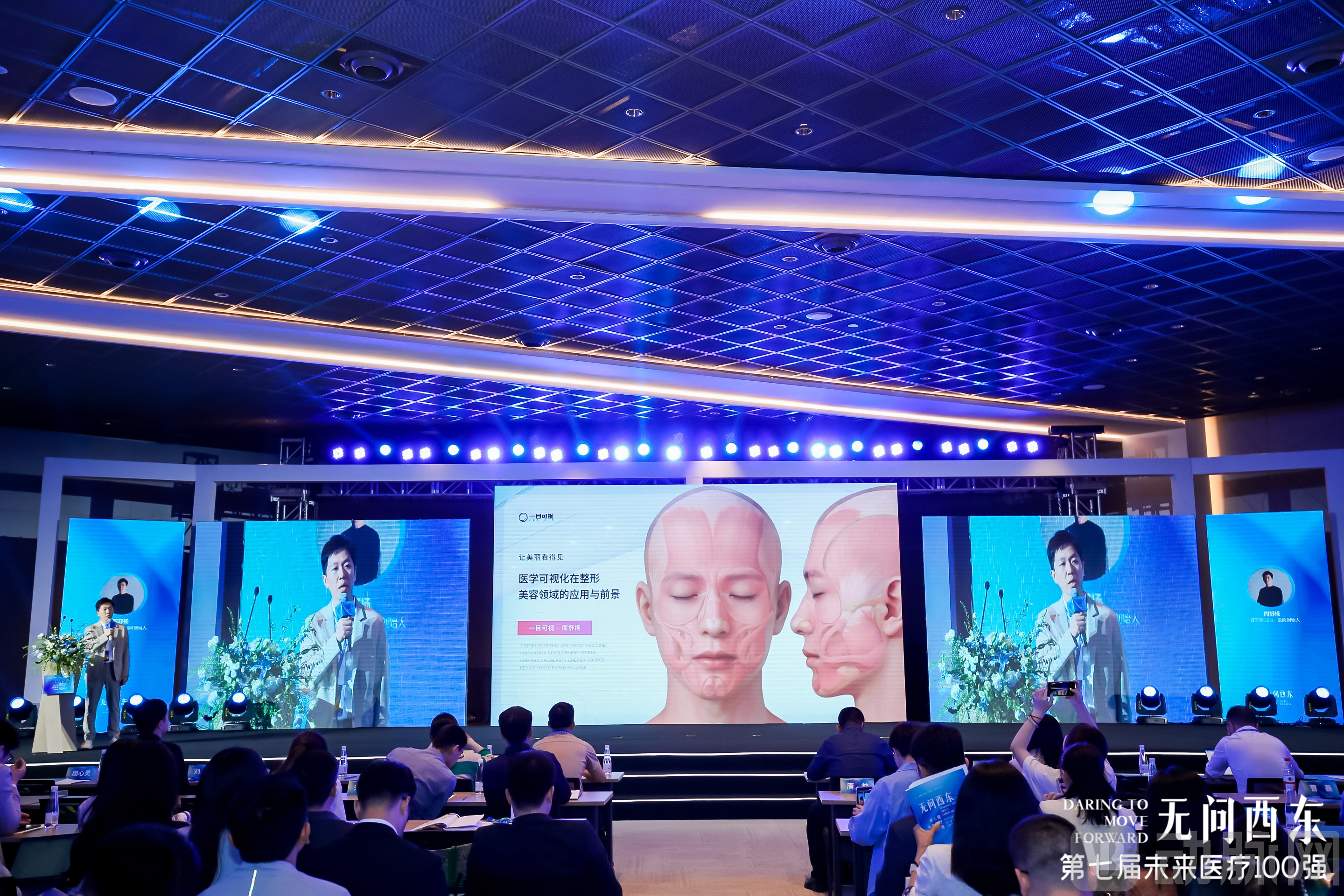
(Zhou Shuyang, CEO and Brand Founder of Yimu Keshi)
Liu Di, founder of Gengmei, delivered a presentation titled “The Future and Greater Possibilities of the Energy-Based Device Market in Medical Aesthetics in the Era of the Beauty Economy,” focusing on three key areas: demand, products, and investment. For instance, on the demand side, he analyzed the current landscape of medical aesthetic procedures and their changes over the past year, drawing on user search trend data from the Gengmei platform.
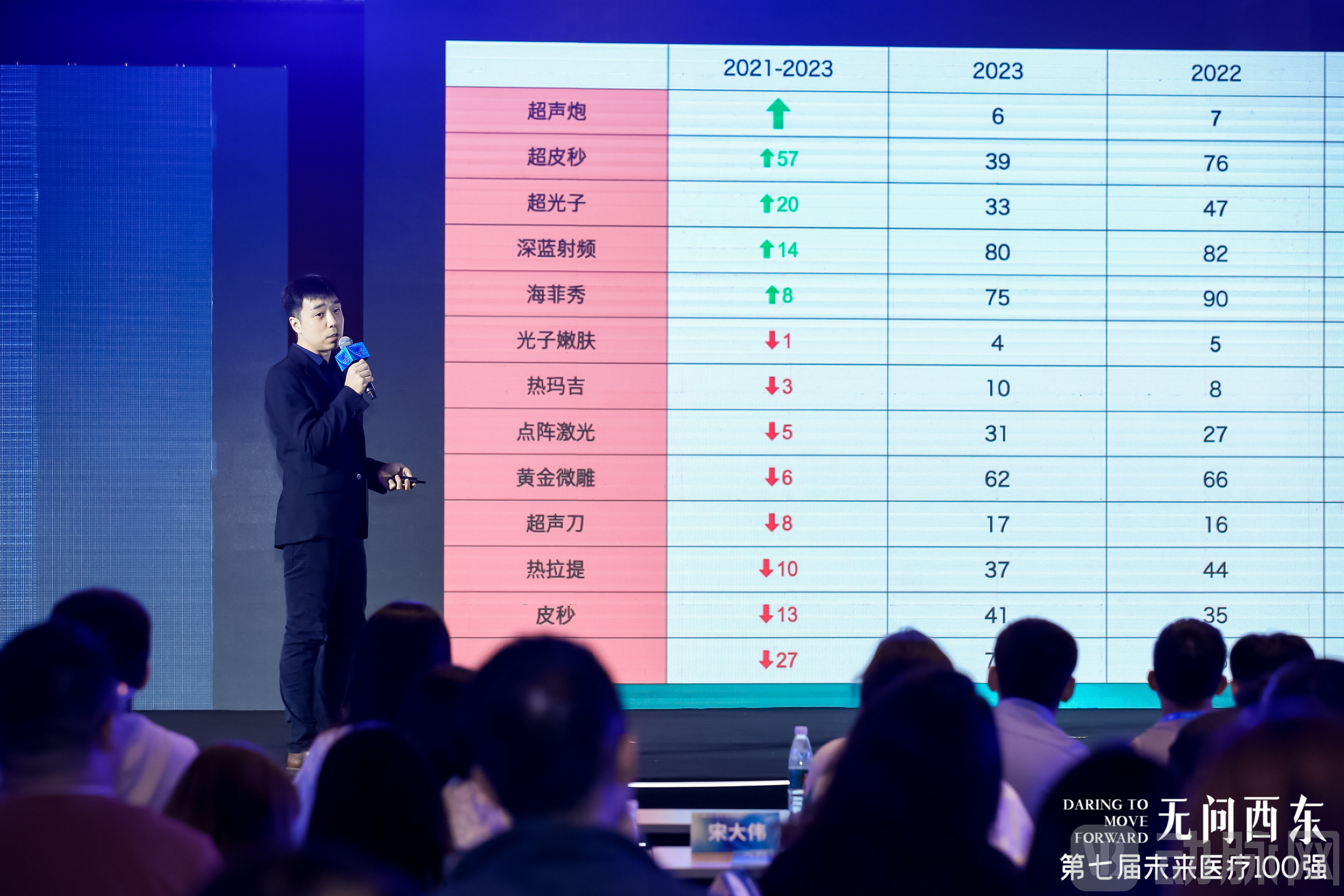
(Liu Di, Founder of Gengmei)
The session concluded with a roundtable discussion moderated by Yao Yuanyuan, Investment Manager at Yuan Yi Capital. Panelists included Zhou Xinling, Investment Director at Warburg Pincus; Ma Chenglong, Partner at Zhide Law Firm; Chen Long, Managing Director at Zhouling Capital; and Xue Ke, Plastic Surgeon at Shanghai Ninth People’s Hospital and jointly trained Ph.D. candidate with Yale University. They engaged in an insightful exchange on “Challenges and Opportunities for Photoelectric Medical Aesthetic Devices Amid the Trend of Domestic Substitution.” The panelists reached a consensus that the medical aesthetic photoelectric equipment sector, as a high-growth track with strong certainty over the next decade, is currently in a rare market window characterized by threefold opportunities: compliance upgrades, domestic substitution, and source innovation. This environment is poised to give rise to industry giants.
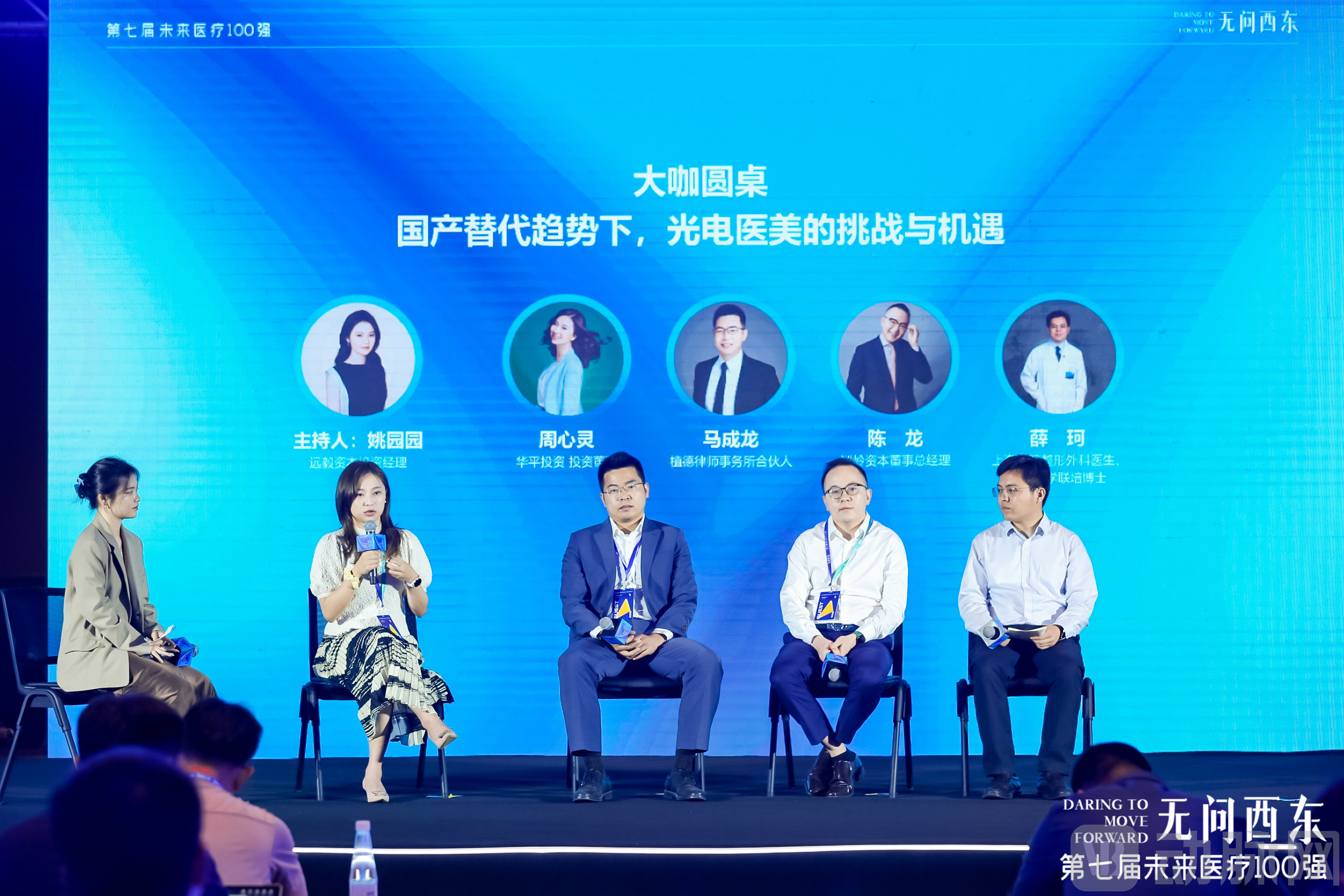
(Roundtable Discussion Session)
After half a day of sharing insights and interactive exchanges, industry participants expressed greater confidence and hope for the future of the energy-based medical aesthetics sector, committing to jointly support and drive its robust growth.