

Where Is the Future of Nutrition Innovation Headed? Highlights from the Future Healthcare 100·Nutrition Science Innovation Forum
May 6Early in the morning,Zhangjiang Science HallThe venue was packed to capacity. The Top 100 Forum, which had shifted online due to the pandemic, has finally returned to an in-person format this year.
The nationwide awakening of health awareness is arguably the most significant change of this era, with “big health” emerging as the hottest topic of our time. Undoubtedly, thisSub-Forum on Innovative Development in Nutritional Sciences at the Top 100 Forumhas also become the focus of attention.
At the meeting,Mr. Ding Gangqiang, Director/Party Secretary of the National Institute for Nutrition and Health at the Chinese Center for Disease Control and Prevention, Party Secretary of the Chinese Nutrition Society, and Vice President of the Chinese Institute of Food Science and Technologydiscussed the relationship between chronic disease management and dietary nutrition, and provided insights on how dietary nutrition research can be commercialized in the market;Mr. Zou Yuanqiang, Associate Research Fellow at BGI ResearchShared hot topics in microbiota research in recent years and predicted future scientific research trends;Ms. Zhang Feng, Product Director of Medlinker Group and Head of the Nutrition Department; Mr. Guo Haifeng, Co-founder and Chairman of Maifu Nutrition; Ms. Wang Shili, Vice President of Ningxia Saishang Group and Chairman of Danbai Biotechnology Co., Ltd.; and Ms. Zhang Nan, Founder and CEO of Tonghua Yishengxianshared their latest scientific research achievements and products, and discussed the future trends of the Chinese nutrition market from the perspective of nutrition enterprises; finallyMr. Zhang Jiutao, Managing Partner of Weilai CapitalFrom an investor’s perspective, we provide an outlook on the development of the nutrition sector...
Each expert attempted to offer the audience fresh perspectives on the nutrition sector from their respective viewpoints, yet regardless of the angle, “innovation” was an inevitable topic in their discussions. Where exactly does the future path of innovation in the nutrition sector lead?
From Treatment to Detection: Basic Nutrition Research Holds Infinite Possibilities
Researchers have always been at the forefront of innovation and development in their respective fields; indeed, scientific innovation is invariably driven by market demand. In recent years, the number of patients with chronic diseases in China has continued to rise, creating a substantial market demand. As nutritional concepts become more deeply ingrained, people’s approaches to chronic disease management have also undergone significant changes.Dietary nutrition has become a crucial component.
From a macro perspective, dietary management of chronic diseases has become the choice of more people, butDing Gangqiang, Director/Party Secretary of the National Institute for Nutrition and Health at the Chinese Center for Disease Control and Prevention, Party Secretary of the Chinese Nutrition Society, and Vice Chairman of the Chinese Institute of Food Science and Technology, still emphasized“Nutrition not only facilitates chronic disease management but also plays a crucial role in disease prevention. It is hoped that future innovations in nutritional science and technology will cover the entire spectrum of disease prevention (Levels 0–3), while implementing corresponding prevention-focused strategies tailored to different population groups.”
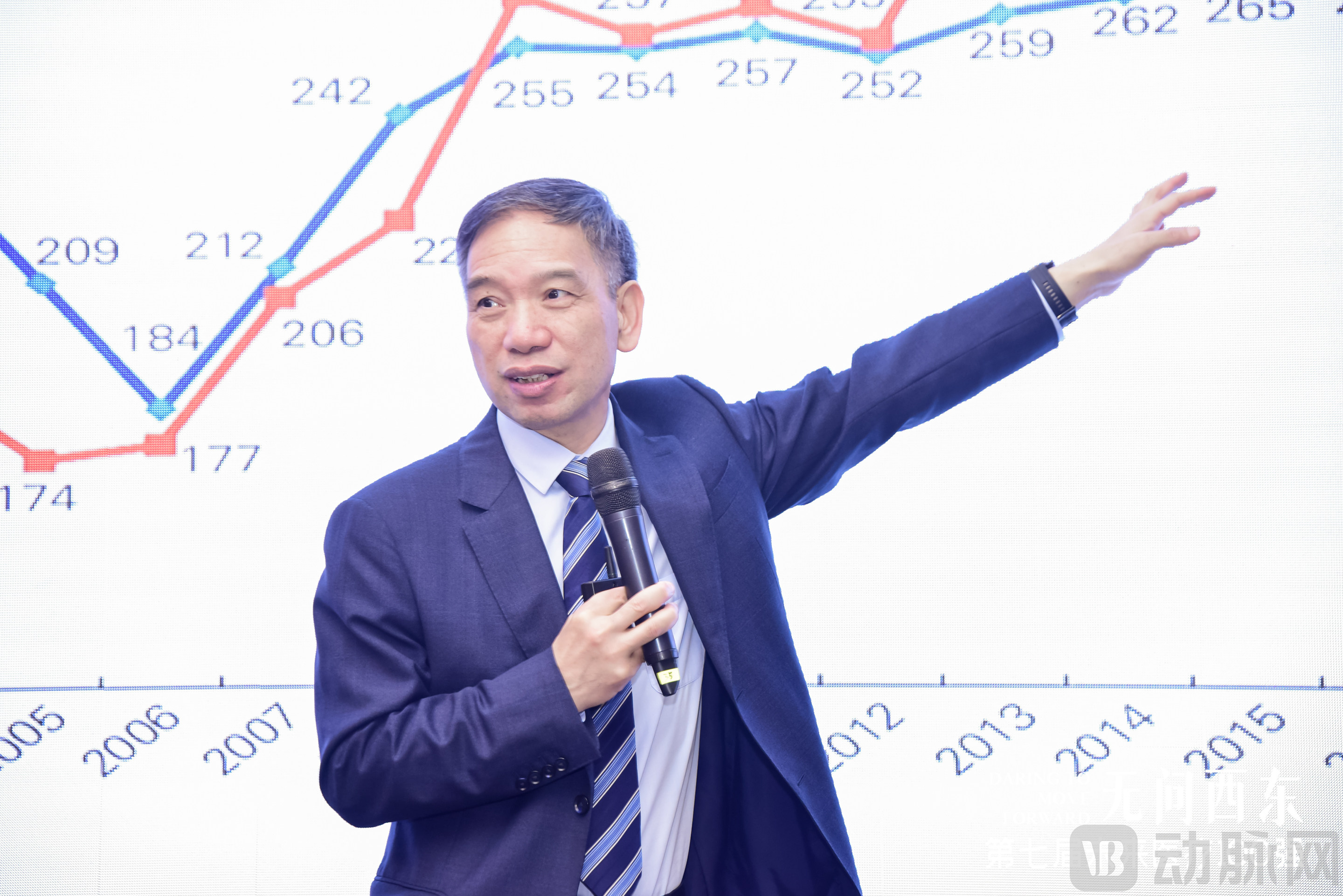 Ding Gangqiang Delivers Speech on “National Dietary Nutrition and Chronic Disease Prevention and Control”
From a microscopic perspective, researchers’ enthusiasm for microbiota research remains undiminished. The gut microbiota is hailed as the human “second genome,” closely linked to individual health, diet, and other factors.Zou Yuanqiang, Associate Researcher at BGI ResearchFrom the perspective of microbiota research“Three Major Sectors”and"Three Major Potential Directions"Starting from this point, it introduces the current hot topics in microbiome research and future trends.
Zou Yuanqiang also proposed a vision for precision nutrition testing through microbiome research: “Whether in the process of nutritional intervention or nutritional management, the microbiome plays a crucial role. Changes in its indicators intuitively reflect the host’s status. Therefore, in the future, disease detection can also achieve the most accurate conclusions by referencing microbiome indicators, thereby enabling targeted interventions.”
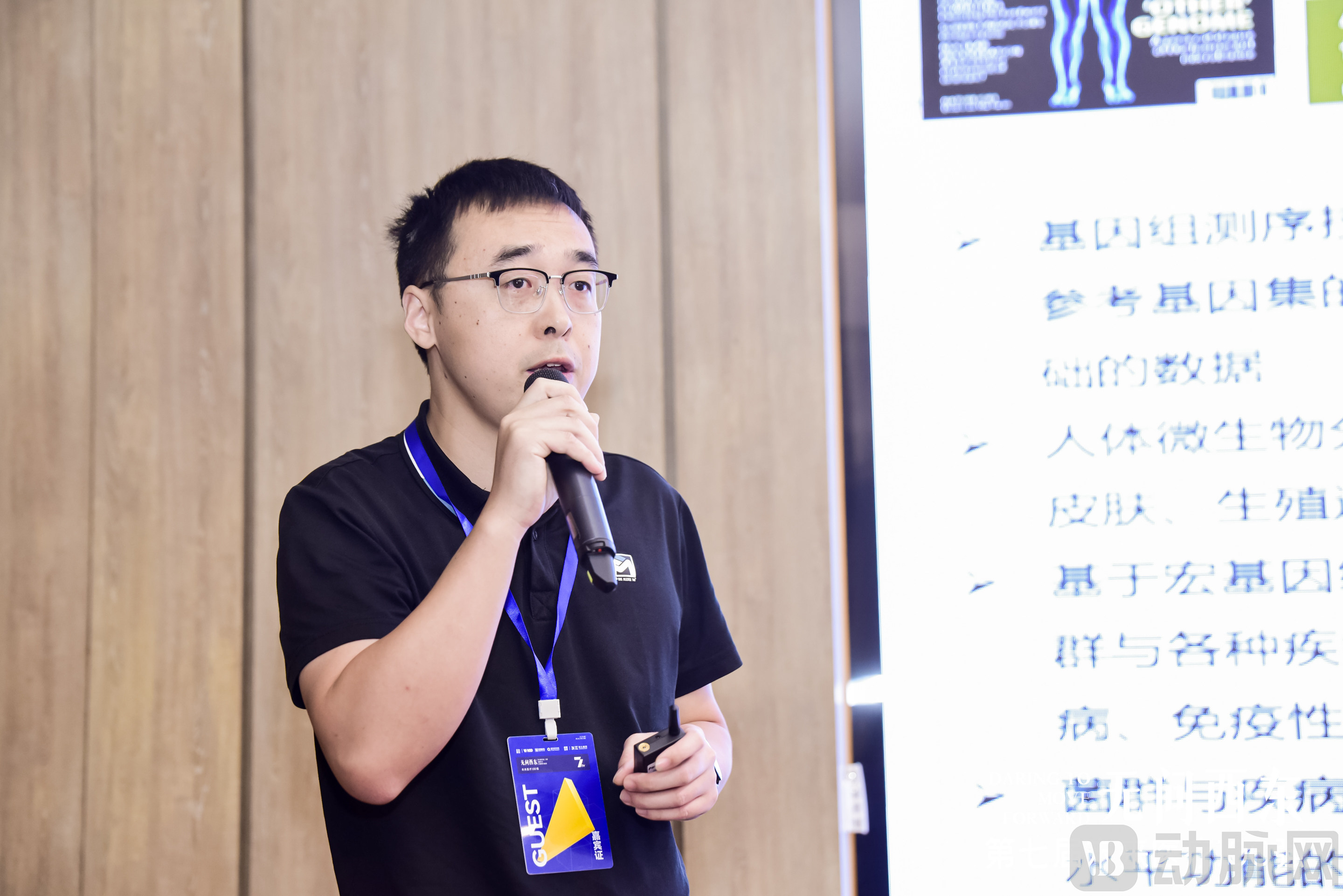 Zou Yuanqiang Shares Presentation on “The Human Microbiome and Precision Nutrition”
Upstream and Downstream Sectors Drive Growth Simultaneously as Companies Prioritize Technological Innovation
As the largest market entities, enterprises are often able to keenly identify emerging market demands, keep pace with the times, and pursue innovation-driven development.Medlinker, Maifu, CezanneandAnabolic Prebiotic FiberCorporate executives presented the latest innovations in nutrition from their respective areas of expertise.
Zhang Feng, Product Director of Medlinker Group and Head of the Nutrition DepartmentThis article outlines Medlinker’s practical experience in diabetes management: “In 2015, Medlinker, in collaboration with the China Health Care Association for the Elderly, released the first Chinese expert consensus on online diabetes management via internet hospitals in China. Since then, we have consistently adhered to a chronic disease management strategy encompassing nutritional counseling, nutritional diagnosis, nutritional prescriptions, and nutritional monitoring. Recently, we have been dedicated to ‘translating’ those rigorous and abstruse nutritional prescriptions into patient-friendly meal plans, and based on this approach, we have designed pre-prepared foods available for nationwide delivery across China.”Enable diabetic patients to adhere to nutritional medical advice while enjoying delicious meals with appealing color, aroma, and taste, thereby achieving better dietary management outcomes.”
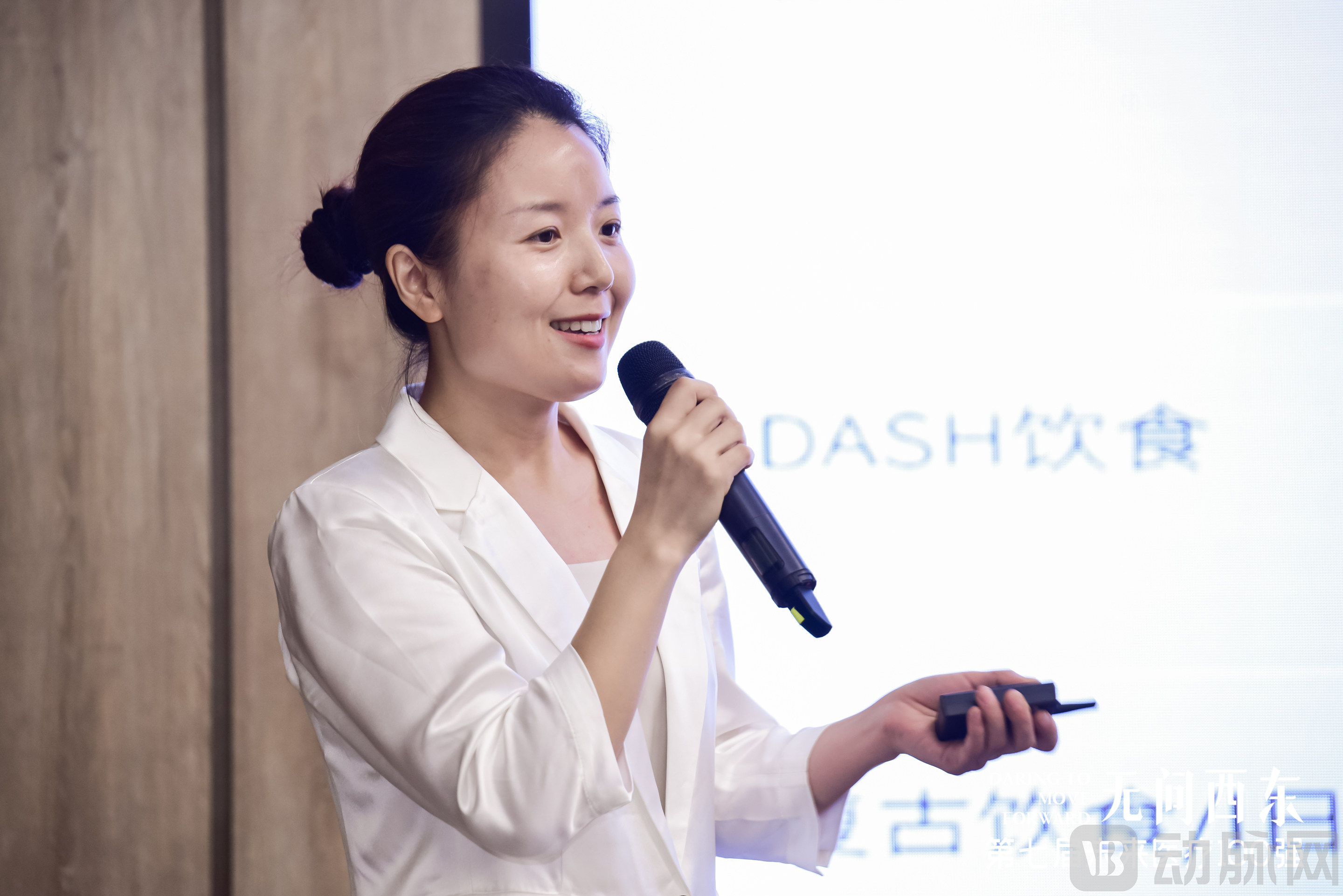 Zhang Feng Shares Presentation on "Nutritional Management for Patients with Type 2 Diabetes"
Guo Haifeng, Co-founder and Chairman of Maifu NutritionStarting from the concepts, registration and regulatory oversight, and key R&D focuses of foods for special medical purposes (FSMPs), this article introduces the current market landscape of FSMPs, highlighting that while market demand is substantial, the available product offerings remain limited.
Regarding the future R&D direction of foods for special medical purposes (FSMPs), Guo Haifeng stated, “The R&D of FSMPs should focus on practical applications. They are not only intended for special populations such as infants, pregnant women, and the elderly, but are also required for preoperative and postoperative interventions. Therefore, based on our current understanding of clinical pain points,”Bowel Management, Cancer Care, Kidney Disease, Protein-Energy Malnutrition, Dysphagia, Wound Healing"etc., will all be directions for the research, development, and scientific exploration of foods for special medical purposes."
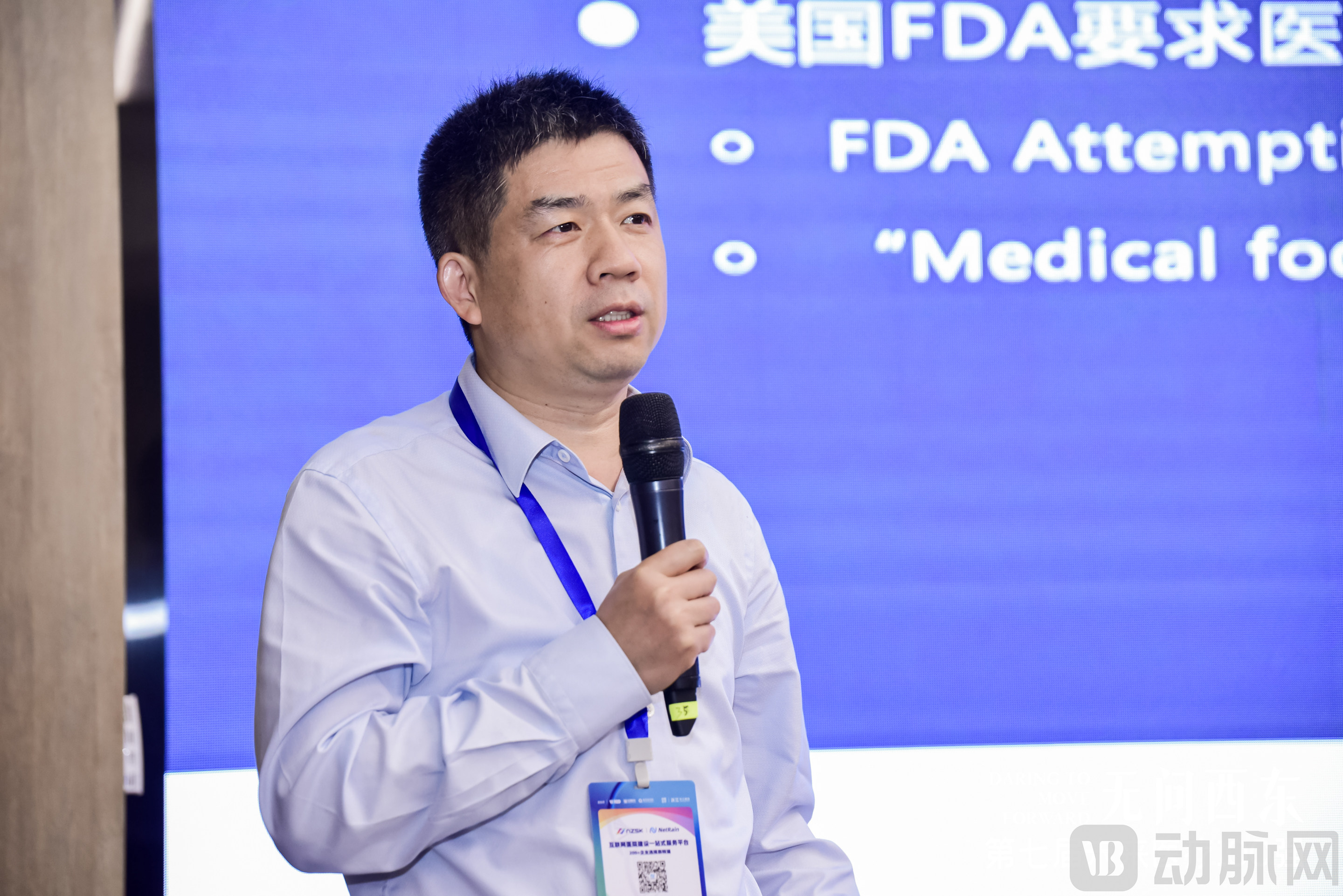 Guo Haifeng Shares Presentation on “Insights into R&D Trends of FSMP in China”
Wang Shili, Vice President of Ningxia Saishang Group and Chairman of Danbai Biotechnology Co., Ltd.Starting with the basic raw materials of nutritional foods, it was emphasized that “only active and easily absorbable ingredients can enable nutritional foods to maximize their efficacy.” Wang Shili demonstrated the differences between nanofiltration whole milk protein products and conventional protein products from five perspectives: scientific research, production processes, formulations, process standards, and clinical data results, highlighting the importance of prioritizing scientific research on raw materials.
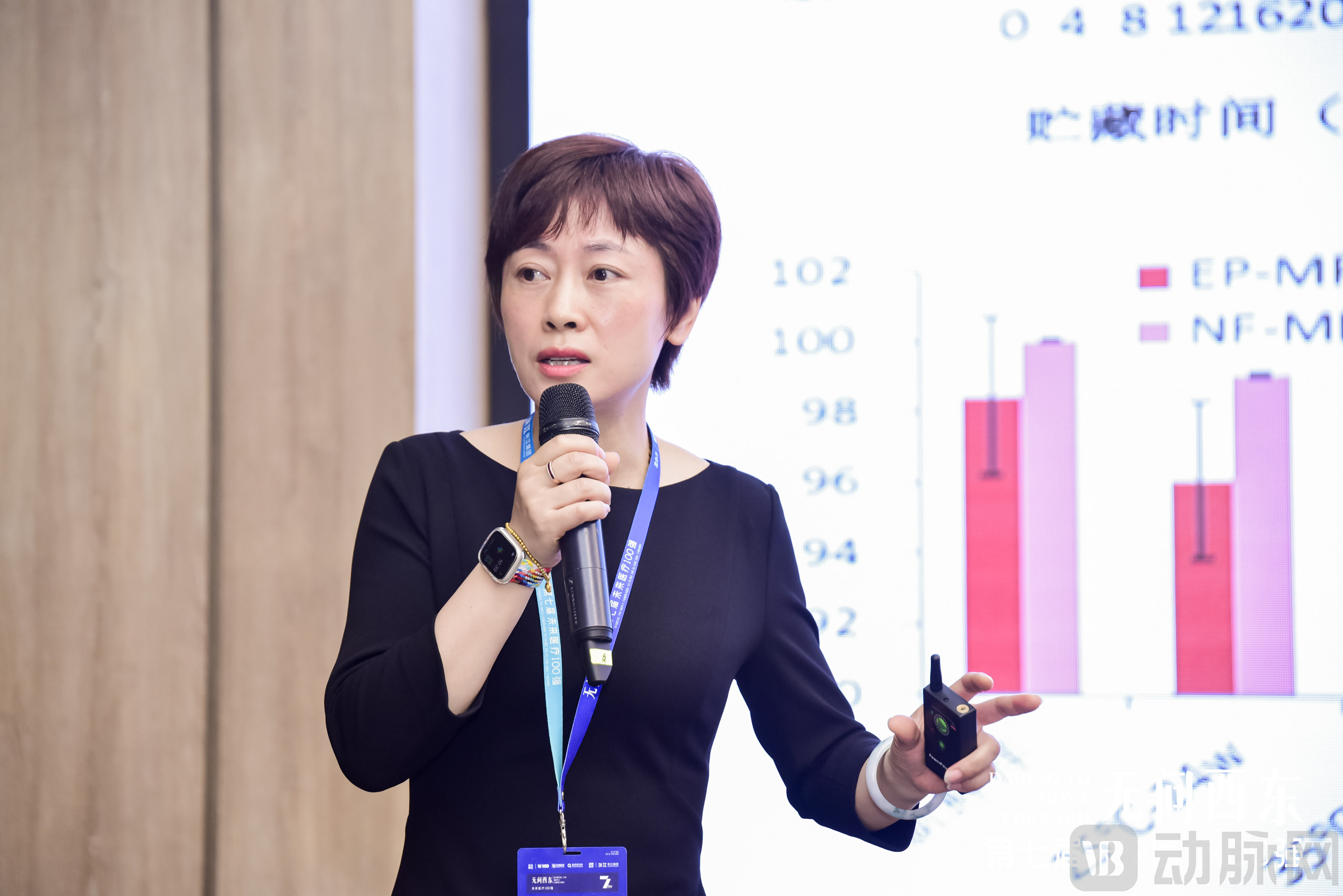 Wang Shili Delivers Presentation on “Innovative Functional Properties and Application Research of Nanofiltration Whole Milk Protein”
Finally,Zhang Nan, Founder and CEO of Tonghua Probiotic FiberFrom the perspective of raw material suppliers, it also elaborates on how downstream industry demands influence the research and development direction of raw materials. Zhang Nan stated, “The market demands healthier, more transparent, and more affordable food options. Meanwhile, as people place increasing emphasis on health, these demands are compelling raw material researchers to innovate. Currently, compared with overseas markets, China’s cellulose research still lags behind by a significant window period.”Our research aims to serve every family’s dining table, bridge the daily fiber gap, and empower a new era of health through functional cellulose materials.”
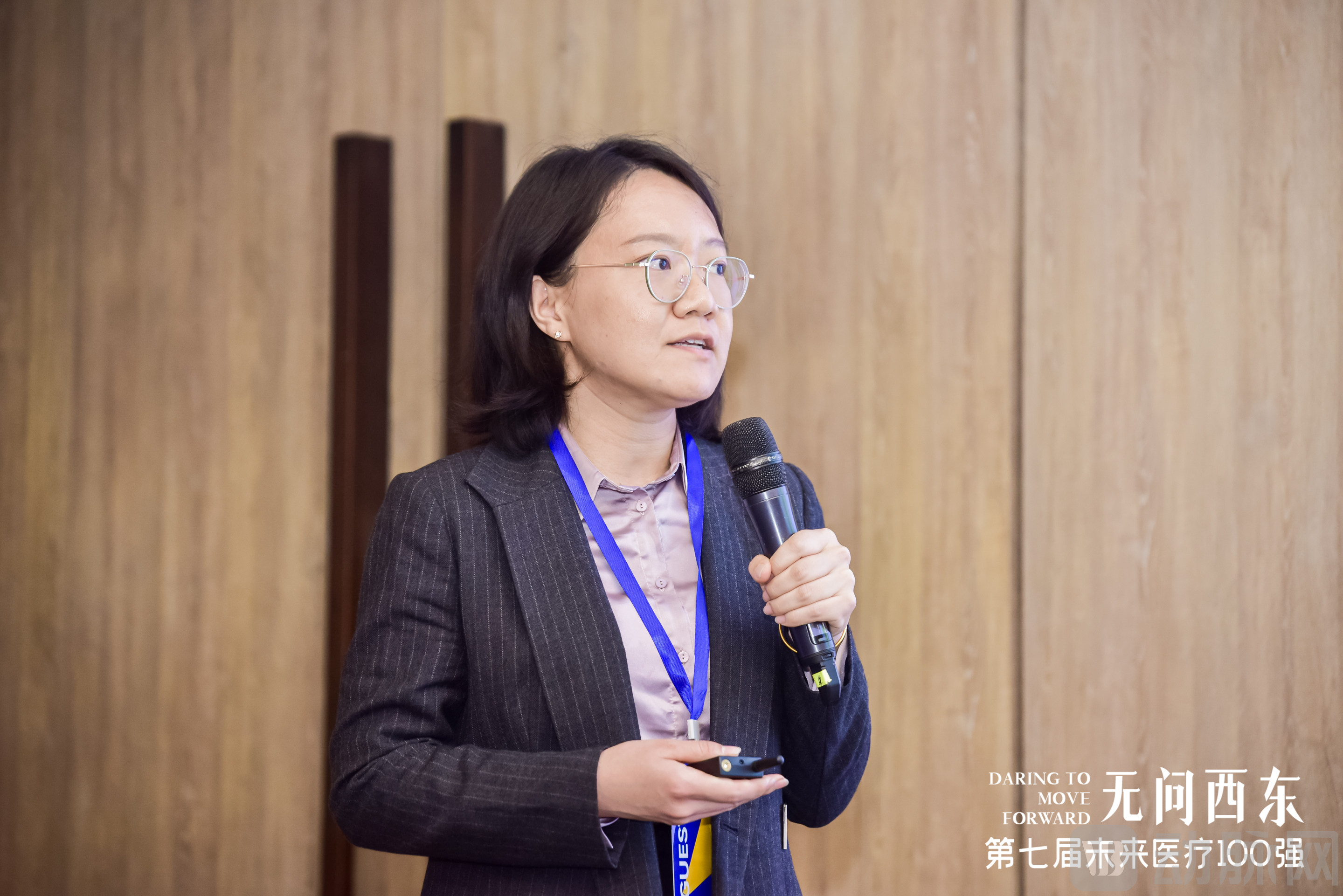 Zhang Nan Delivers Presentation on “The Health Value and Innovative Applications of Plant Fibers”
Three Promising Directions from the Perspective of Venture Capitalists
As a key factor influencing the market, investors play a pivotal role in shaping the future direction of scientific research. Weilai has been focused on the nutrition sector for many years, consistently adhering to a core investment logic centered on full industry chain layout. Which areas within the nutrition sector will investors prioritize in the future?Zhang Jiutao, Managing Partner at Weilai CapitalThrough Speeches“Development, Trends, and Investment in the Nutrition Sector”Unveiled.
According to Zhang Jiutao, there are three major trends in the future development of the nutrition field.
First, compound nutrition.Data indicates that nutritional supplements are not essential necessities for consumers in China. Therefore, enhancing user adherence for non-essential product categories represents a common challenge faced by all entrepreneurs in the nutrition sector. Particularly in the current environment of accelerating life pace, it is difficult to expect consumers to take specific nutrients at fixed times and dosages; the optimal approach is to address all nutritional needs with a single daily dose.
Second, Precision Nutrition.Customization is tailored to different groups, including standardized product customization for specific populations and exclusive personal customization. However, precision nutrition has a prerequisite: precise testing. It functions like a PDCA (Plan-Do-Check-Act) cycle; only through precise testing can refined nutritional solutions be provided to consumers. This requires companies to establish a comprehensive product line covering everything from nutritional testing to nutritional services, which entails significant operational costs. Correspondingly, precision nutrition targets high-end consumer segments, while also enhancing customer repurchase rates.
Third, snack nutrition.Data indicates that product categories with a lower "medicine-like" perception, such as gummies, jellies, and oral liquids, are more popular among younger consumers, a demographic whose market share cannot be overlooked.
Finally, Zhang Jiutao stated: “Regardless of the target demographic or strategic approach adopted, quality control is the most critical factor in the nutrition sector. Food safety supersedes all other considerations. Enterprises must ensure rigorous product quality control, whether through in-house development, holding stakes, strategic agreements, or other means.”If safety cannot be guaranteed, then all efficacy, services, and popularity will be nothing but fleeting clouds.”
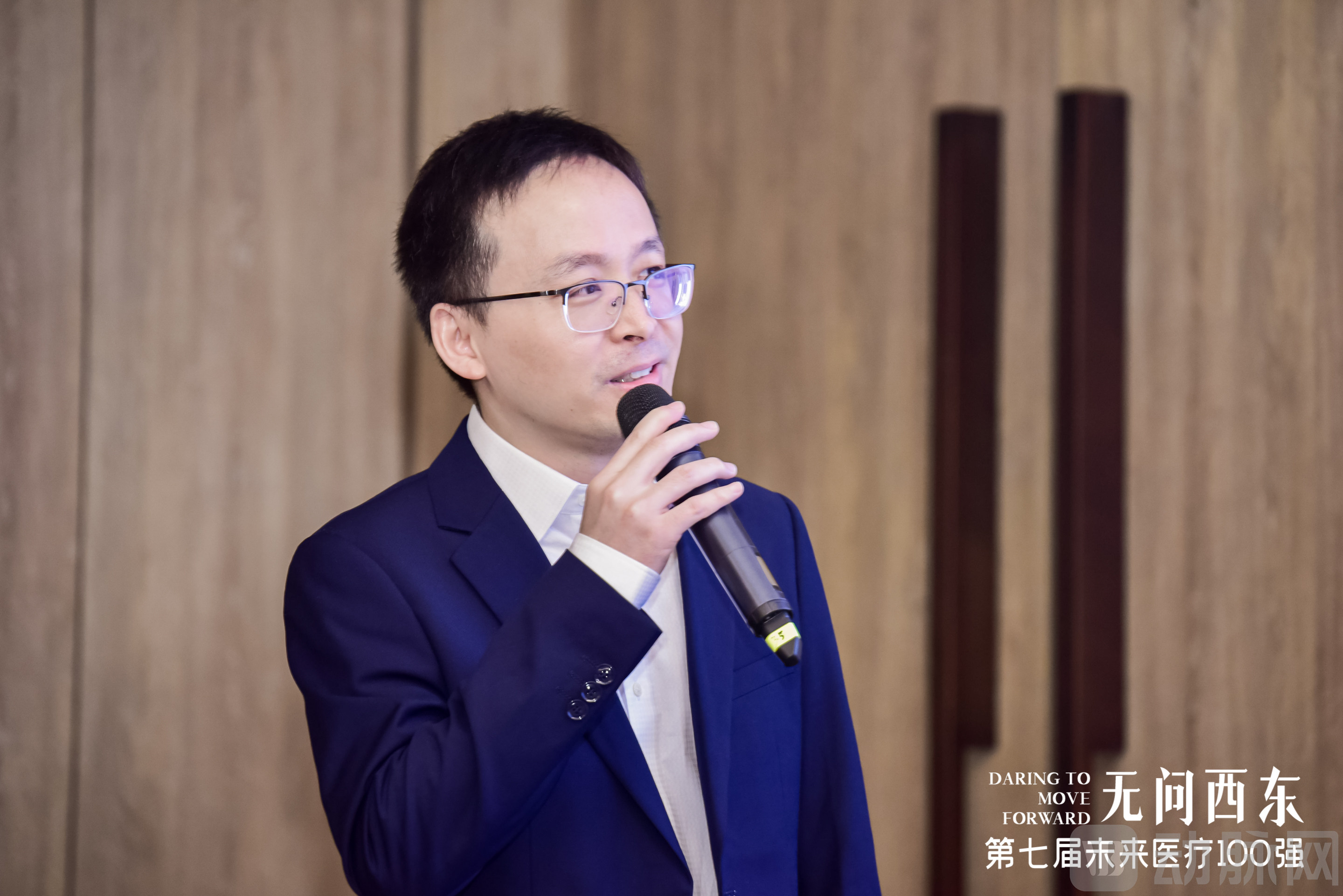 Zhang Jiutao Shares Presentation on “Development, Trends, and Investment in the Nutrition Sector”
At the conclusion of the meeting,Zhang Jiutao, Guo Haifeng, Zhang Nan, Chang ZhiyuanA roundtable discussion was held on innovation, integration, and development in the nutrition sector, with participants jointly anticipating the advent of a new wave of explosive growth in this field.
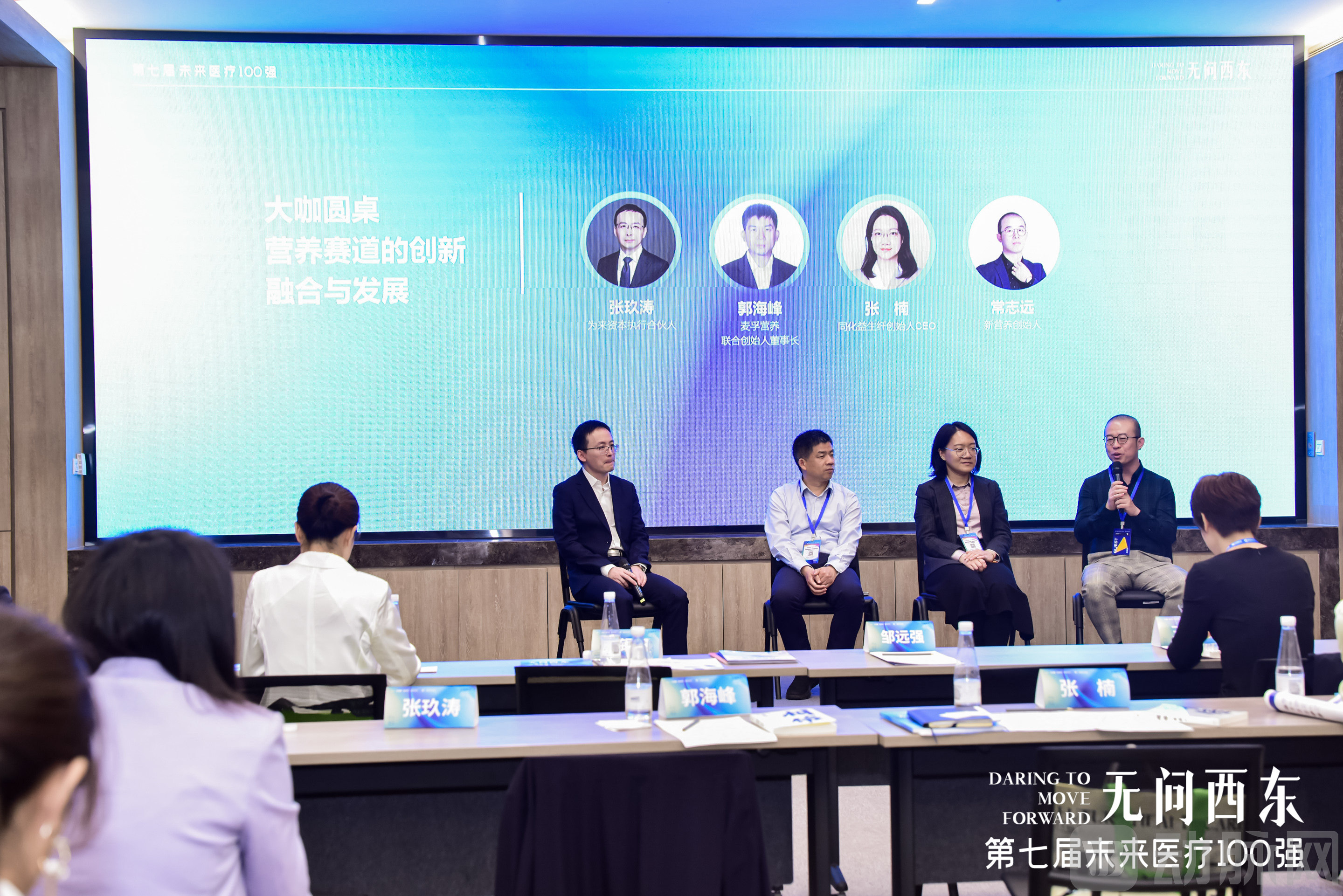 Roundtable Discussion