

Structure Therapeutics Advances Oral Small Molecule GPCR-Targeted Therapies with Over $36 Million Annual R&D Investment
Structure Therapeutics
Small Molecule Drug Developer
Since the U.S. FDA approved exenatide, the first GLP-1 receptor agonist for the treatment of type 2 diabetes, in 2005, the market for GLP-1 receptor agonists has officially opened up. The GLP-1 therapeutic sector is currently experiencing significant momentum, with Novo Nordisk’s semaglutide, Eli Lilly’s tirzepatide, and Huadong Medicine’s liraglutide having successively received marketing approval.
Previously, peptide-based drugs were the mainstream treatment for diabetes. Among them, semaglutide is a highly representative agent. Initially approved only for the treatment of type 2 diabetes, it was later found to have weight-reducing effects and subsequently received approval from both the U.S. Food and Drug Administration (FDA) and the European Union as a prescription medication for weight management in individuals with overweight or obesity.
However, the refrigeration technologies and management requirements for the manufacturing and storage of peptide drugs are both complex and costly, while their long-term side effects remain unclear. These limitations have spurred the development of targeted therapies, which exert pharmacological effects through biochemical processes involving binding to specific targets.
Structure Therapeutics (Shuodi Bio, hereinafter referred to as “Structure”) is one such company. It focuses on G protein-coupled receptor (GPCR)-targeted therapies and is currently in the clinical validation stage of its projects. On February 2, 2023, Structure listed on the NASDAQ under the ticker symbol “GPCR.” As of 16:00 on May 12, its total market capitalization stood at US$1.01 billion.
Most drug targets are located within five protein families: GPCRs, ion channels, kinases, nuclear hormone receptors, and proteases. Different drug targets and mechanisms of action yield distinct therapeutic effects.
G protein-coupled receptors (GPCRs) are the most extensively studied drug targets. As the largest family of membrane proteins in the human genome, they play a critical role in various aspects of human physiological metabolism. Furthermore, GPCRs are closely associated with human diseases and can modulate diverse pathological processes, including diabetes and obesity. In recent years, the therapeutic applications of GPCR-targeted drugs have expanded, encompassing conditions such as cardiovascular diseases, multiple sclerosis (MS), schizophrenia, smoking cessation, short bowel syndrome, and hypocalcemia.
However, while bringing innovative therapies to many diseases, this class of targeted drugs still faces numerous challenges, including:
(1) Low expression levels on the cell surface;
(2) High complexity of multi-subunit peptide GPCR receptors;
(3) Difficulty in obtaining relevant crystal structures as the basis for drug design;
(4) Non-specific signaling through multiple intracellular signaling pathways may increase side effects.
To this end, Structure Therapeutics has proposed a solution that integrates research in artificial intelligence, cryo-electron microscopy machine learning, and X-ray crystallography to visualize the three-dimensional protein structures of targets and ligands. This is combined with the computational chemistry capabilities of its co-founder, Schrödinger, and further leverages state-of-the-art DNA-encoded compound libraries and membrane protein mass spectrometry to transform biologics and peptide-based drugs into oral small-molecule therapeutics.
Currently, there are four major technical platforms for drug development: High-Throughput Screening (HTS), Structure-Based Drug Design (SBDD), Fragment-Based Drug Design (FBDD), and DNA-Encoded Libraries (DEL). Among these, HTS is the most mature and widely applied; however, it faces significant bottlenecks due to its low screening success rate.
Structure Therapeutics’ structure-based small-molecule development approach is more effective and rational than high-throughput screening (HTS), ensuring target binding and safety, thereby enabling the targeting of more specific targets.
Oral Small-Molecule Drugs Developed in This MannerIt exhibits activity and specificity similar to those of biopharmaceuticals, but offers higher bioavailability, superior stability, more convenient logistics services, and lower costs. This enables it to overcome the limitations of GPCR-targeted biopharmaceuticals and peptide-based therapies, thereby improving patient access to treatment.
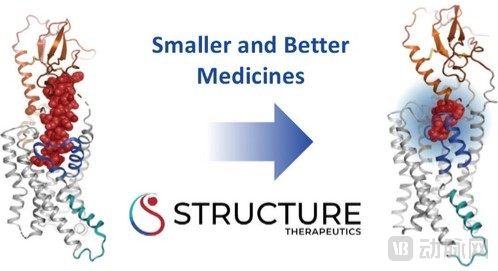
Advantages of Oral Small-Molecule Therapeutics Targeting GPCRs
Image source: Structure official website
The establishment of Structure’s small-molecule drug discovery platform is built upon its founder’s more than 25 years of research. In 2016, with the support of Schrödinger, a well-known publicly listed AI-driven drug discovery company, Dr. Raymond Stevens founded Structure, fostering an integrated “biomedical research + artificial intelligence” model in the company’s early stages.
Raymond Stevens is the structural biologist who cracked the first human GPCR structure., with extensive experience in GPCR protein structure elucidation, functional studies, and drug development. He has participated in the development of drugs such as Palnziq™ for the treatment of phenylketonuria (PKU) and Nesina for the treatment of type 2 diabetes. He has also authored more than 300 papers in the field of human cell signaling and holds multiple patents.
Before founding Structure, Raymond Stevens co-founded multiple structure-based biotechnology companies with his laboratory and students, most of which were acquired by international pharmaceutical companies.
The company’s technology platform builds upon the founder’s years of research in G protein-coupled receptors (GPCRs). Currently, under the founder’s leadership and with the support of investors, the company has developed a differentiated therapeutic product pipeline addressing chronic disease areas with significant unmet clinical needs, including cardiovascular, metabolic, and pulmonary diseases.
Structure Therapeutics focuses on developing innovative GPCR-targeted therapies. Currently, two products in its pipeline have entered Phase I clinical trials.
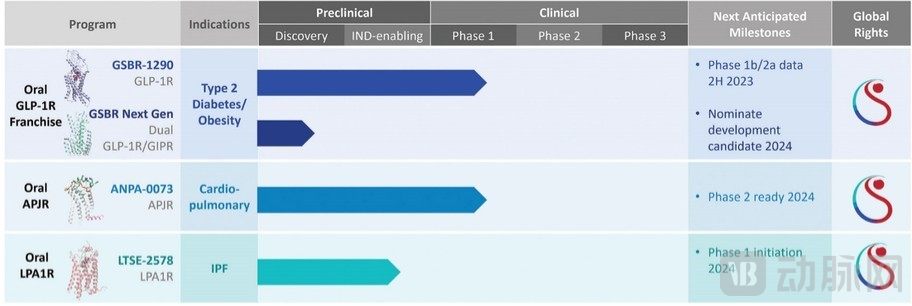
Product Pipeline | Image source: Structure official website
The company’s first locked-in GPCR target drug is GSBR-1290. GSBR-1290 is a small-molecule oral drug targeting GLP-1R (glucagon-like peptide-1 receptor) for the treatment of patients with type 2 diabetes mellitus (T2DM) and obesity. GLP-1R has been validated as a GPCR drug target for type 2 diabetes and obesity. GSBR-1290 binds to and activates GLP-1R, which is expressed on pancreatic β-cells and plays a role in insulin secretion.
GSBR-1290 is the product with the most advanced development progress. In September 2022, under FDA authorization, the company completed the Phase 1 single ascending dose study of GSBR-1290. The results demonstrated that GSBR-1290 was well tolerated and exhibited dose-dependent pharmacokinetic (PK) and pharmacodynamic (PD) activity. The Phase 1b multiple ascending dose study was initiated in January 2023, and the Phase 2a proof-of-concept study for type 2 diabetes and obesity is expected to commence in the second half of 2023.
Another candidate drug, ANPA-0073, which has entered clinical trials, is a small-molecule product targeting APJR (apelin receptor) and is intended for the treatment of idiopathic pulmonary fibrosis (IPF) and pulmonary arterial hypertension (PAH). In September 2022, the company completed Phase I single and multiple ascending dose studies of ANPA-0073, with results demonstrating good tolerability. The Phase II confirmatory study is expected to commence in 2024.
Structure is currently developing its next-generation candidate, LTSE-2578, an oral small-molecule LPA1R (lysophosphatidic acid receptor 1) antagonist intended for the treatment of IPF.
According to the company’s 2022 annual report, there are currently two FDA-approved drugs for the treatment of idiopathic pulmonary fibrosis (IPF): Esbriet (pirfenidone) and Ofev (nintedanib). However, these medications can only slow disease progression rather than provide a curative effect, with the mortality rate remaining close to 40% after two years of pharmacological treatment. The therapeutic needs of IPF patients remain unmet. LPA1R has been clinically validated as a potential target, holding promise for providing an innovative treatment option for IPF patients.
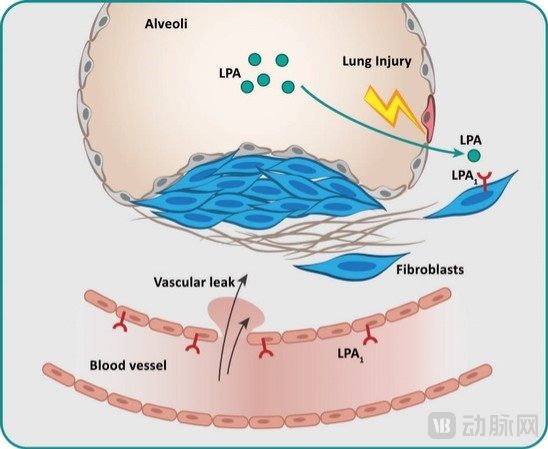
Application of LPA/LPA1R in the Pathogenesis of IPF
Image source: Structure official website
Prior to the successful development of its products and receipt of regulatory approval for commercialization, Structure Therapeutics funded its operations through public or private equity sales, grants from government or private entities, debt financing, or other capital sources.
Since its establishment in 2016 until prior to its IPO, the company underwent several rounds of financing, with total funds raised exceeding $300 million. Investors backing the company includeSequoia China, F-Prime Capital, Qiming Venture Partners, WuXi AppTecand other globally renowned institutions.
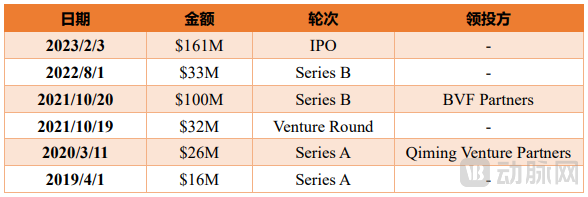
Structure Therapeutics Historical Financing
Data source: Crunchbase
From a financial performance perspective, the company has consistently reported net operating losses and negative cash flows. In 2021 and 2022 alone, the company incurred losses of nearly $90 million, with no revenue generated from its products to date; its sole source of income is interest earned on cash equivalents and short-term investments.
R&D expenses accounted for approximately 70% of operating expenses. Compared with the R&D expenses of US$29.11 million in 2021,In 2022, R&D expenses increased by approximately $7.08 million, a year-on-year increase of 24.3%, reaching $36.19 million.. The Company is expected to continue investing substantial funds in product research and development and clinical trials over the next few years to expand its product portfolio and business scale.
As of December 31, 2022, the company’s cash reserves stood at $90.8 million. Coupled with $161 million raised from its initial public offering (IPO), this amount is sufficient to cover operating expenses for the next 12 months, given the growth trend in the company’s R&D investment. However, with losses increasing year over year and R&D expenditures continuing to rise, the company still requires a steady influx of capital to sustain its ongoing operations.
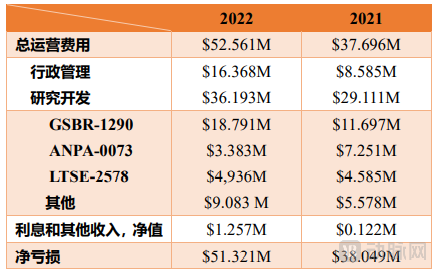
Structure Therapeutics: Financial Performance in 2021 and 2022
Data source: Structure Therapeutics official website
R&D investment continues to rise year by year; just how much potential does the GPCR-targeted drug market hold?
According to the global drug R&D database, the top 10 hot targets in the field of neurological therapeutic drug development worldwide (ranked by the number of drugs) are currently: GPCR, Ion channel, Hydrolase, Transferase, LGIC, PK, Esterase, Oxidoreductase, OR, and ACHE.
GPCRs are among the largest classes of drug targets. Currently, drugs targeting GPCRs account for over 40% of the pharmaceutical market. From 2011 to 2015, total global sales of GPCR-targeting drugs reached $890 billion, representing 27% of the global therapeutic drug market share, a proportion that has continued to rise year by year.
According to the company’s 2022 prospectus, there are more than 475 drugs on the market that target GPCRs, and over 220 GPCRs have yet to be explored as clinical targets. Their therapeutic potential is being continuously uncovered, and market demand is gradually being released.
Structure Therapeutics’ flagship product is an oral small-molecule GLP-1 receptor agonist. Currently, there are approximately 13 marketed peptide-based GLP-1 therapies on the market, with several drugs launched in 2020 achieving combined sales of $13.2 billion. However, to date, no oral GLP-1 product has been approved for the treatment of both diabetes and obesity.
Based on the above analysis, the market for GPCR-targeted drugs is vast, with the oral small-molecule GLP-1 segment targeted by Structure Therapeutics holding immense potential. However, innovative drug development is highly capital-intensive. The company is engaged in a commercial endeavor characterized by “high investment, long cycles, and high risk,” and it remains uncertain when product commercialization will be achieved and “high returns” realized. VCBeat will continue to monitor developments closely.