

WestPoint Innovation Center Files Prospectus to Accelerate Growth as Western China's First Large Animal Testing Facility for Medical Devices
China is becoming a fertile ground for medical device innovation, propelling the Contract Research Organization (CRO) industry into a fast lane of development. Medical device CRO services encompass a broad spectrum, covering preclinical R&D testing and animal studies, human clinical trials, regulatory registration submissions, as well as full lifecycle services including post-market manufacturing compliance and product iteration R&D. However, most CRO companies focus on clinical trial and regulatory submission services. The domestic preclinical animal testing sector started relatively late, leaving a blue-ocean market yet to be fully explored.
Large-animal studies are a critical component of preclinical research. As innovative medical devices in China continue to advance and industry regulatory policies become increasingly refined, the demand for preclinical animal testing among medical device companies will continue to grow, placing further demands on the full-lifecycle service capabilities of CRO firms. In April, VCBeat reported on leading domestic CRO companiesComed, which also discusses Comed’s one-stop medical device translation platform, integrating testing, preclinical animal studies, and clinical trial services.
As early as 2018, the Comed team identified development opportunities and established Xidian Sci-Tech Innovation (Chengdu) Biotechnology Co., Ltd. (hereinafter referred to as “Xidian Sci-Tech Innovation”). In 2019, the first large animal experimental center in western China officially commenced operations.Xidian Kechuang works closely with Academician Zhang Xingdong’s team at the National Engineering Research Center for Biomaterials of Sichuan University and the West China Hospital team, providing medical device companies with one-stop services encompassing product type testing, preclinical research, clinical trials, post-market training and promotion, and domestic and international academic exchanges.
To date,Westpoint Sci-Tech Innovation Has Established a Leading Position in the Field of Large Animal Studies for Structural Heart Disease Therapeutic Devices, serving numerous renowned medical device companies both domestically and internationally, while continuously strengthening its service advantages in the fields of therapeutic devices for cardiovascular and peripheral vascular diseases, stroke treatment devices, and therapeutic devices for pulmonary diseases. Meanwhile, it is also expanding its large-animal experimental services in areas such as active medical devices and surgical robots.
Large animal studies are a critical component of preclinical research, used to verify the safety and partial efficacy of medical devices, accumulate relevant experimental data, facilitate timely adjustments to product design by enterprises, enable more efficient human clinical trials, and significantly reduce risks to both trial participants and operators. Innovative devices such as intracranial thrombectomy stents, prosthetic heart valves, cardiac pacemakers, artificial blood vessels, and hemostatic powders all require preclinical large animal studies.
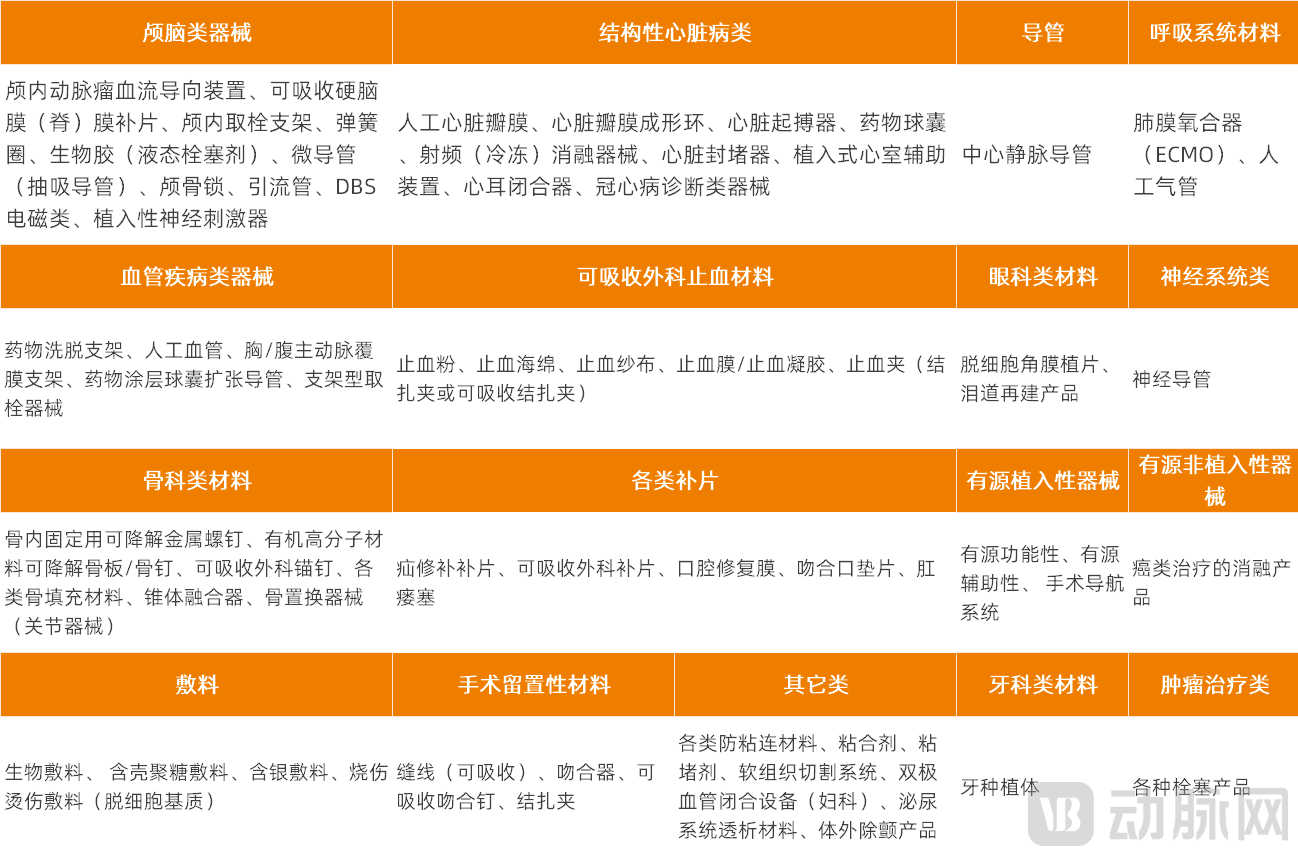 Medical Devices Requiring Animal Testing
Prior to 2019, medical device companies were predominantly concentrated in Beijing, Shanghai, and Guangzhou, cities that each possessed their own large animal experimental centers, whereas the Southwest region remained a blank spot. Overall, the number of large animal experimental centers in China was limited, with uneven service quality. Some companies opted to conduct animal experiments in hospitals or research institutions; however, these entities often lacked specialized personnel and experience, potentially leading to issues in areas such as animal care and data collection.
The rationale for conducting large-animal studies differs from that of human clinical trials. Preclinical animal studies utilize healthy experimental animals, which cannot fully replicate human physiology.The primary objective of large animal studies is to verify the safety of medical devices, incorporating elements of efficacy assessment, with a key focus on data collection.Human clinical trials primarily validate the efficacy of medical devices, with a focus on improving the condition of the subjects.
Hubbard, the founder of West Point Sci-Tech Innovation, holds a Doctor of Veterinary Medicine (D.V.M.) degree.With over 30 years of extensive experience in preclinical research, has successively served as the Head of Preclinical Research at internationally renowned companies and participated in the founding and management of multiple large-animal experimental centers., has successfully driven the development and regulatory approval of multiple medical device products, with extensive experience in devices for structural heart disease therapy, drug-coated balloons, and bioresorbable coronary stents. Dr. Hubbard possesses nearly 30 years of experience in GLP-compliant animal studies, and all large-animal studies he has previously participated in have passed FDA review.
Dr. Hubbard places great emphasis on the standardization of large animal experiments. He has always believed that,All issues observed in animal studies may also be encountered in clinical practice.. Animal studies must serve as the final gateway in preclinical research, enabling physicians to use medical devices more safely and acting responsibly toward patients. Driven by this sense of social responsibility, coupled with insights into China’s blue-ocean market, he became a pioneer in the field of large-animal studies in China—co-founding the country’s first large-animal experimental center and expanding its presence across multiple regions nationwide.
Recognizing the gap in large-animal experimental centers in western China, Dr. Hubbard once again chose to be a “pioneer” by founding West Point Sci-Tech Innovation.With Xidian Sci-Tech Innovation as a new starting point, he aims to promote the development of large animal experimentation in western China, empower more innovative medical device companies, and drive the advancement of China’s large animal testing sector through higher standards and higher-quality services.For his outstanding contributions to China’s medical device services sector, Hubbard has been highly commended by the industry and local government.
In recent years, China’s innovative medical devices have experienced explosive growth. In 2022 alone, 67 Class III medical devices entered the National Medical Products Administration’s (NMPA) green channel for innovative approval. At the national level, the “Guiding Principles for Registration Review of Animal Studies on Medical Devices” were issued to further standardize preclinical animal testing of medical devices. The number of large-animal experimental centers in China has steadily increased, and some medical device companies and research institutions are also establishing their own animal laboratories.
Animal testing for medical devices must comply with the 3R principles (Replacement, Reduction, and Refinement) and the DQ principles (Design: scientific protocol design; Quality: quality management system). Establishing a large animal experimental center is no easy task. An excellent large animal experimental center should possessProfessional Technical Team、Effective Preclinical Research Process Management(screening of experimental animals, observation and management of abnormal animals, postoperative animal care, etc.),Advanced Hardware Equipment(fully equipped operating rooms, advanced imaging equipment, etc.),Abundant Expert Resourcesetc.
Meanwhile, GLP (Good Laboratory Practice) accreditation in the medical device sector has become an inevitable trend.GLP can strictly control the subjective and objective factors in animal experiments, ensuring the quality, consistency, standardization, and reliability of experimental data.
In the United States, Japan, and other regions, biological evaluation of medical devices is conducted in accordance with Good Laboratory Practice (GLP) regulations; however, in China, there is no mandatory requirement for medical device testing institutions to be established and organized in compliance with GLP standards.If preclinical evaluations are conducted within the GLP framework, domestic experimental data are expected to gain international recognition, thereby promoting the internationalization of China’s medical device industry.
Xidian Sci-Tech Innovation has been designed and constructed in accordance with the standards of AAALAC (Association for Assessment and Accreditation of Laboratory Animal Care International) since its establishment, adhering to GLP principles., dedicated to achieving standardization and normalization of preclinical large-animal studies.
The talent team is the cornerstone of Xidian Sci-Tech Innovation’s development. All core members of the company have been deeply engaged in preclinical research for medical devices for many years and have extensive experience collaborating with one another.
The General Manager has nearly 15 years of experience in the medical device industry and is well-versed in the complete suite of software and hardware systems required for establishing large-animal experimental centers for preclinical research. The Director of Preclinical Research has over 25 years of deep expertise in the medical device sector, having performed more than 3,000 cardiovascular device implantations and renal denervation procedures. He excels in experimental design, budgeting, organizational coordination, and report writing for various preclinical studies, and possesses extensive experience in personnel training and management. The Technical Expert has nearly 15 years of professional experience, having conducted approximately 1,000 animal studies on structural heart disease devices, with a strong focus on protocol execution and post-operative animal care.
At the hardware level, the catheterization laboratories and operating rooms established by Xidian Sci-Tech are standardized and fully equipped, featuring advanced devices from industry giants such as Philips, Olympus, and GE.The catheterization laboratory can conduct interventional procedure training, and the multi-functional training operating room can simultaneously perform eight surgical procedures.. In terms of resources, Xidian Sci-Tech Innovation has established collaborations with numerous experts and scholars both domestically and internationally, and possesses an international resource database,Dr. Hubbard, the founder, managed three GLP-compliant preclinical animal testing centers in the United States and established partnerships with leading large-animal research institutions abroad to jointly facilitate medical device translation.。
Leveraging its multifaceted advantages, Xidian Sci-Tech Innovation offers one-stop services encompassing product form testing, preclinical research, clinical trials, post-marketing training and promotion, as well as domestic and international academic exchanges. In core large-animal studies,The company places particular emphasis on postoperative management and animal welfare, maintaining care and respect for laboratory animals, standardizing the control of experimental procedures, and striving to provide complete and valid data from animal experiments.。
Meanwhile, Xidian Sci-Tech Innovation can collaborate with Kemaid and Dongdian Medicine—a comprehensive third-party public service platform integrating testing, preclinical animal studies, and clinical trials—to provide medical device clients with end-to-end product translation services. Device companies need only submit their products under development, freeing them from concerns about subsequent procedures such as testing, animal experiments, human clinical trials, and regulatory registration. Throughout this process, the three enterprises can also achieve resource sharing and synergistic development.
Since commencing formal operations in 2019, WestPoint Sci-Tech Innovation has established a leading position in the fields of structural heart disease treatment devices, stroke treatment devices, pulmonary disease treatment devices, bioresorbable vascular scaffolds, and drug-coated balloons, supporting multiple domestically pioneering medical device products.Among the medical device products tested by the company, several have successfully entered the clinical trial phase, and three research projects have been approved under the National Key R&D Program.
Meanwhile, Xidian Kechuang has established a stable client base and maintains long-term partnerships with numerous enterprises, including overseas industry giants.The company not only assists overseas giants in conducting animal studies and promoting device translation within China, but also collaborates with leading large-animal testing centers abroad to facilitate GLP-compliant animal studies for Chinese-made innovative medical devices overseas, while simultaneously advancing their clinical trials.
During its development, Xidian Sci-Tech Innovation also established strategic partnerships with the National Engineering Research Center for Biomaterials and the Sichuan Provincial Clinical Research Institute for Innovative Medical Devices.
From the perspective of the WestPoint Sci-Tech Innovation team, the number of large animal experimental centers will continue to grow alongside the development of innovative medical devices in China. However, establishing such centers involves more than just hardware configuration; it also hinges on team expertise and comprehensive process control, indicating that industry standardization still requires further advancement. Meanwhile, price wars are inadvisable, as price reductions may disrupt normal market development and lead to inconsistent service quality.
Looking ahead, Xidian Sci-Tech Innovation will continue to deepen its expertise in preclinical animal studies, further enhance the standardization of large-animal experiments, provide high-quality services to medical device companies and research institutes across China, and promote the standardization of large-animal experimentation throughout the province and the nation through exchange and collaboration. Meanwhile,As a key component of the one-stop medical device translation platform, following the official opening of Dongdian Medicine on the 26th of this month, we will further enhance synergistic development with Comed and Dongdian Medicine, establish a strong presence in multiple provinces and cities across China, and achieve global expansion.