

Where Is the Next Stop for Cell and Gene Therapy? Future Healthcare 100 – Cell & Gene Therapy Forum
On May 7, the Cell and Gene Therapy Forum of the “7th Future Healthcare Top 100 Conference,” hosted by VCBeat and VB100, co-hosted by Arterial New Medicine, and supported by CDH VGC, was successfully held.
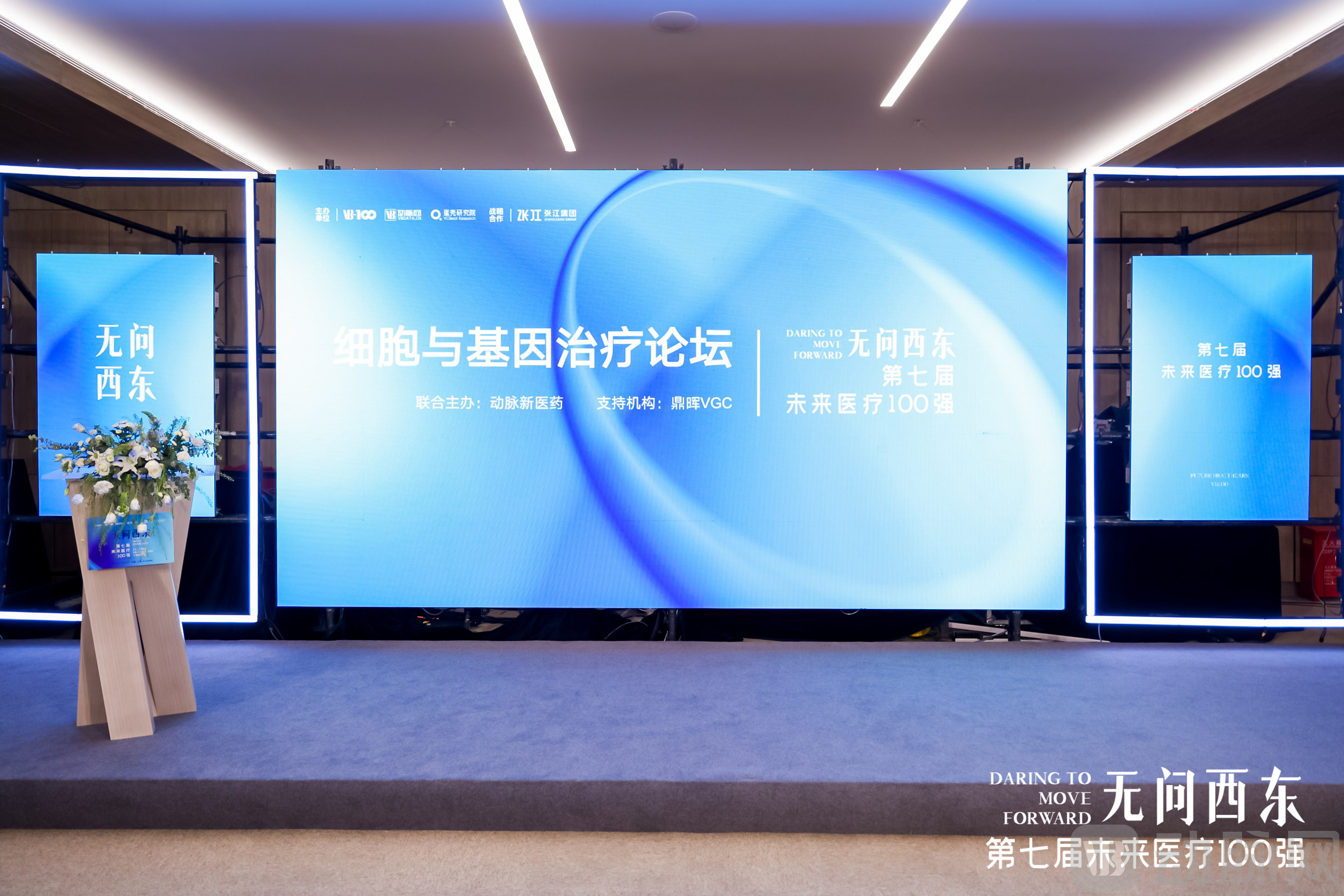
Event Venue
Moderated by Dr. Liu Dan, Senior Partner at CDH VGC, this forum explored the opportunities and challenges facing the cell and gene therapy industry in the new era from multiple perspectives, including investment, industry, academia, and clinical practice.
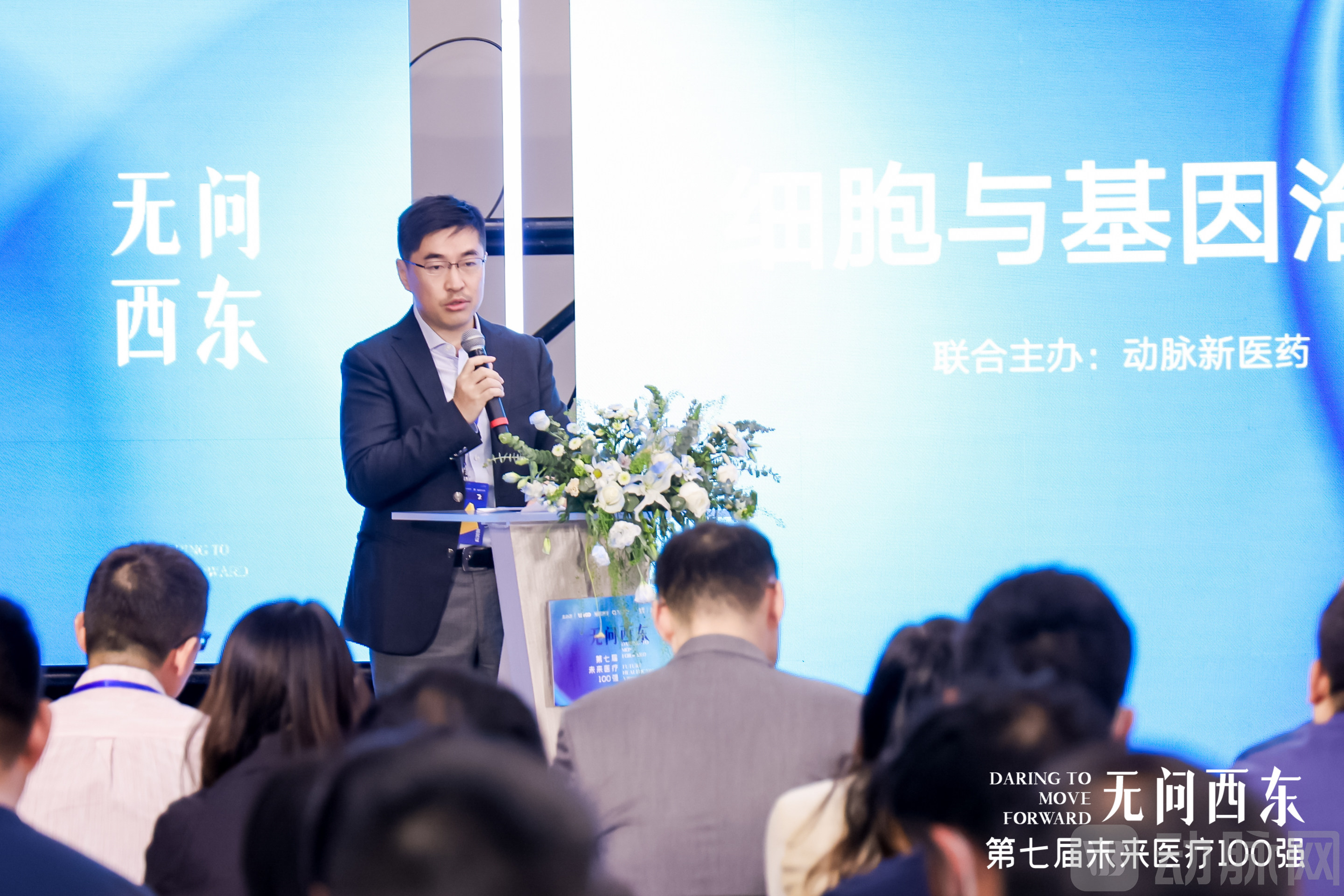
Liu Dan | Senior Partner, CDH VGC
Xing Cheng, Partner at Sherpa Investment Management, delivered a keynote address titled “Investment Strategies and Development Trends in Cell and Gene Therapy” from an investment perspective. He analyzed the latest advancements in the current cell therapy landscape, arguing that following breakthroughs on the commercial front, CAR-T therapies are becoming increasingly inclusive. He posited that enhancing production capacity, rather than addressing payment-related challenges, constitutes the critical issue. Furthermore, Xing asserted that domestic companies could gain a significant advantage over leading foreign pharmaceutical enterprises by reducing supply chain costs. He also shared his personal insights on market potential and strategies for further strategic positioning.
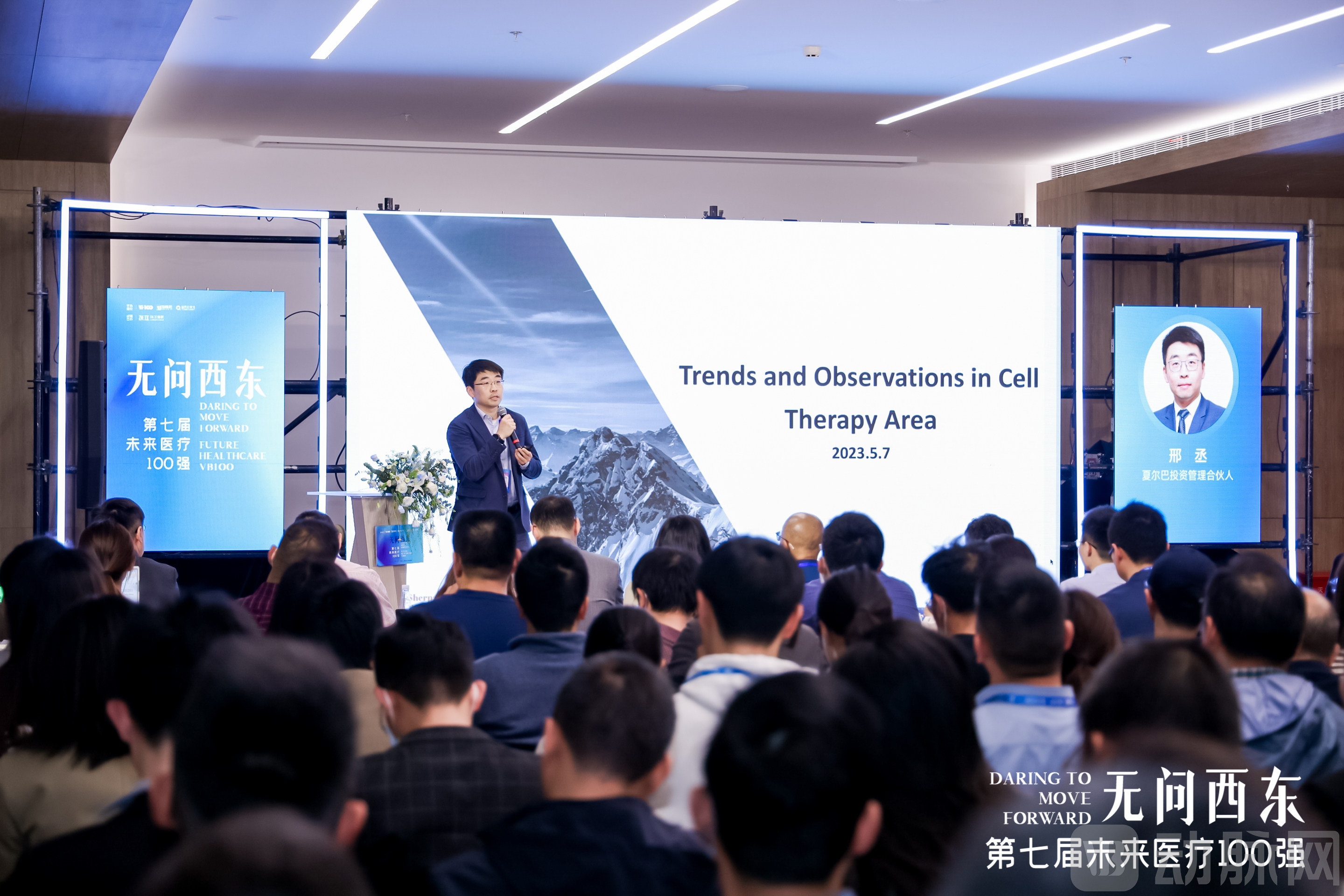
Xing Cheng | Partner, Sherpa Investment Management
From an industry perspective, Wang Enxiu, founder and chairman of Nanjing Kart Medical, delivered a keynote presentation titled “The New Frontier for Cell Therapy: How Far Are We from Treating Solid Tumors?” He updated the conceptual understanding of CAR-T therapy, arguing that breakthroughs in CAR-T should begin with innovations in its design.
“There are no structural constraints imposed on CARs. Adopting a functional definition helps broaden the scope: a CAR is an artificial receptor comprising two domains. Any moiety capable of recognizing tumor surface antigens can serve as the recognition domain, and any element capable of activating immune cells can function as the activation domain. There are no requirements for specific components, nor is there a mandate for single-chain or multi-chain configurations. By expanding the definition of CARs, expectations for the future of CAR-T therapy become more realistic, potentially addressing not only all hematologic malignancies but also solid tumors. Designing CAR-T therapies cannot be done in isolation; understanding the tumor microenvironment (TME) is essential for success. In the face of a TME with multiple unfavorable factors, we focus on energy metabolism to ensure immune cells receive adequate nutrients for proper function. Through design and structural modifications, we have implemented three physical changes, representing three key innovations. First, since CD-β is sensitive to arginine within tumors, we replaced it with an activation element that is insensitive to arginine. Second, to simplify complex issues during the design process, we engineered a multifaceted complex into a fusion protein. Third, we separated the recognition receptor from the activation receptor. These three innovations enable stable expression of CAR-T cells within the tumor microenvironment.”
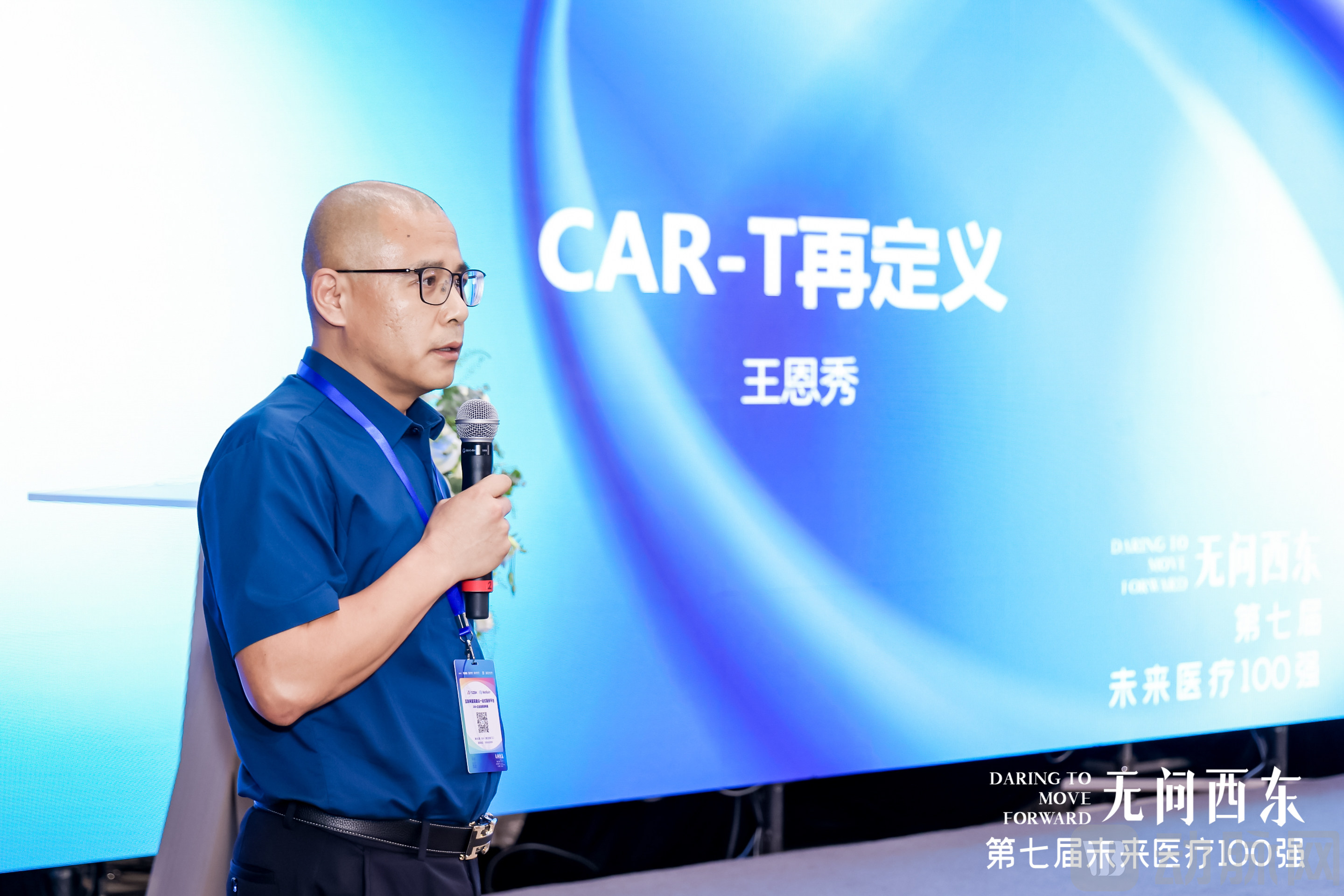
Wang Enxiu |Founder and Chairman of Nanjing Kati Medicine
In his keynote address, Dr. Wang Yi, Co-founder and CEO of Xinhe Bio, began with the fundamental principles of RNA, sharing insights into the clinical application potential of RNA technology in tumor neoantigen vaccines and highlighting the critical role played by AI algorithms.
“Currently, the value of therapeutic vaccines based on public neoantigens and personalized neoantigens in cancer treatment is becoming increasingly prominent. Personalized neoantigen vaccines are”Personalized vaccines tailored to individual patients based on genomic sequencing data. Public neoantigen vaccines involve genetic testing of patients to identify matching public neoantigens from databases; once a match is confirmed, treatment can be administered directly without waiting for manufacturing lead times. Xinhe Bio has developed personalized neoantigen vaccines for different individuals to meet the diverse needs of patients and is currently exploring their clinical efficacy across various cancer types, particularly those with high incidence in China. In the area of public neoantigen vaccines, our independently developed XH101 injection, a first-in-class public neoantigen tumor vaccine targeting a novel mechanism, had its Investigational New Drug (IND) application accepted by the Center for Drug Evaluation (CDE) this March, placing our R&D progress at the forefront of the industry. Looking ahead, Xinhe Bio aims to leverage its proprietary AI technology to deepen capabilities in neoantigen prediction, presentation, immunogenicity validation, mRNA design, and delivery systems.and other aspects of mRNA drug manufacturing processes, thereby better promoting the research and clinical application of mRNA tumor neoantigen vaccines.”
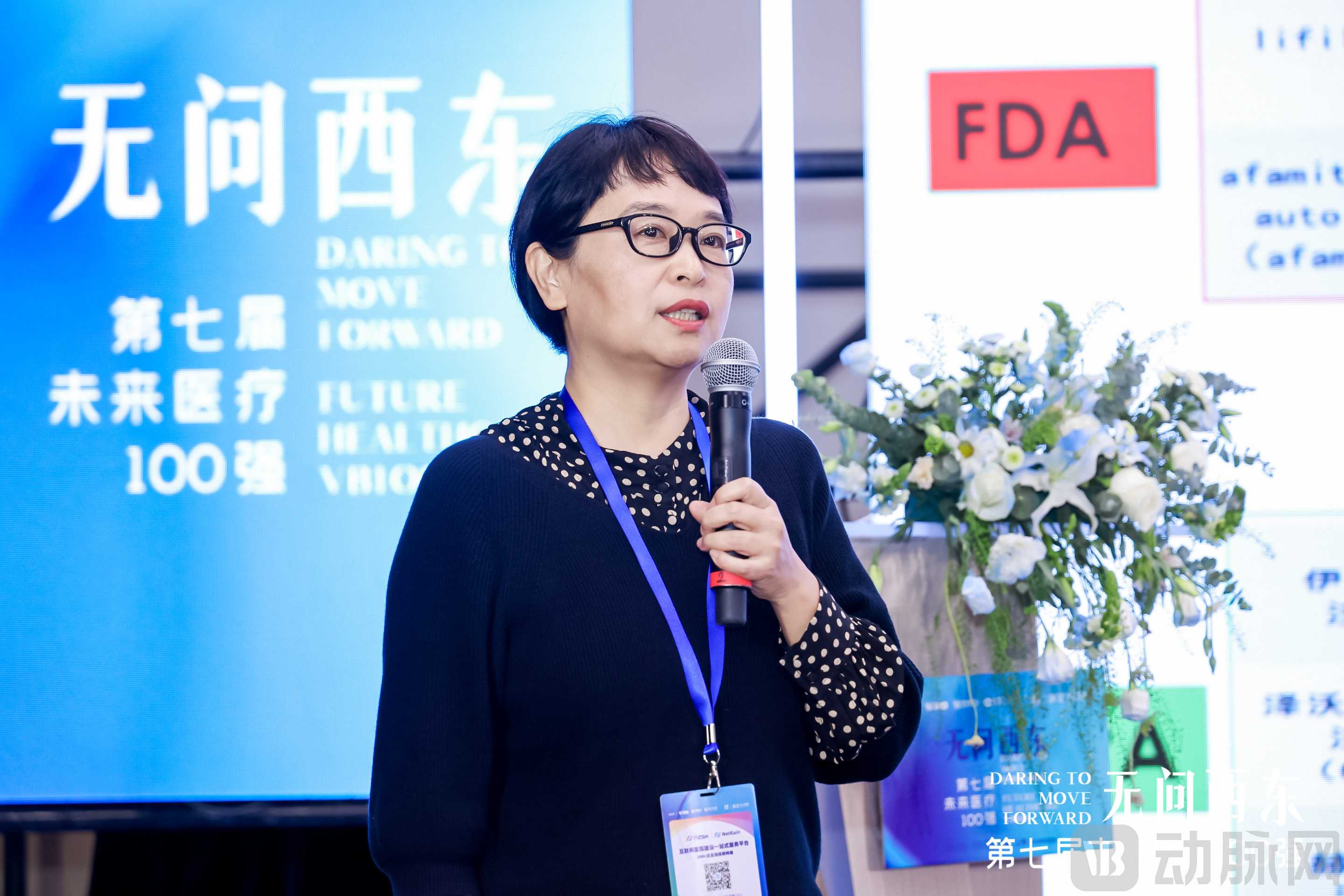
Tingting Wang | Chief Operating Officer and Chief Marketing Officer of NextCure
Zhang Ying, Co-founder and CTO of Zhongsheng Suyuan, delivered a keynote address titled “The Deep Waters of Cell Therapy: iPSC Technology Unveils a New Chapter,” providing an in-depth overview of the origins of induced pluripotent stem cells (iPSCs), the current landscape of functional cell-based drug development, and future prospects.
Since its inception, induced pluripotent stem cell (iPSC) technology has become a focal point of attention both within and outside the industry. Due to its numerous advantages, including unlimited expansion capacity, multilineage differentiation potential, and ease of genetic modification, it has emerged as a stable raw material source for downstream functional cell therapy products. Currently, with continuous advancements in reprogramming technologies, directed differentiation techniques, and stem cell culture methods, multiple iPSC-derived cell therapy products worldwide have entered clinical stages. Leveraging core patented iPSC technologies, we are continuously advancing a diverse pipeline of cell-based drug candidates in the areas of anti-inflammatory repair, tumor immunology, and regenerative medicine, among which our iMSC and iNK products have successively received approval to enter clinical trials. We believe that in the near future, iPSC-derived cell therapy products will be steadily and rapidly commercialized, providing a broader range of treatment options for patients.
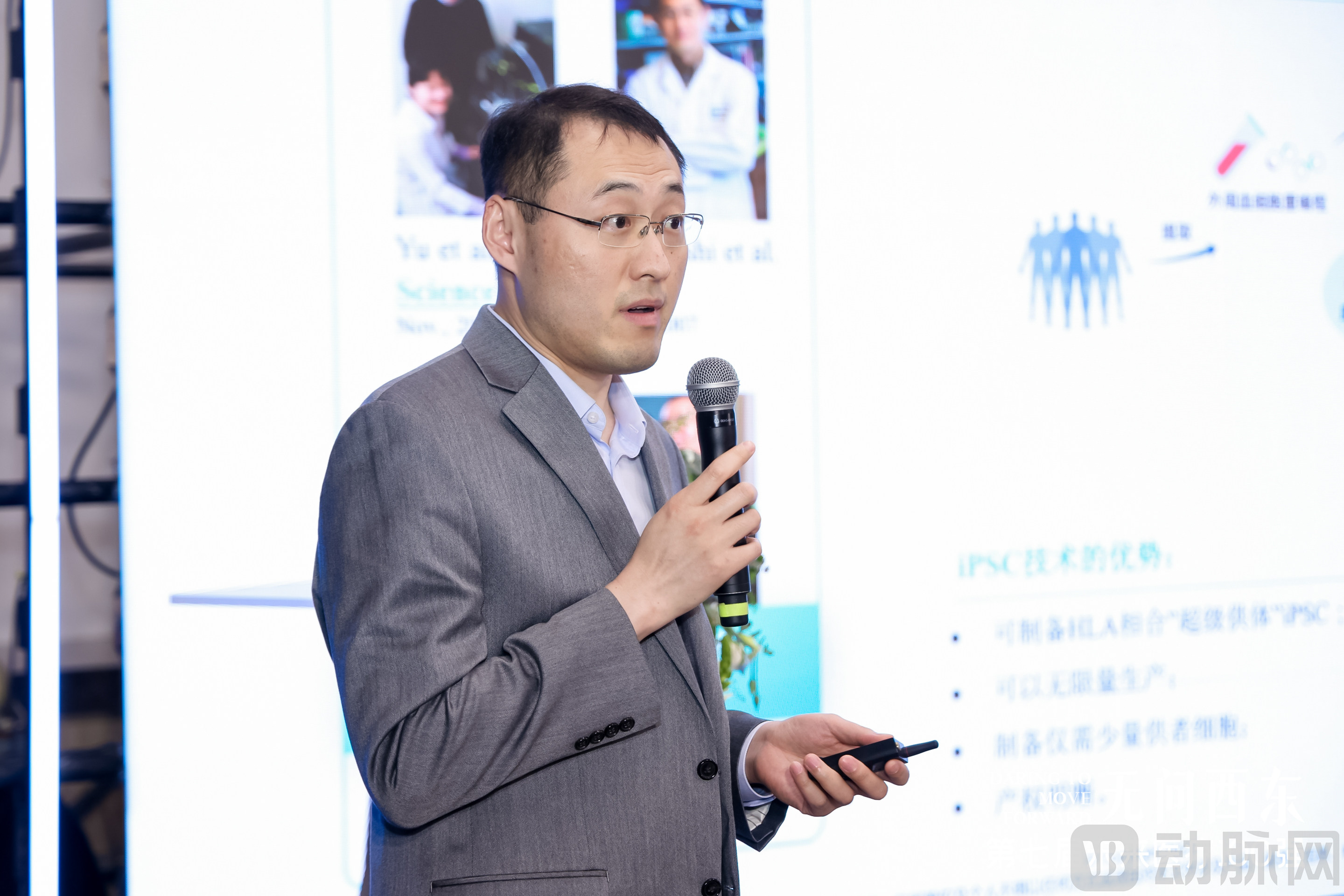
Zhang Ying | Co-Founder of Zhongsheng Suyuan
Yao Xuan, Co-founder and CEO of Huida Gene, delivered a keynote speech titled “Development and Application of Novel Gene Editing Tools,” focusing on gene editing at the source of the central dogma and sharing insights into Huida Gene’s CRISPR-Cas9 gene editing tool.
Gene editing tools are gradually transitioning from the laboratory stage to clinical development, playing a pivotal role in the development of gene therapy drugs. Currently, core intellectual property (IP) rights are monopolized by overseas entities, particularly those centered on Cas9. Existing gene editing tools also have certain limitations, such as constraints on targetable sequences, a narrow recognition range, and an inability to achieve highly precise editing across all genes and loci. To address these challenges, our company has developed a leading-edge system capable of targeted DNA editing. This system has already been applied in various fields, demonstrating highly efficient gene editing outcomes. Furthermore, we are continuing our R&D efforts to develop tools targeting CRISPR-Cas9 systems, with the aim of achieving significant breakthroughs in the future.
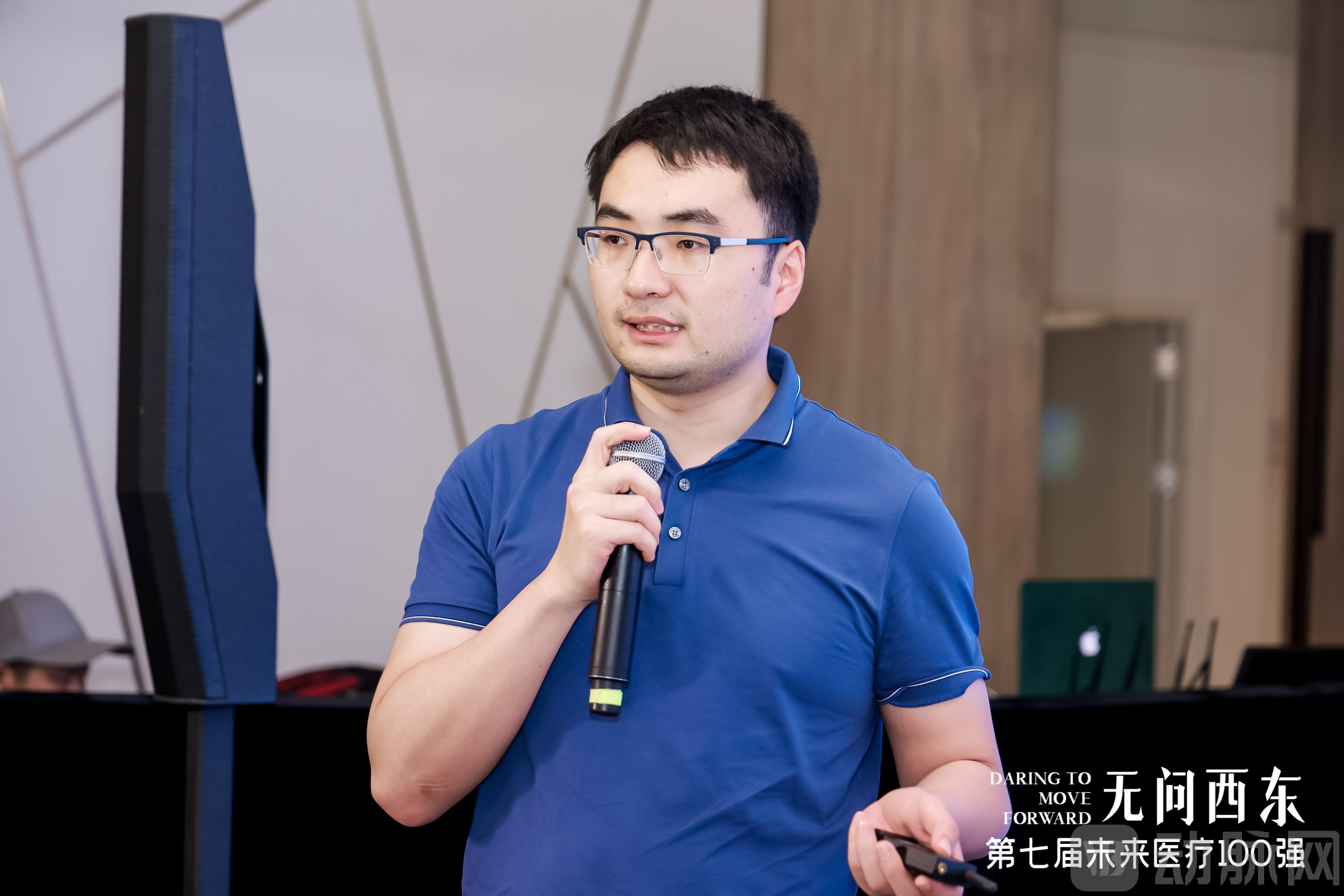
Yao Xuan |Co-founder and CEO of Huida Gene
Wang Yangzhou, CEO of Porton Biopharma, discussed how to help the industry reduce costs and increase efficiency from the perspective of a CDMO, thereby supporting enterprises in achieving high-quality and efficient development.
“As a professional CDMO, we aim to seize timing, opportunities, and resources to drive innovation and realize commercial value. Porton Biopharma has established a comprehensive, end-to-end CDMO service platform and accumulated extensive experience in CMC and project management. Different stages of drug development impose varying requirements on quality systems and technical platforms. Fortuitously, Porton Biopharma possesses the flexibility and innovative capacity to meet these needs. We continuously optimize and enhance our processes and platforms, while also building a robust CGT ecosystem. Working hand in hand with our partners, we are committed to delivering higher-value services, empowering clients and projects, and ensuring that high-quality medicines reach patients sooner.”
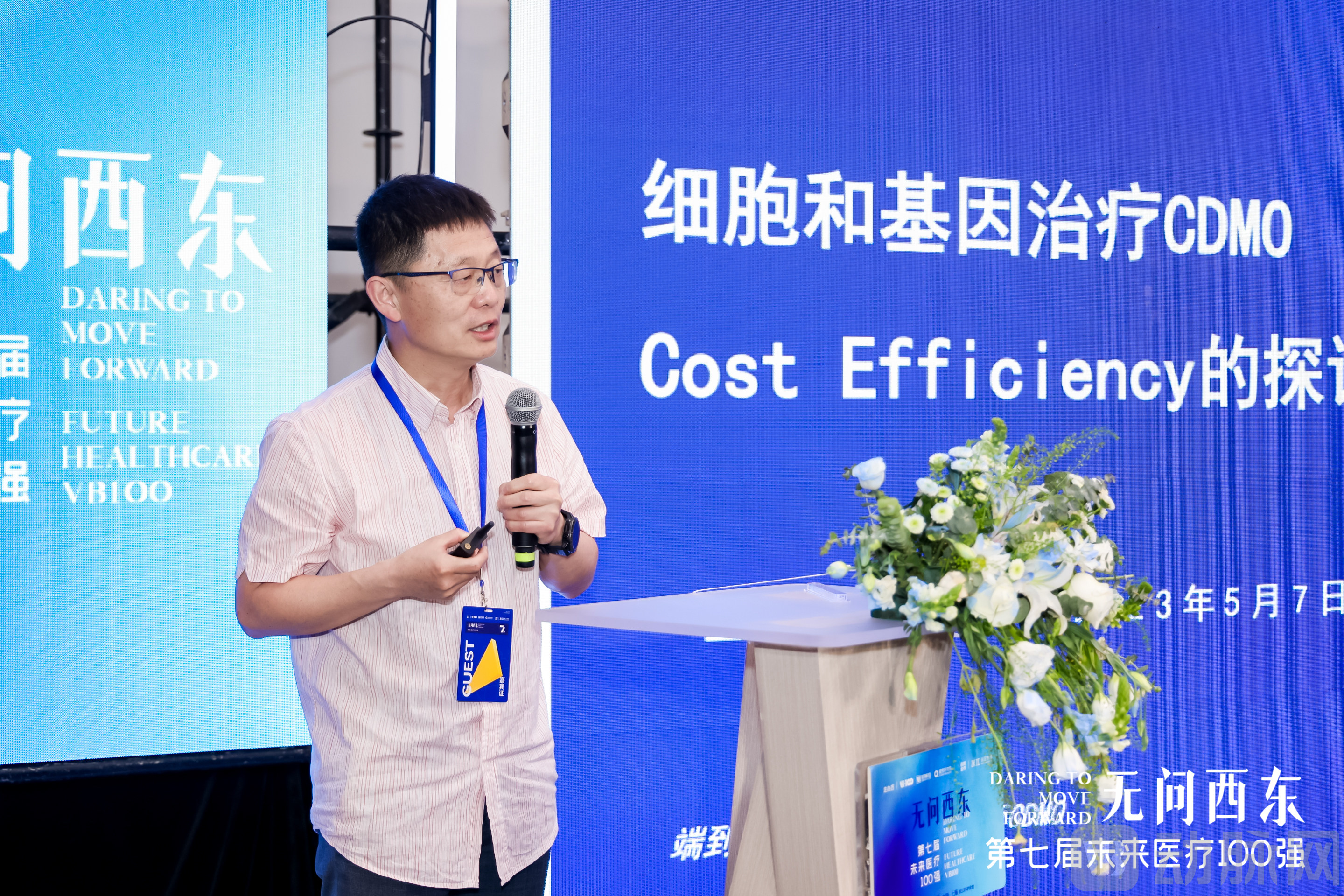
Wang Yangzhou | CEO of Porton Biopharma
ClinicalFrom the perspective of research insights, Professor Shen Pingping from Drum Tower Hospital, affiliated with the State Key Laboratory of Pharmaceutical Biotechnology at Nanjing University, delivered a keynote speech titled “Regulation of Macrophage Function and Drug Development Based Thereon.” By integrating clinical practice with the translation of clinical technologies, she shared advances in research on macrophage function regulation and related immunotherapy techniques, offering valuable inspiration for the translation of scientific achievements into industrial applications.
"Macrophages are conventionally regarded as a key component of innate immunity, with functions including phagocytosis, clearance of cellular debris and dead cells, and antigen presentation to activate adaptive immune responses. Macrophages in our body include tissue-resident macrophages and bone marrow-derived macrophages. The structure of CAR-M shares similarities with CAR-T; the design of its intracellular domain determines its function. Our technology development is actually based on 20 years of research at Nanjing University, focusing on the functional regulation of macrophages and their biological behaviors within the tumor microenvironment. This two-decade accumulation of research has enabled us to achieve a leap from basic research to applied development."
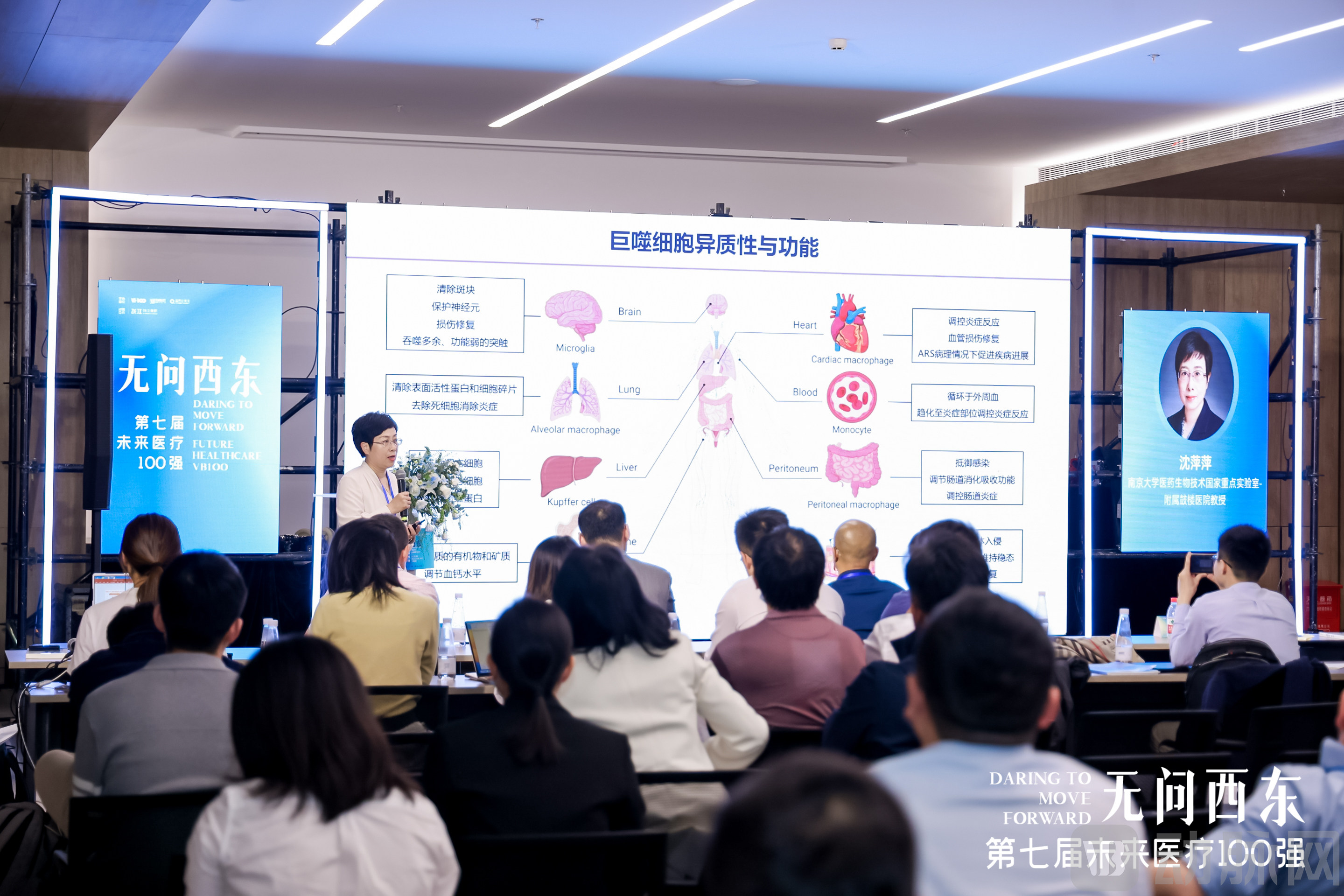
Shen Pingping | State Key Laboratory of Pharmaceutical Biotechnology, Nanjing University Affiliated Drum Tower Hospital
At the roundtable forum, Jiang Yinrui, Senior Vice President of Clinical Medicine at Shenxin Bio, analyzed the challenges and opportunities in business development (BD), regulatory affairs, and manufacturing from the perspective of delivery platforms. Wang Tingting examined the equilibrium points and emerging trends between future CDMOs and in-house operations. Chen Yijun, Co-founder and CEO of Yuanmai Cell, shared insights into the developmental experiences and trends that CAR-T therapy has brought to other cellular therapeutic vectors, including NK cells and macrophages. Xiang Bin, Founder of Hedoo Bio, discussed strategies for balancing rigorous biomedical products with distinctive consumer-oriented business lines, as well as their respective potential in the future development of cell and gene therapy (CGT). Addressing questions concerning the industrial environment and industry-specific challenges, the panelists expressed confidence in the sector’s prospects.
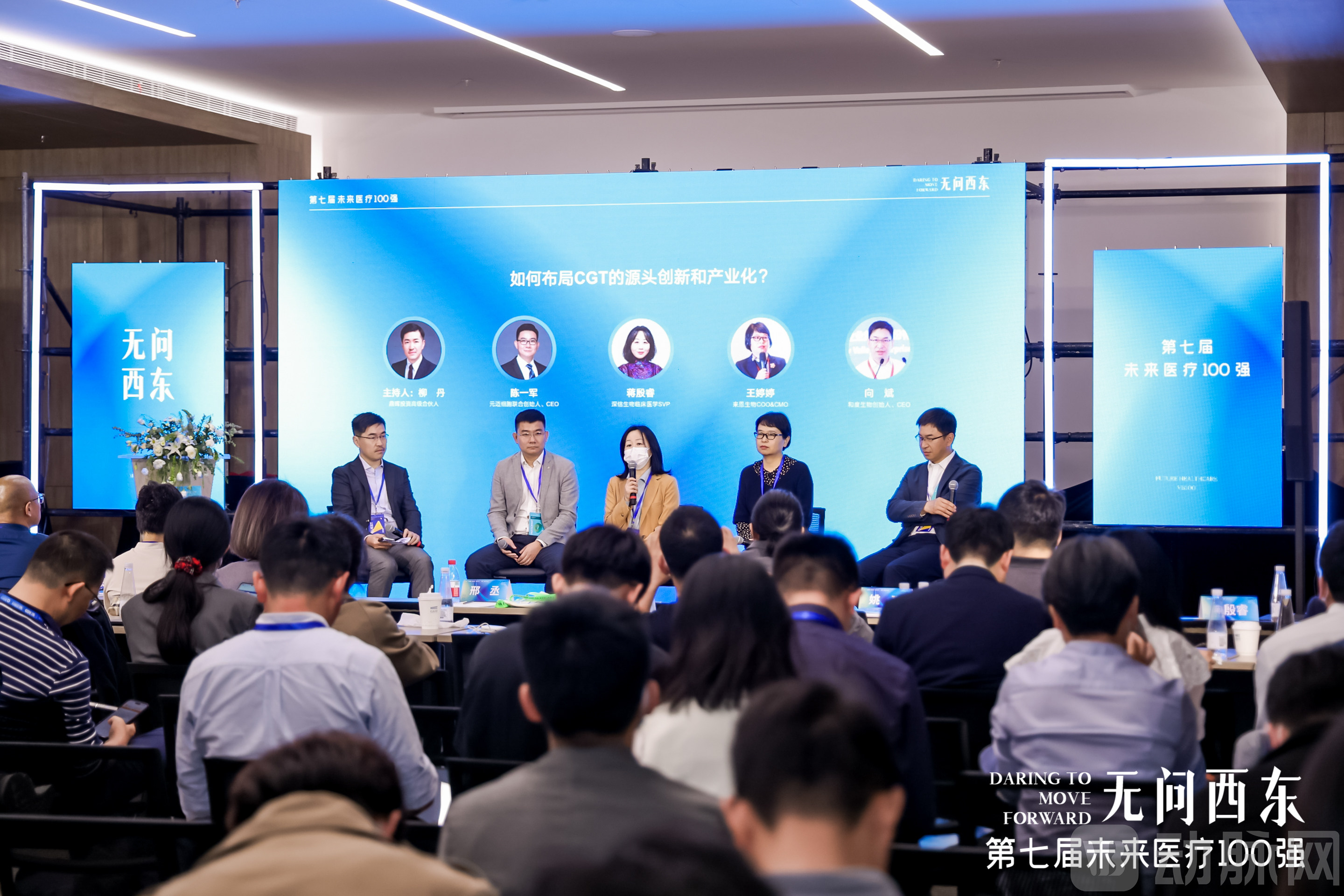
Group Photo of Roundtable Forum Guests
 Event Site
With this, the “Cell and Gene Therapy Forum” sub-forum has successfully concluded! We look forward to the excellent insights shared by our distinguished guests bringing further inspiration and support to our industry. We believe that through this exchange and our joint exploration of the industry’s development direction, we will inject new vitality and momentum into its growth, accelerate rapid industry advancement, and usher in a promising future for the sector!