

Why RNA Therapeutics Continues to Garner High Expectations: Insights from the Future Healthcare 100 RNA Therapeutics Forum
On May 6, the RNA Therapeutics Forum of the “7th Future Healthcare 100 Conference,” hosted by VCBeat, VB100, and Eggshell Research Institute, and co-hosted by Huagai Capital and VCBeat New Medicine, was successfully held.
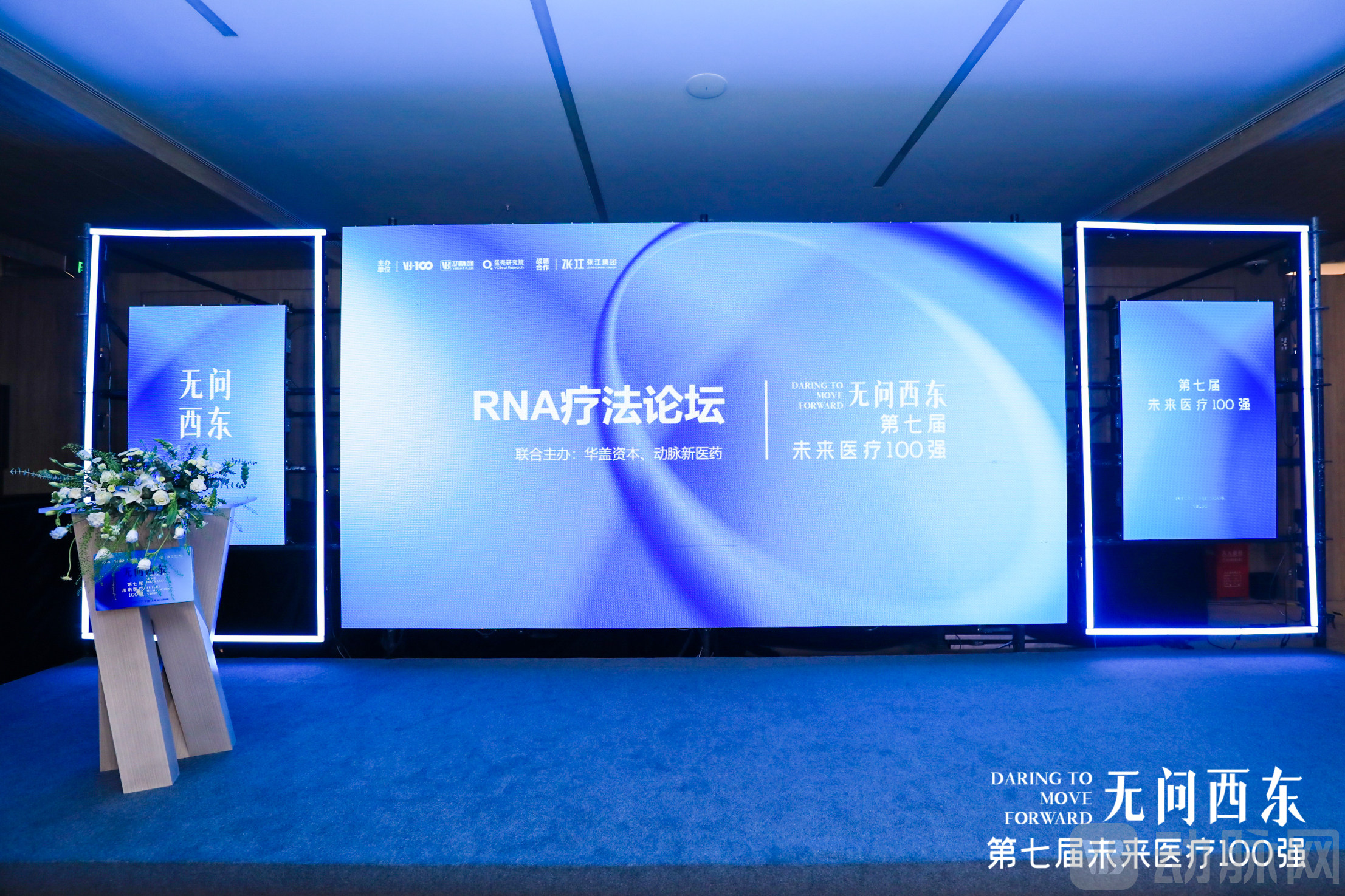 On-site Photos
Moderated by Zhu Xinxing, Deputy Director of Yangtze River Delta Investments at Huagai Capital, the forum brought together guests from the investment, industry, and academic sectors to explore the opportunities and challenges facing RNA therapies in the new era, injecting fresh momentum into their research and development.
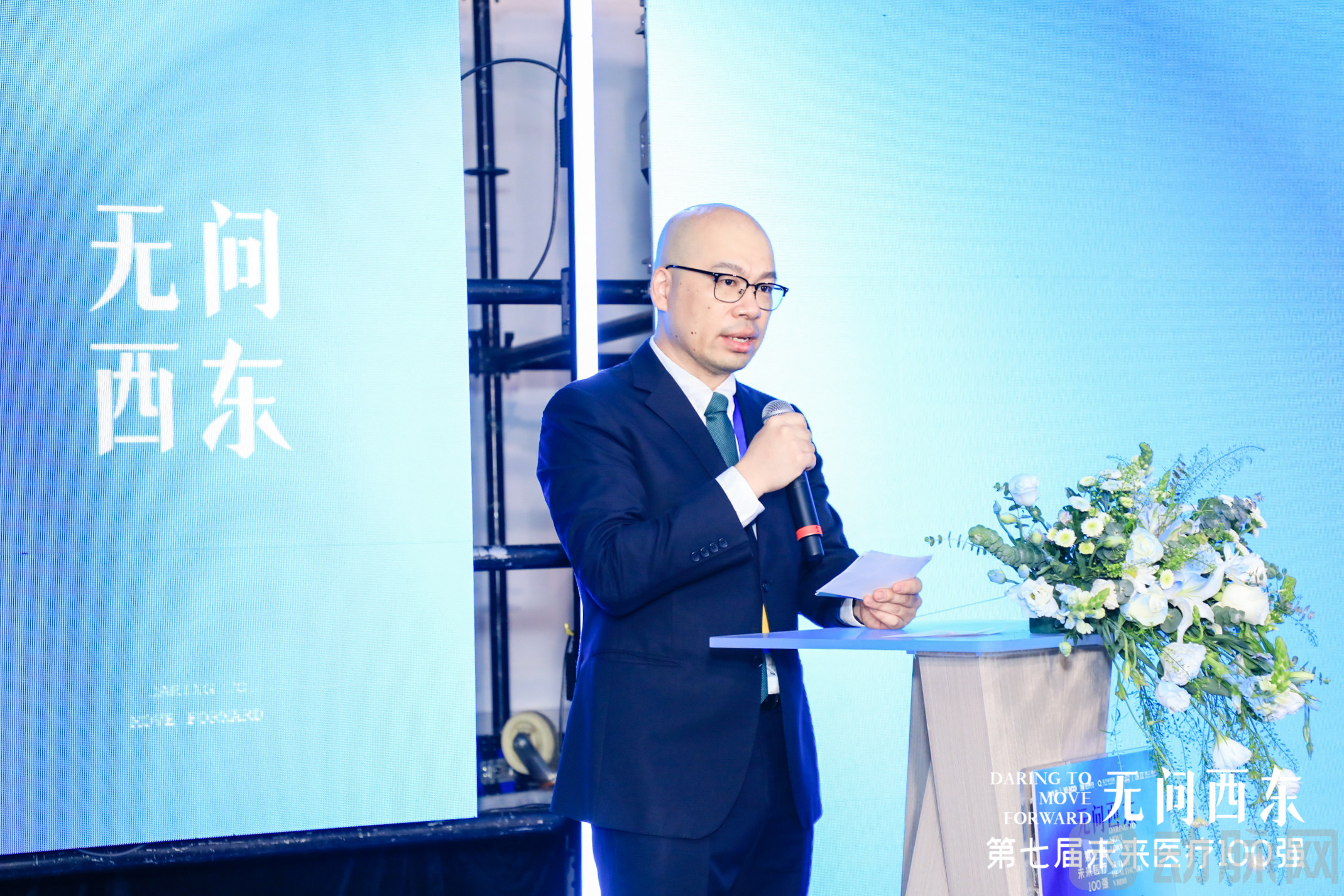
Zhu Xinxing | Deputy Director, Yangtze River Delta Investment, Huagai Capital
Professor Zhang Chenyu, Dean of the School of Life Sciences at Nanjing University, delivered the keynote address to open the forum. He analyzed the current state of RNA delivery technologies both domestically and internationally, asserting that China’s third-generation technologies in the small RNA field have surpassed those of other countries, and subsequently highlighted the advantages of China’s RNA technologies.
“RNA therapy received the Nobel Prize as early as 2006 and attracted widespread attention; however, it failed to achieve clinical application due to the inability to effectively deliver it in vivo. The third-generation RNA therapy has mastered disruptive technologies in this field. First discovered by our team, miRNA can exist stably in vitro, thereby opening up a new frontier in extracellular nucleic acids. The foundation of the third generation lies in using the patient’s own tissues as bioreactors and employing exosomes as carriers for the delivery of small nucleic acid drugs. All cells are capable of secreting miRNA. When cells are stimulated, they selectively encapsulate miRNA and then secrete it. After exocytosis, the miRNA is delivered to relevant tissues and cells, where it is released to exert the corresponding therapeutic effects. Meanwhile, its dosage is approximately one-thousandth of the concentration of currently known bases and cytokines. The fact that it can be effective at such low concentrations constitutes the basis of our third-generation RNA therapy. This so-called disruptive technology is akin to a paper window covering: it could only be revealed following breakthroughs in our basic research. Once this barrier was breached, other similar therapies or drug developments followed naturally.”
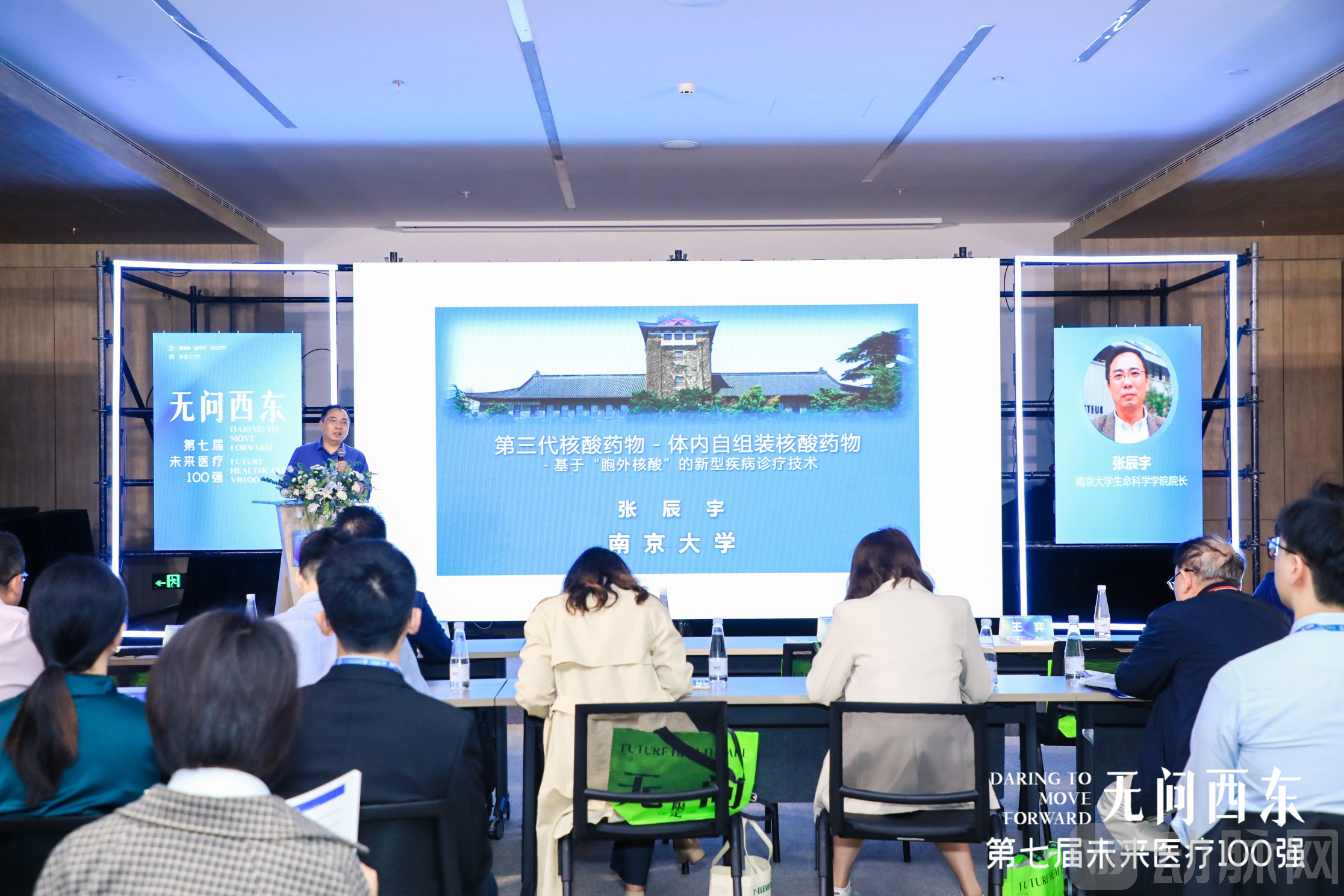 Zhang Chenyu | SouthDean, School of Life Sciences, Peking University
Professor Li Xin, Qiushi Distinguished Professor at Zhejiang University and Executive Director of the RNA Medicine Center, believes that compared with other drug modalities, RNA therapeutics offer advantages such as a broader range of targets, but also face challenges in design, delivery, and manufacturing. This report focuses primarily on the challenges in RNA engineering.
“Compared with other drug modalities, RNA therapeutics offer numerous advantages, including a broad range of targets, no risk of inducing genomic instability, and easier delivery. The challenges in RNA drug development mainly fall into three categories. First, design. Sequence design must not only be precise and effective but also optimized to accelerate translation speed while accounting for degradation regulation. This requires an understanding of the specific cell and tissue types involved to enable targeted RNA drug design. Second, delivery. The primary goals are to enhance specificity and efficiency; however, the process is complex, requiring rigorous quality control at every step. Third, manufacturing. Production and purification are critical stages, as the mRNA manufacturing process can generate small amounts of double-stranded mRNA byproducts. These byproducts can trigger immune responses, thereby compromising drug efficacy. In summary, the underlying logic of RNA engineering is to ensure RNA stability and controlled translation. Since these factors vary across different cells and tissues, it is essential to understand the fate of RNA after cellular entry in various applications to guarantee therapeutic efficacy.”
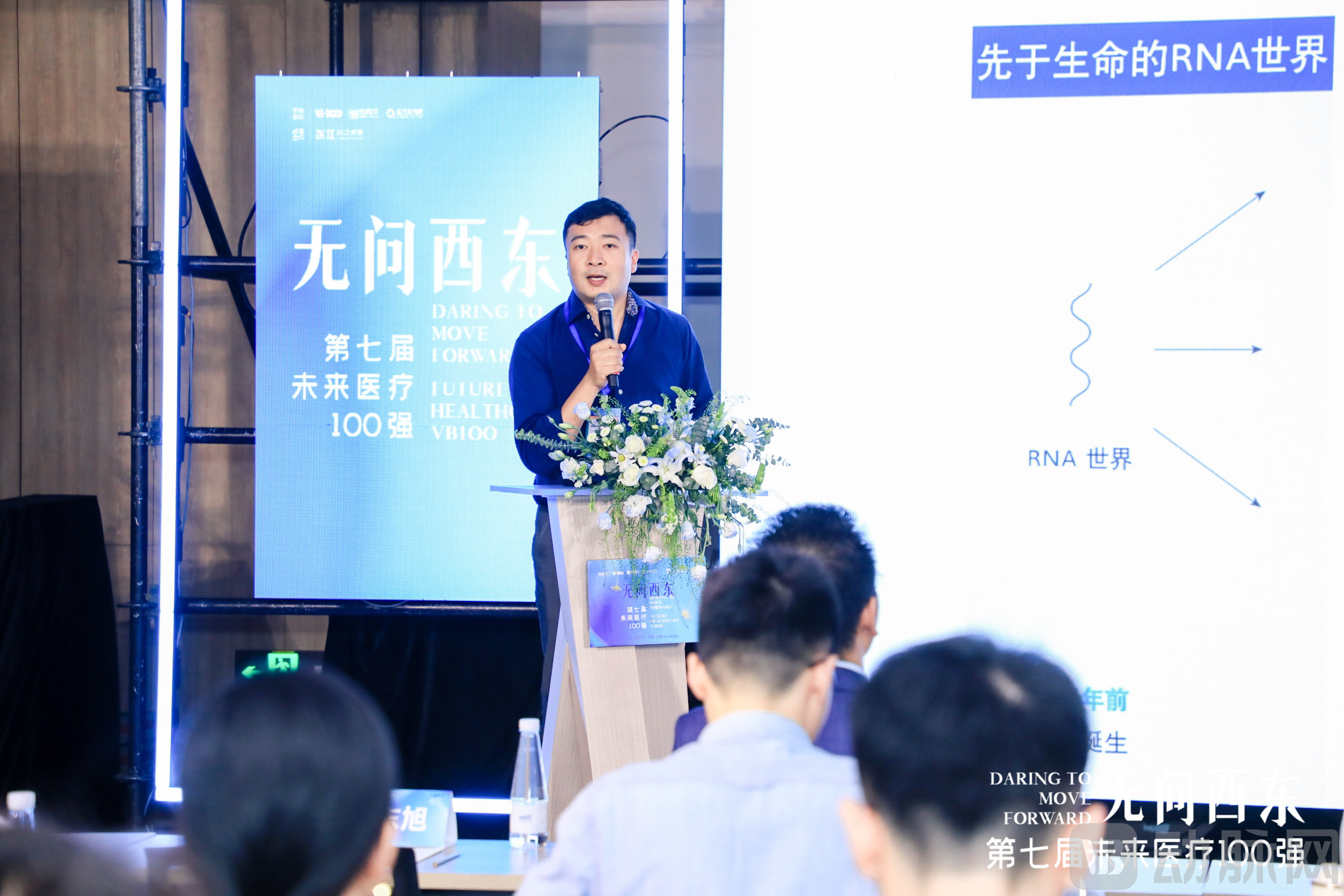 Li Xin | ZhejiangDistinguished Professor of Zhejiang University, Director of Scientific Research at the RNA Medicine Center
Gong Xinjiang, CSO of Dingtai Group, delivered a keynote address on new key points in the nonclinical evaluation of cutting-edge RNA therapies. He posited that nonclinical research serves as a bridge between molecular discovery and human clinical trials. Drawing on relevant technical guidelines, industry consensus, and team experience, he highlighted the critical role of nonclinical studies during the screening and development phases of RNA drugs, outlined strategic approaches and key considerations for their nonclinical evaluation, and addressed hot topics regarding how to conduct nonclinical studies in compliance with regulatory frameworks to support Investigational New Drug (IND) applications.
“The emerging research trend in this field is the expansion of RNA therapeutics from monogenic rare diseases to common and chronic conditions, leading to heightened requirements for target validation and increased scrutiny of safety risks by both developers and regulatory authorities. Meanwhile, we face challenges in mitigating potential off-target toxicity and developing extrahepatic targeted delivery systems. To address these challenges, it is essential to employ more efficient, sensitive, and translationally relevant in vitro and in vivo models for screening and evaluation, which constitute a critical component of our non-clinical research efforts. Furthermore, numerous personalized products require initial proof-of-concept studies, while marketed or clinically staged products need to expand into new indications; in this process, non-clinical studies serve as a vital evaluation tool. In supporting Investigational New Drug (IND) applications, Dingtai Group has accumulated extensive and mature practical experience in non-clinical research.”
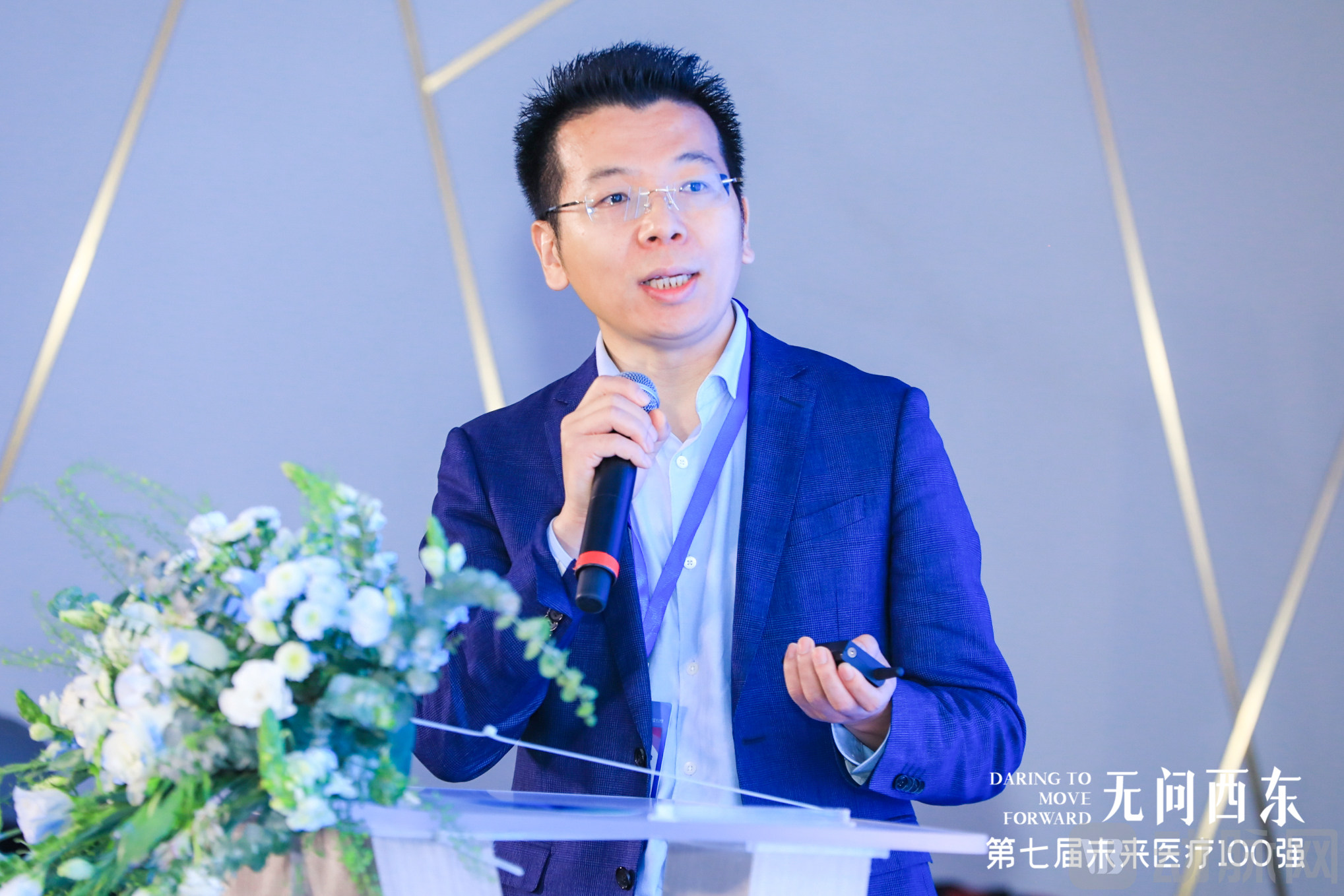
Gong Xinjiang | CSO of Dingtai Pharmaceutical Research
In his keynote address, Wang Yi, Co-founder and CEO of Xinhe Biologics, began with a product-centric perspective to examine the entire landscape of mRNA therapeutics. He highlighted the clinical application potential of tumor neoantigen vaccines and discussed how algorithms can facilitate progress in advancing these applications.
“Tumor vaccines currently have two major product directions. One is personalized vaccines, which involve sequencing and customization using patient samples. The other major direction is public neoantigen vaccines, which target a specific cancer type by identifying antigens capable of covering both patients and tumors. These vaccines are developed first, followed by patient validation. If proven effective, they can be administered directly without waiting for the entire manufacturing cycle.”
Xinhe is now focusing on personalization, continuously exploring whether specific patient populations or those with certain cancer types—particularly the high-incidence gastrointestinal cancers in China—can benefit from this class of therapies. In addition, we are continuing our work on public neoantigens. In March this year, we completed the Investigational New Drug (IND) application for our first gastric cancer public neoantigen vaccine. The vaccine was designed by screening hundreds of patient samples collected domestically to identify novel targets. Xinhe’s future development path spans from multi-omics data acquisition and algorithm-driven target discovery and RNA optimization, to RNA production, clinical trials, and final pharmacodynamic evaluation. The company is built around this integrated logic to better advance the expansion of its RNA drug technology platform and the clinical application of tumor vaccines in patients.

Wang Yi | Co-founder and CEO of Xinhe Biologics
Shu Dongxu, Founder and CEO of Bowang Pharmaceuticals, analyzed the key milestones in the industry’s technological development, as well as the opportunities and trends in the development of small nucleic acid drugs.
“Following the Nobel Prize awarded for RNA therapeutics in 2006, stock prices remained flat. It was not until Alnylam Pharmaceuticals achieved a technological breakthrough in chemical modifications in 2012 that the stock prices of companies in this sector reached an inflection point. The second key milestone for the industry occurred in 2016, when many companies recognized the opportunities presented by these chemical breakthroughs. The third milestone came in 2019, when Novartis gained approval for its oligonucleotide drug, marking the transition of such therapies from rare diseases to common conditions. Looking ahead, the industry presents several opportunities. First, oligonucleotide therapies are expanding from rare diseases to common diseases. Second, regarding drug delivery, most currently approved products target the liver; we believe that modifying ligands or substituting them with alternative ligands could enable delivery to a broader range of organs. Third, various novel oligonucleotide modalities are poised for corresponding technological breakthroughs and the development of new products, including gene editing and RNA editing technologies already in clinical trials. These technological advances will help translate scientific discoveries into products that meet clinical needs.”
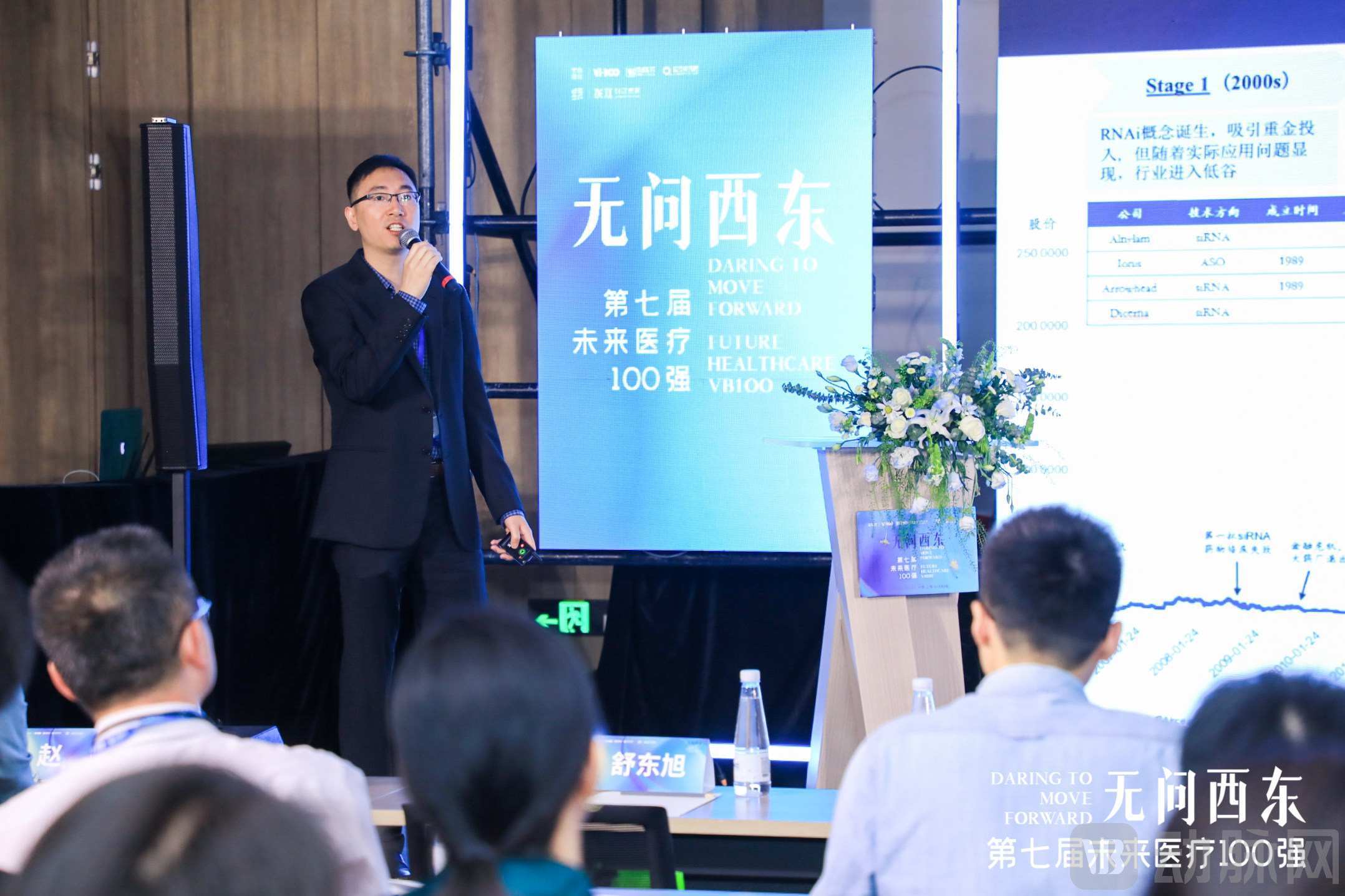
Shu Dongxu | Founder and CEO of Bowang Pharmaceuticals
Jiahai Shi, Co-founder of Carmine Therapeutics, shared key insights about the company and offered his perspectives on the most pressing concern for both academia and industry: how to precisely deliver large-fragment nucleic acids to target sites.
"Viral vectors were commonly used in the earliest gene therapies. Later, with the rise of Moderna, lipid nanoparticles (LNPs) began to be utilized for mRNA delivery. Our approach falls under non-viral gene therapy, primarily leveraging extracellular vesicles derived from red blood cells. We use human O-negative red blood cells, employing the extracellular vesicles they produce as delivery vehicles for all types of nucleic acids, including small nucleic acids, long-chain mRNA, and DNA. The advantage of this method is that it largely eliminates the need for large-scale cell culture, making the entire process exceptionally rapid."
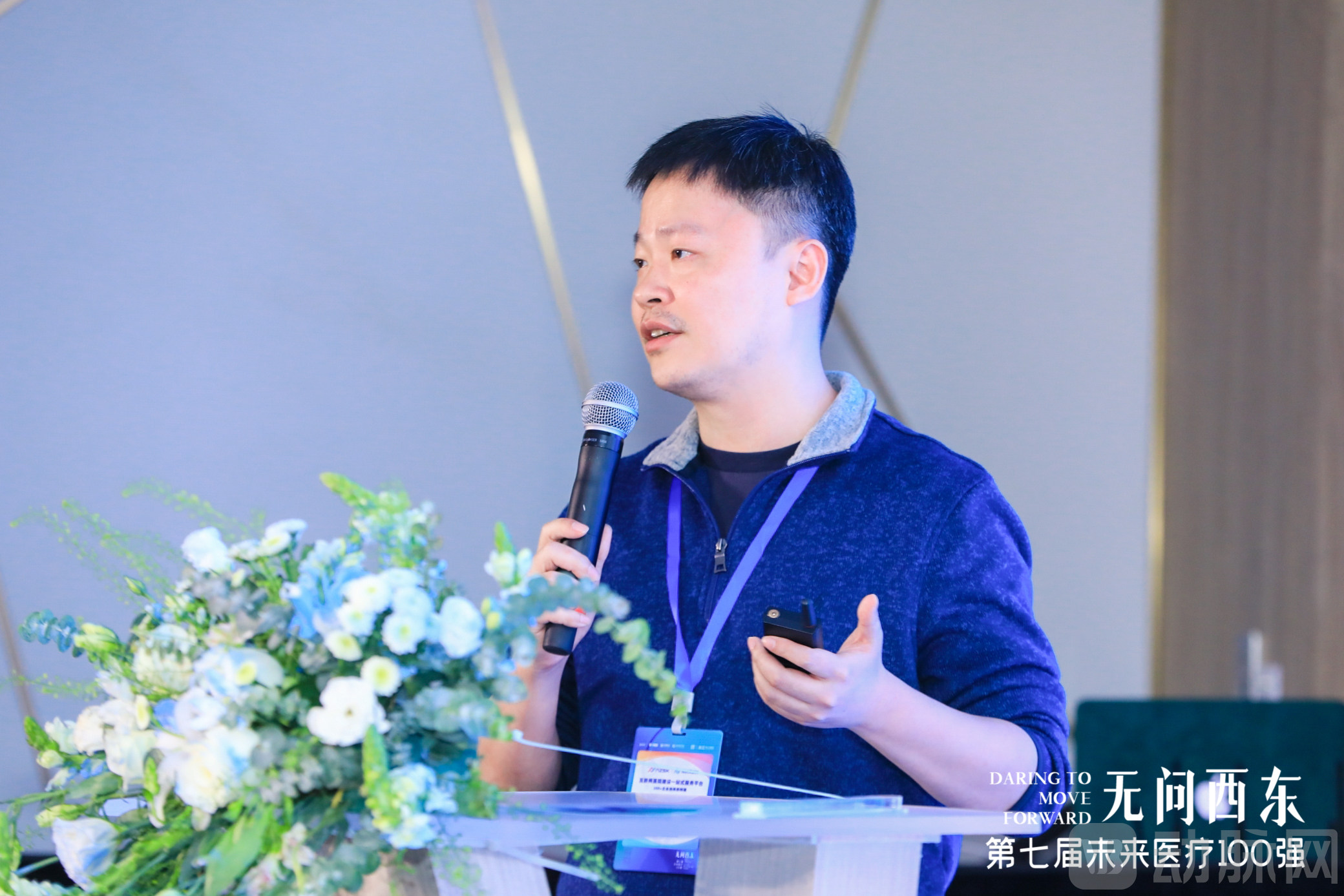
Shi Jiahai |Co-Founder of Carmine Therapeutics
Contract Development and Manufacturing Organizations (CDMOs) play a pivotal role in the new drug development ecosystem. In the field of RNA, how do CDMOs collaborate with pharmaceutical developers to address challenges and pain points in research and development, manufacturing, quality control, and industrialization? Zhao Sheng, Vice President of ImmuneOnco and General Manager of Nanjing Hongming Biotechnology, addressed many of these questions in his keynote speech.
“In terms of production and design, quality control (QC) is theoretically required at every step. The key aspects of QC can be broadly summarized into three areas: templates, mRNA, and delivery systems. In our company, corresponding QC measures are implemented across all stages, from the seed bank to plasmids and finally to mRNA. Considerations also include scalable production and cost control. Once the mRNA manufacturing process is established, other types of RNA can theoretically be produced as well, allowing us to offer services based on the needs of product companies. From an industrialization perspective, if CDMOs handle the manufacturing, equipment utilization rates will be higher, enabling service to multiple clients and thereby reducing relative costs. This creates a win-win situation for both parties, and the same principle applies to other drugs.”
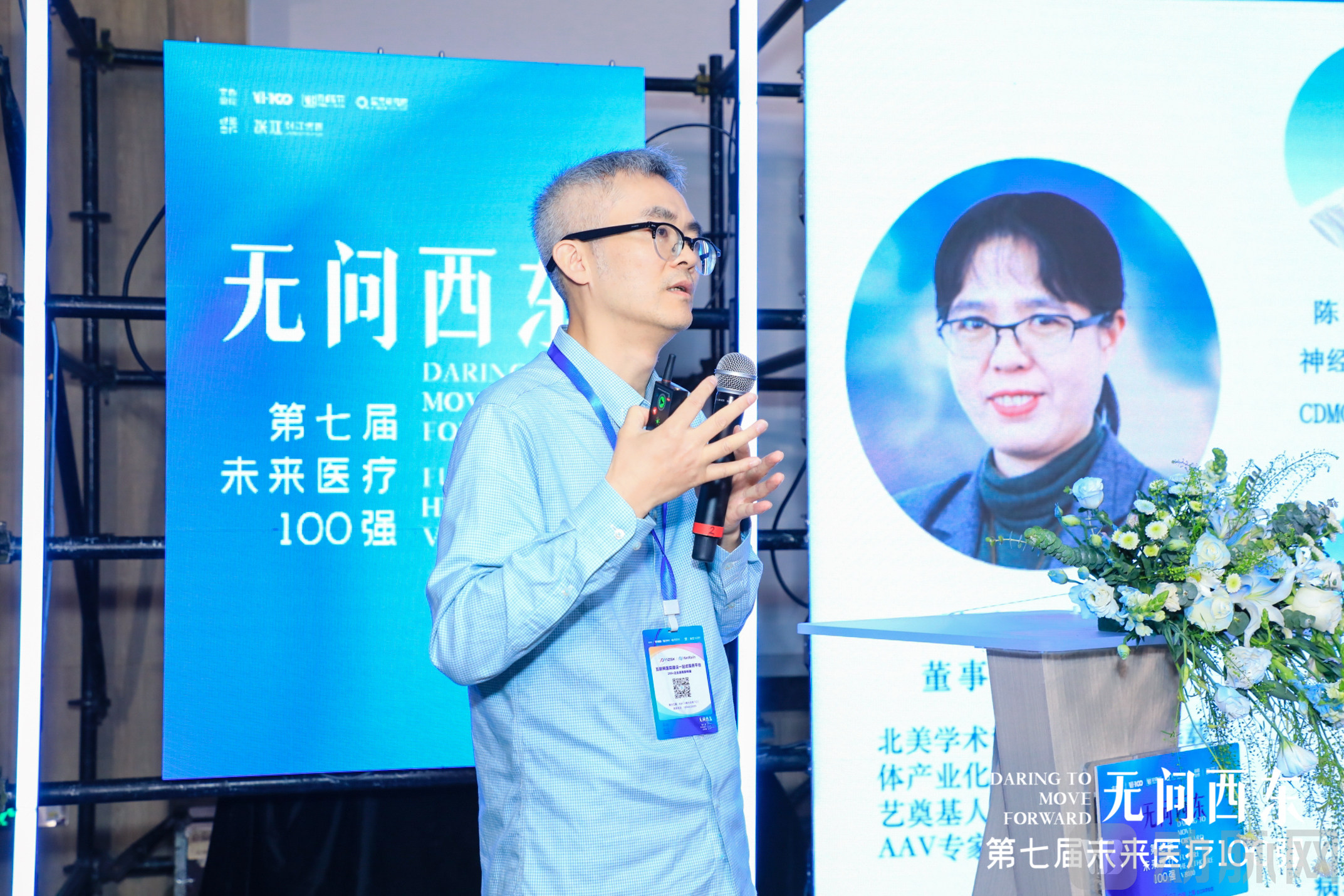
Zhao Sheng | Vice President of Yiming Cell, General Manager of Nanjing Hongming Biotechnology
Moderated by Deng Liang, Partner at Huagai Medical Early-Stage Fund, the roundtable discussion featured Shi Jiahai, Shu Dongxu, Yuan Jijun (Executive Vice President of Abogen Biosciences), and Zhao Sheng. The panelists engaged in an in-depth dialogue on key topics including future non-COVID-19 vaccine indications, trends and strategic directions for RNA companies, novel delivery technologies and systems, and how CDMOs can provide high-quality services to support RNA drug development. They shared highly insightful perspectives and offered numerous recommendations with significant potential to drive industry advancement.
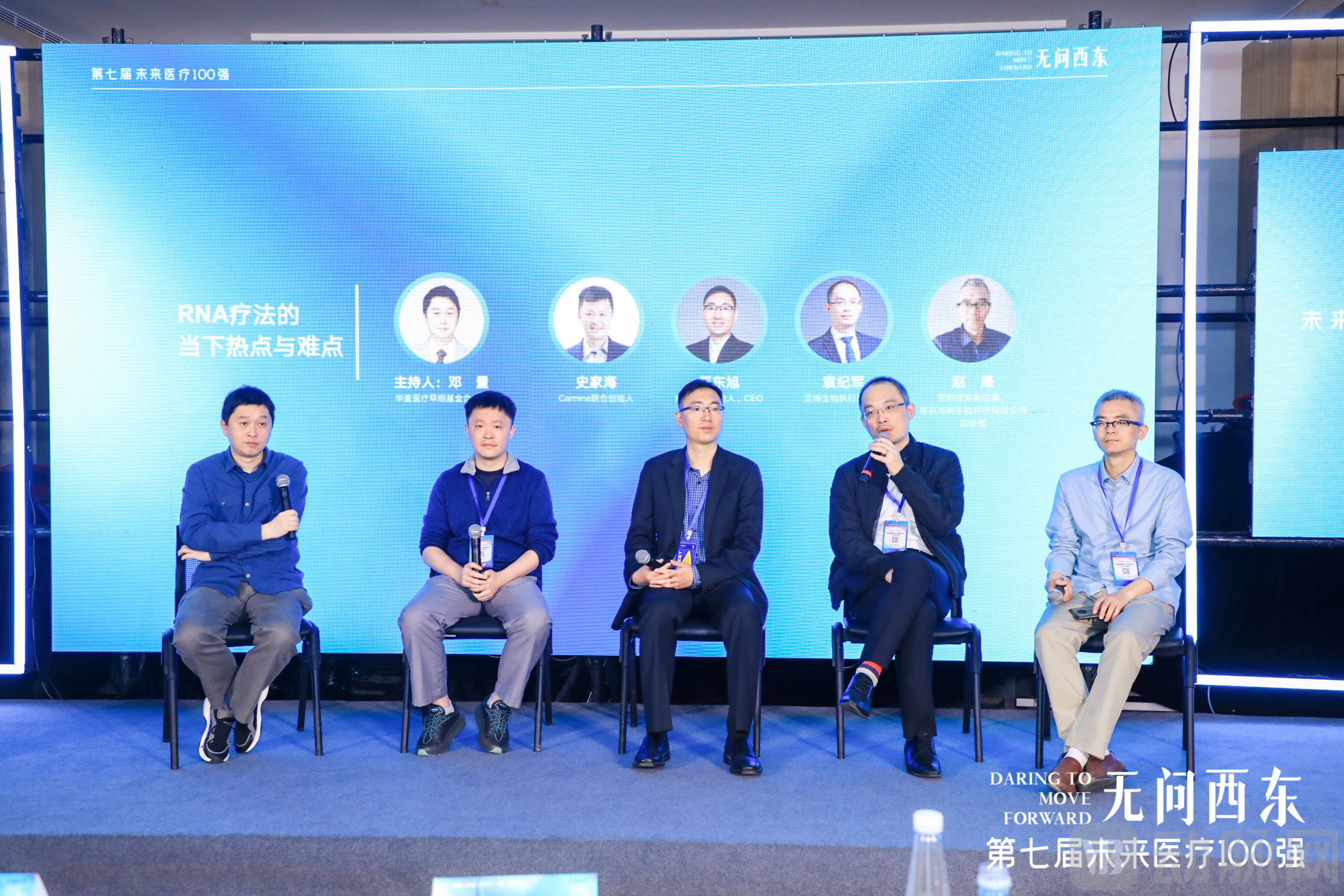 Group Photo of Roundtable Forum Guests
With this, the “RNA Therapeutics” sub-forum has come to a successful conclusion! Looking back on the conference, we have not only witnessed the development trends and innovative achievements shaping the future of healthcare, but also recognized the power of industrial collaboration and innovation. RNA therapeutics are poised for even broader growth opportunities!