

Seven Cutting-Edge Projects Unveiled: How Close Is China's Medical Innovation to Successful Commercialization?
Whether or not practitioners in the healthcare sector realize it, the innovative concept of integrating medicine and engineering has already begun to lead the transformation and practice of independent innovation and domestic substitution in China’s medical industry. Innovative elements from government, industry, academia, research, healthcare, and capital are converging and revitalizing with new vitality.
The Era of Translating Scientific Research Achievements Has Begun。
The transition between old and new eras brings countless opportunities for development. How can we seize this momentum to substantially promote the innovation and translation of more medical products? Recently, at an event co-hosted by VCBeat VB100, VCBeat Research Institute, and Dongmai Chengguo Bureau,Roadshow for the Commercialization of Scientific Research AchievementsMr. Xu Rong, Vice President of the Shanghai Technology Exchange; Ms. Lei Juan, Director of the Western China Medical Technology Transfer Research Center; Mr. Meng Yu, General Manager of Zhongke Yucheng; Ms. Han Yan, General Manager of Guochuang Yizhi; Ms. Wang Jingjing, Executive Director of the Global Health Industry Innovation Center at Tsinghua Industrial Research Institute; Mr. Wang Yingqi, General Manager and Co-founder of Topcare Medical; Ms. Dai Chen, Managing Director of Hetang Venture Capital; and Mr. Yu Xiang, Managing Director of CAS Star, drew upon their in-depth insights into the field of scientific and technological achievement commercialization,Shared extensive practical insights on the current development trends of the healthcare industry from multiple perspectives, and attempted to provide a framework for addressing related questions.. In addition, for this roadshow event, the Shanghai Technology Exchange, Zhongke Yucheng, and the Sichuan Western Medical Technology Transfer Research Center served as supporting organizations; Hetang Venture Capital and CAS Star were recommended as supporting investment institutions.Seven Frontier Projects Unveiled, embrace capital and the market.
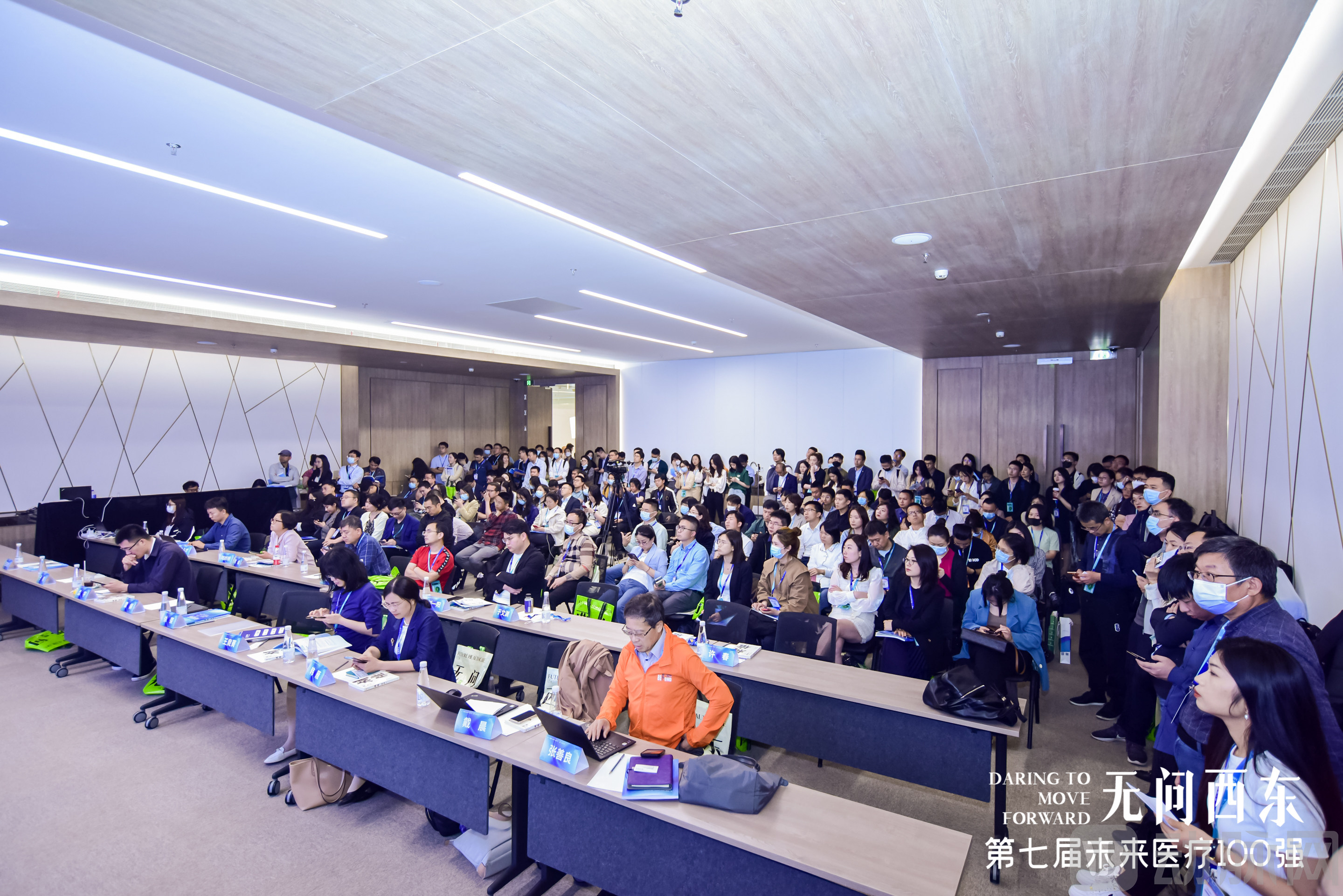
The image shows the scene of a roadshow event for the commercialization of scientific research achievements.
VBInsight has curated and distilled the key insights from the roadshow for this scientific achievement commercialization project. These perspectives hold significant value and may well serve as a foundation of confidence for universities and research institutes, innovative enterprises, and investment firms as they navigate their ongoing progress and strategic decision-making.
Our exploration of technology-enabled industrial empowerment has never ceased. Yet, we often have to confront the uncertainties inherent in project commercialization. Nevertheless, there is a group of people who seek certainty amidst such uncertainty.
— Xu Rong, Vice President of the Shanghai Technology Exchange
As a vital component of the medical innovation ecosystem, research institutes serve as key sources of technological innovation. Therefore, in the process of translating scientific achievements into practical applications, research institutes must carefully analyze market demands and potential commercial opportunities, identify suitable partners, and formulate commercialization strategies. Meanwhile, they should adopt flexible collaboration models, such as licensing and equity partnerships, to enhance the efficiency of technology transfer and strengthen market competitiveness.
In recent years, the Chinese government has intensively rolled out multiple policies to promote the commercialization of research outcomes from universities and scientific research institutes. Meanwhile, in healthcare industry investments, scientist-entrepreneurs have become highly sought after by venture capital firms. From both policy and industry perspectives, an increasing number of research institutes are willing to participate in the translation of scientific achievements into practical applications. What experiences have they accumulated in practice?
Roundtable Discussion: Exchange of Experiences in Early-Stage Medical Innovation at Research Institutes
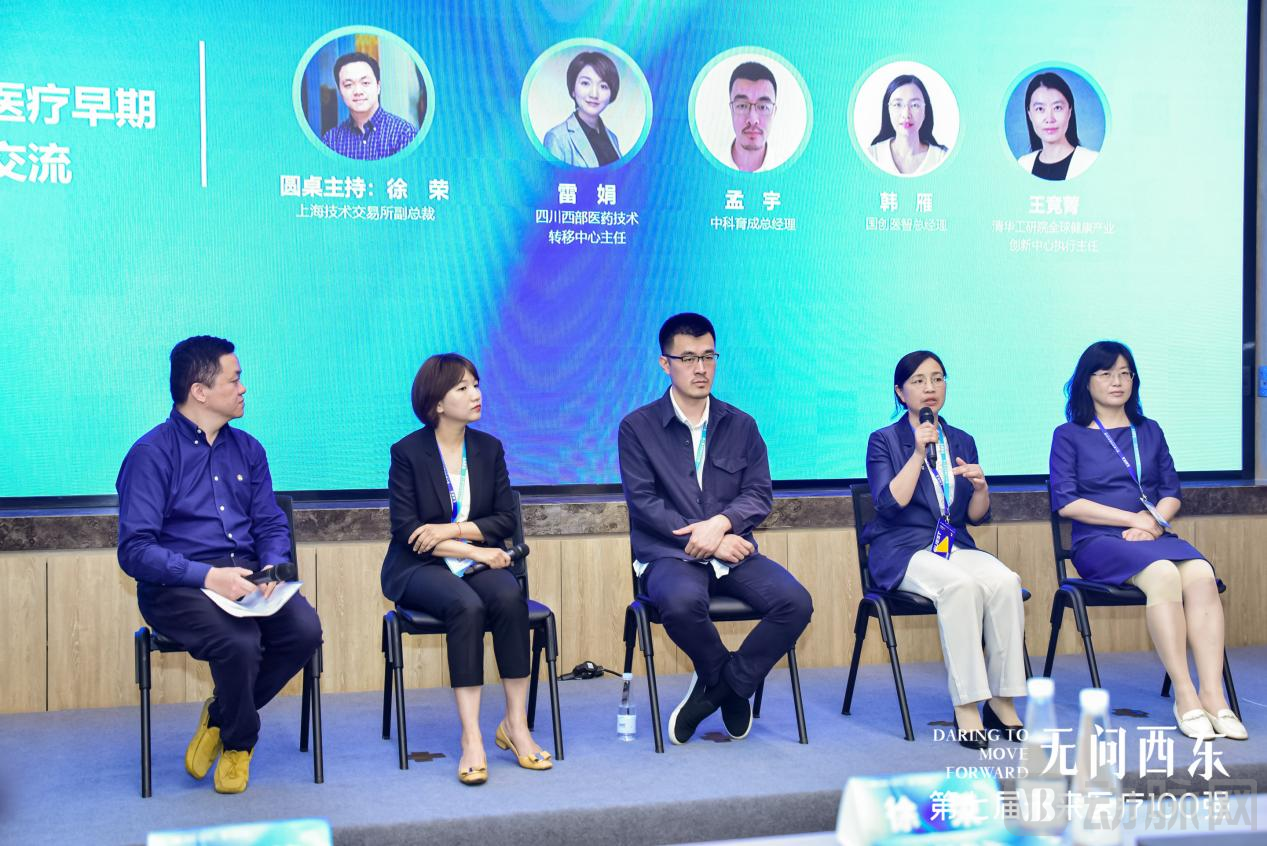
Figure: Photo of the roundtable discussion
Lei Juan, Director of the Sichuan Western Medical Technology Transfer Research CenterHe stated, “In terms of translating research outcomes within the hospital system, the challenge facing physicians is how to effectively facilitate innovation and translation within the existing institutional framework. To address this issue, West China Hospital established a Technology Transfer Research Department in 2018 and focused on two key tasks. The first task is to ensure the effective implementation ofPolicy Research, by analyzing the policies that have been issued, clarify the standardized transformation path for hospitals; the second task isEstablish a Professional Technology Transfer Service Team, assist physicians in designing models for translating research achievements into practical applications and navigate the institutional approval processes.”
Meng Yu, General Manager of Zhongke Yuchengstated: “From an information perspective, it is necessary toContinuously Learn and Deepen Industry Knowledge, thereby overcoming information asymmetry; from a talent perspective, it is necessary toBuilding a Professional Team of Technology Managers, to assist scientists in translating research findings into practical applications; from a product perspective, it is necessary toFrom the Market Perspective, launch products with market competitiveness; from a capital perspective, it is necessary to clarify the investment logic,Focus on product development with a calm and dedicated mindset.。”
Han Yan, General Manager of Guochuang Medical IntelligenceHe stated, “In most cases, a patent or scientific achievement accounts for only 5–10% of the journey toward commercialization. If industrialization is pursued in later stages, it is necessary to address raw materials, supply chain management, product validation, various authoritative quality inspections and testing, animal studies, and clinical trials. Only after obtaining regulatory approval can product sales commence. This process is lengthy and complex. Since establishing a specialized technology transfer platform, my deepest insight has been that”Market demand and sales channels should be leveraged as early as possible to closely integrate scientific research with practical applications.”
Wang Jingjing, Executive Director of the Global Health Industry Innovation Center at Tsinghua University Institute of Industrial ResearchHe stated, “We are committed to excelling in two key areas. The first is to build a robust ecosystem for the commercialization of scientific and technological achievements, linking innovative elements across government, industry, academia, research, healthcare, and capital; the second is to provide precise support,”Provide precise services at every stage of project commercialization。”
In the process of translating scientific and technological achievements into practical applications, in addition to the efforts of frontline professionals dedicated to this work, the participation of innovative companies is equally crucial. In short, innovative companies are the fruitful outcome of industry guidance and achievement translation, as well as a key indicator of a healthy, self-sustaining ecosystem.
Subsequently, Wang Yingqi, General Manager and Co-Founder of Topview Medical, delivered a keynote address on the role played by innovative companies in the translation of scientific research achievements.
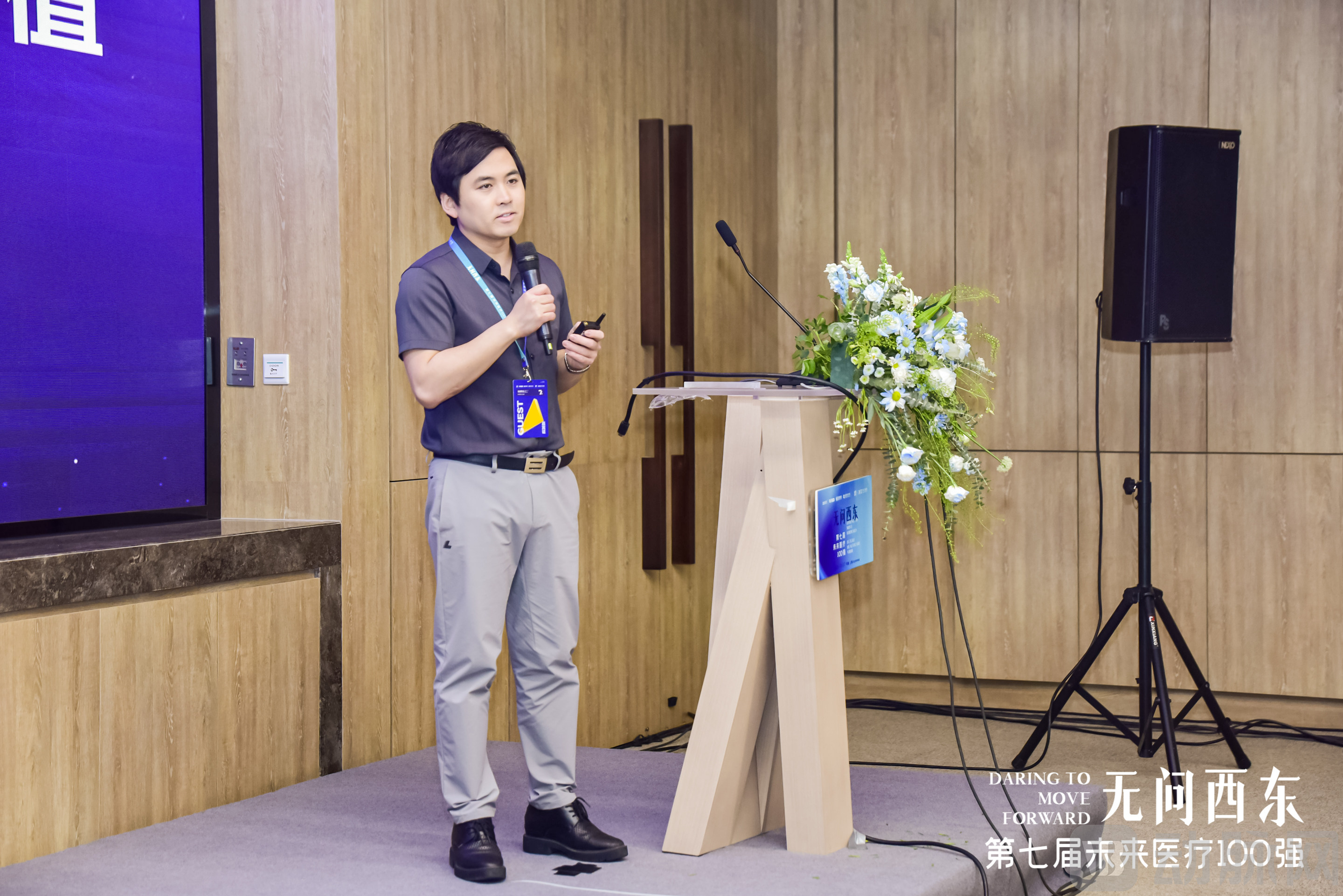 Pictured is Wang Yingqi, General Manager and Co-founder of TopEye Medical
Keynote: From 10 to 100, The Critical Value of Enterprises in the Commercialization of University Research Achievements
Wang Yingqi, General Manager and Co-founder of Topvue MedicalElucidate the critical value of enterprises in the commercialization of university research outcomes from four perspectives: proprietary expertise, engineering implementation of technologies, product commercialization, and corporate capital operations.
First, we summarize TopEye Medical’s experience in translating medical device innovations into commercial products. According to Wang Yingqi, the journey from concept to product involves two key steps: one is the translation of underlying technical principles into clinical methodological approaches, and the other is the development of medical device prototypes. In the early stages of translation, the technical team should focus on mapping out the translation pathway, determining which technologies will be employed to address specific clinical needs, and proposing appropriate methodological approaches.
During the prototype manufacturing phase, Wang Yingqi noted that prototypes are categorized into three types: proof-of-concept prototypes, engineering prototypes, and submission-for-testing prototypes.Different prototypes have different focal points.. In simple terms, during the principle prototype phase, researchers need only to clearly define the core product specifications and assemble the core systems in a simplified form, preferably transforming the technological concept into a tangible artifact, thereby concluding this stage. During the engineering prototype phase, the enterprise assumes a leading role, with the research team primarily providing core technologies; in most cases, researchers support the enterprise’s engineering team in developing the entire engineering prototype. During the submission-for-testing prototype phase, the clinical team takes the lead, with a continuous focus on enhancing product quality.
Secondly, Wang Yingqi also divides the process of technology intoSupply Chain, System Integration, and Breakthroughs in Key TechnologiesThree Stages. The core lies in three key aspects: First, innovative companies must prioritize supply chain planning, establish long-term partnerships with high-quality suppliers, and enhance product development efficiency. Second, innovative companies need to integrate multiple technologies, possessing comprehensive technical capabilities and technology management expertise. Third, innovative companies must achieve differentiation to highlight their core innovation advantages.
Once again, Wang Yingqi discussed the commercialization of products. He believes that in terms of product commercialization positioning, innovative companies shouldDare to Develop Superior Alternatives and First-in-Class Products, to build technological barriers; in terms of sales channels, innovative companies can position their brands and pricing at the high-end level, thereby gaining greater operational flexibility and strategic room for maneuver; regarding sales expenses, innovative companies should respect the dynamics of channels within their focus areas and avoid blindly building sales teams.
Finally, from the perspective of corporate capital operations, Wang Yingqi encourages innovative companies to embrace the capital markets. On one hand, this can help innovative companies expand their business portfolios; on the other hand, going public facilitates employee incentive programs and attracts top talent to join the company.
It is undeniable that investment institutions play a pivotal role in the innovation ecosystem. Life sciences R&D is characterized by long development cycles, substantial capital requirements, and high risks. Early-stage investment provides critical capital support for innovative research and translation, serving as a catalyst for the commercialization of innovative projects.
In response, Dai Chen, Managing Director of Hetang Venture Capital, and Yu Xiangfei, Managing Director of CAS Star, shared their insights and experiences on how their respective firms view the commercialization of scientific and technological achievements.
Keynote Address: Hetang Venture Capital’s Practices in Investing in the Commercialization of Scientific and Technological Achievements
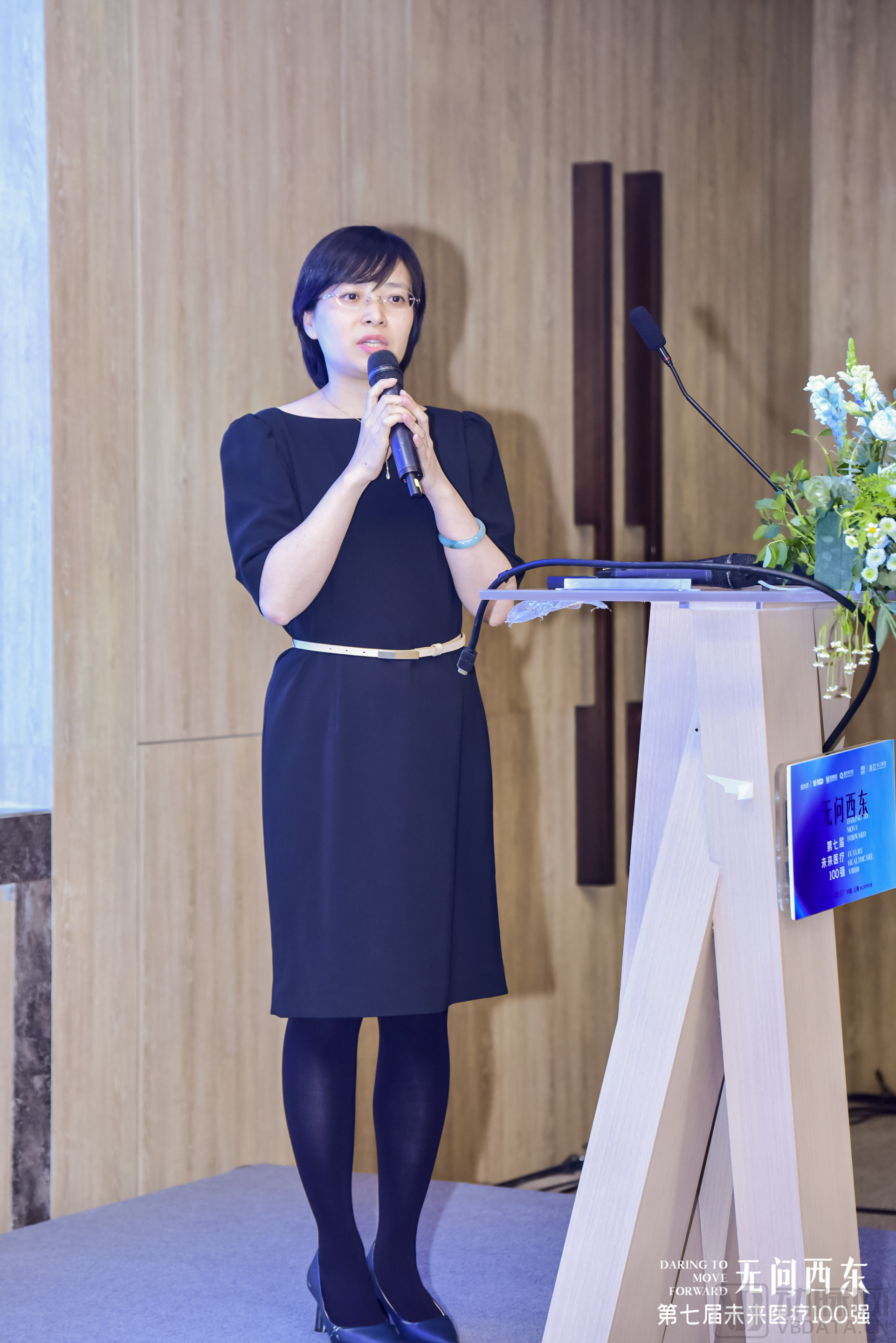 Pictured is Dai Chen, Managing Director of Hetang Venture Capital
Dai Chen, Managing Director of Hetang Venture CapitalIt is worth noting that investment in the commercialization of scientific research achievements has become a hot topic. However, unlike general market-oriented investment, such investment requires institutions to possess substantial industrial resource accumulation and incubation capabilities, enabling them to assist scientists in achieving commercial realization from 0 to 1, successfully navigating the start-up phase, and entering a stage of rapid growth.
Since its establishment in 2014, Hetang Venture Capital has made the commercialization of scientific and technological achievements from Tsinghua University and affiliated hospitals a distinctive focus of its investment portfolio. As one of the earliest institutions in China to invest in the translation of scientific and technological achievements, Hetang Venture Capital has completed angel incubation projects for nearly 30 such technology transfers. These projects involve experts from universities such as Tsinghua University and clinical specialists, accounting for more than one-third of its overall project portfolio. In this process, Hetang Venture Capital has continuously drawn on lessons learned and identified five major challenges faced by investment firms in investing in the commercialization of scientific and technological achievements.
First, the investment team must possess a solid professional foundation, requiring not only the ability to search for and read academic papers but also the capacity to integrate into academic resource networks. Second, it is essential to help scientists transition from an academic mindset to a business-oriented one. Third, the formation of an industrial operations team must address how to balance professionalism and trust among operational talents within scientist-led teams. Fourth, there are challenges in introducing industrial resources, specifically helping engineering teams with university backgrounds access industrial and clinical resources, while assisting physician-founded startups in accessing technological development resources from universities or industry. Fifth, a complete equity structure must be established that, on one hand, complies with regulatory requirements for the transformation of scientific achievements and, on the other, meets the needs of business operations.
Therefore, in investments for the commercialization of scientific and technological achievements, Hetang Venture Capital’s investment team must firstUnderstanding Scientists, communicate using the language system and communication methods of scientists; secondly,Emphasizing Post-Investment Management, by establishing a comprehensive service ecosystem to help scientists achieve commercial incubation from 0 to 1; finally,Building a Strong Reputation,Thereby establishing a positive feedback loop.
Keynote: Delving into the Early Stages of Healthcare—How CAS Star Accompanies Scientists in Their Growth?
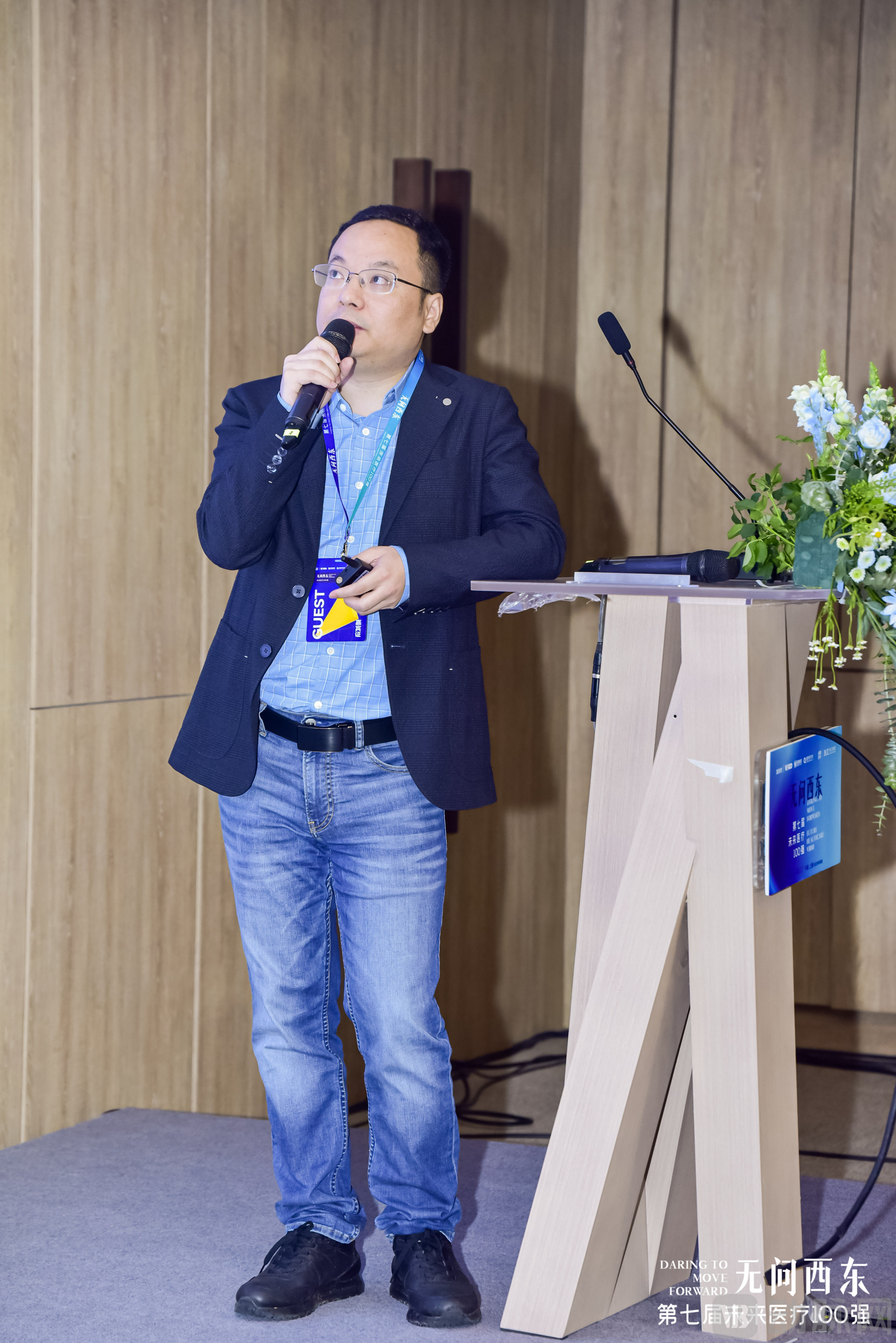 Pictured is Yu Xiang, Managing Director of CAS Star
Yu Xiang, Managing Director of CAS StarIt was mentioned that since 2016, CAS Star has established the Beijing Hard & Core Technology Fund in Beijing and carried out investment layouts around universities and research institutes in the city. Overall, CAS Star’s investment logic isLeveraging the background of the Chinese Academy of Sciences to explore opportunities for the commercialization of scientific research achievements, and reallocating state-owned research outcomes into the market.
Yu Xiang believes that the most distinctive feature of facilitating technology transfer from universities is that investment firms must possess post-investment management or incubation capabilities. Since its inception, CAS Star has been building a comprehensive system and philosophy to support the commercialization of academic research outcomes and scientist-led startups. This includes providing co-working space support, integrating upstream and downstream resources, and offering multifaceted post-investment services such as financing, management consulting, and brand promotion.
In 2022, CAS Star also established the Xingchuang Kefu department to help the investment team better serve scientist entrepreneurs. It is understood that Xingchuang Kefu has currently established seven major service sectors, covering equity financing, debt financing, policy consulting, executive search, brand marketing, management consulting, and entrepreneurship training, with a total staff of over 60 people. In addition, CAS Star has engaged in deep cooperation with external professional third parties to organize entrepreneurship camp activities, helping scientists gain knowledge about executive search and equity financing.
The roadshow also showcased the cutting-edge achievements of various research teams and innovative companies, with a key focus on releasingXiamen Jinnuohua Scientific Instrument Co., Ltd., Pudrui, Yuewei Medical, Youstai Intelligent Technology, the team of Zhang Xiaolei from the Institute of Intelligent Computational Imaging at Nanjing University of Science and Technology, the team of Liu Juan from the Eye, Ear, Nose, and Throat Hospital of Fudan University, and Xuanli Intelligent Technology Co., Ltd.seven achievements.
The heads of each project team provided detailed introductions to the project status, technological innovations and advantages, development plans, collaboration needs, core teams, and other relevant aspects.
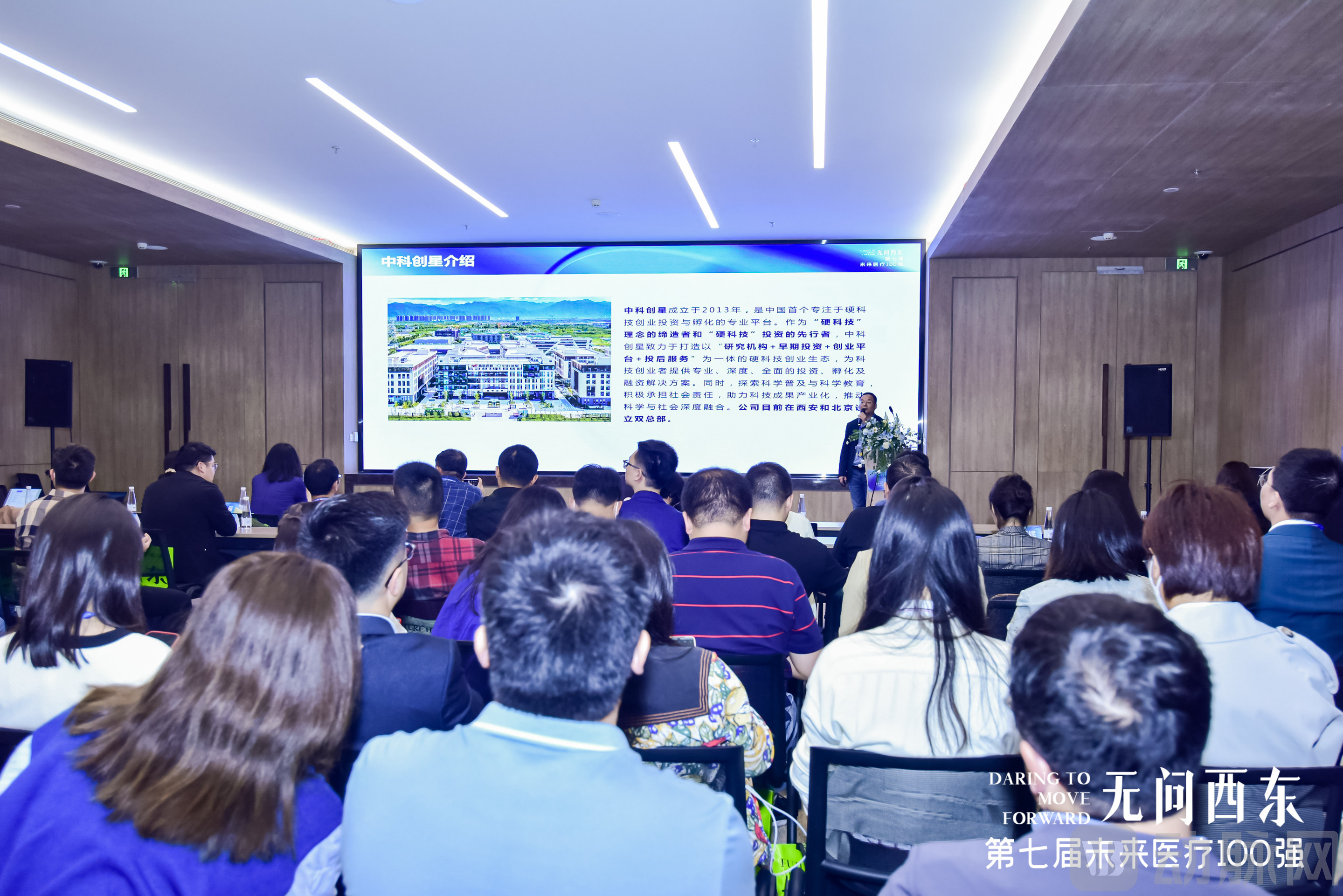
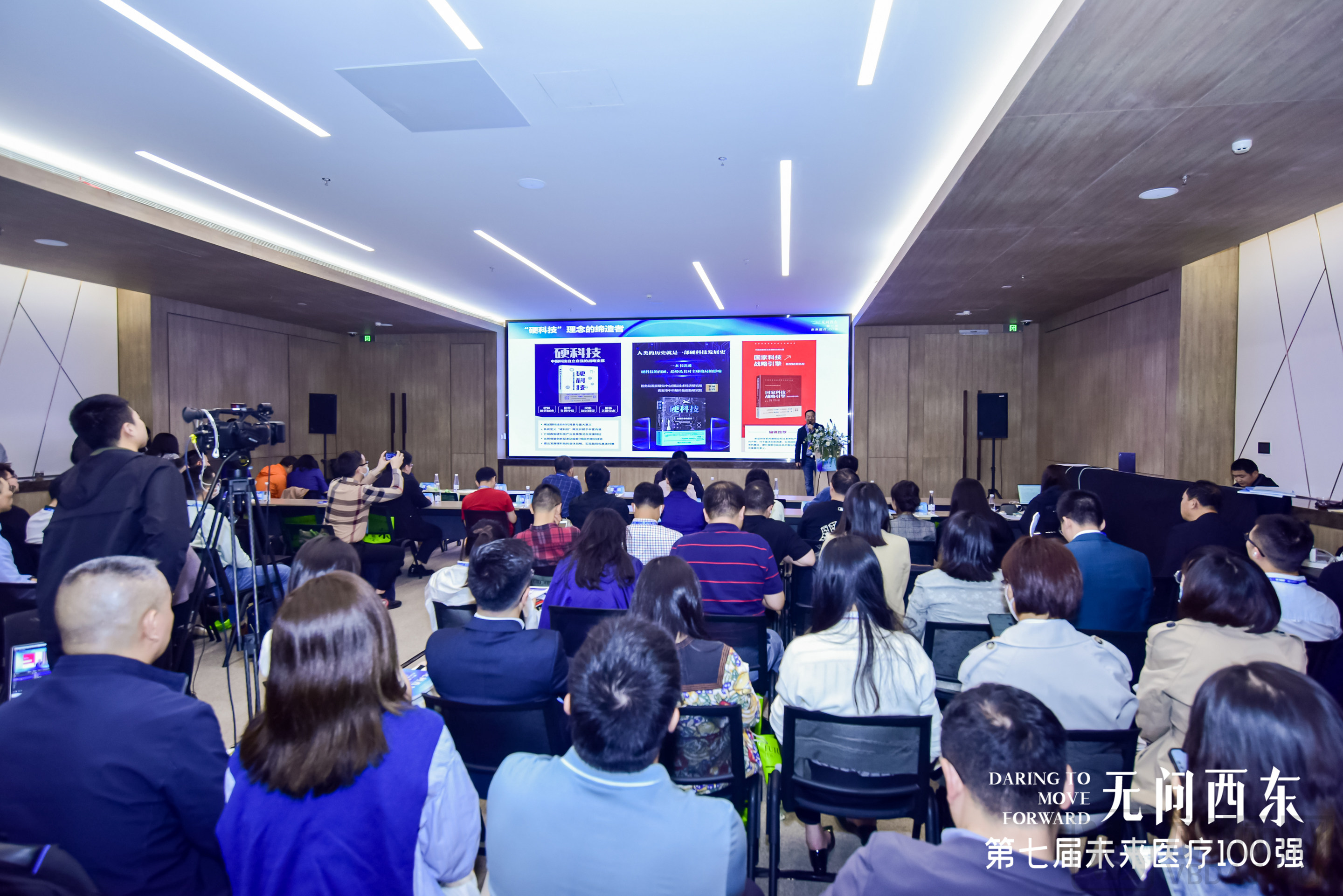
Photos from the Roadshow of Scientific and Technological Achievement Transformation Projects