

Daling Bay Orthopedic Surgical Robot Forum: Industry Leaders Converge to Shape the Future of Robotic Orthopedics
Humans have always had a profound fascination with robots.
This passion can be traced back to the ancient Chinese imagination of “robots” described in Liezi: Tang Wen from the Warring States period. Looking forward, it extends to the current explosion in the surgical robot market. According to incomplete statistics, the surgical robot sector not only garnered significant favor from investors in 2022, with a total of 29 financing and investment events, but domestic manufacturers also made strenuous efforts to optimize core product technologies, resulting in the approval of 15 surgical robot products in the Chinese market.
This year, surgical robot manufacturers were certainly present at the CMEF (China International Medical Equipment Fair), showcasing a wide array of outstanding surgical robotic solutions and reflecting a vibrant and diverse market. Amidst this, a major event dedicated to orthopedic surgical robots was held as scheduled.
On May 14, to promote the development of core key technologies, industrial implementation, and practical application of orthopedic surgical robots, the Medical Robotics Institute of Shanghai Jiao Tong University and the Shanghai Medical Robotics Technology Innovation Center, in collaboration with the Medical Device Branch of the Shanghai Jiao Tong University Alumni Association, held an event themed “Innovative Intelligent Orthopedic Surgical Robots.”“Grand Zero Bay Orthopedic Surgical Robot Summit Forum”(hereinafter referred to as the “Forum”)。
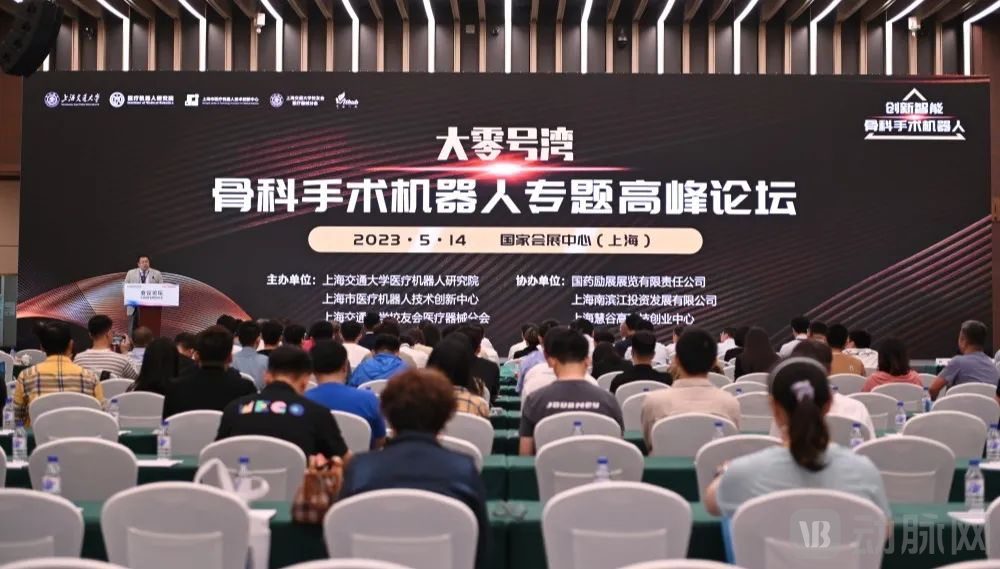
The forum brought together an impressive lineup of over 20 distinguished leaders from top universities, premier hospitals, and the investment and industrial sectors across China, who shared in-depth insights and jointly explored the future development of orthopedic surgical robots, focusing on technological innovation, clinical applications, and industrial translation.
The conference venue was bustling with activity, attracting hundreds of professionals from the medical device industry and healthcare institutions.
As the new round of technological revolution and industrial transformation accelerates, early signs of revolutionary breakthroughs are now emerging in major scientific questions and key core technologies. Technological research, serving as the source of the entire scientific system and the master switch for all technological breakthroughs, is of paramount importance.
At this critical juncture in the development of orthopedic surgical robots, the accumulation of basic research is indispensable. Universities and research institutions should play a pivotal role by leveraging the advantages of interdisciplinary integration, deepening collaboration with industry, and continuously promoting the translation and implementation of scientific achievements, striving to become the main force in basic research and the vanguard achieving major technological breakthroughs. The Medical Robotics Institute of Shanghai Jiao Tong University (hereinafter referred to as the “Medical Robotics Institute”) was established in response to this developmental trend.
As a university-level interdisciplinary research platform at Shanghai Jiao Tong University, the Institute of Medical Robotics aligns with the national scientific and technological development direction of “prioritizing people’s lives and health.” Focusing on major national medical needs and serving the growth of the broader healthcare industry, the Institute has conducted fundamental research, engineering technology development, applied research, and translation centered on medical robotics technologies. Its work spans various medical application areas, including minimally invasive surgery, radiotherapy, and rehabilitation. The Institute supports Shanghai’s establishment of a key technology translation platform for the medical robotics industry, promotes innovative research in medical robotics across China, and has achieved a series of positive advances and significant outcomes in technological research and its promotion and application in the medical field.
This forum undoubtedly serves as a window to showcase the cutting-edge developments in orthopedic surgical robots and the progress of the Medical Robotics Research Institute. At the opening of the forum, Luo Dajin, Deputy Secretary of the Party Committee of Shanghai Municipal Science and Technology Work and Director of the Shanghai Municipal Science and Technology Commission; Zhu Xinyuan, Member of the Standing Committee of the Party Committee and Vice President of Shanghai Jiao Tong University; and Cheng Minghe, Vice Chairman of Mindray Medical and President of the Medical Device Branch of the Shanghai Jiao Tong University Alumni Association, each delivered opening remarks. They extended their congratulations on the successful convening of the forum and expressed high hopes for the development of the orthopedic surgical robot sector.
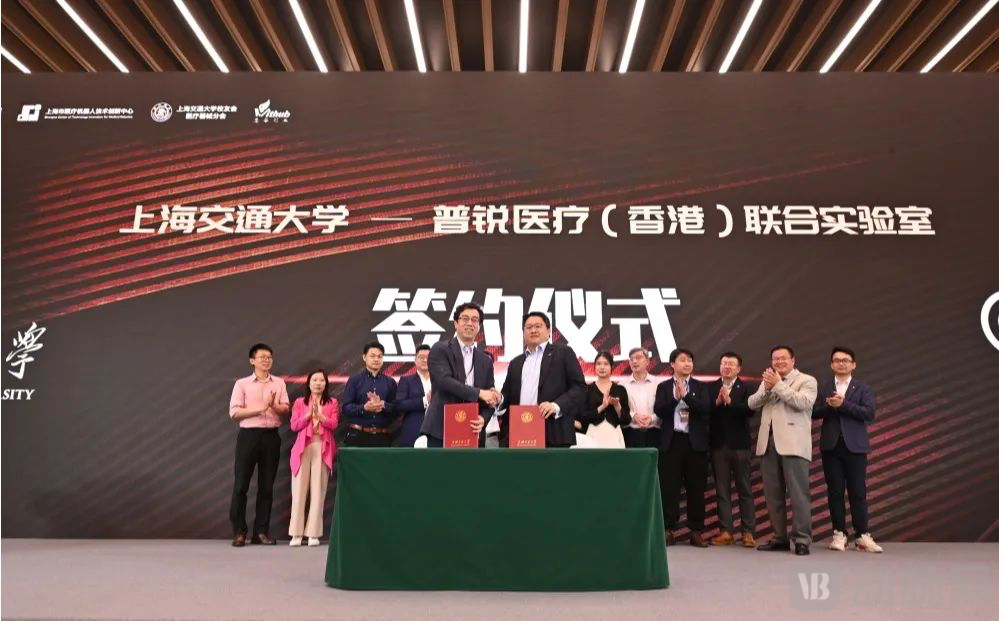
After the addresses by each expert,The Institute of Medical Robotics and Puree Medical (Hong Kong) Co., Ltd. held a signing ceremony to jointly establish a university-level joint laboratory on medical robotics.Guided by national strategic needs and major missions, and based on the current state of surgical robot research in China, both parties have pooled multidisciplinary expertise from Shanghai Jiao Tong University to conduct joint key technological breakthroughs. Their aim is to advance original robotic technologies, explore new mechanisms for industrial translation, and achieve core technological breakthroughs and translations with international impact.
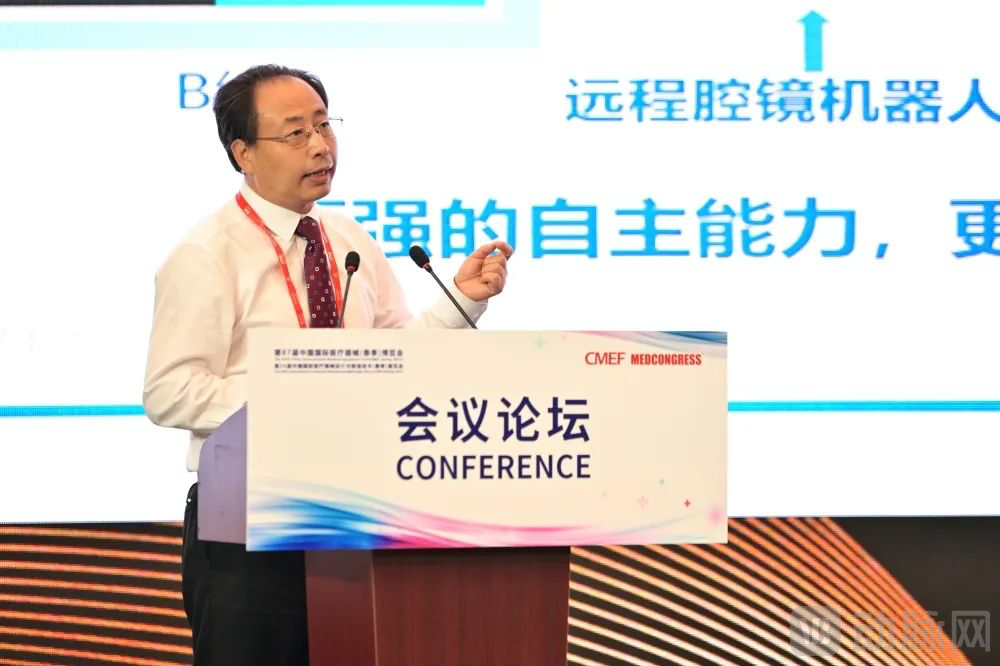
As the forum agenda progressed,Wang Shuxin, Academician of the Chinese Academy of Engineering, President of Chongqing University, and Deputy Secretary of the Party Committee, centered his discussion on “Exploration and Development Trends of Remote Robotic Surgery Technology”This theme explores the technical and clinical application models of remote surgery, addressing challenges such as those faced in remote procedures and the design methodologies for remote surgical robot systems. It emphasizes that breakthroughs in remote surgery technology are crucial, and the industry must establish a new development logic to advance this field. Only in this way can surgical robots truly address the imbalanced and inadequate development of the healthcare industry, fulfilling patients’ aspirations for better health.
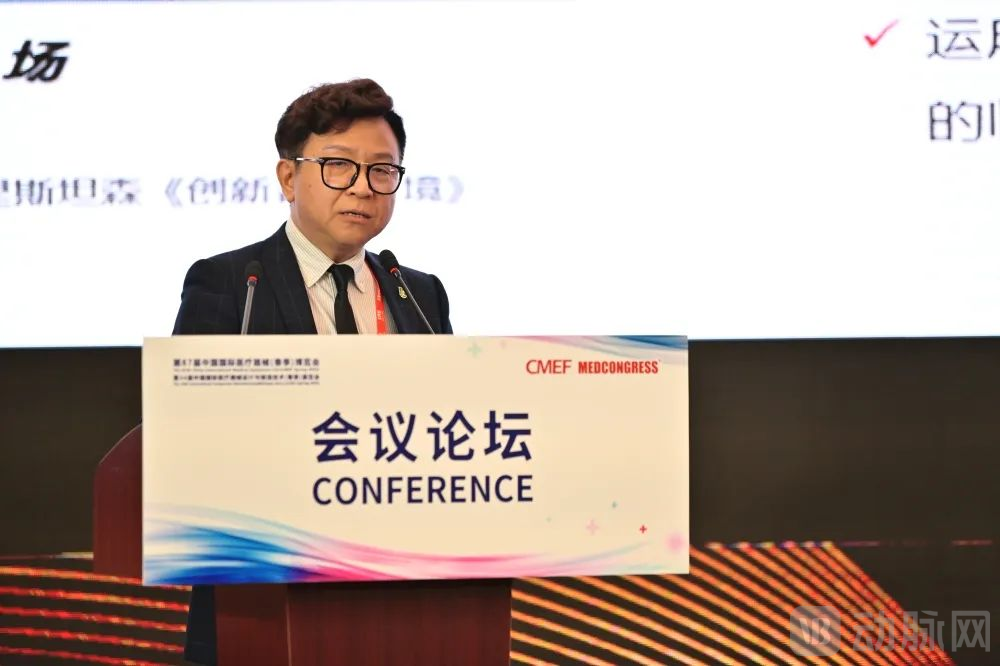
Lin Jin, Chief Physician at Peking Union Medical College Hospital, delivered a keynote address titled “The Evolution and Innovation of Intelligence in Orthopedics.”Lin Jin outlined the entire product innovation process from the perspective of applied innovation, covering clinical need identification, robotic value creation, and the evaluation of medical innovation applications. From the viewpoint of clinicians, he further explored the importance of demand-driven innovation throughout the product lifecycle, from research and development to clinical implementation.
Lin Jin believes that the research and development of surgical robots should not be limited to merely performing surgeries well. Instead, it should focus on extensive collaboration with physicians, prioritizing usability, durability, and ease of use to avoid issues related to poor product reliability and stability, ultimately achieving a closed-loop process across the entire workflow.
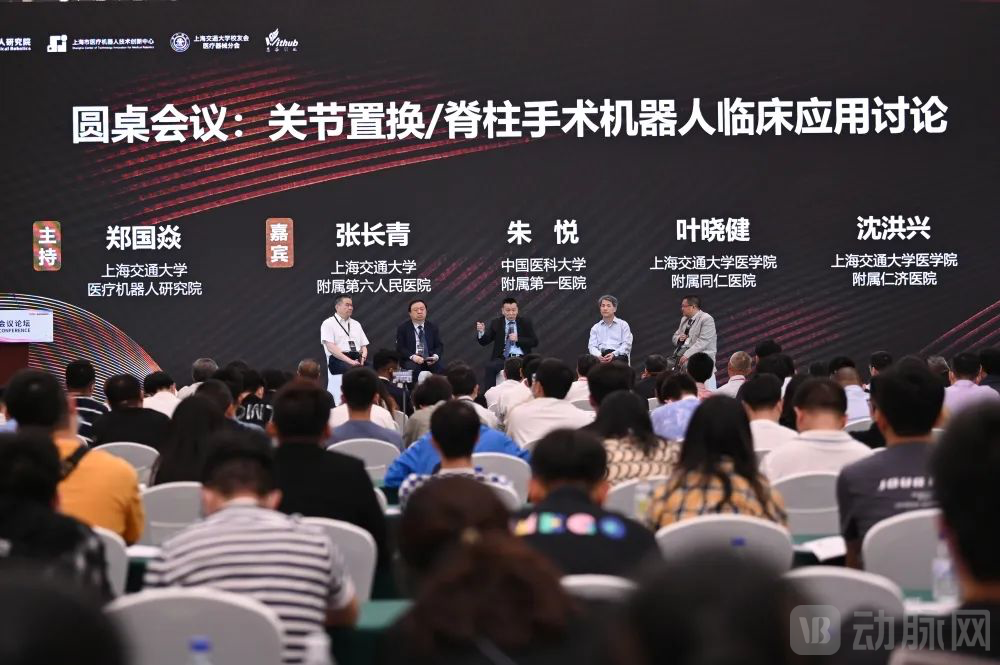
During the roundtable forum session, Zhang Changqing, Vice President of Shanghai Sixth People’s Hospital Affiliated to Shanghai Jiao Tong University; Zhu Yue, Vice President of the First Affiliated Hospital of China Medical University; Ye Xiaojian, Director of the Department of Orthopedics at Shanghai Tongren Hospital and Vice President of Hongqiao International Institute of Medicine; Shen Hongxing, Chief Physician in the Department of Spinal Surgery at Renji Hospital Affiliated to Shanghai Jiao Tong University School of Medicine; and Zheng Guoyan, Vice President of the Medical Robotics Research Institute of Shanghai Jiao Tong University, firstIn-depth exchanges and discussions were conducted on issues related to the “Clinical Application of Joint Replacement/Spine Surgery Robots.”。
Guests believe that robot-assisted orthopedic surgery offers advantages such as minimal invasiveness, high precision, reduced learning curves for surgeons, and standardized surgical procedures, making it a significant innovation to alleviate the current shortage of medical personnel. Precision, digitalization, and intelligence in orthopedics will become new profit growth drivers and represent the prevailing trend in industry development. Beyond technology, the key lies in whether the clinical outcomes of these products can address the pain points of traditional surgeries, achieving stability, accuracy, and convenience in operations.
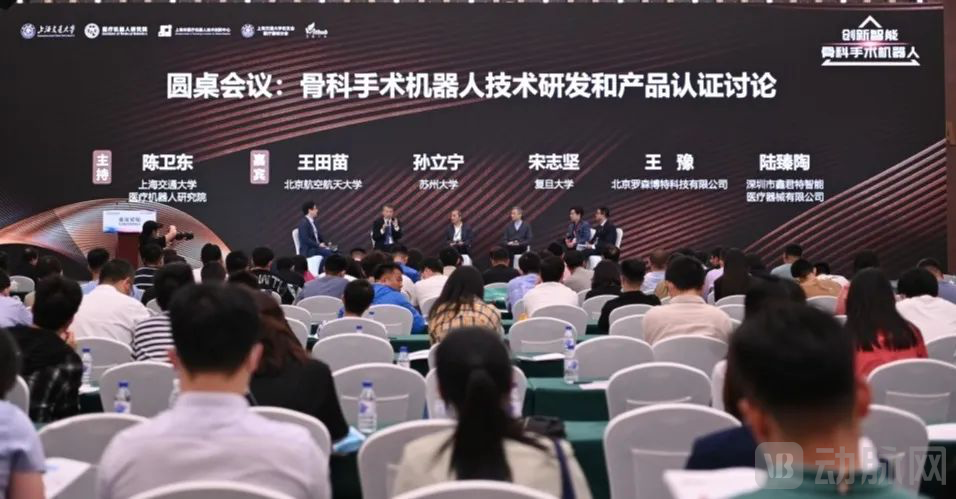
In addition, Wang Tianmiao, Honorary Director of the Robotics Institute at Beihang University; Sun Lining, Distinguished Professor at Soochow University and Dean of the School of Mechanical and Electrical Engineering at Soochow University; Song Zhijian, Director of the Digital Medicine Research Center at Fudan University; Wang Yu, Founder of Beijing Rosenbot Technology Co., Ltd.; Lu Zhentao, Deputy General Manager and Chief Technology Officer of Shenzhen Xinjunte Intelligent Medical Device Co., Ltd.; and Chen Weidong, Executive Vice Dean of the Medical Robotics Institute at Shanghai Jiao Tong University,A lively discussion was held on hot topics regarding “R&D and Product Certification of Orthopedic Surgical Robots.”
Drawing on their personal experience and industry observations, experts shared numerous valuable insights. At the core of these insights lies innovation. Delving deeper into the key to innovation reveals that it is fundamentally about addressing physicians’ pain points and translating their clinical expertise into product development, thereby creating modular, platform-based, and intelligent surgical robots that achieve a closed-loop across the entire workflow.
In addition, experts discussed the core of surgical robot R&D, emphasizing the need to focus on being "small and specialized" rather than "broad." It is essential to provide "timely assistance in times of need" rather than merely "adding icing on the cake." Specifically, this involves selecting procedures with urgent clinical needs and high surgical complexity, truly enabling surgical robot technology to address critical clinical pain points. On this basis, continuous iteration of product software technology should be pursued to explore broader development opportunities.
This forum brought together numerous experts, scholars, and industry representatives in the field of orthopedic surgical robots to jointly discuss the latest advancements and future trends. Undoubtedly, it provided a high-level platform for exchange on technological innovation, clinical application, and industrial translation of orthopedic surgical robots, further promoting the healthy development of the industry and contributing to the enhancement of China’s medical standards and the safeguarding of public health and well-being.
This forum has highlighted the immense potential and value of orthopedic surgical robots, showcasing the technological advancements and clinical efficacy achieved in China. With strengthened academic exchanges, industry-academia-research collaboration, technology transfer, and joint efforts from all stakeholders—including industry, academia, research institutions, healthcare providers, regulators, and investors—orthopedic surgical robots will make even greater contributions to enhancing China’s healthcare standards and safeguarding public health.