

Forum on Health Management and Insurance Payment Innovation Explores Breakthroughs in Integrated 'Insurance + Health Management' Models
To meet the growing public demand for health insurance and address issues such as supply-demand mismatch, the concept of “Health Insurance + Health Management” has frequently become a buzzword in the industry. To promote the integrated development of the insurance and health management sectors, the China Health Management Association and the Insurance Association of China have jointly formulated and issued four series of standards, including the Guidelines for the Construction of the Health Management Standard System in the Insurance Industry and the Guidelines for Health Management Services Provided by Insurance Institutions.
On May 7, VCBeat’s VB100 hosted the Health Management and Insurance Payment Forum at the 7th Future Healthcare Top 100 Conference. The following experts attended the event and delivered insightful presentations: Yang Bin, Director of the Smart Health Center at Tsinghua University’s Institute for Precision Medicine; Pan Zhigang, Senior Vice President of Lifesense Medical; Liang Yuqin, Head of Innovative Businesses at Shuidi Pharmacy; Cao Minqi, Vice President of Lejian Health Technology Group and General Manager of its Insurance Division; Xu Bingyu, Founder and CEO of Huamei Haolian; Xing Jing, Founder and CEO of Shanghai Shangyong Technology Co., Ltd.; Wang Ding, CEO of Yidianling; and Zeng Yiwei, Director and Deputy General Manager of Junde Pharmaceutical. The session was moderated by Chen Qiang, Partner at Yuanyi Capital.
The forum brings together representatives from enterprises and capital to build a multi-party platform for exchange, cooperation, and integration, focusing on forward-looking perspectives, technological empowerment, and investment insights.
Yang Bin: Exploration and Practice in Building a Regional Smart Healthcare Service System
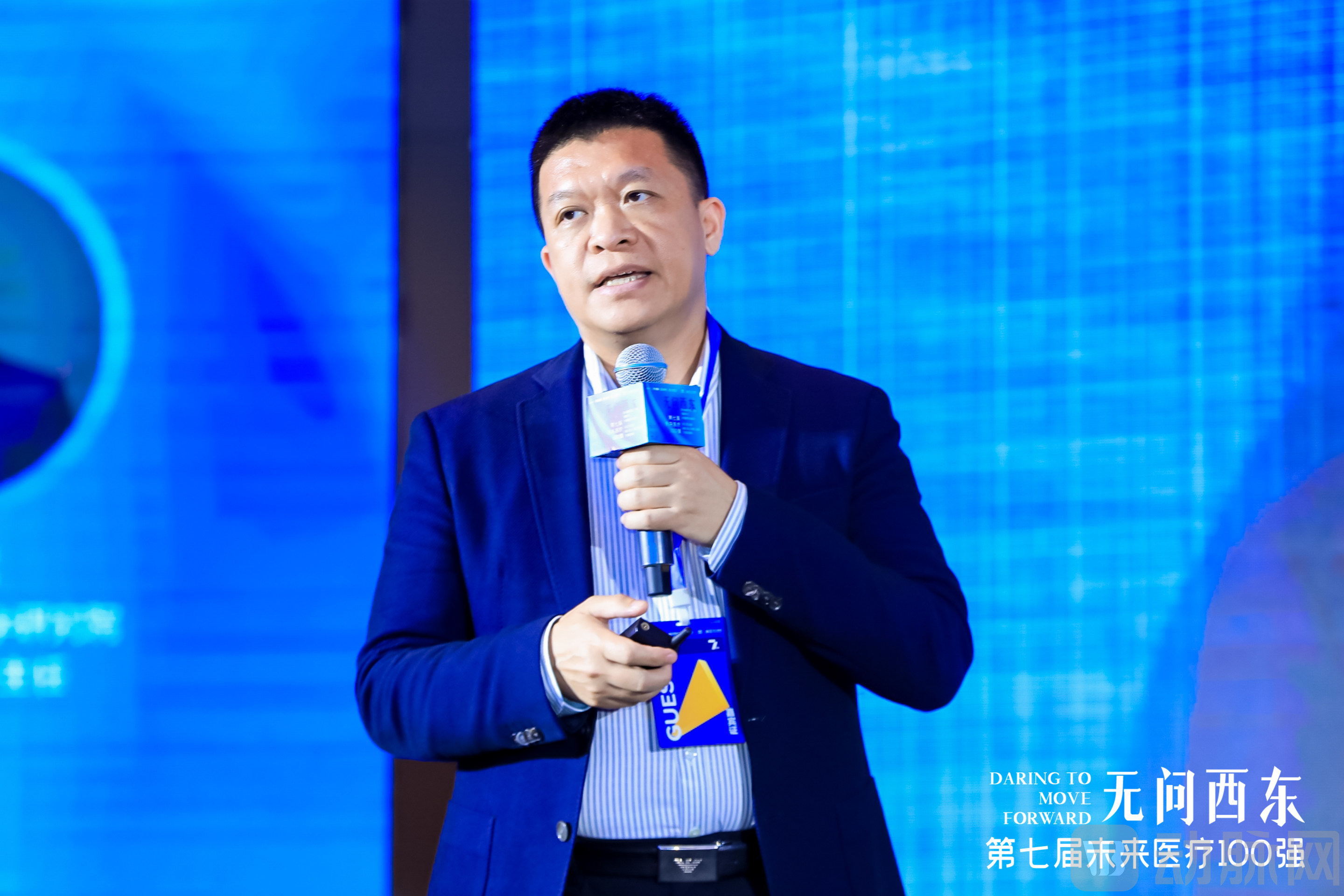
Yang Bin | Director, Center for Smart Health, Institute for Precision Medicine, Tsinghua University
Yang Bin, Director of the Smart Health Center at the Institute for Precision Medicine, Tsinghua University, began his presentation with an analysis of national health needs and provided a comprehensive introduction to the Tsinghua Healthcare Intelligent System (THIS). According to Yang, the THIS service framework is grounded in physical institutions and has established an integrated, continuous, regional collaborative healthcare service network. Key development areas include THIS service stations, service support platforms, service organizations and standards, and an intelligent regulatory system. Furthermore, Yang shared operational workflows of the THIS system through practical application cases, highlighting its role in constructing new personal electronic health records and enhancing community service capacity and efficiency through remote and intelligent technologies. It is reported that THIS collaborates with specialized hospital departments to conduct research on disease-specific care led by health caregivers, covering areas such as diabetes management, geriatric care, and respiratory disease management. After presenting the regional healthcare service network in Tiantongyuan, Yang stated that THIS aims to provide residents within the region with homogeneous, high-quality, full-lifecycle healthcare services. Additionally, the system facilitates infectious disease surveillance and public health event monitoring, enabling timely early warnings and precise decision-making.
Pan Zhigang: The “Digital Kung Fu” of Precision Health Management
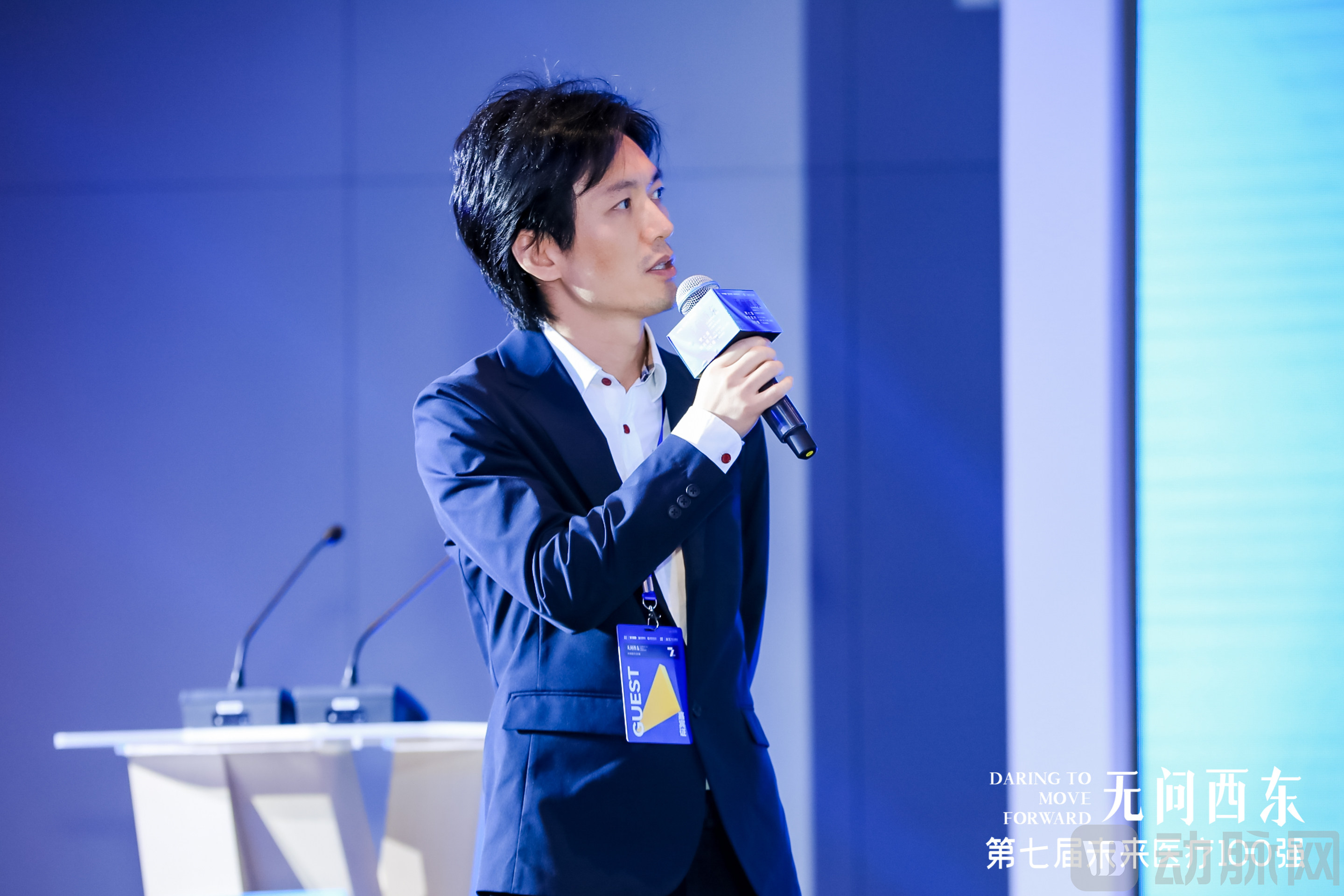
Pan Zhigang | Senior Vice President, Lifesense Medical
Pan Zhigang, Senior Vice President of Lifesense Medical, stated that Lifesense Medical has strategically deployed solutions in remote ECG services, smart hearing assistance products, digitalization for the health management industry, and sports-based health management for adolescents. Mr. Pan further emphasized that the focus of health management lies outside hospital settings, where the primary challenge is data monitoring. The key attributes of “data monitoring” in health management are precision, comprehensiveness, continuity, and timeliness. By integrating an all-in-one digital solution encompassing “hardware + software + services,” Lifesense Medical achieves a closed loop of data collection, analysis, and application, thereby maximizing data value and ensuring that data flows from users back into their real-life scenarios.
Liang Yuqin: A Patient-Centric, Full-Lifecycle Digital Intelligence Management Platform
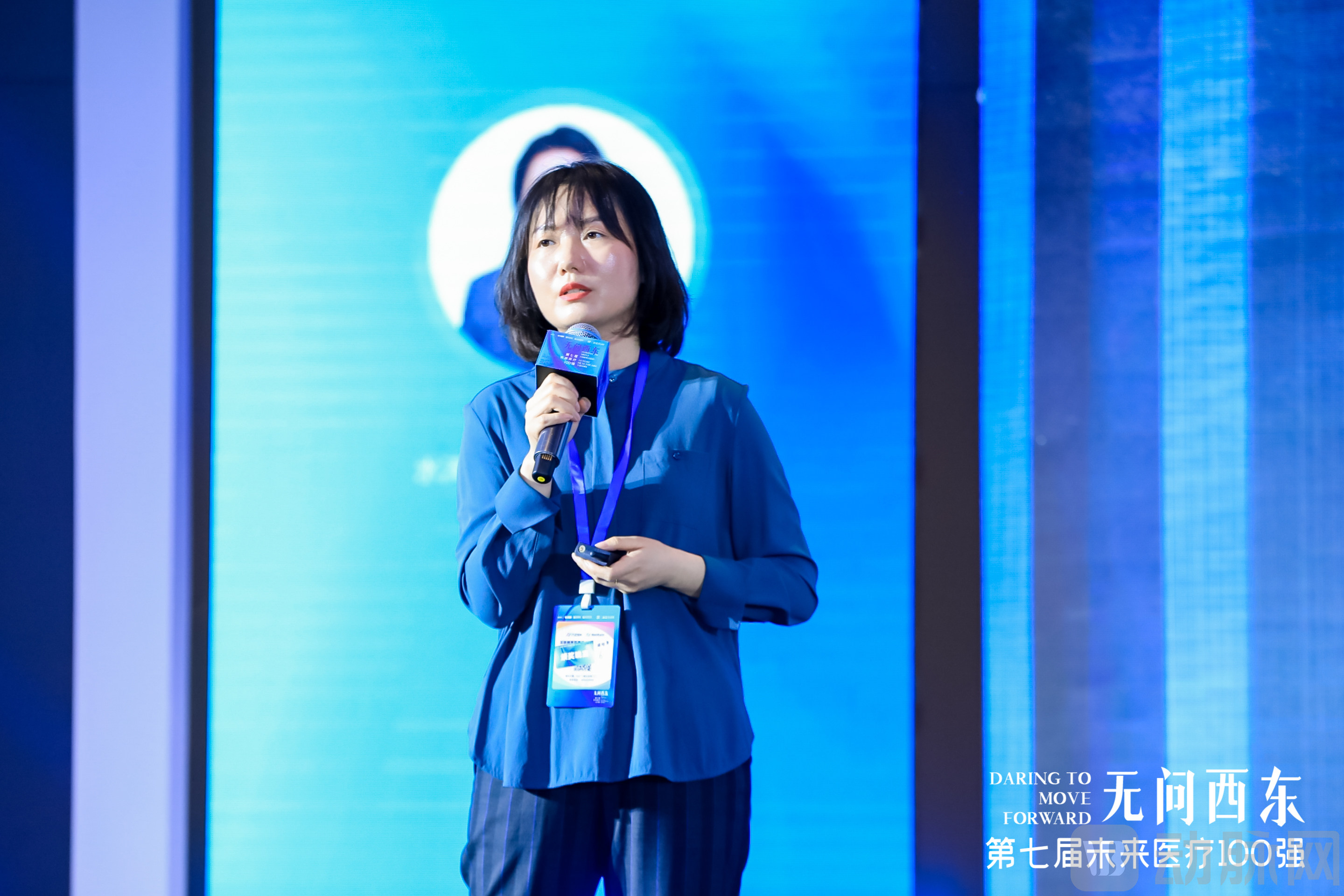
Liang Yuqin | Head of Innovative Business, Shuidi Medicine
Liang Yuqin, Head of Innovative Business at Shuidi Pharma, began by providing an update on the company’s recent developments. She stated that over the past two years, Shuidi has focused on serving millions of patients with major illnesses, building a patient-centric innovative service platform anchored by its user base. This platform offers comprehensive disease journey management services, clinical trial participant recruitment, and other digital clinical services. Ms. Liang then highlighted the operational platform of the Patient Center, emphasizing that it is a whole-course solution oriented around the needs of patients throughout their healthcare journey. She showcased Shuidi Pharma’s tailored initiatives developed under this philosophy, including disease-specific patient centers, single-disease specialty operations, single-disease patient communities, and a media operation matrix. Additionally, Ms. Liang used specific case studies to explain the operational logic of Shuidi’s Data Center and reiterated the company’s core belief: “It is not technology itself that determines the direction of human destiny, but the human warmth embodied within technology.”
Cao Minqi: The Integrated “Medical-Insurance-Healthcare” Digital Intelligence Health Platform Comprehensively Safeguards the Health of Enterprises and Families
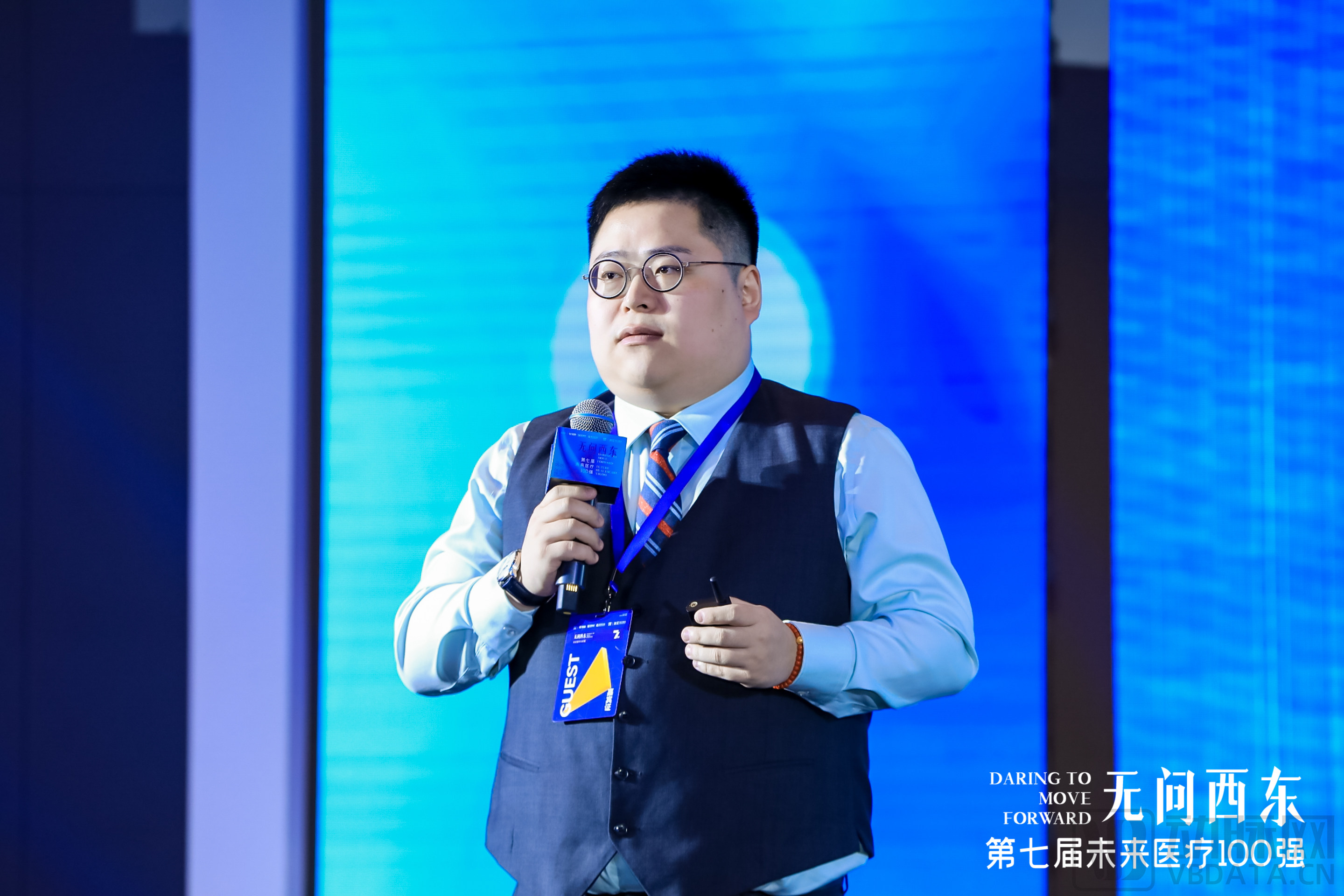
Cao Minqi | Vice President of Lejian Health Technology Group and General Manager of the Insurance Business Division
Cao Minqi, Vice President of Lejian Health Technology Group and General Manager of the Insurance Business Division, stated that Lejian is a re-entrepreneurship platform company composed of multiple business segments, including medical and health services, insurance services, public hospital services, and nursing care. Despite the economic downturn during the three-year pandemic period, demand for medical, health, and insurance services surged. Over these three years, Lejian saw growth in its number of corporate clients, individual users, annual revenue, and insurance premiums. In the past three years, Lejian launched an integrated digital-intelligent health service platform. By leveraging product and R&D solutions based on digital-intelligent health services, it has integrated diverse medical service networks across hundreds of cities in China, providing enterprises with comprehensive health management solutions and building an employee health service and protection platform centered on healthy work and lifestyle practices.
Xu Bingyu: Reshaping the Value and Function of Health Insurance, Integrating Services into Coverage
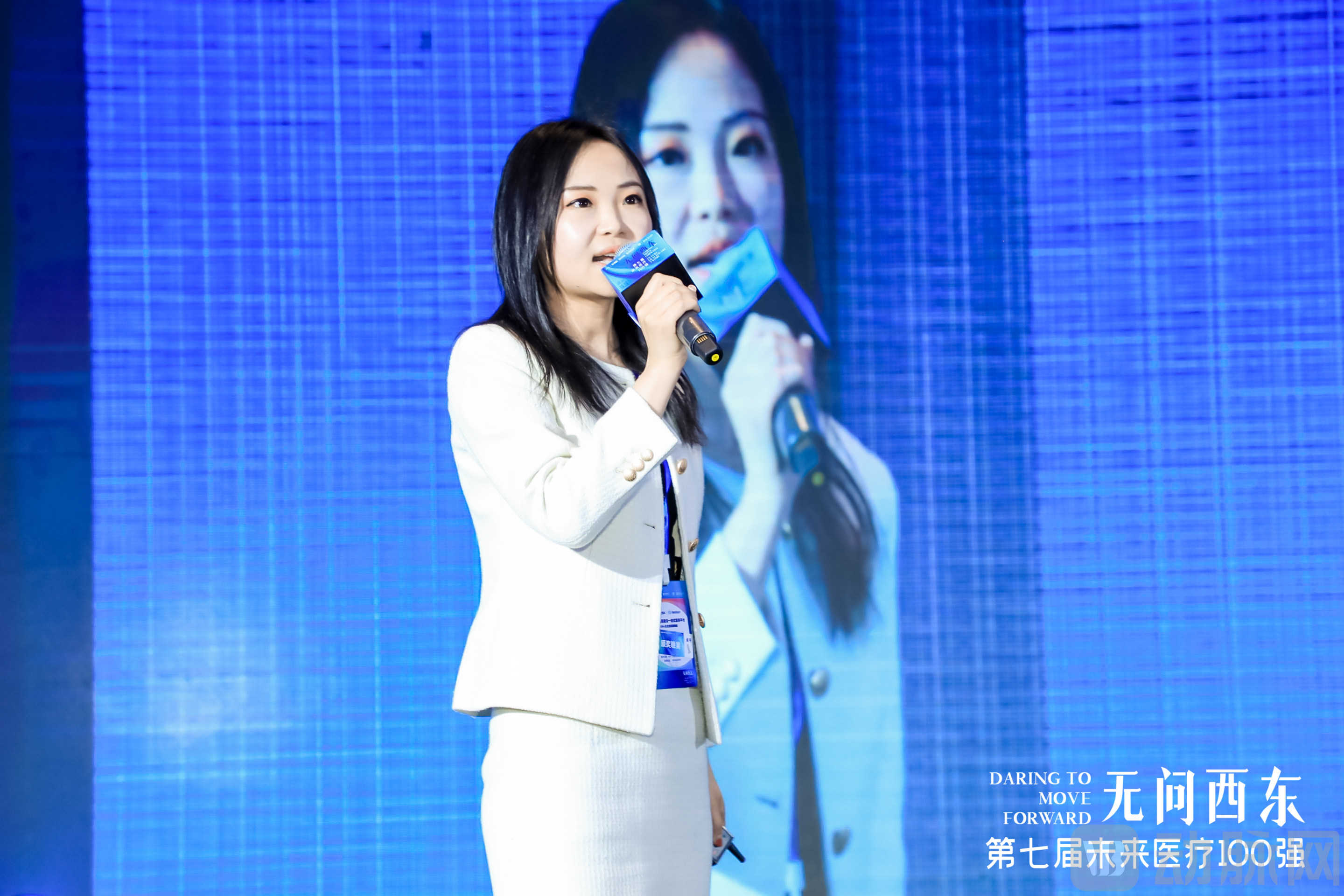
Xu Bingyu | Founder and CEO of Huamei Haolian
Xu Bingyu, Founder and CEO of E-Health Now, began by discussing national policies promoting the healthcare service system and medical security system. She pointed out that the insurance industry has broad development prospects in participating in innovative models such as managed care and value-based care. The construction of national health is transitioning from “medical security” to “health security,” with insurance evolving from “risk transfer and medical payment” toward comprehensive health management. Subsequently, Xu Bingyu analyzed the challenges facing the integration of health management services with health insurance, drawing on E-Health Now’s practical experience to elucidate methods for effectively merging health insurance with health management services. It was reported that E-Health Now addresses the integration of products and services across four dimensions: sales, service, product, and technology. Additionally, Ms. Xu showcased innovative insurance products developed for specific conditions, including dental care and pulmonary nodules.
Xing Jing: Digital Health Management Offers New Solutions to Challenges in Commercial Insurance
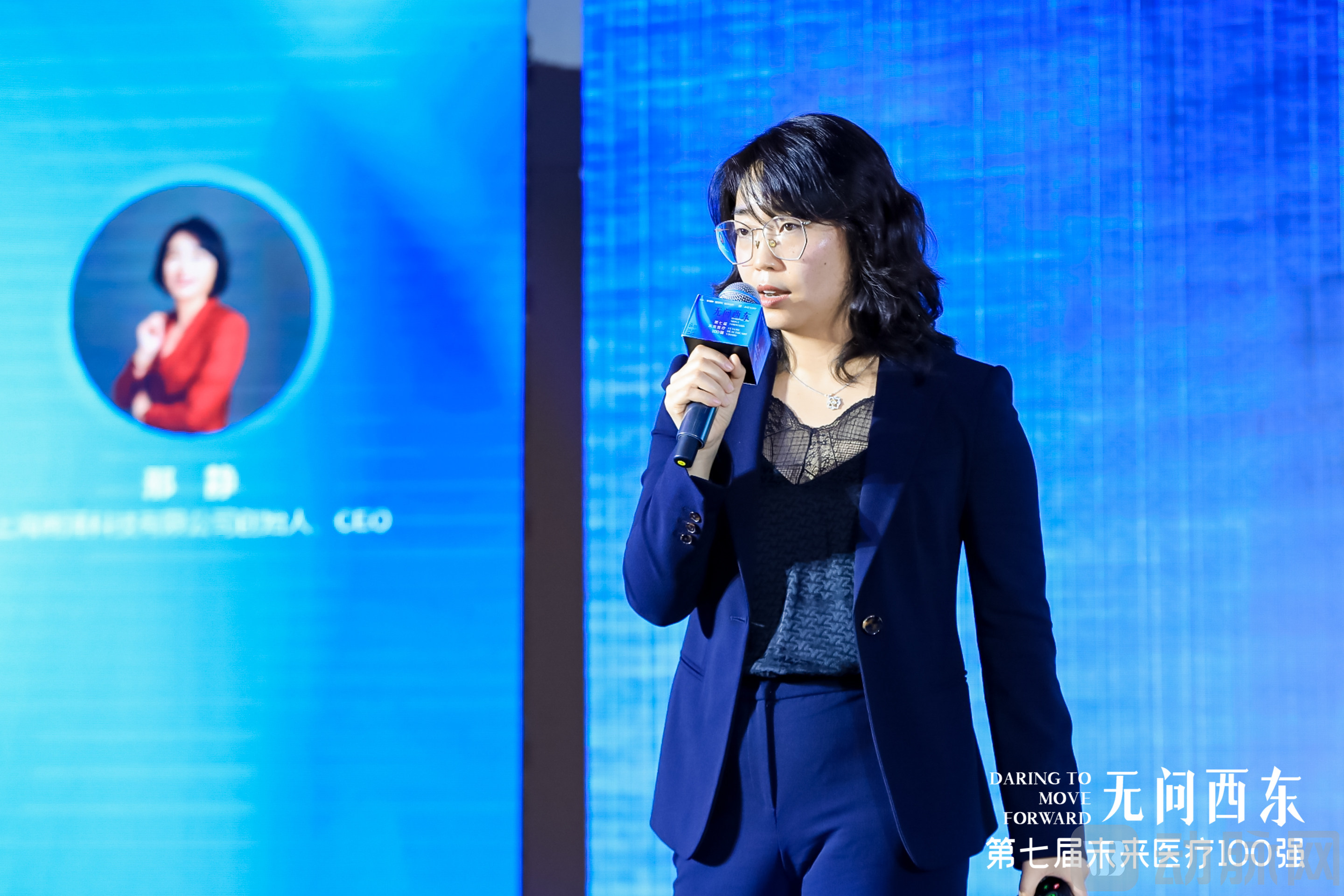
Xing Jing | Founder and CEO of Shanghai Shangyong Technology Co., Ltd.
Xing Jing, Founder and CEO of Shangyong Technology, stated that the core of the new future of healthcare security lies in the deep integration of insurance and medical care, and the key to overcoming the challenges of this integration is to coordinate the inherent contradictions among the three parties. Centered on customer value, Shangyong Technology addresses the linkage barriers among “medical care–insurance–patients” through innovative digital health management solutions, thereby establishing a pathway from commercial insurance to the medical market. Specifically, by implementing whole-course disease management for specific conditions, the company leverages technology to identify the most appropriate treatment plans for patients, ensures that costs incurred by insurers are reasonable and medically necessary, and ultimately achieves optimal prognostic outcomes for all stakeholders. Currently, Shangyong Technology has managed a large number of patients with hematologic disorders, yielding favorable results. In the future, the company aims to ensure that every dollar spent by commercial insurers delivers tangible value to patients, while keeping medical costs within a range that is reasonable, medically necessary, and clinically meaningful. This will represent a significant transformation.
Insurance and Health Management: Where Do the Challenges Lie in Integration, and How Can We Break Through?
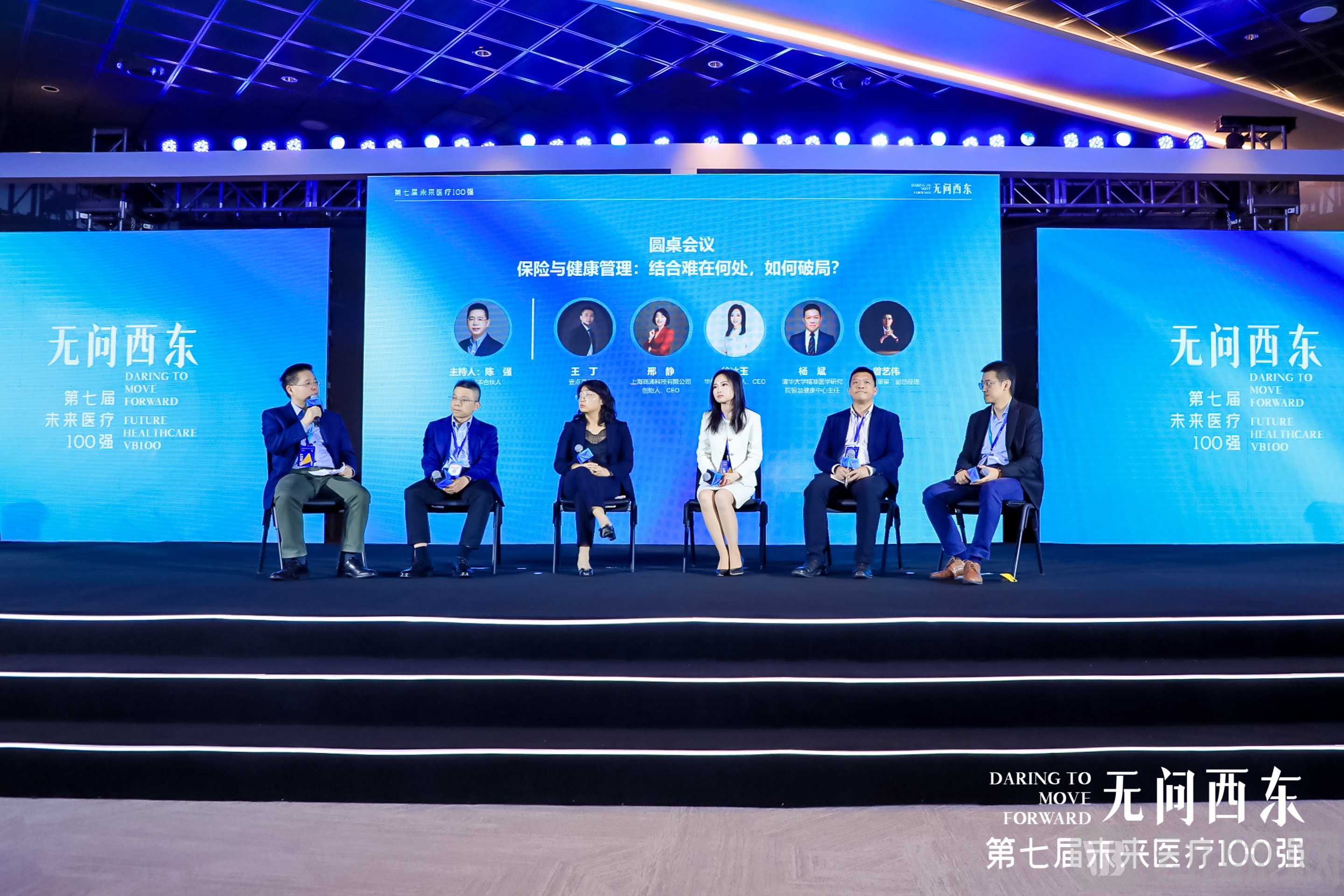
From left to right: Chen Qiang | Partner, Yuanyi Capital; Wang Ding | CEO, Yidianling; Xing Jing | Founder and CEO, Shanghai Shangyong Technology Co., Ltd.; Xu Bingyu | Founder and CEO, Huamei Haolian; Yang Bin | Director, Center for Smart Health, Institute for Precision Medicine, Tsinghua University; Zeng Yiwei | Director and Deputy General Manager, Junde Pharmaceutical
Where Do the Challenges Lie in Integrating Insurance with Health Management, and How Can We Break Through?
The integration and co-creation of insurance and health management have become an inevitable trend. Currently, domestic users in China lack sufficient awareness of mental health, while subjectivity on the supply side and insufficient diagnostic standardization constitute bottlenecks for psychological insurance. Wang Ding emphasized that future health insurance must deliver value and form a closed-loop industrial chain to maximize social benefits. Xing Jing noted that, on one hand, health management services must bring value to customers, and the value of medical services must be digitized. On the other hand, customers must perceive tangible benefits from health management services, utilize them effectively, and thereby improve utilization rates. Xu Bingyu believes that health management services can enhance product differentiation, enabling the launch of truly competitive health insurance products. Mr. Cao Yiwei pointed out that there are very few medical-grade products capable of providing genuine assistance in the early to middle stages of chronic diseases. Health management services are currently neither deep nor robust enough; integrating in-hospital and out-of-hospital care while maintaining medication and product adherence remains a significant challenge. Yang Bin also asserted that the urgent need to achieve truly integrated management across pre-hospital, in-hospital, and post-hospital stages must be addressed.
How about the integration of insurance and health management tomorrow?
The two major themes for the future development of China’s big health sector are physical and mental well-being, and health management. From a long-term perspective, health insurance plays a crucial role in achieving widespread social adoption and improving overall population health levels. The core focus should be on value delivery, rather than merely marketing and claims processing. When the industry chain forms a closed loop, its value will be maximized and fed back to society. Through multi-party integration, technological advancements, and collaborative innovation, high-quality medical resources can become more accessible to the general public, thereby creating new productive forces and driving innovative development within the industry.
Following half a day of perspective-sharing and interactive discussions, industry participants expressed greater confidence and hope in the future of health management and insurance payment, committing to jointly facilitate and drive their integration and innovative development.