

Can We Continue DNA Methylation Testing Without Patent Licensing? YiPu Bio's Prospectus Highlights Proprietary Universal Cancer Biomarkers and FDA-Cleared Innovations
We remain in an era where cancer evokes profound fear, with approximately 10,000 new diagnoses daily; 70% of patients are already at intermediate or advanced stages upon initial diagnosis, leading to poor prognoses. Among the national initiatives for cancer prevention and control, early cancer screening has garnered increasing attention and higher expectations.
Although existing early cancer screening technologies are widely used, they increasingly harbor underlying issues. For instance, the application of low-dose spiral CT for detecting pulmonary nodules faces challenges such as inconsistent criteria for defining high-risk populations, excessively high false-positive rates, overdiagnosis, and concerns regarding cost-effectiveness. Meanwhile, next-generation sequencing (NGS)-based detection of gene mutations in plasma circulating tumor DNA (ctDNA) has been proven ineffective for cancer screening and recurrence monitoring. Circulating tumor cell (CTC) detection was initially met with high expectations; however, its sensitivity remains a persistent concern for end-users. Furthermore, the high specificity once regarded as an advantage of CTC detection is becoming increasingly controversial as the technology gains broader adoption, warranting further investigation and validation.
As is well known, the five-year survival rate for cancer in our country is only about half that of developed countries. However, if cancer is diagnosed at an ultra-early stage, i.e., the precancerous stage, the five-year survival rate in China is comparable to that in the United States, both reaching 100%. Unfortunately, there is currently no universally recognized biomarker for the ultra-early diagnosis of cancer either domestically or internationally.
Therefore, there is an urgent clinical need to develop early cancer diagnostic technologies that offer higher sensitivity and specificity, greater precision, non-invasiveness, simplicity, and high reproducibility, and that can advance detection to the precancerous lesion stage.
DNA methylation testing is currently recognized as one of the best methods for timely and accurate screening of tumors at the precancerous or early stage.The screening of tumor DNA methylation biomarkers has also become a current research hotspot, with a new batch of methylation biomarkers emerging annually in Europe and the United States, thereby advancing their corresponding clinical translation.
In China’s early cancer screening market, there is no shortage of products based on DNA methylation. While the early screening market appears vibrant, from an intellectual property perspective, China still lacks tumor methylation biomarkers with independent intellectual property rights; most domestic methylation detection products require licensing from foreign patents to proceed with development. Among the domestically approved methylation detection products, 10 out of the existing 17 methylation detection kits are indicated for colorectal cancer, indicating a certain degree of homogenization in the competitive landscape of methylation detection products.
Recently,Shanghai Epigenomics Biotechnology Co., Ltd. (hereinafter referred to as “Epigenomics Biotechnology”) has announced positive news: its independently developed urine-based DNA methylation detection product for urothelial cancer, leveraging pan-cancer biomarkers, named “TAGMe DNA Methylation Detection Kit (qPCR) for Urothelial Cancer” (domestic trade name: PangYiQing), has received Breakthrough Device designation from the U.S. Food and Drug Administration (FDA). This marks it as the world’s first independently developed, FDA-designated Breakthrough Device for simultaneous urinary detection of urothelial cancers (including bladder cancer, ureteral cancer, and renal pelvis cancer) based on pan-cancer biomarkers.Publicly available information indicates that to obtain FDA Breakthrough Device Designation, the diagnostic device under application must address an unmet medical need and demonstrate its potential to provide more effective treatment or diagnosis for life-threatening or irreversibly debilitating diseases or conditions.
Even more surprisingly,Yipu Bio boasts 57 proprietary pan-cancer biomarkers, has filed 32 domestic patents and 36 international patents, of which 14 have been granted!These biomarkers have played a significant role in filling the domestic gap in DNA methylation biomarkers and promoting clinical application research of methylation detection in China. So, what factors exactly have constrained the discovery of DNA methylation biomarkers in China, causing such lag in this field?
DNA methylation primarily refers to the process by which cytosine (C) in DNA deoxynucleotides covalently binds a methyl group under the action of enzymes to form 5'-methylcytosine. DNA methylation can induce changes in chromatin structure, DNA conformation, and DNA stability, thereby regulating gene transcription and expression.
In 1983, Andrew Feinberg of Johns Hopkins University in the United States discovered genome-wide DNA hypomethylation in tumor cells, establishing the first link between DNA methylation and cancer. In 1985, Stephen Baylin found that hypermethylation of the promoters of tumor suppressor genes led to their silencing. Consequently, DNA hypermethylation in tumors became a focal point in cancer epigenetics research, while studies on tumor hypomethylation entered a period of decline.
It was not until 1998, when Andrew Feinberg discovered that genome-wide DNA hypomethylation in tumor cells leads to genomic instability, thereby elucidating the intrinsic relationship between DNA hypomethylation and tumorigenesis, that the scientific community recognized the joint involvement of global DNA hypomethylation and local hypermethylation in tumor development.
Subsequently, numerous studies have demonstrated thatAberrant DNA methylation typically occurs in the ultra-early stages of tumors and serves as a switch for tumorigenesis.Methylation of the genomic promoter region can alter the expression of critical tumor suppressor genes in cells, representing one of the causes of tumorigenesis. As tumor progression advances, DNA methylation undergoes dynamic changes, and distinct DNA methylation profiles are observed across different tumor types. These findings have opened new avenues for the application of DNA methylation in tumor detection.
In 2001, after obtaining his Ph.D. from the Fourth Military Medical University, Professor Yu Wenqiang conducted postdoctoral research at Uppsala University in Sweden and Johns Hopkins University in the United States. During his tenure at Johns Hopkins University, he studied epigenetics under the supervision of Andrew Feinberg, where he developed a rapid, micro-scale gradient warming technique for ChIP DNA amplification and a magnetic bead-based enrichment method for DNA methylation fragments. He also discovered that antisense sequences of tumor suppressor genes are a key cause of gene silencing. In 2009, Professor Yu returned to Fudan University as a doctoral supervisor and was appointed as a Chang Jiang Scholar Distinguished Professor, as well as Chairman of the Committee on Methylation Tumor Markers of the China Anti-Cancer Association.
From gel electrophoresis to chip hybridization, and further to high-throughput sequencing technologies, various methylation detection methods have continuously aided researchers in identifying more tumor-associated aberrant methylation sites within the genome. However, a persistent challenge in whole-genome DNA methylation analysis remains unresolved: traditional DNA methylation sequencing relies on bisulfite conversion and pretreatment of genomic DNA, which significantly reduces genomic complexity. This reduction hinders alignment to the human reference genome, resulting in the loss of methylation information at numerous human CpG sites and preventing the acquisition of a comprehensive landscape of methylation status across all CpG sites in the genome. Currently widely used methylation detection methods, including microarrays, Reduced Representation Bisulfite Sequencing (RRBS), and Whole-Genome Bisulfite Sequencing (WGBS), require substantial improvement or optimization.
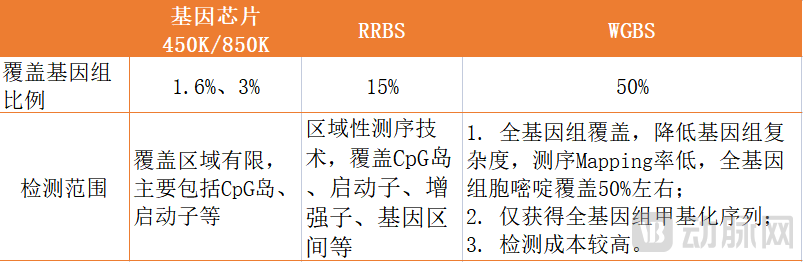 Methylation Whole-Genome Sequencing Analysis Methods (Incomplete Statistics) | Graphic by VCBeat
Even Whole-Genome Bisulfite Sequencing (WGBS) can only cover approximately 50% of the cytosines in the tumor cell genome. Coupled with the prohibitively high costs of early WGBS, overseas institutions and researchers have continuously achieved breakthroughs in identifying methylation detection sites and registered a large number of biomarker patents. This has made it extremely challenging to discover new methylation biomarkers based on WGBS and secure intellectual property rights in China, resulting in a dwindling pool of available biomarkers for domestic use and a continuous lag in progress.
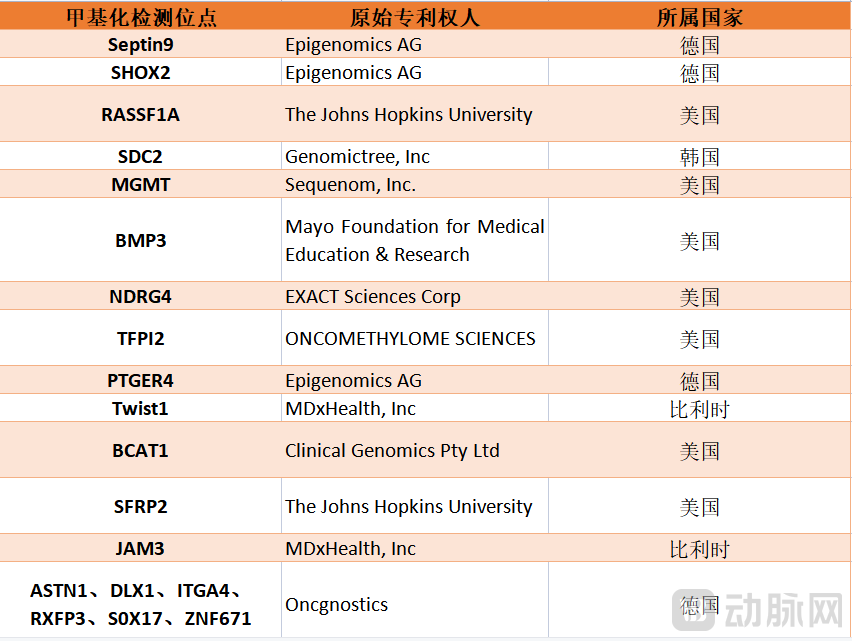 Methylation Detection Sites (Based on Intellectual Property Registration Statistics; Incomplete) | Graphic by VCBeat
To do a good job, one must first sharpen one’s tools. To identify tumor DNA methylation biomarkers, it is essential to have advanced whole-genome methylation sequencing technology and a comprehensive research protocol.Professor Wenqiang Yu’s team has been deeply engaged in the field of DNA methylation for over two decades, during which they developed GPS (Guide Positioning Sequencing), a novel whole-genome DNA methylation detection method with independent intellectual property rights.
This sequencing technology overcomes the bottleneck of low alignment rates associated with WGBS, and GPS technology increases the detection coverage of CpG islands to 96%.[1], and generated the world’s first whole-genome DNA methylation map at single-base resolution. GPS technology has significantly improved the accuracy of DNA methylation sequencing. Leveraging the high-precision and high-coverage genome-wide DNA methylation detection enabled by GPS technology, Professor Wenqiang Yu’s team identified a class of methylation sites common across tumors and, for the first time globally, proposed the concept of “Universal Cancer Only Marker” (UCOM).[2], thereby discovering a series of TAGMe® pan-cancer tumor markers[3, 4], currently 57 detection targets for pan-cancer biomarkers have been identified. As of May 2023, these pan-cancer tumor biomarkers have completed double-blind validation on 80,000 clinical samples, with an overall concordance rate of 90% for tissue samples.
Through extensive testing and validation of a large number of clinical samples, Professor Yu Wenqiang’s team, in collaboration with partners, identified three key characteristics of pan-cancer markers. First, pan-cancer markers exhibit an “all-or-none” pattern: methylation levels are normal in healthy tissues, whereas hypermethylation is observed in tumor tissues. Second, pan-cancer markers are specific to malignant tumors; they are exclusive to malignant tumor cells, and their detection is minimally affected by other physiological factors. Third, aberrant methylation of pan-cancer markers occurs earlier than morphological changes in pathological cells, indicating that these markers can detect tumors at the “pre-cancerous” stage. The use of pan-cancer markers enables simultaneous screening for multiple tumor types, facilitating standardized, streamlined, and automated tumor detection processes. According to the research team, development of tumor origin tracing has been completed, allowing precise localization of 12 types of tumors, which has been clinically validated with a tissue-of-origin accuracy rate exceeding 80%.
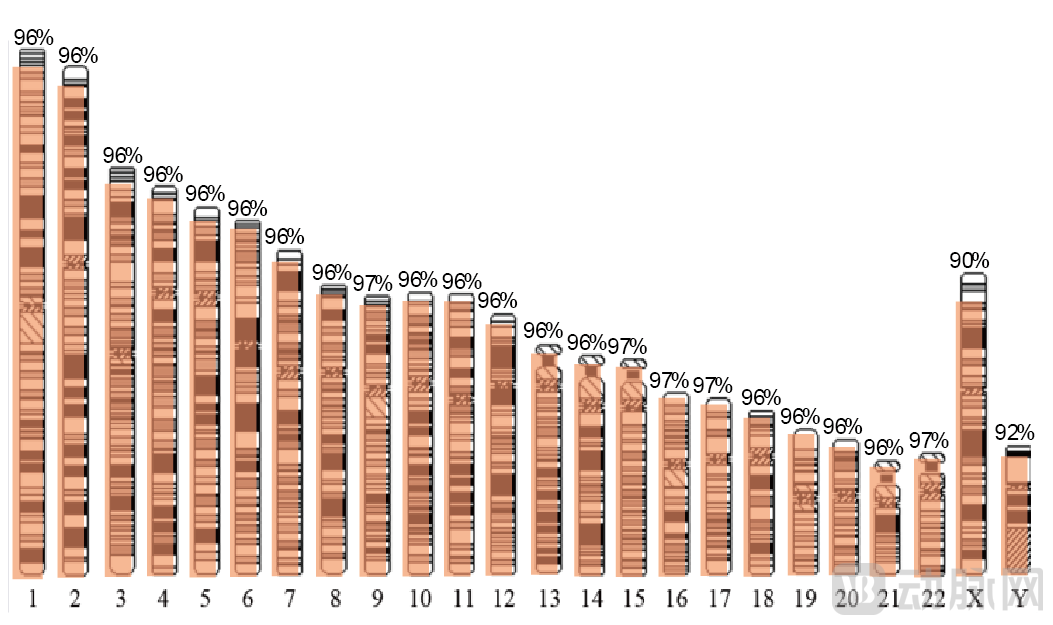 GPS Technology Achieves ≥90% Cytosine Coverage on Each Chromosome | Image provided by EpiGene Biotech
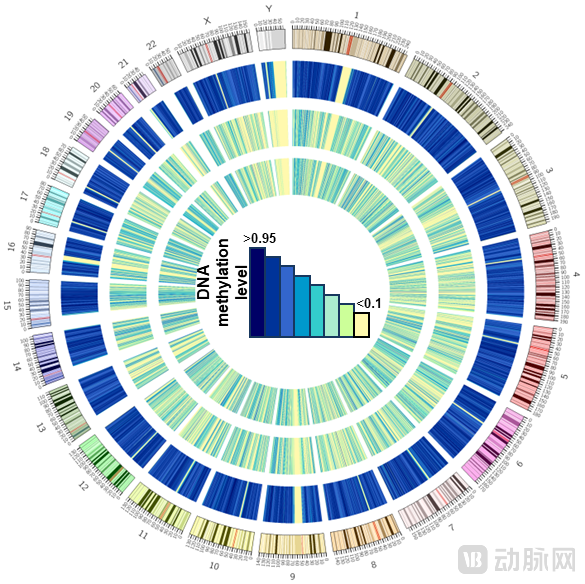
The World's First Single-Base Resolution Whole-Genome DNA Methylation Map
Total Genomic Cytosine Coverage > 96%
Image courtesy of Yipu Bio
The identification of pan-cancer biomarkers represents only the initial step in their application for early tumor screening and does not guarantee optimal performance in tumor detection. Due to numerous limitations inherent in traditional DNA methylation detection technologies, methylation biomarkers encounter significant challenges in real-world clinical applications, with the stability of test results posing a persistent concern for many professionals in the field of methylation testing. Currently commonly used methods for detecting DNA methylation biomarkers include methylation-specific PCR, bisulfite sequencing, and quantitative fluorescence assays.
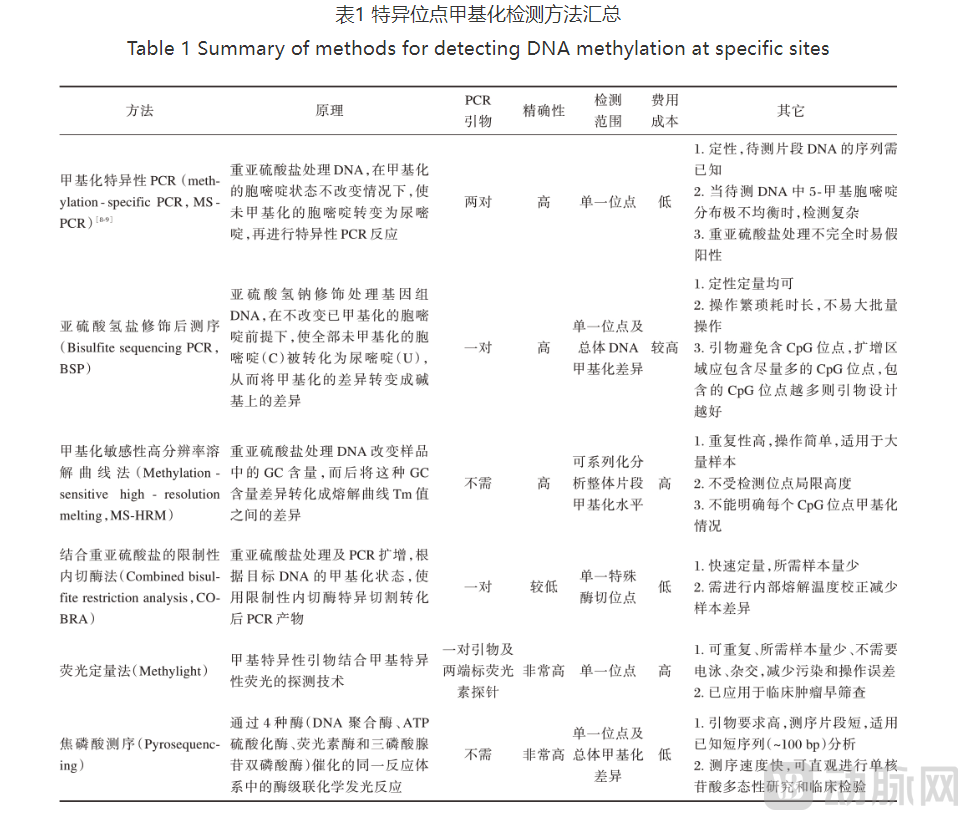 Summary of Site-Specific Methylation Detection Methods[5] (Source: See notes at the end of the article)
In recent years, more than ten methylation detection methods have emerged on the market, most of which employ bisulfite pretreatment. This process typically requires approximately 2.5 hours for bisulfite conversion and about 1 hour for purification. Furthermore, the entire procedure relies on manual handling, resulting in prolonged operation times. As a significant rate-limiting step in methylation detection, this approach fails to meet the high-throughput workflow demands of hospital clinical laboratories. The most critical issue is that incomplete bisulfite conversion can lead to false-positive results. Indeed, bisulfite conversion remains one of the most challenging and pain-point-intensive steps in DNA methylation detection.
Traditional DNA methylation detection methods suffer from issues such as unstable bisulfite conversion, complex procedures, prolonged detection times, high false-positive rates in samples, and heavy reliance on technician expertise. Therefore, since its establishment in 2018, Epigenetic Biotech has been committed to addressing the numerous challenges associated with DNA methylation detection. Through persistent efforts and independent research and development, it has pioneered the world’s first bisulfite-free method forDNA Methylation Detection Method Based on the qPCR Platform—Me-qPCR.
Me-qPCR technology offers the following advantages:
Me-qPCR technology completely eliminates the limitations associated with bisulfite treatment, enabling stable and accurate methylation detection in real-world applications. Compared with bisulfite-based qPCR techniques, Me-qPCR reduces assay time by 50%, obviates the cumbersome bisulfite conversion step, and eliminates the high costs of bisulfite conversion kits, thereby enhancing the stability and accuracy of methylation detection. Me-qPCR is simple, easy to perform, and accurate, elevating the stability and reproducibility of sample testing to new heights. By leveraging standard qPCR platforms, it also facilitates user-friendly operation and process automation for methylation detection, laying a solid technical foundation for the clinical translation and large-scale application of tumor methylation biomarkers.
In the field of diagnostic testing, there are two types of analysis: qualitative and quantitative. Generally, the results of most tumor marker tests are qualitative, involving positive or negative determinations; this is particularly true in the field of methylation detection. Due to limitations inherent in traditional methylation detection methods, bisulfite treatment leads to insufficient assay stability, which hinders accurate threshold determination and thus only allows for qualitative results.
Innovation in DNA Methylation Detection Methods Based on Me-qPCR Technology,In the global field of methylation detection,Yipu Bio is the first and only biotech company to assign a percentile score to pan-cancer biomarker test results.Yipu Biology utilizes Me-qPCR technology to detect the methylation levels of pan-cancer markers in samples, providing a methylation detection score ranging from 0 to 100. Based on this score, results can be interpreted at multiple levels, such as negative, weakly positive, moderately positive, and strongly positive. According to the specific level indicated by the test results, more targeted clinical recommendations can be provided to physicians, enabling effective stratified management for populations with varying tumor risks.
More importantly, methylation testing results based on a percentile scale can facilitate companion diagnostics for tumors, assess the efficacy of pharmacological treatments, and enable dynamic monitoring of tumor recurrence. During the treatment of solid tumors (including immunotherapy, targeted therapy, chemotherapy, and radiotherapy), regular imaging examinations (typically every three months) are required to evaluate therapeutic response and provide a scientific basis for adjusting treatment strategies. However, imaging modalities generally only detect lesions larger than 0.5 cm and cannot determine the nature of these lesions. In the context of immunotherapy, some patients experience "pseudoprogression" or "hyperprogression," where imaging fails to accurately assess lesions and tumor progression. Furthermore, due to radiation exposure from imaging and the variable rates of tumor progression, high-frequency imaging and dynamic tumor monitoring are difficult to achieve.
Currently, Epu Bio is conducting clinical research with a large tertiary Grade A hospital in Shanghai to evaluate the efficacy of immunotherapy using pan-cancer biomarkers. Over a monitoring period exceeding three years, Epu Bio enrolled a cohort of cancer patients undergoing immunotherapy, regardless of cancer type. The study utilized blood samples collected from patients at various time points for methylation detection of pan-cancer biomarkers. The enrolled cancer types covered 17 common tumors, including lung cancer, liver cancer, gastric cancer, breast cancer, colorectal cancer, and urothelial carcinoma, with more than 1,000 blood samples collected. By performing methylation analysis on blood samples obtained at different time points, the study dynamically assessed the therapeutic efficacy of immunotherapy in these patients.
Based on current data analysis, pan-cancer marker methylation testing assesses changes in tumor progression more than three months earlier than imaging. Yipu Bio’s methylation test demonstrates a sensitivity of 92.86% and a specificity of 83.33%. Ms. Hua Lin, CEO of Yipu Bio, stated, “Compared with imaging assessment, pan-cancer marker methylation can predict the efficacy of immunotherapy at an earlier stage.”
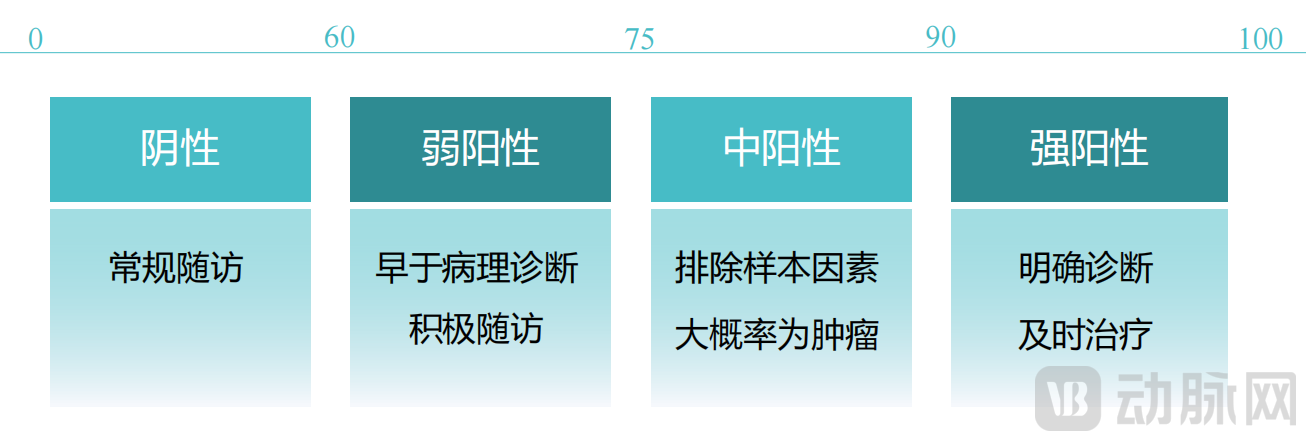 Methylation Interpretation Score (0–100) Image courtesy of Epigenomics Biotech
Yipu Bio’s pan-cancer biomarkers effectively fill the gap in domestic tumor methylation biomarkers, achieving a qualitative leap in the performance of methylation detection methods and positioning its tumor methylation detection products at an internationally leading level. Currently, Yipu Bio has two leading product pipelines: DNA methylation molecular detection products for female genital tract tumors and DNA methylation molecular detection products for urothelial carcinoma.
Among tumors of the female reproductive tract, the two main types are cervical cancer (including cervical squamous cell carcinoma and cervical adenocarcinoma) and endometrial cancer. For cervical cancer, routine screening methods include HPV testing and liquid-based cytology (TCT).
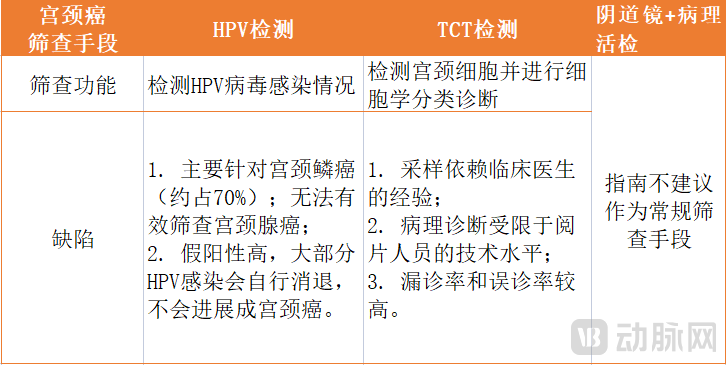 Routine Screening Methods for Cervical Cancer | Graphic by VCBeat
Currently, there is no non-invasive and accurate screening method for endometrial cancer in clinical practice. The standard diagnostic workflow begins with ultrasound and gynecological examination; if abnormalities are detected, hysteroscopy combined with pathological biopsy is performed to confirm the diagnosis. Ultrasound often fails to detect early-stage endometrial cancer lesions. Even when endometrial abnormalities are identified, ultrasound cannot determine the nature of these abnormalities. Therefore, a definitive diagnosis of endometrial cancer still requires invasive hysteroscopy and biopsy. Unfortunately, hysteroscopy combined with pathological biopsy has a false-positive rate of 34.5% and a false-negative rate of 12.68%, resulting in a total error rate as high as 47.2%. Moreover, repeated dilation and curettage can lead to endometrial thinning, thereby impairing female fertility.
Since conventional clinical screening methods have certain limitations, some molecular diagnostic techniques have also become options for screening female genital tract tumors. However, these technologies are still in the early stages of promotion and have not yet been widely adopted on a large scale.
Advancing early tumor screening to the precancerous lesion stage is of paramount importance. Taking cervical cancer as an example, HPV infection does not necessarily progress to malignancy; it may only develop into low-grade squamous intraepithelial lesion (LSIL), which can resolve spontaneously through the body’s immune response. However, once high-grade squamous intraepithelial lesion (HSIL) occurs in the cervix, progression to cervical cancer becomes highly probable. Identifying patients during the transition from LSIL to HSIL enables effective prevention of cervical carcinogenesis through conization surgery.
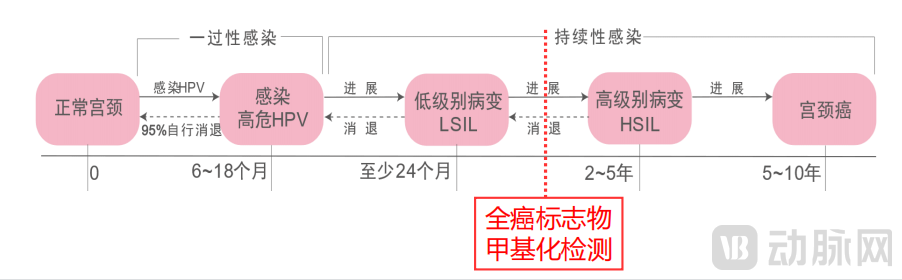 Methylation Testing Phase. Image courtesy of Epibio.
Yipu Bio has collaborated with multiple hospitals, led by a large tertiary Grade A obstetrics and gynecology hospital in Shanghai, to conduct a cohort study involving 10,000 participants on cervical cancer screening using pan-cancer methylation markers. The latest data show that the pan-cancer methylation marker test achieves a sensitivity of 90.7% and a specificity of 95.1% for screening high-grade squamous intraepithelial lesions (≥HSIL). Clinically, endometrial cancer is more challenging to diagnose than cervical cancer; however, due to the anatomical structure of the uterus, exfoliated cells from the uterine cavity accumulate at the cervical os. Therefore, Yipu Bio can effectively detect endometrial cancer using cervical ThinPrep Cytologic Test (TCT) samples, achieving a specificity of 87.3% and a sensitivity of 90.9%.
Based on pan-cancer biomarker testing, Epimab Biosciences has developed the product Gong Yi An.Screening covers cervical cancer (including cervical squamous cell carcinoma and cervical adenocarcinoma) and endometrial cancer.The test sample for this product is exfoliated cervical cells, enabling simultaneous screening for cervical cancer and endometrial cancer with a single sampling. This approach effectively facilitates diagnosis and risk assessment for individuals at high risk of genital tract tumors. The pan-cancer biomarker methylation assay represents a disruptive innovation and a qualitative leap in the screening of female genital tract tumors.
Urothelial carcinoma is the second most common malignancy in the urinary system. It is categorized into upper tract urothelial carcinoma (UTUC), which includes renal pelvic cancer and ureteral cancer, and lower tract urothelial carcinoma, primarily bladder cancer. The most common clinical manifestation is hematuria; approximately 80%–90% of patients with urothelial carcinoma present with intermittent, painless, gross total hematuria as the initial symptom.
Statistical data indicate that 90% of urothelial carcinomas are bladder cancers, which are associated with a high rate of postoperative recurrence. Consequently, clinicians recommend that patients undergo cystoscopy every three months after surgery to monitor for tumor recurrence. Cystoscopy involves transurethral insertion to visualize the bladder; however, this procedure is painful and invasive, prone to causing injury to the urethral and bladder mucosa, resulting in poor patient compliance. Furthermore, it cannot assess upper urinary tract urothelial carcinoma (such as in the renal pelvis and ureter), and its diagnostic accuracy is heavily dependent on the clinician’s individual experience.
PangYiQing, a DNA methylation molecular diagnostic product for urothelial carcinoma based on pan-cancer biomarkers developed by EpuBio, is the world’s first urothelial carcinoma DNA methylation test to recently receive Breakthrough Device Designation from the FDA.Multi-center clinical cohort studies conducted by Epu Bio in collaboration with numerous renowned Grade A tertiary hospitals across China have demonstrated that its product, PangYiQing, achieves a sensitivity of 85% and a specificity of 90.12% for the detection of urothelial carcinoma. In addition to early screening for urothelial carcinoma, the pan-cancer methylation biomarkers can be used postoperatively and after intravesical chemotherapy to evaluate treatment efficacy, as well as to continuously monitor tumor recurrence through non-invasive urinary methylation testing. Furthermore, PangYiQing offers advantages such as minimal sampling constraints and extended urine sample stability, enabling comprehensive, digitalized monitoring and management throughout the entire care pathway for urothelial carcinoma.
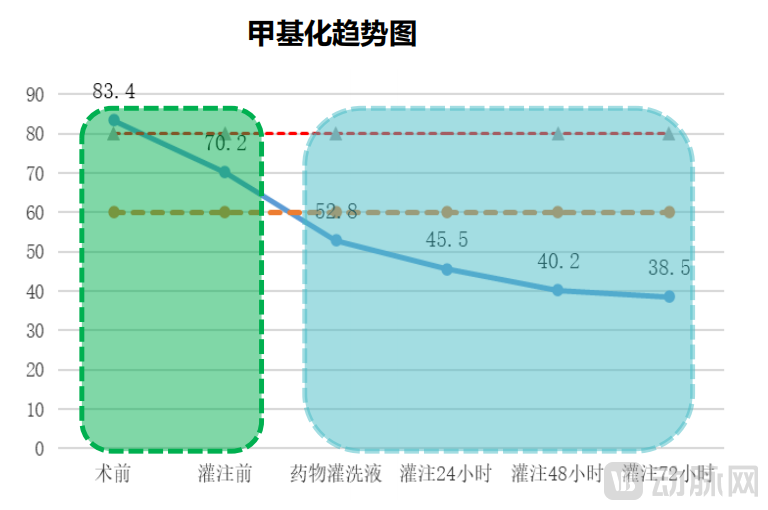 Trend Chart of Urothelial Methylation Detection (Note: The blue line indicates the methylation level). Image provided by Epibio.
“Receiving the FDA Breakthrough Device Designation for our pan-cancer biomarker marks the first step in taking Yipu Bio’s pan-cancer biomarker technology global. Yipu Bio will continue to advance the commercialization of its products, with the aim of making Yipu’s pan-cancer biomarker testing services available to the broader population both within and outside hospital settings at the earliest possible date,” said Hua Lin, CEO of Yipu Bio.
References:
【1】.Li J, Li Y, Li W, Luo H, Xi Y, Dong S, et al. Guide Positioning Sequencing identifies aberrant DNA methylation patterns that alter cell identity and tumor-immune surveillance networks. Genome Res. 2019;29:270-80.
【2】. Dong S, Li W, Wang L, Hu J, Song Y, Zhang B, et al. Histone-Related Genes Are Hypermethylated in Lung Cancer and Hypermethylated HIST1H4F Could Serve as a Pan-Cancer Biomarker. Cancer Res. 2019;79:6101-12.
【3】.Dong, S., et al., Hypermethylated PCDHGB7 as a universal cancer only marker and its application in early cervical cancer screening. Clin Transl Med, 2021.11(6): p. e457.
【4】.Dong S, Yang Z, Xu P, Zheng W, Zhang B, Fu F, et al. Mutually exclusive epigenetic modification on SIX6 with hypermethylation for precancerous stage and metastasis emergence tracing. 2022;7:208.
[5]. Yao Yanli, Huang Yuzhe, Han Zhibin, et al. Progress in Common Detection Techniques and Applications of DNA Methylation at Specific Loci[J]. Journal of Molecular Diagnostics and Therapy, 2021, Vol. 13(7): 1192-1196.
[6]. Zhao Jing, Yang Jinhao, Chang Yanmin, et al. Research Progress on DNA Methylation Biomarkers for Cervical Cancer in China[J]. Journal of Tianjin Medical University, 2021, Vol. 27(5): 545-548.
【7】7.Li S, Tollefsbol TO. DNA methylation methods: Global DNA methylation and methylomic analyses. Methods. 2021 Mar;187:28-43.