

Jingwei Shida Unveils World's First Fusion™ Discovery™ Composite Confocal Cholangioscopy System at CMEF Ahead of IPO

viestar
Precision Optical Biopsy Technology R&D and Manufacturer
For a long time, the domestic substitution of endoscopes in China was akin to an insurmountable mountain. Only a handful of enterprises managed to scale this peak and achieve indigenous innovation. However, in recent years, bolstered by both capital infusion and supportive policies, technological innovations in domestically produced medical endoscopes have seen continuous breakthroughs. Not only have related products received successive regulatory approvals, but the industry has also demonstrated clear trends toward specialization and diversification, with leading companies emerging in various niche segments.
This is particularly evident at the CMEF (China International Medical Equipment Fair) being held this year, where it is clear that endoscopy is no longer the exclusive domain of overseas companies. Domestic manufacturers occupied the majority of the exhibition space, with their products meeting clinical needs to a significant extent in terms of variety, quality, and innovation.
As a leading enterprise in China for confocal cellular-level endoscopy, viestar would naturally not miss such a grand event. This time,Enterprise with BIOPSEE®Beixi®, INSIGHT VistarTMProduct series, as well as the highly anticipated new release FUSIONTMFindingsTMHybrid Confocal Biliary Micro-Endoscopy System Makes a Stunning Debut, comprehensively showcasing the R&D capabilities and technical strength of domestic manufacturers.

Since its inception, the endoscope has been tasked with serving as an extension of the endoscopist’s “hands” and “eyes.” Today, driven by the evolution of minimally invasive surgical techniques and rising clinical demands, medical endoscopes continue to advance. By achieving a breakthrough from mere “visualization” to “differentiation” and ultimately to “therapy,” they provide clinicians with more minimally invasive, precise, and safer treatment options for various diseases.
Confocal Laser Endomicroscopy (CLE), as a novel endoscopic technique developed over the past two decades, offers submicron-level resolution and optical sectioning capabilities.By integrating optical systems with unique algorithms, it achieves ultra-high resolution and an ultra-compact observation tip, presenting cellular morphology that is highly consistent with pathological biopsy. It is precisely for this reason thatThis technology has also been dubbed “real-time optical biopsy.”
After years of development,Confocal laser endomicroscopy products are categorized based on different application scenarios into probe-based confocal laser endomicroscopy (pCLE), biliary confocal laser endomicroscopy with a diameter of 1.0 mm (pCLE-biliary), and needle-based confocal laser endomicroscopy with a diameter of 0.8 mm (nCLE).。
Confocal Visual Biopsy leverages confocal principles, employing advanced cytological analysis techniques combined with sophisticated optical systems and proprietary algorithms to achieve ultra-high resolution and microscopic observation capabilities. This novel endoscopic diagnostic technology enables non-invasive optical biopsy and targeted precision biopsy during diagnosis, reducing missed diagnoses and improving diagnostic accuracy to support pathological assessment. During treatment, it facilitates precise delineation of surgical margins and resection of multifocal lesions, as well as postoperative surveillance, thereby lowering the rates of residual disease and recurrence.
Due to the potential value of this technology, more than 20 domestic and international guidelines and consensus statements—including the Chinese Consensus on Chronic Gastritis, the Chinese Consensus on Screening and Endoscopic Diagnosis and Treatment of Early Gastric Cancer, the Chinese Guidelines for Screening, Early Diagnosis, and Early Treatment of Esophageal Cancer, the American Society for Gastrointestinal and Endoscopic Surgery (SAGES) and Technology and Value Assessment Committee (TAVAC) Evaluation Analysis of the Safety and Efficacy of Confocal Laser Endomicroscopy (CLE), and the World Journal of Gastroenterology: Colorectal Cancer Screening and Surveillance in Patients with Inflammatory Bowel Disease—as well as numerous authoritative institutions, have actively promoted the clinical application of confocal laser endomicroscopy.
Olympus Corporation began developing cellular-level endoscopes in 2003 and facilitated the entry of its Endocytoscopy system, an ultra-magnification cellular endoscope, into the Chinese market in 2021. Zeiss completed the development of its CONVIVO endoscope (eCLE), which enables real-time intraoperative pathological diagnosis, in 2018. Meanwhile, Mauna Kea Technologies (MKT) has been continuously expanding its market presence with its confocal endoscope product portfolio. The strategic moves by these industry giants underscore the widespread recognition of the clinical value and market potential of this technology. However, due to exceptionally high technical barriers, only a handful of companies worldwide have mastered this technology and achieved successful product commercialization.
Fortunately,China's policies have provided substantial support for the development of this technology, and the Chinese manufacturer viestar has successfully developed a confocal microendoscope and achieved industrialization of related products.Making China the second country in the world to have an approved confocal laser endomicroscope, truly realizing the goal of leveraging technology to benefit patients.
Viestar was established in 2014, but exploration of this technology in China had already begun as early as 2002.
It is understood that confocal microendoscopy technology in China originated from Huazhong University of Science and Technology and the Suzhou Institute of Biomedical Engineering and Technology, Chinese Academy of Sciences. As the lead organization for a national major science and technology project and a key participant in advancing national medical strategic planning, viestar acquired the core intellectual property rights related to this technology from Huazhong University of Science and Technology through equity transactions in 2014, facilitating its industrial commercialization.
Today, viestar is committed to the mission of continuous innovation for quality life. Centered on the goals of improving prognoses for cancer patients and reducing healthcare expenditures, the company collaborates closely with numerous authoritative medical and research institutions in China to facilitate the implementation of innovative cancer diagnosis and treatment solutions, while maintaining ongoing cooperation with the Suzhou Institute of Biomedical Engineering and Technology, Chinese Academy of Sciences. The company remains dedicated to providing clinically valuable, advanced technologies for the early precise diagnosis and treatment of cancer, having achievedThe technology encompasses three major technical domains: minimally invasive diagnostic and therapeutic access techniques for tumors, real-time visualized biopsy techniques, and minimally invasive tumor treatment techniques.Holds over 100 inventions in confocal technology and more than 300 intellectual property rights.
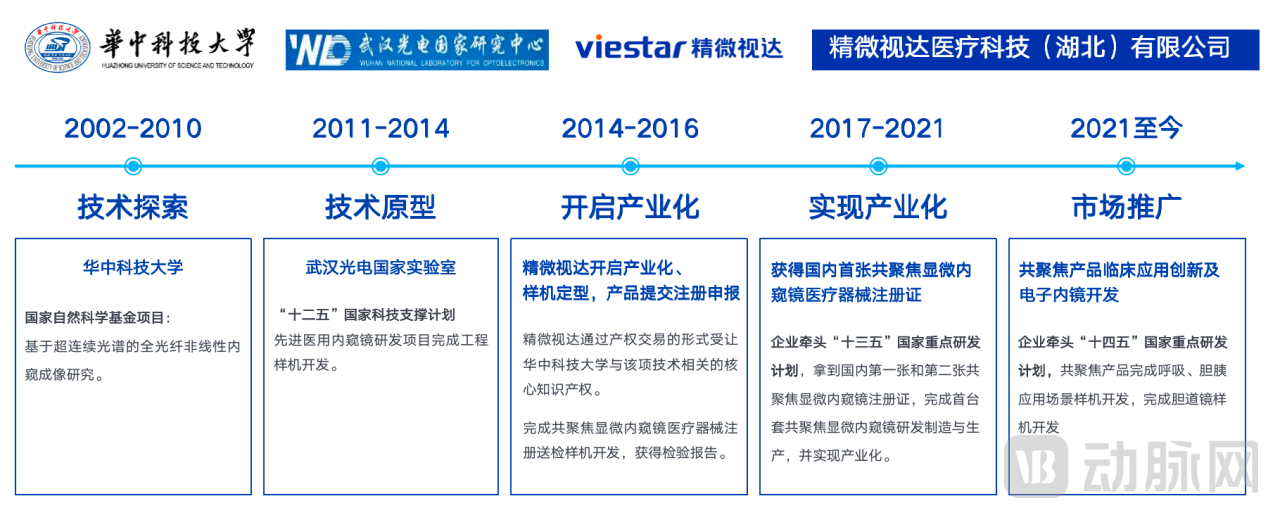
Viestar Development Milestones
Beixi®The confocal microendoscope is a product developed based on viestar's technological expertise.
It is understood that this project represents the industrialization outcomes of the National Major Science and Technology Projects during China’s 12th and 13th Five-Year Plan periods, with its technological research, development, and application receiving national policy support. In 2019, the first domestic medical device registration certificate for a confocal laser endomicroscope was issued, making China the second country in the world to have certified confocal laser endomicroscopes. In 2021, the second-generation Beixi® confocal laser endomicroscope also received certification and was launched on the market. In 2022, the research and development of core components for fluorescence confocal laser endomicroscopy was once again selected for the National Key R&D Program during the 14th Five-Year Plan period, fully demonstrating the state’s strong support for the research and development of high-end medical endoscopy technologies.
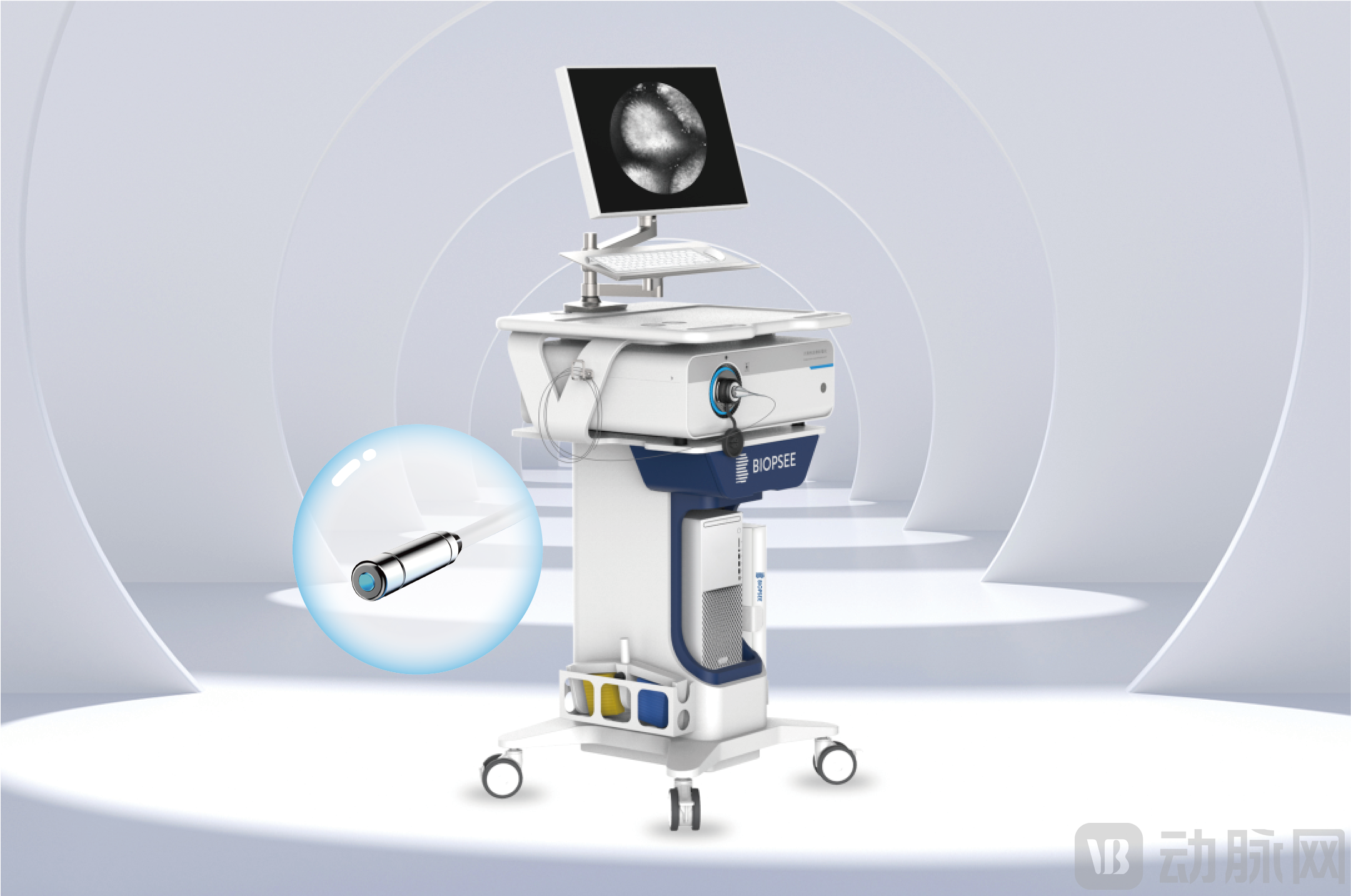
Beixi® Confocal Microendoscope
This product employs the most advanced principles of biological cytological analysis, integrating a sophisticated optical system with unique algorithmic processing to achieve ultra-high resolution and an exceptionally small distal tip size. It provides clinicians with real-time, in vivo cellular-level images magnified 1,000 times, displaying morphological and functional cellular information. This assists physicians in promptly detecting lesions and assessing their nature during clinical diagnosis, treatment, and follow-up. The product’s operation closely resembles that of conventional biopsy, working synergistically through standard endoscope instrument channels. With clear and distinct atlas features, it offers a short learning curve and is easy to master.
viestar Takes Another Step Forward with the Launch of FUSIONTMFindingsTMThe flagship new product: the Hybrid Confocal Biliary Micro-Endoscopy System. This product not only brings new value to improving the diagnostic efficacy of biliary and pancreatic diseases (such as biliary stricture and pancreatic cystic lesions), but also provides more valuable solutions for clinical practice. Furthermore, viestar has become the only company globally that possesses both confocal technology and electronic endoscopy technology, while successfully achieving industrial commercialization of its research outcomes.
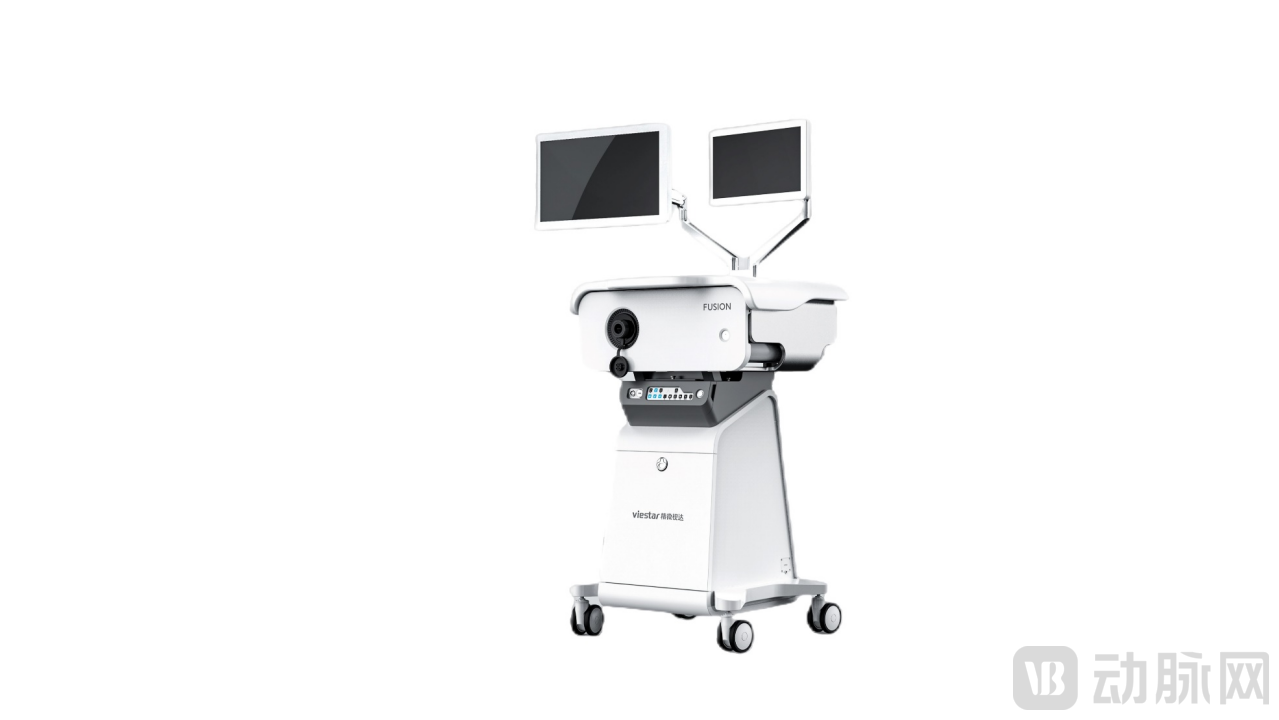
FUSIONTMFindingsTMComposite Confocal Biliary Microendoscopy System
FUSIONTMFindingsTMThe Confocal Biliary Microendoscopy System, an ERCP visualization platform with microscopic imaging capabilities, integrates a biliary sub-endoscope and a biliary confocal microendoscope. By providing comprehensive solutions for hepatobiliary and pancreatic diseases, it effectively enhances the diagnostic efficacy of ERCP.
This product is equipped with an ultra-micro biliary probe (probe diameter <1mm) capable of micron-level resolution, enabling cellular-level imaging of lesions under direct visualization of the bile ducts. It allows for immediate assessment of lesion characteristics, facilitating effective identification of precancerous biliary tract lesions.
Furthermore, the product is equipped with an ultra-high-definition choledochoscope imaging system that delivers clear visualization and high operational convenience. It enables exploration of digestive tract “blind spots” and direct visual observation of biliary lesions, making it the preferred solution for the management of biliary and pancreatic stones, as well as for the diagnosis and treatment of biliary and pancreatic strictures.
Moving forward, viestar will continue to iterate on its confocal imaging products. It plans to launch the pCLE (biliary) series with a 1.0 mm probe diameter and the FUSION™ hybrid endoscope in July this year, followed by the nCLE product featuring an ultra-slim 0.8 mm probe diameter in February 2024, thereby expanding its product portfolio.
The “Outline of the 14th Five-Year Plan for National Economic and Social Development of the People’s Republic of China and Long-Range Objectives Through the Year 2035” has explicitly called for comprehensively advancing the construction of a Healthy China, prioritizing the protection of people’s health as a strategic priority, adhering to the principle of prevention first, and providing comprehensive, life-cycle health services to the population. Early cancer screening is undoubtedly one of the foundational measures for implementing this policy and further achieving early diagnosis and early treatment of diseases.
However, a large proportion of cancers in China are diagnosed at intermediate or advanced stages, with an early-stage detection rate of only about 10%, far lower than the 40%–60% rates observed in Europe and the United States. Cellular-level endoscopy enables direct visualization comparable to histopathological slides, substantially improving the diagnostic yield of biopsies. When confocal laser endomicroscopy is used in conjunction with conventional endoscopy, it assists physicians in making immediate assessments of the nature of lesions, significantly increasing the early cancer detection rate and reducing the rate of missed diagnoses.
According to Frost & Sullivan statistics, the market size of medical endoscopes in China reached RMB 23.1 billion in 2020. With the penetration rate of minimally invasive surgery
Driven by advancements in endoscopic diagnosis and treatment, as well as the rising penetration rate of early screening, the domestic endoscopy market in China will continue to expand.
In the future, viestar will further integrate upstream and downstream industrial resources to build a comprehensive ecosystem of partners across the entire value chain. Leveraging its core product—the confocal endoscope, which boasts extensive clinical applications—viestar will expand its product portfolio around the clinical diagnosis and treatment workflow.
The company has launched a new round of financing.