

Amador Bioscience and CEO Bing Wang: Building a Global Bridge for Innovative Drug Development, Aiming to Be the 'Tesla' of Next-Gen CROs
In recent years, China has continuously increased its investment in biomedical innovation, with growing R&D capabilities and intensifying domestic market competition. As Chinese innovative drug development projects and talent pools expand, and domestic regulatory frameworks increasingly align with international standards, “going global” has become a keyword for China’s innovative pharmaceutical industry, with more and more Chinese biopharmaceutical companies embarking on new journeys of internationalization.
As the global clinical development of innovative drugs accelerates, charting a steady course for internationalization has become an urgent challenge. On the path for Chinese innovative drugs to enter global markets, repeated setbacks have tempered initial market expansion enthusiasm, fostering a more rational approach.
In the current era of rapidly evolving pharmaceutical industry landscapes,How to leverage external resources to strategically plan global expansion pathways and address challenges in the “going global” process has become a shared issue facing China’s innovative drug industry.
As a preferred partner for the successful development of innovative drugs, Amador Bioscience has established an ecosystem of translational science and clinical development services in multiple biopharmaceutical technology hubs across China, the United States, and Europe since its inception in 2018. It provides one-stop CRO service support globally for innovative drugs from preclinical stages to market launch. VCBeat onDr. Wang Bing, Founder and CEO of AMADOR BIOSCIENCEConducting an exclusive interview, with the aim of bringing new perspectives to the industry.

Dr. Wang Bing, Founder and CEO of Amador Bioscience
“Going Global” Thresholds Rise Further; Differentiated Innovative Products Are the Key to Success
According to the “Q1 2023 Investment and Financing Report” released by VCBeat, global financing totaled RMB 54.168 billion in Q1 2023, a year-on-year decrease of nearly RMB 30 billion, or approximately 34%. Domestic financing in China reached RMB 16.037 billion, representing a year-on-year decline of about 57%.
Data shows that capital has become more cautious compared to the same period last year, with an overall decline in market sentiment. Market activity in China has decreased significantly, and biopharmaceutical companies continue to face challenges in securing financing. It can be said that the capital market remains in a “winter,” with this chill being more pronounced domestically than overseas.
Meanwhile, the wave of intense competition in innovative drugs has spread from PD-1 inhibitors to antibody-drug conjugates (ADCs), with no sign of abating. According to data from Ruixin Consulting, 41% of new drug applications currently accepted in China are based on just 6% of popular targets, resulting in severe target homogenization. The clustering around these targets and the escalating “involution” pose significant challenges for China’s innovative drug sector.
Amidst numerous challenges, what should Chinese pharmaceutical companies focus on to secure a place on the vast international stage? Dr. Wang Bing stated that as the broader environment cools down and market bubbles dissipate, the value of innovative drugs is returning. This trend is further underscored by the FDA’s introduction of Project Optimus and the Project Diversities guidelines in 2021.
The Project Optimus initiative requires companies to optimize the doses selected for clinical trials, while the Project Diversities guidance mandates that pharmaceutical companies include a more diverse range of racial and ethnic groups in their clinical trials. Increased dose exploration and optimization necessitate larger-scale trials, thereby prolonging the time required for regulatory approval. It is evident that the industry’s demands for innovation in drug research and development are continuously rising, further elevating the barriers for domestic innovative drug companies seeking to expand into global markets.
In this context, developing truly differentiated innovative drug products is the key to success in global expansion.Dr. Wang Bing stated that innovative drugs require high-quality clinical data on efficacy and safety to enter clinical trials. Small and medium-sized innovative pharmaceutical companies also need to obtain superior, differentiated clinical data to gain favor from investors or large pharmaceutical firms. “Only truly innovative drugs have a future; if one cannot achieve ‘first-in-class’ status, one should strive for ‘best-in-class.’”
However, large innovative pharmaceutical companies still possess the capability and willingness to pursue global market approval filings. In contrast, small and medium-sized innovative pharmaceutical enterprises often lack sufficient capabilities in overseas clinical development and thus need to collaborate with multinational CROs or multinational pharmaceutical companies. Furthermore, multinational pharmaceutical companies maintain very high standards for data integrity, the design and execution of clinical trials, the quality of sample testing and data analysis, as well as the interpretation of clinical data.
“This requires a global perspective in all aspects, including indication selection and clinical development, rather than focusing solely on the domestic or a single market,” said Dr. Wang Bing. “Particularly when expanding overseas, domestic data alone is insufficient. Foreign markets differ from China in terms of ethnicity, standard of care, and the competitive landscape for indications. Furthermore, achieving differentiation at the same therapeutic target is crucial. For instance, while there are already many PD-1 inhibitors, differentiating through indications, dosing, or combination therapies represents an important strategy.”
Leveraging Translational Science as a Core Competency to Build an Ecosystem Connecting Global Resources
Currently, Chinese pharmaceutical companies are seeking to expand their products overseas and conduct multi-center clinical trials globally. They face various challenges in both the design and execution of clinical trial protocols.
According to Dr. Wang Bing, first, standard treatment protocols vary across countries and regions, as do the requirements for the number of subjects to be enrolled. How to adapt to these regional differences and formulate corresponding clinical development strategies poses a significant challenge.
Secondly, the execution of clinical protocols requires the collaboration and support of CROs with experience in overseas drug development. Small and medium-sized pharmaceutical companies expanding globally often rely on specialized CROs across different service domains, which may pose challenges for the management and integration of clinical trial data at later stages.
Furthermore, for innovative pharmaceutical companies to enter overseas markets, they must engage in negotiations with foreign regulatory authorities and multinational pharmaceutical enterprises, which presents a significant challenge. For instance, markets in Europe and the United States require that clinical data not only account for ethnic differences in pharmacokinetics but also address variations in efficacy, safety, and standard of care. Such communications with regulatory bodies necessitate the support of experienced partners.
Ultimately, innovative drug development is, in a sense, a race against time, requiring accelerated project advancement to complete clinical development as early as possible.
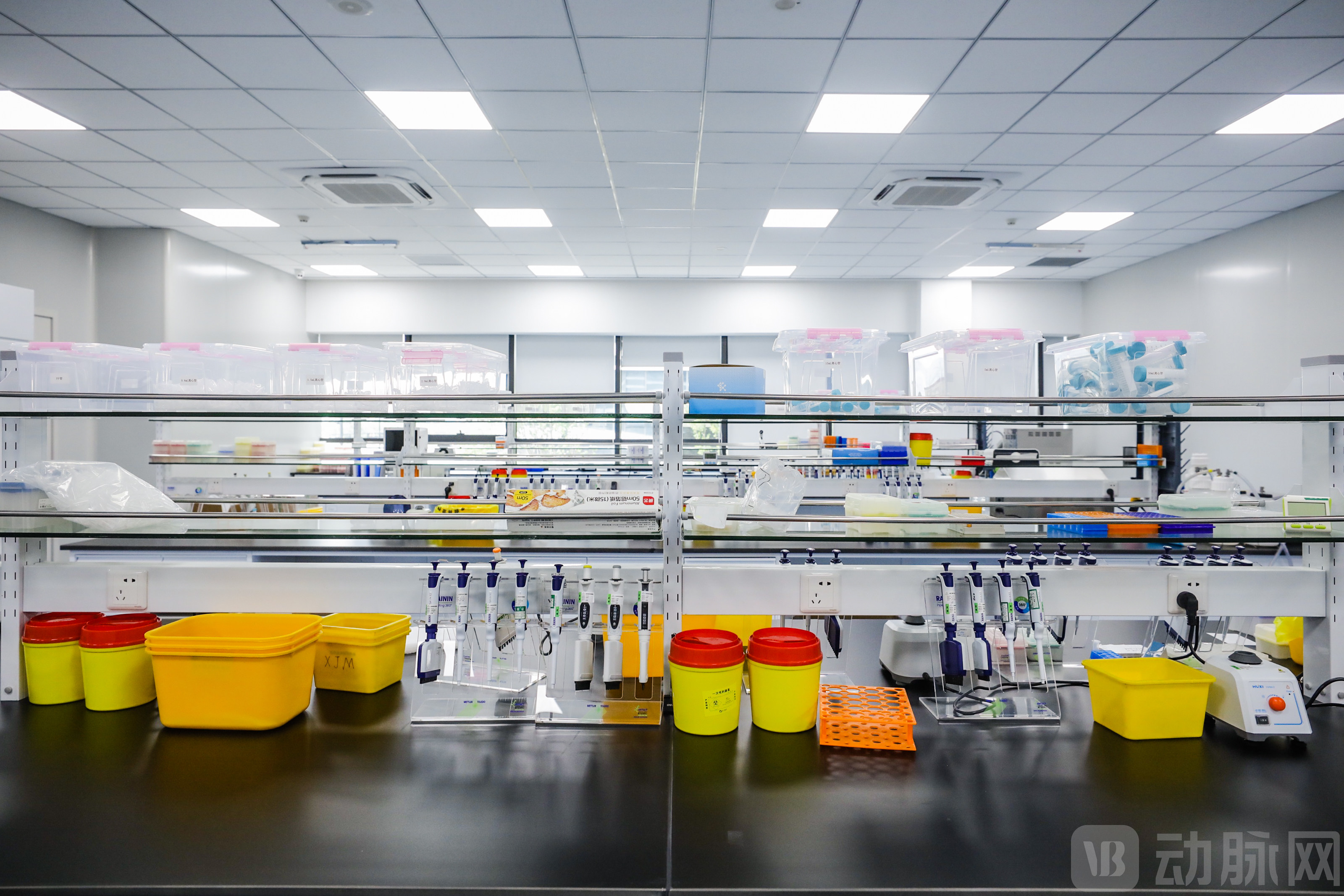
Interior View of AMADOR BIOSCIENCE China Laboratory
A mature team, a comprehensive quality assurance system, robust data security, and services compliant with international standards constitute the core competitiveness of AMADOR BIOSCIENCE as a next-generation CRO in global translational and clinical development.
“We believe that in the process of new drug development, preclinical and Phase I/II clinical trials are the stages with the highest R&D risk,” said Dr. Wang Bing. For this reason, Amador Bioscience has chosen translational science and early-stage clinical development as its entry point, which is also the most critical phase for the majority of innovative pharmaceutical companies expanding into global markets.
On one hand, Amador Bioscience provides new drug development services in China, Europe, the United States, and other countries.End-to-end services compliant with international standards, covering translational and quantitative clinical pharmacology, bioanalysis and biomarkers, regulatory submissions, biostatistics, and clinical development, including clinical development strategies and execution from preclinical stages to market launch, scientifically "selecting doses, targets, and patients," and leveraging globally unified technical platforms, management systems, and quality standards to enhance the efficiency and success rate of new drug R&D.
By leveraging advanced, proven technologies such as artificial intelligence and machine learning for SAS programming, PK/PD computational modeling, and clinical trial simulations to deliver professional clinical pharmacology services, AMADOR BIOSCIENCE has successfully completed nearly 100 preclinical and clinical projects for innovative drugs both domestically and internationally. These projects cover a wide range of modalities, including chemotherapy agents, targeted small-molecule drugs, peptides, monoclonal antibodies, bispecific antibodies, and antibody-drug conjugates (ADCs). The company’s high-quality services have earned widespread recognition from international clients in the European and American markets.
On the other hand,The senior technical expert team is also one of the reasons why AMADOR BIOSCIENCE is trusted and continuously chosen by customers.AMADOR BIOSCIENCE boasts a team with profound academic backgrounds and extensive experience in industry R&D and services. The team comprises experts in clinical pharmacology, bioanalysis, immunology, biostatistics, translational medicine, clinical medicine, clinical operations, data management, project management, quality assurance, and regulatory submissions. Among them, 30% hold doctoral degrees (PhD, MD, PharmD), and 40% hold master’s degrees.
Among them, Dr. Lorin K. Roskos, who has just joined the company, brings over 30 years of experience in pharmaceutical R&D and management, and is a leading expert in translational science, clinical pharmacology, and bioanalysis. He has previously held executive roles in drug discovery, nonclinical development, and clinical development at globally leading multinational pharmaceutical companies and small biotechnology firms, including Amgen, AstraZeneca, and Exelixis.
In addition to clinical pharmacology, AMADOR BIOSCIENCE also has regulatory affairs and medical writing departments to assist pharmaceutical companies in liaising with overseas regulatory authorities and providing consulting guidance.
Most importantly, driven by its technology and global strategy-led expansion,AMADOR BIOSCIENCE aggregates diverse resources and builds a global service network, leveraging its global advisory teams in the United States, the European Union, and other regions to establish and continuously expand a global ecosystem.. AMADOR BIOSCIENCE not only provides services to pharmaceutical companies, but also leverages its internal resources and global ecosystem resources to rapidly respond to various customer needs.
China-US-EU “Triangular Layout” Helps Pharmaceutical Companies Move to the Center of Global Competition
In fact, since its inception, AMADOR BIOSCIENCE has established a development path led by clinical pharmacology and guided by a global strategic layout, providing high-quality R&D services to innovative drug companies and safeguarding the successful global launch of their products.
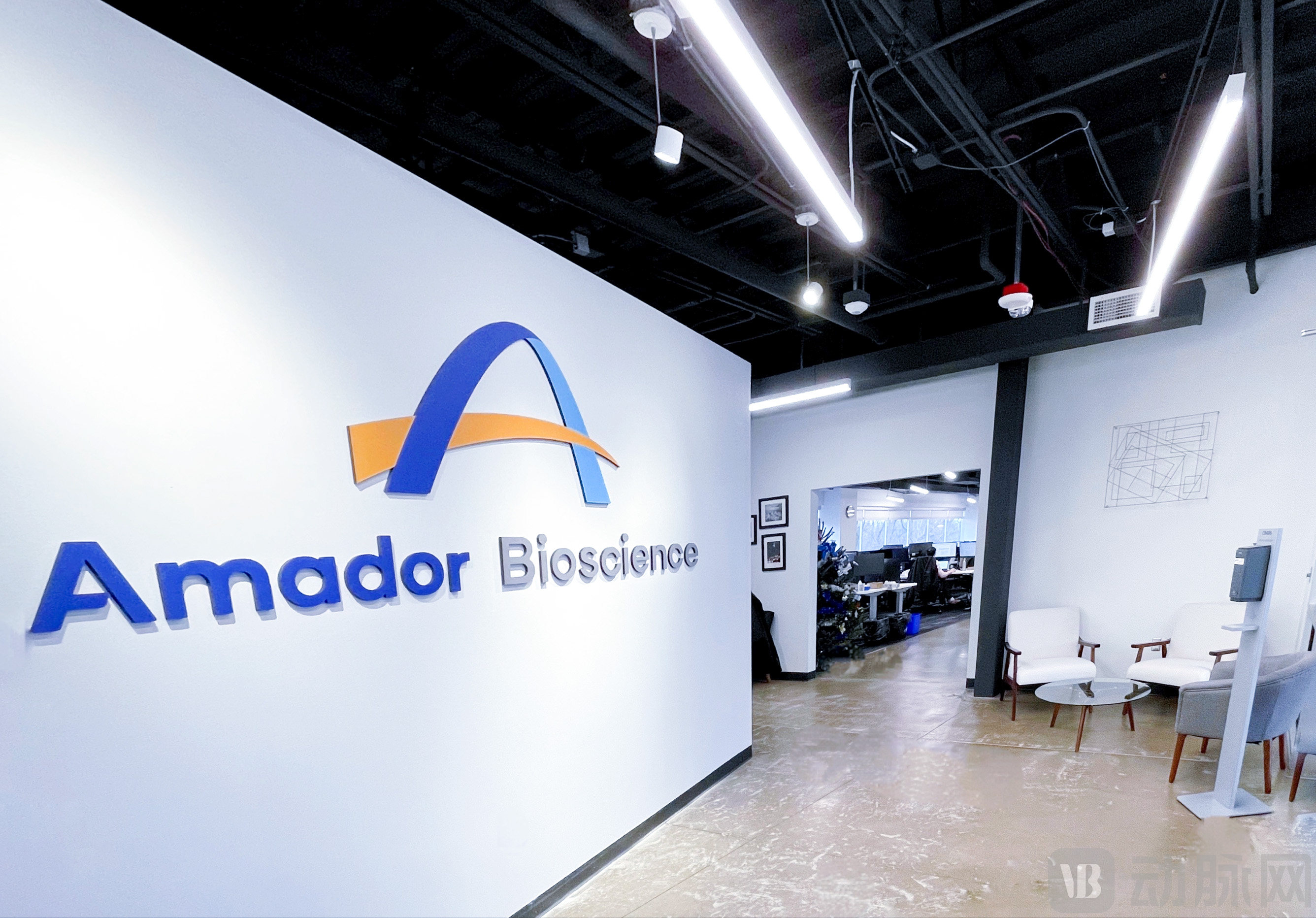
AMADOR BIOSCIENCE Ann Arbor, Michigan Office
While many innovative pharmaceutical companies have set their sights on the relatively crowded U.S. market, Amador Bioscience recognized the potential of the European Union market a step ahead.Dr. Wang Bing noted that the European Union provides substantial support for the clinical development of innovative drugs, and EU-generated data are accepted by the United States. Meanwhile, given its relatively large market size and patient population, along with high government and societal investment in R&D for innovative therapies, the EU has become a preferred destination for Phase I clinical trials of many novel drugs.
Among these, Belgium serves as an ideal entry point into the EU market. As the seat of the European Union, Belgium boasts a strategically advantageous location, widespread use of multiple languages including English and French, a highly developed economy and cultural landscape, and a remarkably open and inclusive innovation culture, making it fertile ground for the development of innovative pharmaceuticals.
Today, AMADOR BIOSCIENCE not only has extensive operations in China and the United States, but has also expanded its European translational science, clinical pharmacology, and clinical development teams around Belgium, further formingThe “China-US-Europe” triangular layout, leveraging relationships with the NMPA, FDA, and EMA as well as global experience and teams, helps pharmaceutical companies expand globally.
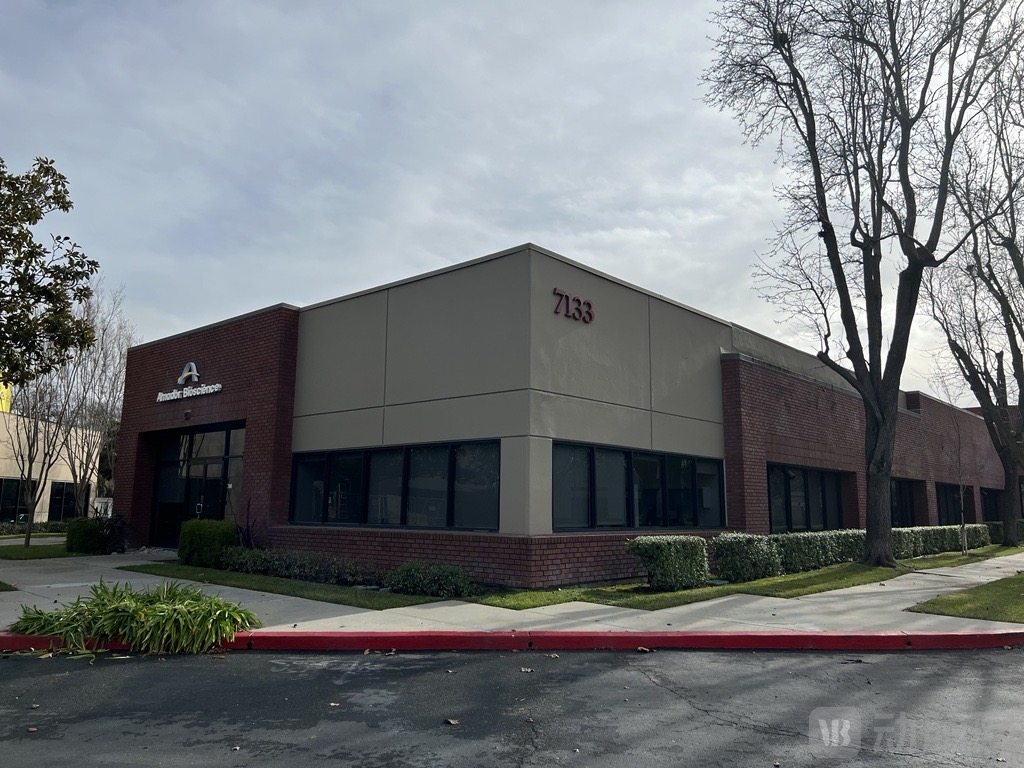
AMADOR BIOSCIENCE Pleasanton Office and Laboratory
AMADOR BIOSCIENCE’s overseas resource advantages have already come to the fore. Centered on its excellence in clinical pharmacology, bioanalysis, and regulatory affairs services, the company empowers innovative pharmaceutical enterprises to expand globally, propelling China-born innovations toward a vast horizon of exploring internationally leading disease solutions.
According to Dr. Wang Bing, in 2022, AMADOR BIOSCIENCE not only established its global management team but also completed the construction of three GxP laboratory facilities in Hangzhou, China; Maryland, USA; and California, USA, all of which are now fully operational.
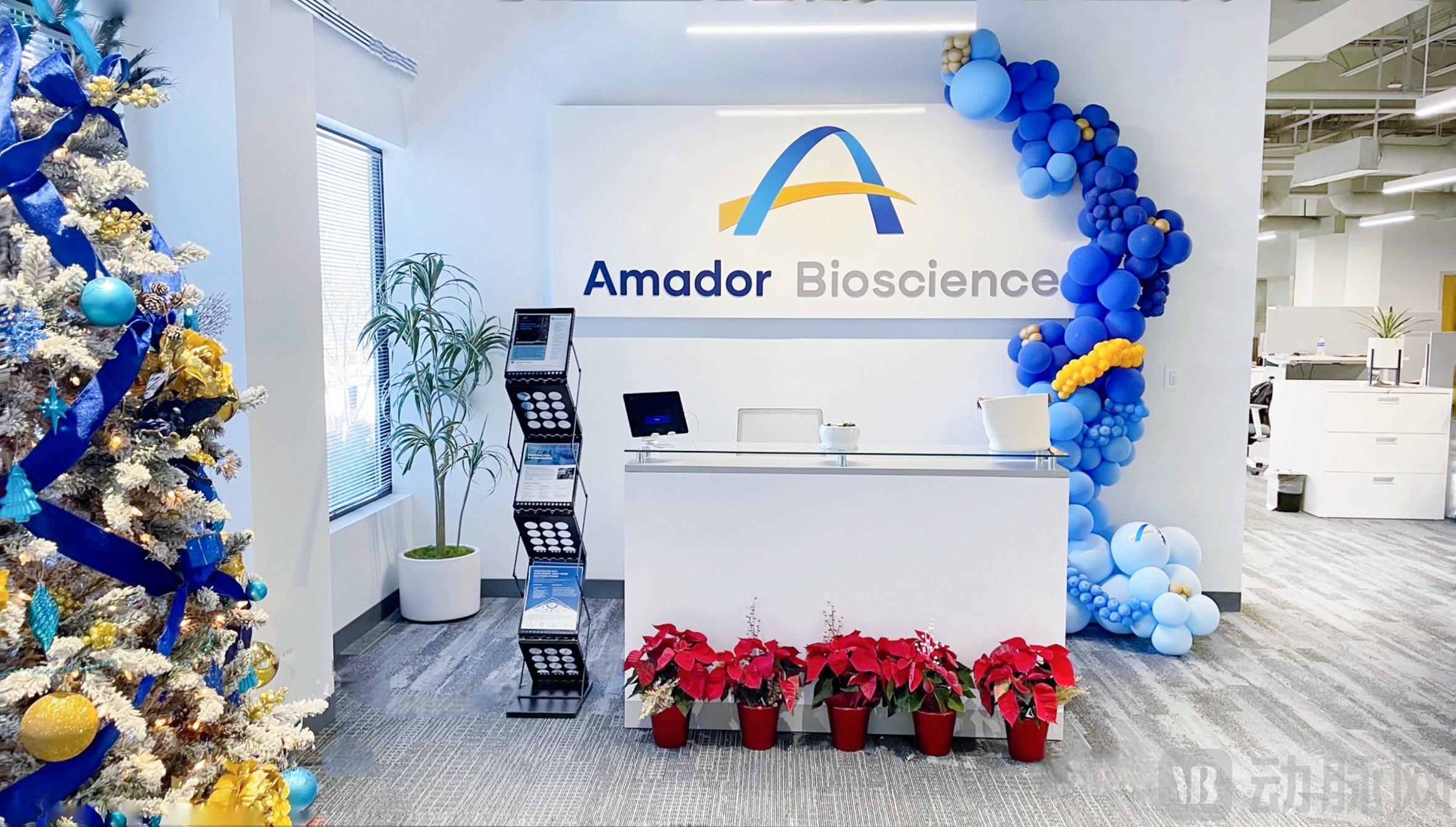
AMADOR BIOSCIENCE – Office and Laboratory in Germantown, Maryland
Standing at the five-year milestone since its establishment, Dr. Wang Bing stated that AMADOR BIOSCIENCE has completed its foundational layout, and the primary focus from now on will be business growth. “In the past period, we mainly focused on building hardware and software infrastructure and assembling domestic and international teams. Since the first half of this year, we have been laying out the company’s digitalization, automation, and intelligence. I hope AMADOR BIOSCIENCE can become the Tesla of the CRO industry, becoming aA New-Generation Multinational CRO with Proprietary Technology Patents and Integrated Software and Hardware Infrastructure。”
Innovative drug development requires a truly global perspective. In the future, we hope that AMADOR BIOSCIENCE can become a platform-based company. On one hand, it will serve as a platform for global expansion; on the other hand, it will function as a technology platform capable of integrating proven advanced technologies from other industrial sectors into the clinical development of innovative drugs. This approach will help streamline the development process by saving both capital and time, providing effective support, and making a meaningful impact on the industry’s growth.
Dr. Wang Bing is confident about the future, stating, “I do not want Amador Bioscience to become a ‘me-too’ player. If it cannot be first-in-class, it must strive to be best-in-class in the CRO industry.”
Looking to the future, Amador Bioscience’s global footprint continues to unfold.