

Smart Home Health Innovation Development Forum: Industry Leaders Discuss Emerging Trends and Solutions
Since 2016, China has continuously introduced policies targeting areas such as “Internet Plus,” next-generation information technology, the health industry, and healthcare reform. The internet and next-generation information technologies have consistently broken through bottlenecks and achieved rapid development, working in tandem with the health industry and healthcare reforms to propel the growth of the smart health sector. Moreover, as public health awareness continues to rise and the health industry becomes increasingly accessible, the smart health industry is poised for sustained expansion. For the majority of people, especially the elderly, a significant portion of time is spent at home. Whether home-based devices can meet the needs of individuals across all age groups directly impacts their quality of life and well-being. Providing whole-life-cycle health management services is also a crucial component of the smart home health industry.
On May 7, the 7th Future Healthcare 100 Conference, hosted by VCBeat, VB100, and Eggshell Research Institute·Smart Home Health Development Forum, inviting industry experts, leading enterprises, and investment institutions to comprehensively discuss the current status and development trends of the smart home health industry from their perspectives, enabling the public to gain a clearer understanding of the industry's current development situation and challenges.
Li Jian'an: Function-Centered Smart Health and Elderly Care Thinking—Home-Style Institutional Elderly Care
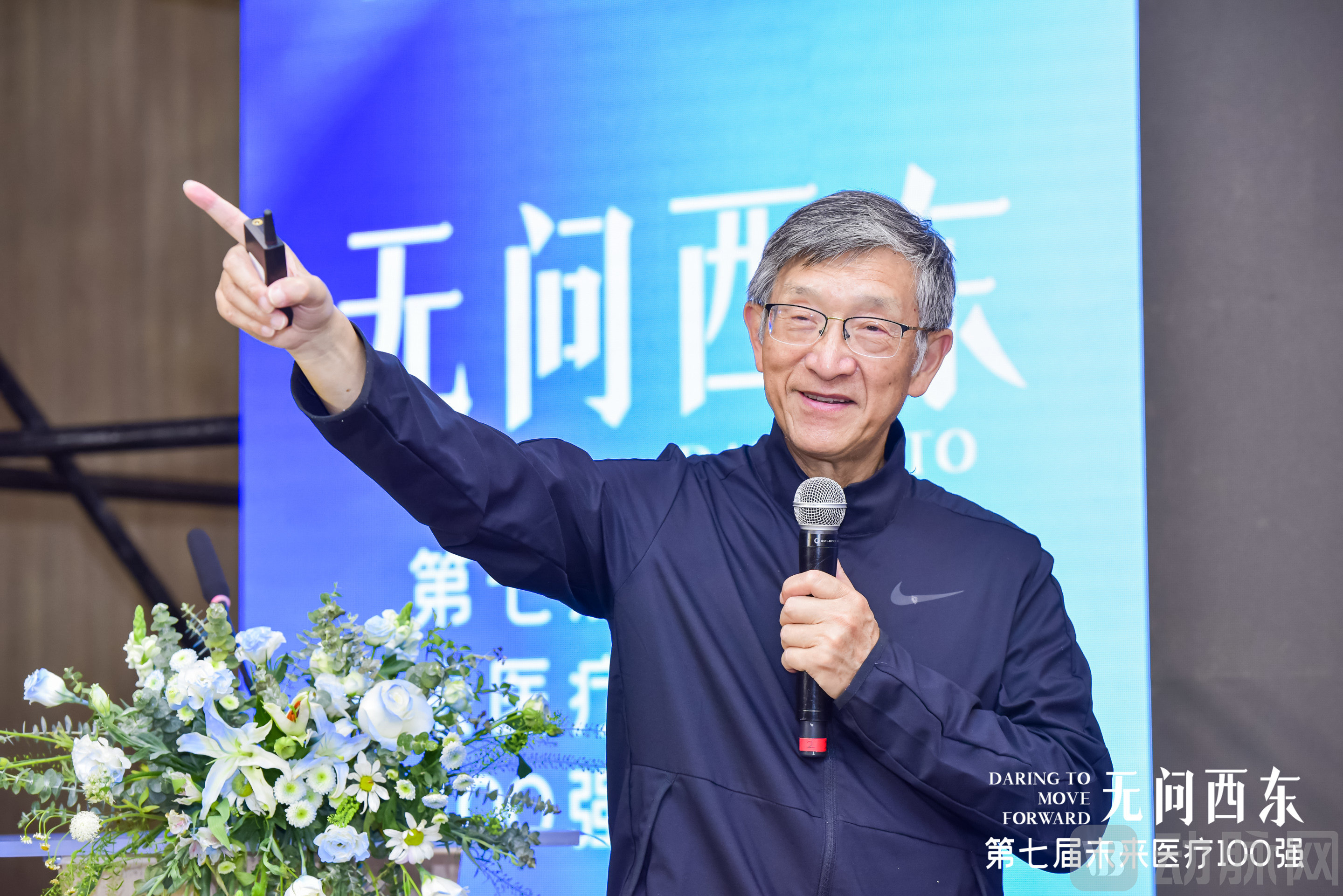
Li Jian’an | International Fellow of the American Academy of Medicine, Honorary Dean of the School of Rehabilitation Medicine, Nanjing Medical University
The majority of elderly individuals in China age in place within their homes and communities, forming a “9073” pattern: approximately 90% age at home, around 7% rely on community-supported care, and 3% reside in institutional care settings. At this forum, Academician Li Jian’an emphasized the need to comprehensively understand the health needs of older adults and introduced the concept of “home-style institutional care,” which combines the advantages of home-based and institutional care models. This approach features personalized, ideal living spaces; village-like clustered facilities; function-centered management and services; and a favorable external environment. Drawing from his own experiences, Dr. Li also encouraged attendees to proactively plan for healthy aging, transform life trajectories through physical activity, and create boundless life value within the finite span of life.
Zhao Yihong: Fushoukang’s Innovative Service Practices in “Internet + Medical, Nursing, and Elderly Care”
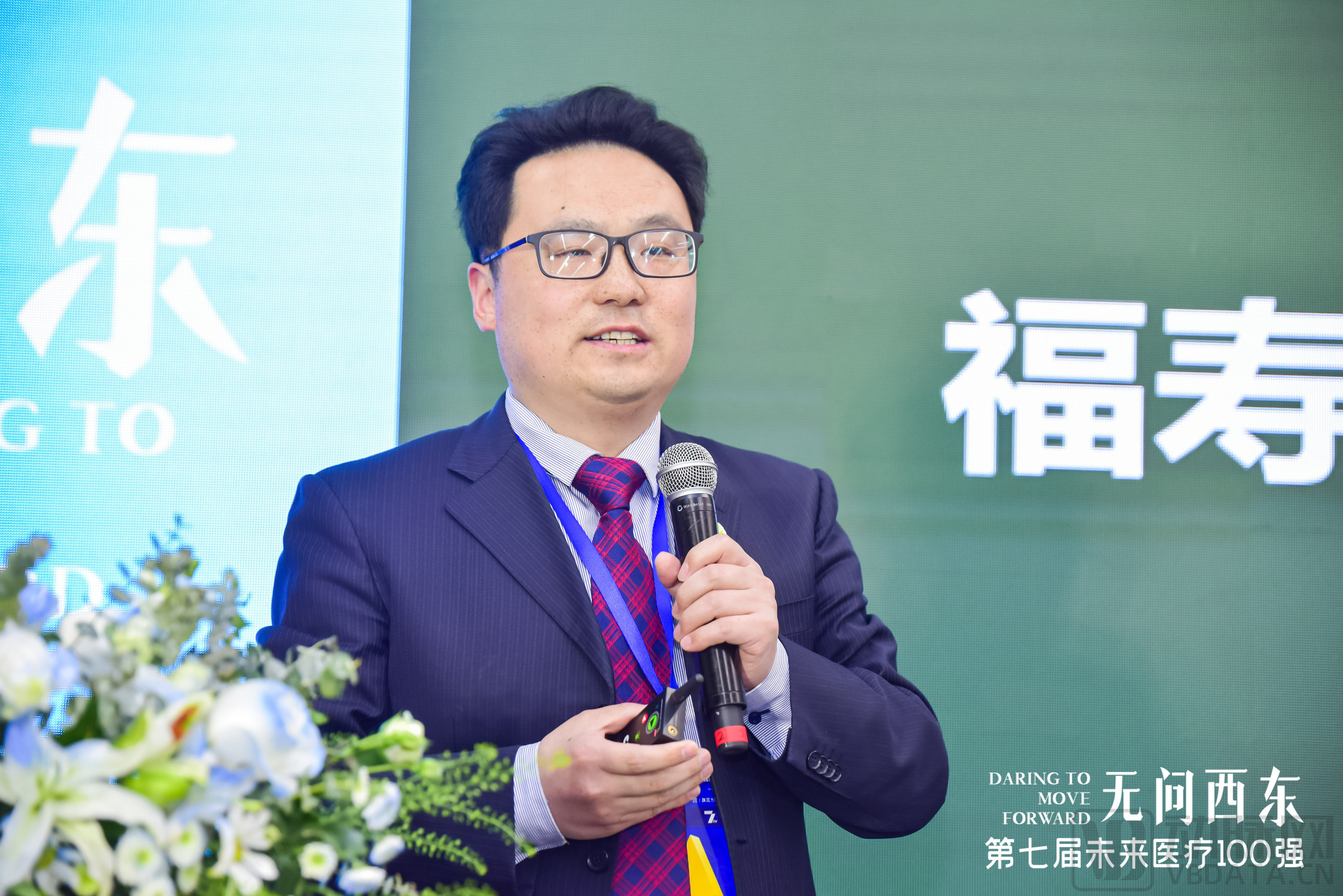
Zhao Yihong | Vice President of Fushoukang Group
The essence of the “Internet + Nursing, Healthcare, and Elderly Care” model lies in leveraging new technologies, such as informatization, to enhance corporate management efficiency and customer service efficiency, thereby creating greater service value and a superior service experience for customers, and ultimately achieving a digitally driven business development model. Fushoukang empowers industry development through five key dimensions to jointly build a service ecosystem. Standardization empowerment: It has led or participated in the drafting of multiple standards and specifications related to nursing services and is currently involved in drafting local standards in Shanghai, such as those for long-term care insurance services, along with other local standards and specifications related to nursing services. Talent empowerment: It has developed the “Fu Professor” online vocational skills training platform to cultivate and supply skilled personnel for the industry. Technological empowerment: It provides informatization platforms for elderly care services, supervision, and smart elderly care, thereby empowering the industry with technology. Traffic empowerment: It opens up its proprietary customer traffic base and establishes an open service and product supply chain to meet diverse customer needs. Efficiency empowerment: It builds a service ecosystem platform that breaks through temporal and spatial constraints, enabling efficient matching between the supply side and the demand side.
Jiang Xianquan: Current Status and Development Trends of Medical-Grade Hearing Aids in China
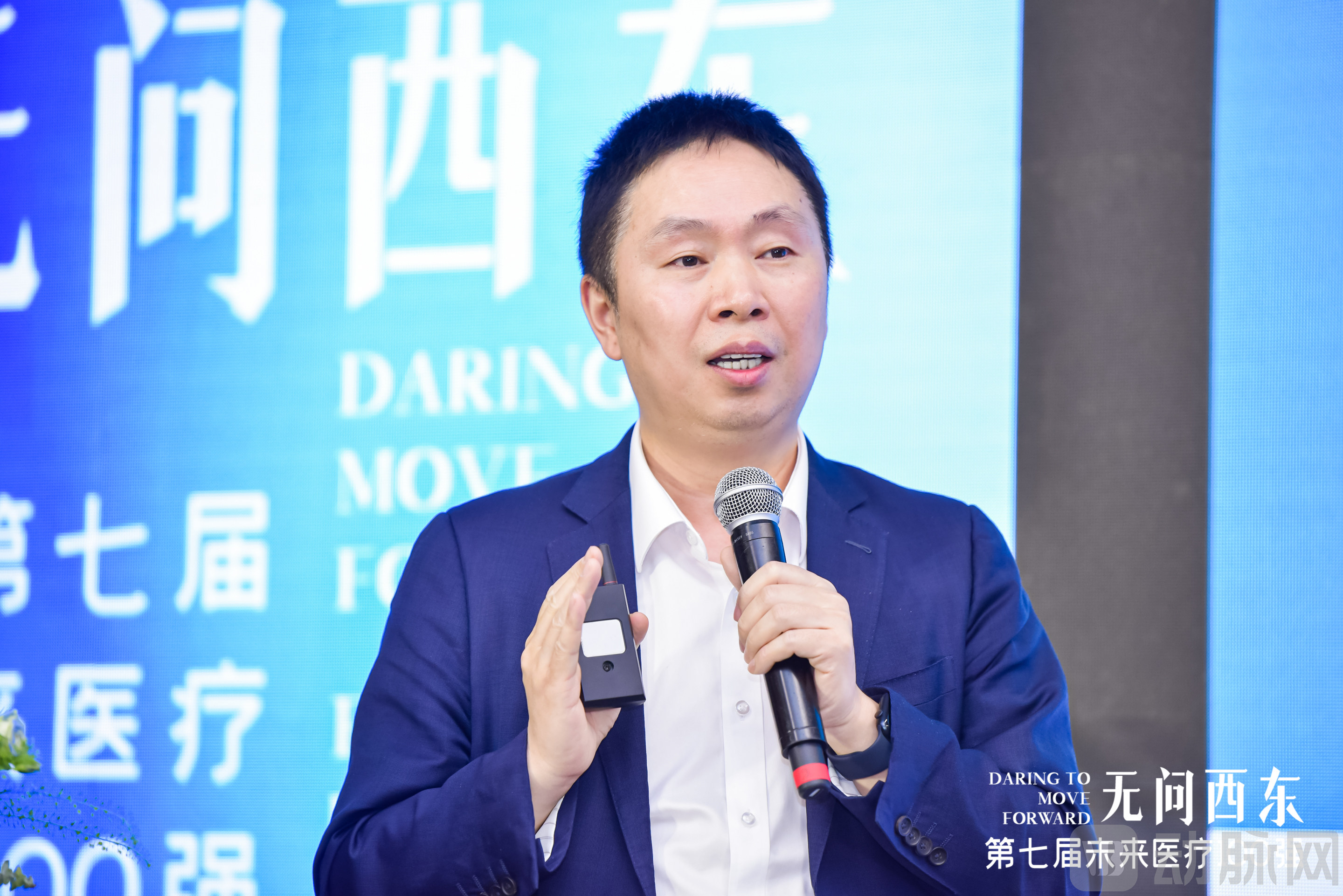
Jiang Xianquan | Chairman and General Manager of Boyin Hearing
Jiang Xianquan, Chairman and General Manager of Boyin Hearing, noted that China is facing challenges such as an aging population and severe noise pollution, yet the penetration rate of medical hearing aids remains low and the market is monopolized by foreign brands. Increasing the penetration of hearing aids in China requires concerted efforts from policymakers, the industry, and society, including raising public awareness of hearing loss and hearing aids, improving medical insurance policies, enhancing the quality and technological standards of hearing aids while reducing prices, and strengthening hearing rehabilitation and education. Looking ahead, the development of medical hearing aids in China should leverage opportunities in domestically produced chips, utilize Chinese speech algorithms and remote fitting technologies, and integrate with smart healthcare, offering broad industrial prospects. Finally, Mr. Jiang expressed his vision for a future where everyone can afford and access fully self-owned, domestically produced medical-grade hearing aids that enable users to hear, hear clearly, and understand.
Huang Jinfeng: How Sleep Monitoring Empowers Smart Elderly Care
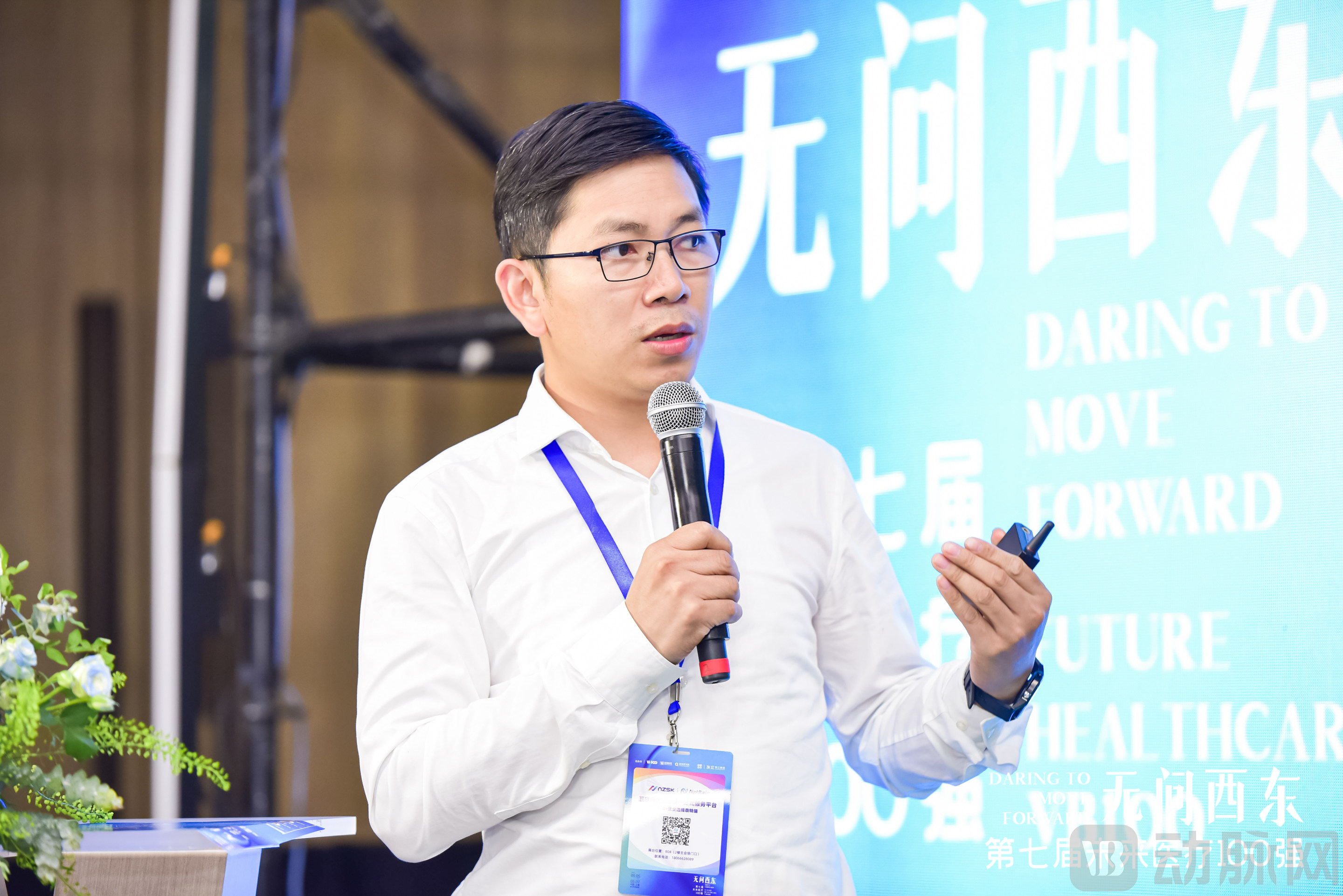
Huang Jinfeng | President & Founder of Sleepace
“Sleep safety monitoring is the core of smart elderly care systems.” Huang Jinfeng, President and Founder of Sleepace, also shared insights on sleep safety monitoring technologies and development trends at this forum. First is non-intrusive technology: the technology is embedded into everyday items such as bedding, making the product form invisible to users; it eliminates the need for user operation, provides 24/7 continuous monitoring, and can intelligently determine when a user falls asleep; it automatically distinguishes between single and double occupancy states and identifies behaviors in bed. Second is multi-parameter monitoring: in addition to heart rate, respiration, sleep quality, and pressure distribution, it also provides Heart Rate Variability (HRV) data to facilitate analysis of related diseases. Third is real-time monitoring, including real-time tracking of various physiological parameters during sleep and real-time determination of sleep states. Finally, medical-grade precision: sleep monitoring parameters meet medical standards, enabling definitive health analyses based on detection results.
Sun Yue: Innovative Service Models for Home-Based Medical Care
Sun Yue | Founder and CEO of Xiaoniao Health
Home-based medical services may well represent the ultimate endpoint of health management. In response to market conditions and demands in the home healthcare sector, Birdie Health has developed its 3R service model. The distinction between home-based medical care and traditional hospital-centered care lies in addressing three key dimensions: user trust (Reliance), medical efficiency (Response), and clinical outcomes (Result). Professionalism and safety have always been core user requirements, while high-quality, compassionate medical services are crucial for establishing long-term engagement with users. Improvements in medical efficiency are reflected not only in the aggregated effect of diverse testing products, offering users one-stop medical testing options, but also in smart healthcare enablement, which enhances the efficiency and effectiveness of medical services, breaks through time and geographical constraints, effectively realizes distributed healthcare, and expands the accessibility of medical services. Ultimately, a tangible sense of improved clinical outcomes is the fundamental reason why users confidently choose home-based testing and diagnosis.
Peng Xiao: Reflections and Explorations on Future Smart Home Health Products and Services
Peng Xiao | Technical Director of OPPO Health Business
At the core of OPPO Health is a shift from reactive to preventive healthcare, centered around healthy lifestyles. The primary challenges currently facing future home health services are fourfold: lack of service professionalism, uneven distribution of medical resources, privacy violations and data breaches, and the digital divide. Based on reflections regarding future smart home health products and services, merely providing products is insufficient; a comprehensive solution is required to build an open ecosystem for home health services. OPPO Health aims to establish a commercial platform for personal and family health services that connects data on one hand and various product devices on the other. It integrates services and content provided through the OHealth App with third-party services, content, and products. Currently, built upon this platform foundation, capabilities in cloud computing and big data, sensor innovation, commercialization, and user management and operations are being continuously developed and refined.
Ma Hongbo: Innovative Smart Home Health Solutions for the Elderly Care Industry
Ma Hongbo | Technical Director, UBTECH Health Division
Ma Hongbo, Technical Director of UBTECH’s Health Division, believes that the key positioning of smart health and elderly care solutions is to promote a coordinated smart elderly care service system that integrates home-based, community-based, and institutional care (including senior living apartments), while combining medical care with health and wellness services. The comprehensive smart health and elderly care solution leverages intelligent robots as its carrier and artificial intelligence technology as its core. Through UBTECH’s Smart Health and Elderly Care Cloud Platform, it focuses on six major scenarios: service operations, daily life care, safety assurance, memory care, emotional well-being, and medical rehabilitation. By harnessing the power of technology, it aims to build an integrated smart elderly care service platform that unifies institutions, communities, and homes, establishing an all-around support system to provide seniors with a high-quality, happy, healthy, and secure later life.
CourseOn-sitePerspective Sharing and Interactive Discussions for AttendeesIndustryHow Practitioners Can Effectively Implement At-Home Health Management, new insights have been gained into the development of smart elderly care platforms and innovation in home-based products, as well as the growth of marketing for home health devices and emerging consumer services.