

Innovation Drug Research-to-Commercialization Platform Forum Successfully Held: Industry Leaders Discuss Emerging Trends
With the rapid development of China’s biopharmaceutical industry, the research, development, and translation of innovative drugs have become a key focus for the sector. However, the journey of an innovative drug from scientific research to clinical application and ultimately to the market is protracted and complex, requiring multifaceted collaboration and support. Addressing how to bridge the gap between scientific innovation and industrial translation, how to establish effective incubation and translation platforms, and how to enhance the quality and efficiency of innovative drug development are common challenges facing the industry.
To establish an efficient dialogue and communication platform bridging basic scientific research and translational outcomes for innovative drugs, thereby advancing fundamental research and technology transfer, enhancing the efficiency of commercialization, and promoting innovation and development in China’s pharmaceutical industry.,The 7th Top 100 Conference andZhangjiang Sci-Tech Investment, Legend CapitalCo-CreationForum on the Translation Platform for Innovative Drug Research Achievements,Focusing on the two dimensions of “platform development in the early R&D stage of innovative drug translation” and “platform development in the clinical translation stage,” we have specially invited leading figures from academia, policy research, industry practice, and venture capital to jointly explore and envision platform development and future prospects for the translation of scientific achievements in innovative drugs.
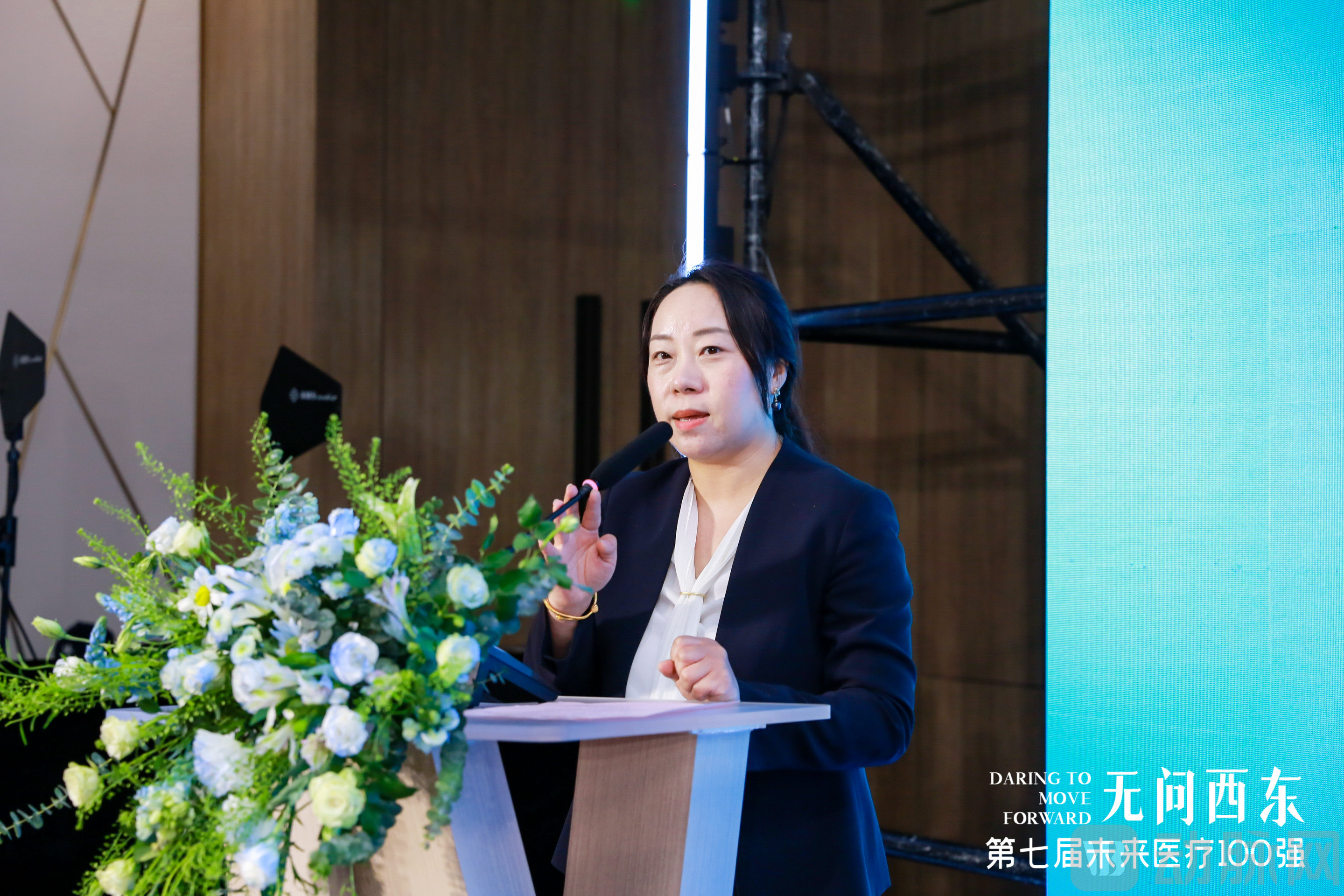
Sun Weiqin | Deputy General Manager, Zhangjiang Sci-Tech Investment
At the opening of the forum, Sun Weiqin, Deputy General Manager of Zhangjiang Sci-Tech Investment, stated that after more than 30 years of exploration and development, Zhangjiang has become an innovation-leading hub characterized by a high concentration of R&D institutions, strong innovative capabilities, and outstanding achievements in new drug development in the biopharmaceutical sector. With Zhangjiang Pharma Valley as the core, and extending to the Zhangjiang Innovative Drug Industrial Base, Zhangjiang Medical Device Industrial Base, and Zhangjiang International Medical Park, the layout of Zhangjiang’s life and health industry has expanded across the entire Science City. Various innovation entities have gathered in Zhangjiang, where large-scale scientific facilities, research institutes, multinational pharmaceutical companies, and open innovation centers established by large enterprises mutually empower one another. Meanwhile, institutional innovations and capital support continue to fuel the rapid growth of Zhangjiang’s biopharmaceutical industry.
Specialized, Integrated, and Ecosystem-Driven Innovation Empowerment
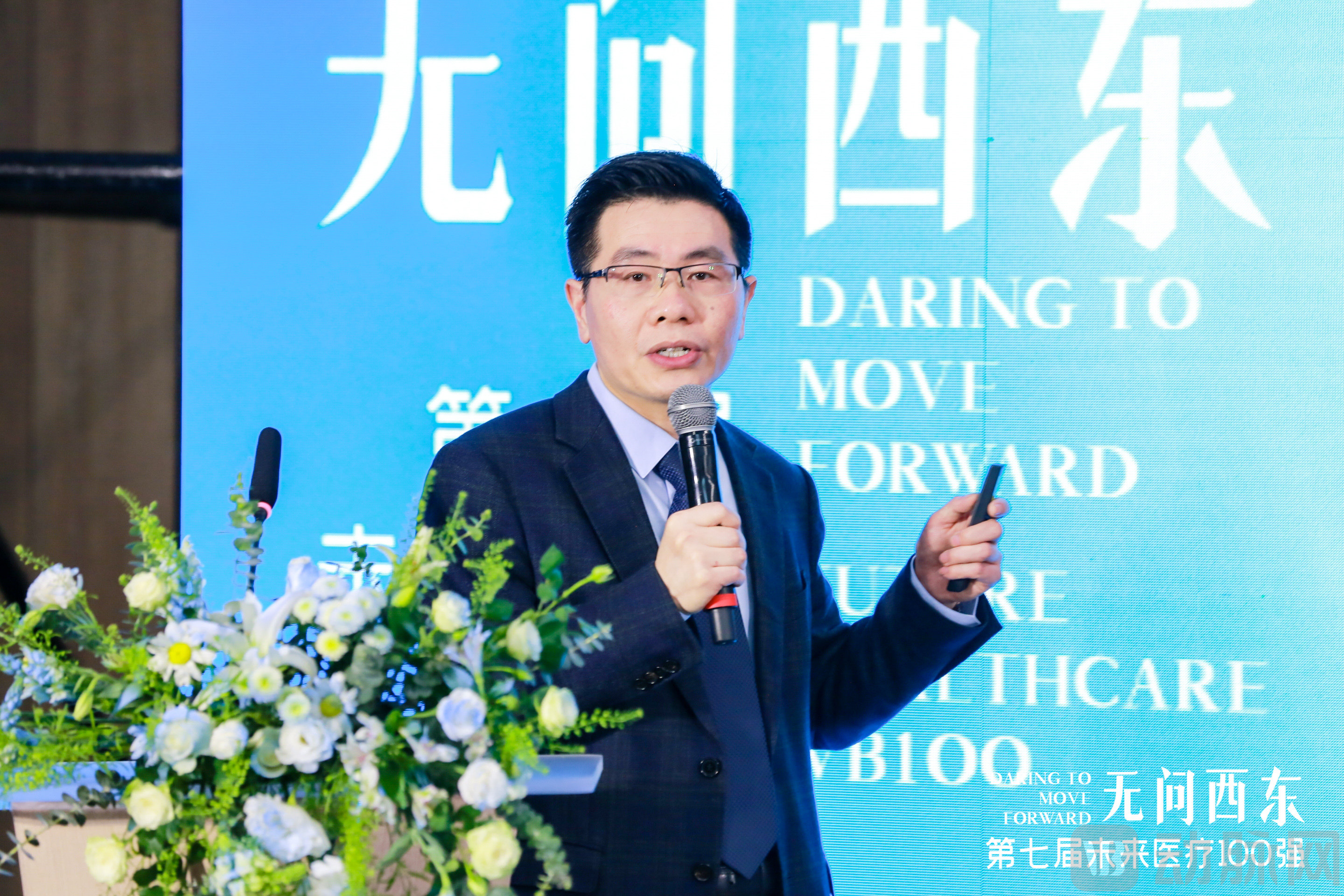
Jiang Tao | Assistant General Manager of Zhangjiang Sci-Tech Investment, General Manager of Zhangjiang Pharma Valley Platform
General Manager, Zhangjiang Incubator
Jiang Tao, Assistant General Manager of Zhangjiang Sci-Tech Investment, General Manager of the Zhangjiang Pharma Valley Platform, and General Manager of Zhangjiang Incubator, introduced that professional incubation platforms such as Zhangjiang Pharma Valley and Zhangjiang Med Valley continue to focus on addressing critical “bottleneck” technologies in life and health, including international frontier first-in-class innovative drugs, cell and gene therapies, and high-end medical devices. By providing targeted empowerment through equipment sharing, technical services, early-stage investment, and clinical resources, these platforms have established a full-lifecycle service chain covering nurturing, incubation, acceleration, and industrialization. For instance, the Zhangjiang Pharma Valley Platform has collaborated with research institutes and universities to provide ecosystem empowerment and technical services to small and medium-sized enterprises (SMEs). Specific initiatives include establishing a public instrument platform with the Zhangjiang Higher Research Institute of Shanghai Jiao Tong University, forming a strategic partnership with the iHuman Institute at ShanghaiTech University, and building clinical translation channels with Ruijin Hospital.
Jiang Tao stated, “While establishing our foothold in Zhangjiang, Pudong, and Shanghai, Zhangjiang Group is also engaging in two-way incubation, two-way investment, and two-way empowerment with other Chinese cities—including Beijing, Xi’an, Chengdu, Shenzhen, and Haikou—in the fields of biopharmaceuticals and other emerging sectors. In 2023, we will also launch a series of collaborations focused on innovation empowerment with countries such as Singapore, Israel, the United States, and Germany.”
In Global For Global—Exploring Frontier Translational Ecosystems
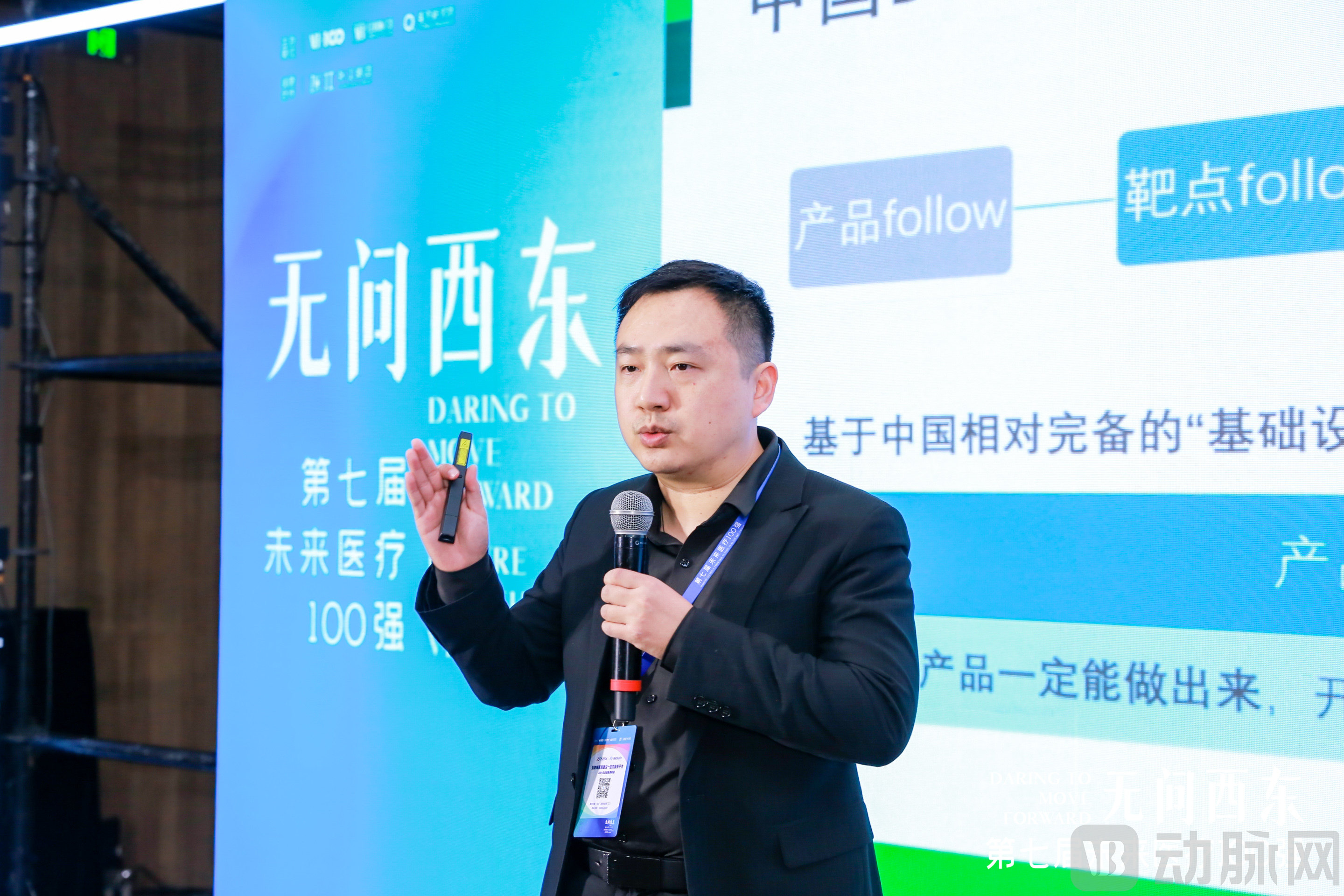
Qi Fei | Executive Director, Legend Capital
Qi Fei, Executive Director at Legend Capital, stated that over the past decade-plus, Legend Capital has witnessed the innovative development of the biopharmaceutical industry. On the policy front, registration reforms and healthcare cost containment have brought both pressure and opportunities for growth to the biopharmaceutical sector. Technologically, medicine has entered the era of molecular biology. From an investment perspective, the direction of Biotech investment in China is poised to shift, truly ushering in an age of original innovation.
From Qi Fei’s perspective, China’s biopharmaceutical industry still faces numerous challenges in innovation incubation and frontier translation. Bridging the gap between scientific innovation and industrial commercialization is critical, and building this ecosystem may take five to ten years. Leveraging its investments in over one hundred portfolio companies, Legend Capital has constructed a healthcare industry ecosystem. In recent years, it has continuously integrated resources around the translation of scientific achievements, exploring a full-chain ecosystem from IDEA to commercialization. It has incubated and founded companies such as Langxin Biologics and Ruizheng Gene, while also providing deep business empowerment to innovative enterprises like Zhuokai, Zhongsheng Suyuan, and Anyi. “Legend Capital aims to collaborate with all industry stakeholders to jointly advance the development of China’s frontier translation ecosystem, laying the groundwork for future original innovations that are ‘In Global, For Global.’”
Nonclinical Study Strategies in Support of IND and NDA Submissions
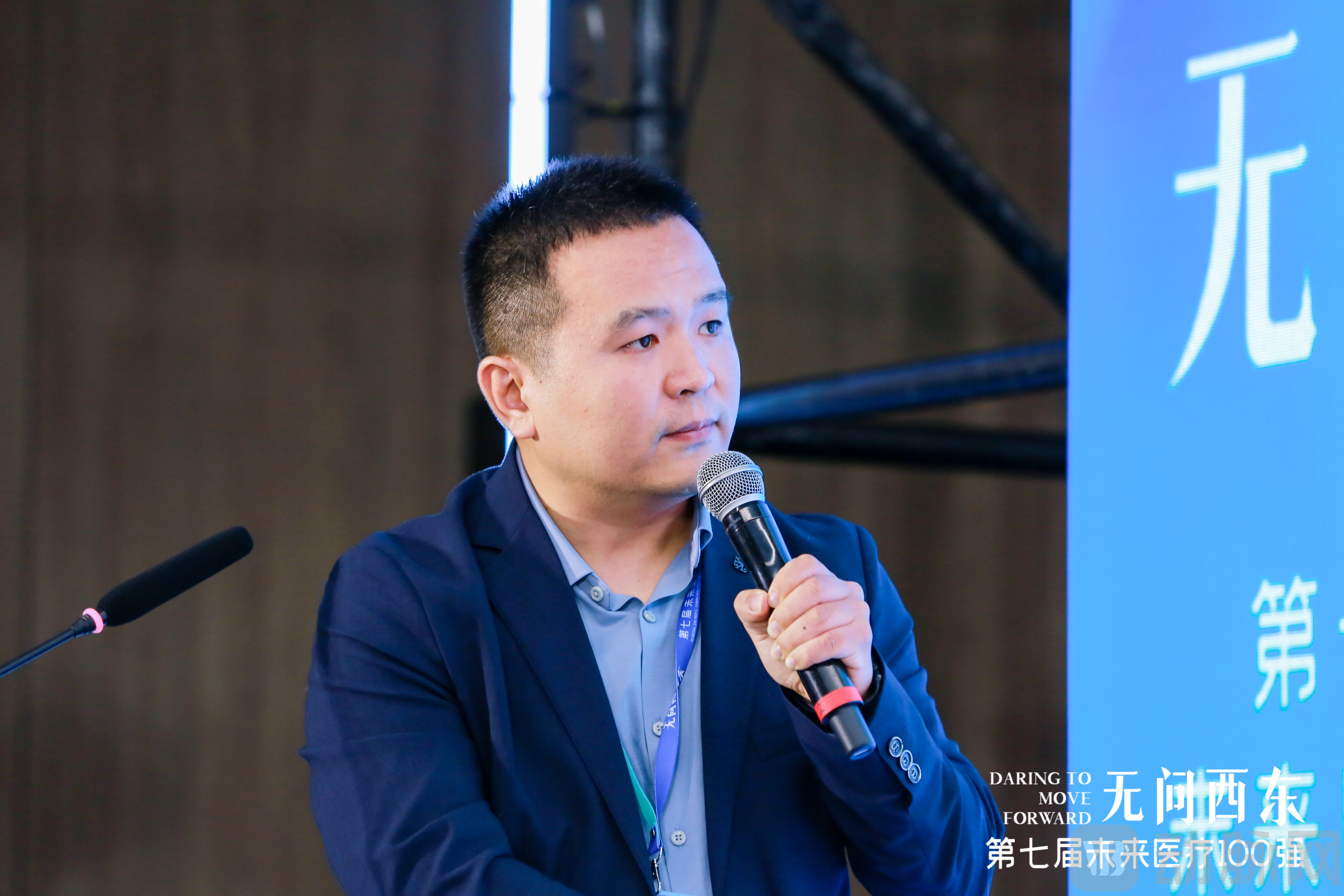
Dai Xuedong | Vice President, Saifu Medicine
New drug development is a long-term, risk-laden process that requires multidisciplinary systemic collaboration. Dai Xuedong believes that new drug development is a continuous process of eliminating candidate drugs, with safety and efficacy being the primary reasons for elimination. Dai Xuedong introduced the major components of non-clinical research, including pharmacology, pharmacokinetics, and toxicology. Among these, pharmacokinetics serves as the backbone linking pharmacology and toxicology, used to evaluate the relationship between dose and effect.
Dai Xuedong emphasized the fundamental logic of nonclinical research and evaluation, including being guided by clinical value, driven by and anchored in clinical trial protocols, and using clinical relevance as the evaluation criterion. He believes that nonclinical research and evaluation should span the entire lifecycle of clinical development. He also shared some scenarios that may affect the progress of Investigational New Drug (IND) and New Drug Application (NDA) submissions, expressing his hope to support IND and NDA filings through the integration of nonclinical research and evaluation, mutual translation between nonclinical and clinical data, and a focus on clinical value.
Finally, Dai Xuedong concluded that nonclinical research strategies supporting IND and NDA submissions should emphasize the integration of research and evaluation, bidirectional translation between nonclinical and clinical studies, and a focus on clinical value. Only in this way can they better support new drug development.
Key Control Points in the Preparation of Clinical Samples for IIT and IND from a CMC Perspective
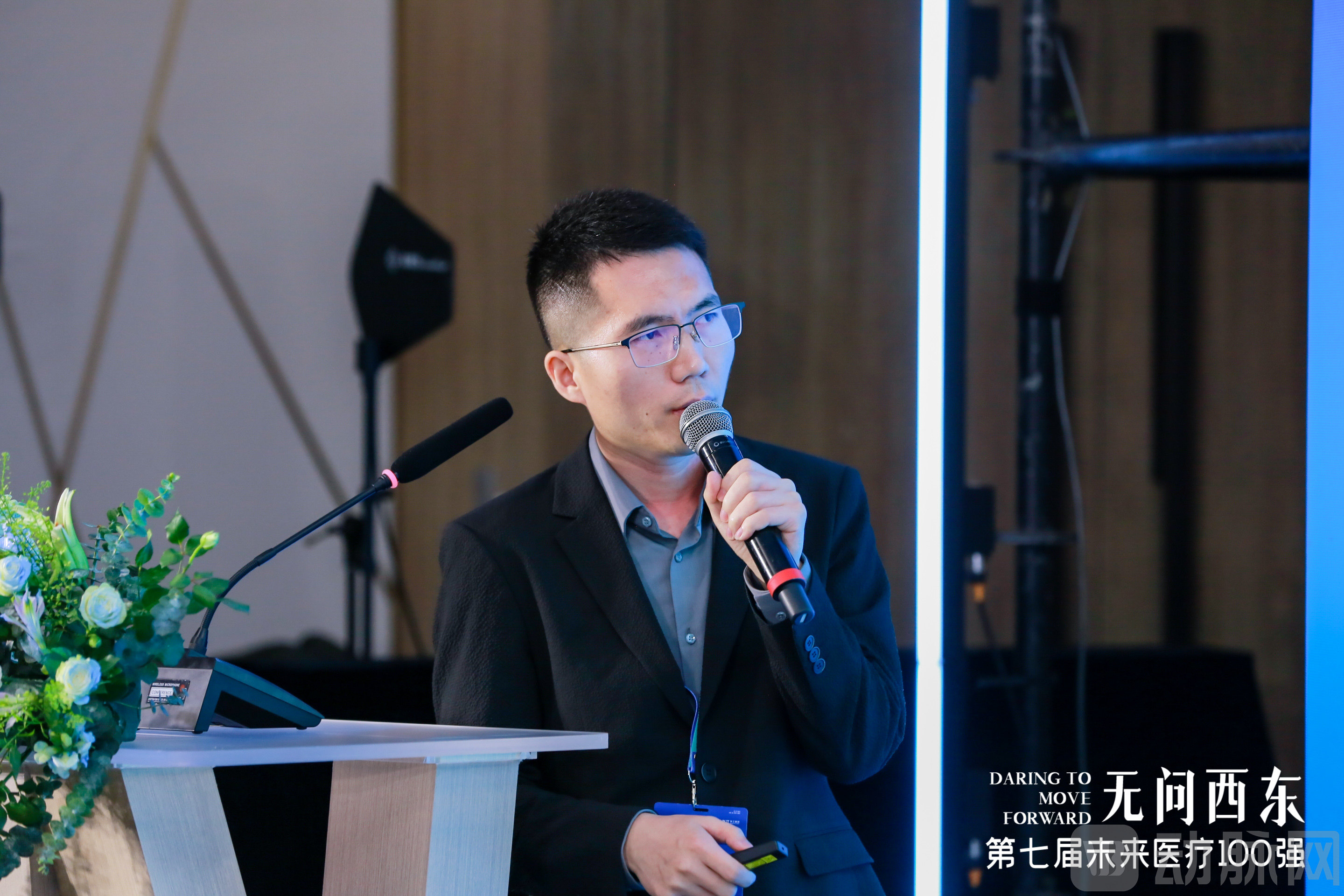
Cui Longfei | Deputy Director of QA, Xingcheng Bio
Cui Longfei shared several factors that could potentially impact the timelines of IND and NDA submissions, emphasizing the importance of supporting these applications through strict adherence to GMP requirements, maintaining process consistency, and controlling critical quality attributes and their acceptable ranges. He also presented a case study illustrating that CMC deficiencies are a significant reason for FDA refusals of new drug applications. He noted that for many emerging biotech companies in China, encountering CMC issues can substantially delay the submission process.
Finally, Cui Longfei concluded: From a CMC perspective, the key control points for the preparation of clinical samples in IIT and IND studies should focus on GMP quality management systems, contamination and cross-contamination control, cleaning validation, and quality standards. Only in this way can new drug development be better supported.
Roundtable: Challenges and Opportunities in the Translation of Scientific Research Achievements into Pharmaceuticals
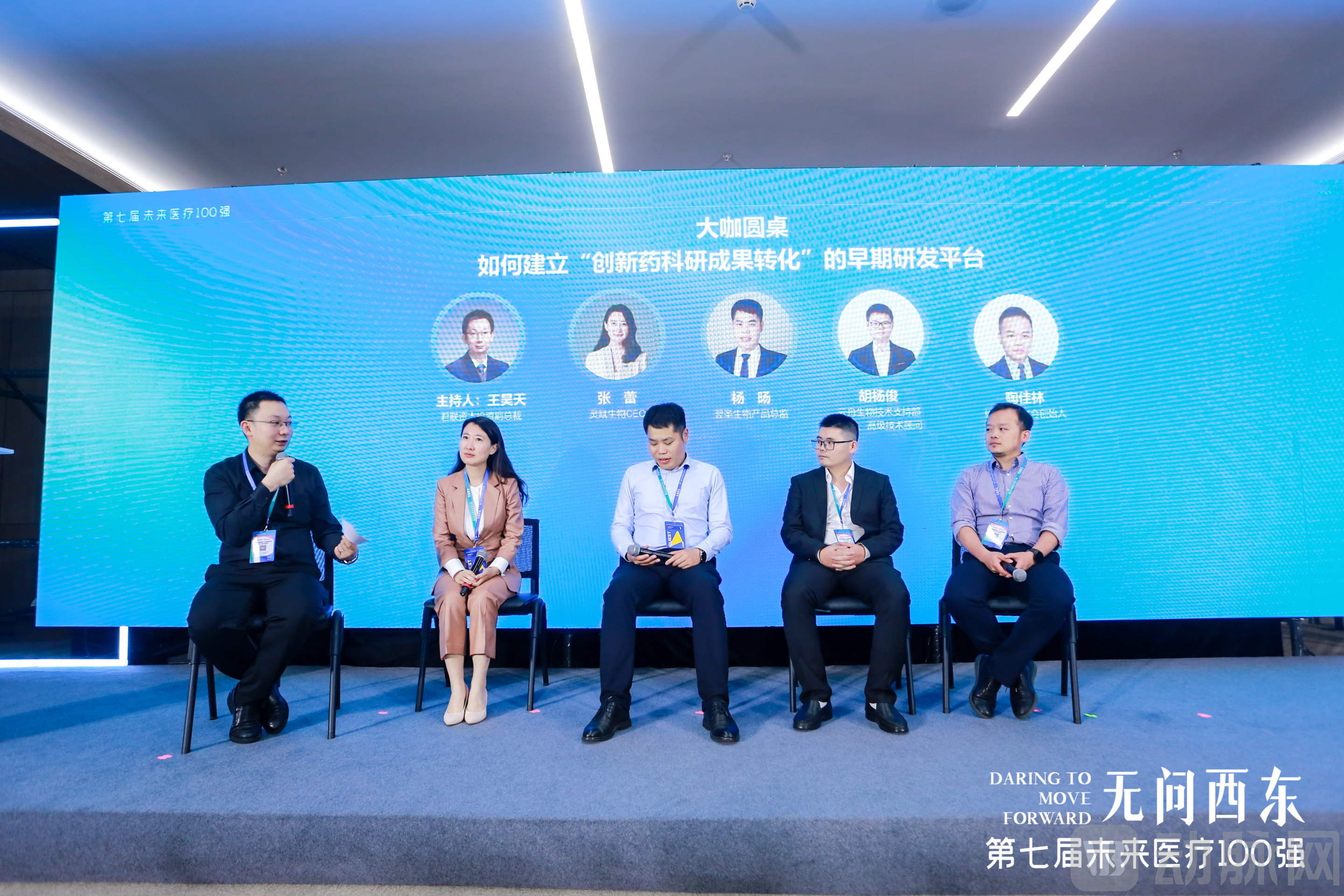
From left to right: Haotian Wang | Vice President of Investment, Legend Capital; Lei Zhang | CEO, Lingfu Biotech; Yang Yang | Product Director, Yeasen Biotechnology; Yangjun Hu | Manager of Technical Support Department and Senior Technical Consultant, VectorBuilder; Jialin Tao | Co-founder, RayZhen Gene
Several panelists discussed the pain points involved in translating scientific research achievements into pharmaceutical products. Zhang Lei noted that, based on her company Lingfu Bio’s business of providing experimental animal models, they frequently engage with experts across various subspecialties for different indications. On a broader scale, this constitutes the development of infrastructure for translation. While public awareness of technology transfer is now widespread and the state continues to provide policy support, what is truly needed is a systematic infrastructure to facilitate the conversion of scientific and technological achievements.
Yang Yang stated that they emerged from research laboratories and maintain the closest ties with the primary sources of innovation, such as university professors and faculty members. However, there are two major pain points for universities in the process of translating scientific achievements into practical applications. First, small-scale products developed in the laboratory may perform well in animal models, at the cellular level, or in small-scale validations, but significant challenges often arise when scaling up to industrial production. Second, it is difficult for scientists to address management and funding issues while simultaneously pursuing R&D and innovation.
Hu Yangjun stated that the translation of gene therapies from research to clinical application is a lengthy process, with vector quality and gene delivery efficiency largely determining the final therapeutic efficacy. The gene delivery industry faces two major pain points: In research, gene vectors serve as raw materials for gene therapies and are in high demand; however, their highly personalized nature makes commercialization difficult. In clinical practice, while there is substantial room for growth in gene therapies, the immaturity of existing gene delivery technologies remains a key bottleneck constraining their development.
Tao Jialin stated that before founding Ruizheng, he had also worked as a vendor. From the frontline perspective, he identified several pain points: first, a shortage of talent; second, the low localization rate of R&D equipment and long import cycles; and third, the substitution of domestic reagents. From the client’s perspective, the primary considerations for vendors are twofold: first, the cost-effectiveness of products; and second, ensuring the consistency of the products or services provided by the vendor.
Digital Patient Education/Management Systems Empower Clinical Research
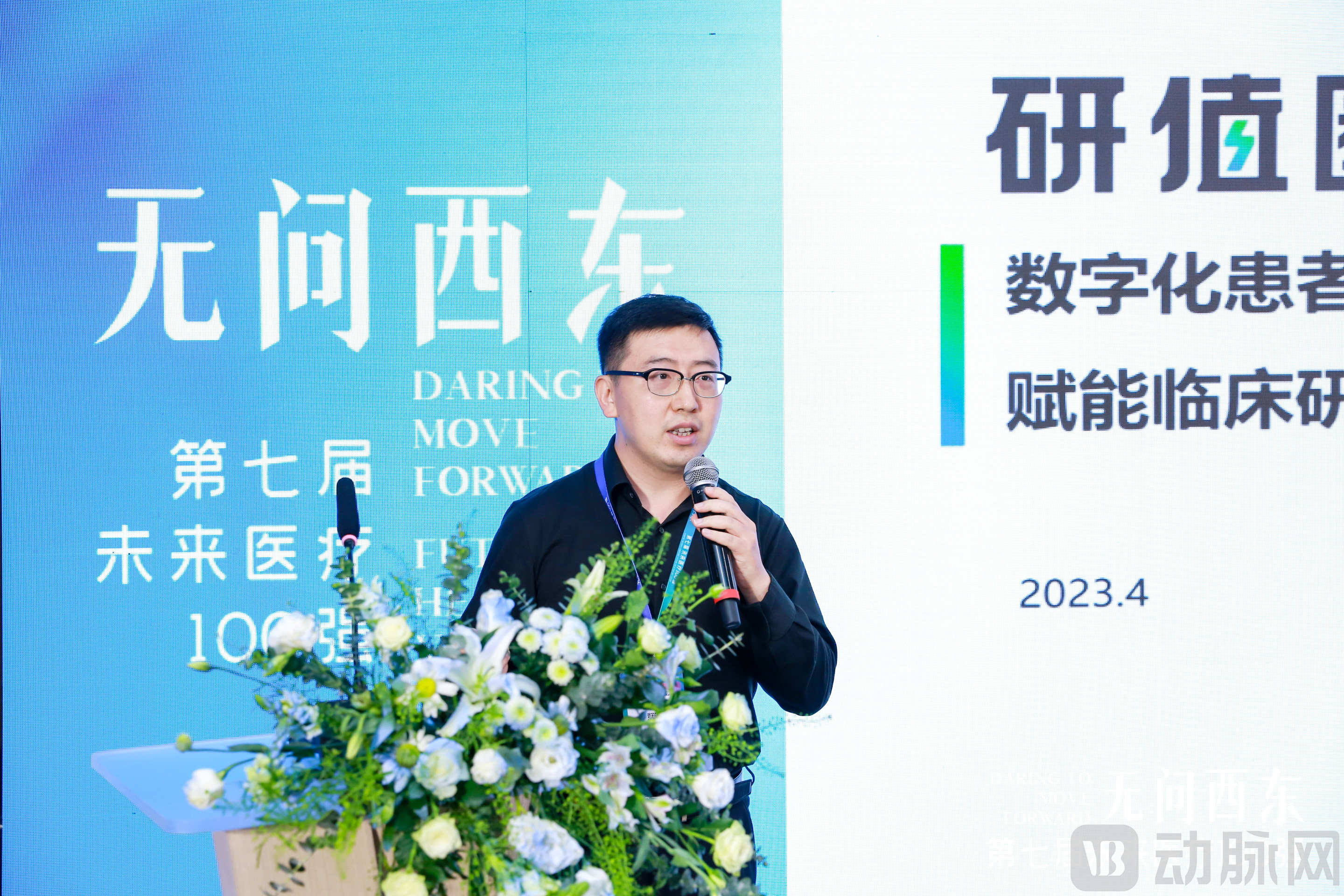
Liu Xue | Director of Business Development, Liangyi Hui
Last year, the Center for Drug Evaluation (CDE) issued the Technical Guidelines for Patient-Centered Clinical Trial Implementation, which highlighted a critical concept known as PED (Patient Experience Data). This approach involves incorporating patient experience data more extensively into the evaluation framework of clinical research, conducting a more comprehensive quantitative assessment of clinical trial outcomes based on patients’ actual needs and clinical feedback. Meanwhile, another pivotal concept is PRO (Patient-Reported Outcomes). Currently, many information technology vendors serving pharmaceutical clinical trials have integrated ePRO (electronic Patient-Reported Outcomes) tools into their overall clinical trial system architectures.
Liu Xue stated that during the patient management process of previous clinical studies, they found that insufficient or absent patient education and out-of-hospital patient management posed significant challenges to clinical research. In response, Liangyi Hui launched an integrated scientific research and patient management platform centered on ePRO (electronic Patient-Reported Outcomes) and EDC (Electronic Data Capture). This system enables out-of-hospital patient data collection, automated assessment, and early warning, while assisting physicians in data and patient management, thereby improving the efficiency and effectiveness of patient management in clinical trials.
Finally, Liu Xue concluded that digital tools will inevitably become the prevailing trend. Liangyihui will provide efficient support for clinical research and patient management through an integrated platform. By leveraging this infrastructure and supporting services, they aim to effectively implement patient-centric digital solutions for clinical research.
Digital Transformation Is an Inevitable Trend in Pharmaceutical R&D
Ren Wei | Chairman, Beijing Walnut Health Technology Co., Ltd.
Ren Wei posits that digital transformation is an inevitable trend in pharmaceutical R&D. By leveraging innovative technologies such as big data, the Internet of Things (IoT), artificial intelligence (AI), and cloud computing, digital CROs accelerate clinical trial processes, shorten drug development cycles, and reduce R&D costs, thereby breaking through the traditional bottleneck of low efficiency in clinical trials.
Amid favorable policies for building research-oriented hospitals and the catalytic effect of the booming pharmaceutical industry, China’s clinical trial market is facing substantial demand and challenges. Accelerating the integration of clinical practice and scientific research, addressing collaboration and data issues, leveraging artificial intelligence to enhance efficiency, and rapidly translating clinical trial results are the core elements driving the digital transformation of clinical trials.
As a research partner for academic hospitals and a commercial collaborator for pharmaceutical companies, Hutao Health Technology has been committed to empowering the creation of digital investigators through technology. For instance, it constructs research-oriented wards using Internet of Things (IoT) technology to continuously collect patient clinical data; achieves automated management of investigational medicinal products in clinical trials via Automated Guided Vehicles (AGVs); enables rapid acquisition and quality control of imaging data by programmatically processing DICOM images, thereby addressing pain points in radiology departments; converts large volumes of unstructured text into structured data using Natural Language Processing (NLP); enhances the quality and accuracy of retrieved data through precise search capabilities powered by ChatGPT technology; and demonstrates efficacy and safety by reconstructing procedural changes using multimodal technologies. Hutao’s digital CRO services help improve the accessibility, accuracy, safety, and efficiency of clinical trials, ultimately achieving a win-win outcome for patients, pharmaceutical companies, and clinical trial institutions.
Finally, Ren Wei cited a case in which their partner, leveraging Hetao’s integrated solution for clinical–research convergence and comprehensive technical support for translational outcomes, fully utilized the extensive biobank accumulated at the hospital to complete the entire process from disease hypothesis to lead compound optimization in an automated central laboratory. Phase I clinical trials were completed in just 18 months—a remarkable achievement. To date, Hetao has deployed such services across more than 400 hospitals, seven therapeutic areas, and over 10 leading global pharmaceutical companies.
Roundtable: Challenges and Opportunities in Translating Innovative Research Achievements During the Early Clinical Phase
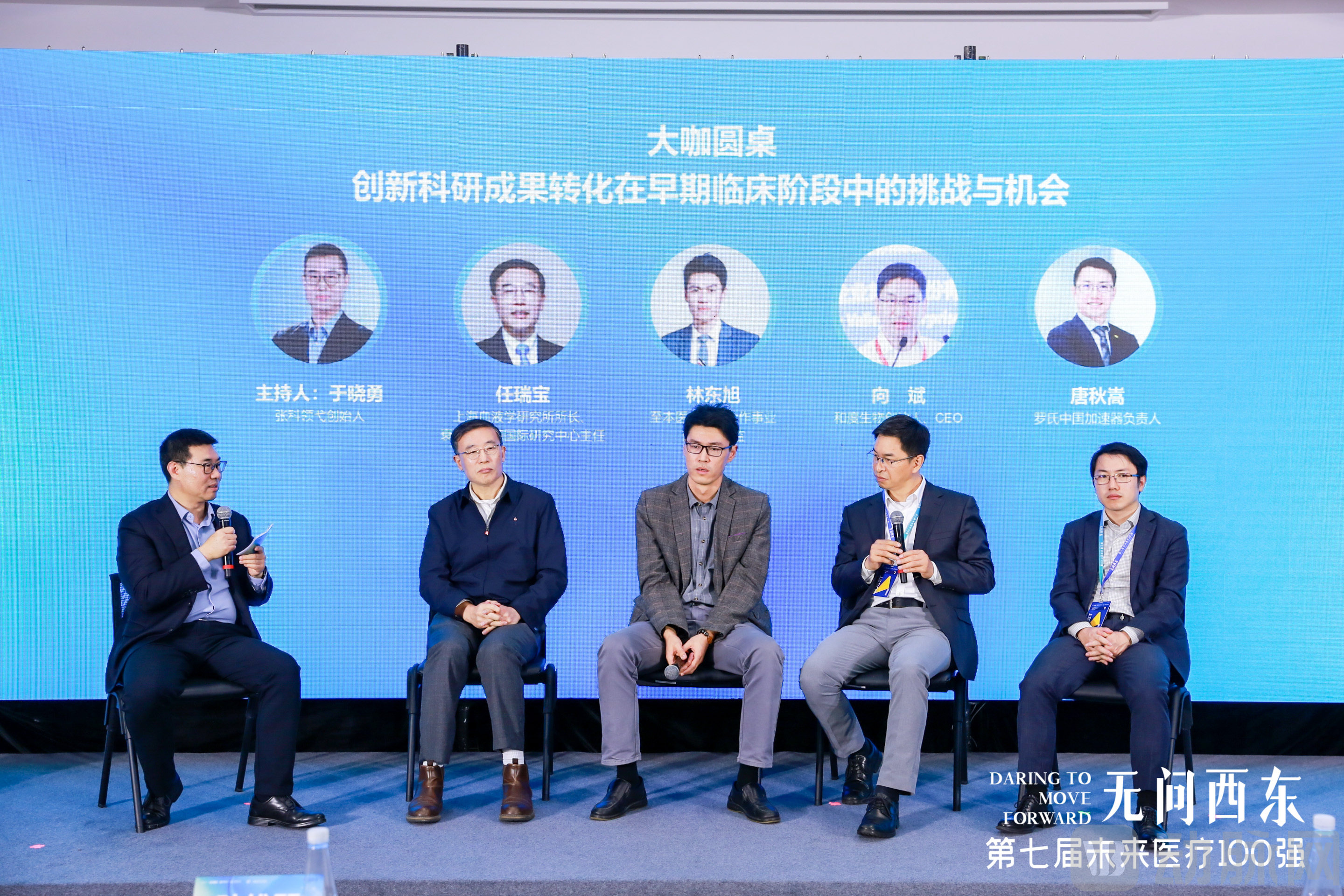
From left to right: Yu Xiaoyong | Founder of Zhangke Lingyi; Ren Ruibao | Director of the Shanghai Institute of Hematology and Director of the International Center for Aging and Cancer Research; Lin Dongxu | Senior Director, Pharmaceutical Company Collaboration Division at Geneseeq Technology; Xiang Bin | Founder and CEO of Hedoo Biotech; Tang Qiusong | Head of Roche China Accelerator
Guests shared their diverse perspectives on the challenges and opportunities associated with translating innovative scientific achievements into early-stage clinical applications. Regarding the pain points in the clinical translation process, Ren Ruibao argued that low efficiency in clinical translation is a global issue. He attributed this problem to an inadequate understanding of disease biology related to specific targets or drugs. He recommended returning to first principles: ensuring a thorough understanding of disease biology, guiding technological innovations out of the laboratory based on clinical needs, and maintaining timely communication with physicians. Zhangjiang can also play an active role in facilitating the flow of scientific achievements from universities and research institutions to the industrial sector, while capital investors need to exercise patience to support the translation of these achievements.Xiang Bin concurred with Mr. Ren’s primary point, emphasizing that the quality of a drug depends fundamentally on its target. He stated that project initiation should not only be evaluated from the perspective of disease biology but also involve the participation of clinical and patent experts. During product development, Hedoo Bioscience actively engages in exchanges and collaborations with clinical and patent experts, in addition to focusing on disease targets. At the end of last year, the Joint Laboratory of Shanghai Cancer Institute and Hedoo Bioscience was officially established. This laboratory aims to advance basic research and translational applications of bacterial vector gene therapy in disease treatment, develop high-quality applicable products, and bridge the “last mile” among industry, academia, research, and clinical practice.
Regarding corporate collaboration practices, Lin Dongxu stated that Burning Rock Biotech primarily focuses on pharmaceutical business and services. The company provides testing services, companion diagnostic kit development, data applications, clinical trial patient recruitment recommendations, as well as services related to guidelines and consensus statements from clinical institutions and associations. Tang Qiusong noted that the Roche China Accelerator shares valuable insights and recommendations from Roche’s drug development process with startups. Furthermore, through R&D collaborations with startups, Roche scientists will directly participate and jointly explore specific research directions. Leveraging Roche’s end-to-end experience in China—from early-stage R&D to commercialization—and its global network of scientists, the accelerator will help startups reduce unnecessary time and labor costs across multiple dimensions, including research, operations, and market entry.
Dr. Tang Qiusong further stated that the Roche China Accelerator leverages Roche’s robust R&D capabilities, external collaboration ecosystem, and years of product development experience to provide targeted support to startups. This support includes access to funding channels, partnership opportunities, R&D expertise, and advanced laboratory equipment. Additionally, tailored guidance plans are developed based on each company’s individual needs to facilitate the translation and implementation of scientific achievements. When identifying potential member companies, the Roche China Accelerator focuses on three key areas: first, encouraging member companies to explore unique biological mechanisms; second, investigating novel drug modalities based on existing drug targets or biological mechanisms; and third, utilizing data, algorithms, and artificial intelligence to address questions that are difficult to resolve through traditional experimental methods.