

Innovation in Life Science Tools: Insights and Product Highlights from the VB100 Forum
The global life sciences sector is flourishing, with artificial intelligence, big data, and life sciences increasingly converging. Coupled with the implementation of the Biosecurity Law of the People's Republic of China, the biotechnology industry is poised for unprecedented development opportunities, creating substantial business prospects for life sciences, biotechnology, and their upstream and downstream industries.
As a wave of innovative macromolecular drugs and novel therapeutic modalities—including antibody-based therapeutics, cell therapies, and vaccines—transition from laboratory research to industrial-scale production, there has been a fragmented yet explosive surge in demand for biopharmaceutical manufacturing processes and scientific research services. After nearly three decades of development, China’s domestic life sciences research tools industry is demonstrating strong momentum for overtaking established competitors. Looking back at the three years of the pandemic, companies in the in vitro diagnostics (IVD) and life sciences sectors encountered unprecedented growth opportunities, leading to fundamental transformations in their trajectories and reshaping the competitive landscape once again. With the adjustment of epidemic prevention policies in late November 2022, the true “post-pandemic era” officially began, making the future direction of the IVD and life sciences industries in 2023 a key focus of strategic consideration for both enterprises and investors.
In this context, the 7th Future Healthcare Top 100 Conference, in collaboration withMatrix Partners ChinaCo-createLife Science Tools Forum, inviting industry experts, leading enterprises, and investment institutions to comprehensively explore current trends in the industry ecosystem from multiple perspectives. Centered on the theme of “localization of life science tools,” participants will share insights on “technological innovation” and “product innovation,” thereby deepening academic exchange and collaboration in the fields of life sciences and public health, promoting interdisciplinary integration, and fostering cooperation across the upstream and downstream industrial chains.
Steadfast Execution for Long-Term Success: Investment Research Practices in Life Science Tools
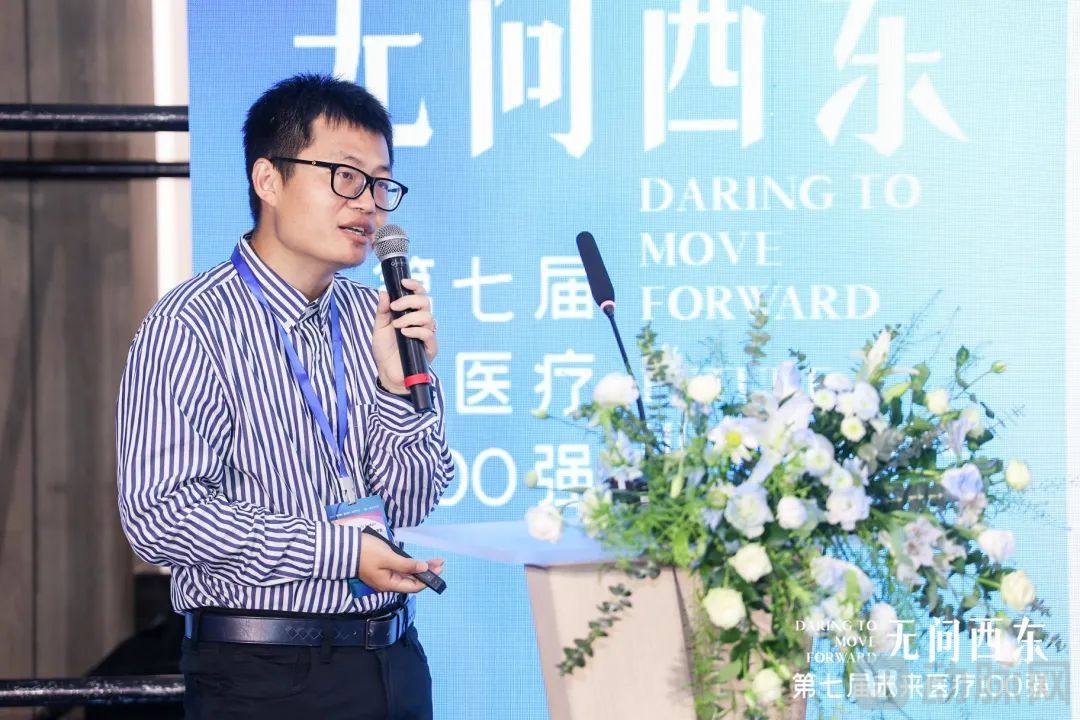
Sun Linghao | Managing Director, Matrix Partners China
First, Sun Linghao clarified the definition of the life sciences tools industry from the perspective of application scenarios, noting that it is a typical interdisciplinary field. Sun Linghao believes that China’s entire new drug R&D sector is on the eve of its second wave, which will generate investment opportunities across the industrial chain driven by the booming development of novel drug modalities. Meanwhile, the rapid development of life sciences tools has inevitably led to homogeneous competition and certain capital bubbles. Finally, Sun Linghao stated that to identify companies capable of leading the industry in the long term in the post-pandemic era, several key points should be considered: first, M&A integration and external collaboration capabilities; second, overseas business expansion capabilities; third, technological and foundational extensibility; and fourth, entrepreneurs’ strategic thinking and execution capabilities.
Stronger Together—Jointly Driving the Sustainable Development of China’s Biotech Industry Ecosystem
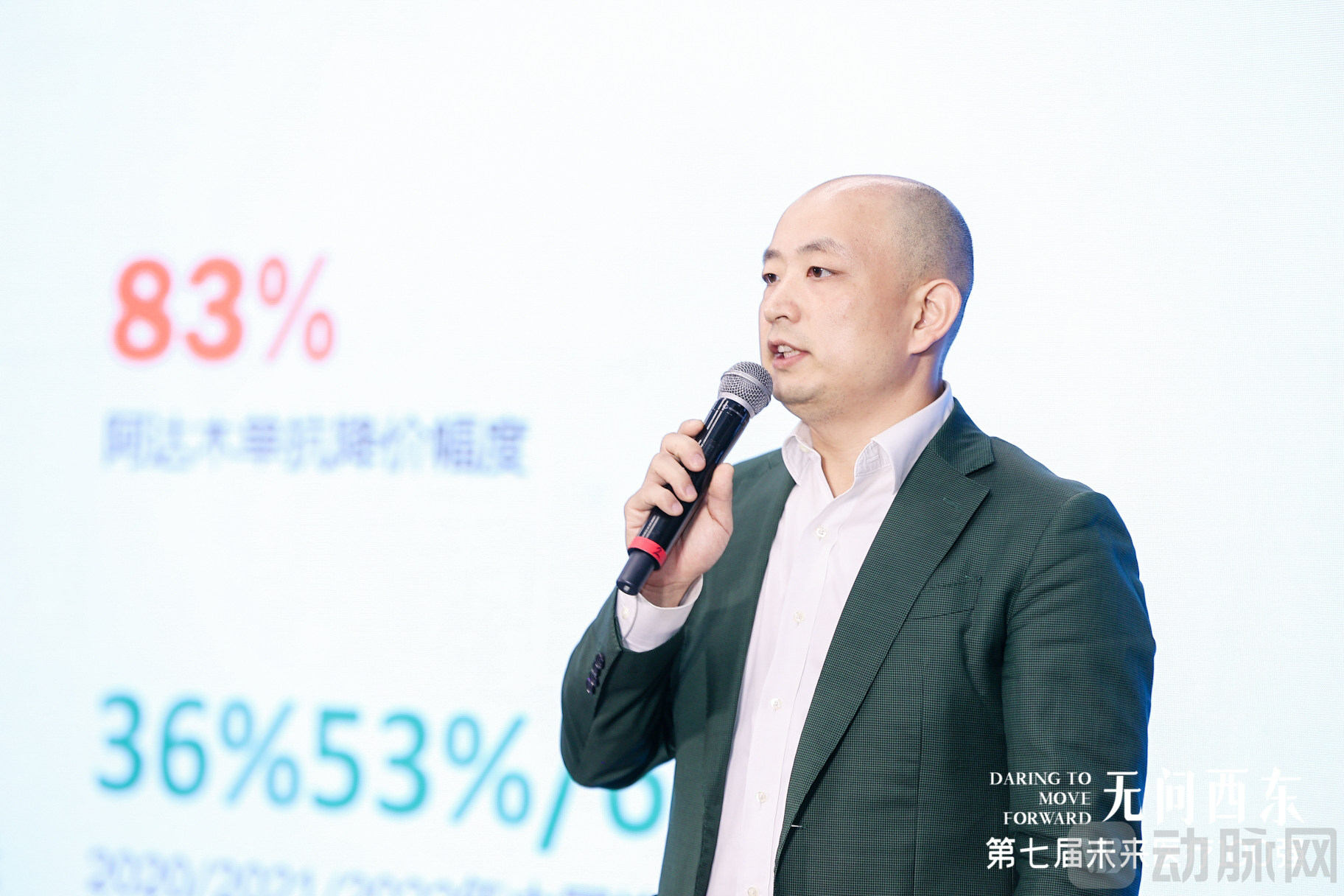
Xiao Liu | Head of Marketing, Cytiva Greater China
Liu Xiao noted that 280 biopharmaceuticals have been approved for marketing in China over the past five years. He stated that both the speed and volume of new drug approvals in China over the past three years have reached record highs. With the implementation of volume-based procurement, prices in the end-user market are also expected to decline significantly.
Liu Xiao stated that the industry must join forces to leverage the power of the ecosystem to drive innovation. He believes that addressing survival challenges requires considering an overseas expansion strategy. How to enter overseas markets and how to achieve fast-follow are common issues that our clients need to address. Building China’s biotech ecosystem can be approached from five dimensions: talent, supply chain, regulations, manufacturing, and the early-stage R&D ecosystem.
In conclusion, Liu Xiao summarized that although the industry is currently facing some short-term challenges, whether due to domestic policy issues or international political factors, practitioners should remain optimistic about the long-term outlook. Cytiva can maintain a relatively optimistic stance because we are well-prepared and committed to working alongside other companies in the industry to steer the entire sector back onto a track of healthy and sustainable development.
SPM’s Flexible Supply Chain Builds a “Highway” for the Life Sciences Industry
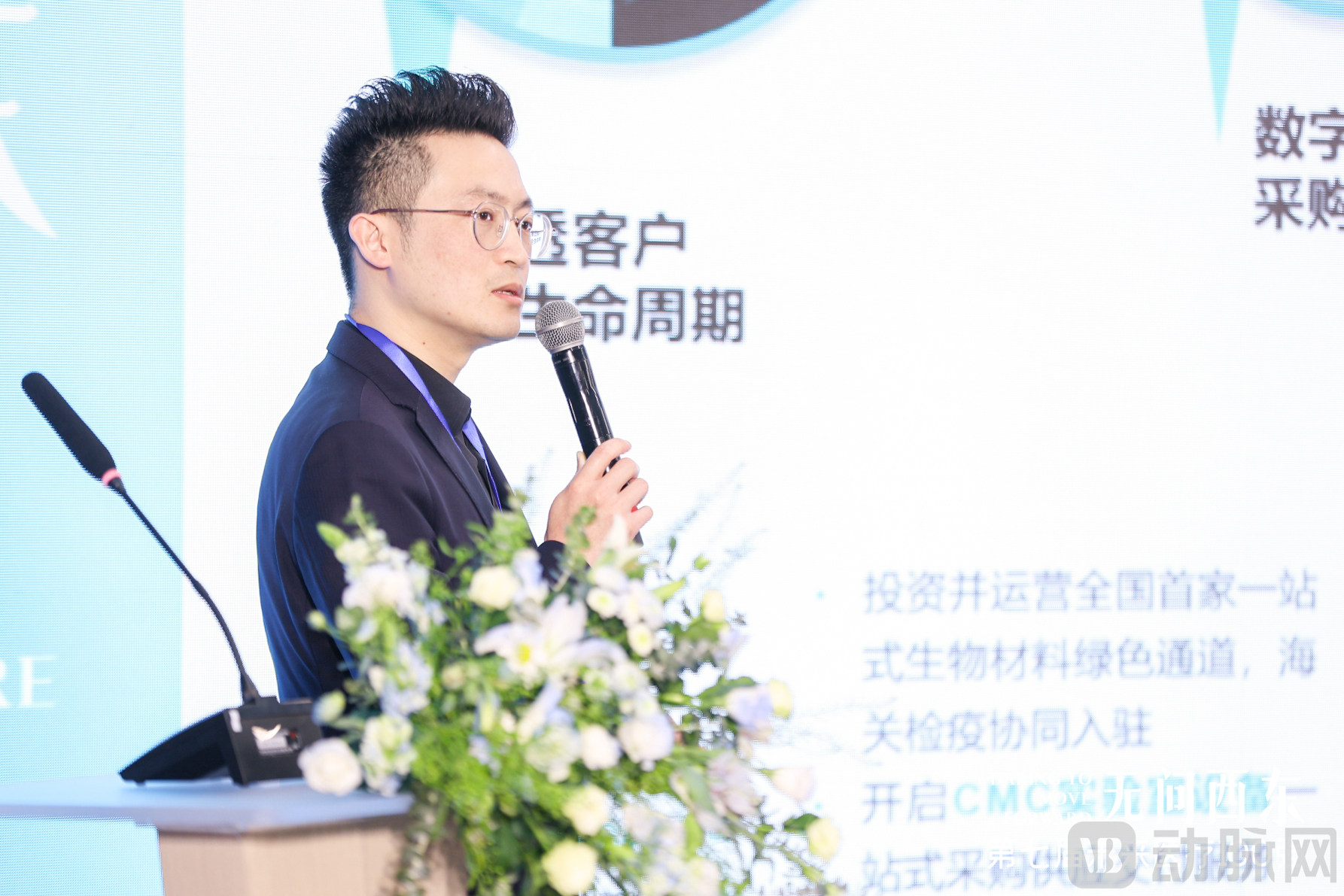
Ma Zhimin | Vice President of Operations, Quanxin Quanyi
Ma Zhimin shared insights on how the biopharmaceutical industry can build resilient supply chains. He elaborated on five key aspects: flexibility, integration, resilience, warehousing and logistics deployment, and digital empowerment.
He first pointed out that procurement costs are not limited to material costs but also include hidden costs such as inventory, logistics, personnel, lead time, payment terms, and after-sales service. He emphasized that procurement cost should be viewed as Total Cost of Ownership (TCO). Next, he discussed the uncertainty surrounding lead times between R&D and procurement departments within client enterprises. He introduced the concept of Total Time of Ownership (TTO), arguing that it should be calculated starting from the moment R&D raises a requirement.
He then discussed the potential challenges in procurement, noting that when dealing with hundreds of suppliers, issues such as product information discrepancies, delivery details, and confirmation of all requirement specifications can turn procurement into a bottleneck. Ma Zhimin further illustrated that an excessively long supply chain entails substantial human resource management costs. Subsequently, Ma addressed solutions to these problems, proposing that they can be resolved through flexible, integrated, and resilient supply chains.
Innovative Practices in Multi-Omics Testing Services and Molecular Diagnostic Products
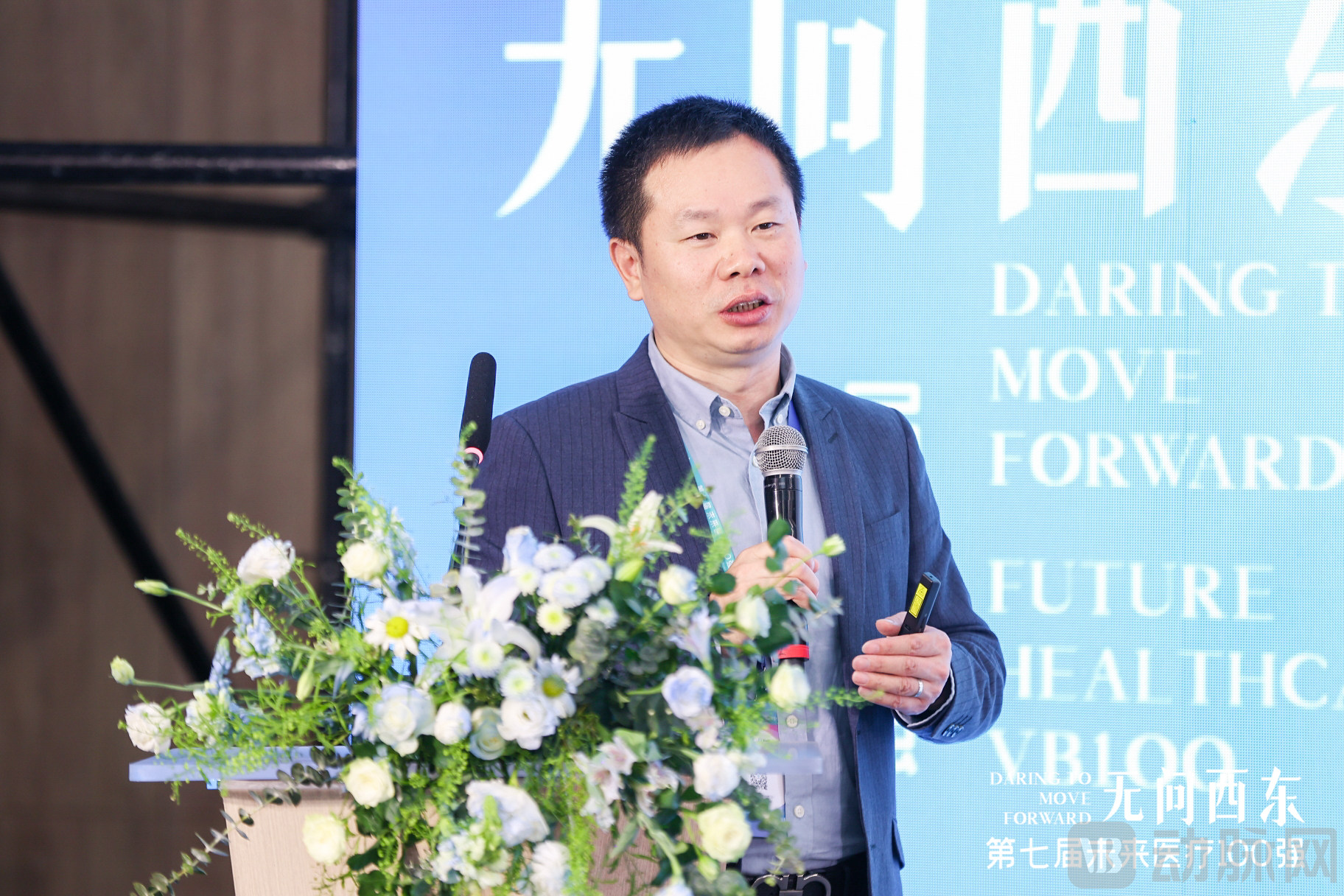
Xiao Yunping | Co-founder and Vice Chairman of OE Biotech
Xiao Yunping shared his understanding of multi-omics, dividing it into4+1 Directions: First Genome, Second Genome, Spatiotemporal Multi-omics, Proteogenomics, and Yeast Library.
The First Genome, i.e., entry-level multi-omics. It typically involves integrated multi-omics research across levels such as the genome, transcriptome, proteome, and metabolome, following the central dogma. The Second Genome, i.e., the microbiome. He noted that the microbiome is increasingly regarded as humanity’s second genome, as its genomic scale far exceeds the amount of human endogenous nucleic acids. Spatiotemporal multi-omics, a new application centered on single-cell and spatial technologies. He described this as a currently popular and advanced approach to integrated multi-omics applications. Proteogenomics, an even more advanced form of integrated multi-omics application. He pointed out that this approach typically requires large sample sizes and at leastIntegrated application of five to six omics, with an emphasis on the importance of collecting sample phenotypic data.
Finally, Xiao Yunping introduced the yeast library—a comprehensive repository containing all expressed genes within a species—which is Oebiotech’s flagship product. He stated that yeast library technology remains both a classic and highly practical technique.
Development Trends in Life Science Laboratory Automation
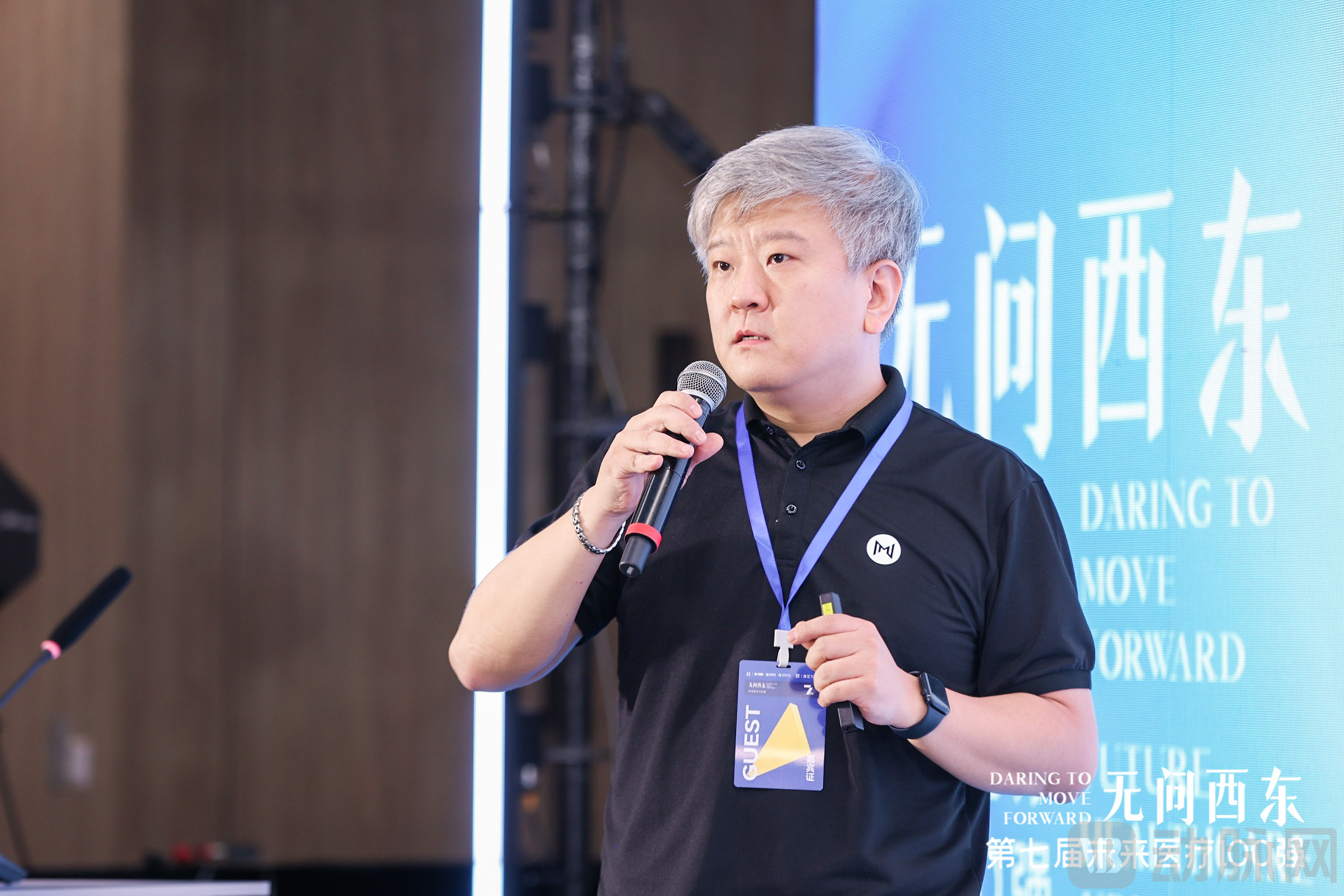
Zhang Yan | Co-founder and Senior Vice President of MEGA Intelligent Technology
Zhang Yan highlighted the development trends in laboratory automation, progressing from manual operations to small-scale automated liquid handling workstations, then to large-scale integration of robotic arms, and finally to the integration of mobile robots for automation. He noted that while this trend is clearly visible, numerous challenges and unresolved issues remain during implementation.
Zhang Yan pointed out that, in contrast to the serial operational logic of manual work, where only one experiment can be completed at a time, automated laboratories can leverage algorithms and automation to execute multiple experiments that would otherwise require sequential processing in parallel. This approach does not compromise quality, and the resulting improvement in efficiency is clearly evident, representing an order-of-magnitude increase.
He believes that the development of laboratory automation should be driven by needs and grounded in practical applications. Based on his practical experience, he has found that for users opting for intelligent laboratories, two key considerations must be addressed: first, there must be genuine demand and actual usability; second, the exponential increase in consumables resulting from high-throughput experiments may lead users to question whether such adoption is truly justified.“Affordable.”
Finally, Zhang Yan believes that to truly and thoroughly address customers' issues, it is necessary to leverage informatics software to streamline information flow, resolve sample database challenges, and even provide analytical tools. MegaRobo has developedBiolauto software to address these issues.
Yikesai: The Path of Technological Development and Innovation in High-End Serum-Free Culture Media
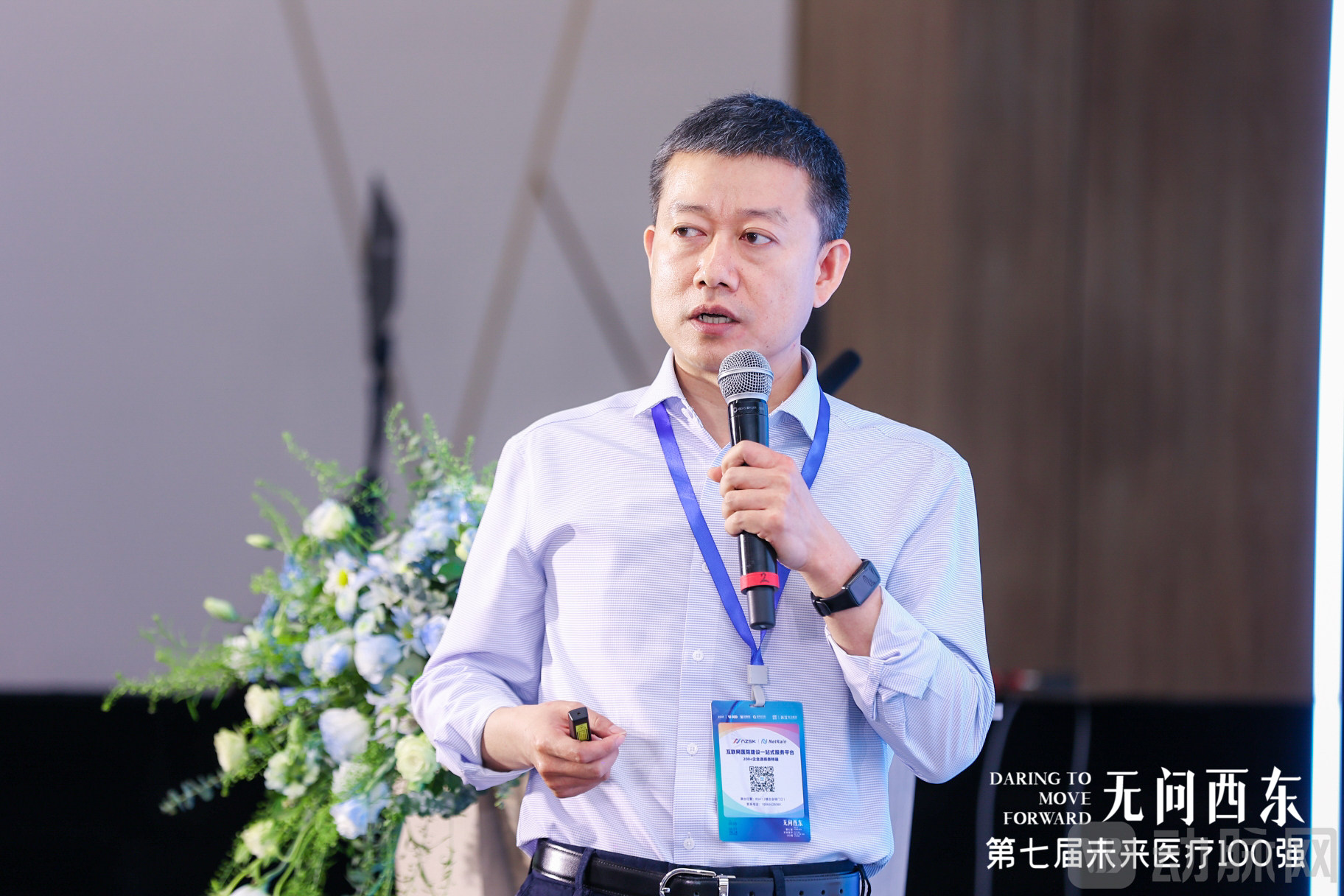
Han Xiangzong | Vice President of R&D, Ecoscience Biotech
Han Xiangzong discussed the evolution of life sciences, particularly focusing on cell culture and mammalian cell culture. He noted that with the development of the cell and gene therapy industry, the demand for cell culture media has been increasing. As numerous R&D pipelines and clinical pipelines continue to advance, more cell therapy products are being launched onto the market, leading to extremely stringent requirements for raw material control.
Han Xiangzong highlighted the evolution of cell culture media, progressing from the initial model of basal media supplemented with serum, to serum-free formulations, and eventually to the development of media devoid of proteins or even hydrolysates. He noted that this evolution represents a transition from highly complex media to increasingly simple and well-defined formulations. This shift is driven by two key factors: first, safety; and second, cost.
Han Xiangzong introduced iCell and expressed his willingness to build a cell culture media company that can truly go global from China. He believes that the quality must be better than or even superior to imported products, then leverage cost advantages, and ultimately achieve more stable processes.
A Panoramic Insight into the Upstream of the Cell and Gene Therapy Industry Chain
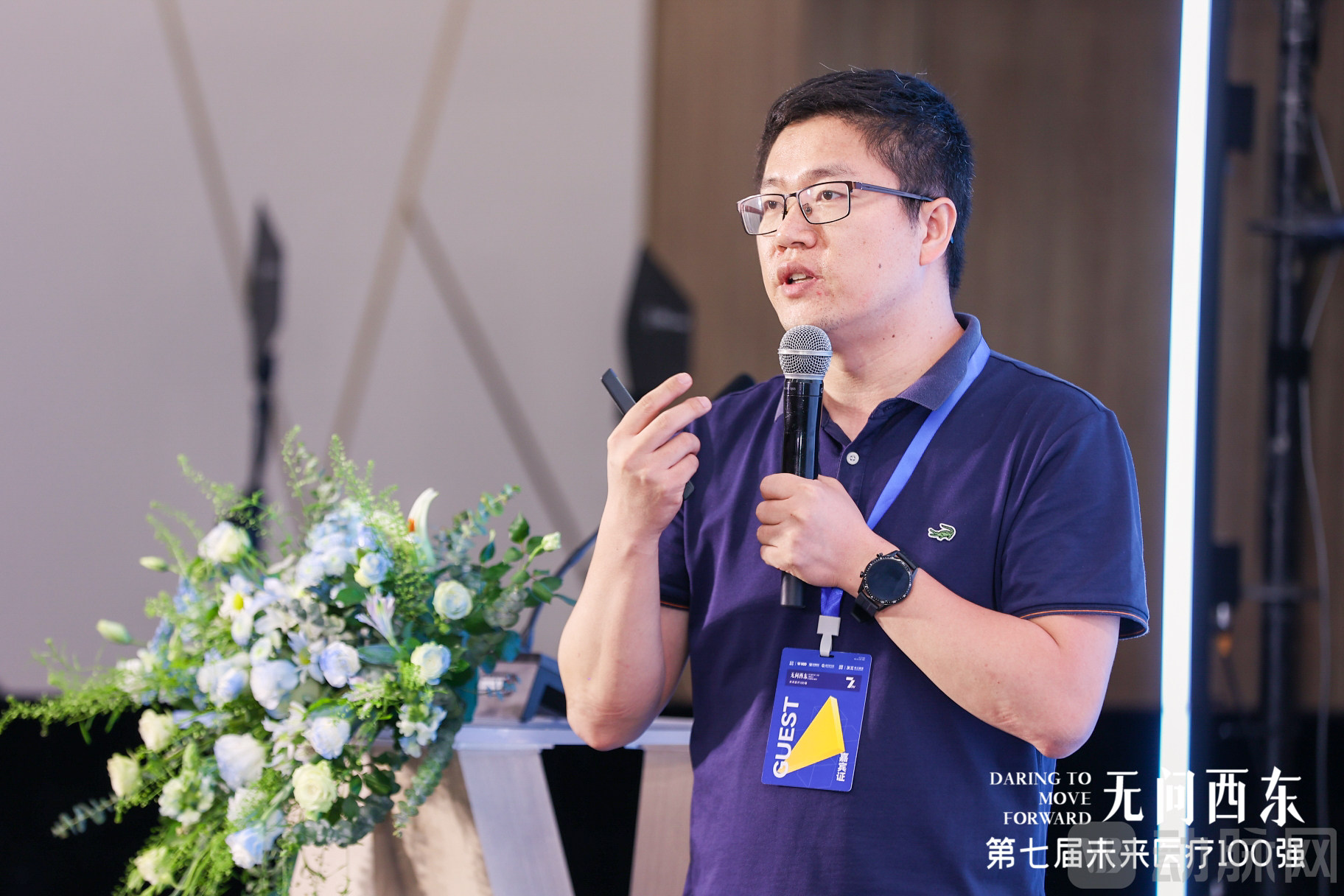
Shang Yuanfang | Founder and CEO of CytoNexus Bio
Shang Yuanfang noted that humanity has always strived to go further and live longer. Over the past century, the history of increased human lifespan has also been a history of advancements in pharmaceutical technology. With the development of cell and gene therapy, gene sequencing, gene editing, and synthetic biology, humanity now possesses, for the first time in history, the ability to diagnose, intervene in, and treat diseases at the molecular level.
The cell and gene therapy industry chain can be divided into upstream, midstream, and downstream segments. The upstream sector includes automated tools and equipment, reagents, consumables, and raw materials and excipients, while the midstream sector comprises the broad field of cell therapyIn the biotech sector, the downstream segment represents the application end. Currently, the midstream layer is developing very well within the industry. In contrast, China faces a relative shortage in the upstream segment overall.
Finally, he shared his experiences and insights on localization. First, patents must be prioritized. Second, China’s upstream industry requires comprehensive layout, as isolated efforts cannot resolve the challenges of localization. Third, process improvement and innovation are essential. Fourth, applications should be diversified, and validation must be thorough.
Roundtable: How Can Domestic Life Science Tool Innovators Navigate Toward International Giants in the Post-Pandemic Era?
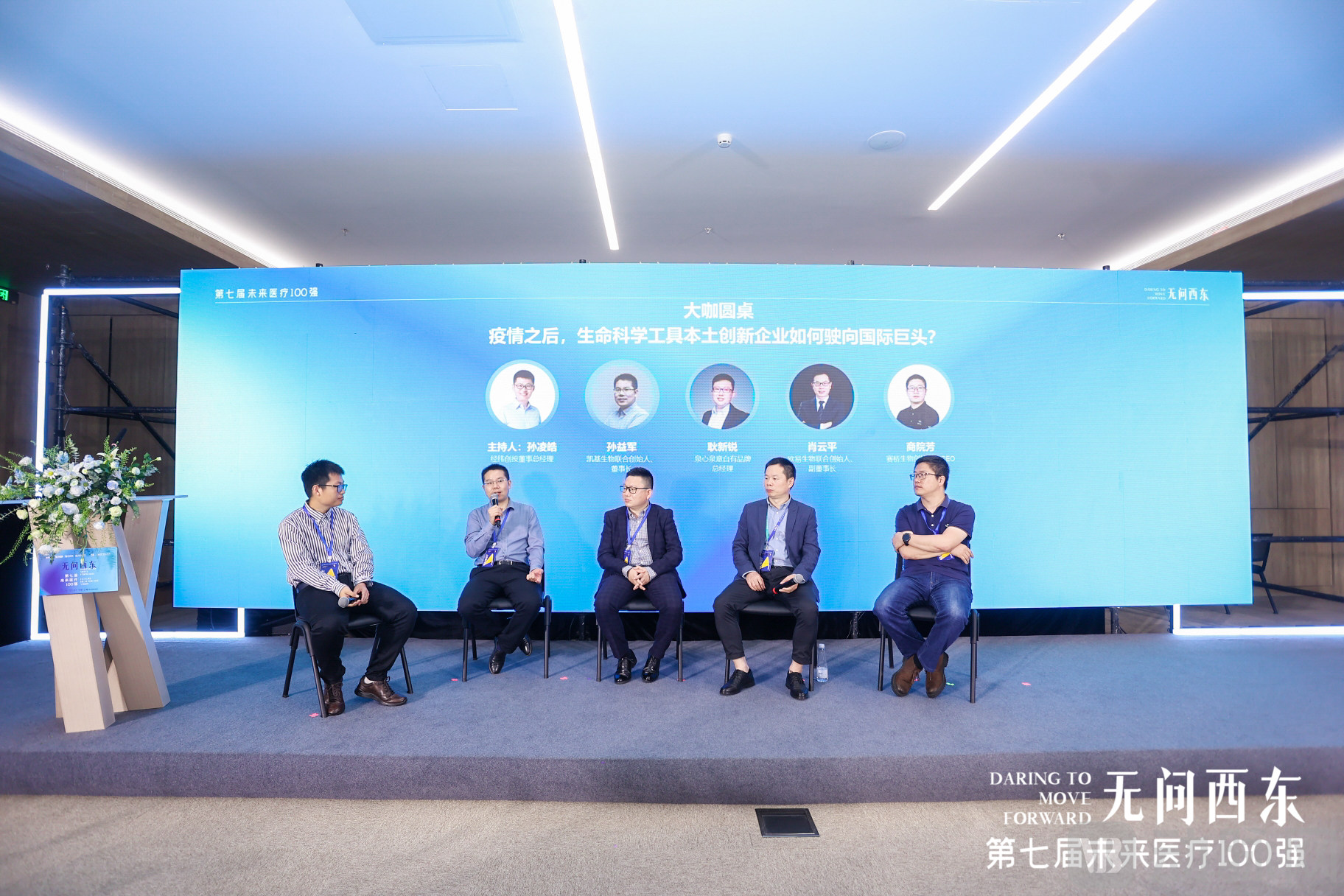
From left to right: Sun Linghao | Managing Director, Matrix Partners China; Sun Yijun | Co-founder and Chairman, Genie Biotechnology; Geng Xinrui | General Manager, Quanxin Quanyi Private Label; Xiao Yunping | Co-founder and Vice Chairman, OE Biotech; Shang Yuanfang | Founder and CEO, CellBrid Bio
First, several guestsdiscussedThe Impact of the Pandemic on Respective Companies,It is understandable that the impact on the overall business is significant, but on the other hand,The pandemic has also accelerated the trend toward domestic production.Localizationprocess.
As the only equipment manufacturer present, Mr. Shang also noted that, from the perspective of process-level production lines, the workflow is extensive,"Entered the production line, thinking"High difficulty in modification; special attention must be paid to intellectual property rights. RequiredCustomer-centric,Explore amidst demand uncertainty, with a focus on identifying and securing key accounts, andThe Company’s Organizational Structure and Personnel Alignment。
Geng Xinrui Shares His Views on Building an Independent BrandThere are a large number of factories in China that have yet to complete their standardization efforts, and substantial work remains to be done in both brand building and channel development. Quanxin Quanyi’s ambition to launch its own private label is not merely about capturing a share of the existing market; rather, it aims to create greater value by enhancing supply chain efficiency, thereby transforming the supply chain into a value chain.
KaigiBiologyBusiness CategoriesNumerous,Regarding severalCategoryofSynergy and Classification,Sun Yijun stated“As a company founded on cell-based reagents, we focus our resources on research and industrial application scenarios centered around cell biology. Our product portfolio spans from cell lines to cell detection and analysis reagents, cell culture media, and transfection reagents. We strive to offer a comprehensive range of cell biology reagents and enhance product competitiveness through continuous iteration. Vertically, we are tackling key technologies in upstream areas such as fluorescent dye chemistry, cell culture, and protein expression. Horizontally, leveraging the channel advantages of the KeyGEN brand, we are expanding into cell culture consumables and scientific instruments for cell experiments, while supplementing this with cell-related CRO services to strengthen customer stickiness. Aligned with our strategic direction in cell biology, KeyGEN has unlocked its growth potential for the next 3–5 years, further focusing on and reinforcing the company’s core competitiveness—serving science and benefiting life!”
Multi-omics in the So-Called Capital WinterFieldStillRelatively Lively,Xiao YunpingMr.Believe that multi-omics itself represents a tremendous opportunity,A particularly typical direction is to handle trace amounts,There are numerous tool-related requirements centered around trace amounts throughout the entire chain.,We also look forward to collaborating with our industry peers in the future.Let us jointly explore more tools in this broad direction to drive the development of the entire industry.