

Industry-Academia Collaboration Drives Medical Device Innovation and Localization under the MAH System
On May 14, the first day of the CMEF (China Medical Equipment Fair), numerous domestic and international medical device companies gathered at the Shanghai National Exhibition and Convention Center. Innovation, import substitution with domestically produced alternatives, and even China-first innovations have become the main themes of China’s medical device industry. According to the “Current Status and Trends of China’s Medical Device Industry” report released by Roland Berger, an international management consulting firm, China’s medical device market exceeded RMB 900 billion in 2022. The development of innovative medical devices has driven rapid expansion in the third-party services sector. In recent years, China’s medical device CRO (Contract Research Organization) and CDMO (Contract Development and Manufacturing Organization) markets have seen steady growth, exhibiting two major development directions: deepening specialization in niche segments and providing one-stop solutions for medical device commercialization.
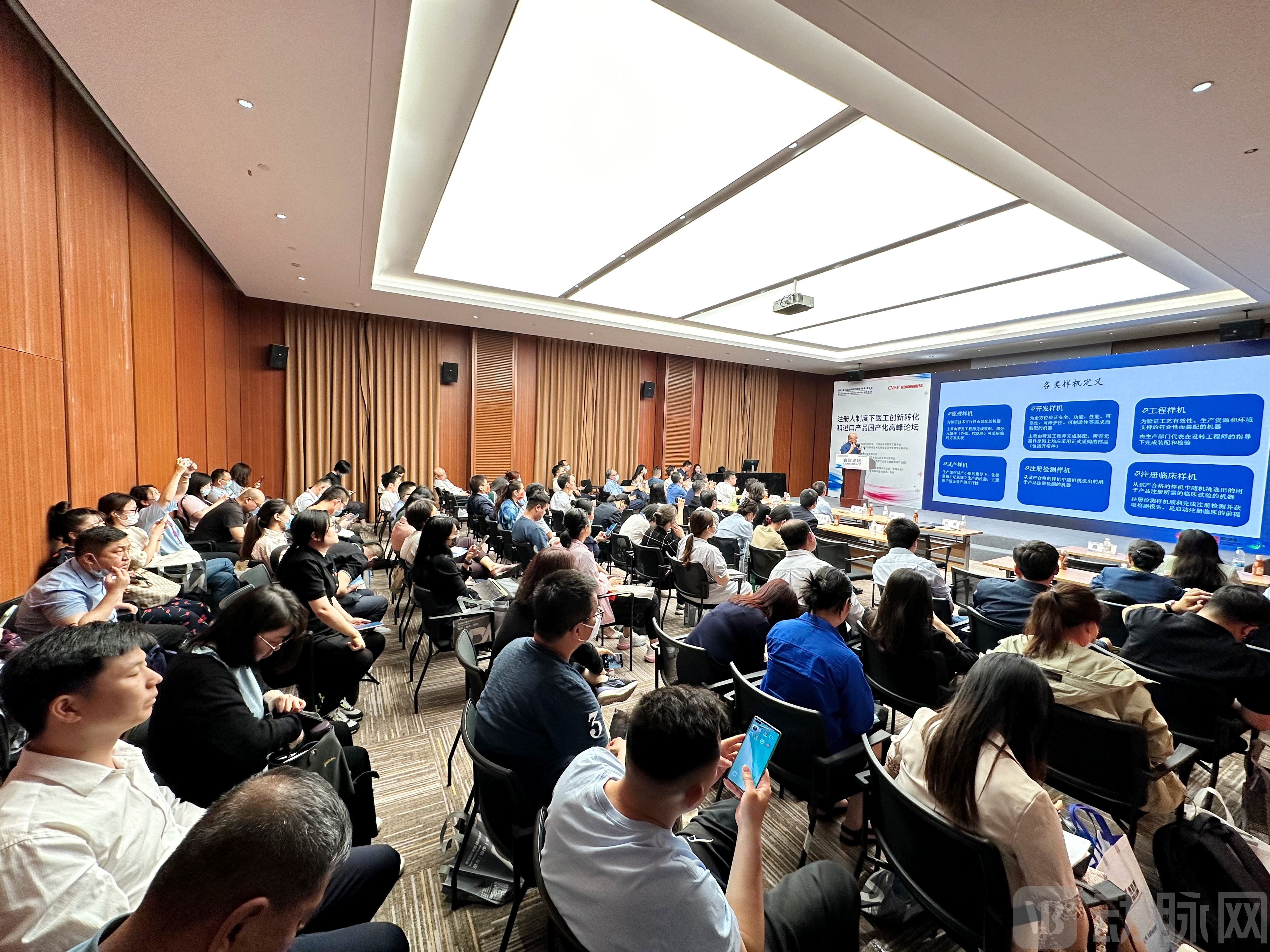
That afternoon,Successful Convening of the High-Level Forum on MedTech Innovation Translation and Localization of Imported Products Under the Registrant System. This forum is organized byChina Association of Medical Device Industry, Jiangsu Society of Biomedical EngineeringGuidance,China Association of Medical Devices Industry, Technical Management Professional Committee for Life Support Equipment; Sinopharm Reed ExhibitionsHosted by,Jiangsu Dongmai Medical Technology Co., Ltd.Co-organized by a consortium of medical device manufacturers and related CRO/CDMO service providers, clinical experts and scholars from universities, and representatives from investment institutions, this initiative brings together diverse stakeholders to jointly explore the development and innovative translation of medical devices under the Medical Device Registrant System.
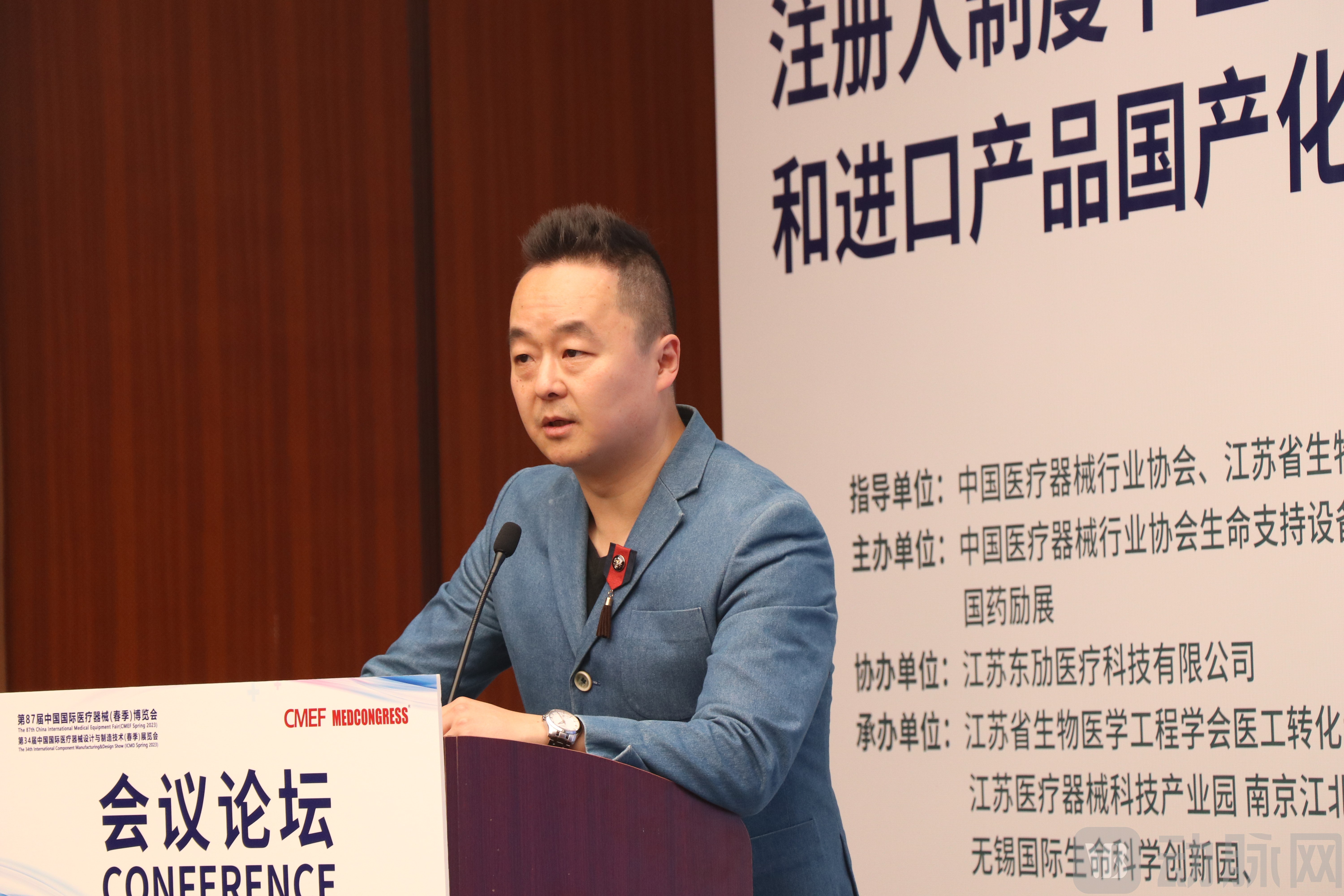
Zhang Lin, Deputy Secretary-General of the China Association for Medical Device Industry (CAMDI), announced the opening of the forum and served as the moderator for the event.
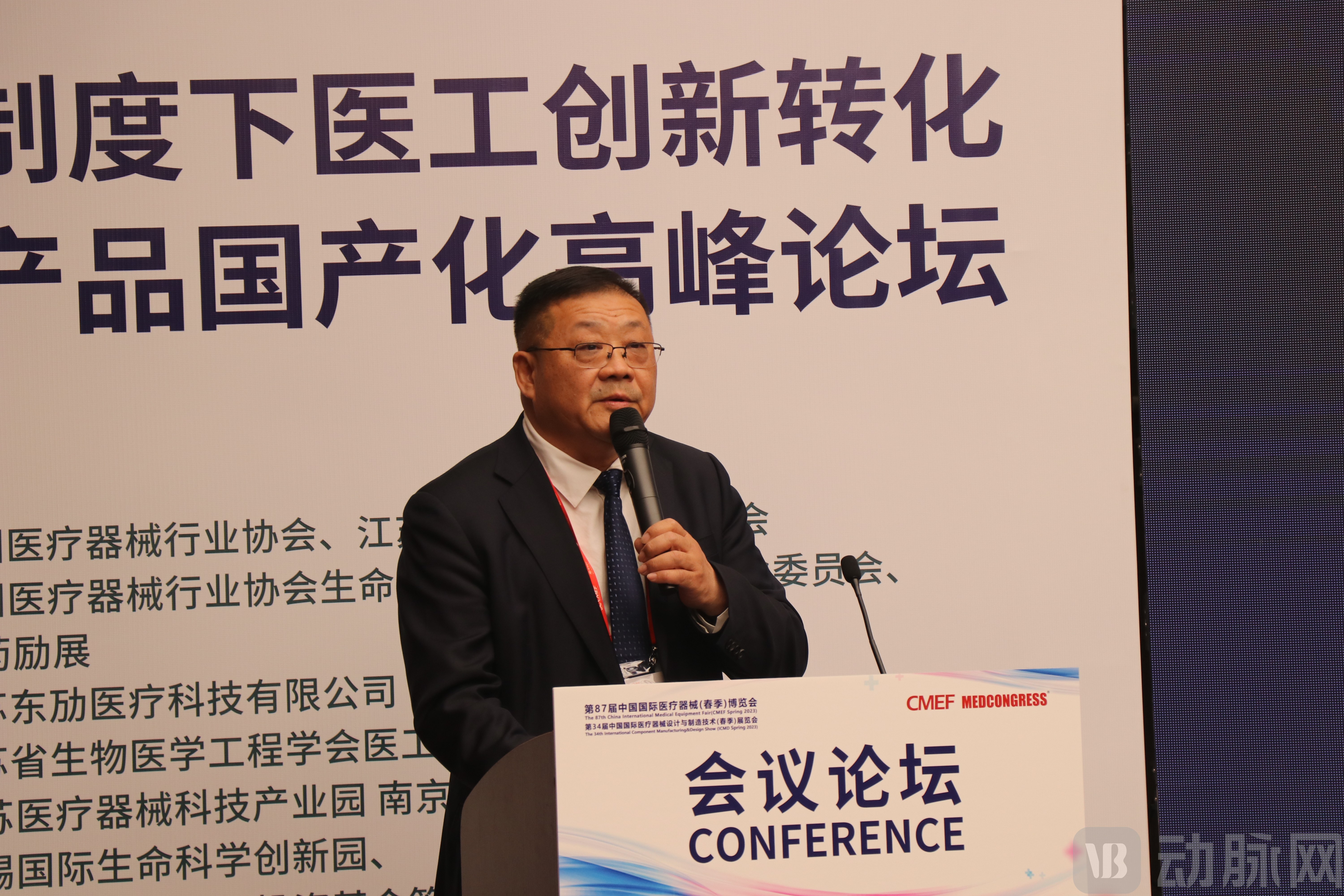
At the opening of the event, Fan Yilu, Chairman of the Life Support Equipment Technical Management Professional Committee of the China Association for Medical Devices Industry (CAMDI), delivered an address. He stated, “The innovative decoupling of the two certificates under the Marketing Authorization Holder (MAH) system has achieved deep optimization and integration of industrial resources, providing strong support for innovation and entrepreneurship in the medical device sector and clarifying the commercialization pathway for clinical projects. Meanwhile, the transition of medical devices from clinical translation to actual market launch requires not only CDMO services but also support across multiple dimensions, including capital injection, market engagement, iterative R&D, and intellectual property protection.”
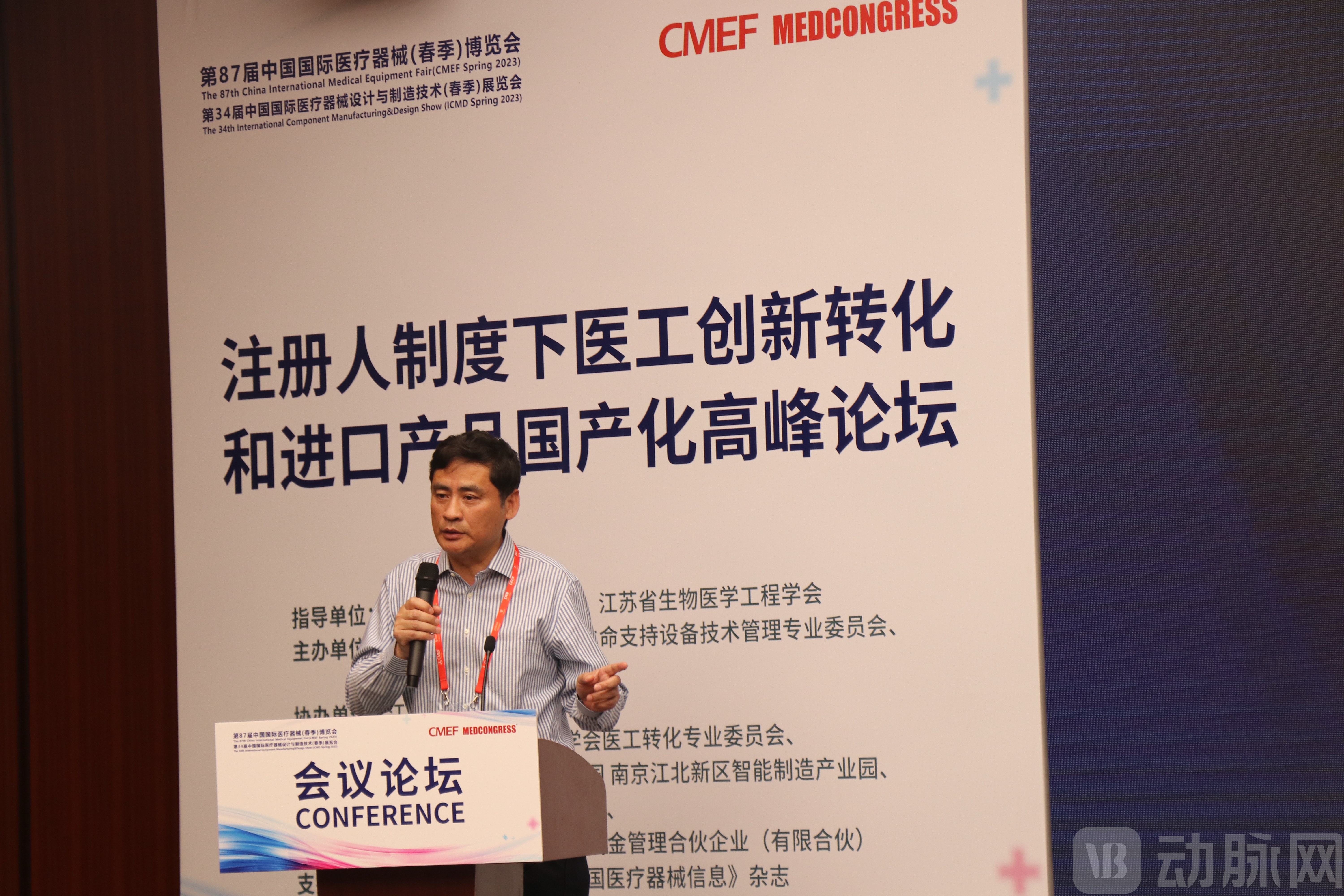
Qian Zhiyu, Chairman of the Jiangsu Society for Biomedical Engineering, stated: “The innovative translation of domestically produced products,”It is necessary to overcome key technical barriers, master core components and critical manufacturing processes, while successfully navigating the product registration process., which requires a considerable period of adjustment. The practical implementation of the Marketing Authorization Holder (MAH) system necessitates a top-down, gradual exploration involving both government and enterprises, to establish a set of rules and standardize processes.”
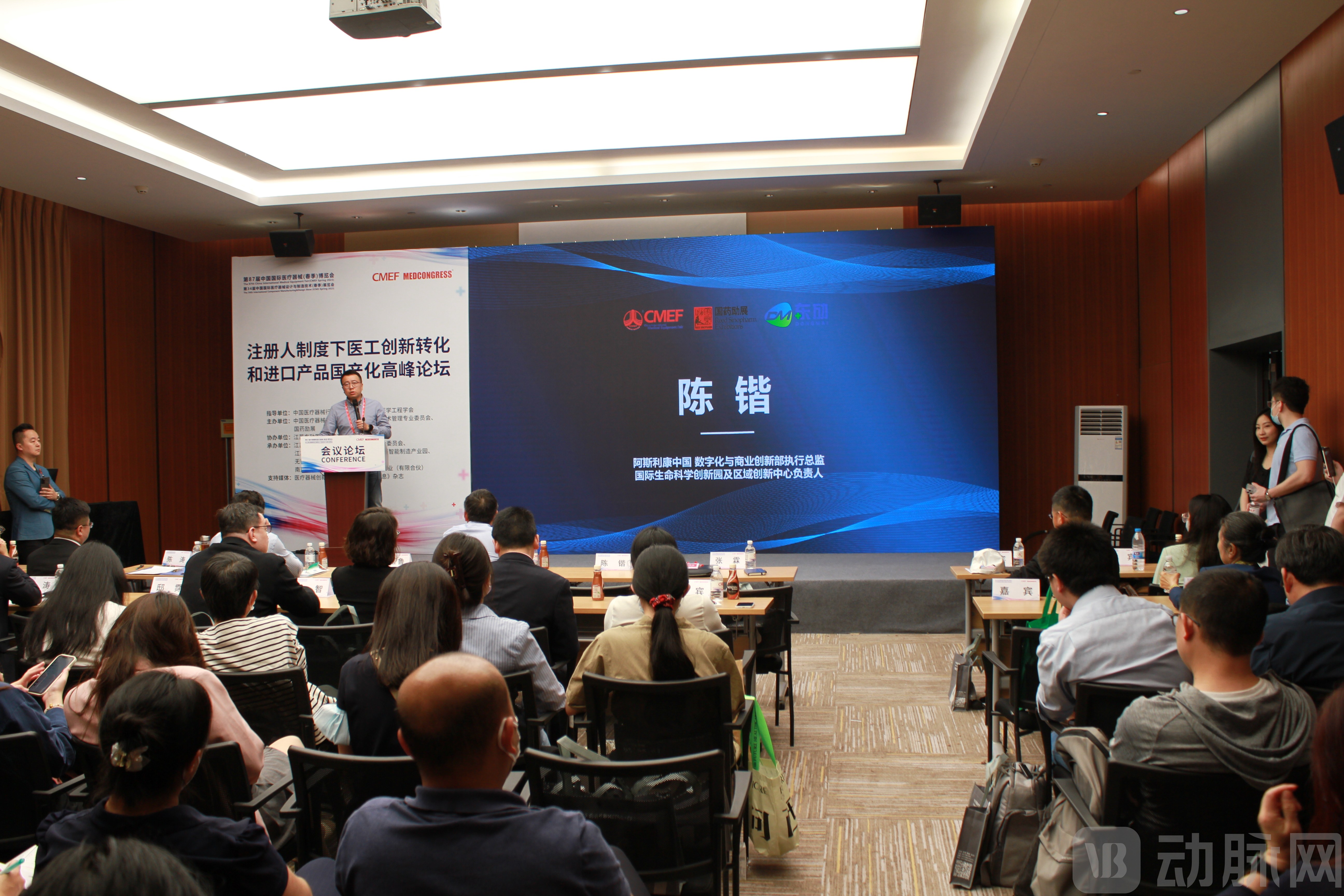
Chen Kai, Executive Director of the Digitalization and Commercial Innovation Department at AstraZeneca China, stated: “From the pilot implementation of the Medical Device Registrant System in 2019, throughout the entire pandemic period, to the lifting of pandemic restrictions this year, we have observed”Under the registrant system, the innovation and commercialization of medical devices have entered a period of rapid development, imposing higher demands for specialized division of labor across all stages of the device development and translation process.Meanwhile, the translation of scientific research achievements from universities and clinical settings is also developing rapidly, which equally relies on industry-university-research collaboration and specialized division of labor across various translation stages.
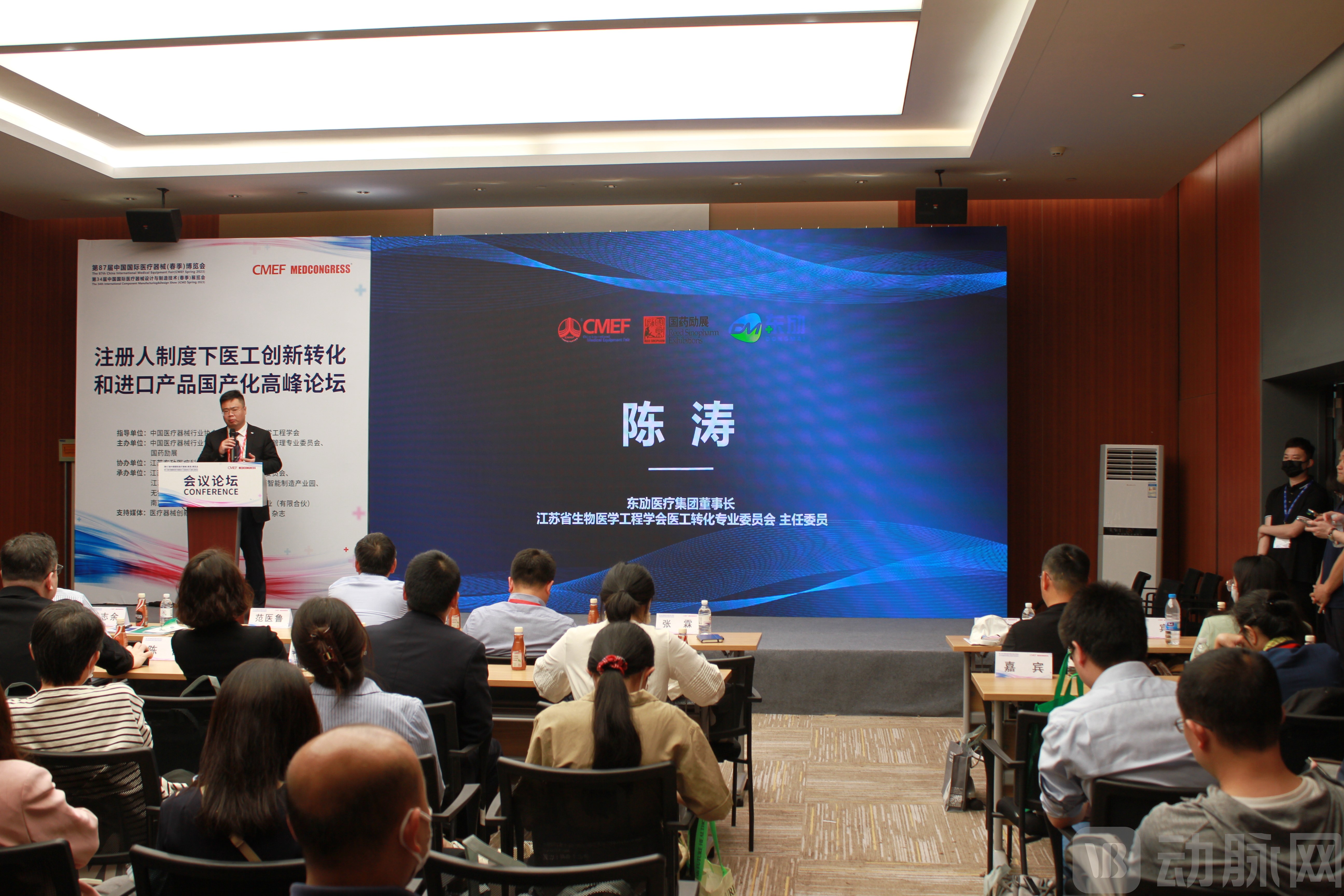
Chen Tao, Chairman of Dongmai Medical Group and Chair of the Medical-Engineering Translation Professional Committee of the Jiangsu Society of Biomedical Engineering, stated, “In the medical device industry, there are research achievements being translated from clinical physicians and university professors, as well as device R&D conducted by enterprises. However, they often lack experience in clinical evaluation and regulatory registration of medical devices. The establishment of a one-stop service platform can more effectively drive industry development by ensuring that professionals handle their respective areas of expertise.”The medical device industry does not lack “turnkey” services; rather, it needs services that are more deeply embedded within the industry.
For different medical device developers, Dongmai Medical has developed a standardized model.Has provided “CDMO + CRO” services for more than 60 projects to date, securing 14 registration certificates, significantly reducing clients’ operational costs, time investment, and risks. In the field of life-support device translation, which is characterized by high barriers and high risks, Dongmai Medical boasts extensive experience and has successfully translated devices such as cardiopulmonary resuscitation (CPR) devices and ventilators.”
Overall, China is becoming a hotbed for medical device innovation, driven by substantial patient demand and robust advantages in manufacturing and supply chains. A steady stream of domestically developed innovations has emerged, with active participation from universities, clinical institutions, and medical device companies. Chinese brands are evolving from “me-too” and “me-better” to “me-first,” with their growing confidence in original innovation supporting their expansion into overseas markets. Meanwhile, multinational giants are placing significant strategic emphasis on the Chinese market, and imported brands are also pursuing localization strategies in China.
The in-depth advancement of device innovation and the market expansion of domestic and international enterprises are placing higher demands on medical device translation services. The Medical Device Registrant System has significantly propelled the development of the CDMO industry and, to some extent, reduced the difficulties associated with device translation; however, the specific implementation of this system still requires continuous exploration.
To address the practical issues and challenges arising in the translation of medical innovations into clinical applications and the localization of imported products, three project presentations were arranged at the conference.
As a representative of medical-engineering innovation and translation, Cheng Zhixiang, Director of the Pain Department at the Second Affiliated Hospital of Nanjing Medical University, shared insights on the “Industrialization of a Clinical Innovative Medical Device Platform Based on Platelet-Rich Plasma (PRP).” During his clinical practice, he observed that existing PRP products were expensive, relatively homogeneous, and unable to meet the demands for personalized treatment. Driven by these clinical needs, he led his team to independently develop a PRP kit and collaborated with Dongmai Medical on product design, registration, and other aspects. The product is currently poised for submission for testing.
As a representative of the localization of imported products, Di Pei, CTO of Wuxi Meian Rex Medical Robotics Co., Ltd., shared the development of the company’s self-balancing exoskeleton robot under the Marketing Authorization Holder (MAH) system and the support provided by Dongmai Medical. “As a small innovative medical device enterprise, we lacked the financial and human resources to invest in building an in-house regulatory affairs team, so we decided to entrust this work to professionals. The technology for the Rex self-balancing exoskeleton robot originated in New Zealand, with relevant patents transferred to China by the Wuxi team, and its development in China began in 2020.”With the support of Dongmai Medical, the robotic product rapidly obtained its test report and completed registration in just eight months."Dongmai Medical is still responsible for the subsequent production and system maintenance of this product."
Wang Tao, General Manager of Suzhou Shengjing Medical Device Co., Ltd., shared insights on “Localizing Imported Products under the Marketing Authorization Holder (MAH) System,” stating: “China’s domestic supply chain is well-established, enabling the localization of imported products and comprehensive upgrades of components. Furthermore, China’s centralized procurement tenders for medical devices are increasingly favoring domestic brands, creating a strong demand for the localization of imported products under policy pressure.“However, many overseas ‘small but specialized’ enterprises are small in scale, with teams composed primarily of R&D personnel. They lack the capability and cost advantages to penetrate the Chinese market on their own, thus requiring professional third-party services.”
In his collaboration with Dongmai Medical, Wang Tao also summarized the company’s four major advantages, the first beingProfessional Pre-Registration Consulting Service System; second,Efficient Process Management and System Training After Project Initiation; thirdly,Management and Control of the Registration Process; Fourth,Abundant Surrounding Resources. In the future, Shengjing Medical will also collaborate with Dongmai Medical to continuously promote the localization of imported innovative products.
As one of the initiating organizations of this forum, Dongmai Medical is a professional service provider specializing in the full lifecycle of medical devices, integrating CDMO and CRO services. With deep expertise in regulatory research on the Medical Device Registrant System, it has developed a unique collaboration model between registrants and contracted manufacturers, pioneering multiple innovative CDMO services such as the “Three-Dual Model.”
Dongmai Medical is the first CDMO platform in Jiangsu Province to be approved under the Medical Device Registrant System, and also the first platform in China to possess registration and production qualifications for Class III medical devices. Furthermore, Dongmai Medical is the only CDMO enterprise in China that conducts its own testing, issues reports, and has obtained approval from the National Medical Products Administration (NMPA).
During the roundtable discussion, Chen Zhi, Investment Director at Guojian Capital; Wen Tao, Deputy Director of the Biomedical Division at Jiangsu Industrial Technology Research Institute; Yue Juan, China Market Strategy Director at Mauna Kea Technologies (France); and Director Cheng Zhixiang engaged in in-depth discussions on topics including the translation of medical-engineering achievements, the development of innovative medical devices, and the localization strategies of multinational corporations.
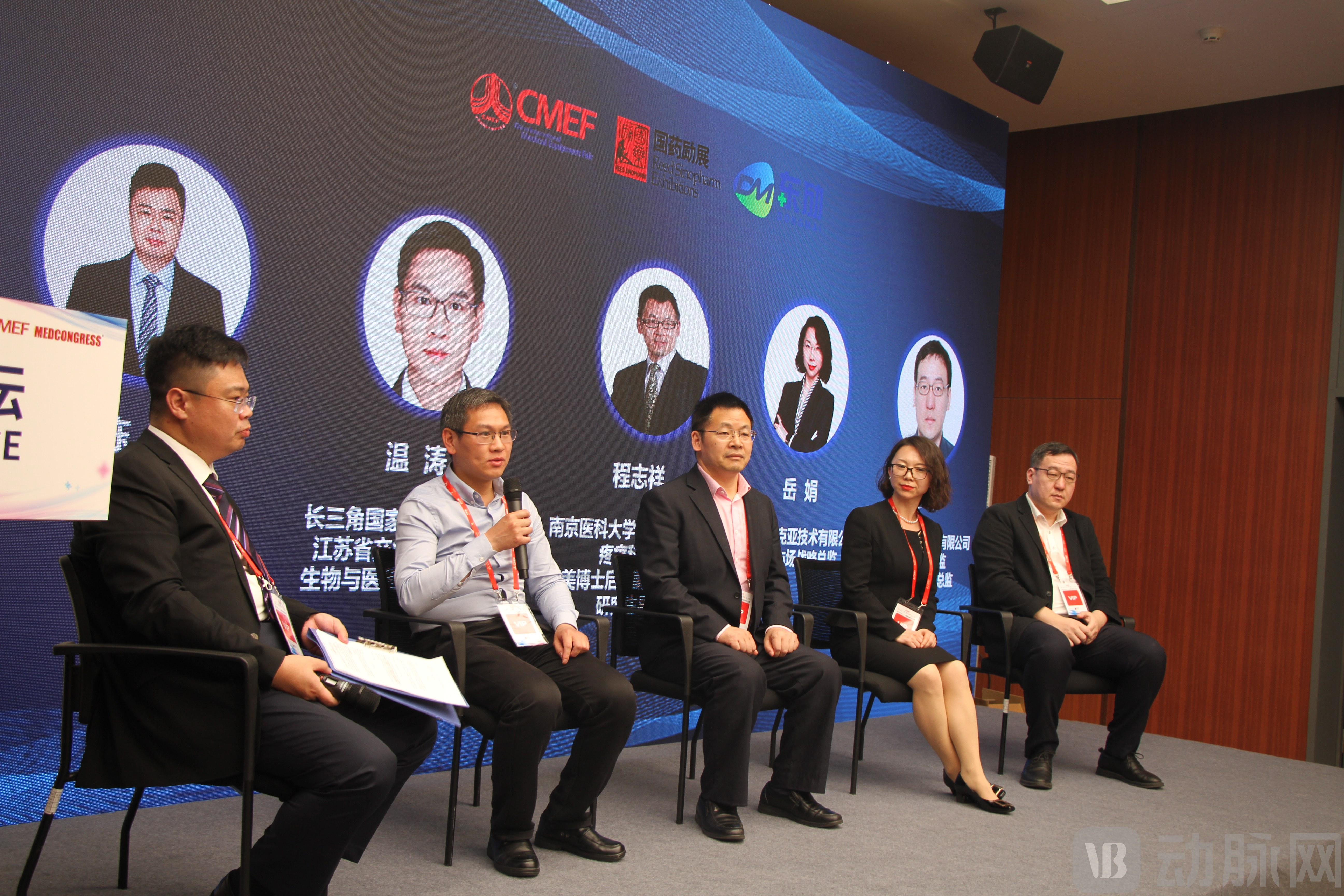
Wen Tao stated, “Medical-engineering innovation requires deeper integration in three key areas: first, the integration of innovation through close collaboration between research institutes and hospitals; second, regional integration by leveraging advantageous resources across various provinces and municipalities; and third, talent integration through joint training programs involving universities and industry.”
Amid the trend of globalization, it is not only Chinese domestic brands that are expanding overseas; the localization of imported brands is also becoming a major trend. In recent years, an increasing number of multinational medical device companies have established manufacturing facilities in China to fully implement localisation strategies. According to Yue Juan, Mauna Kea Technologies, a French company characterized as a “small but exquisite” overseas enterprise, possesses the world’s first probe-based confocal laser endomicroscope. While eager to tap into the Chinese market, the company faces limited resources.
After years of exploration, under the Marketing Authorization Holder (MAH) system, Monackia has established a joint venture with a large domestic pharmaceutical company and plans to engage Contract Development and Manufacturing Organizations (CDMOs) to facilitate the localization and regulatory approval of the joint venture’s branded products. “The Chinese and French partners spent several months evaluating multiple CDMOs,Dongmai Medical’s efficiency and professionalism demonstrated during preliminary communications left a deep impression on the core management teams of both the Chinese and French parties. The commitment to “never hold registration certificates” has also given us confidence to continuously advance further communication and cooperation with Dongmai Medical.。”
As a representative of the capital side, Chen Zhi stated, “Guojian Capital has chosen to partner with Dongmai Medical, leveraging Dongmai Medical’s professional and efficient one-stop CRO and CDMO services, along with the robust resources of its shareholders, to provide medical device companies with a more comprehensive service chain.”
In the final session on industrialization, the enthusiastic atmosphere persisted as Associate Professor Jiang Haihong from Shanghai University of Medicine and Health Sciences, and Ye Huan, General Manager of the Engineering Translation Center at Dongmai Medical Group, shared their insights.
Professor Jiang Haihong, representing academic and institutional stakeholders, participated in the design and drafting of the Marketing Authorization Holder (MAH) system. He provided an in-depth analysis of how overseas medical device projects can rapidly and compliantly achieve localization in China under domestic regulations and policies. He statedUnder the Marketing Authorization Holder (MAH) system, overseas medical device companies operating in China may opt for professional partners, prioritizing intellectual property protection and ensuring stable, compliant production after regulatory approval is obtained.。
As a CDMO enterprise that has achieved steady growth and carved out a distinctive path under the Marketing Authorization Holder (MAH) system, Ye Huan, General Manager of the Engineering Translation Center at Dongmai Medical Group, shared insights on the compliant development of medical devices. Drawing on the product realization requirements outlined in the ISO 13485 quality management system for medical devices and YY/T 0287, he analyzed key elements such as R&D team composition and R&D process management.