

EuroPCR 2023: DragonFly™ Transcatheter Mitral Valve Repair System Demonstrates 87.5% Success Rate in 12-Month DRAGONFLY-DMR Pivotal Trial

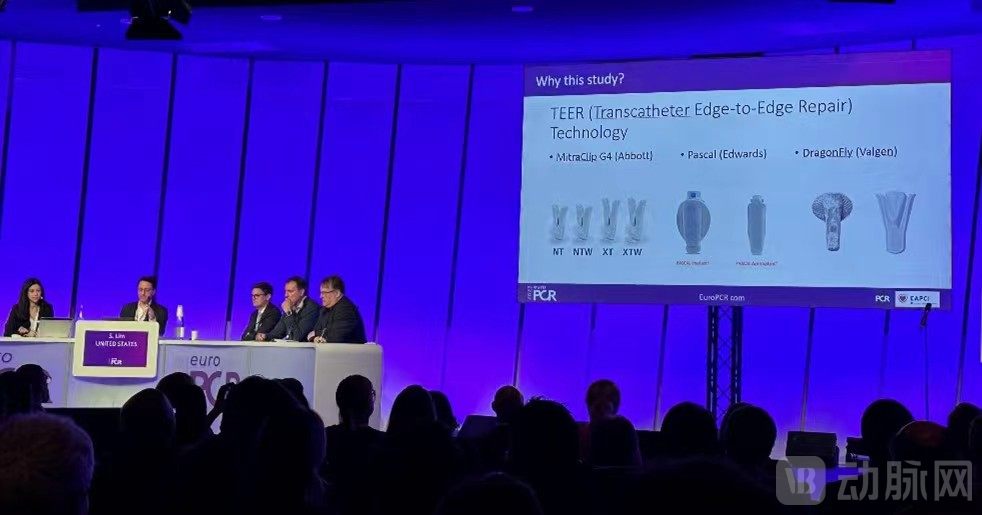
On May 17 (Beijing Time), Professor Scott Lim from the University of Virginia Medical Center, a leading operator in the field of international structural heart disease, presented the 12-month follow-up results of the DRAGONFLY-DMR pivotal clinical trial at the EuroPCR conference. The trial successfully met its prespecified primary efficacy endpoint with significant therapeutic performance, providing important evidence for the treatment of degenerative mitral regurgitation.
Research Overview
Degenerative Mitral Regurgitation (DMR) is one of the most common valvular heart diseases, particularly prevalent in individuals aged 75 years and older. Mitral regurgitation leads to increased left atrial pressure and elevated pulmonary venous pressure, resulting in symptoms such as fatigue and dyspnea. Conventional pharmacological therapy can only alleviate symptoms in patients with DMR and does not extend survival. Although surgical valve repair or replacement, the standard treatment for DMR, has been proven to relieve symptoms and improve survival, it carries a high perioperative risk for elderly patients with poor cardiac function, multiple comorbidities, and frailty due to factors such as sternotomy, cardiopulmonary bypass, and cardiac arrest.
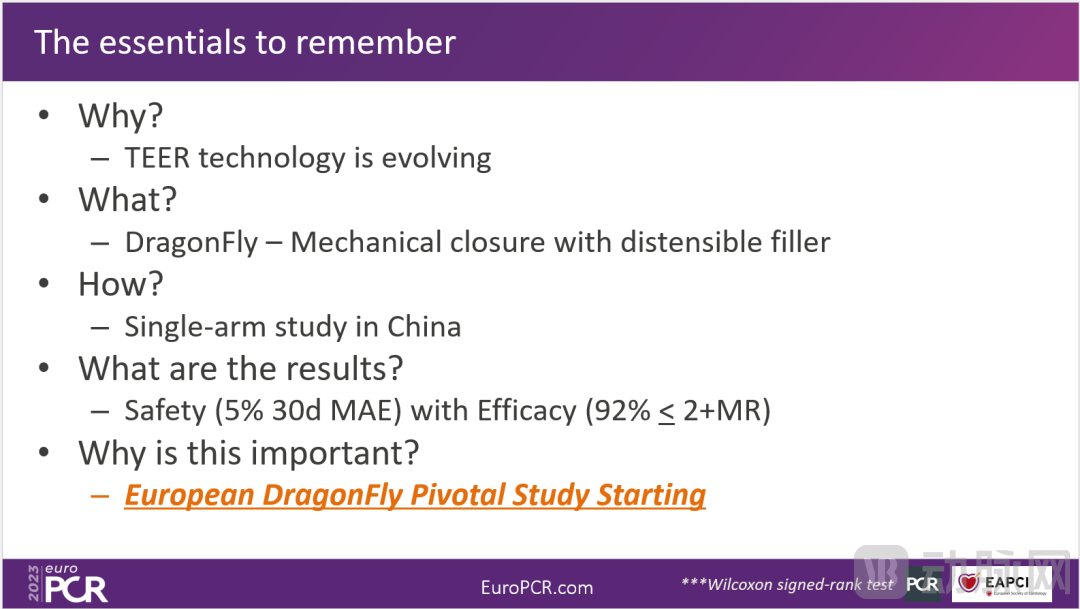
Transcatheter valve intervention procedures involve accessing the heart via the transapical or peripheral vascular routes to repair or replace the mitral valve while the heart is still beating. These procedures avoid thoracotomy and do not require cardiopulmonary bypass, effectively reducing surgical mortality and postoperative complication rates in high-risk patients undergoing traditional surgery. With the rapid advancement of therapeutic technologies in this field, transcatheter edge-to-edge repair (TEER) has become the recommended treatment for patients with degenerative mitral regurgitation (DMR) who are at high risk for surgical intervention. The DragonFly™ Transcatheter Mitral Valve Repair System is an innovative Chinese TEER device designed for the treatment of DMR.
Study Design
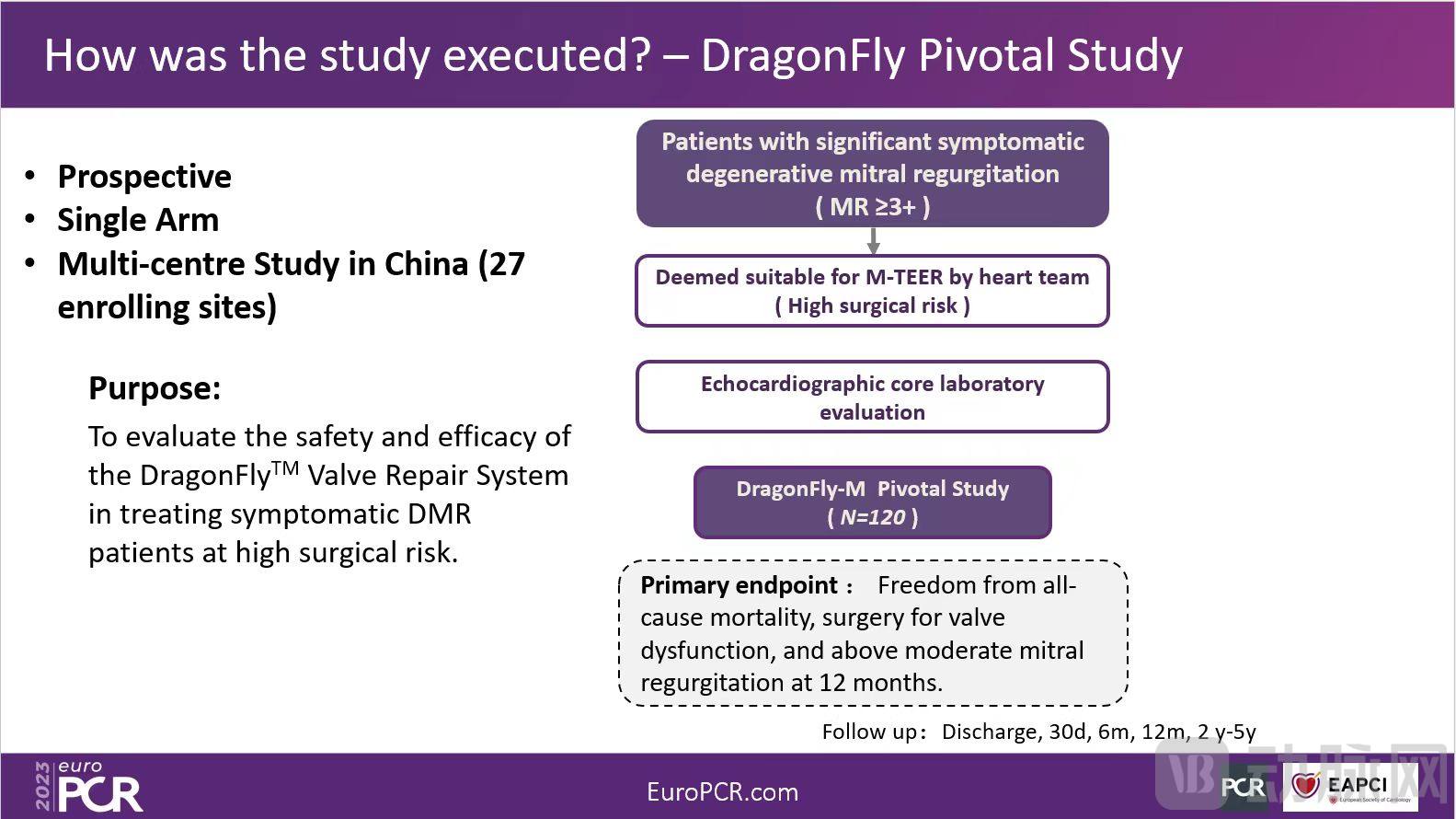
This is a prospective, single-arm, multicenter clinical study. The study aims to evaluate the safety and efficacy of the DragonFly™ system in treating patients with symptomatic degenerative mitral regurgitation (DMR) who are at high surgical risk and have mitral regurgitation (MR) ≥ 3+. A total of 120 subjects meeting the inclusion criteria were enrolled in this study. The primary endpoint was the treatment success rate at 12 months post-procedure, with treatment success defined as the absence of all-cause mortality, no surgery related to the mitral valve due to mitral valve dysfunction, and no mitral regurgitation (MR) > 2+ at 12 months post-procedure.
Baseline Information
From May 2021 to January 2022, this study enrolled and treated a total of 120 patients across 27 centers in China. Two patients withdrew from treatment. The final subject completed follow-up in December 2022. Among the 120 patients, one did not undergo device implantation and was therefore excluded from the per-protocol analysis set but remained included in the full analysis set. The mean age of the subjects was 74.9 ± 5.7 years; 49.2% were female, 39.2% had coronary artery disease, 18.3% had a history of cardiovascular interventions or surgery, and 70.8% had chronic obstructive pulmonary disease. All enrolled subjects had mitral regurgitation (MR) > 2+; 73.3% had MR grade > 4+, and 65.9% were classified as New York Heart Association (NYHA) functional class III/IV. Mitral valve prolapse in the P2 segment was present in 55.8% of patients, while prolapse in the A2 segment was observed in 13.3%.
Research Findings
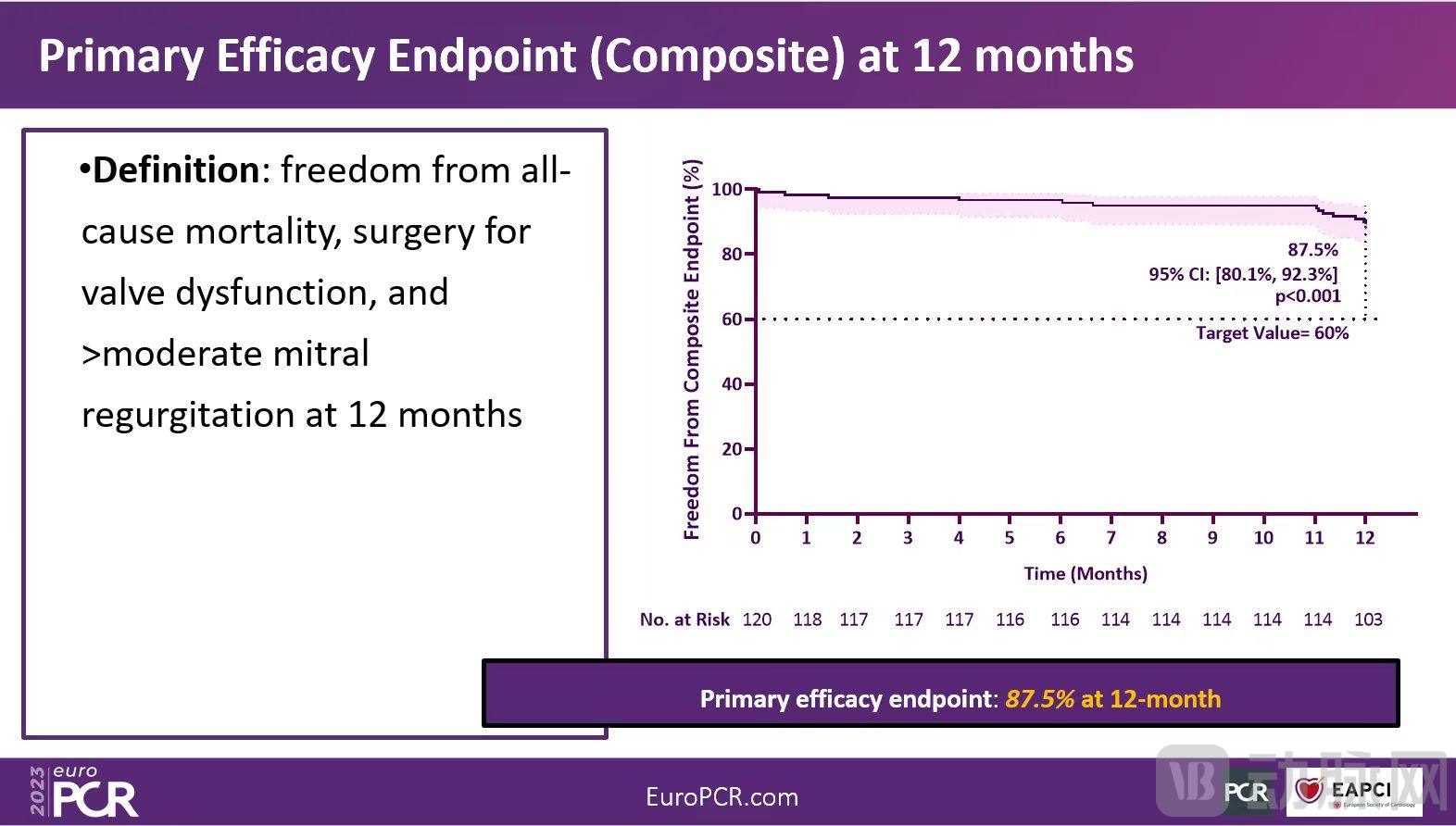
The treatment success rate at 12 months post-procedure was 87.5% (95% confidence interval: 80.1%, 92.3%). The DragonFly™ transcatheter mitral valve clip system successfully met the prespecified primary efficacy endpoint with significant therapeutic performance.
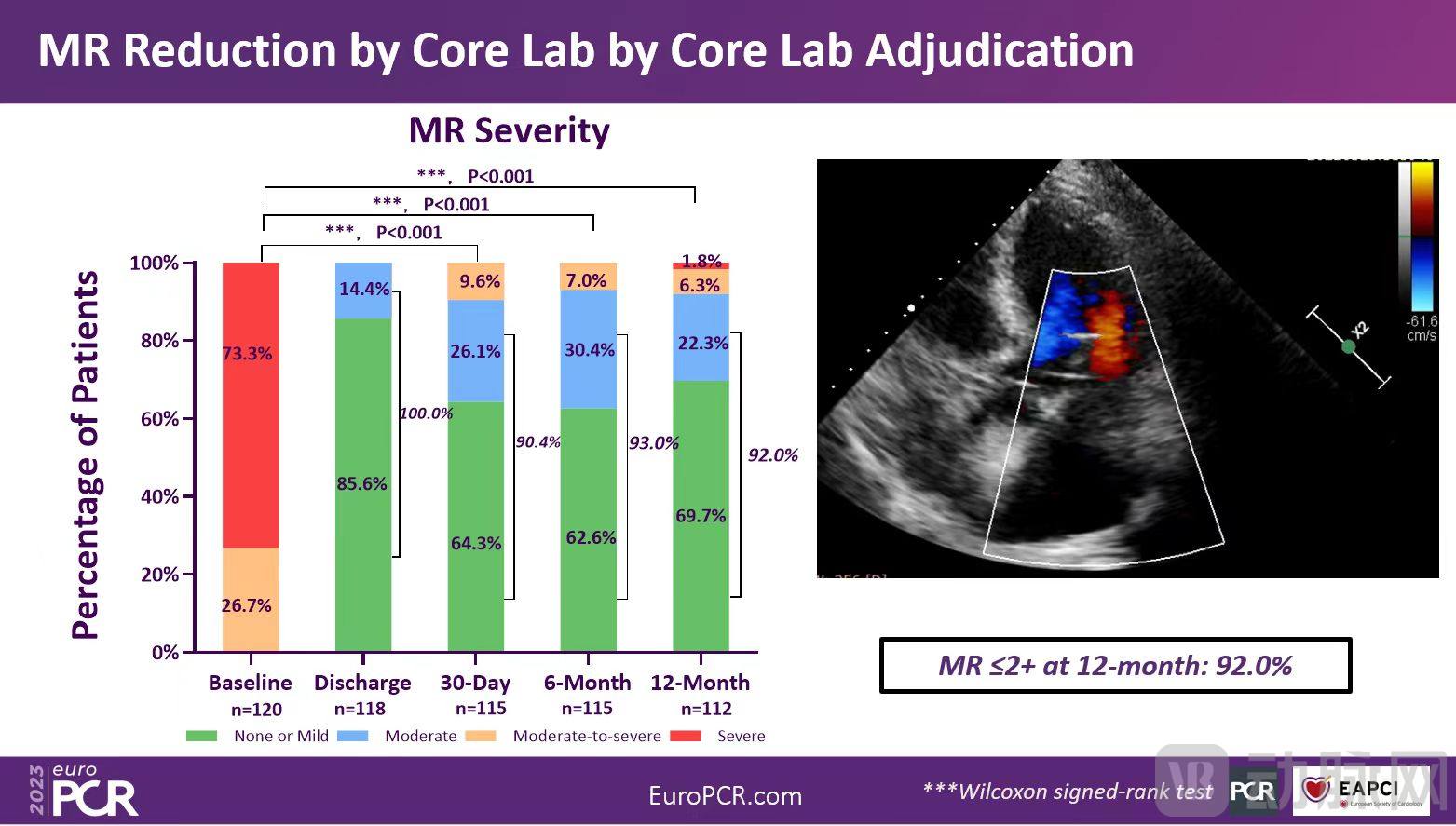
The proportion of subjects with MR ≤ 2+ was 90.4% at 1 month and 92.0% at 1 year, demonstrating the durability of the DragonFly™ transcatheter mitral valve clip system in correcting DMR.
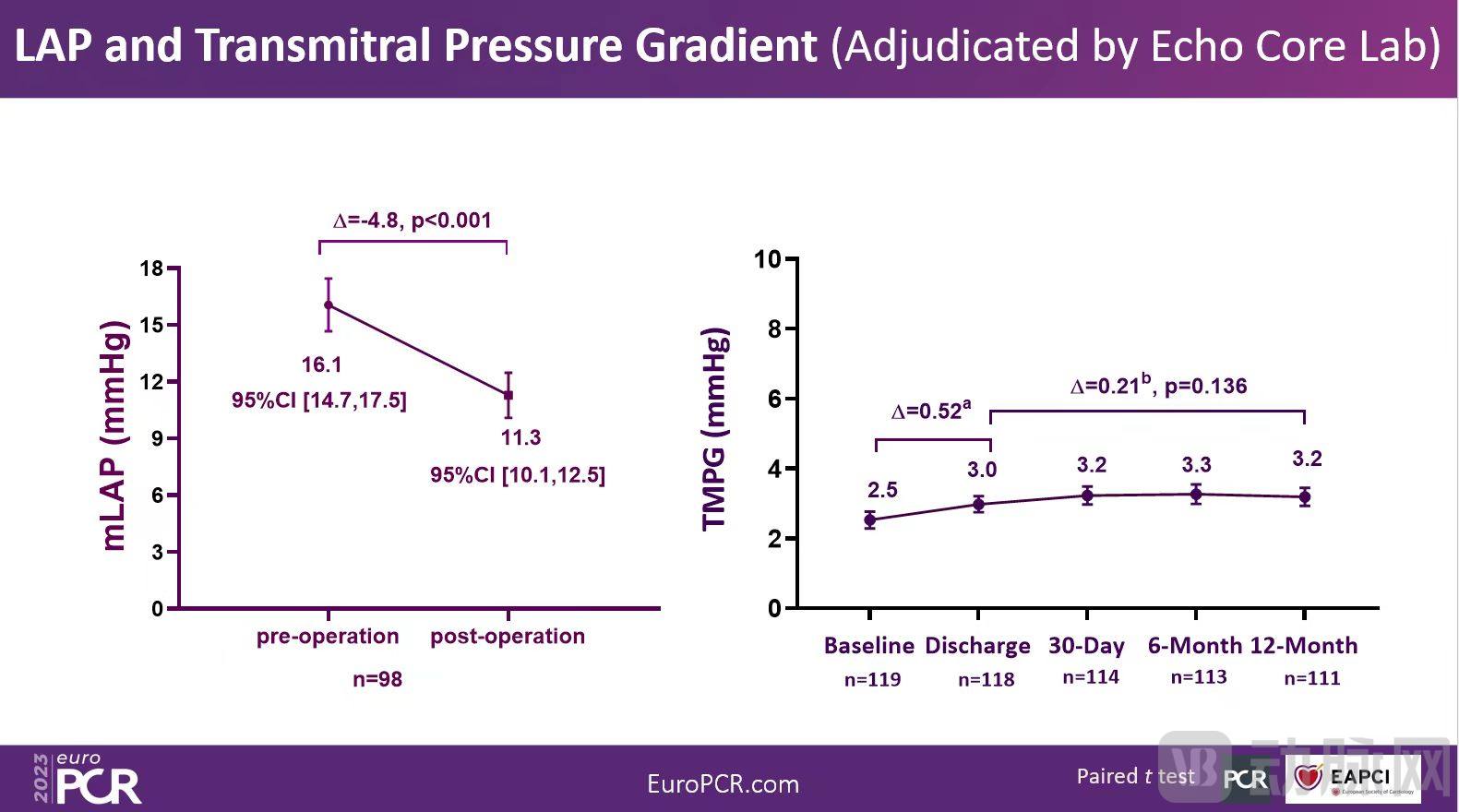
The immediate postoperative procedural success rate and device implantation success rate were both 99.2%. During the procedure, 52.5% of subjects in the DragonFly™ device group successfully received one valve clip, while 42.5% successfully received two valve clips. The mean procedural time was 116.67 ± 51.26 minutes, the mean device manipulation time was 96.58 ± 47.70 minutes, and the mean fluoroscopy time was 34.05 ± 20.17 minutes. The mean transmittal gradient (TMPG) across the mitral valve immediately after the procedure and at 12 months was 2.88 ± 1.34 mmHg and 3.19 ± 1.38 mmHg, respectively. These results further suggest that the investigational device exhibits excellent maneuverability.
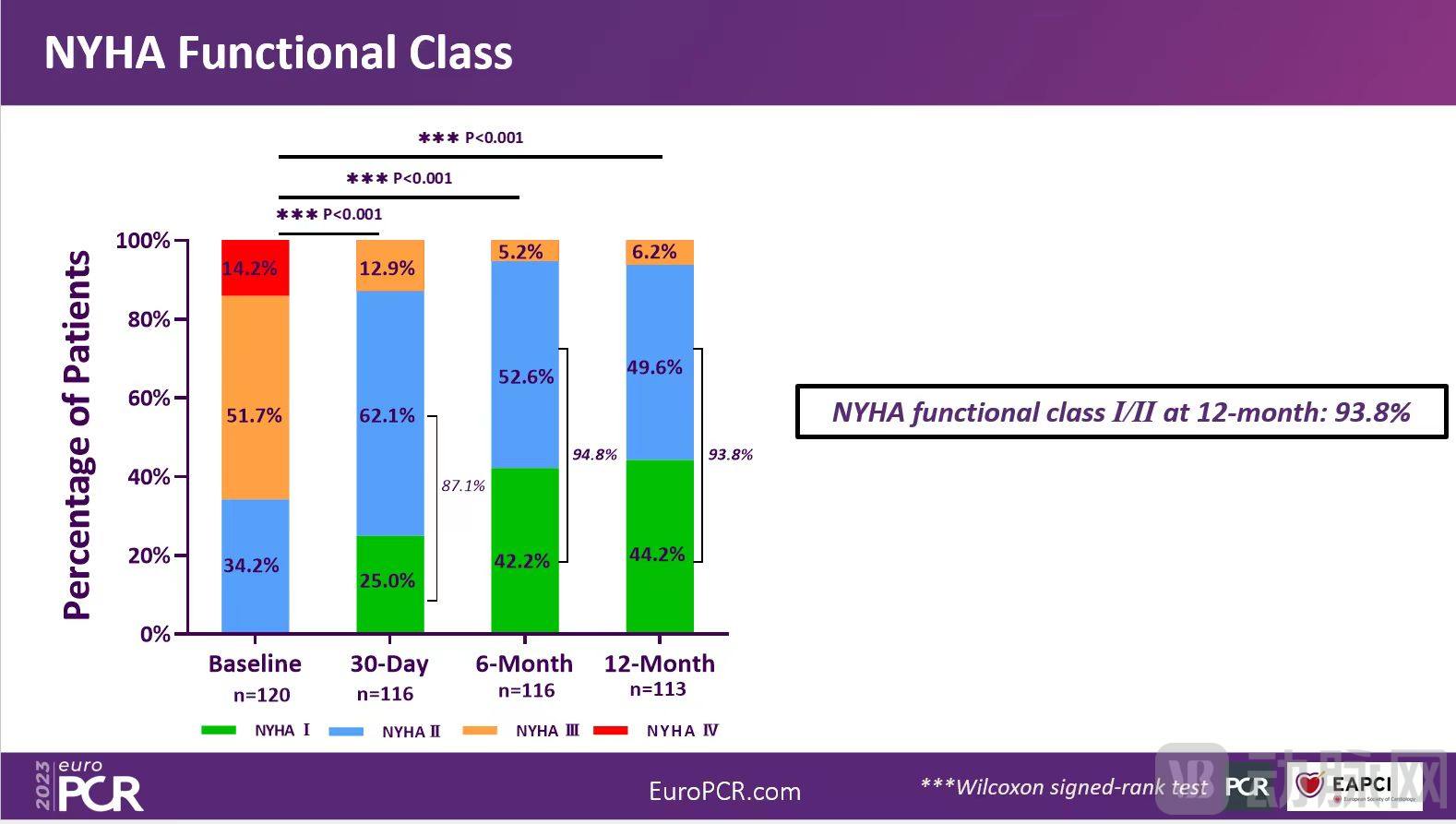
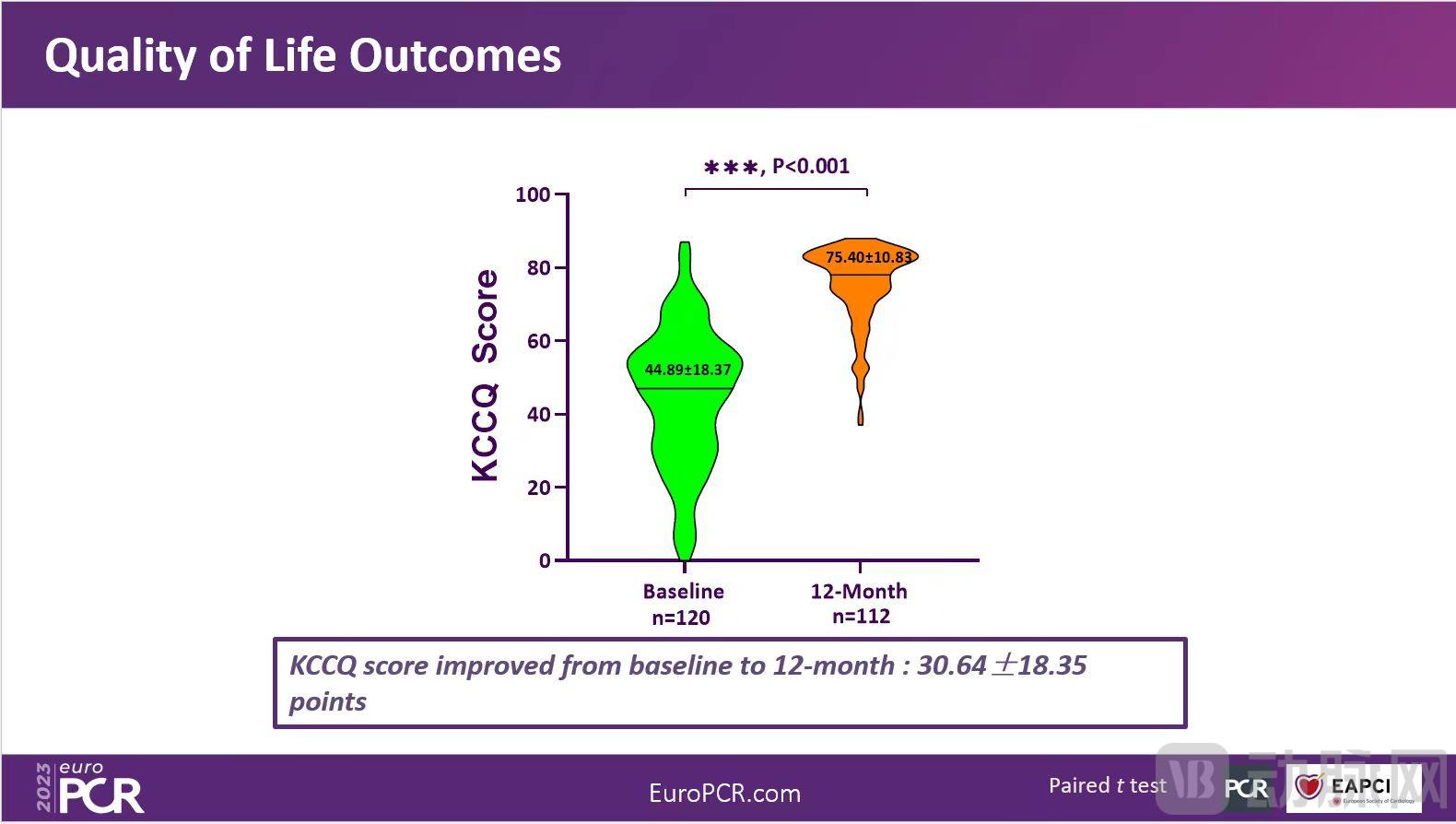
Meanwhile, follow-up results at 12 months postoperatively demonstrated significant improvements in both cardiac function and quality of life. The proportion of patients with NYHA functional class I/II increased from 32.4% at baseline to 93.6% at 12 months (P<0.001), and the improvement in Kansas City Cardiomyopathy Questionnaire (KCCQ) scores relative to baseline was 30.64±18.35 points (P<0.001).
Research Conclusions
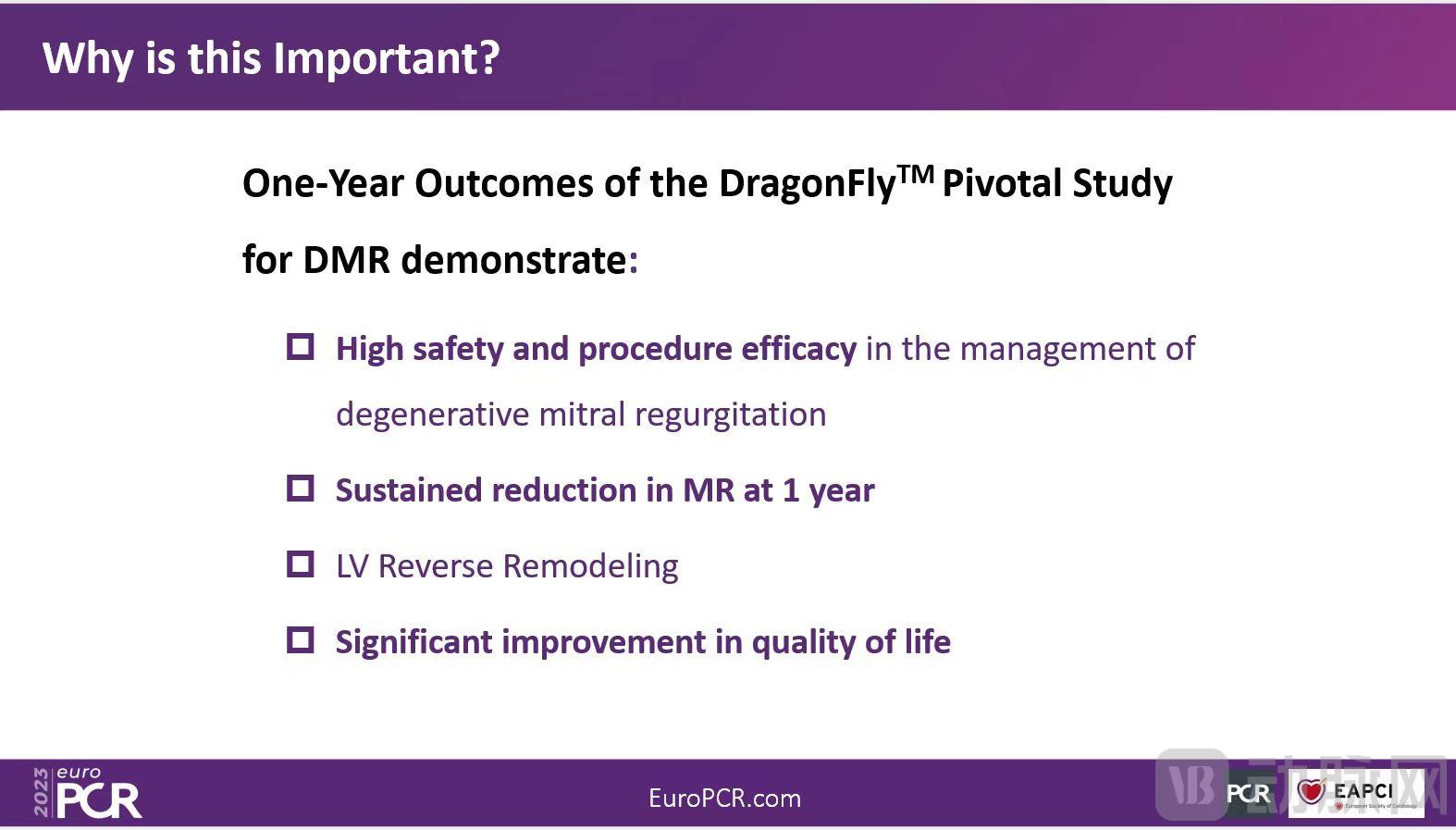
DRAGONFLY—The DMR trial results demonstrated the favorable safety, efficacy, and maneuverability of the DragonFly™ transcatheter mitral valve clip system, indicating that this device is a safe and effective treatment for degenerative mitral regurgitation (DMR) and provides more and better therapeutic options for patients at high surgical risk.
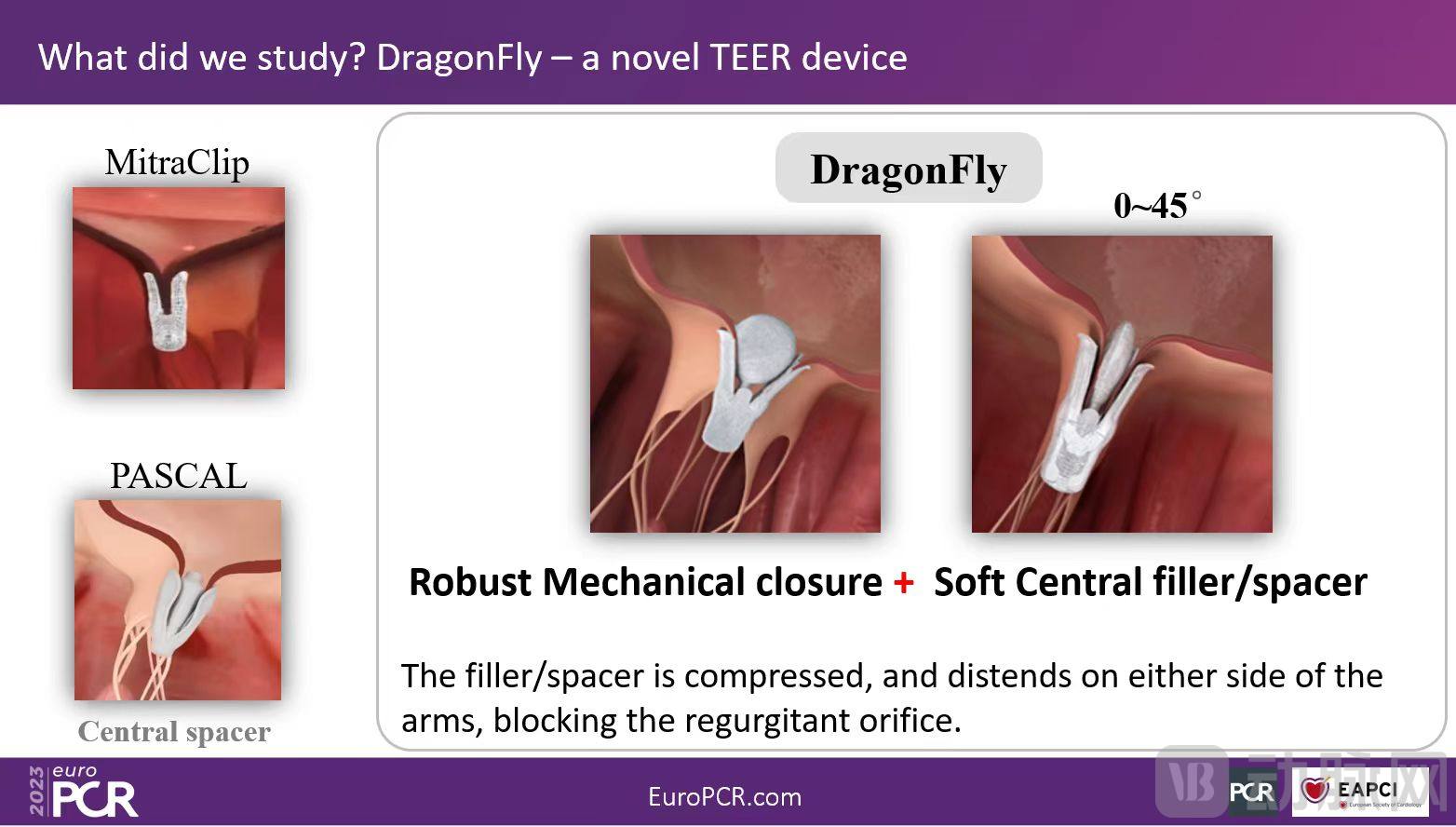
The DragonFly™ transcatheter mitral valve repair system, developed over many years by Dejin Medical in collaboration with the Second Affiliated Hospital of Zhejiang University School of Medicine and the National Engineering Research Center for Biomaterials at Sichuan University, possesses fully independent intellectual property rights. The product passed the Special Examination Procedure for Innovative Medical Devices in March 2021, entering the National Medical Products Administration’s “green channel” for innovative products, and has since been successfully implanted in nearly 300 patients in China.
Compared with traditional devices on the market, the DragonFly™ offers stable and controllable grasping, precise and easy operation, and adaptability to a variety of pathological conditions. Its central occlusion mesh and 0–45° continuously adjustable locking design effectively reduce regurgitation, decrease leaflet tension, and modulate the transvalvular pressure gradient. The more secure grasping reduces the incidence of postoperative adverse events. The unique delivery system features an intuitive and straightforward operation, facilitating faster intraoperative positioning, significantly reducing preoperative and intraoperative steps, and saving surgical time.
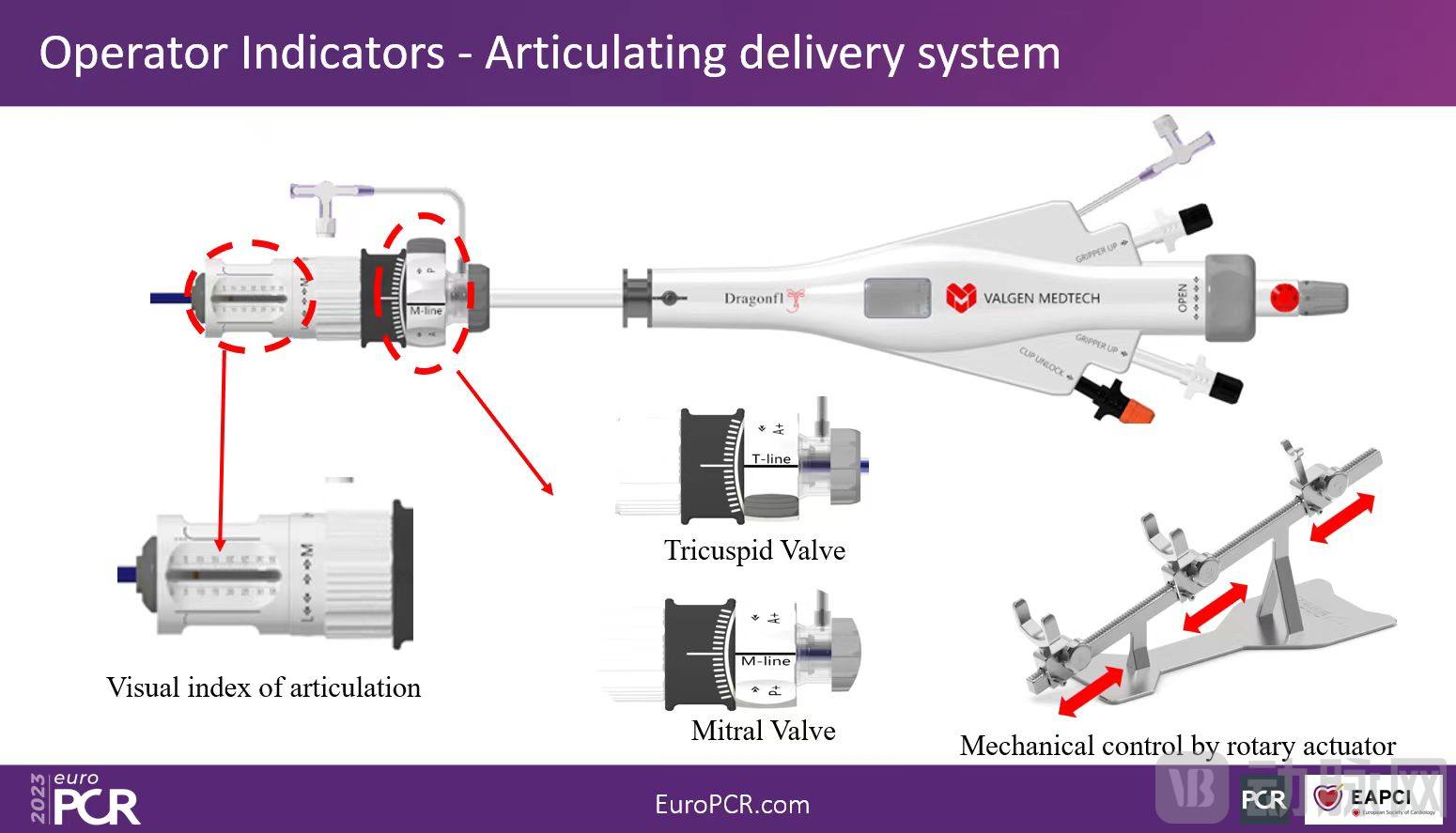
DragonFly™ is expected to be the first domestically developed transcatheter transfemoral mitral valve repair product to be launched in China, marking a breakthrough from zero to one for Chinese innovative medical devices. It holds the promise of breaking foreign monopolies, enabling reverse technology transfer, and providing new treatment options for patients with mitral regurgitation worldwide.