

Future Healthcare 100 Summit · Radiopharmaceuticals Forum: Driving Innovation in Targeted Radionuclide Therapeutics
On May 6, the Nuclear Medicine Forum of the “7th Future Healthcare 100 Conference,” co-hosted by VCBeat, VB100, Eggshell Research Institute, and VCBeat New Pharma, was successfully held.
Event Site
Moderated by Zhu Xueqi, Executive Editor-in-Chief of VCBeat New Medicine, this forum focused on the new cycle of innovative radiopharmaceuticals. Discussions among the panelists spanned breakthroughs in R&D, clinical applications, and regulatory advancements, collectively empowering the radiopharmaceutical industry and building momentum for its imminent boom.
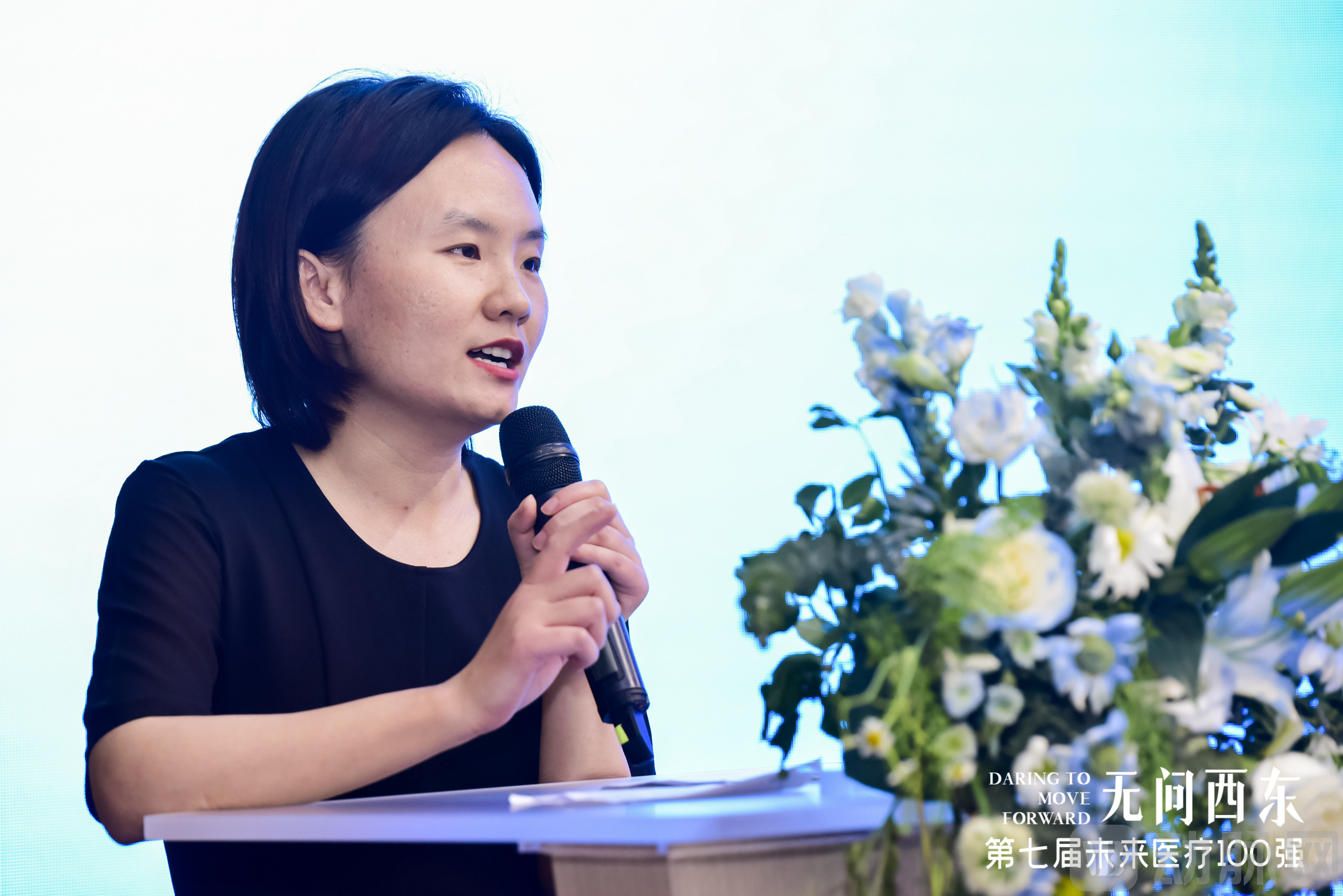
Zhu Xueqi| Executive Editor-in-Chief, VCBeat New Medicine
At this forum, Professor Zhu Lin from the College of Chemistry at Beijing Normal University shared his insights on the innovative translation of radiopharmaceuticals. Drawing on his own experience, Professor Zhu outlined the development trajectory of radiopharmaceuticals, arguing that China’s radiopharmaceutical industry is gradually transitioning from “Me-too” to “Me-better,” and will ultimately achieve genuine original innovation.
Professor Zhu Lin also shared four critical issues vital to the development of radiopharmaceuticals:
First, in the research of radiopharmaceuticals, it is essential to identify which clinical issues can only be addressed through nuclear medicine and radiopharmaceutical approaches—methods that are irreplaceable by other means. Only by clarifying this point can we accurately define the true positioning of radiopharmaceuticals and realize their genuine market value.
Second, companies must ultimately progress from “me-too” and “me-better” strategies toward genuine innovation. Only innovative enterprises possess lasting vitality. However, innovation is arduous and demanding, requiring perseverance and a commitment to long-term, in-depth efforts. There are no shortcuts in science.
Third, are the conditions required for the translational research of innovative radiopharmaceuticals and their funding mechanisms different from those for conventional drugs? It is encouraging to see many conventional drugs entering the market today.
Fourth, can the development model of generic drugs be applied to radiopharmaceuticals? The answer is: not entirely. Global radiopharmaceutical companies, including investors, are facing various challenges and issues in both clinical and commercial applications.
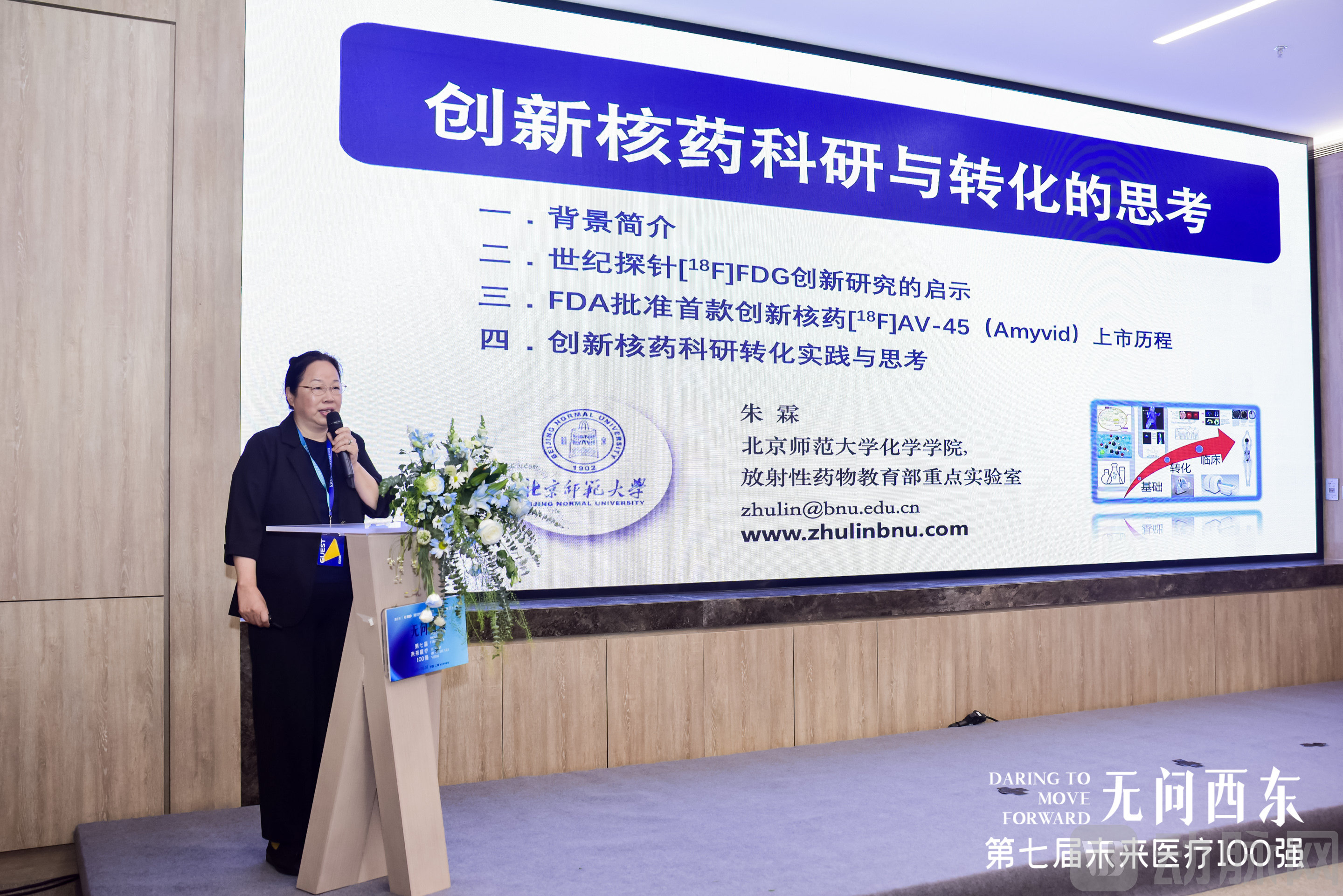
Zhu Lin| Professor, College of Chemistry, Beijing Normal University
Jiao Yanli, a senior researcher at VCBeat Institute, presented an overview of the white paper on radiopharmaceuticals, highlighting that China’s radiopharmaceutical market boasts broad prospects and was the subsector with the highest proportion of financing deals exceeding RMB 100 million in the innovative drug field in 2022. Jiao Yanli also reviewed the status of radiopharmaceutical pipeline development both domestically and internationally, noting that there are nearly 7,000 radiopharmaceutical pipelines under investigation globally, including lutetium-[177Lu]-labeled drugs are the mainstream in RDC development, gallium[68Ga-labeled radiopharmaceuticals are superior agents for tumor imaging, while targeted alpha therapy is in its very early stages and represents a significant future growth driver for the nuclear medicine industry.
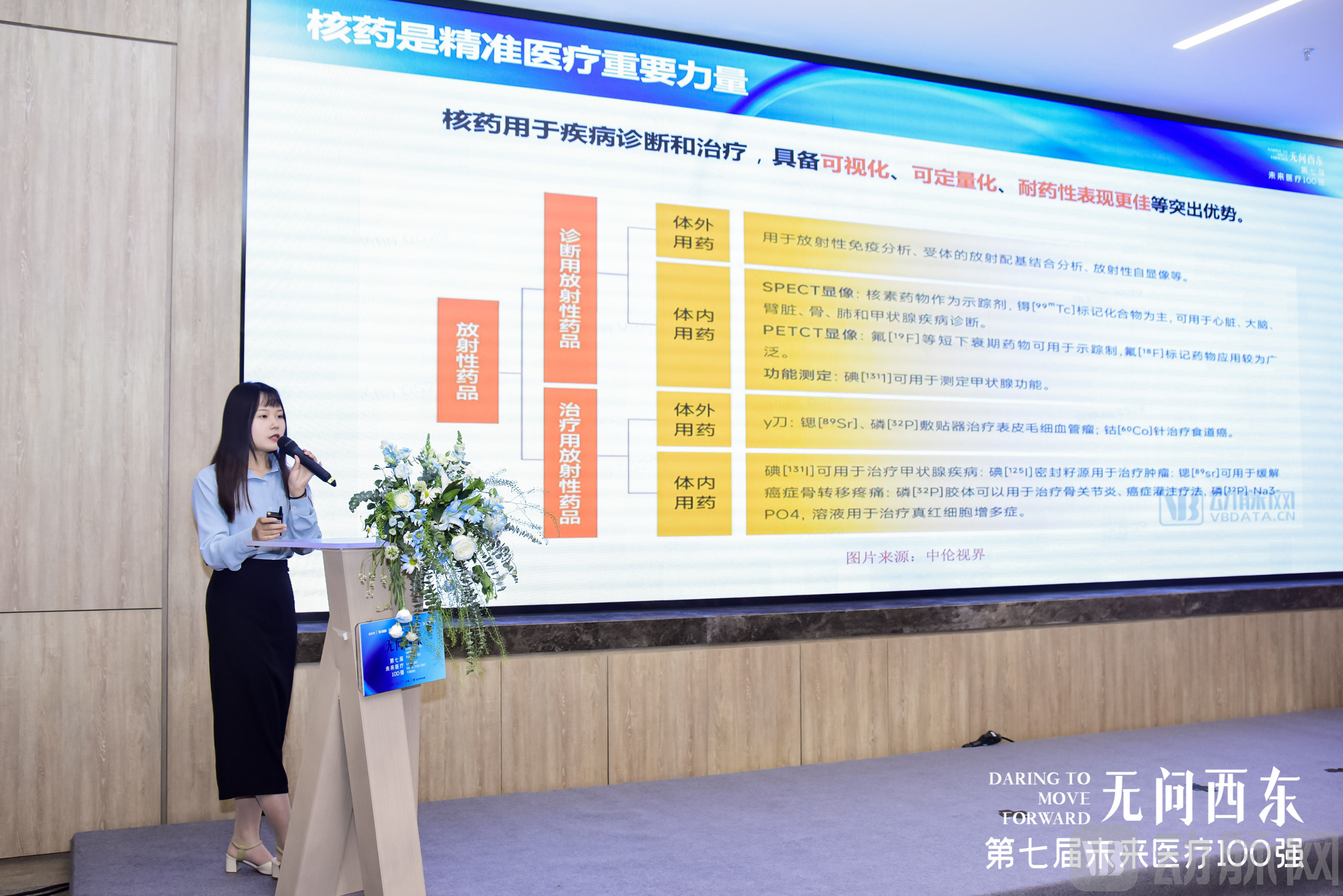
Jiao Yanli| Senior Researcher, VCBeat
Li Jianguo, Head of the Drug Evaluation Center at the China Institute for Radiation Protection, delivered a keynote speech titled “Current Status and Prospects of Non-Clinical Evaluation of Radiopharmaceuticals in China Against the Background of the Medium- and Long-Term Development Plan for Medical Isotopes (2021–2035).” In his address, he interpreted China’s Medium- and Long-Term Development Plan for Medical Isotopes and analyzed the current state of non-clinical research and development of radiopharmaceuticals, as well as the challenges faced. Addressing the gaps between domestic and international developments in nuclear medicine, Mr. Li posed a critical question to industry stakeholders: “How can we leverage international exchanges and interactions, collaborate with relevant entities across the domestic radiopharmaceutical R&D supply chain, enhance the overall level of domestic radiopharmaceutical R&D, and thereby promote the development of the nuclear medicine and health industry while aligning it with international standards?”
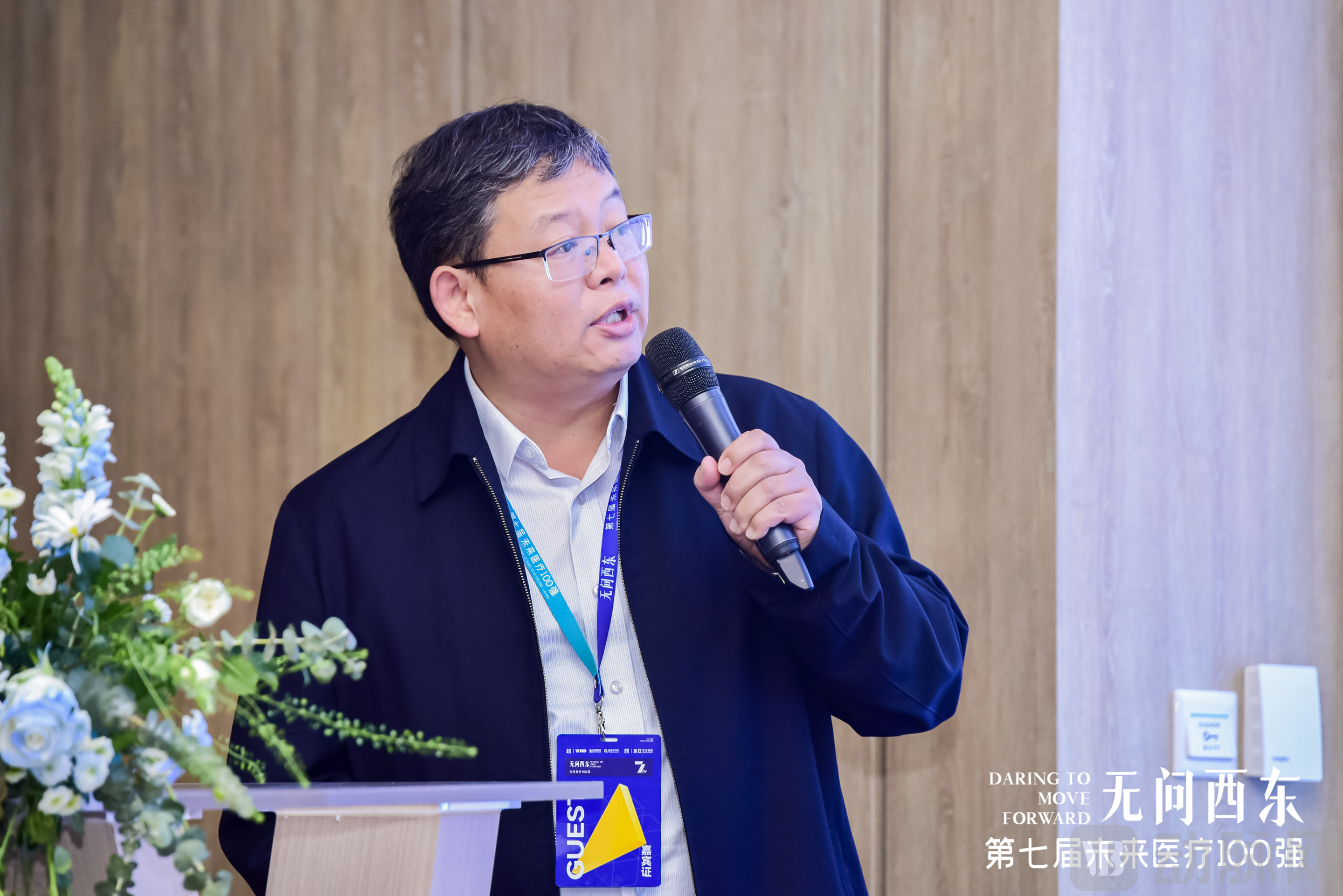
Li Jianguo | Head of the Drug Evaluation Center, China Institute for Radiation Protection
Grand Pharma CEO Zhou Chao, drawing on the company’s own experience, recounted how Grand Pharma established a global nuclear medicine industry chain and ecosystem through comprehensive, multi-stage strategic布局. Starting with the acquisition of Sirtex in 2018, followed by the official approval and market launch of Yttrium-90 (Y-90) microspheres injection by China’s National Medical Products Administration (NMPA), the formation of strategic partnerships with Australia’s Telix Pharmaceuticals and Germany’s ITM Isotopen Technologien München AG to introduce radioligand therapy (RLT) drugs based on radionuclide-drug conjugates (RDCs), the establishment of a Radiopharmaceutical Research Institute in collaboration with Shandong University, and the independent research and development of RDC drugs, he outlined Grand Pharma’s strategy to build an oncology diagnostic and therapeutic platform tailored for the nuclear medicine industry within five years.
Finally, Zhou Chao outlined the following outlook for Grand Pharma: “Beyond our product portfolio, we will build comprehensive advantages across the radiopharmaceutical industry chain—including raw material supply, radioisotope development, and R&D and commercialization of radiopharmaceuticals—to establish ourselves as a world-class theranostic platform for radiopharmaceuticals and solidify our leading position in the entire radiopharmaceutical field.”
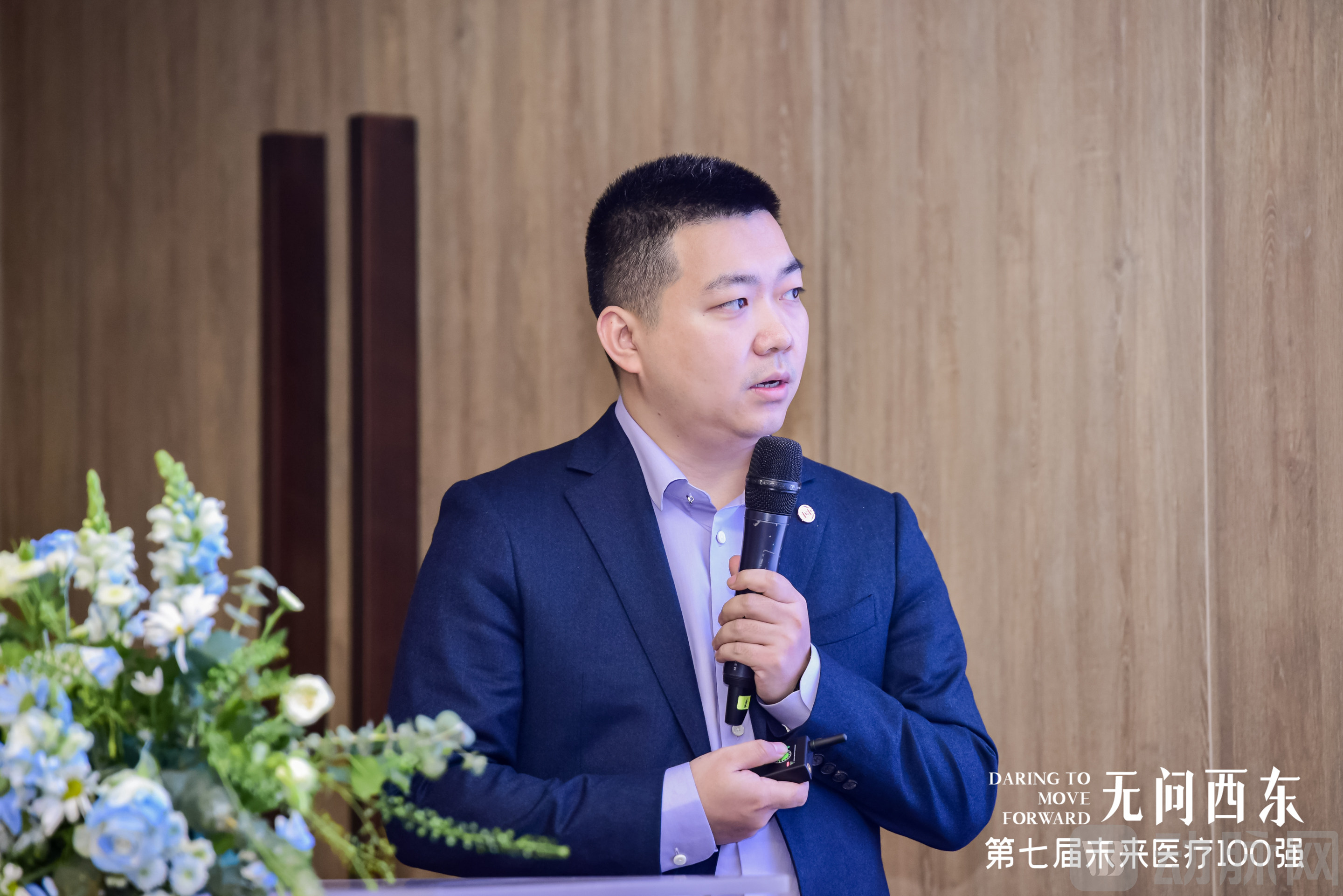
Zhou Chao|CEO of Grand Pharma
Jin Yun, Senior Vice President of Xiantong Medicine, discussed the measures taken by Xiantong Medicine to address challenges from its perspective as a key player in the radiopharmaceutical industry, charting a development path distinct from that of Grand Pharma. To address the lack of a domestic ecosystem, Xiantong Medicine has established seven major radiopharmaceutical ecosystem technology platforms, built professional teams, and pursued collaborations with both domestic and international partners, forming a nationwide R&D, production, and sales network while moving toward diversified development.
At the conference, Jin Yun also expressed his expectations for industry collaboration to jointly promote the development of radiopharmaceuticals: “We also hope that all colleagues present will work together to develop more and better radiopharmaceutical products, benefit patients, truly address clinical needs, and expand the market size, so as to usher in truly healthy growth in the radiopharmaceutical market.”
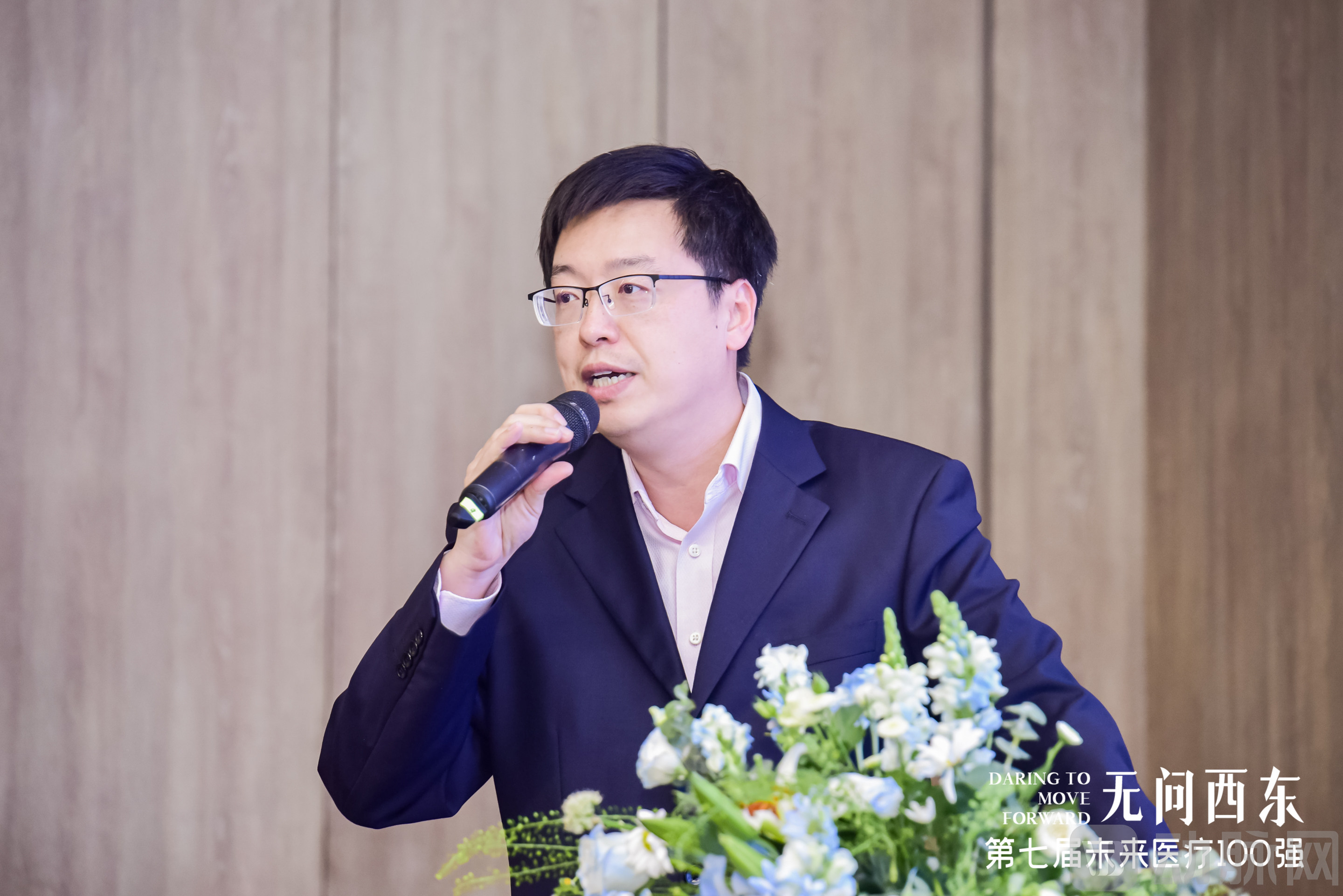
Jin Yun|Senior Vice President, Xiantong Medicine
The first roundtable discussion was moderated by Yuan Da, General Manager of Quark Medicine. The panelists engaged in a thematic exchange on “How Radiopharmaceutical Applications Can Achieve Gradual Breakthroughs,” covering topics such as radionuclides, financing, internationalization, and team building. During the forum, Ge Qiang, Deputy General Manager of Newrayte, addressed the most critical bottleneck in the radiopharmaceutical industry: the supply of radionuclides. He argued that the localization of radionuclide production is essential for maintaining market competitiveness. Furthermore, he emphasized that industrial-scale isotope production must prioritize substantial volume and ensure a continuous supply of Yttrium-90 (Y-90).Yu Feng, Senior Vice President of Brighter Innovation, shared insights on securing financing, highlighting the importance of showing sufficient respect to investors, honoring commitments, and presenting a united and professional image. Yu also outlined three key factors investors primarily consider when selecting projects: the team, confidence, and the company’s structure and culture.Regarding competition in the international radiopharmaceutical market, Hui Qi, General Manager of Focallink Pharma China, presented two case studies. Hui believed that continuous micro-innovations, accumulated over time, lead to qualitative changes, ultimately enabling participation in international competition; this approach embodies an international perspective.On the topic of team building, Yu Haihua, Founder of Jinghe Biologics, stated that assembling the team is the first step, implementing strategies is the second, and fulfilling commitments to investors is the third. These are tasks that a team should currently undertake or plan for in the future.Returning to the question of how radiopharmaceutical applications can achieve gradual breakthroughs, Ge Qiang argued that innovation cannot proceed without the timely introduction and improvement of underlying regulations. Yu Feng stressed the need for sustained investor attention and emphasized innovation in ligands and combinations. Hui Qi highlighted that domestic regulatory agencies should learn from international counterparts and that innovation must focus on differentiation. Yu Haihua advocated for changing the current status of “nuclear phobia” through science popularization and other means, while also noting that dosimetry research is crucial for the development of radiopharmaceuticals.
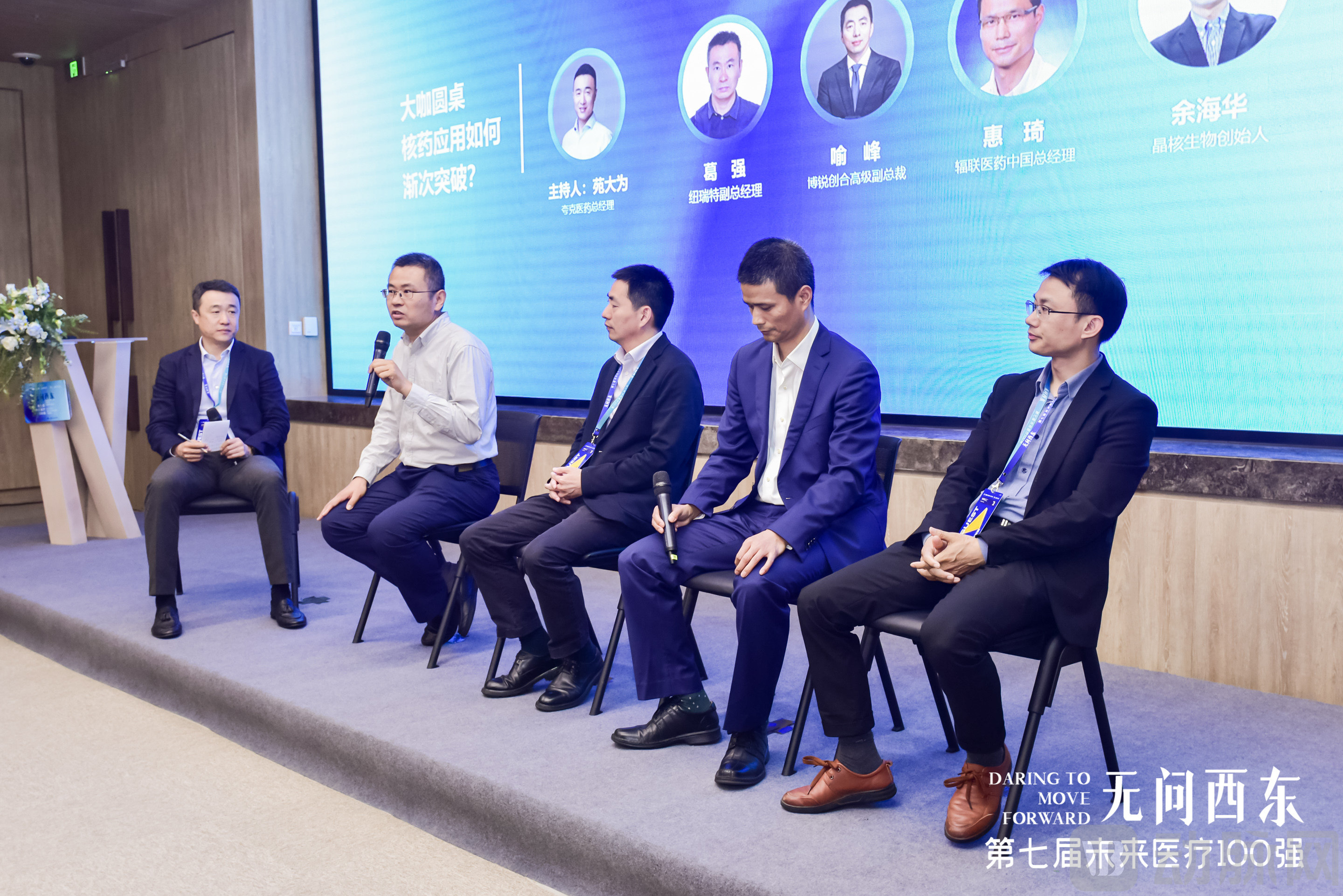
Roundtable Forum 1
The second roundtable discussion, moderated by Liu Chuanwen, Managing Director at Xinjun Capital, featured panelists discussing innovations in the field of radiopharmaceuticals from their respective positions within the industry chain. Wang Guanglin, Associate Professor at the School of Radiation Medicine and Nuclear Protection, Soochow University, argued that innovation in radiopharmaceuticals hinges on patience, interdisciplinary collaboration, and talent. Liang Wansheng, a nuclear medicine expert at the 940th Hospital, emphasized the critical role of radionuclide supply and drug dosing in driving innovation. Wang Haipeng, President of CNNC Tongchuang, asserted that “mechanistic innovations facilitate fundamental breakthroughs,” viewing the issue through the lens of technology transfer and sci-tech innovation services. He further contended that innovation in investment philosophy is equally indispensable. Xu Tao, Founder and CEO of Zhihe Bio, identified target discovery and dose optimization as the keys to radiopharmaceutical innovation. Wu Haowei, CEO of Midu Bio, maintained that innovations in radionuclides are more likely to drive advancements in radiopharmaceuticals.
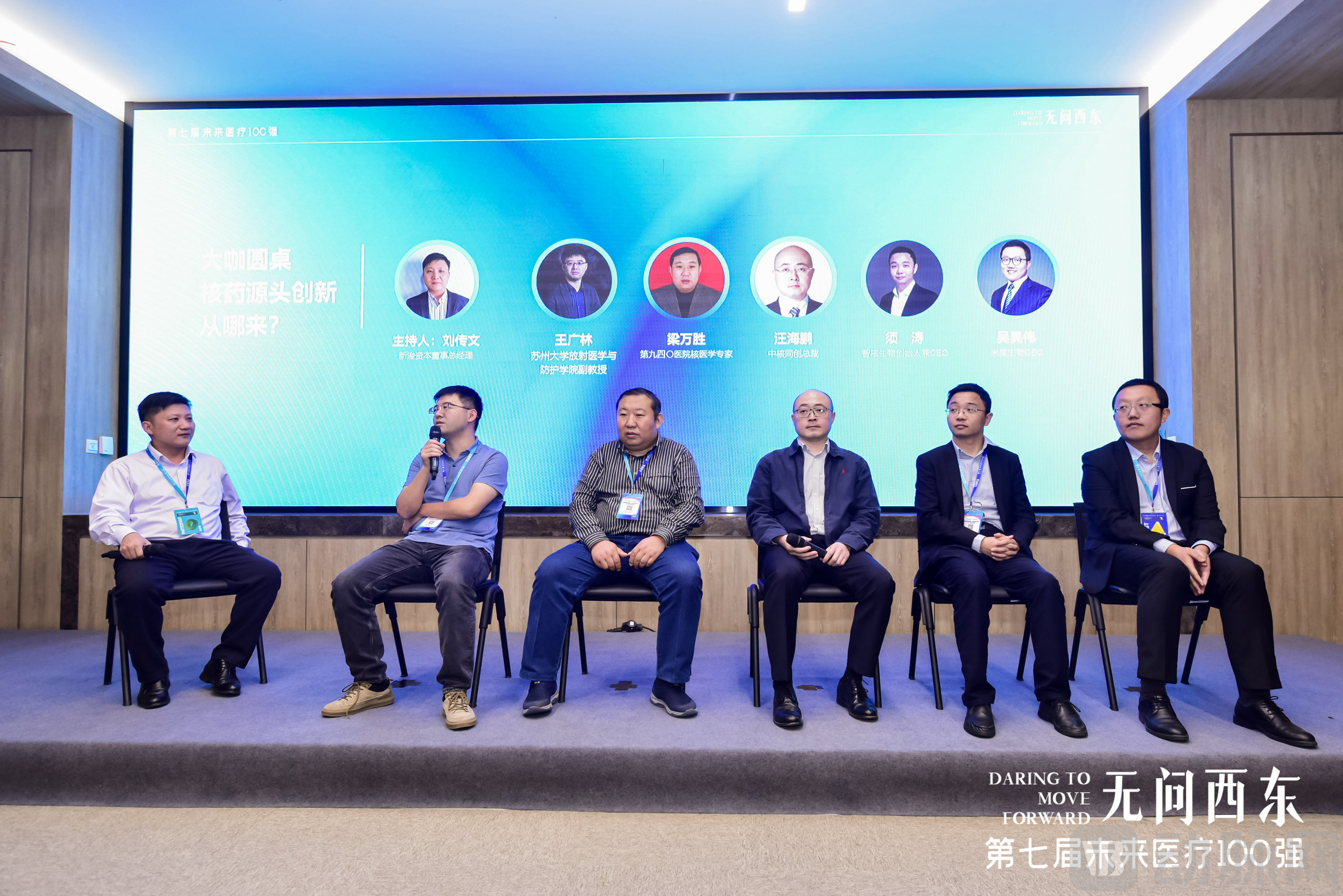
Roundtable Forum II
At the radiopharmaceuticals special session, the atmosphere was vibrant, with guests presenting breathtaking insights that garnered widespread recognition and acclaim from the audience.
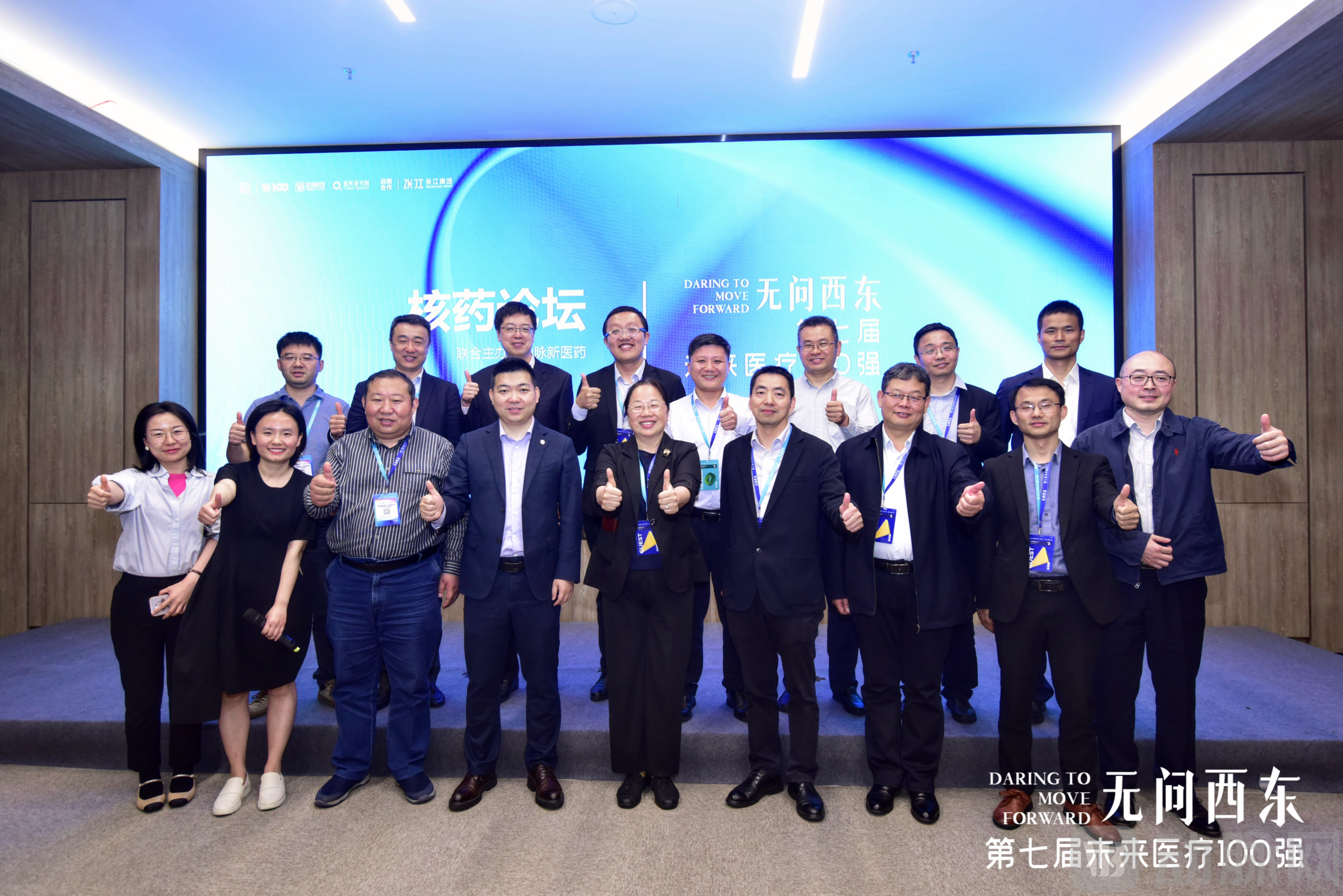
Group Photo at the Venue
This specialized conference on radiopharmaceuticals brought together numerous experts, scholars, and industry professionals, showcasing the latest achievements and cutting-edge technologies in radiopharmaceutical research. It not only provided insights and direction for innovation in radiopharmaceuticals but also injected new momentum and confidence into the future development of the industry, laying a solid foundation for its further advancement. Meanwhile, the conference established an important platform for communication and collaboration within the industry, facilitating cooperation among various stakeholders and achieving mutual benefits for all parties involved.