

Vascular Intervention Innovation Forum Successfully Concludes, Charting the Path for China's Vascular Intervention Advancement
Against the backdrop of an aging population, China’s vascular interventional device market remains in a phase of steady growth. Although the growth rate has slowed due to the impact of the 2021 national centralized procurement of coronary stents, the industry’s growth drivers are shifting from cardiovascular interventions to neurointerventional and peripheral vascular interventions as the market landscape evolves. Consequently, the market size of vascular interventional devices in China is expected to maintain its upward trajectory.
With strong support from national policies, domestic vascular interventional device companies are continuously increasing their R&D investment. The potential for import substitution in the Chinese market is substantial, indicating significant growth prospects for the industry. Centralized procurement has reshaped the competitive dynamics and landscape of the vascular interventional sector. In the short term, corporate profit margins have been significantly compressed; however, overall, this trend favors the emergence and expansion of industry leaders, some of whom have begun to expand into overseas markets. Meanwhile, centralized procurement has stimulated innovation and accelerated product development cycles.
On the afternoon of May 6, 2023, at the Frontier Innovation in Vascular Intervention Sub-forum of the 7th Future Healthcare Top 100 Conference held in Zhangjiang, Shanghai, numerous industry leaders comprehensively discussed topics such as technological innovations, current research and clinical practices, product landscapes, and development trends in vascular intervention therapy from their respective perspectives.
Wang Yan: Collaborative Innovation in Building a Clinically Driven Ecosystem for the Cardiovascular Health Industry
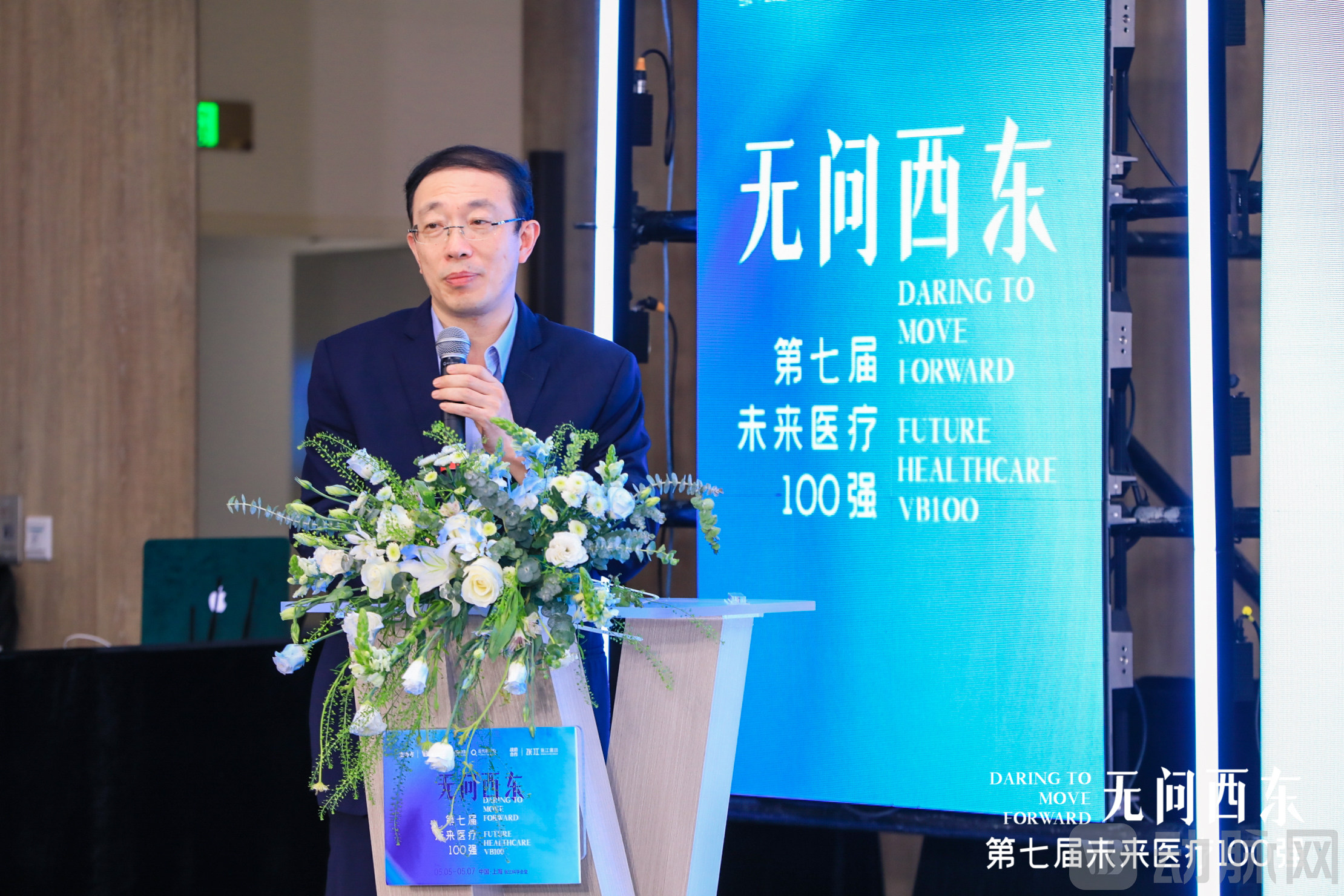
Wang Yan | President of Xiamen University Affiliated Cardiovascular Hospital
Wang Yan, President of Xiamen University Affiliated Cardiovascular Hospital, stated that cardiovascular disease is the leading threat to human health. The cardiovascular field is where global medical device giants have emerged, and cardiovascular interventional devices are the most active segment with the strongest fundraising capabilities in the investment and financing sector. Xiamen University Affiliated Cardiovascular Hospital is committed to clinical-driven innovative R&D. Its Case Mix Index (CMI) has ranked second nationwide for four consecutive years. The hospital has progressed from introducing new technologies to independent innovative R&D, collaborating with multiple domestic enterprises to develop several innovative cardiovascular interventional devices. In partnership with the Xiamen Science and Technology Bureau and the Xiamen Torch Administrative Committee, the hospital has established an innovation base for the cardiovascular health industry, aiming to create a highland for innovation in this sector and a platform for BRICS countries to expand into international markets.
Lu Fanglin: The History of Innovation in Prosthetic Heart Valves and Clinical Considerations
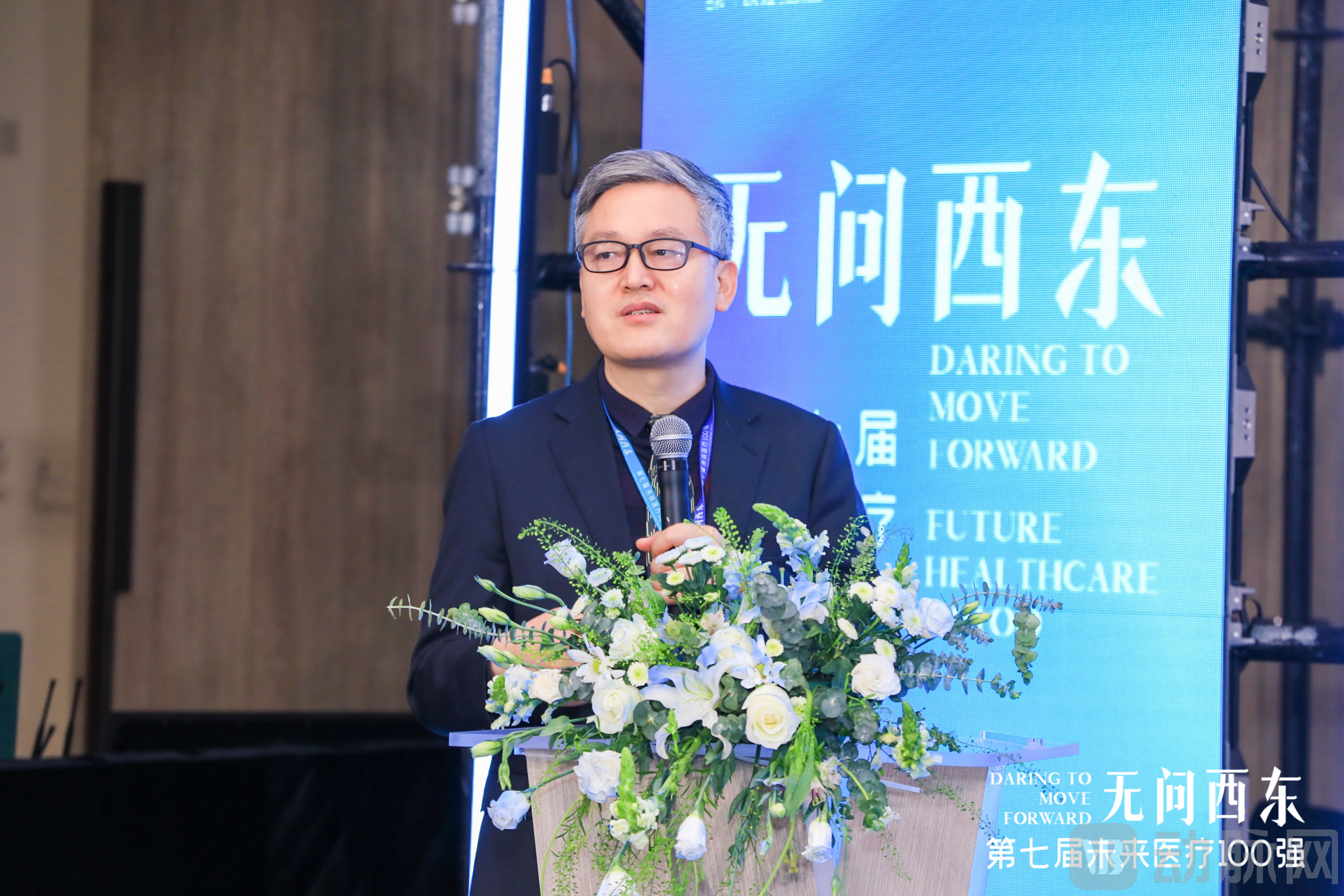
Lu Fanglin | Director, Department of Cardiovascular Surgery, Shanghai General Hospital
Lu Fanglin, Director of the Department of Cardiovascular Surgery at Shanghai General Hospital, delivered a presentation on “Clinical Perspectives on the Innovative R&D of Prosthetic Heart Valves.” He noted that the primary treatment for valvular heart disease is surgical repair or replacement, with the aortic, mitral, and tricuspid valves being the most clinically significant sites. Dr. Lu then elaborated on the origins of prosthetic heart valve development. He emphasized the importance of learning from predecessors, stating that biomimicry should transcend mere imitation. He argued against simply adapting existing surgical interventions, advocating instead for adherence to first-principles thinking. Furthermore, he highlighted that product development requires leveraging cross-disciplinary technologies and that medical-engineering collaboration should represent a deeply integrated partnership.
Jiang Tianjiao: Report on Structural Heart Disease Released
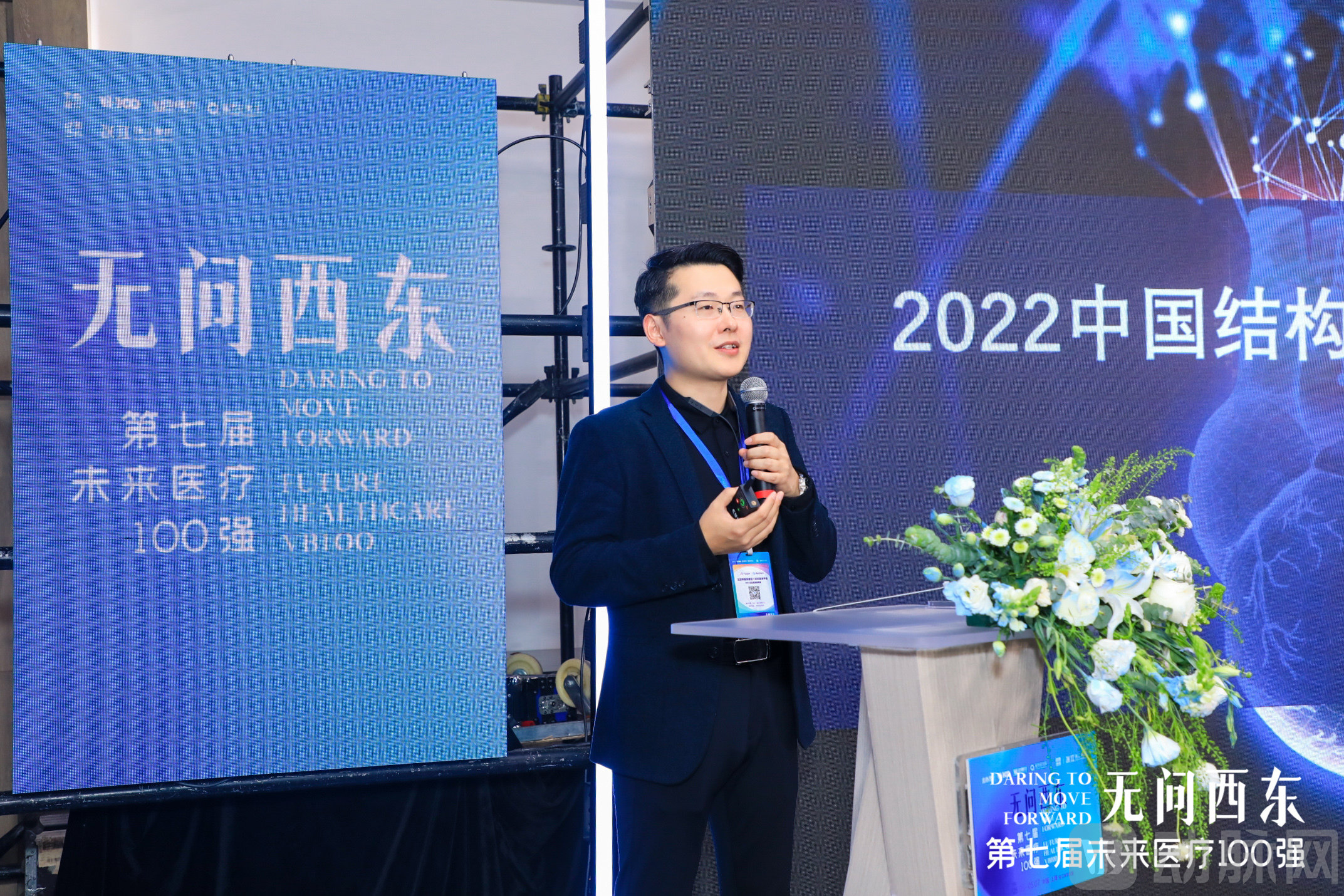
Jiang Tianjiao | Dean of VCBeat
Jiang Tianjiao, Dean of VCBeat Institute, noted that the cardiovascular sector boasts a global market size of $60 billion, making it the second-largest segment in the medical device industry. The top three global medical device giants have all established their presence in this field, which stands out as the most innovative and financially robust sector within the medical device industry. In response, VCBeat Institute has continued to deepen its focus on structural heart disease, producing the most comprehensive trilogy on interventional treatments for structural heart conditions. As a systematic report, the Structural Heart Disease Industry Report presents, for the first time, a full overview of the industry’s current development status along with VCBeat Institute’s insights and understanding of the sector. Finally, Mr. Jiang emphasized that the inclusion of heart valves in national medical insurance coverage and volume-based procurement are inevitable and will occur in the near future. The future of the structural heart industry lies in original innovation and expansion into the global market.
Che Haibo: Driving the Development of an Innovative TACE Product Platform Through “Therapy Reading”
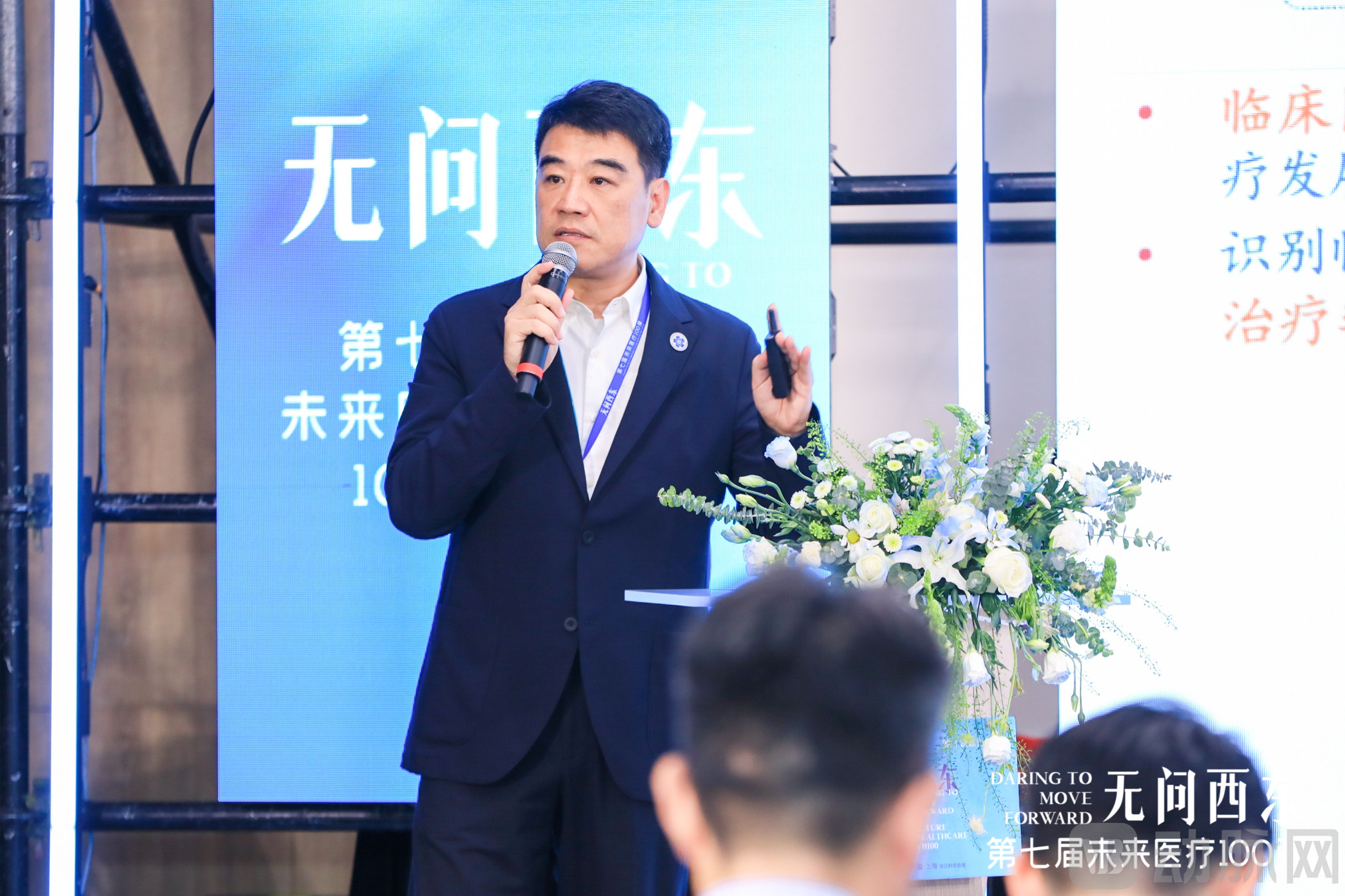
Che Haibo | Founder and Chairman of Kerecis Medical
Che Haibo, Founder and Chairman of Coracle Medical, stated that Coracle is building the world’s leading platform for tumor vascular interventional therapy, having obtained 15 Class III medical device registration certificates. The team possesses over 20 years of experience across the entire medical device industry chain. Coracle’s core competitiveness lies in its “therapy reading”-driven business engine. Its next-generation “biomimetic core-shell” drug-eluting embolic microspheres were approved for market launch by the NMPA in March 2023, making them the first drug-eluting embolic microsphere product validated through pre-market randomized controlled trial (RCT) clinical studies. Leveraging its BEST R&D system as the core, Coracle is constructing a comprehensive solution platform for TACE therapy, introducing a technology platform and solutions anchored in TACE.
Pan Shouxiang: The Decentralization of Structural Heart Disease Surgery and Shengde Medical’s “Innovative Devices + Artificial Intelligence” Solution
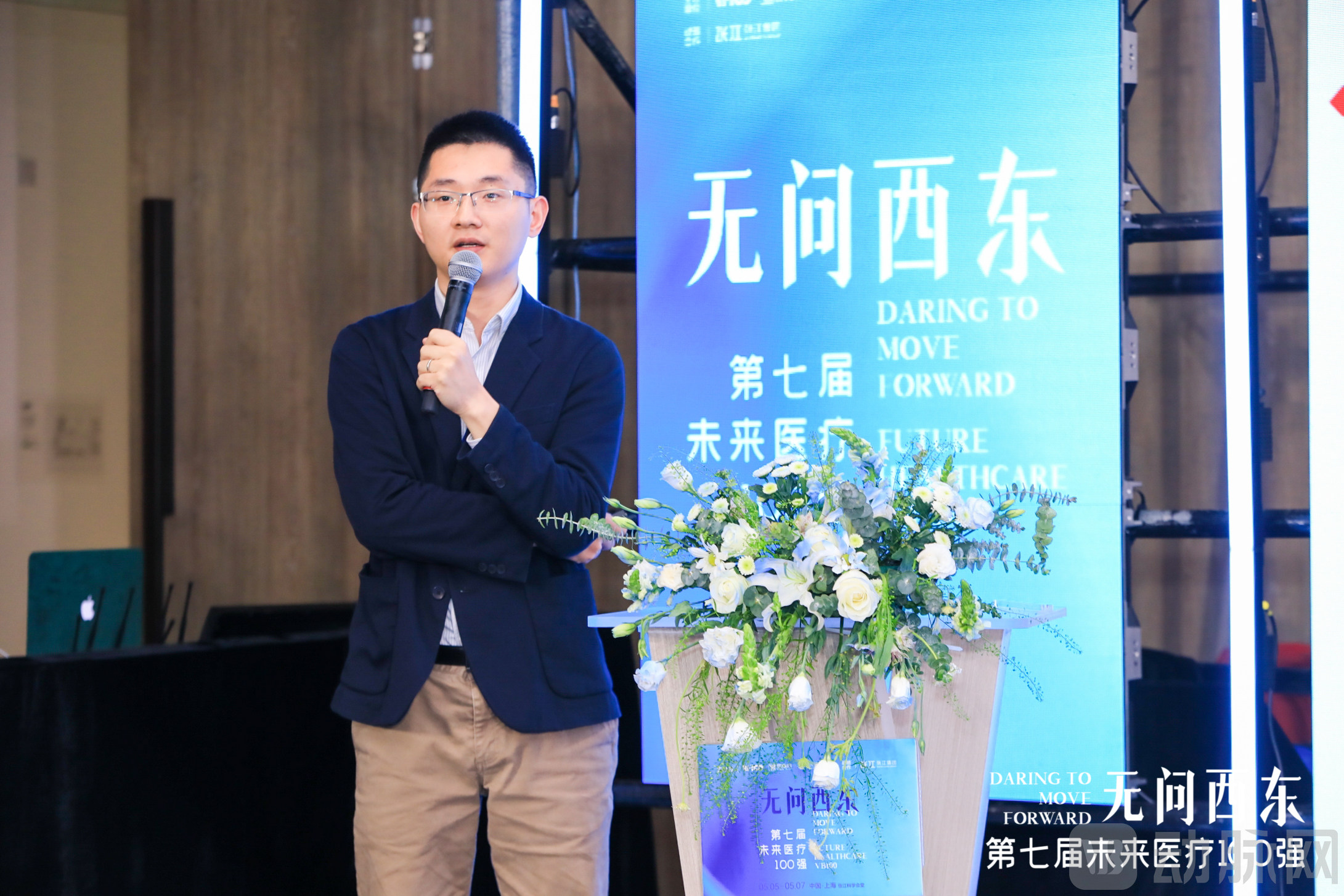
Pan Shouxiang | CFO of Shengde Medical
Shengde Medical’s CFO, Pan Shouxiang, focused on three key topics: the decentralization of valve surgery, product promotion, and how differentiated solutions can address unmet clinical needs. In China, the demand for TAVR diagnosis and treatment is rigid; however, the growth in surgical volume has fallen short of expectations, with a pronounced “80/20” distribution effect, as procedures are heavily concentrated in top-tier hospitals. In the promotion and decentralization of interventional valve devices, there are significant differences between Chinese and overseas patient profiles. Certain Class I device designs are only suitable for specific patient subsets. Meanwhile, the learning curve for TAVR procedures is steep and technically challenging. Furthermore, before TAVR can be included in medical insurance coverage, clinical-side issues must first be resolved. In response, Shengde Medical’s TA-TAVR self-expanding valve implantation system, Xcor, addresses unmet clinical needs through innovative anchoring and release mechanisms. It has achieved outstanding results in clinical trials conducted jointly by ten leading cardiac hospitals across China.
Yin Jie: Where is the electrophysiology market headed amid the impact of centralized procurement and new technologies?
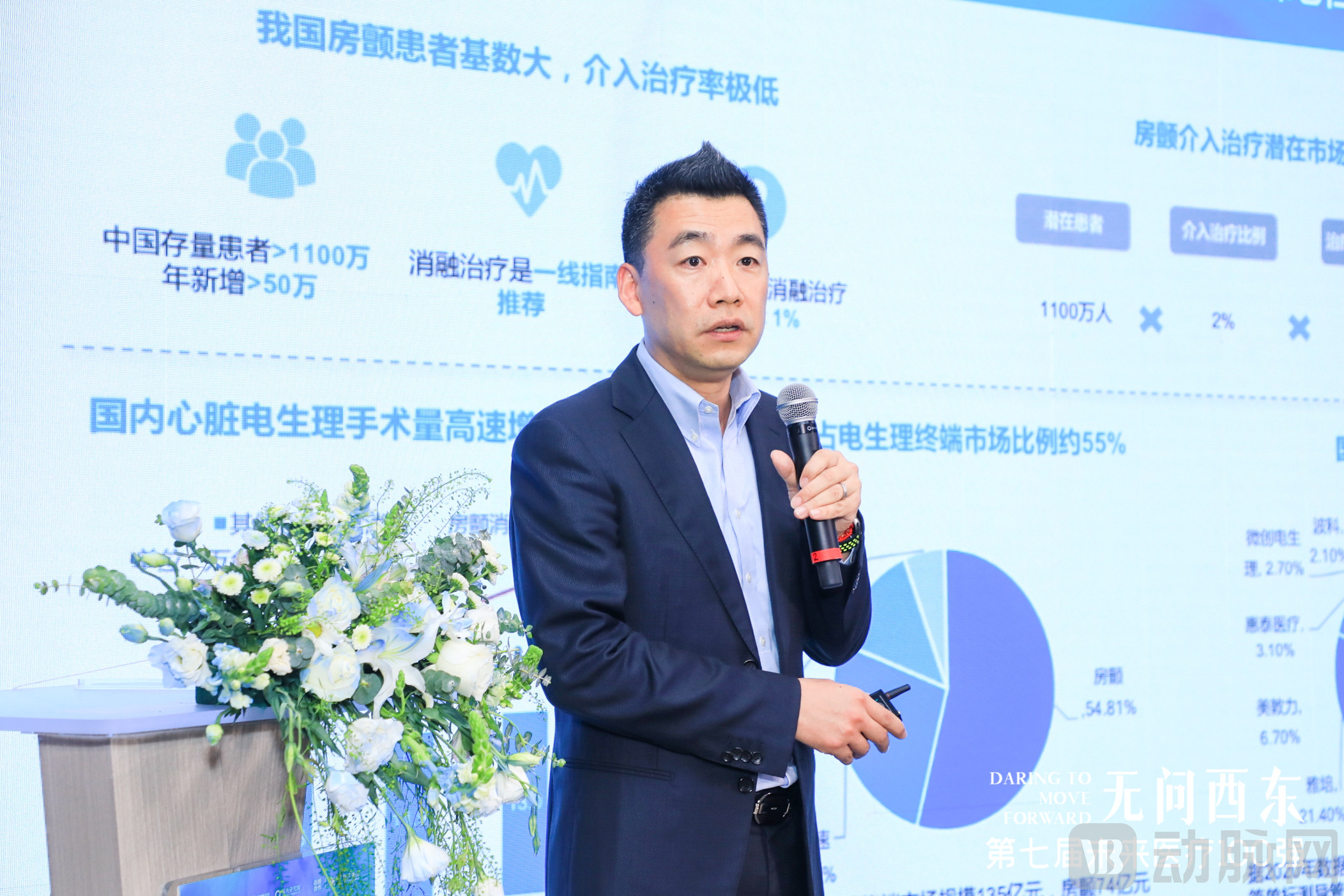
Yin Jie | Founder and CEO of Aikemai
Yin Jie, Founder and CEO of Acumap, noted that 3D mapping systems have become the core of electrophysiology (EP) laboratories. The iteration of 3D mapping systems, along with new mapping and ablation technologies, has resulted in an extremely low rate of domestic substitution. Regarding volume-based procurement (VBP), the magnitude of price reduction is inversely proportional to the rate of domestic substitution. In this regard, Mr. Yin proposed five hypotheses about the market landscape following VBP implementation. Looking to the future, Mr. Yin believes that the development of 3D mapping technology will continue to be central to EP procedures. Acumap offers a comprehensive portfolio of disposable solutions, including high-density 3D mapping catheters, second-generation pulsed field ablation (PFA) catheters for atrial fibrillation, next-generation pressure-sensing ablation catheters, steerable conventional mapping catheters (4-pole and 10-pole), transseptal radiofrequency needles, and intracardiac echocardiography (ICE) catheters.
Chen Zulin: Latest Advances in the Development of Interventional Percutaneous Ventricular Assist Devices (pVAD) Based on Computer Simulation Technology
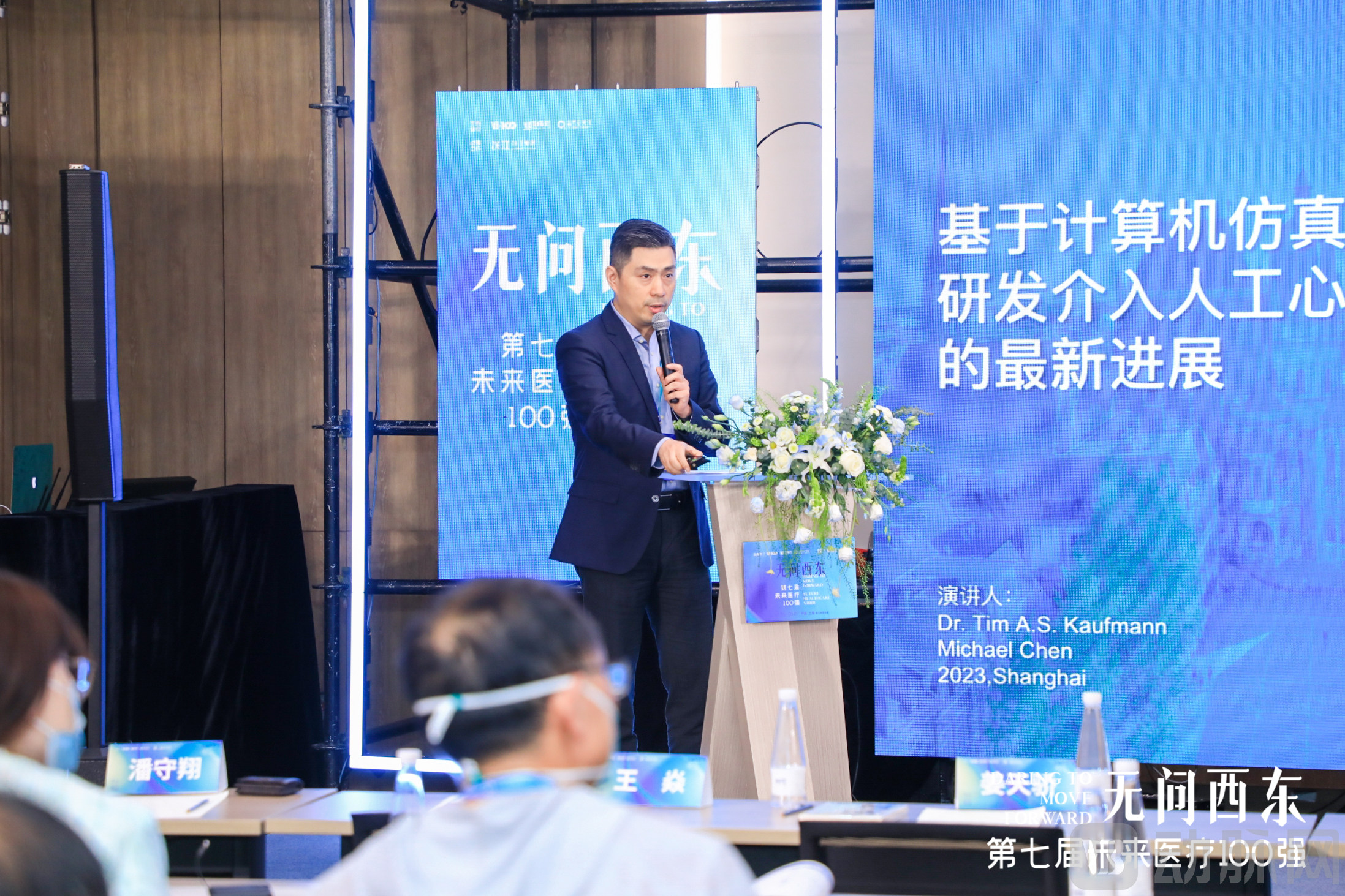
Chen Zulin | CEO & General Manager, LifeShield Medical
Chen Zulin, CEO and General Manager of LifeShield Medical, stated that LifeShield Medical has implemented a “full-platform” strategy in the field of life support, leveraging the core blood pump technologies and development expertise accumulated by its R&D team over the past decade. Its therapies and products span from extracorporeal life support to endovascular interventional treatments for heart failure. Mr. Chen also provided a detailed overview of the latest progress in the development of an interventional percutaneous ventricular assist device (pVAD) based on computer simulation technology, highlighting the design logic and advantages of this approach in optimizing parameters such as flow field performance and hemocompatibility during pVAD design. The LifeShield Medical pVAD system completed its first animal study in late April 2023, with hemolysis indices meeting and exceeding the design targets.
Roundtable Discussion: Challenges and Outlook for the Vascular Intervention Market Amidst the Centralized Procurement Storm
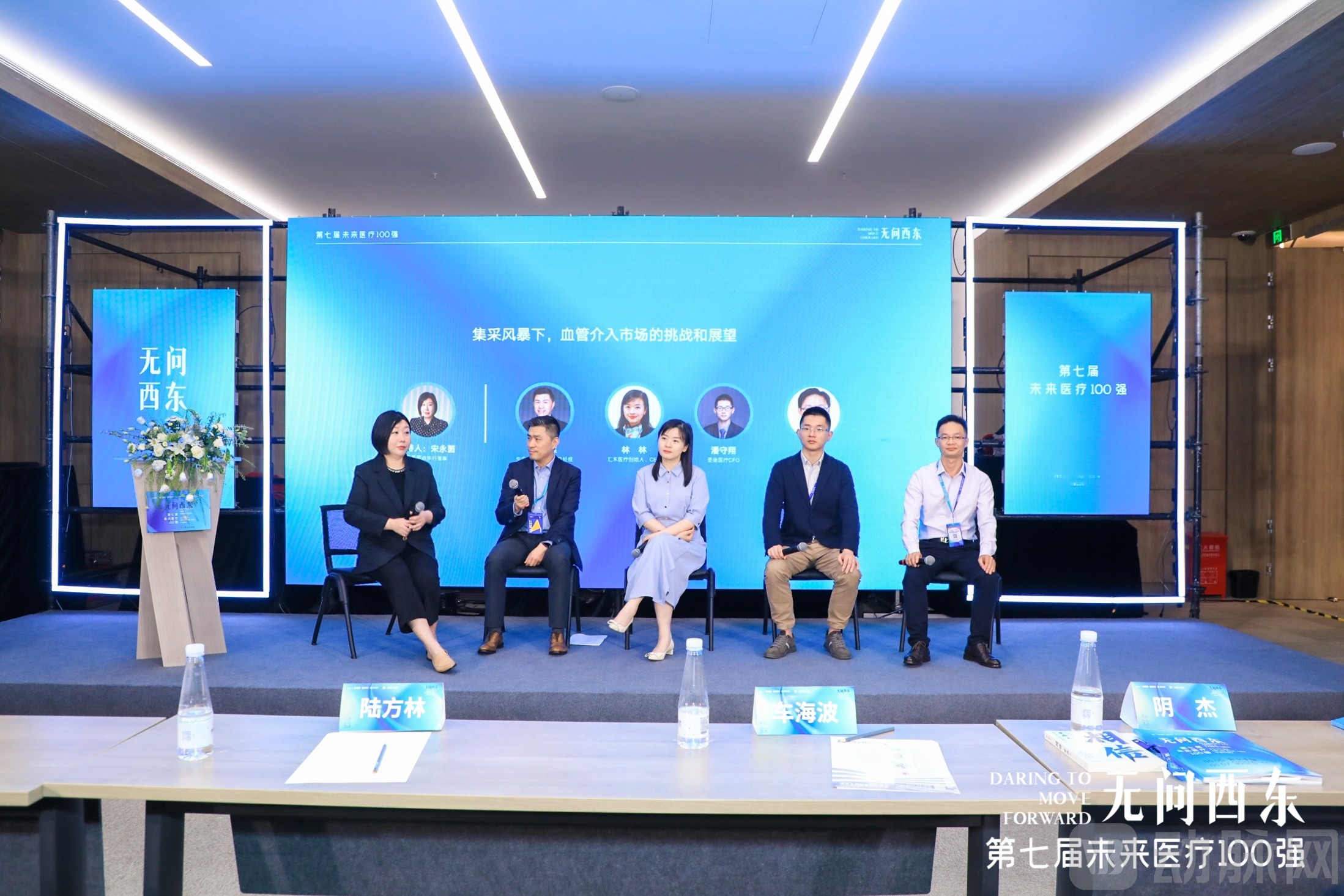
From left to right: Song Yongyin | Executive Director, Yuanhe Origin; Chen Zulin | CEO & General Manager, Life Shield Medical; Lin Lin | Founder & CEO, Huihe Medical; Pan Shouxiang | CFO, Shengde Medical; Ling You | Vice President of R&D, Maibo Medical
This roundtable is hosted bySong Yuanyin, Executive Director of Yuanhe OriginMs.Serve as the moderator and engage in brainstorming sessions with distinguished guests.
As a representative of domestically developed, innovative medical devices in China,Lin Lin, Founder and CEO of HuiheMs.It was introduced that the company, grounded in its proprietary technologies with global intellectual property rights, has established a comprehensive system encompassing research and development, testing, clinical trials, and manufacturing. This positions the company to deliver high-end medical device products of international advanced standards to patients worldwide in the future.
Mr. Ling You, Vice President of R&D at Maibo MedicalHe shared on-site updates regarding the company’s flagship occluder products, which have already received regulatory approval. He pointed out that the company is currently strategizing around three key areas: occluders, valves, and heart failure treatments. This strategy is grounded in deep integration of medicine and engineering, with the ultimate goal of serving clinical practice.Pan Shouxiang, CFO of Shengde MedicalIt also points out that the research and development, registration, clinical trials, commercialization, and manufacturing of medical devices are essentially a process that originates from clinical practice and returns to it, requiring clinical accumulation to address current patient needs.
Centralized procurement has reshaped the competitive dynamics and industry landscape of the vascular intervention sector. In response to “Changes and Challenges in the Vascular Intervention Market Amid the Centralized Procurement Storm,” participants shared their perspectives on “global expansion, innovation, quality control, and patient benefits.”Mr. Ling Youstated that centralized procurement is, in fact, an inevitable trend for products, “what is bound to happen will eventually happen.”Mr. Chen Zulin, CEO & General Manager of Life Shield MedicalIt is believed that, from a corporate perspective, entry barriers should be raised to avoid homogenization. As a Sino-German multinational medical technology company, Life Shield Medical’s innovative life support system products and solutions will meet the clinical needs of the Chinese and EU markets in the future, serving more patients.