

AstraZeneca China Celebrates 30th Anniversary with Sixth Ecosystem Conference in Wuxi, Driving High-Quality Development of Healthcare through Innovation
May 19, 2023, Wuxi, Jiangsu — The 6th AstraZeneca China Ecosystem Conference and the Celebration of AstraZeneca’s 30th Anniversary in China (hereinafter referred to as the “Conference”) was officially held in Wuxi, Jiangsu Province. Themed “Harmony and Symbiosis,” the Conference brought together over a thousand industry partners, including top domestic and international experts and leaders in the life and health sectors, high-growth companies, technology specialists, and professional investors, to jointly chart a course for the high-quality development of the health industry.
At the conference, Cui Rongguo, Secretary of the Party Working Committee of Wuxi High-Tech Zone and Secretary of the Party Committee of Xinwu District, attended the main summit and delivered a speech. Other distinguished guests who attended the main summit and shared their insights included Zhang Yuhui, Deputy Director of the Hainan Provincial Health Commission; Ning Guang, Academician of the Chinese Academy of Engineering and President of Ruijin Hospital, Shanghai Jiao Tong University School of Medicine; Jiang Jiandong, Academician of the Chinese Academy of Engineering and President of the Institute of Materia Medica, Chinese Academy of Medical Sciences; Xu Binghe, Academician of the Chinese Academy of Engineering and Director of the National Center for New Drug (Anti-tumor) Clinical Research; Yuan Junying, Member of both the American Association for the Advancement of Science (AAAS) and the U.S. National Academy of Sciences (NAS); Qu Jieming, Party Secretary of Ruijin Hospital, Shanghai Jiao Tong University School of Medicine; Chen Jingyu, Director of the National Health Commission’s Quality Control Center for Lung Transplantation; Wang Lei, Global Executive Vice President of AstraZeneca and President of International Operations and China; Xu Jia, Executive Head of the Investment Banking Department at China International Capital Corporation (CICC); and Shaowen Bin, Vice President of IQVIA and General Manager of Business Solutions for Greater China. Their discussions centered on industry hotspots such as policy-driven Healthy China initiatives, localization strategies of multinational enterprises, government-enterprise collaboration, cross-sector ecosystem empowerment focusing on metabolism, respiratory diseases, oncology, and rare diseases, digital healthcare, integration of industry and finance, and international cooperation.Meanwhile, the conference announced several major developments, including the citywide implementation of Wuxi’s standardized management system for metabolic diseases, the “Lung Health Model,” and the vertically integrated Cough and Asthma Management Center (CWMC) model in Wuxi; the completion and operational launch of Phase II of the Wuxi International Life Science Innovation Park (iCampus) along with the official kickoff of Phase III; the settlement of enterprises in iCampus Phase II; and the signing of cooperation projects with local enterprises. These initiatives continue to drive the high-quality development of the health innovation ecosystem.
Mr. Wang Lei, Executive Vice President of AstraZeneca and President of International Business and China, stated, “After years of proactive exploration and development, the health innovation ecosystem co-built by AstraZeneca together with stakeholders from government, industry, academia, research institutions, healthcare providers, and investment sectors has become a vital platform for exchange and collaboration in China’s life and health industry. This Ecosystem Conference not only facilitated in-depth discussions on multiple hot topics across the industry but also successfully implemented several significant outcomes to drive the high-quality development of the ecosystem. Looking ahead, AstraZeneca will continue to forge ahead with a focus on ‘leapfrogging’ and ‘collaboration,’ working hand in hand with all parties to establish the ‘Wuxi Model’ as a benchmark for the development of the life and health industry nationwide and even globally, thereby supporting the sustainable, high-quality growth of the health sector in Wuxi and across China. Meanwhile, AstraZeneca will actively leverage its role as a bridge for multinational pharmaceutical companies to continuously promote multi-party cooperation across countries, regions, and industries, facilitating both ‘bringing in’ and ‘going global.’”
Major Breakthrough in Metabolism and Respiratory Innovation Model Lands in Wuxi; Wuxi iCampus Continues to Expand
At the conference, the citywide model of Wuxi’s Standardized Management System for Metabolic Diseases was officially launched. With the National Standardized Metabolic Disease Management Center (MMC) and the Metabolic Campus (MCampus) serving as the two core engines of this model, a “clinical + industrial” dual-drive system will be established in Wuxi, helping to position the city as a nationally leading innovation hub in the field of metabolic diseases.
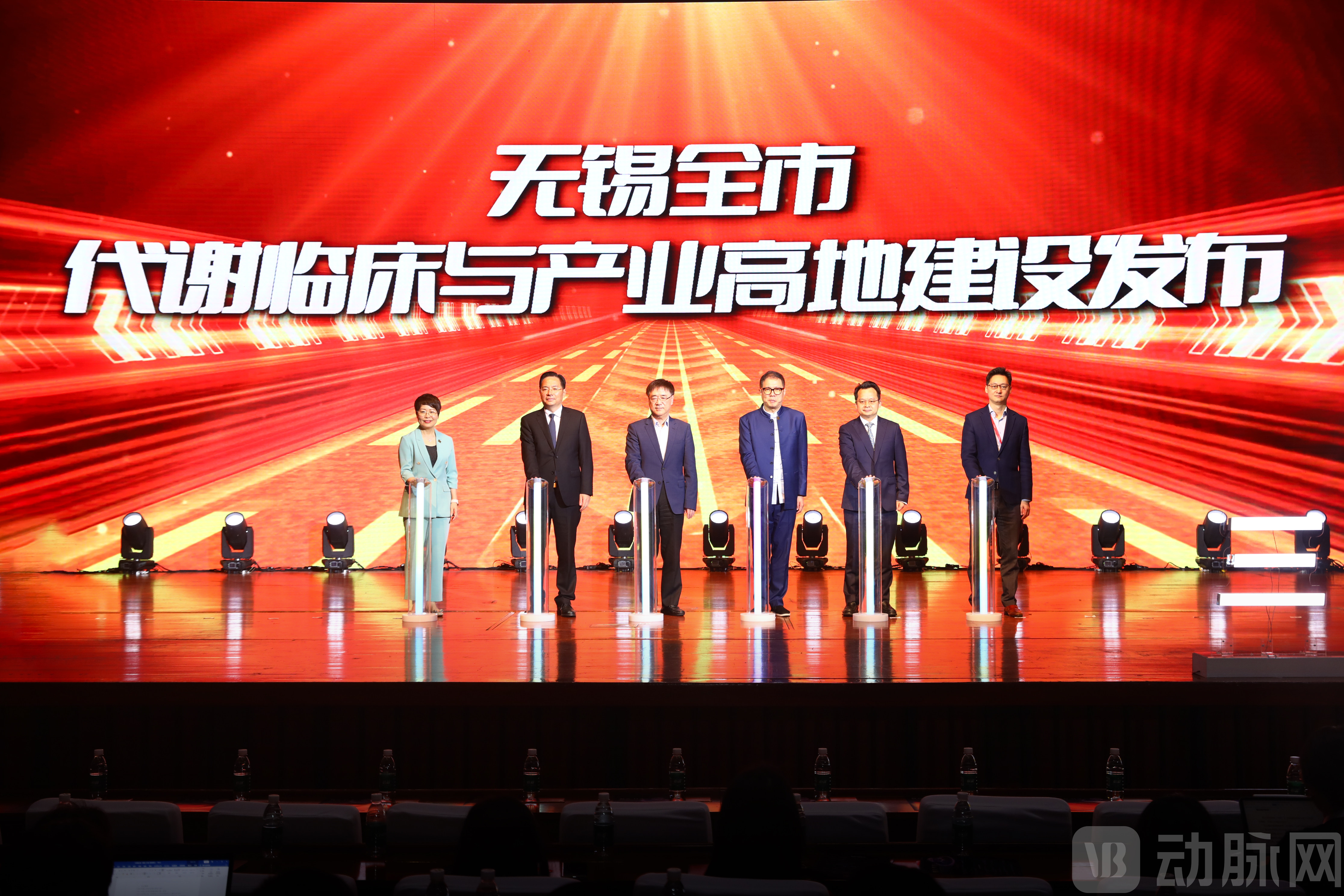
By comprehensively implementing the construction and operation of the Metabolic Management Center (MMC) across medical institutions in Wuxi, and integrating clinical research collaborations between MCampus industrial chain enterprises and local hospitals, the city-wide model of Wuxi’s Standardized Management System for Metabolic Diseases will help achieve standardized, full-course management for patients with metabolic disorders, while simultaneously enhancing the scientific research capabilities of hospitals. Furthermore, under the bidirectional empowerment model of “clinical needs driving industrial development, and industrial development serving clinical diagnosis and treatment,” MMC will also support the incubation of cutting-edge technologies by MCampus enterprises, accelerating the effective translation of local industry-academia-research achievements. Moreover, by leveraging new technologies such as artificial intelligence, this model will accumulate valuable healthcare insights for Wuxi, thereby promoting the high-quality development of public health initiatives and smart healthy city infrastructure in the region.
Academician Ning Guang stated, “Through the ‘dual-wheel drive’ and ‘mutual empowerment’ of MMC and MCampus, the Wuxi city-wide model for standardized management of metabolic diseases will help improve the allocation of medical resources in the field of metabolic disorders, strengthen healthcare service management, accelerate Wuxi’s progress toward becoming a smart health city, and deliver tangible health benefits to Wuxi residents. Furthermore, this model will promote the establishment of a ‘clinical + industry’ ecosystem centered on metabolic diseases in Wuxi, helping the city become an innovation hub in the metabolic disease field.”
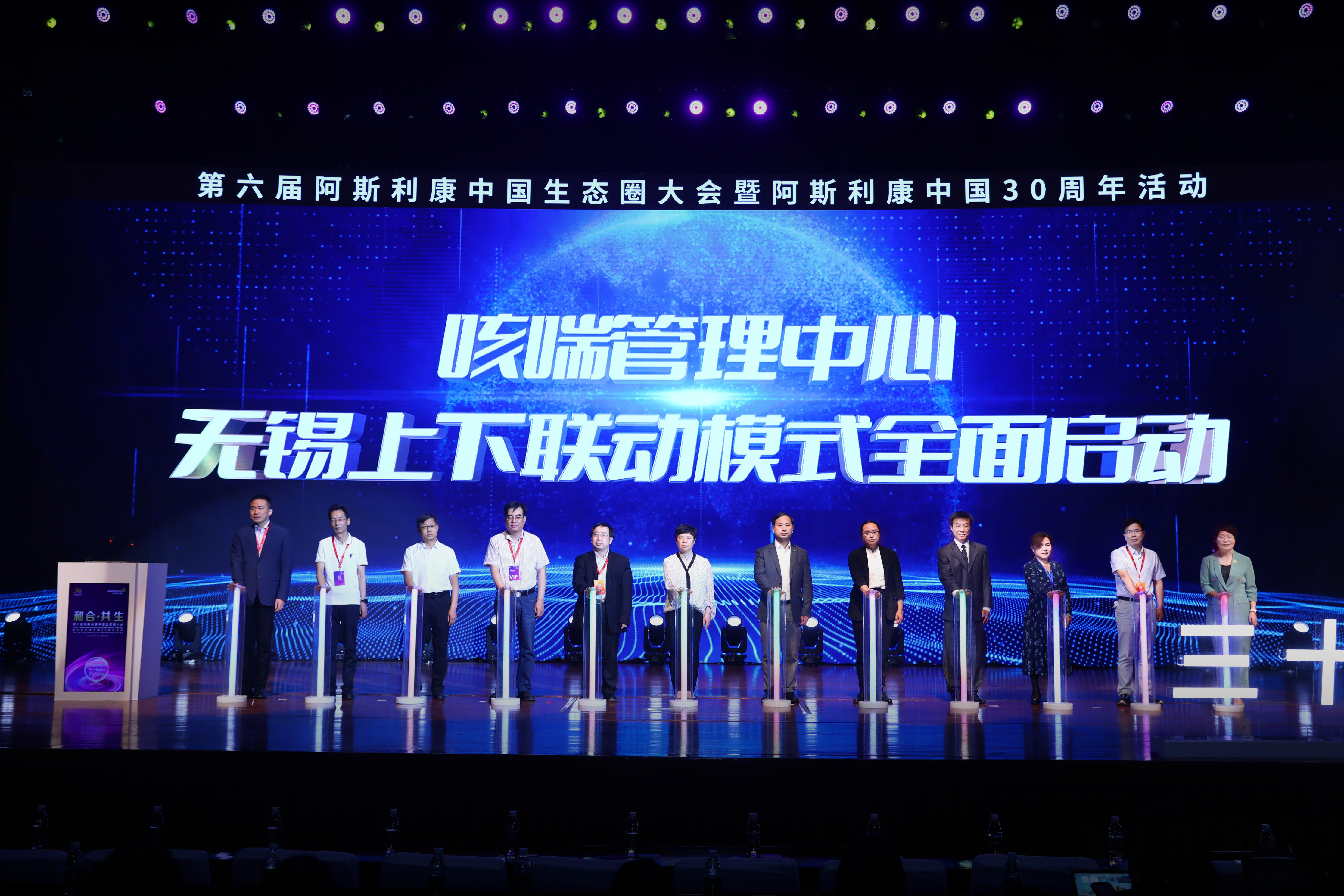
Focusing on the field of respiratory care, the conference officially launched the “Lung Health Model” and held the launch ceremony for the Wuxi Vertical Integration Model of the Cough and Asthma Management Center (CWMC). Guided by this model, medical institutions at all levels in Wuxi will align with national policies on the management of chronic respiratory diseases, comprehensively establish CWMCs, and implement a vertically integrated approach encompassing “screening, diagnosis, treatment, and management,” thereby achieving a closed-loop, community-based management system for chronic respiratory diseases. In the future, starting from Wuxi, this locally innovated model—centered on metabolic and respiratory care—is expected to expand into additional therapeutic areas and gradually roll out nationwide, delivering innovative, integrated diagnostic and treatment services to a broader patient population.
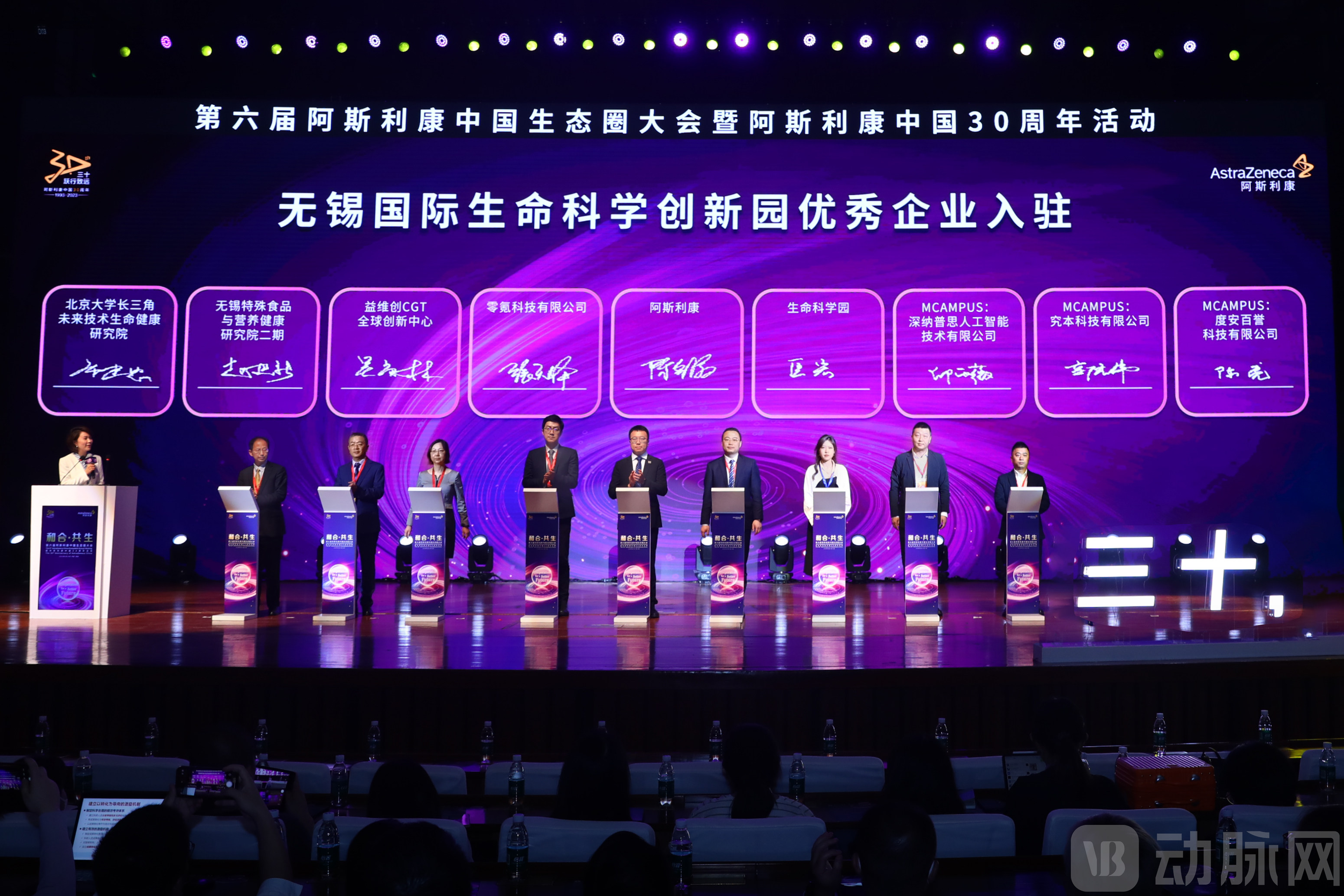
Meanwhile, the AstraZeneca Health Innovation Ecosystem continues to expand and upgrade. The event officially marked the completion and commissioning of Phase II and the launch ceremony for Phase III of the Wuxi International Life Science Innovation Park (iCampus), as well as the move-in ceremony for Phase II tenants, including LinkDoc Technology, Deepnology, Jiuben Technology, Du’an Baiyu, the School of Future Technology at Peking University, the Food Biotechnology Research Center at Jiangnan University, and the Yiwuchuang CGT Global Innovation Center. Seizing this opportunity, Wuxi iCampus will further expand its scale and functional capabilities while continuing to build a comprehensive life-science incubation and innovation platform covering the entire lifecycle. It will also empower outstanding innovative enterprises such as LinkDoc Technology and Peking University’s School of Future Technology to deepen their localized development in Wuxi.
Focusing on Multiple Therapeutic Areas to Explore Cross-Boundary Ecosystems for Deep Empowerment, Driving the Continuous Development of Integrated Diagnosis and Treatment Innovation
Concurrently, the inaugural Metabolic Industry Summit was held. The summit facilitated in-depth exchanges and discussions on topics such as the integrated development of healthcare providers and enterprises in metabolic diseases, exploration of city-wide models, treatment trends, and innovative technologies, as well as the latest domestic and international advancements in digital health, smart management, and computer-aided diagnosis. Committed to driving ecosystem partners to build a more open and collaborative metabolic innovation ecosystem, the summit aims to meet the needs of patients with metabolic diseases for integrated diagnostic and therapeutic services.
Concurrently held, the Integrated Diagnosis and Treatment Innovation Management Forum for Chronic Cough and Asthma Clinics and the Primary Care Chronic Disease Management Forum explored key topics such as leveraging innovative diagnostic technologies to standardize the diagnosis and treatment of chronic respiratory diseases, and further enhancing primary care diagnosis, treatment, and disease management capabilities through the sharing of experiences in integrated chronic disease management and the establishment of county-level chronic disease centers.
Actively Expand International Cooperation and Embrace New Trends in Digital Healthcare
AstraZeneca has consistently leveraged its role as a bridge for multinational pharmaceutical companies, fostering multi-party collaborations across countries, regions, and industries. The specialized session on international cooperation and exchange, held concurrently with the conference, established a global dialogue platform to help domestic enterprises gain a deeper understanding of the international landscape and opportunities. Participants at the forum engaged in open discussions on topics such as the internationalization trends of the biopharmaceutical industry and cutting-edge R&D innovation, thereby facilitating the practical implementation of both “going global” and “bringing in” strategies.
Meanwhile, the Medical Digital Intelligence Forum focused on topics such as digital medicine, health education, and the digital-intelligent transformation of healthcare enterprises. It sparked lively discussions around the deep integration of digitalization across the entire industrial value chain, offering attendees cutting-edge perspectives on how digital technologies are empowering healthcare.
Deepening Local Innovation Collaboration to Comprehensively Drive the Development of China’s Health Industry
During the conference, AstraZeneca also reached a series of significant collaborations with local innovative enterprises, making substantial progress in the integrated development of traditional Chinese and Western medicine, exploration in the respiratory field, diagnosis and treatment of chronic diseases at the primary care level, and digital transformation. Notably, AstraZeneca will collaborate with Beijing Zhiyi Wangyao Technology Co., Ltd. on intelligent R&D and the commercialization of research achievements in both traditional Chinese and Western medicine, and will establish an innovation industrial base for traditional Chinese medicine with distinct local characteristics.
In the respiratory field, AstraZeneca has entered into strategic partnerships with Shanghai Langye Medical Technology Co., Ltd. and Xunqi Technology (Hangzhou) Co., Ltd., respectively, to jointly promote the development of comprehensive digital disease management capabilities for respiratory conditions.
In the realm of chronic disease diagnosis and treatment at the primary care level, AstraZeneca has established collaborations with the Health Commissions of Xun County (Hebi City, Henan Province), Huishan District (Wuxi City), and Yixing City, as well as with Beijing Zhao Tianxia Education Technology Co., Ltd. These multi-faceted partnerships aim to strengthen diagnostic and therapeutic capabilities at the grassroots level, improve the chronic disease prevention and control system, support tiered diagnosis and treatment, and bridge the “last mile” between high-quality medical services and the public.
In the digital realm, AstraZeneca will further advance the implementation of remote patient education and health management services through its collaboration with Ali Health. Additionally, AstraZeneca has reached an agreement with Tencent Cloud to promote the application of “Internet + Healthcare” in the fields of respiratory diseases and asthma, thereby improving patient access to care.
The successful hosting of this Ecosystem Conference marks a new milestone for AstraZeneca’s locally rooted health innovation ecosystem. Over the years, AstraZeneca has actively explored innovative collaborations with government, industry, academia, research institutions, healthcare providers, and investors, pooling domestic and international resources to build an open, cooperative, mutually beneficial, and globalized health innovation ecosystem. As AstraZeneca celebrates its 30th anniversary in China, the company remains committed to its original aspiration of being “patient-centric.” With an open mindset, it will continue to join hands with all stakeholders to explore innovative healthcare models, promote high-quality development in the healthcare industry, and advance in step with China’s development.
AstraZeneca (LSE/STO/Nasdaq: AZN) is a science-led global biopharmaceutical company dedicated to the research, development, manufacturing, and marketing of prescription medicines, with a strategic focus on oncology, rare diseases, and biopharmaceuticals including cardiovascular, renal, and metabolism; respiratory; and immunology. Headquartered in Cambridge, UK, AstraZeneca operates in more than 100 countries worldwide, delivering innovative medicines that benefit millions of patients globally.
Since entering China in 1993, AstraZeneca has focused on therapeutic areas with the most urgent needs for Chinese patients, including oncology, cardiovascular disease, metabolism, renal care, respiratory diseases, gastroenterology, vaccines and antibodies, autoimmunity, and rare diseases, bringing nearly 40 innovative medicines to the Chinese market. The company’s China headquarters is located in Shanghai, with regional headquarters in Beijing, Guangzhou, Hangzhou, Chengdu, Wuxi, and Qingdao. Its production bases and logistics centers in China export pharmaceuticals to nearly 70 countries and regions worldwide. Today, China has developed into AstraZeneca’s second-largest global market.