

First Digital Health International Exchange Summit and Digital Medical Product Globalization Forum Successfully Held in Shanghai
On May 16, 2023, the inaugural International Summit on Digital Health and Forum on Going Global with Digital Medical Products was successfully held in Shanghai. The event was hosted by the Digital Therapeutics Committee of the China Association for Medical Device Industry (CAMDI), the Shanghai Institute for Medical Device Testing, and Sinopharm Reed Exhibitions, and co-organized by Viatris Pharmaceuticals Co., Ltd., VCBeat, and VB100.
Guests attending this forum include:Wang Xiaomei, CEO of Hangzhou Yice Technology Co., Ltd.; Kang Yuxin, Chief Content Officer of Beijing Zeqiao Media; Jin Man, General Manager of the Medical Video Division at Zeqiao Medical; Fan Bo, Founder of Huanyu Medical; Liu Chongsheng, Director of the Software and Cybersecurity Professional Office at Shanghai Institute for Medical Device Testing; Zhang Bo, Medical Business Development Manager for UL Asia Pacific; Ji Lifang, Medical Device Business Director for BSI Group China。
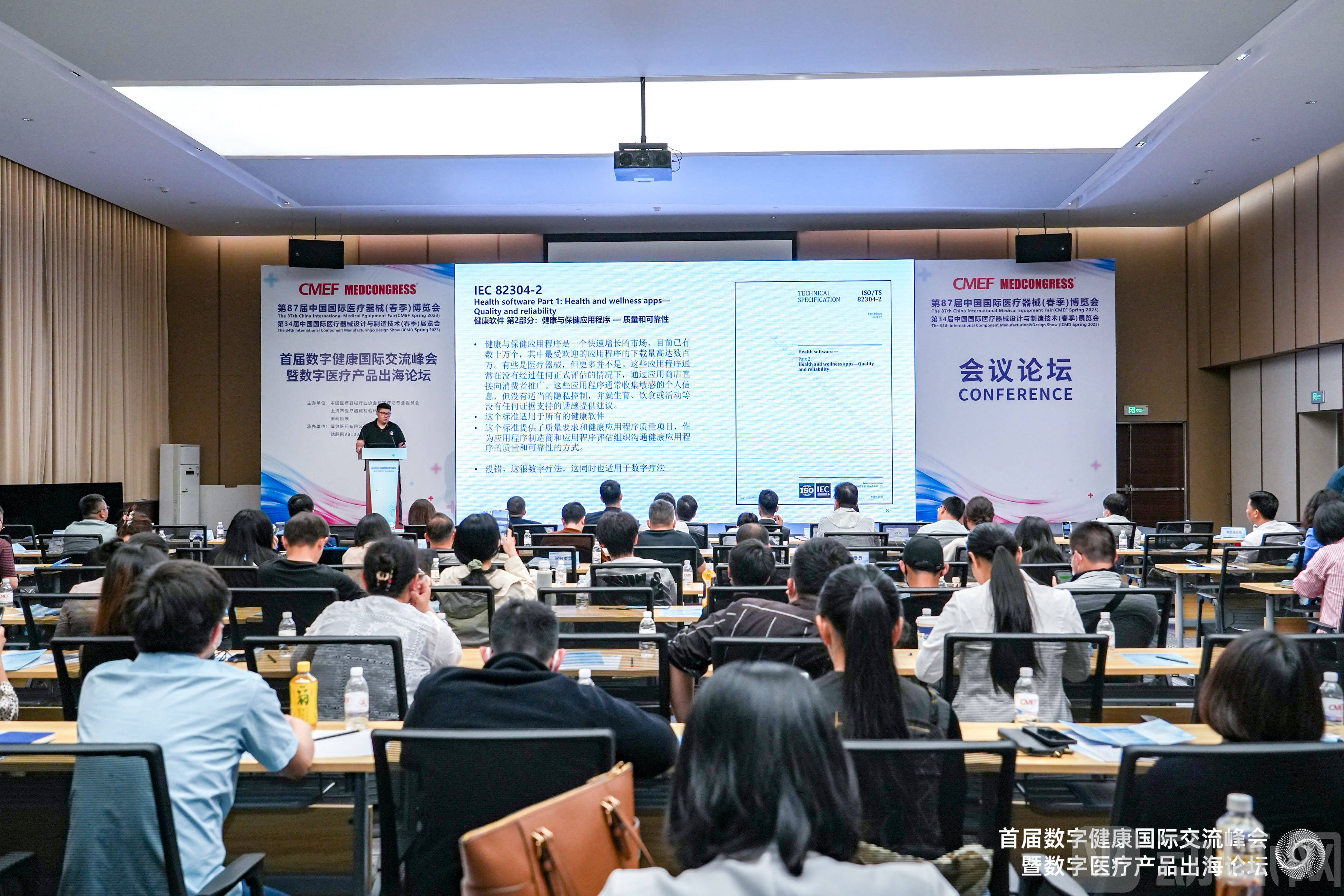
This forum focuses on global registration, submission, review, and approval of digital health products; brand commercialization; and industrial implementation. It aims to address the key challenges and pain points faced by Chinese digital health companies in achieving global market access. Leading domestic and international compliance experts and corporate representatives will convene to explore pathways for transforming the digital health industry and breaking through barriers to innovation in key emerging markets such as the Middle East.
Wang Xiaomei, CEO of Hangzhou Yice Technology Co., Ltd.: Opportunities for the Implementation of the Digital Healthcare Industry in the Middle East
Ms. Wang Xiaomei began by introducing the United Arab Emirates (UAE) in the Middle East, highlighting its role as a central gateway connecting Europe, Africa, and the Asia-Pacific region, with abundant local capital and talent resources. Regarding the healthcare industry, the UAE government adopts a guiding rather than restrictive regulatory approach and offers substantial policy support. Furthermore, the UAE is home to the world’s largest healthcare free zone and was the first country globally to establish the position of Minister of State for Artificial Intelligence.
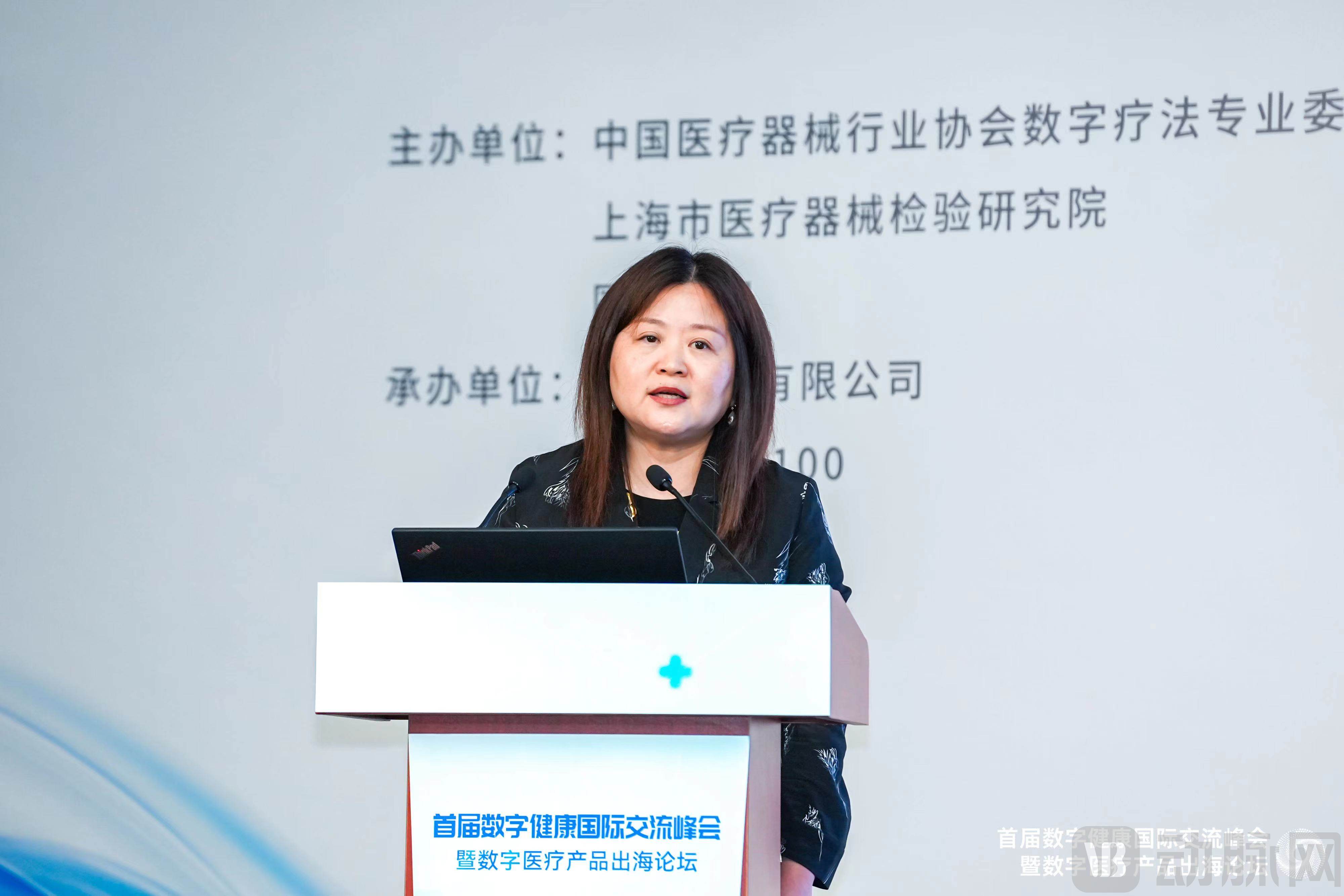
Ms. Wang Xiaomei then highlighted key considerations for the deployment of medical industry solutions: the security and compliance of cross-border data transfers. In 2021, China enacted the Data Security Law and the Personal Information Protection Law. Enterprises exporting data-driven medical device products must maintain strong data security awareness and adhere to relevant regulations. For instance, with Yice Technology’s AI-based medical device for cervical liquid-based cytology, overseas deployment may require interaction between clients and the original manufacturer. In such cases, remote access via a local cloud environment can be used to complete equipment pre-calibration, ensuring that data does not leave the country. When cross-border data transfer is unavoidable, attention must be paid to data exchange during client-side deployment to ensure that such transfers are secure, lawful, and compliant.
Kang Yuxin, Chief Content Officer at Beijing Zeqiao Media: How to Achieve Globally Recognized Credibility in Product Promotion
Mr. Kang Yuxin first stated that Zeqiao Media aims to present complex and abstruse medical content through visual video expression. The company has established China’s largest professional library of medical video assets and has received multiple innovation awards. Zeqiao Media provides a one-stop service covering video planning, creative production, filming, media distribution, and feedback analysis. Assets in its library, such as human anatomical models and hospital footage, can be intelligently retrieved, delivering comprehensive and high-quality video production solutions for clients.
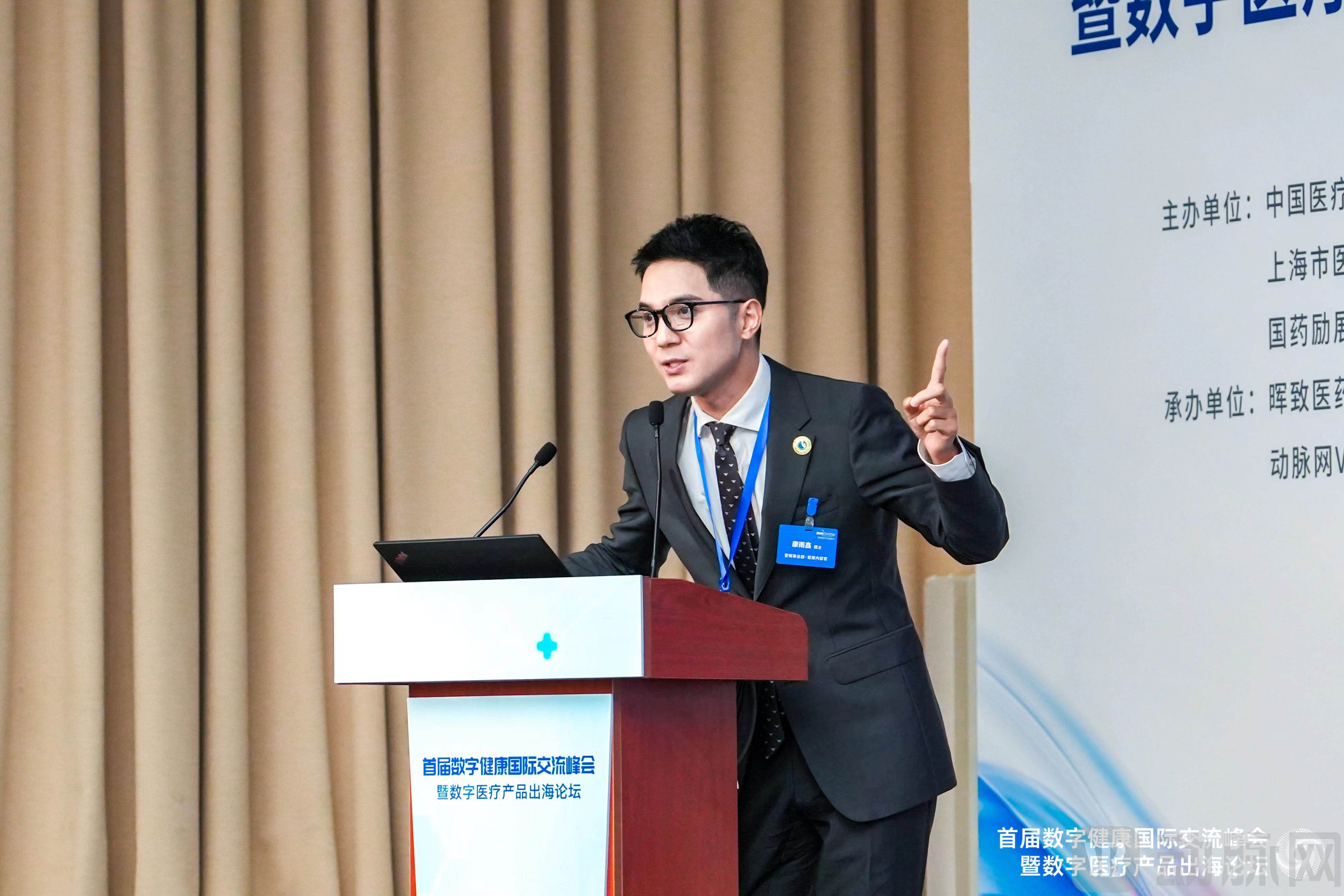
Mr. Kang Yuxin then highlighted that the company seamlessly integrates data algorithms with digital production technologies to deliver services such as AI-driven interactions, 3D product modeling, and virtual product displays. By leading the development of China’s metaverse infrastructure, it provides digital human technology powered by both AI and motion capture. These digital humans can serve as corporate digital employees for tasks such as product presentations and live-streamed e-commerce sales.
Finally, Mr. Kang Yuxin introduced Zeqiao Media’s digital exhibition hall and digital conference services, which enable functionalities such as virtual participation and digital business card exchange. The company also provides virtual simulation training technologies, such as ADE cardiopulmonary resuscitation (CPR) virtual training. The company hosts the Health Communication Forum annually, where digital humans can be employed for hosting and delivering speeches. Additionally, the company offers spatiotemporal integration technology, which synthesizes experts from different regions into a single screen to facilitate large-scale ceremonies.
Fan Bo, Founder of Huanyu Medical: How to Implement Standalone Software as a Medical Device in the EU
Mr. Fan Bo first stated that the market entry of standalone medical device software (SaMD) into the European Union requires seven steps: determining product classification; identifying applicable regulations, standards, and guidelines; appointing an EU Authorized Representative; preparing CE technical documentation; submitting for CE certification; commencing sales after obtaining the CE certificate; and ensuring true market penetration by monitoring local regulations and coordinating technically with distribution channels.
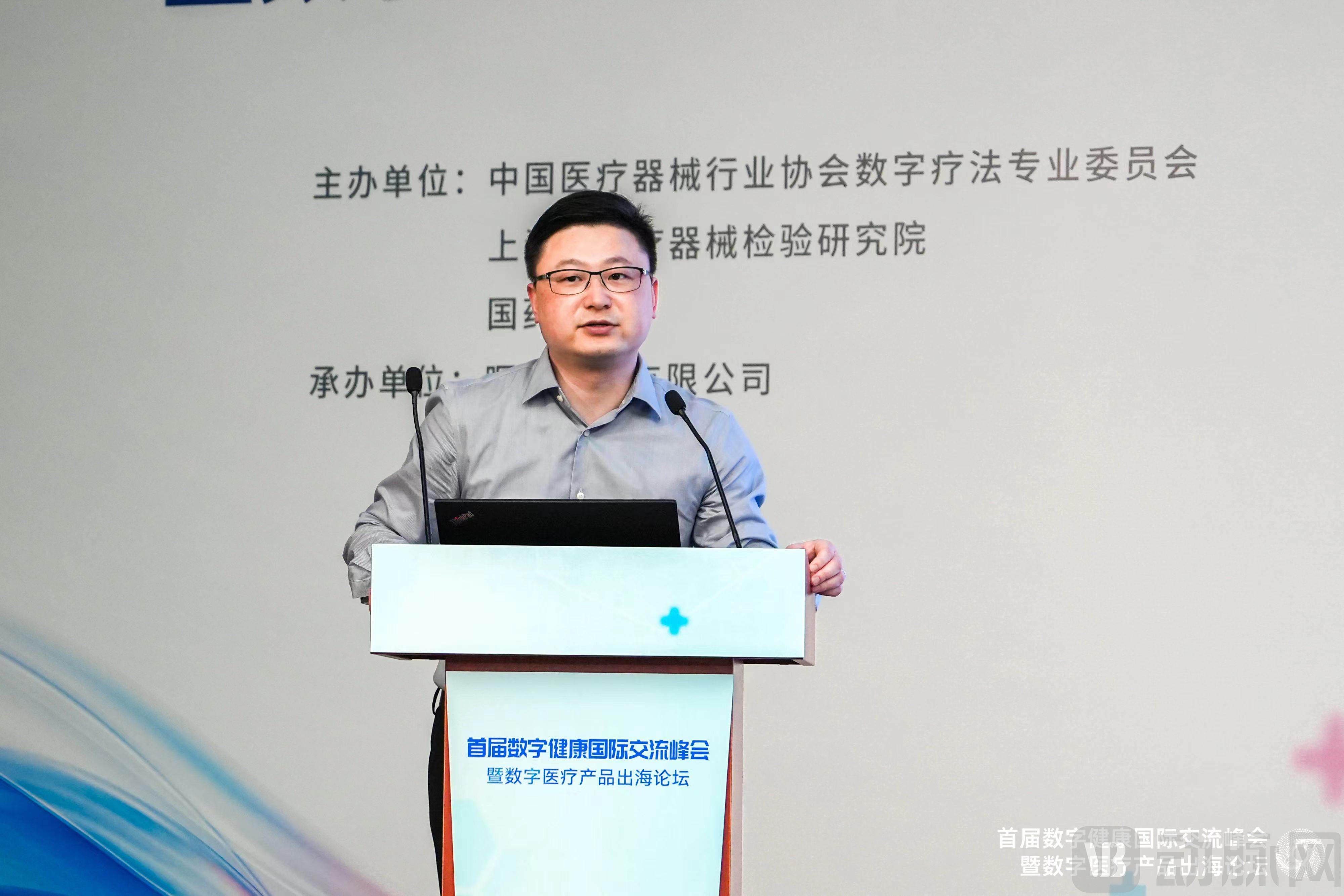
Next, Mr. Fan Bo explained the seven steps individually. Regarding classification, since most digital health products are standalone software, Reference should be made to Rule 11 of the MDR regulations. For identification, in addition to self-identification based on EU regulations, the most efficient approach is to seek assistance from a Notified Body. Concerning the EU Authorized Representative, it is advisable to collaborate with formal and experienced firms to ensure tangible benefits for the enterprise. The technical documentation primarily includes product descriptions, product safety levels, product structure and functions, procedural documents for production method control requirements, supplier specifications, and compliance with essential product requirements. For CE certification, once the company has prepared the aforementioned technical documentation, it can apply for certification from the relevant authorities. Regarding sales, attention must be paid to local regulations and the Chinese market; manufacturers are required to register with local competent authorities, which can be facilitated through distributors or the EU Authorized Representative. As for sales channels, distributors are the primary route, and they can be acquired through trade shows, international exhibitions, database purchases, or offline personal referrals.
Liu Chongsheng, Director of the Software and Cybersecurity Division at the Shanghai Institute for Medical Device Testing: An Overview of New Global Standards for Health Software
Director Liu Chongsheng first noted that the Shanghai Institute for Medical Device Testing is responsible for the coordination and management of standards for the Secretariat of the National Technical Committee on Standardization of Medical Electrical Equipment (SAC/TC 10). The joint working group of ISO/IEC is committed to introducing a standard framework for SES (Safety, Effectiveness, and Cybersecurity). As the institution hosting the Secretariat of SAC/TC 10, the Shanghai Institute for Medical Device Testing is dedicated to leading research in this area and facilitating the corresponding conversion of international standards into Chinese national standards.
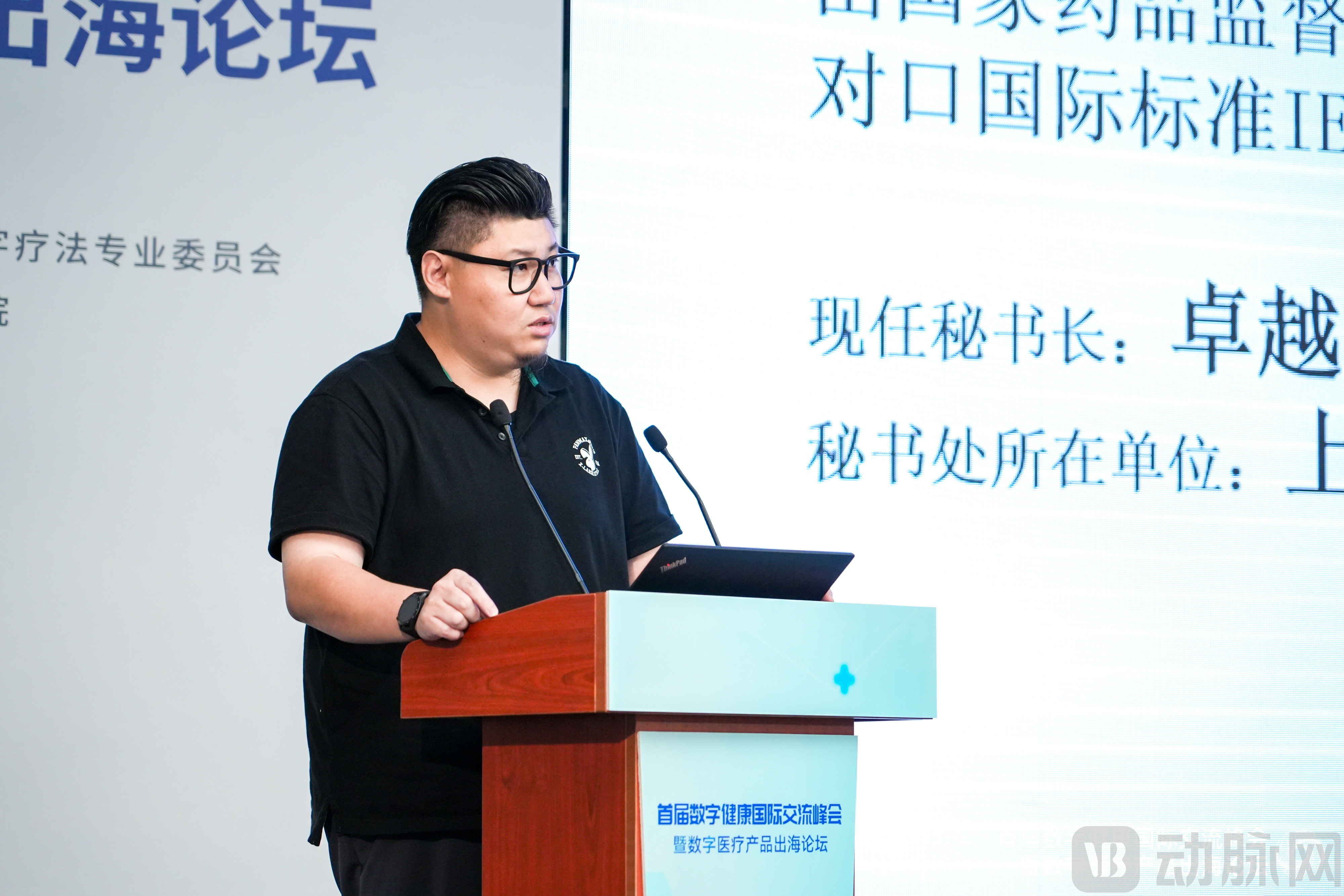
Next, Director Liu Chongsheng provided a detailed introduction to the health standards currently drafted or under development, covering ISO 81001-1, IEC 82304-1, IEC 82304-2, and IEC 80001-1. He also clarified the progress in aligning IEC 80001-1 and IEC 82304-1 with their corresponding national standards.
The document also outlines the responsibilities and vision of the Digital Therapeutics Committee under the China Medical Devices Industry Association regarding standardization efforts, as well as the functions of the Shanghai Institute for Medical Device Testing, including its specific testing and inspection capabilities in software and cybersecurity, along with its technical service capacities.
Zhang Bo, Business Development Manager for UL’s Asia-Pacific Healthcare Division: New FDA Regulations on Software, Cybersecurity, and Interoperability
Mr. Zhang Bo first discussed digital therapeutics, which are evidence-based therapeutic interventions driven by high-quality software programs, used to prevent, manage, or treat medical conditions. Digital therapeutics cover a wide range of applications, including diabetes management, AI-based prediction for kidney disease, game-assisted rehabilitation therapy, and sleep-related issues.
Mr. Zhang Bo then addressed software safety and functional challenges. In terms of quality, common issues include inaccurate or incomplete information, incorrect output resulting from content changes, and inappropriate responses to consumer needs. Regarding software functionality, problems such as functional discrepancies, lack of confirmation for user inputs, and delayed processing and response to health threats were identified.
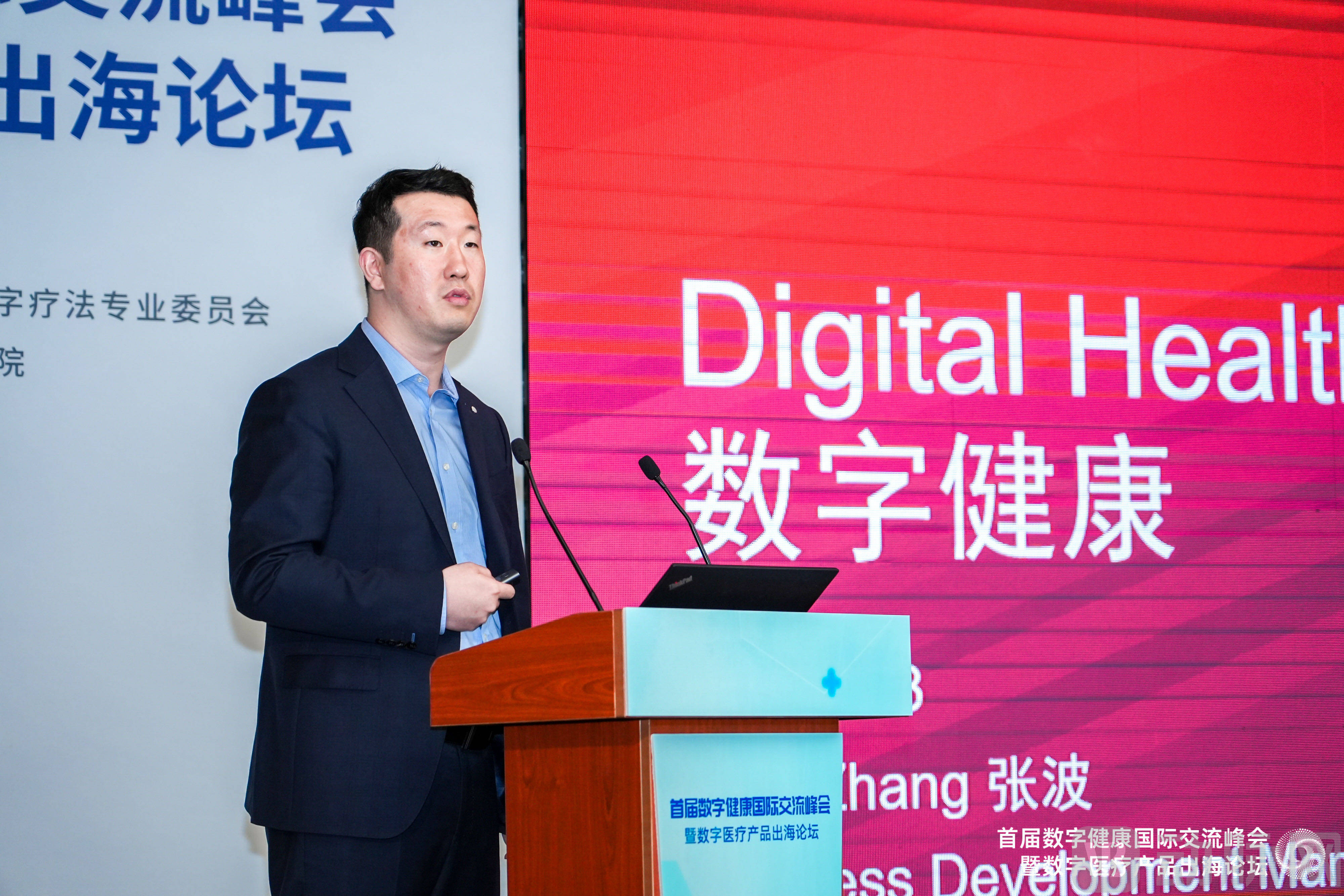
Finally, Mr. Zhang Bo discussed telemedicine, noting that the pandemic accelerated the establishment and refinement of the telemedicine ecosystem. Digital therapeutics represent one category within this ecosystem, addressing the fundamental issue of enabling healthcare services to be delivered at home. If digital therapeutic software relies on wearable devices, and these wearables in turn depend on RF wireless technology, the FDA has specific guidance documents for such products, with detailed requirements regarding the selection of wireless technologies, quality of service, and wireless coexistence.
Ji Lifang, Director of Medical Device Business for BSI Group China: UK Regulatory Review and Approval Requirements for Digital Health Products
Mr. Ji Lifang first pointed out that the UK currently still adopts the Medical Devices Directive (MDD) as its regulatory framework for medical devices, which shares many similar requirements with the EU’s new Medical Devices Regulation (MDR). Similar to the EU CE certificate, for low-risk products requiring the involvement of a Notified Body, the UK requires an Approved Body to issue a system-based UKCA certificate (distinct from an ISO 13485 certificate). For high-risk products, such as Class III devices, two UKCA certificates are required: one system-based UKCA certificate and one product-based UKCA certificate. Most digital therapeutics products involve software and were classified as low-risk Class I, IIa, or IIb devices under the MDD; however, under the MDR, some of these products may be upclassified to Class III, such as autonomous decision-making products featuring closed-loop diagnosis and treatment.
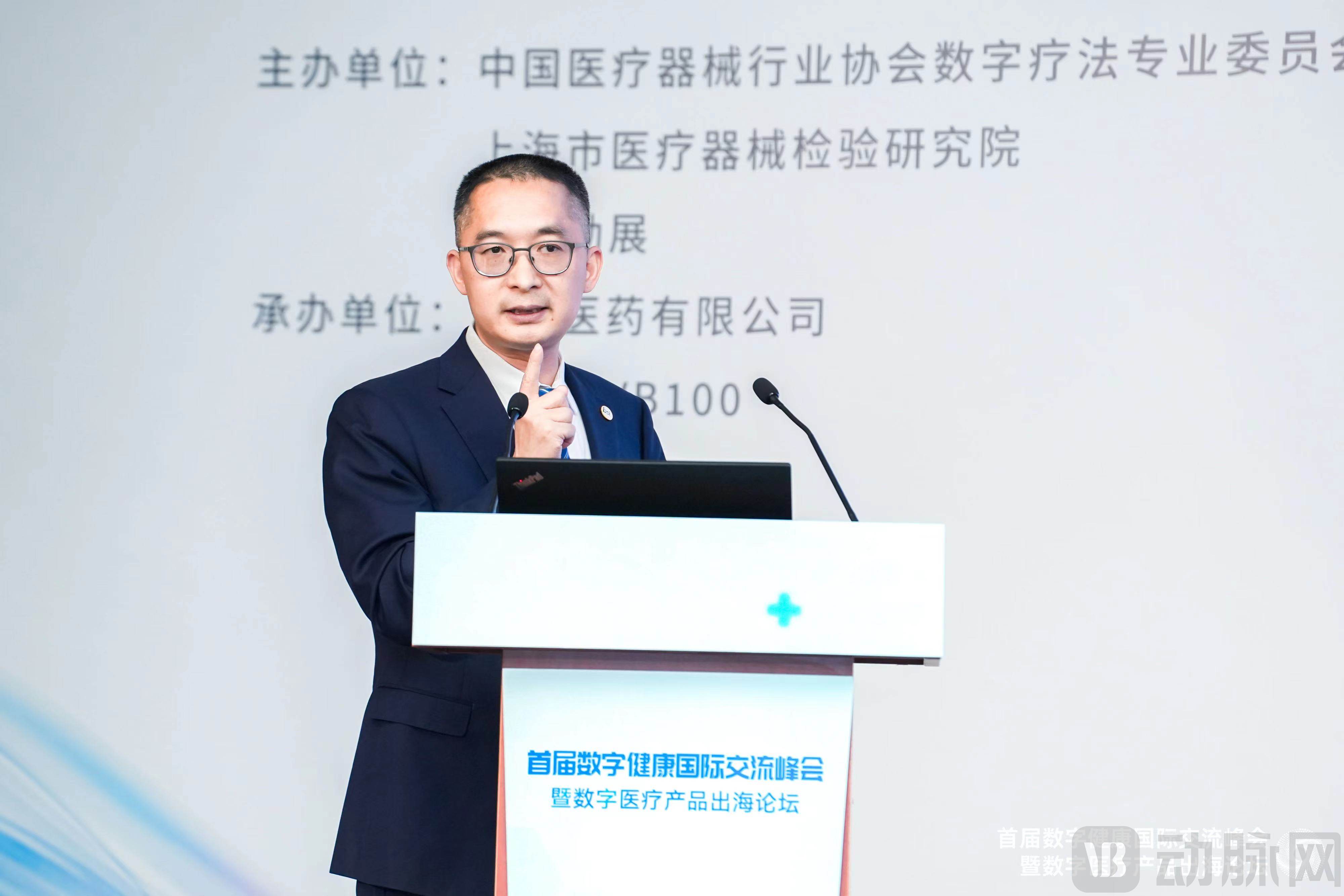
Mr. Ji Lifang then noted that medical device certification encompasses both system-level and product-level requirements, with ISO 13485 serving as the harmonized standard for quality management systems. Software product development is based on the EN 62304 standard for the software lifecycle of medical devices, while also taking into account the applicable requirements of the new health software standard IEC 82304. Both EU CE marking and UK regulations mandate usability engineering. For diagnostic and therapeutic software, in addition to meeting testing requirements and standards, it is essential to demonstrate clinical performance and deliver clinical benefits.
Finally, Mr. Ji Lifang provided an outlook on UK regulations. Following Brexit, the UK will enact its own regulatory framework, which is expected to remain broadly aligned with EU regulations in general. With the introduction of future regulations, the UK may adopt a more open approach, such as recognizing MDSAP certification and approvals from other countries.
Finally, the roundtable discussion session, inLiu Chongsheng, Director of the Software and Cybersecurity Division, Shanghai Institute for Medical Device TestingUnder the auspices of,Fan Bo, Founder of Huanyu Medical; Wang Xiaomei, CEO of Hangzhou Yice Technology Co., Ltd.; Ji Lifang, Director of Medical Device Business, China Region, BSI (British Standards Institution); Zhang Bo, Business Development Manager, Medical Business, Asia-Pacific Region, UL; and Jin Man, General Manager of the Video Division, Zeqiao MedicalAround"How Digital Health Products Can Break Through to the Global Market Amid Homogeneous Competition"A heated discussion ensued.
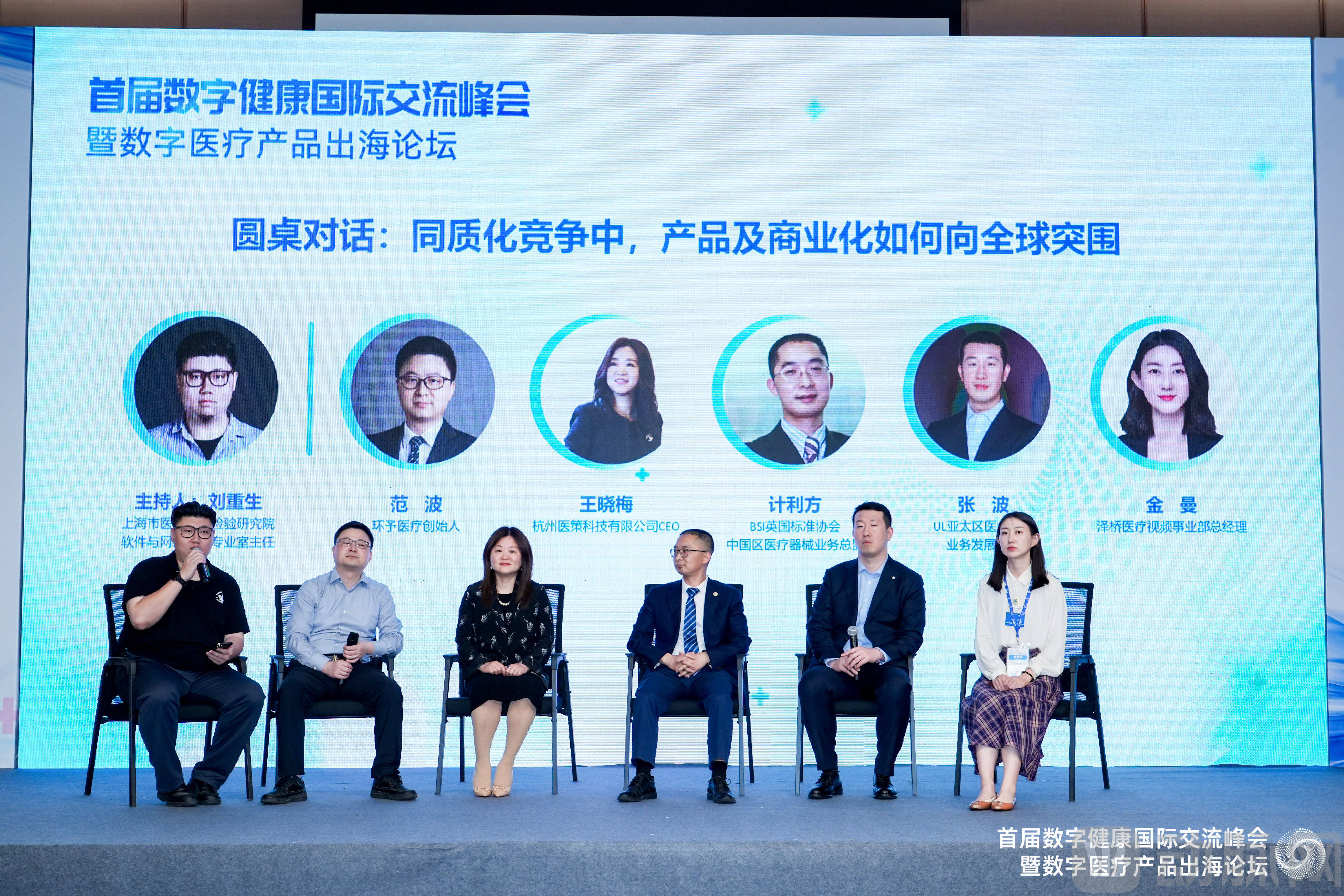
Fan Bo, Founder of Huanyu MedicalRegarding digital software products, pilot studies and validation are critical; this is particularly true for AI-based medical software developed in China, where these two aspects must be prioritized. Companies can conduct comprehensive planning prior to clinical trials to reduce costs and improve efficiency. With global expansion as the objective, companies should fully leverage clinical trials by utilizing the resulting data for domestic innovation applications, as well as for regulatory submissions in the European Union and to the U.S. Food and Drug Administration (FDA). Alternatively, companies may consider conducting clinical trials abroad first; obtaining overseas clinical trial data before submitting for domestic approval can provide a competitive advantage during market promotion. This is because stringent quality requirements in international markets mean that having overseas clinical trial data offers substantial benefits.
Wang Xiaomei, CEO of Hangzhou Yice Technology Co., Ltd.Yicai Technology is an AI-powered medical device company specializing in in vitro diagnostics (IVD). In its global expansion, the company adopts a dual-pronged strategy: focusing on brand building and communication while simultaneously re-engaging with distributors. Digital health products must demonstrate their specificity and sensitivity in real-world clinical settings to deliver true value. Therefore, digital medical device companies must leverage local system integrators to supplement their R&D teams, deploying software-based medical device products locally and ensuring model generalization. Companies selling AI-driven software medical devices must ensure that overseas customers do not become inactive; they must engage system integrators who can facilitate actual product adoption, enabling customers to realize tangible value for their investment.
Ji Lifang, Director of Medical Device Business, BSI ChinaIt is believed that following Brexit, the requirement for an additional UKCA certification may impose a burden on enterprises. However, BSI currently offers integrated services, allowing companies to apply for certifications in both markets simultaneously. BSI consolidates this into a single audit or assessment and issues two separate certificates. After Brexit, BSI established a new Notified Body in the Netherlands to continue providing EU CE certification services, while also serving as a UK Approved Body to provide UKCA certification services. The UK’s existing medical device regulations still align with the Medical Devices Directive (MDD). New regulations are expected to be introduced in the future, which will maintain a high degree of alignment with EU regulations, thereby ensuring that the regulatory burden on enterprises does not increase significantly. As the second-largest market in Europe, the UK strongly encourages innovation. The Medicines and Healthcare products Regulatory Agency (MHRA) has established specific approval pathways for innovative products. Furthermore, the UK government actively encourages Chinese enterprises to invest in the UK and offers numerous supportive policies.
Zhang Bo, Business Development Manager, UL Healthcare, Asia-Pacific RegionIt is noted that North America remains the largest export destination for Chinese medical devices, accounting for one-third of the total. As the world’s first and second-largest economies, the United States and China will maintain their interdependent relationship for a considerable period. Nevertheless, the presence of Chinese medical devices in the U.S. market remains low, and the challenges of entering this market are substantial. The regulatory requirements of the U.S. Food and Drug Administration (FDA) are relatively stricter than those in China; therefore, collaboration may represent the most viable path forward. From a regulatory perspective, all guidance issued by the FDA directly reflects its actual review experience and expectations for products. For instance, the draft guidance on software functions clearly indicates the FDA’s desire for more objective evidence. For product categories such as digital therapeutics, clinical evidence is of paramount importance. To truly demonstrate value, the integration of big data and artificial intelligence (AI) will inevitably be required in the future.
Jin Man, General Manager of the Video Business Division at Zeqiao MedicalZeqiao is engaged in medical communication within the healthcare sector, serving clients that include both multinational corporations and domestic enterprises. By gaining insights into local cultures and values, Zeqiao delivers targeted brand promotion through initiatives such as public welfare activities, academic publications, short-video content operations, and participation in industry conferences. Chinese pharmaceutical and medical device companies are relatively less mature in their global expansion efforts, whereas foreign companies benefit from substantial funding, strong commitment, and well-established systems. While domestic companies can emulate the approaches of their foreign counterparts, they must ensure the rational allocation of budgets. When promoting products locally, it is essential to collaborate with local partners, whose deeper understanding of the market enables companies to develop marketing strategies that truly meet local demands.
Centered on the theme of global expansion for digital health and digital medical products, this forum featured multiple speakers who shared insights on opportunities for market entry, strategies for accelerated localization, promotional approaches for digital health products, standards for digital health software, and international regulations governing digital health. These discussions provided professional reference for Chinese digital medical enterprises seeking to enter the global market. Looking ahead, it is hoped that Chinese companies will make prudent use of relevant policies and laws and regulations, enhance product quality and standards, and overcome the constraints and challenges associated with international expansion.