

Innovation-Driven Leadership and Transformation: 2023 Healthy China Industry Leaders Forum Successfully Concludes
On May 21, 2023, the 2023 Healthy China Industry Leaders Forum was successfully held in Tongzhou, Beijing. The event was hosted by the PBC School of Finance at Tsinghua University, co-organized by the School of Medicine at Tsinghua University, and undertaken by VCBeat and Yifang Health Valley. It received support from the Organization Department of the Communist Party of China Beijing Tongzhou District Committee, the Administrative Committee of Zhongguancun Tongzhou Park, the Tongzhou District Bureau of Economy and Information Technology, the Tongzhou District Science and Technology Commission, the Tongzhou District Health Commission, the Tongzhou District Investment Promotion Center, the People’s Government of Huoxian Town, Tongzhou District, the People’s Government of Yongshun Town, Tongzhou District, and the People’s Government of Songzhuang Town, Tongzhou District.
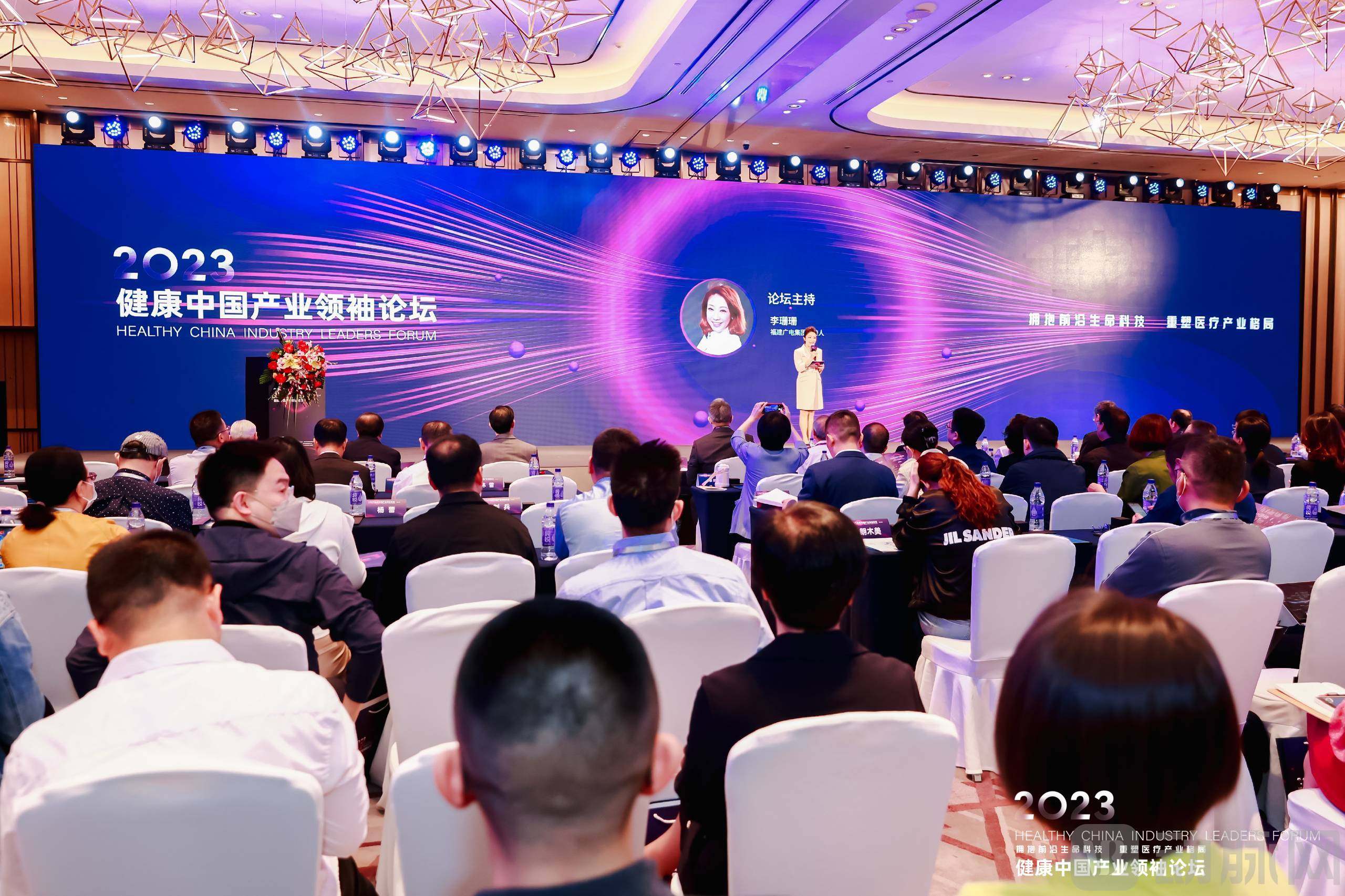
More than 60 academicians, experts, entrepreneurs, and investors from the broader health sector convened in Tongzhou to share insights and explore new patterns and developments in the industry. Discussions centered on the innovative integration of frontier technologies with healthcare, as well as the development of the biotechnology and smart healthcare industries. Gu Liangfei, Secretary of the Party Committee of PBC School of Finance at Tsinghua University and President of the Tsinghua PBC Alumni Association; Qi Hai, Dean of the School of Medicine at Tsinghua University; and Qiao Linzhi, Deputy District Mayor of Tongzhou District, Beijing, attended the event and delivered opening remarks. Also attending the forum were Zheng Hao, Deputy Secretary of the Tongzhou District Committee of the Communist Party of China and Acting District Mayor; Lin Wei, Assistant to the District Mayor of Tongzhou and Government-Appointed Expert; Huang Tianyin, Leader of the Medical Discipline at Tsinghua University, Academician of the Academy of Sciences Singapore, and Foreign Associate of the U.S. National Academy of Medicine; and Liu Bibo, Member of the Party Committee, Assistant to the Dean, and Associate Professor at PBC School of Finance at Tsinghua University.
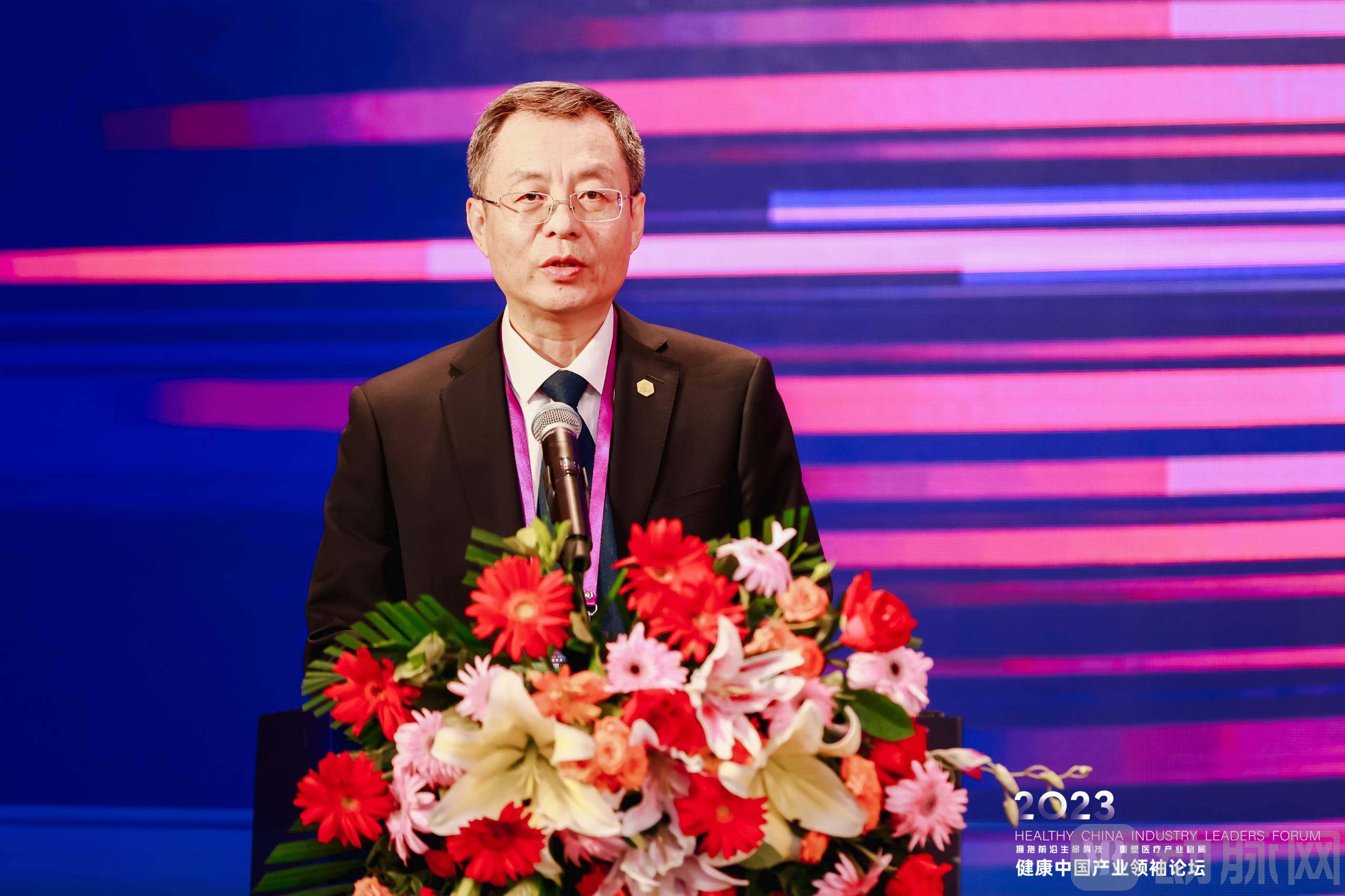
Gu Liangfei, Secretary of the Party Committee of PBC School of Finance, Tsinghua University, and President of the Tsinghua PBC Alumni AssociationHe extended his heartfelt congratulations on the successful convening of the forum. He expressed hope that the college would leverage the Tsinghua University Tongzhou Financial Development and Talent Cultivation Base project to actively participate in and promote the innovative development of finance, technology, and industry in Tongzhou, thereby better serving Beijing’s high-quality development.。
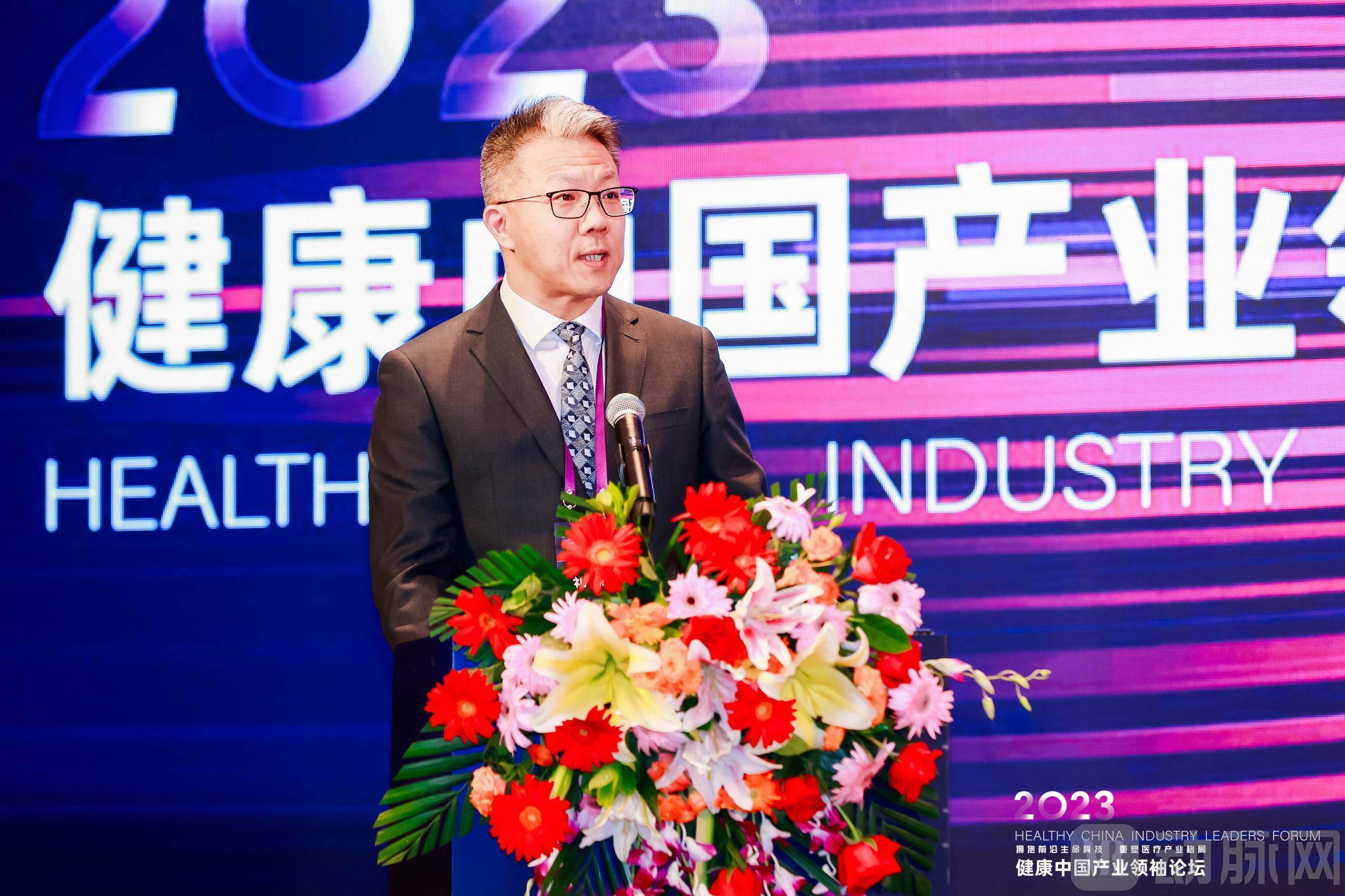
Qi Hai, Dean of the School of Medicine at Tsinghua UniversityWe extend our warmest welcome to all the leaders and distinguished guests attending this forum. In his address, he stated that this forum will connect core resources from government, industry, academia, research institutions, healthcare providers, and investors in the field of medical technology, to jointly explore ways to accelerate the industrialization of scientific and technological achievements. Tsinghua University School of Medicine is committed to working with all sectors of society to contribute to the great cause of building a “Healthy China.”
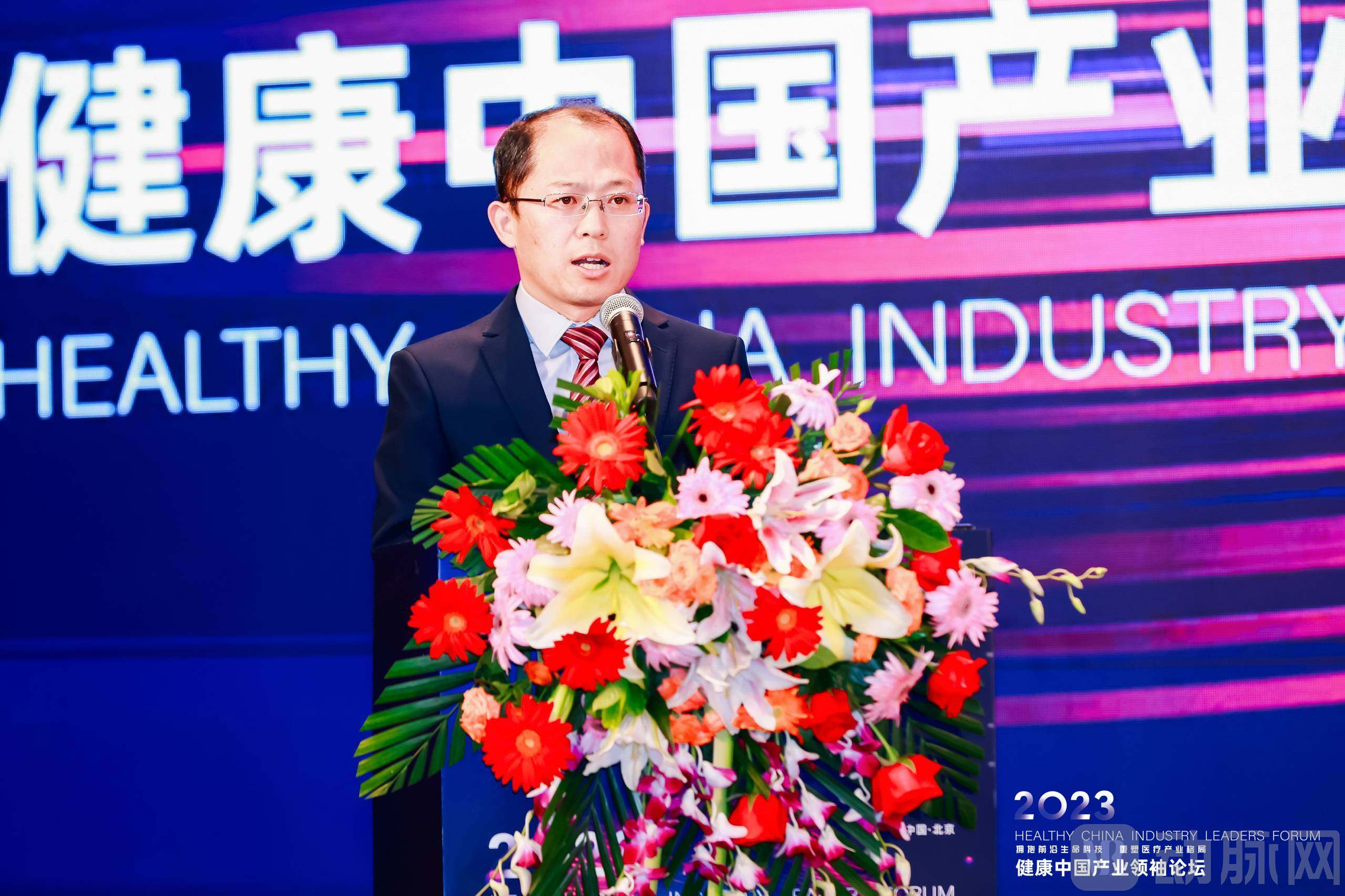
Qiao Linzhi, Deputy District Mayor of Tongzhou District, BeijingIn his address, he stated that the hosting of this forum has sounded the clarion call for the deep integration and innovation of “industry, academia, research, and medicine” in the Sub-Center. He expressed his hope to take this opportunity to solidly build the medical and health industry ecosystem in Tongzhou District, strive to create benchmark demonstration projects, significantly enhance the competitive level of the pharmaceutical and health industries in the Sub-Center, and promote industrial cluster development. Finally, he wished the forum a complete success.
This forum brings together numerous industry leaders to share insights and engage in multi-perspective, multidimensional discussions on the development trajectory and future trends of the big health industry empowered by cutting-edge technologies.
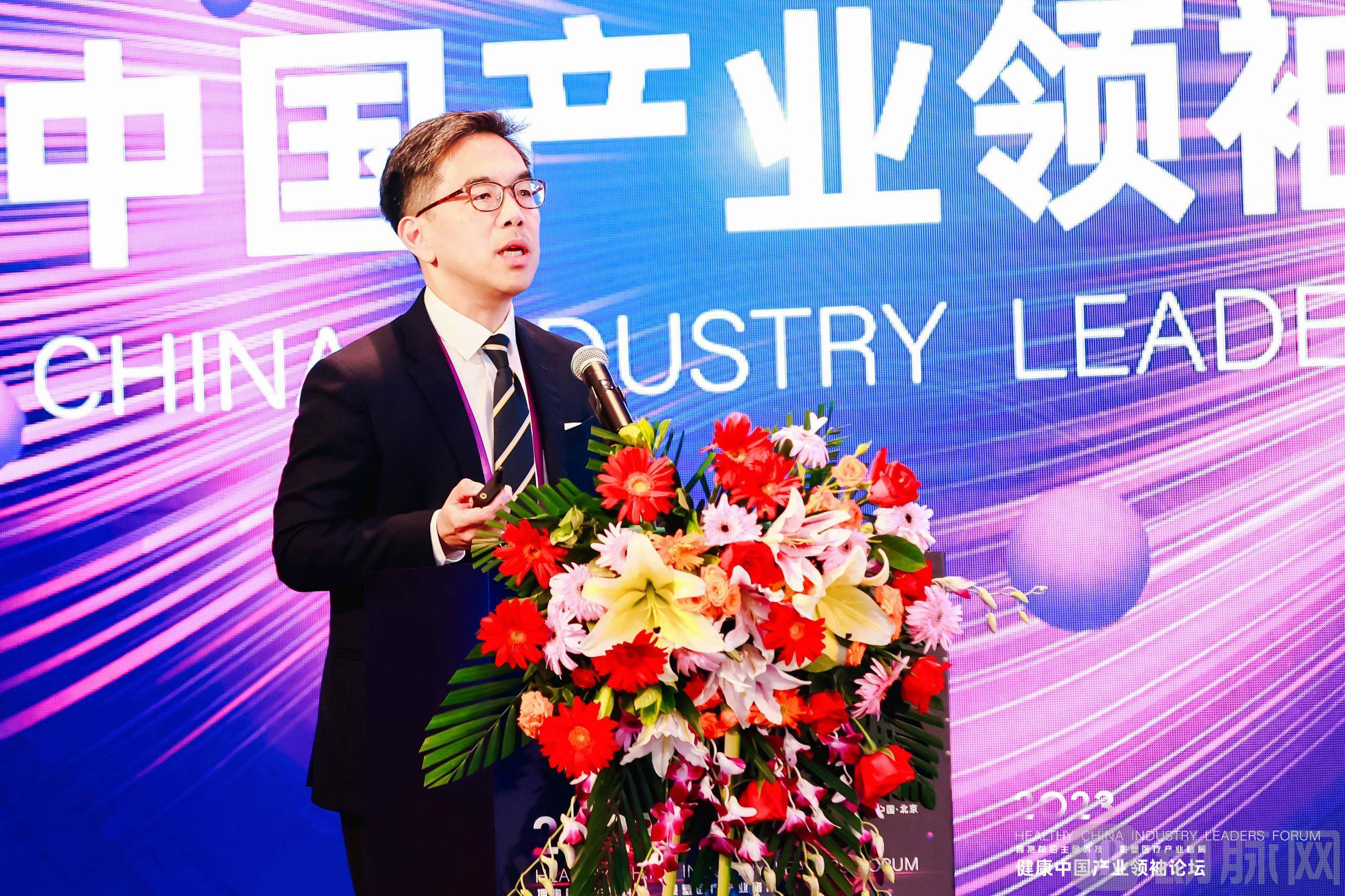
At the main forum held in the morning,Huang Tianyin, Leader of the Medical Discipline at Tsinghua University, Academician of the Academy of Science Singapore, and Foreign Associate of the U.S. National Academy of MedicineHe delivered an opening presentation titled “Healthcare Challenges in China - Personal Observation and International Perspectives.” Starting from the current and future challenges facing China’s healthcare sector, he shared insights on model reform, system innovation, medical innovation, talent development, and other key considerations.
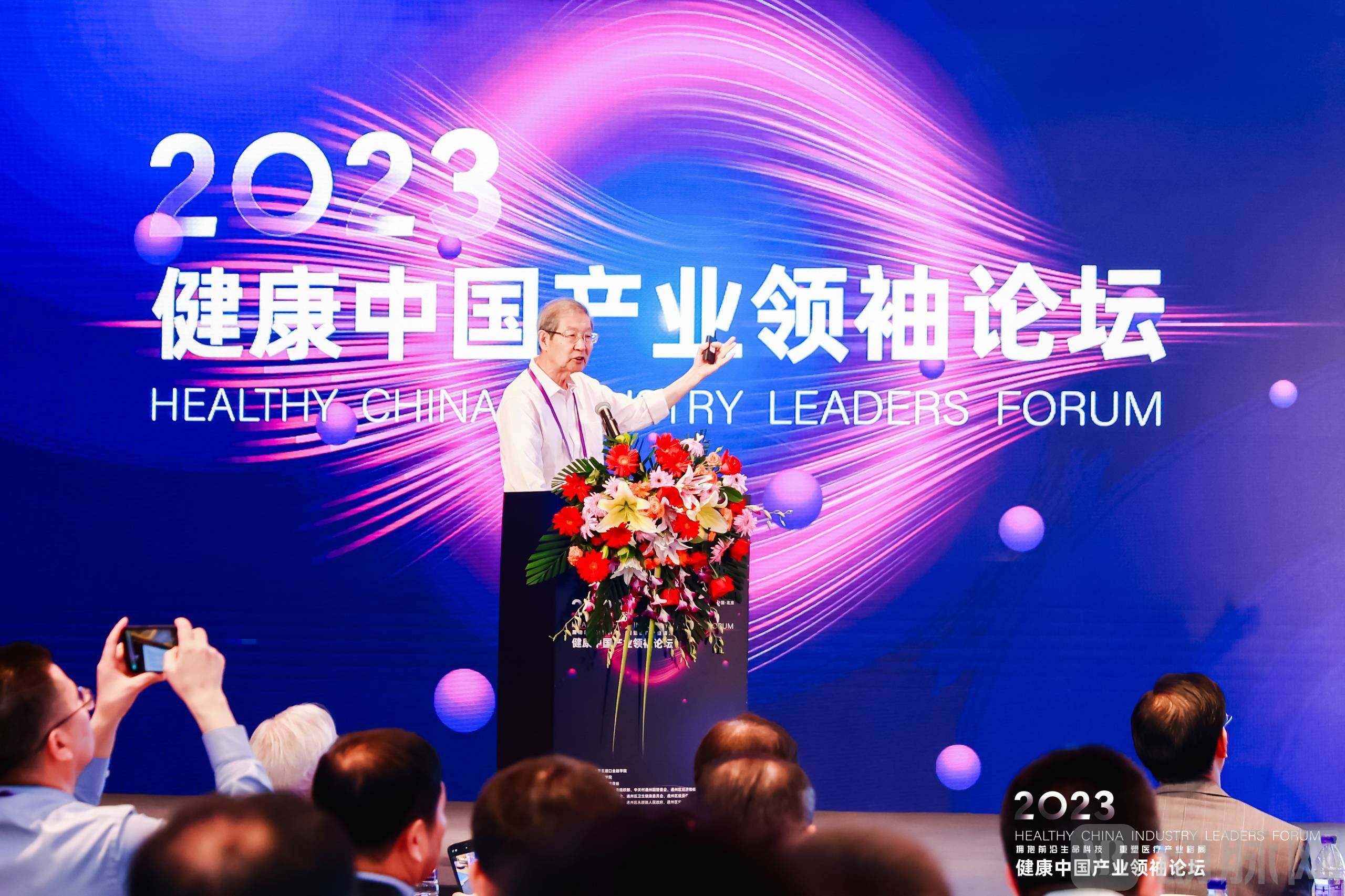
Academician of the Chinese Academy of Sciences, Academician of the Eurasian Academy of Sciences Chen RunshengIn the keynote speech titled “Big Data, Precision Medicine, and Artificial Intelligence,” he shared frontier advances in artificial intelligence and large-model research, arguing that the development of AI is profoundly dependent on structural factors and will yield unexpected outcomes in the future.
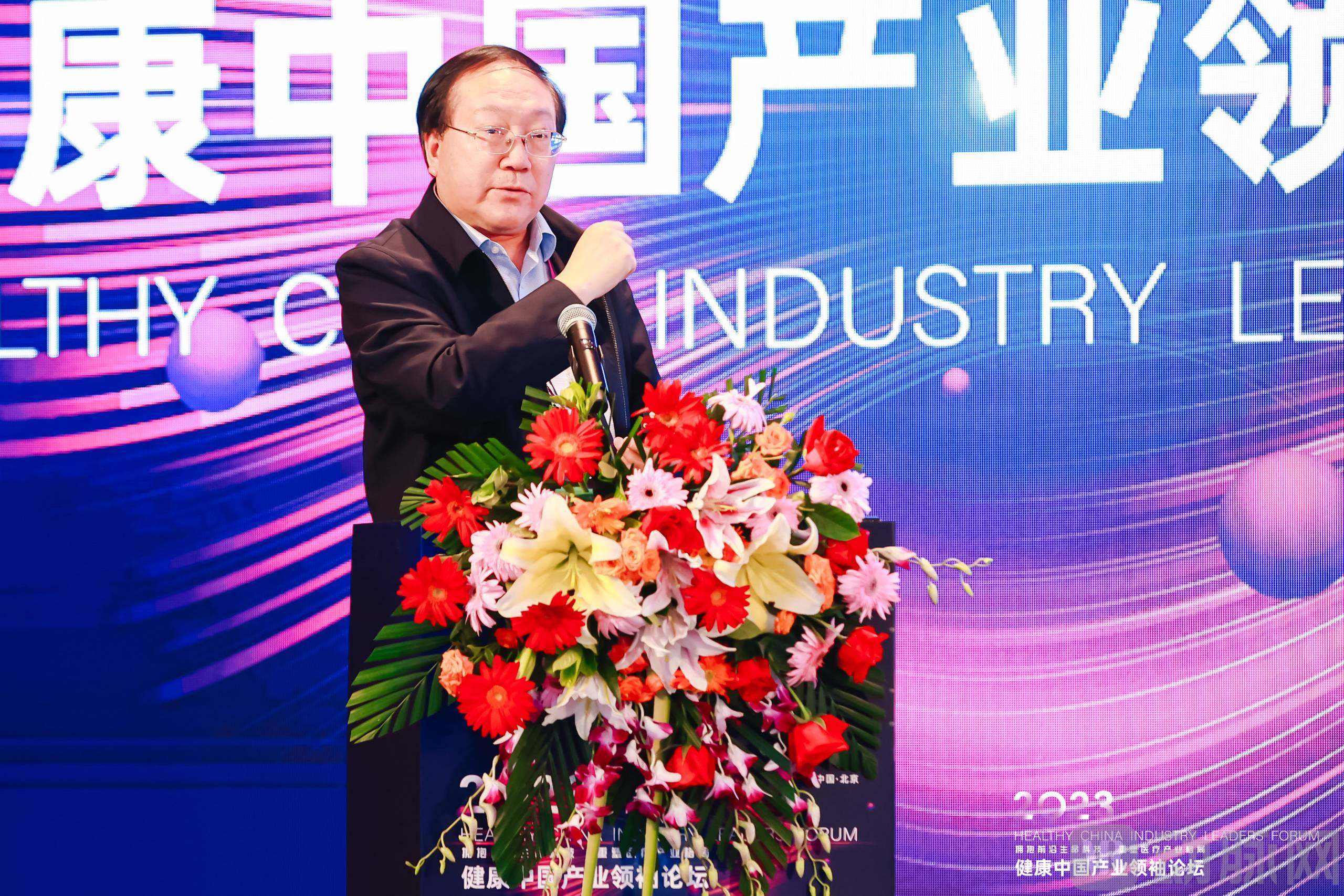
Jiang Tianzi, Research Fellow at the Institute of Automation, Chinese Academy of Sciences, and Foreign Member of Academia EuropaeaIn his thematic presentation titled “Brain Health and Smart Healthcare in the Digital Age,” he briefly introduced the modes of integration between artificial intelligence development and healthcare, summarizing that “large language models represent one pathway for the development of artificial intelligence, but not the only one.”
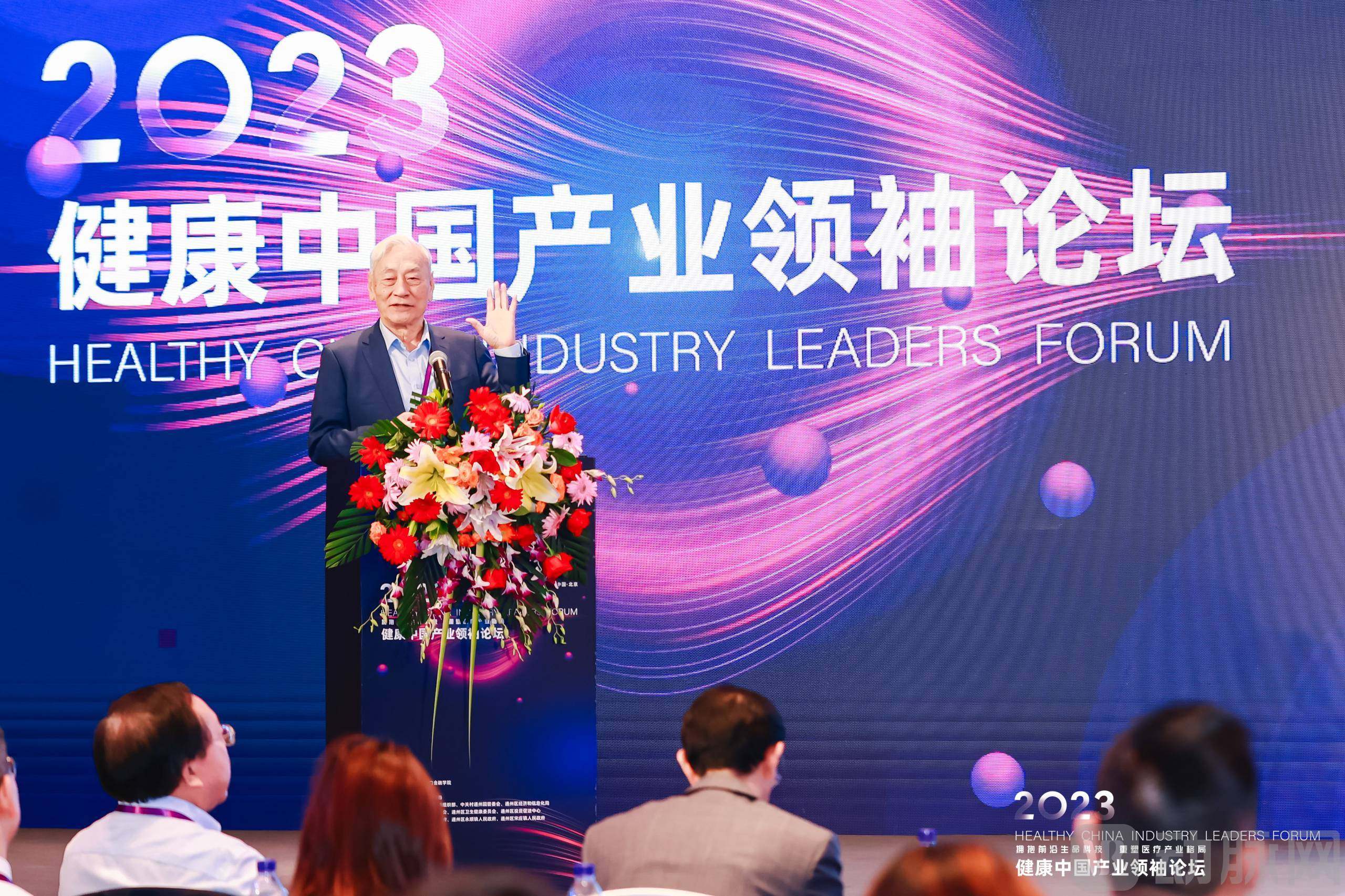
Chen Shiqing, Member of the American Academy of Arts and Sciences and Member of the U.S. National Academy of EngineeringHe delivered a keynote speech titled “Frontier Research and Industrial Translation in Brain Science, AI, and Intelligent Supercomputing.” He argued that the relationship between artificial intelligence and humans should be defined as follows: the human brain excels at innovative thinking and should focus on generating creative ideas, while AI handles routine tasks. The development of artificial intelligence will drive progress in other scientific fields.
From a global perspective,Yang Jianguo, Chief Strategy Officer of China Resources BiopharmaceuticalsHe shared insights on “Progress in Biologic Drug Development.” He discussed the evolution of innovative drugs, hot therapeutic areas, cutting-edge advances, and development trends. In his conclusion, he stated, “AI should be integrated across all sectors, holding significant promise for biopharmaceuticals.”
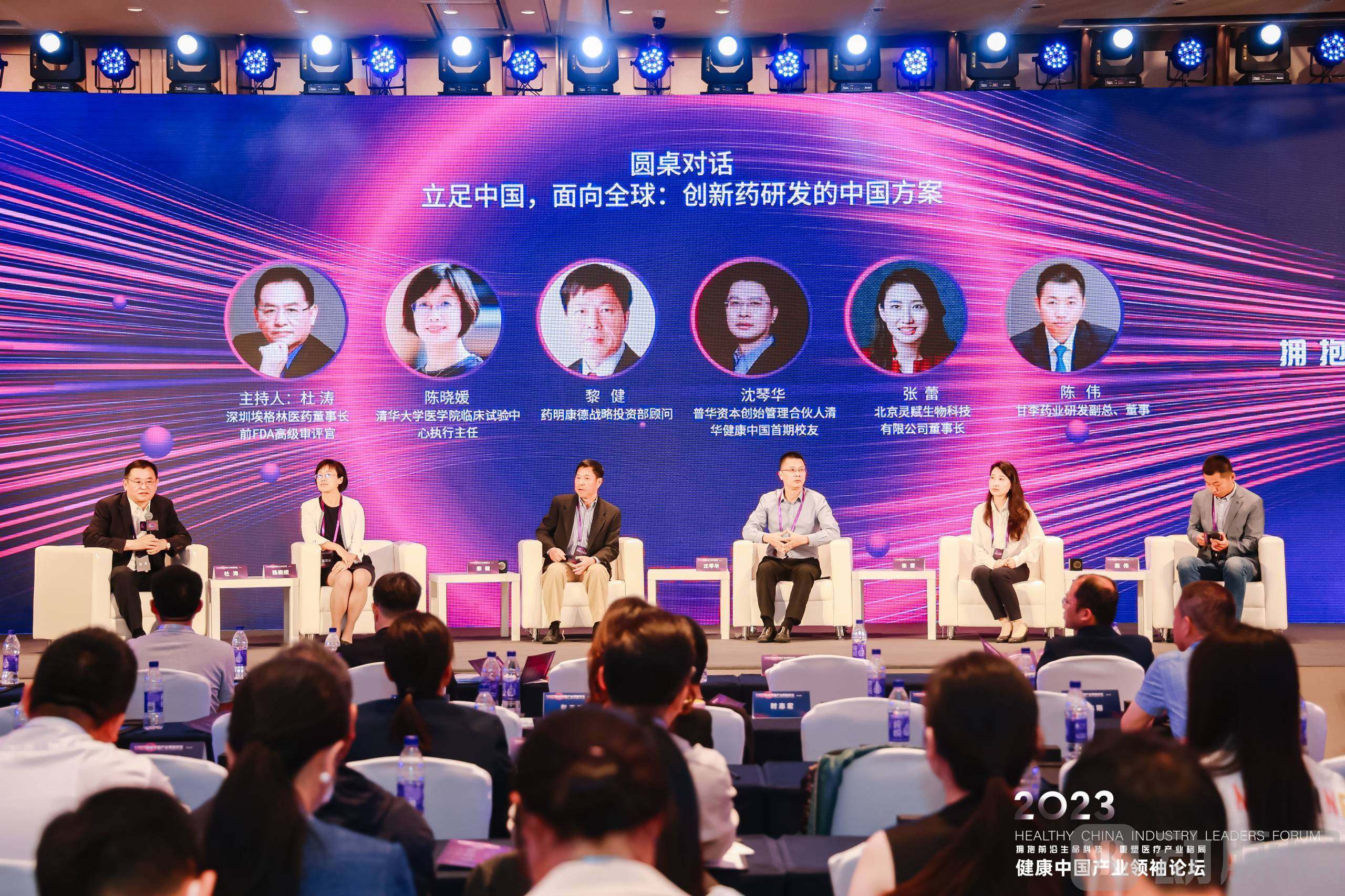
Roundtable Discussion, atDu Tao, Chairman of Shenzhen Eaglet Pharma and Former Senior Review Officer at the FDAPresided over by,Chen Wei, Vice President of R&D and Director at Gan & Lee Pharmaceuticals; Chen Xiaoyuan, Executive Director of the Clinical Trials Center at Tsinghua University School of Medicine; Li Jian, Advisor to the Strategic Investment Department at WuXi AppTec; Shen Qinhua, Founding Managing Partner at Puhua Capital; Zhang Lei, Chairman of Beijing Lingfu Biotechnology Co., Ltd.Participants shared insights and engaged in discussions centered on the theme “Rooted in China, Oriented Globally: The Chinese Approach to Innovative Drug R&D.” The exchange of perspectives among industry, research, and investment stakeholders sparked vibrant dialogue, yielding many memorable quotes such as, “The integration between academia and industry is becoming increasingly close and moving further upstream,” and “In the development of innovative drugs, differentiation is paramount; one must cultivate distinct features and highlights. Even in a highly competitive landscape, you can still secure a leading edge.”
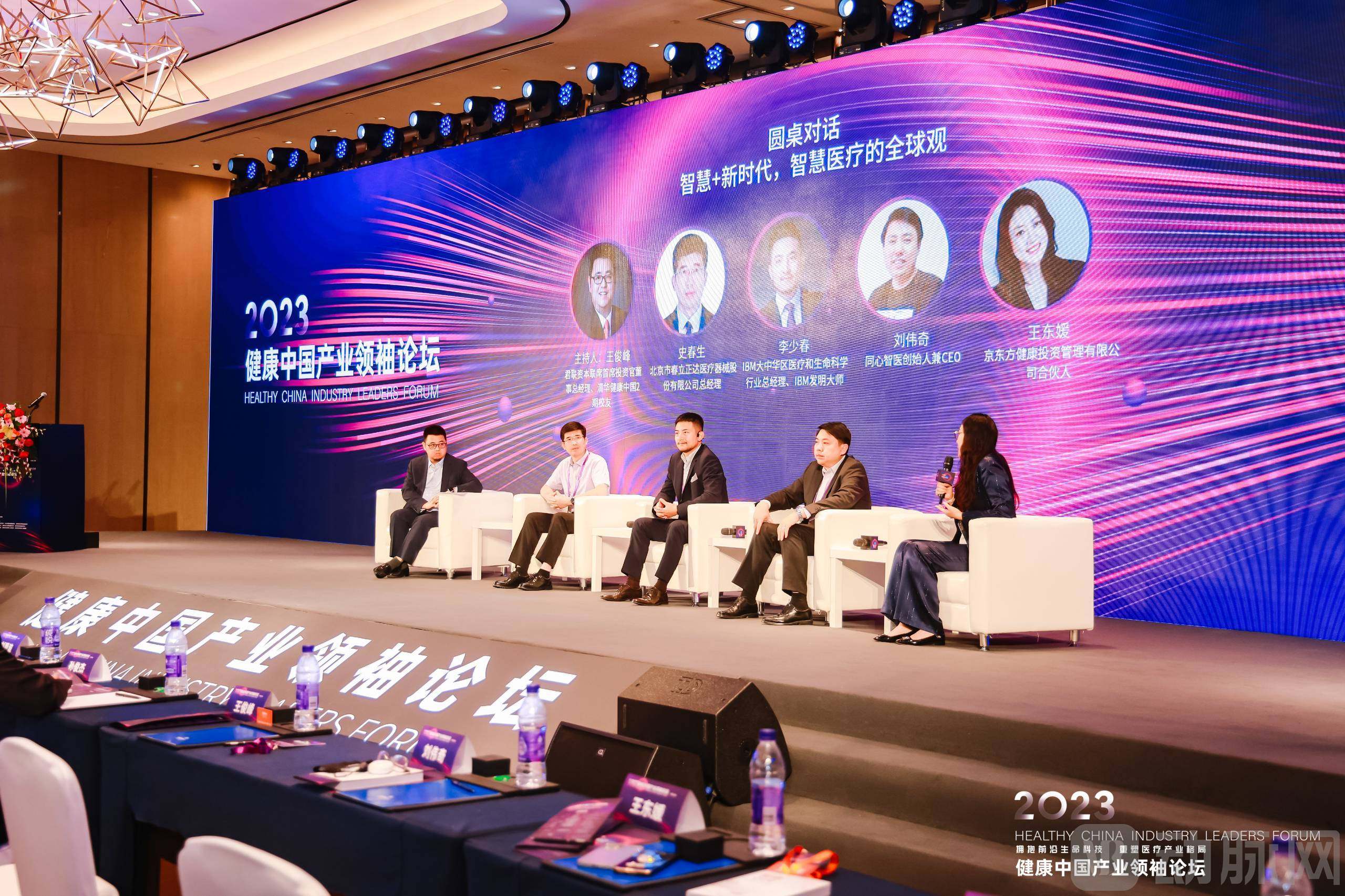
The themed roundtable discussion, “Smart+ New Era: A Global Perspective on Smart Healthcare,” was equally compelling. InJunlian Capital Co-Chief Investment Officer and Managing Director, Wang Junfengpresided over by, NorthShi Chunsheng, General Manager of Beijing Chunli Zhengda Medical Instruments Co., Ltd.; Li Shaochun, General Manager of IBM’s Healthcare and Life Sciences Industry for Greater China and an IBM Master Inventor; Liu Weiqi, Founder and CEO of Tongxin Zhiyi; and Wang Dongyuan, Partner at BOE Health Investment Management Co., Ltd.From the perspectives of challenges in application and payment, as well as global trends, this analysis examines the development and trends of smart healthcare in terms of clinical applications, technological breakthroughs, and commercialization.
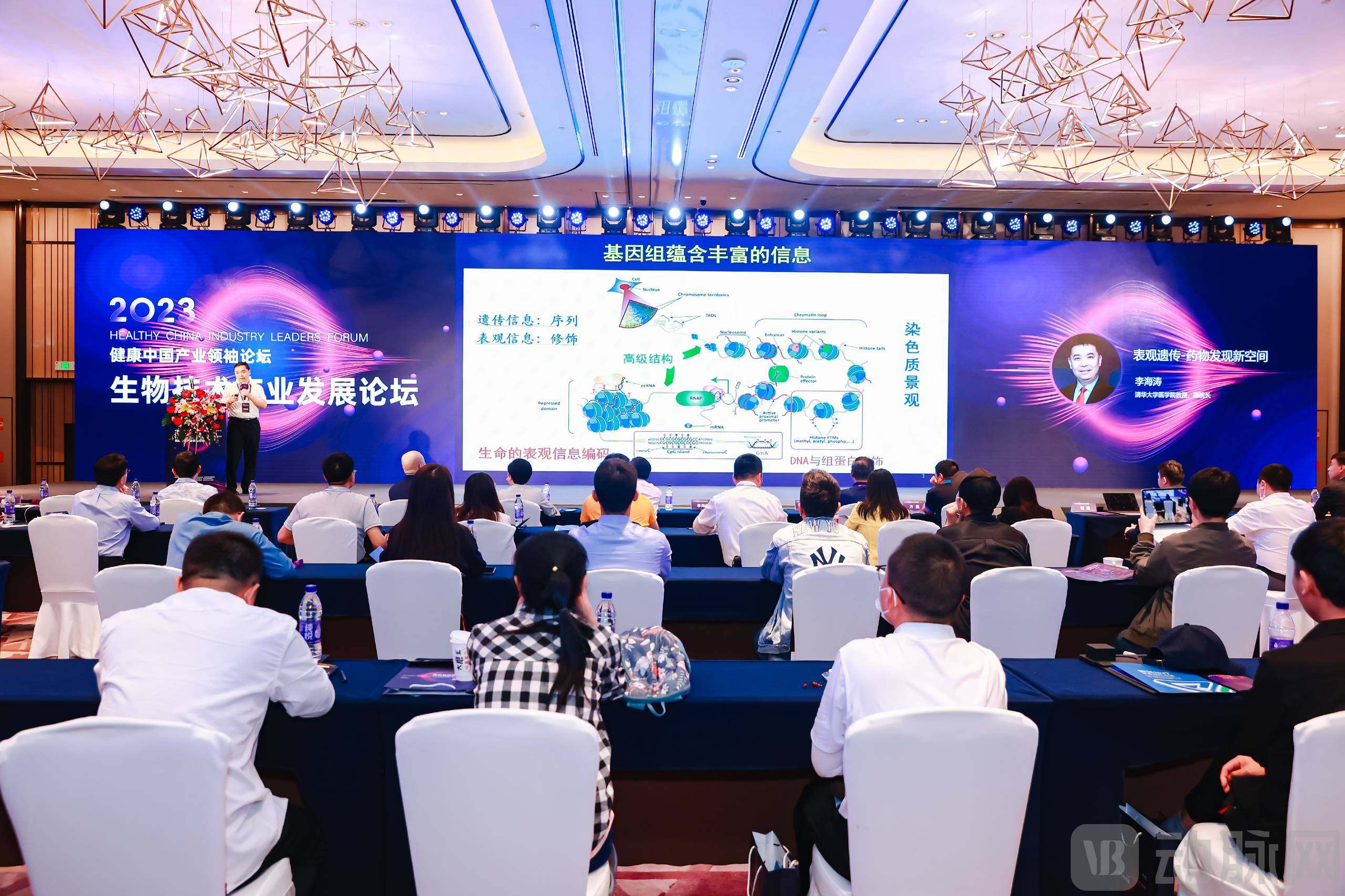
The rapid development and breakthroughs in biotechnology are fostering new momentum for the future of human life sciences. What are the cutting-edge advancements and innovative R&D efforts in biotechnology within the healthcare sector? What new opportunities lie ahead? How can biotechnology and artificial intelligence, two frontier scientific technologies, achieve innovative integration and upgraded development?
In theLei Li, Chief Operating Officer of Genetron HealthAt the "Biotechnology Industry Development Forum" that he/she presided over,Li Haitao, Professor and Vice Dean of the School of Medicine, Tsinghua UniversityHe shared his insights into new drug development, arguing that the discovery of epigenetic factors and their functions has opened up an entirely new frontier for the development of novel therapeutics.Fu Yangxin, Chair Professor at Tsinghua University School of MedicineHe shared his team’s research findings: interferon not only aids in antigen purification but also activates antigen-presenting cells, thereby significantly enhancing vaccine efficacy and giving rise to the latest design concept for protein-based vaccines.Fang Yi, Director of the Phase I Clinical Trial Research Center, Peking University People's HospitalIt is believed that if tumor cells are reprogrammed in vivo to become induced pluripotent stem (iPS) cells, this will have significant implications for the treatment of human diseases, particularly major chronic diseases, and will represent a new direction for the next five to ten years.Xu Junpu, Chairman and CEO of Beijing Yacombio Biotechnology Co., Ltd.He summarized the challenges and opportunities of LDT application in China, stating that for precision oncology, molecular diagnostics, and companion diagnostics, the PCR technology platform is more suitable for the IVD model, while next-generation sequencing (NGS) is better suited for the LDT model. NGS is a new genomic sequencing methodological platform based on bioinformatics.Wang Ziyu, Vice President of Haier Shi Biomedical Co., Ltd.She shared the company’s R&D innovation projects in the field of precision oncology, stating that bio-3D printing technology can buy patients valuable treatment time and achieve the goal of precision medicine through “avatar-based drug testing.”Tong Yunguang, Founder of Aoming Gene/Aoming BiologyHe provided a detailed explanation covering three key areas: the in-depth understanding of tumors, the research and development of mRNA therapeutics, and the application of mRNA drugs—particularly circular mRNA—to address tumor immune evasion. He believes that programmable mRNA therapeutics offer new solutions for tumors driven by complex pathogenic factors in clinical settings. Next,Song Wei, CEO of Guoxin Medicine; Xie Zhen, Associate Professor in the Department of Automation at Tsinghua University; Qi Xiaowen, Vice President of ImmuOnco; Yan Sunxing, Co-founder of Saijun Biopharma; and Zhang Yincheng, Partner at Hankang Capital,Hosted byYang Jin, Partner at Songhe Capitalmoderated a compelling dialogue centered on the theme “From R&D to Industry: Opportunities and Challenges in Cell and Gene Therapy.”
Exploring New Frontiers, Charting a New Blueprint
Seeking the Optimal Solution in the Era of Smart Healthcare+
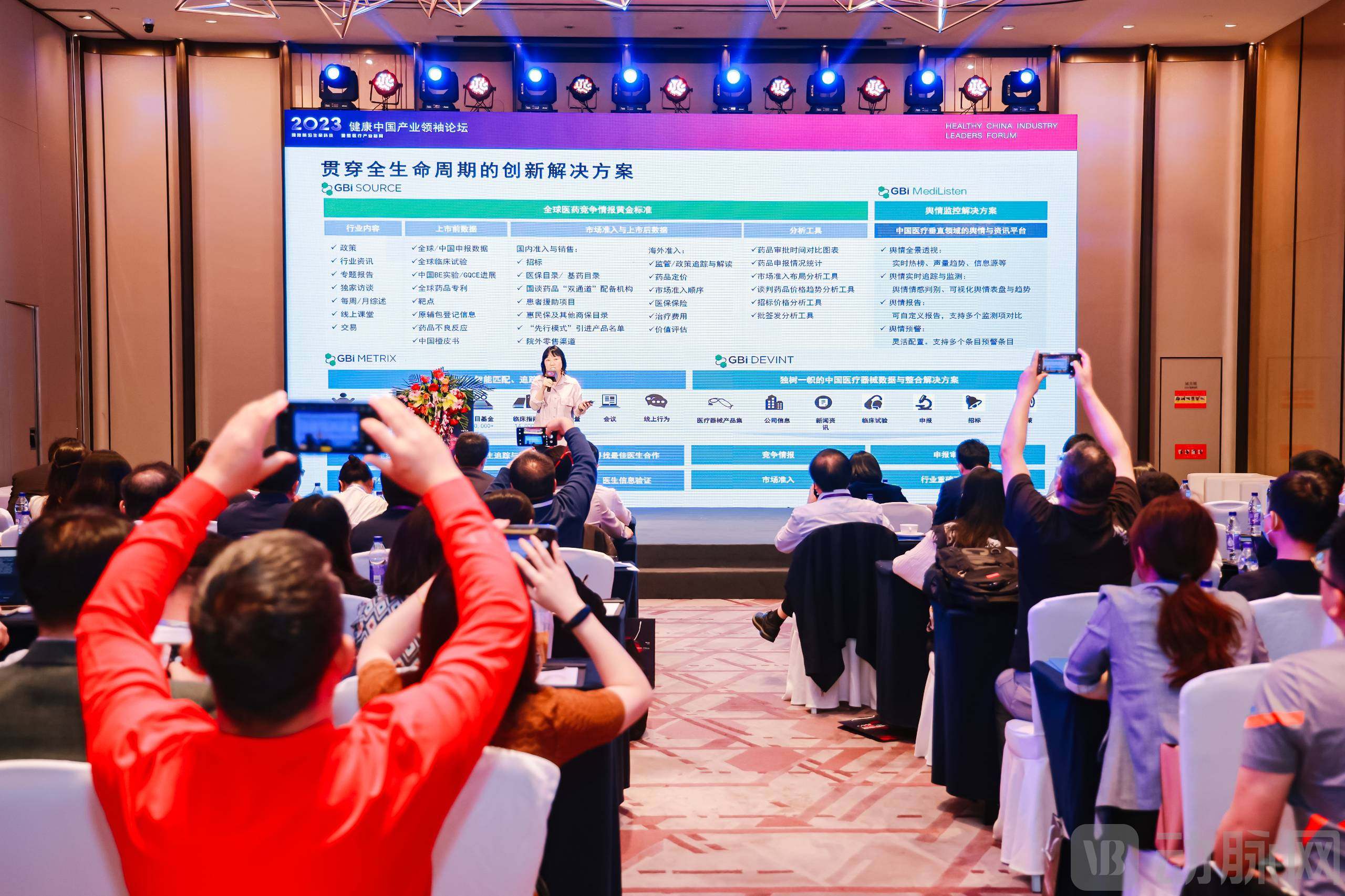
Currently, we are entering the 3.0 era of standardized, high-quality development in digital health, with smart healthcare continuously driving innovative integration. Against this backdrop, what transformations are reshaping the smart healthcare industry? Where do future trends point? What are the pain points hindering the innovation-driven development of the broader health industry empowered by digital technologies, and what are the corresponding solutions? These topics were explored through insightful presentations and dialogues among panelists at the Smart Healthcare Industry Forum.
The forum is organized byZhang Haodong, Founder, Chairman, and Chief Investment Officer of Anhui InvestmentModerator.IEEE Fellow, President and Co-Chairman of BCI Medical, and Former General Manager of Siemens North America Innovation Venture Capital, Chenyang XuAI is believed to accelerate and enhance efficiency across all stages of the complex continuum—from surgical instrument development and drug discovery to the final treatment process—thereby equipping physicians with more tools to combat cancer and save patients.Wu Tingting, Head of Innovative Businesses at Baidu Health Business Group and General Manager of GBITaking GBI’s existing end-to-end solution for pharmaceutical companies as an example, it is pointed out that GPT technology has four aspects most relevant to the development of healthcare: first, enhanced natural language understanding capabilities; second, reduced need for human intervention in model building; third, powerful knowledge expansion and creation capabilities; and fourth, multimodal input.Zhang Xin, Chairman and General Manager of Zhongke Borui (Beijing) Technology Co., Ltd.Provides a detailed introduction to innovative research and practical applications in three areas: stroke detection, monitoring methods required for stroke patients, and assessment of brain function during the rehabilitation phase.Chen Kun, General Manager of the Marketing and Branding Center at Thinker MedicalDigital healthcare can continuously enhance the accessibility of medical services, improve healthcare quality, and boost clinical efficiency. In advancing digital transformation, healthcare institutions are increasingly focusing on technological innovations and intelligent applications in digital health that are specialized by discipline, tailored to specific diseases, refined in precision, and adapted to regional needs.Liu Xinhui, Senior Partner at Zhong Lun Law FirmThrough 10 vivid real-world cases, this article illustrates that smart healthcare enterprises should prioritize compliant financing and initial public offerings. Only by courageously confronting the numerous legal and capital market challenges from the outset can they identify more cost-effective solutions.Liao Hongen, Professor and Vice Dean of the School of Medicine at Tsinghua UniversityFrom the perspective of scientific and technological research, he outlined his understanding and reflections on smart healthcare. He expressed the hope that, through the integration of industry, academia, and research—spanning from basic science to clinical practice and ultimately to application—we can jointly promote the translation and development of innovative medical devices. Centered on the theme “Returning to the Essence of Healthcare and Addressing Clinical Challenges: Implementation of Smart Healthcare Scenarios Amid Technological Transformation,”Ge Liang, Founder of Diannei Technology; Shen Shuo, Co-founder and CEO of Bosh Medical; Shu Xiao, Managing Partner at Shengding Investment Management; Zhang Feng, Chairman of Osida Medical Device Industry Group; Song Tao, Chairman of Hangzhou Mijia Health Group Co., Ltd.sparked a vibrant discussion. This roundtable dialogue was moderated byLi Qian, Founder of Yihe NiServed as the moderator.
Painting a New Blue Ocean of Development with Innovation as the Foundation
Six Premium Tsinghua-affiliated Projects Take the Stage
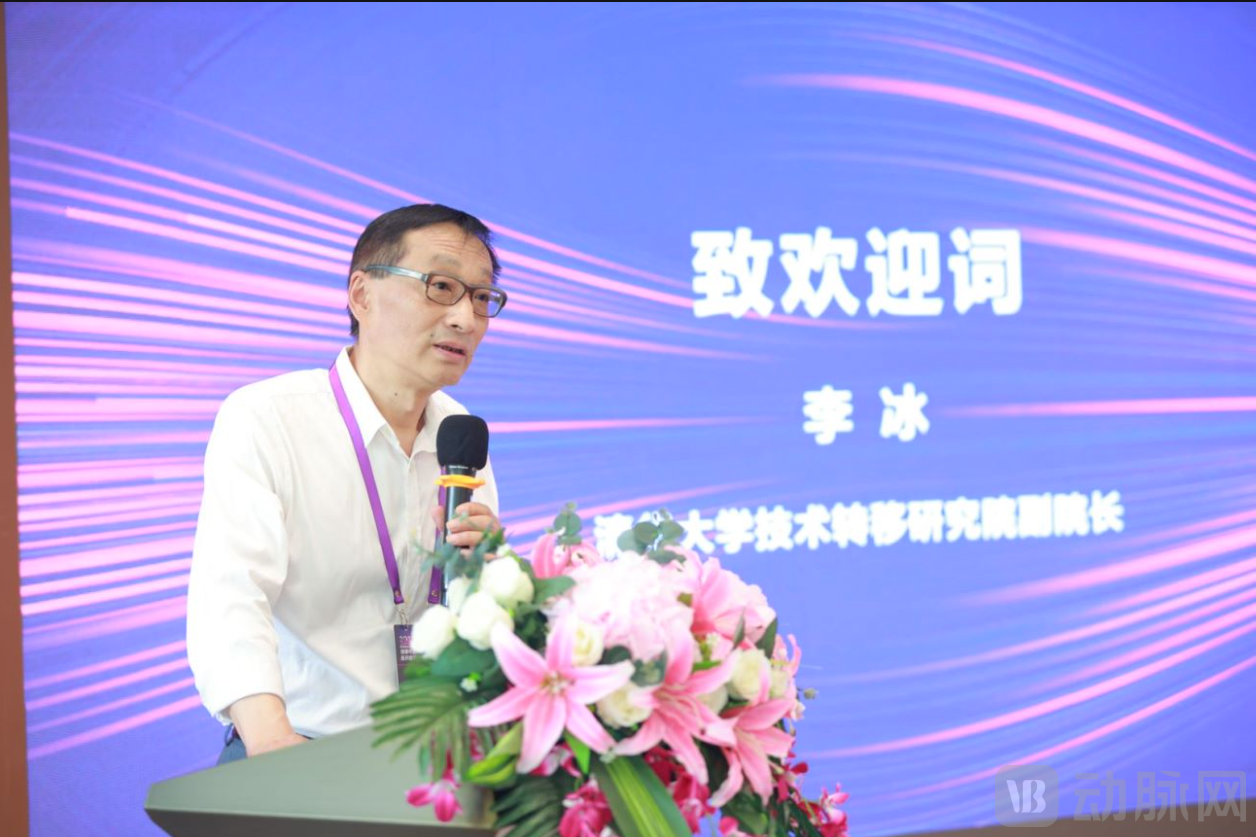
The 2023 Pharmaceutical and Healthcare Innovation Project Roadshow, held concurrently with the forum, took place at Yifang Health Valley. Prior to the official commencement of the roadshow,Li Bing, Deputy Dean of the Institute for Technology Transfer, Tsinghua UniversityDeliver a speech.
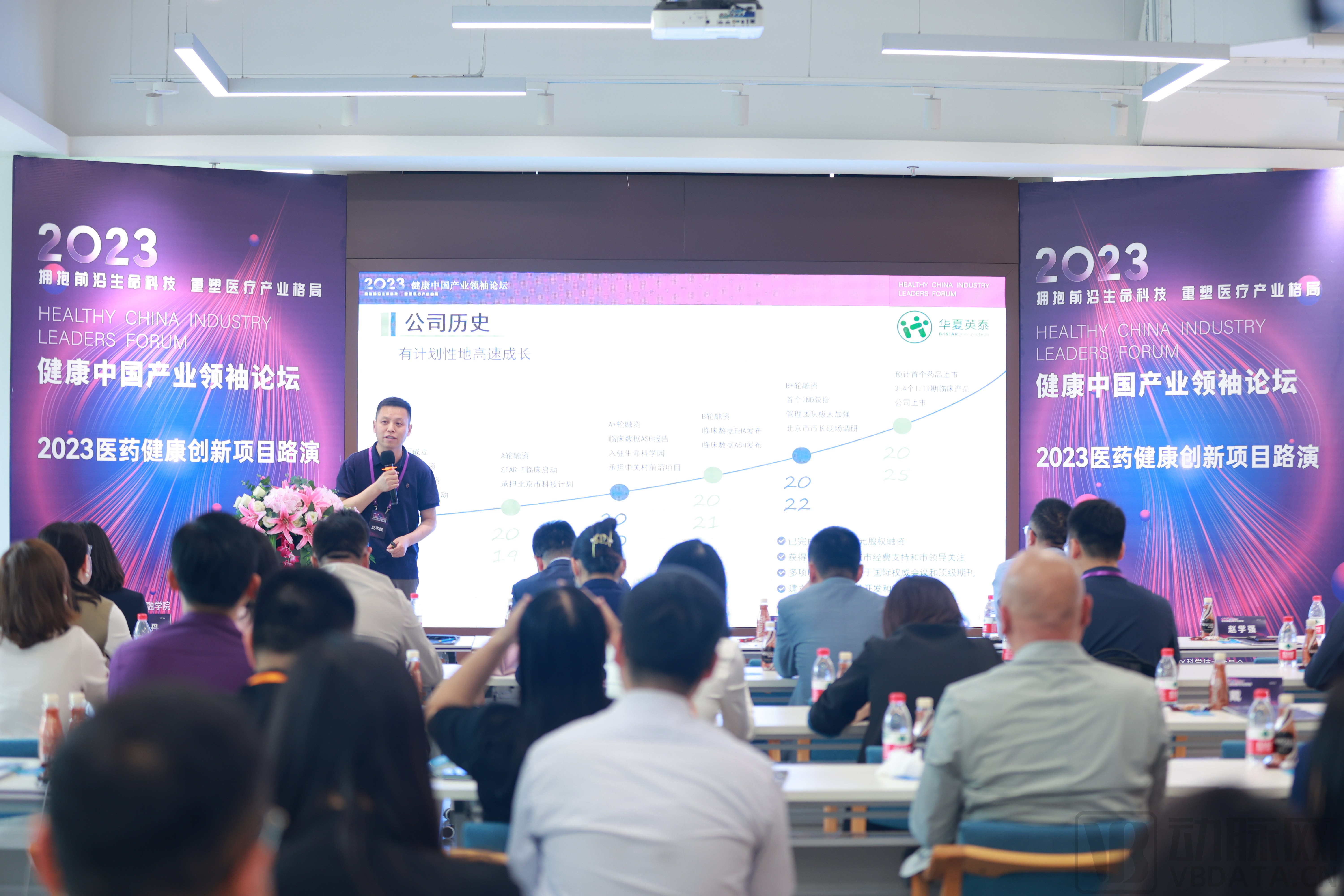
Fifteen industry, research, and investment experts from Legend Capital, Puhua Capital, Danlu Capital, Hetang Venture Capital, the Eight Venture Capital Funds of the Chinese Academy of Sciences, Gan & Lee Pharmaceuticals, Shengfang Pharmaceutical, Hongyu Xiangji, Ketian Technology, Nanjing Zhizhen Medical, Jijia Medical, and the China Association for Medical Devices served as project reviewers. Six high-quality innovative projects affiliated with Tsinghua University—Shuimu Future, Huaxia Yingtai, Tuoling Botai, Huawei Hengyuan, Qinghui Liannuo, and Huakan Biotechnology—were presented on-site, facilitating in-depth exchanges with the reviewers in a highly interactive and engaging atmosphere.
The one-day 2023 Healthy China Industry Leaders Forum has concluded successfully. Harnessing the power of innovation to explore optimal solutions for contemporary healthcare challenges, and leveraging leadership momentum to guide future development and reshape the industry landscape.