

Aibo Medical Robotics Secures RMB 100 Million Series A Funding to Accelerate Commercialization of Pan-Vascular Interventional Surgical Robots

abrobo
Developer of Vascular Interventional Surgical Robots
Recently, Shenzhen Aibo Medical Robot Co., Ltd. (hereinafter referred to as “Aibo Medical Robot”) announced the successful completion of its RMB 100 million Series A financing round, injecting new vitality and hope into the field of vascular interventional surgical robots. The round was led by China International Capital Corporation (CICC) Capital, with existing investor Lenovo Ventures making an oversubscribed additional investment, and Changling Capital continuing to follow on, demonstrating investors’ confidence in and optimism for Aibo Medical Robot.
As a leading enterprise focused on the research and development of vascular interventional surgical robots, Shenzhen Aibo Medical Robot Co., Ltd. has achieved remarkable success with its proprietary technologies and products that integrate medical expertise with engineering, thereby earning the favor of investors. The successful completion of this substantial financing round will further drive innovation and development in the field of vascular interventional surgical robots, making greater contributions to improving surgical precision, reducing risks, and enhancing patients’ treatment experience.
Shenzhen Aibo Medical Robot Co., Ltd. will utilize the funds raised in this financing round to accelerate the clinical enrollment of its next-generation pan-vascular interventional robot, advance the development of an intelligent vascular interventional robotic technology platform, and strengthen the comprehensive capabilities of its talent team. These initiatives will help expedite technological R&D and application, providing physicians with more advanced surgical tools and offering patients safer and more effective treatment options.
The success of this financing round not only signifies the growth and development of Shenzhen Aibo Medical Robot Co., Ltd., but also injects new momentum into China’s medical technology industry. The market for vascular interventional surgical robots holds immense potential and demand, particularly in the face of challenges posed by an aging population and the rising prevalence of chronic diseases. It is projected that the annual procedure volume for pan-vascular interventional surgical robots will reach 7 to 10 million cases, further underscoring the development potential of domestic manufacturers in this field.
With advancements in technology and the drive for innovation, we believe the future of vascular interventional surgical robots will be even brighter. Shenzhen Aibo Medical Robot Co., Ltd. is poised to continue leading industry development, bringing safer and more efficient treatment solutions to patients, and making greater contributions to the progress of medical technology. Let us look forward to the robust growth of the vascular interventional surgical robot industry in the years to come.
On the rise of innovative medical devices, vascular interventional surgical robots can be considered a technology with its own halo.
Recently, Siemens Healthineers announced the discontinuation of its vascular interventional surgical robot for cardiac applications, sparking intense debate over the future direction of vascular interventional robotics.
Siemens Healthineers’ decision to shift its focus to the neurovascular field and continue the research and development of neurointerventional robots undoubtedly sends a clear signal to the outside world: neurointervention is the right strategic direction.
Notably, as the world’s earliest team to develop neurointerventional surgical robots, Shenzhen Aibo Medical Robot Co., Ltd. is advancing the clinical application of its neurointerventional surgical robot while simultaneously accelerating the development of a pan-vascular interventional surgical robot capable of performing full-process procedures across multiple modalities, including neurovascular, coronary, and peripheral interventions.
As early as 2008, Professor Guo Shuxiang, a core founder of Shenzhen Aibo Medical Robot Co., Ltd. and a Foreign Member of the Engineering Academy of Japan, led his team to successfully develop the world’s first neurointerventional surgical robot in Japan. Since its inception, Shenzhen Aibo Medical Robot Co., Ltd. has prioritized meeting clinical needs, including those in neurointervention, as the focal point of its surgical robot R&D, and pioneered the global development of a pan-vascular interventional robot with fully independent intellectual property rights.Currently, the company has completed its product portfolio layout, ranging from neurointerventional robots with high technical barriers to pan-vascular interventional robots compatible with multiple surgical procedures, and has accumulated 368 high-quality patents domestically and internationally. In the field of vascular interventional surgical robots, Shenzhen Aibo Medical Robot Co., Ltd. undoubtedly possesses a first-mover advantage.
Vascular interventional surgical robots face several critical challenges in clinical applications, such as providing full-process procedural assistance, enabling efficient device delivery, ensuring precise stent placement, and improving the return on investment for surgical services. However, the product design of the CorPath GRX vascular interventional surgical robot has certain limitations.
First, the CorPath GRX has limitations in manipulating guidewires and catheters; it can only address a specific step within the entire percutaneous coronary intervention (PCI) procedure and is unable to provide assistance throughout the full surgical workflow. Second, the short delivery system design of the CorPath GRX restricts its ability to expand beyond therapeutic functions, and its product architecture lacks the potential for adaptation into a comprehensive surgical assistance platform. Finally, this product imposes stringent requirements on consumables, permitting only the use of specified models. This limits its scope of application and increases usage costs, resulting in low market acceptance.
Furthermore, considering that interventional operating rooms in most hospitals in China have limited space and are shared by multiple departments, a pan-vascular interventional surgical robot capable of accommodating diverse procedures across different specialties can minimize operating room space occupancy and reduce hospital equipment procurement and maintenance costs, as compared to purchasing multiple specialty-specific interventional robots for different departments.
Therefore, compared with specialized interventional surgical robots that have low procedural involvement, pan-vascular interventional surgical robots capable of full-process participation and multi-procedure compatibility demonstrate significant advantages in functionality and cost-effectiveness, positioning them as a promising trend in industry development.
In fact, within the context of endovascular interventional procedures, patients, hospitals, and physicians all face critical pain points that need to be addressed. For startups that truly understand the Chinese market and clinical scenarios and are dedicated to product development, the withdrawal of large corporations presents a prime opportunity for emergence. Underlying this industry trend is the opportunity for Chinese manufacturers to lead global technological innovation and product definition in the field of endovascular interventional surgical robots.
The integration of medicine and engineering plays a crucial role in advancing the industrialization of pan-vascular interventional robots. By collaborating with clinicians and gaining an in-depth understanding of clinical needs, companies can clearly define product specifications during the early stages of research and development, thereby avoiding design flaws and creating vascular interventional surgical robots with significant clinical value.
From a clinical perspective,Pan-vascular interventional surgical robots must meet three major requirements:
First, it is applicable to the vast majority of diagnostic and therapeutic procedures, including coronary intervention, neurointervention, and peripheral intervention;
Second, it enables full-process coverage of surgical procedures, allowing physicians to perform continuous robot-assisted surgeries without radiation exposure or physical burden;
Third, it needs to be compatible with mainstream consumables on the market and achieve precise control of multiple instruments, safely performing high-difficulty surgical maneuvers.
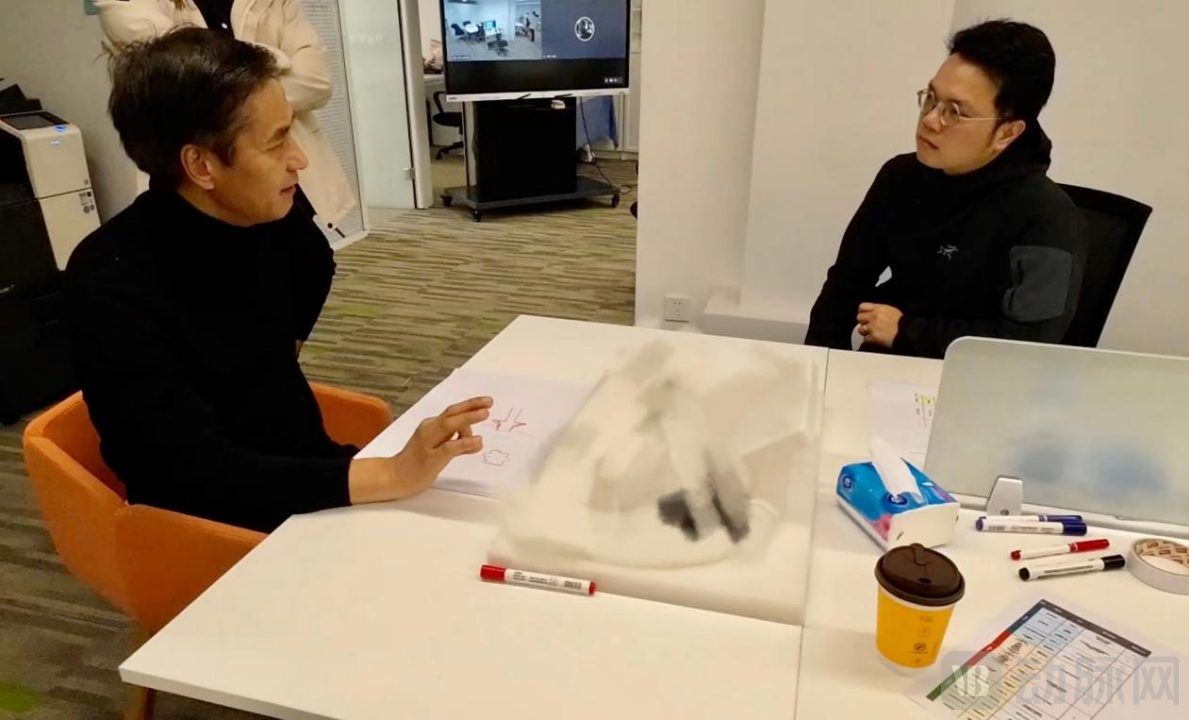
Professor Liu Jianmin, Principal Investigator in Neurointerventional Medicine, Guided Company Designers in Refining Product Design Details
To meet these demands, Shenzhen Aibo Medical Robot Co., Ltd. has defined its product based on detailed clinical scenarios and integrated clinical needs from the early stages of research and development, thereby avoiding architectural design flaws. The company is committed to developing a vascular interventional surgical robot that can truly generate significant clinical value.Unlike other similar products, the vascular interventional surgical robot from Shenzhen Aibo Medical Robot Co., Ltd. adopts a modular design concept, overcoming key technical challenges such as multi-instrument coordination, force sensing and feedback, precise master-slave manipulation, and remote low-latency control. Users can flexibly adjust different functions and freely combine modules according to their needs. This product not only accommodates various surgical procedures, achieving full-process coverage of surgeries, but also protects physicians from radiation exposure.
In clinical applications, Shenzhen Aibo Medical Robot Co., Ltd. has deeply addressed the pain points faced by clinicians. By integrating visual, auditory, and haptic feedback, the system faithfully replicates the surgeon’s tactile experience, thereby shortening the learning curve. Furthermore, its force-feedback technology provides high-precision haptic safety alerts, ensuring that every surgical procedure is safe, precise, and efficient.
This surgical robot also boasts excellent compatibility and ease of use. It is compatible with all mainstream consumables available on the market, features convenient assembly and disassembly, and enables rapid preparation of instruments required for surgery, covering the most comprehensive surgical workflows and the widest range of interventional procedures. This allows it to meet the high-volume surgical demands in China, establishing itself as an intelligent, compact, lightweight, and cost-effective robotic system for pan-vascular interventional surgeries.
A review of the development in the medical device sector reveals that major technological innovations often lead to the disruption of traditional surgical procedures and the resolution of critical pain points. With continuous technological iteration and the integration of artificial intelligence, big data, and virtual reality, the clinical value of surgical robots is experiencing exponential growth, driving interventional surgeries toward greater precision, higher efficiency, and improved accessibility.
More precise surgical manipulation translates to a shorter learning curve for surgeons and fewer postoperative complications. With robot-assisted surgery, physicians can more conveniently simulate surgical procedures, achieving greater operational precision and high-precision haptic safety warnings. This technological innovation not only enhances the precision of interventional procedures but also holds promise for promoting high-level standardization of interventional surgeries across different regions.
More efficient surgical procedures mean improved efficiency in interventional surgeries. Traditional manual surgeries require multiple doctors to work together, bearing physical strain while operating different instruments. With robotic technology, a single operator can control multiple instruments collaboratively without physical burden. This technological innovation can alleviate the shortage of interventional physicians and reduce physical exhaustion, increase hospital surgical capacity, and help primary hospitals implement day surgeries at lower costs, thereby significantly reducing patients' surgical waiting times and hospitalization expenses.
More accessible surgical procedures mean inclusive and accessible medical resources. Through remote robotic surgery technology, medical resources can transcend geographical limitations, enabling remote assistance and guidance. This technological innovation allows advanced surgical techniques and expert experience to be widely applied across various medical institutions. Both top-tier hospitals and primary care facilities with relatively scarce medical resources can benefit from the significance and value of this technology.
As the global technological pioneer of pan-vascular surgical robots,Shenzhen Aibo Medical Robot Co., Ltd. is making every effort to promote the industrialization of high-performance pan-vascular robots.Leveraging its profound technological expertise and extensive industrialization experience, the company has established strong collaborative partnerships with leading medical institutions in China. Three top-tier clinical experts in the field of vascular intervention—Academician Junbo Ge, Director Jianmin Liu, and Director Weiguo Fu—have provided comprehensive support for the company’s product research and development, clinical trials, and market promotion. Through deep integration between these renowned clinical experts and the Shenzhen Aibo Medical Robot Co., Ltd. team, a pan-vascular interventional robotics solution with global innovative attributes has been jointly developed, driving continuous innovation and advancement within the industry.
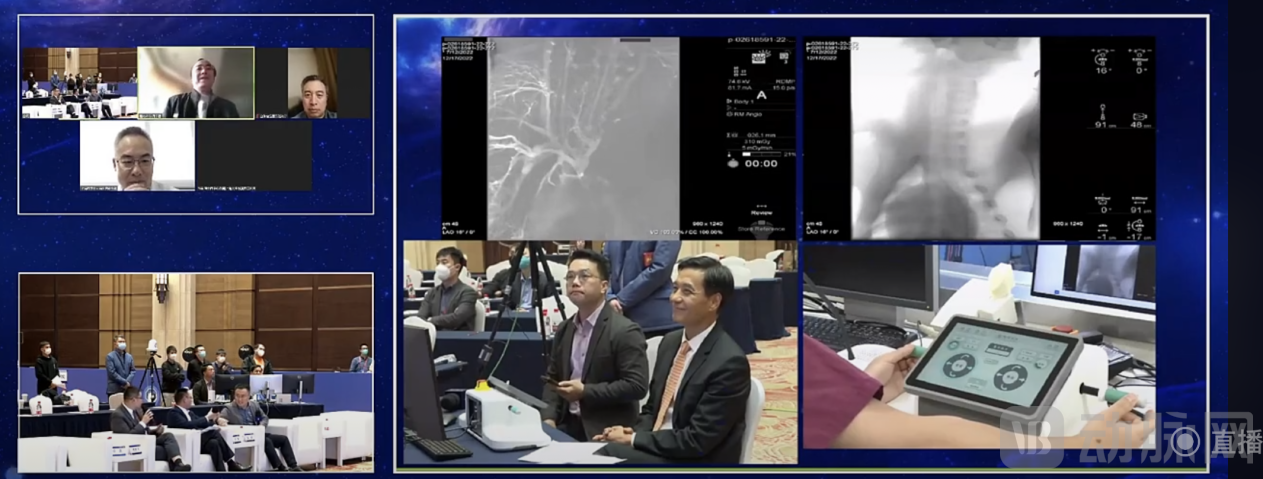
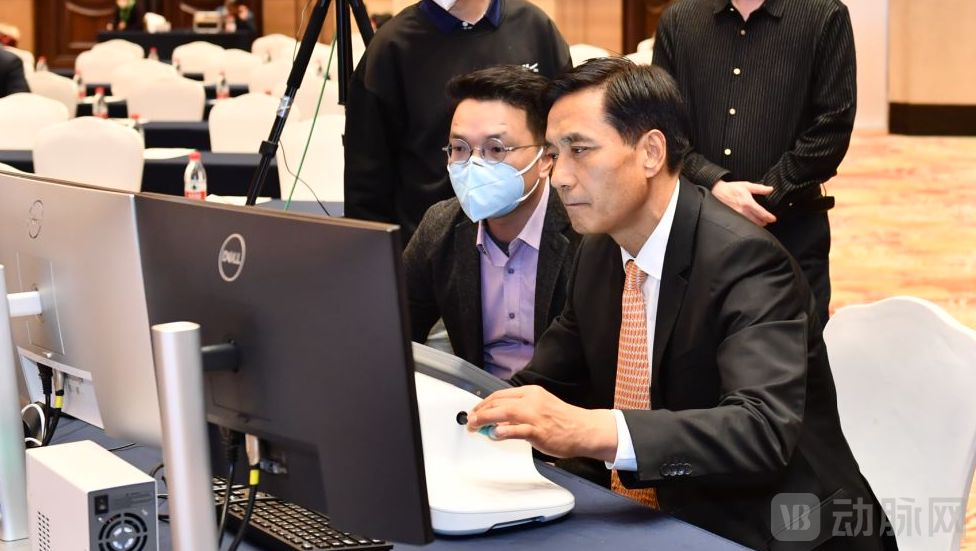
Director Liu Jianmin of Shanghai Changhai Hospital Successfully Conducted a Global Remote Live Broadcast Based on 5G Network Using Aibo Medical Robot Products at the 2022 Oriental Congress on Cerebrovascular Diseases
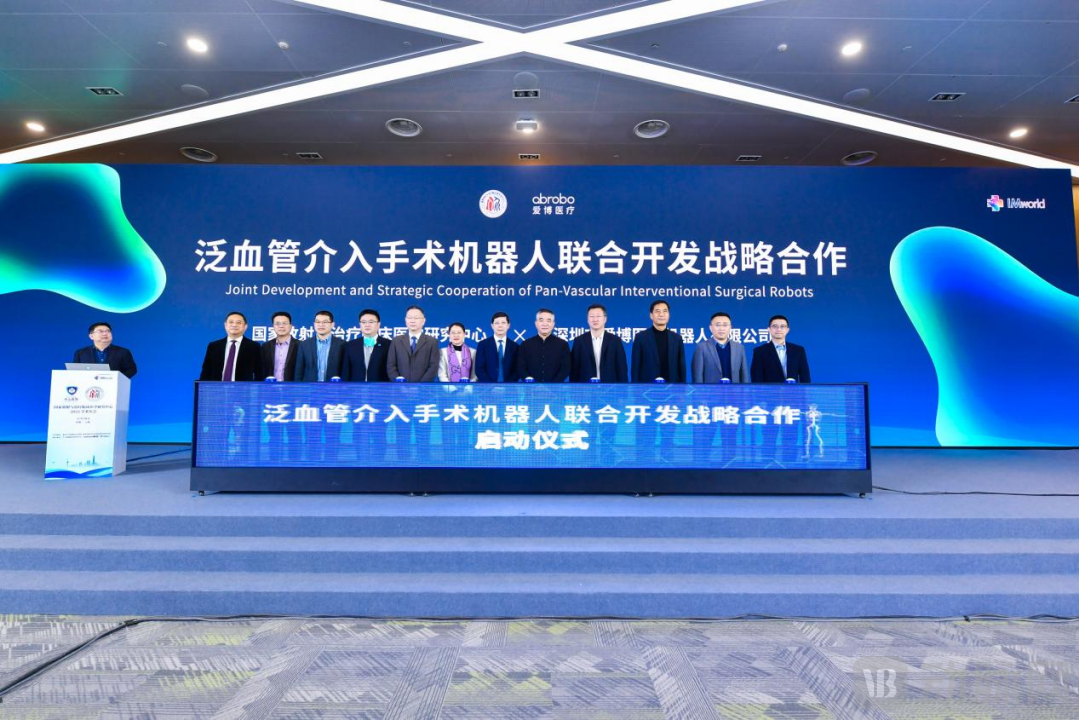
In December 2022, Shenzhen Aibo Medical Robot Co., Ltd., as the sole partner, entered into a strategic cooperation agreement with the National Clinical Research Center for Radiology and Interventional Medicine at Shanghai Zhongshan Hospital for the joint development of pan-vascular surgical robots.
As the value of surgical robots has been validated in orthopedics and laparoscopy, the field is also entering a period of rapid growth in vascular interventional surgery.In Frost & Sullivan’s report on “Historical and Forecasted Numbers of Robot-Assisted Pan-vascular Surgeries in China,” one can observe the explosive growth trend in the future application of this technology—a J-shaped growth curve that demonstrates significant market potential.
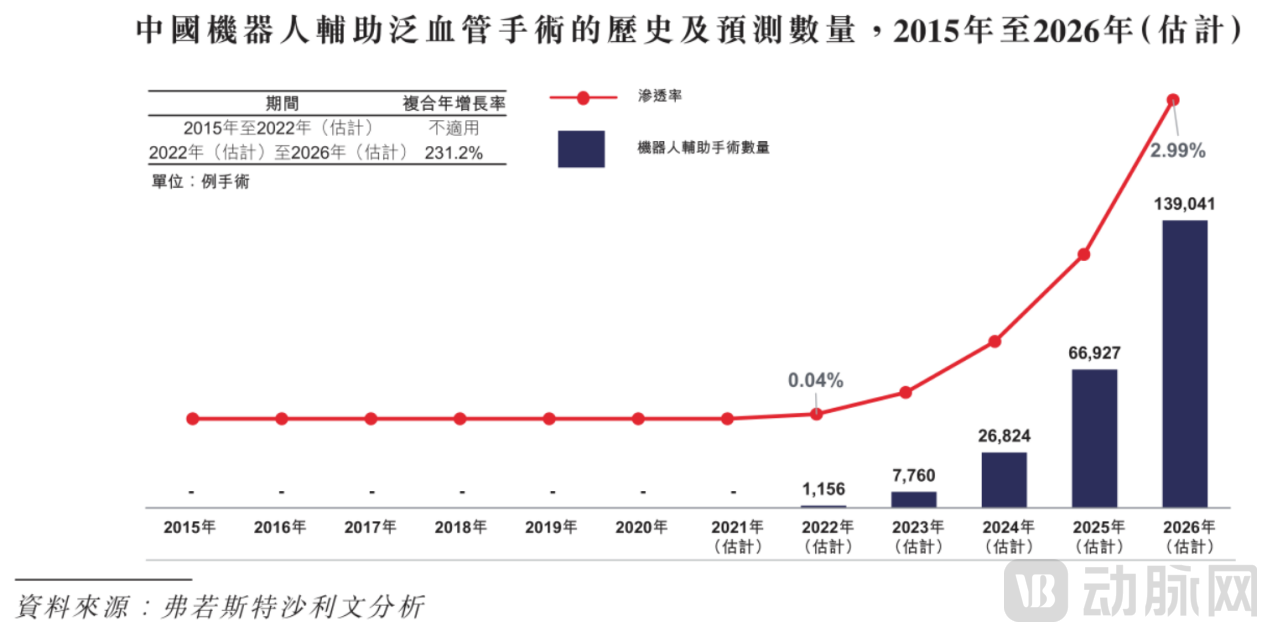
Historical Trends and Projected Volumes of Robot-Assisted Panvascular Surgery in China
The high precision, high technical threshold, and significant radiation exposure associated with vascular interventional procedures make them complex and challenging. In traditional vascular interventions, physicians must operate in close proximity to the X-ray tube, resulting in exposure to high doses of radiation. This has a detrimental impact on the career longevity of physicians and other personnel involved in bedside interventional procedures. The emergence of vascular interventional surgical robots addresses this issue by employing master-slave teleoperation to reduce physicians' radiation exposure, thereby enhancing procedural safety.
Furthermore, vascular interventional surgical robot technology can enhance surgical precision and stability through precise guidance and manipulation, thereby reducing surgical risks and the incidence of complications. This will mitigate postoperative sequelae in patients, lower treatment costs, and enable more primary healthcare institutions to deliver high-quality vascular interventional procedures, thus meeting the needs of a broad patient population.
Meanwhile, hospitals have also expressed strong interest in vascular interventional surgical robot technology. The adoption of this technology can enhance the efficiency and quality of surgeries, while reducing resource waste and the risk of medical adverse events. By offering advanced medical services, hospitals can attract more patients and specialist physicians, thereby bolstering their reputation and competitiveness.
In terms of the market, forecasts indicate that the addressable market for vascular interventional surgical robots will reach a volume of 7 to 10 million procedures. This presents significant business opportunities for domestic manufacturers. Chinese medical technology companies can secure a foothold and achieve long-term competitive advantages in this burgeoning market by increasing R&D investment and driving technological innovation.
In summary, there is significant market demand for vascular interventional surgical robot technology in the field of pan-vascular interventions. Through technological innovation and market expansion, domestic manufacturers will provide patients with more precise, safe, and efficient treatment solutions, thereby advancing the development of China’s medical technology and making greater contributions to the nation’s healthcare endeavors.
Continued support from top-tier investors has accelerated the pace of global innovation for domestic brands. As an industry leader, Shenzhen Aibo Medical Robot Co., Ltd. has accumulated extensive experience in strategic pathway selection for vascular interventional surgical robots, technological innovation and translation of achievements in the diagnosis and treatment of vascular diseases, as well as the research and development of novel medical devices. Currently, the company’s first-generation product has entered human clinical trials as scheduled, while its second-generation product is poised to enter the type-testing phase.
In the surgical robotics industry, the construction of intellectual property (IP) portfolios has become a critical competitive barrier and a fundamental prerequisite for enterprises expanding into overseas markets. Shenzhen Aibo Medical Robot Co., Ltd. has always placed high importance on IP protection, establishing a comprehensive, full-lifecycle IP protection system. To date, the company has secured 368 high-quality domestic and international patents (covering the United States, the European Union, Japan, India, Russia, and other regions), with 134 patents already granted. This achievement positions Shenzhen Aibo Medical Robot Co., Ltd. as a leader in the global field of vascular intervention robotics.
As its patent portfolio continues to expand, Shenzhen Aibo Medical Robot Co., Ltd. will further optimize its R&D products to meet diverse clinical needs and accelerate the commercialization of its products in both domestic and international markets. This also presents an opportunity for China to take a global lead in the high-end medical device sector of pan-vascular interventional surgical robots.
Shenzhen Aibo Medical Robot Co., Ltd. has completed four rounds of financing within just three years, fully demonstrating investors’ recognition of both the vascular interventional robotics sector and the company itself. China is home to the world’s largest population of patients with cardiovascular and cerebrovascular diseases and the corresponding treatment needs. Shenzhen Aibo Medical Robot possesses core technologies and a deep understanding of the Chinese market. The company has remained focused on the field of vascular interventional robotics, striving to capitalize on the trend toward more precise, intelligent, and accessible interventional procedures. This latest round of financing will further accelerate the commercialization of its globally innovative series of vascular interventional surgical robots.
Academician Guo Shuxiang, Chairman/Chief Scientist of Shenzhen Aibo Medical Robot Co., Ltd., statedWe extend our heartfelt gratitude to Guozhong Capital, Legend Star, and Changling Capital for their steadfast support of the company. The successful completion of this financing round will propel Shenzhen Aibo Medical Robot Co., Ltd. to new heights. Vascular interventional surgical robots represent a perfect fusion of technological innovation and humanistic care. We aspire for our surgical robot technology to lead the transformation in the field of vascular intervention, bringing benefits to patients through precise, efficient, and safe surgical solutions. We will strengthen technological innovation, talent development, and market collaboration, continuously enhancing the company’s value and influence. We look forward to jointly witnessing the bright future of vascular interventional surgical robots!
The Healthcare Investment Team of Guozhong Capital statedSurgical robotics is a sector of sustained interest for Guozhong Capital. The team at Shenzhen Aibo Medical Robot Co., Ltd. possesses proprietary original technologies and interdisciplinary expertise, with core members having over a decade of deep experience in the healthcare industry and a robust portfolio of intellectual property. Guided by clinical needs, Shenzhen Aibo Medical Robot has conducted in-depth research into physicians’ operational workflows and usage habits to independently develop a vascular interventional surgical robot that supports various complex procedures and covers the entire surgical process. This innovation aims to enhance the precision and stability of surgical operations while shielding physicians from radiation exposure, thereby delivering significant clinical value. Adhering to its strategy of investing in early-stage and small-scale ventures, Guozhong Capital continues to support founding teams with innovative, proprietary technologies, fostering the innovation and industrialization of China’s medical technology sector.
He Zhiqiang, Senior Vice President of Lenovo Group and President of Lenovo Capital and Incubation Group, stated: China’s original innovation has entered a critical phase. In the field of innovative healthcare, the digitalization, precision, and intelligence of vascular intervention represent a major trend, with surgical robots serving as an ideal platform. Shenzhen Aibo Medical Robot Co., Ltd. is grounded in independent innovation and the integration of medicine and engineering. By deeply engaging with clinical scenarios, the company has developed products with fully independent intellectual property rights that cover the entire workflow of vascular intervention procedures, significantly reducing radiation exposure during surgery. Lenovo Capital has invested in Shenzhen Aibo Medical Robot since its angel round and will continue to leverage its CVC 2.0 advantages to support the company’s rapid growth. This partnership aims to empower surgical robots with stronger technological innovation capabilities to compete globally, ultimately leading the vascular intervention surgical robot sector and harnessing technology to benefit humanity.
Jiang Xiaodong, Managing Partner at Changling Capital, stated: As China’s aging process accelerates, the volume of vascular interventional procedures has surged significantly. However, existing vascular interventional techniques remain highly dependent on physicians’ skills, making it difficult to meet the rapidly growing clinical demand. The interventional robot developed by Shenzhen Aibo Medical Robot Co., Ltd., refined through the research efforts of three generations of Chinese and international scientists, holds the potential to transform current surgical practices through intelligent and miniaturized design, delivering unprecedented benefits to both physicians and patients. Against the backdrop of China’s pursuit of common prosperity, the Aibo Robotics team has adhered to a value-based healthcare orientation in its R&D efforts, striving for ultimate cost-effectiveness—a vision that aligns seamlessly with Changling Capital’s commitment to enhancing healthcare accessibility in China. We will continue to firmly support the development of Shenzhen Aibo Medical Robot Co., Ltd., helping the company build a domestically developed vascular intervention robot that serves a broad population and remains affordable for hundreds of millions of ordinary patients.
Guozhong Capital currently manages two physical funds under the National SME Development Fund. Its subsidiary, Guozhong Venture Capital (i.e., Shenzhen Guozhong Venture Capital Management Co., Ltd.), manages the first physical fund of the National SME Development Fund, with a capital size of RMB 6 billion; Guozhong Changrong (i.e., Shenzhen Guozhong Changrong Asset Management Co., Ltd.) manages the Phase II fund of the National SME Development Fund, with a capital size of RMB 4 billion. The total assets under management have reached RMB 10 billion. Guozhong Capital advocates an investment philosophy that prioritizes research and integrates investment with research, guiding investments through in-depth industry chain analysis. It focuses on investment opportunities in strategic emerging industries, paying particular attention to high-quality enterprises in fields such as big data, cloud computing, cybersecurity, and enterprise services; semiconductors, electronic information technology, and artificial intelligence; new consumption and the new economy; new energy vehicles and intelligent driving; new materials, new energy, ecological protection, and intelligent equipment; as well as biopharmaceuticals and general health.
Legend Capital was established in 2016. As Lenovo’s global technology industry fund, it aims to integrate Lenovo’s global resources and shape the future of technology through investment and incubation. Legend Capital focuses on investments in the technology sector, with key areas including IoT, edge computing, cloud computing, big data, artificial intelligence, AI-plus-industry applications, and consumption upgrades. To date, Legend Capital has invested in over 200 outstanding companies, including more than 10 that have gone public—such as CATL, Meituan, NIO, Cambricon, Supcon, Zhuhai CosMX, SmartSens, Hygon, and Joulwatt—as well as over 40 unicorns in niche sectors, such as Megvii, 4Paradigm, and BYD Semiconductor. It also oversees more than 10 subsidiaries and innovative business units, including SHAREit, Anxiang Smart Healthcare, Lenovo Cloud Technology, and Lenovo Dosth Communication. By leveraging its innovative CVC 2.0 model, Legend Capital fully utilizes Lenovo’s global brand, distribution channels, and supply chain advantages to bridge business collaboration between portfolio companies and Lenovo Group. This approach effectively facilitates the industrial application of cutting-edge technologies, fostering an ecosystem of complementary strengths, close synergy, and mutual success.
Changling Capital, established in 2016, is a new generation of theme-driven venture capital fund. The founding partners of Changling come from NEA (New Enterprise Associates), one of the largest venture capital funds in the United States, and were responsible for NEA’s investments in China from 2005 to 2015. In the fields of healthcare and aging, Changling Capital is committed to investing in technology-driven business model innovations, making longevity a gift of life for everyone in China’s rapidly aging society. Changling Capital has offices in Shanghai and Beijing, with total assets under management reaching RMB 6 billion. Its limited partners include endowments from globally renowned universities and hospitals, foundations, pension funds, top-tier fund-of-funds, and other first-class institutional investors. Our investment teams in Shanghai and Beijing collectively possess over 50 years of venture capital experience, dedicated to continuously creating value for the growth and development of companies in emerging sectors.